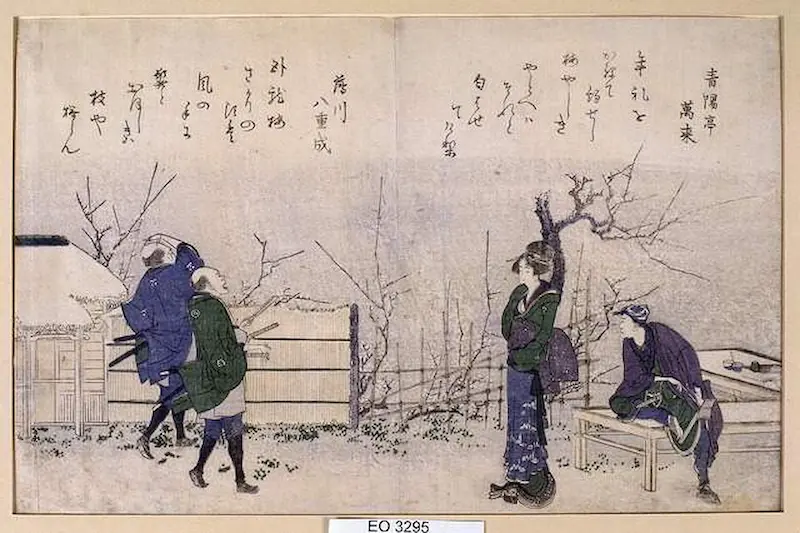
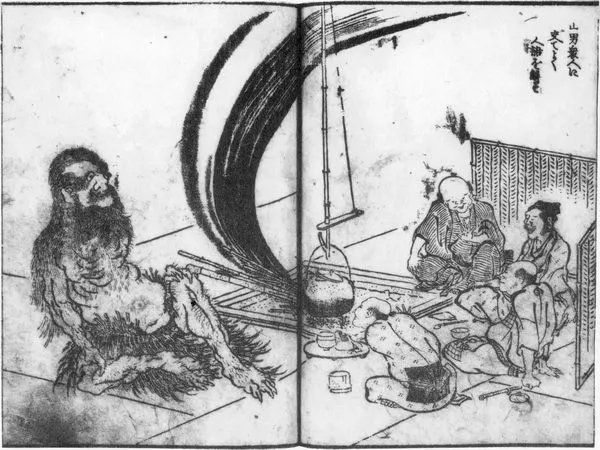
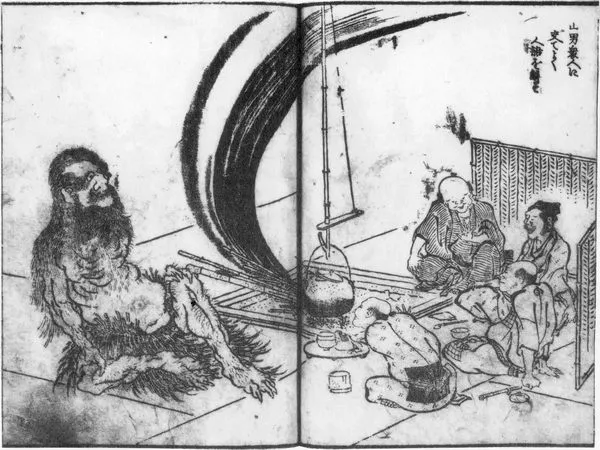
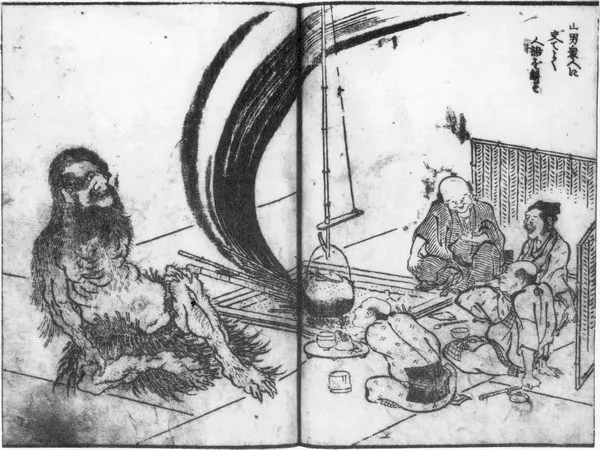
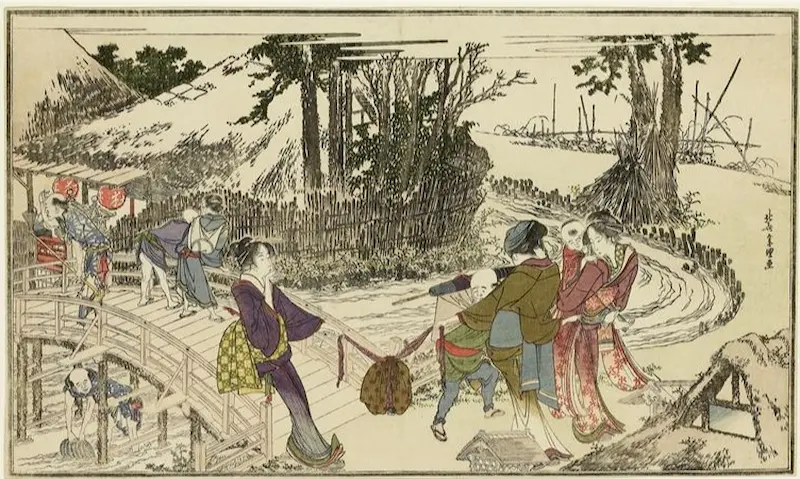
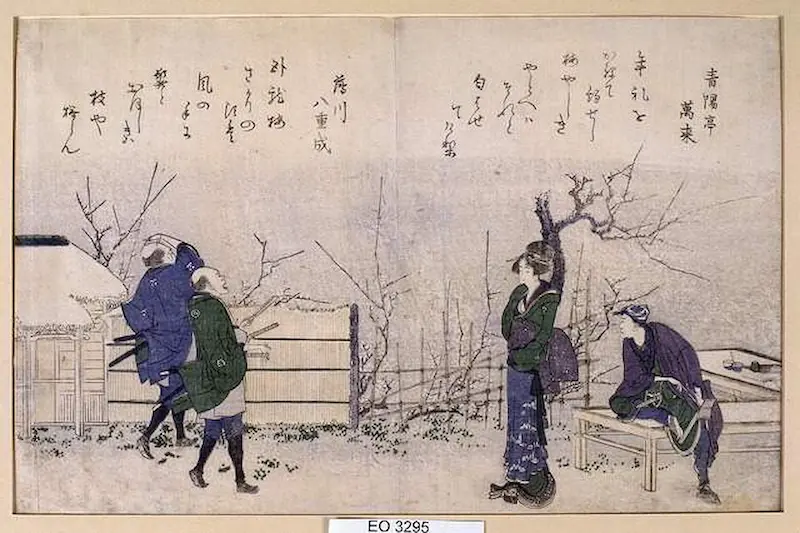
Hokusai’s technique in "The Giant Mountain Man" demonstrates his expertise in oil on canvas, blending meticulous detail with powerful imagery. The Ukiyo-e movement’s influence is evident in every stroke, reflecting both tradition and innovation. Art lovers appreciate how this painting, like "Onmyo Imoseyama" and "Women walking in a garden," showcases the skillful use of color and form, making it a standout piece among fine Japanese artworks.
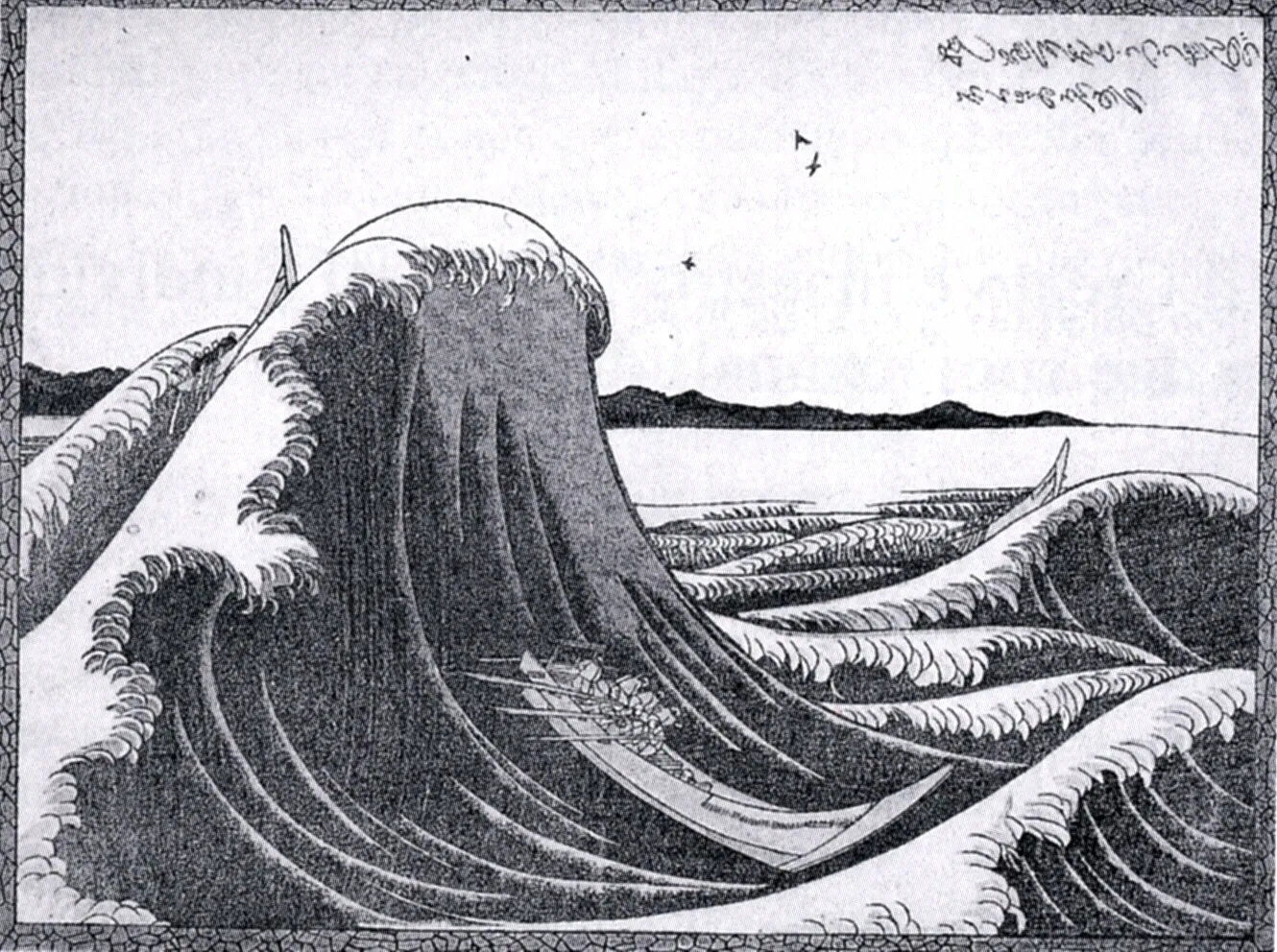
"The Giant Mountain Man" is more than a fine art painting for sale; it is a narrative woven with symbolism. Hokusai infused his work with stories of strength, resilience, and harmony with nature, themes prevalent in the Ukiyo-e movement. Collectors often pair this masterpiece with related products such as "Cargo ship and wave" or "Ningyo" to create a curated collection that celebrates the rich storytelling tradition of Japanese art.
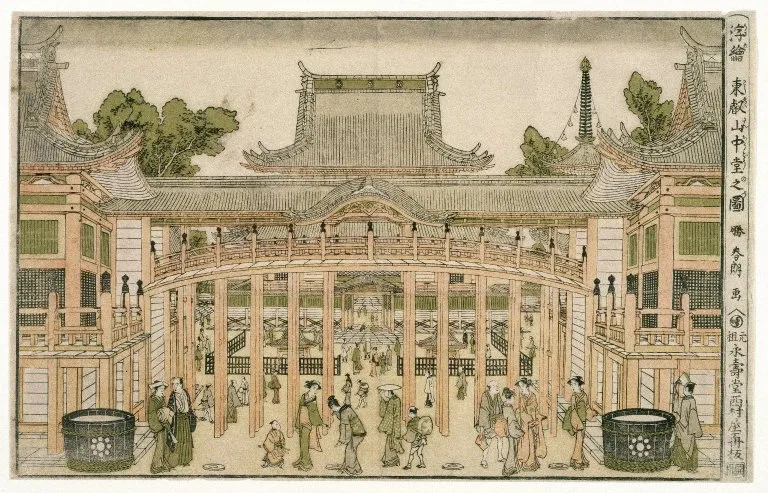
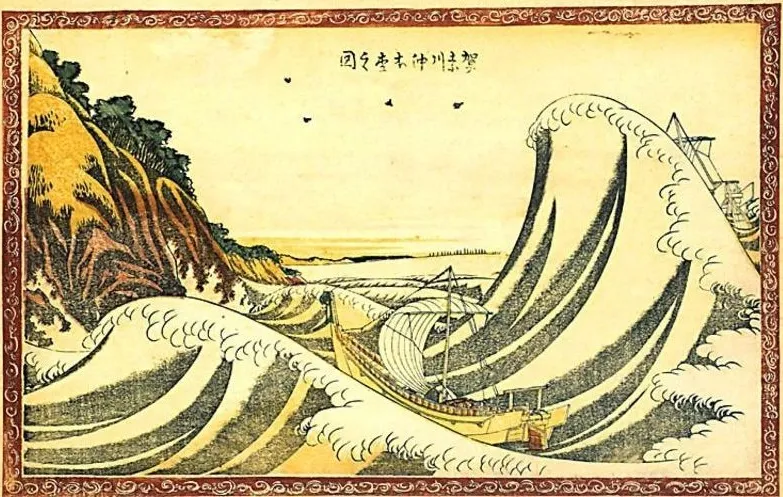
Owning "The Giant Mountain Man" by Katsushika Hokusai is a unique opportunity for collectors of oil on canvas masterpieces. This painting, rooted in the Ukiyo-e movement, is highly sought after for its artistic and historical value. Whether displayed alongside "Women walking in a garden" or "View of Honmoku," it represents a fine art painting for sale that elevates any collection, capturing the timeless beauty of Japanese creativity.
When Art Meets History
Katsushika Hokusai’s “The giant mountain man” stands as a testament to the rich heritage of the Ukiyo-e movement. Painted during a period of profound cultural transformation in Japan, this hand-painted oil painting reflects both the traditional and innovative spirit of its time. Hokusai, celebrated for his iconic works like “The Great Wave off Kanagawa,” channels historical narratives and folklore into each brushstroke, making this piece a significant chapter in the evolution of Japanese fine art.
Techniques That Speak
Hokusai’s mastery is evident in his use of oil on canvas, a medium that adds depth and vibrancy to the Ukiyo-e aesthetic. “The giant mountain man” showcases meticulous linework and a harmonious blend of colors, capturing both the grandeur and mystique associated with legendary figures. Through his innovative approach, Hokusai bridges traditional woodblock print techniques with the expressive potential of oil painting, setting this artwork apart within the realm of Japanese fine art.
Emotions on Display
“The giant mountain man” evokes a powerful sense of awe and reverence, drawing the viewer into a world where myth and reality intertwine. Hokusai’s composition and choice of subject imbue the scene with emotion, from the commanding presence of the mountain man to the tranquil landscape surrounding him. This fine art painting for sale is more than an image; it is an emotional journey, reminiscent of the artist’s other celebrated works within the Ukiyo-e movement.
Coveted by Collectors
Collectors and art enthusiasts highly seek “The giant mountain man” not only for its historical significance but also for its artistic brilliance. As a hand-painted oil painting by Katsushika Hokusai, it represents a unique fusion of Eastern tradition and Western technique. The rarity and quality of such oil on canvas works from the Ukiyo-e period make them prized possessions, ensuring their place in prestigious collections and exhibitions around the world.
Frequently Asked Questions About The Giant Mountain Man
What is the historical context of "The Giant Mountain Man"?
"The Giant Mountain Man," created by Katsushika Hokusai, reflects the Edo period in Japan, a time characterized by a flourishing of arts and culture. This era saw the rise of ukiyo-e, a genre of woodblock prints that Hokusai famously contributed to.
What artistic techniques did Hokusai employ in this painting?
Hokusai utilized traditional ukiyo-e techniques, including meticulous line work and vibrant color palettes. His mastery of perspective and composition is evident in the dynamic portrayal of the mountain and the figure, creating a sense of depth and movement.
What does the giant mountain symbolize in the artwork?
The giant mountain in the painting symbolizes strength and permanence, representing the natural world’s majesty. It serves as a backdrop that emphasizes the insignificance of man in the face of nature’s grandeur.
How does Hokusai's work reflect Japanese cultural values?
Hokusai's work embodies the Japanese appreciation for nature and the spiritual connection between humans and the environment. The depiction of the mountain man suggests a harmonious relationship with the natural world, a core value in Japanese culture.
What influences can be seen in Hokusai's style in this painting?
Hokusai's style in "The Giant Mountain Man" shows influences from both traditional Japanese art and Western techniques. His innovative use of color and perspective demonstrates a blending of cultural influences that was emerging during his time.
What role does the figure of the mountain man play in the composition?
The mountain man serves as a focal point that draws the viewer's eye, contrasting with the vastness of the mountain. His presence highlights the theme of human endeavor against the backdrop of nature’s overwhelming power.
What themes are prevalent in "The Giant Mountain Man"?
The painting explores themes of nature, humanity, and the sublime. It invites contemplation on the relationship between man and the environment, as well as the transient nature of human existence compared to the eternal landscape.
How does Hokusai's work contribute to the understanding of Japanese art history?
Hokusai's work is pivotal in understanding the evolution of Japanese art, particularly in the ukiyo-e genre. His innovative approaches and thematic explorations have influenced countless artists and continue to be studied for their artistic significance.
What is the significance of color in "The Giant Mountain Man"?
The use of color in this painting enhances the emotional impact and visual appeal. Hokusai's vibrant hues not only bring the scene to life but also evoke the feelings associated with the natural landscape, emphasizing its beauty and power.
In what ways does "The Giant Mountain Man" reflect Hokusai's artistic philosophy?
Hokusai believed in the importance of capturing the essence of nature and human experience. "The Giant Mountain Man" reflects his philosophy by showcasing the interplay between man and nature, emphasizing the beauty and complexity of both.























_GFM_Painting_(1).webp)


 100% Hand-Painted: Finished in 3-6 Weeks

.png)















_(1).webp)