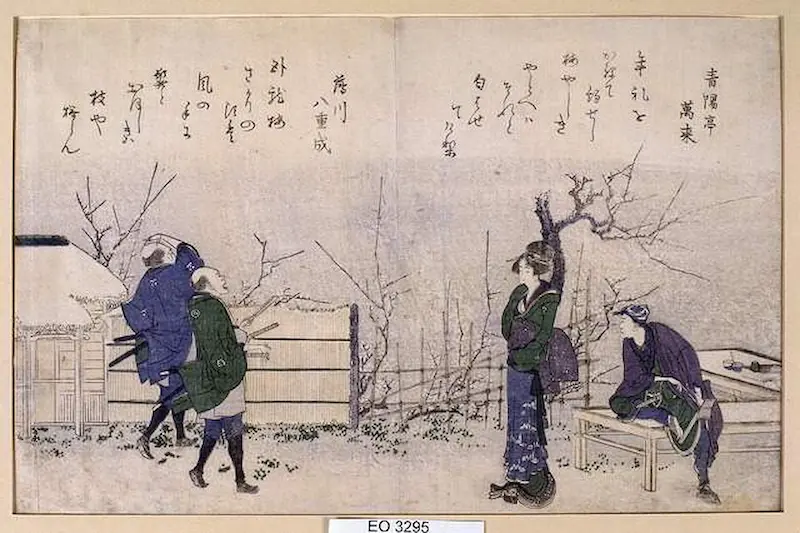
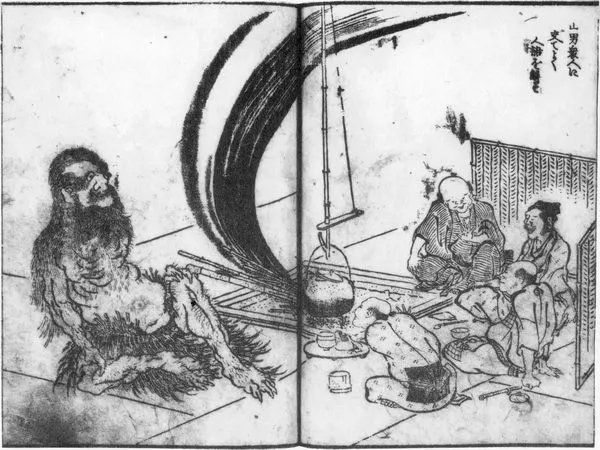
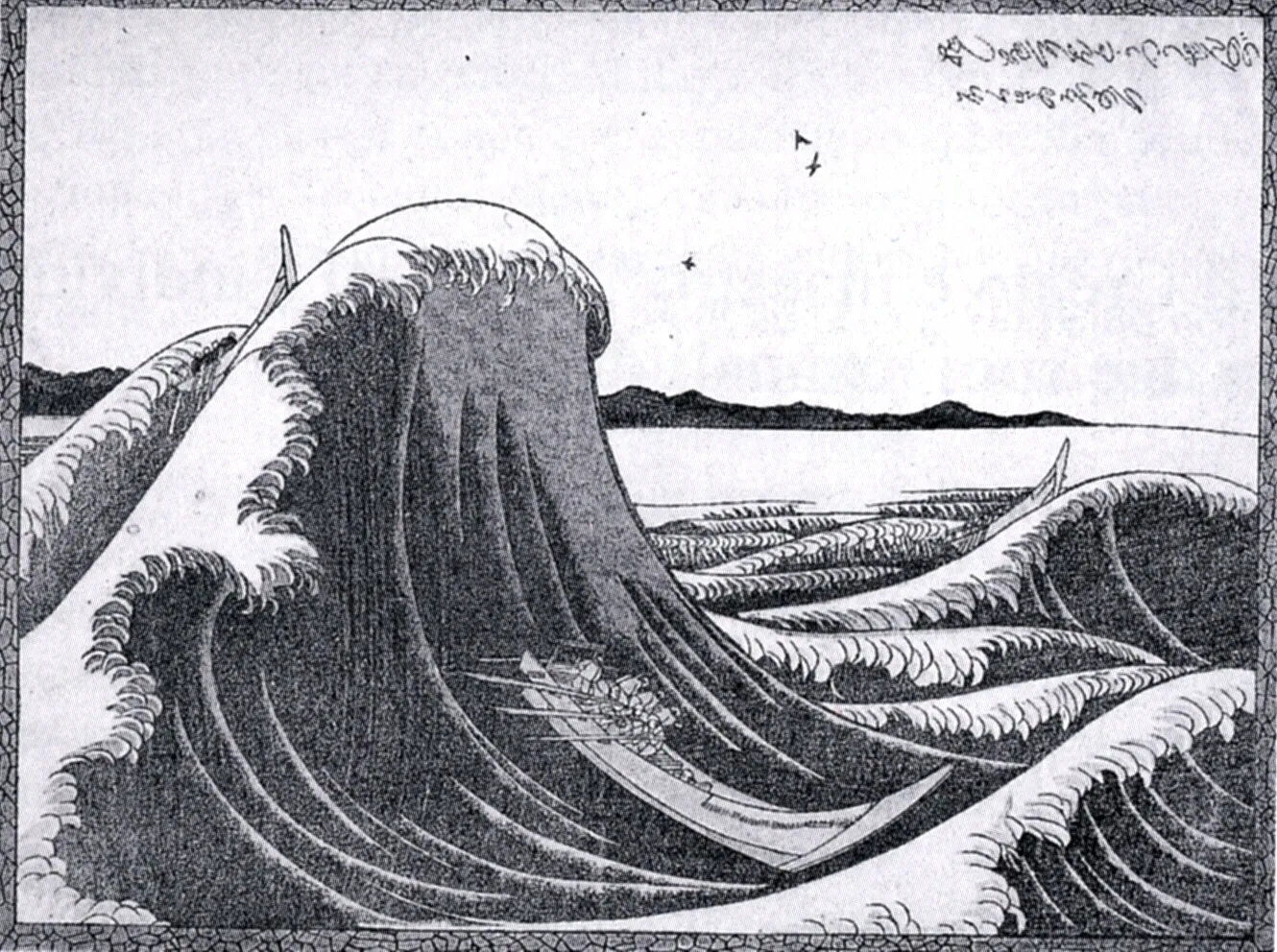
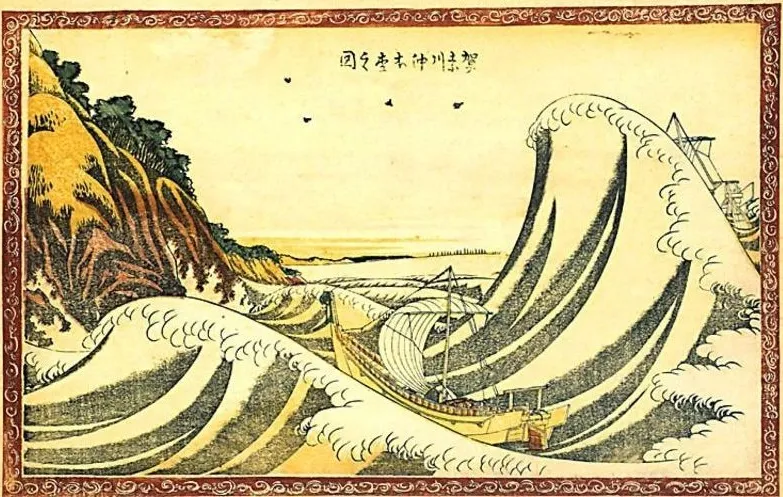
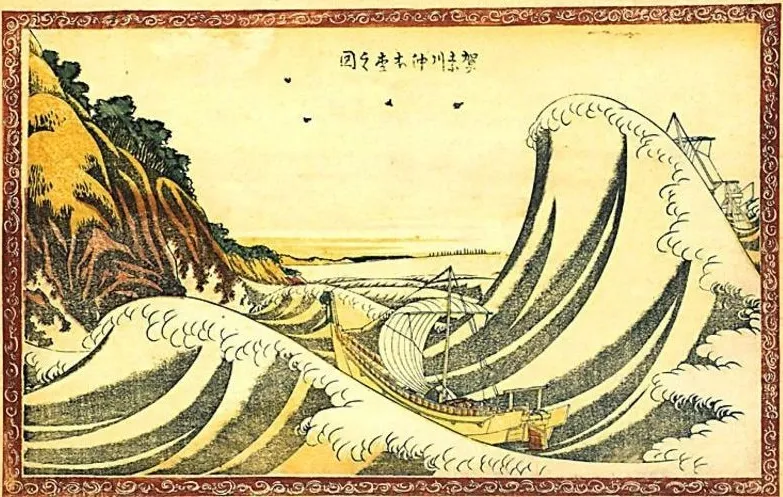
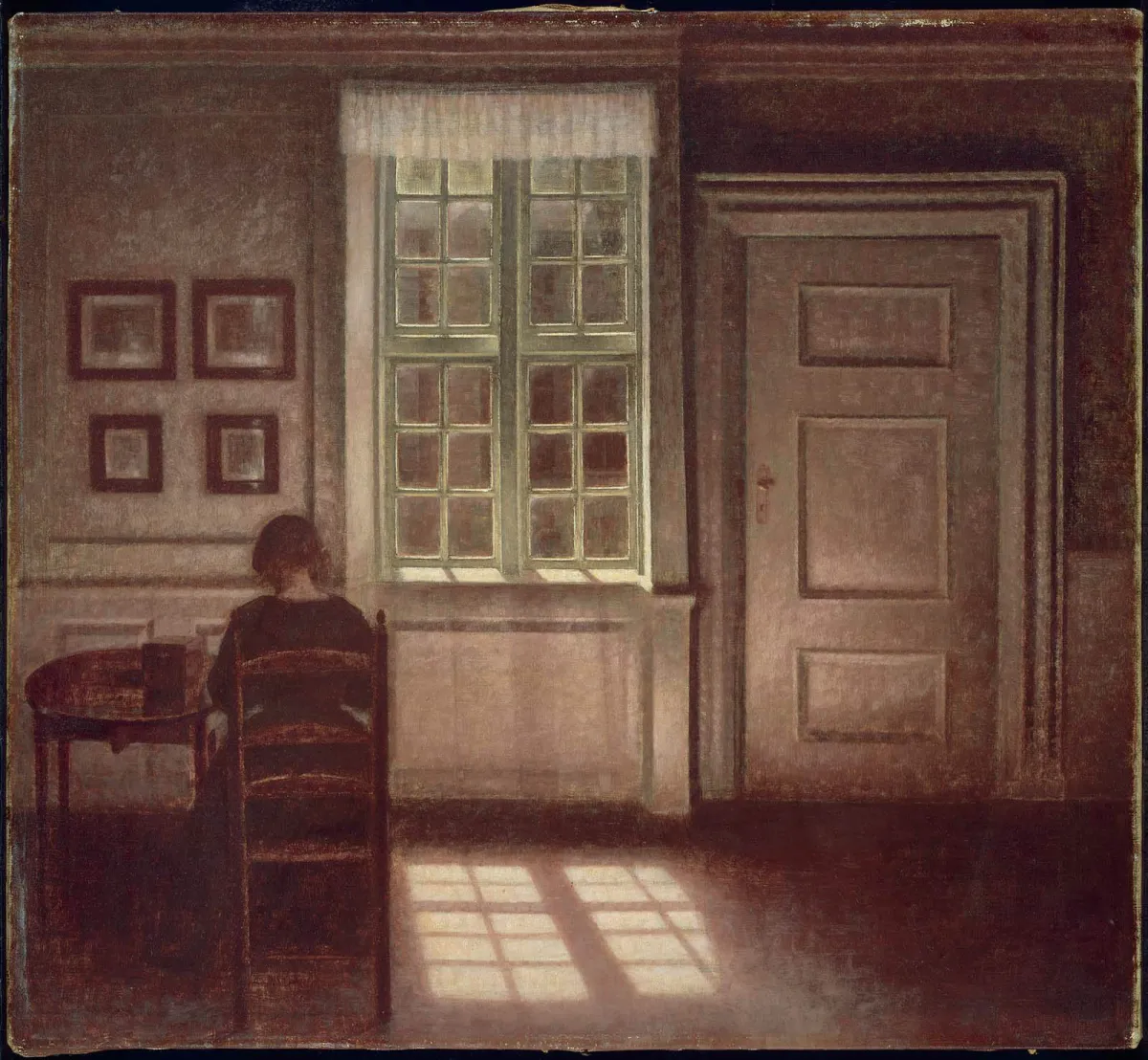
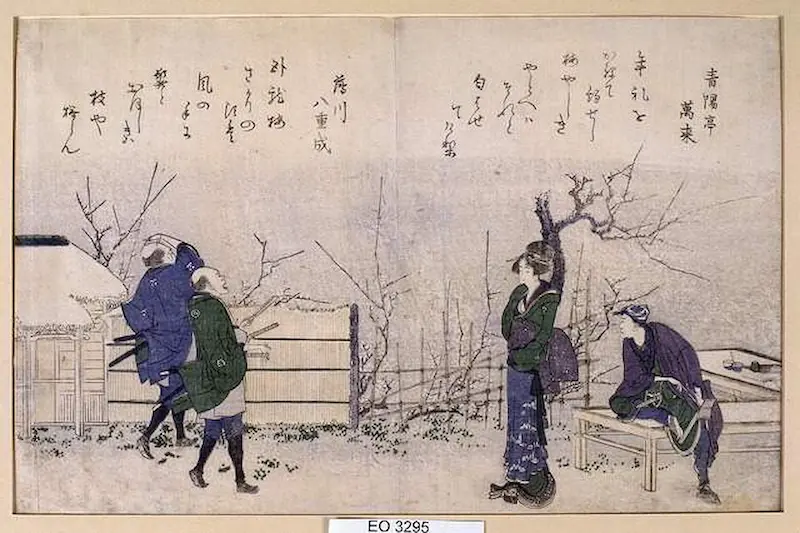
"View of Honmoku" showcases Hokusai’s exquisite technique, with each detail reflecting the artist’s dedication to his craft. The painting’s composition and coloring are reminiscent of a hand-painted oil painting, capturing the serenity and beauty of Honmoku’s landscape. As with other Ukiyo-e masterpieces like "Woman in an Interior," Hokusai’s work invites viewers to appreciate the meticulous artistry present in every brushstroke, making it a prized addition for those seeking authentic Japanese art.
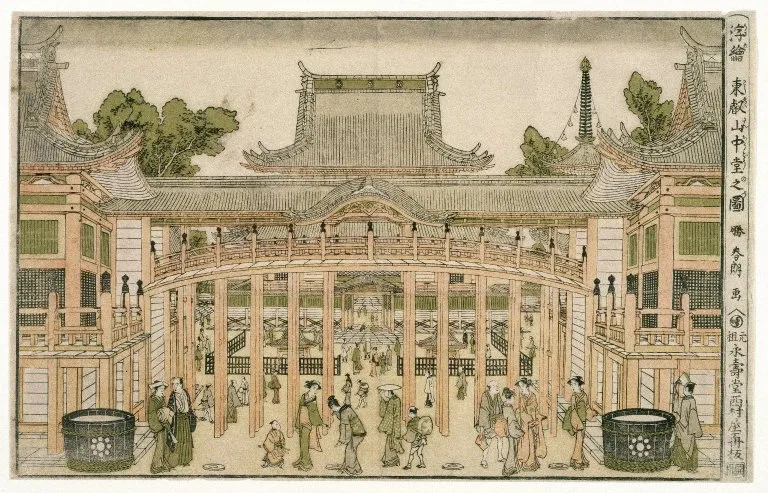
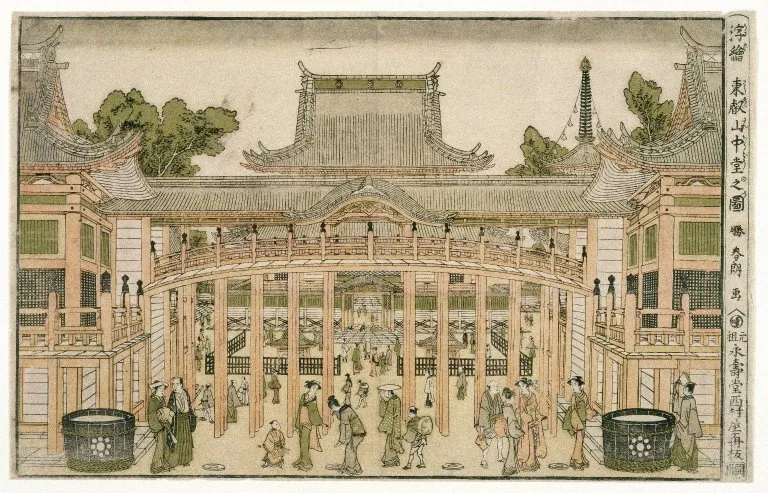
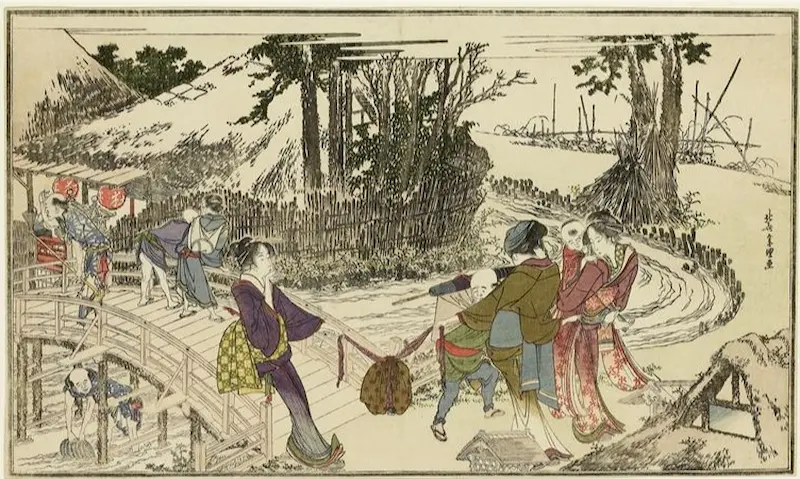
This oil on canvas artwork is rich with stories and symbols, echoing themes common in Ukiyo-e. "View of Honmoku" by Katsushika Hokusai reveals narratives about everyday life and nature, much like "Inside the Courtyard of the Toeizan Temple at Ueno" and "Women walking in a garden." Each element is intentionally placed, offering viewers a glimpse into Japanese culture and history, while the oil on canvas medium enhances the visual depth and emotional resonance of the scene.
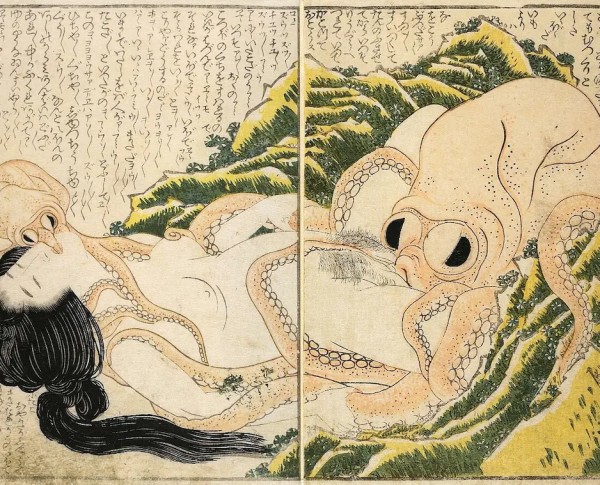
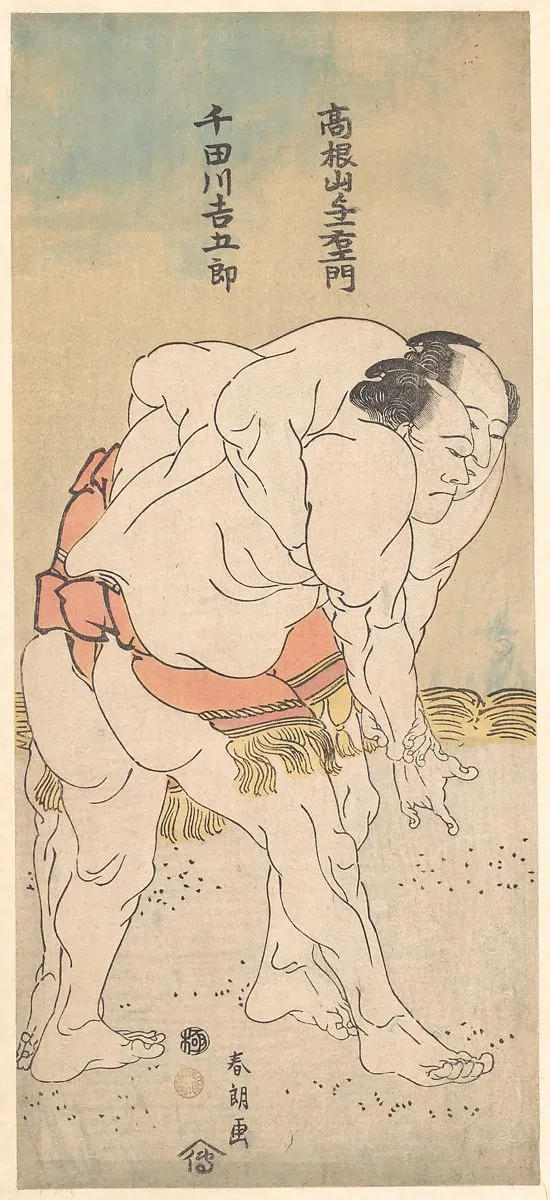
For art collectors, "View of Honmoku" stands as a coveted treasure, embodying the spirit of Ukiyo-e and the genius of Hokusai. This fine art painting for sale appeals to those who appreciate both historic and aesthetic value. Whether displayed alongside "Dream of the Fisherman’s Wife" or other celebrated works, Hokusai’s masterpiece elevates any collection, ensuring its place as a cherished and valuable acquisition for generations to come.
When Art Meets History
"View of Honmoku" by Katsushika Hokusai is a remarkable example of the Ukiyo-e movement, capturing a serene landscape with historical significance. Painted during a vibrant period in Japan's artistic development, this work reflects the era's fascination with natural beauty and everyday life. Like other masterpieces by Hokusai, this painting bridges the past and present, offering viewers a glimpse into history. Today, the piece inspires many hand-painted oil painting reproductions for enthusiasts and collectors alike.
Techniques That Speak
Katsushika Hokusai's mastery is evident in "View of Honmoku," where traditional Ukiyo-e techniques merge with innovative artistry. The composition's delicate lines and rich colors are reminiscent of his famous woodblock prints, yet the painting's texture suggests the allure of oil on canvas. The artist's skillful use of perspective and shading brings the landscape to life, making this work a valuable study for those interested in the technical aspects of fine art painting for sale.
Emotions on Display
"View of Honmoku" evokes a tranquil, contemplative mood, inviting viewers to experience the calmness of nature through Hokusai's eyes. The Ukiyo-e movement often sought to capture fleeting moments, and Hokusai's sensitive approach in this oil on canvas piece resonates deeply. His ability to convey serenity and introspection sets this fine art painting for sale apart, making it a cherished addition to any art lover's collection, alongside other iconic works by the artist.
Coveted by Collectors
As a prime example of the Ukiyo-e movement, "View of Honmoku" by Katsushika Hokusai remains highly sought after by collectors worldwide. The painting's enduring appeal lies in its harmonious composition and masterful execution, making it a coveted hand-painted oil painting. Collectors appreciate the historical context and artistic brilliance, often seeking out similar works by Hokusai for their collections of fine art painting for sale, ensuring its legacy endures for generations.
Frequently Asked Questions About View of Honmoku
What is the historical significance of "View of Honmoku"?
"View of Honmoku" is significant as it reflects the Edo period's fascination with landscapes and nature. Created by Katsushika Hokusai, a master of ukiyo-e, this artwork encapsulates the cultural and artistic developments of Japan during the early 19th century.
Who was Katsushika Hokusai?
Katsushika Hokusai was a renowned Japanese ukiyo-e painter and printmaker, active during the Edo period. He is best known for his iconic woodblock prints and paintings that depict landscapes, flora, and fauna, and he greatly influenced both Japanese and Western art.
What artistic techniques did Hokusai use in this painting?
Hokusai employed traditional ukiyo-e techniques, including the use of vibrant colors, detailed line work, and careful composition. His ability to capture the interplay of light and shadow adds depth and realism to the landscape.
What does "View of Honmoku" depict?
The painting depicts a serene landscape view of Honmoku, showcasing the natural beauty of the area with mountains, trees, and water. It reflects Hokusai's appreciation for nature and his ability to convey tranquility through his art.
What symbolic meanings are present in "View of Honmoku"?
The painting symbolizes harmony between humanity and nature, a common theme in Japanese art. The tranquil scene invites contemplation and reflects the Shinto belief in the spiritual essence of nature.
How does "View of Honmoku" fit into the ukiyo-e genre?
"View of Honmoku" fits into the ukiyo-e genre by capturing the ephemeral beauty of the world. Ukiyo-e, meaning "pictures of the floating world," often depicts landscapes, kabuki actors, and beautiful women, emphasizing the transient nature of life.
What influences can be seen in Hokusai's work?
Hokusai's work is influenced by traditional Japanese aesthetics, as well as Western artistic techniques that began to permeate Japan during his lifetime. His use of perspective and composition shows a blend of these influences, creating a unique style.
What role did nature play in Hokusai's artistic vision?
Nature played a central role in Hokusai's artistic vision. He believed that nature was a source of inspiration and a reflection of the human experience. His landscapes often convey a sense of peace and connection to the natural world.
How has "View of Honmoku" influenced modern art?
"View of Honmoku" has influenced modern art by inspiring artists to explore themes of nature and the environment. Hokusai's innovative use of color and composition has left a lasting impact on both Eastern and Western art movements.
What is the legacy of Katsushika Hokusai?
The legacy of Katsushika Hokusai is profound, as he is considered one of the most important figures in Japanese art history. His works continue to be celebrated for their beauty and technical mastery, influencing generations of artists worldwide.























_GFM_Painting_(1).webp)


 100% Hand-Painted: Finished in 3-6 Weeks

.png)















_(1).webp)