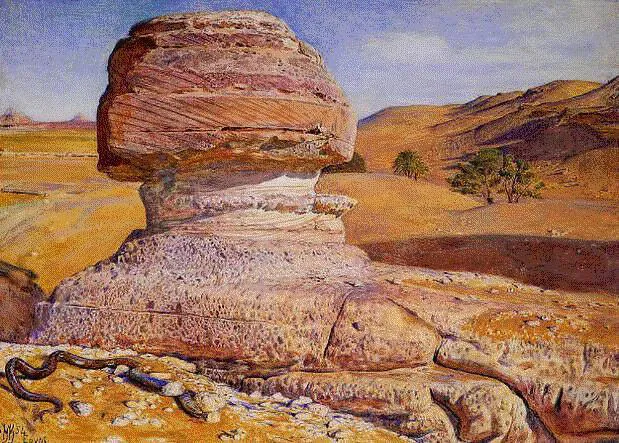
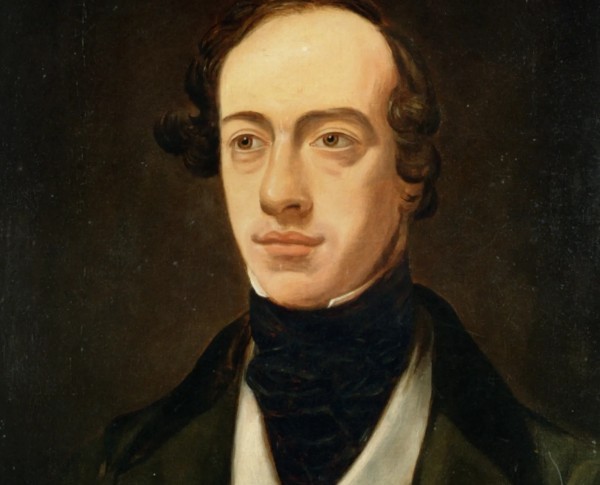
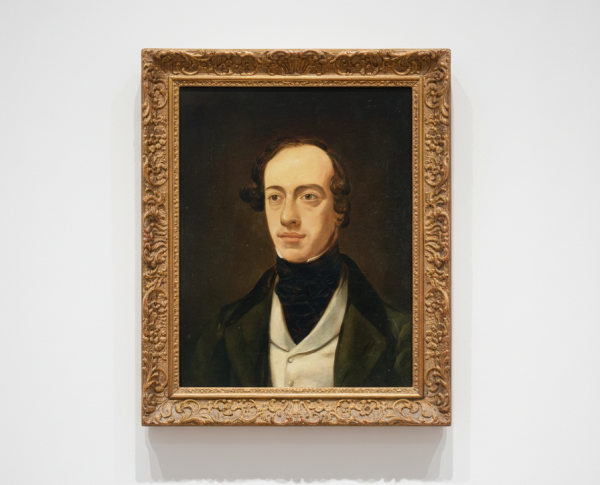
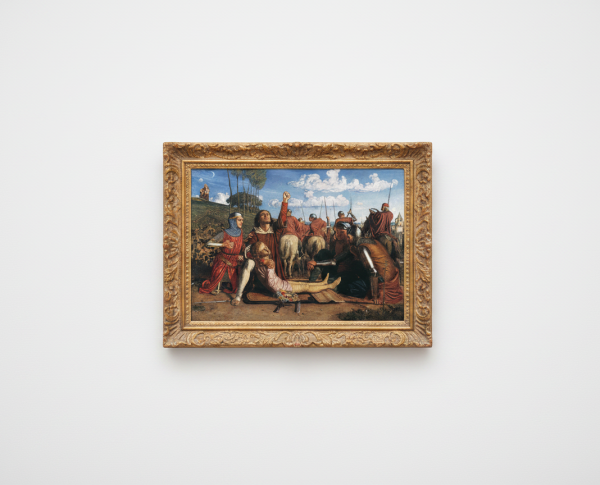
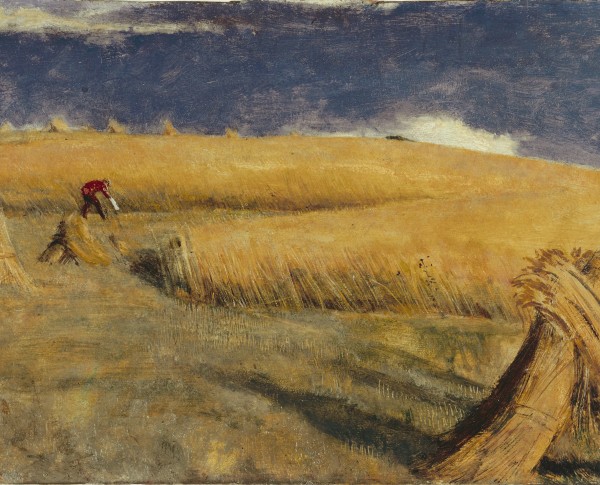
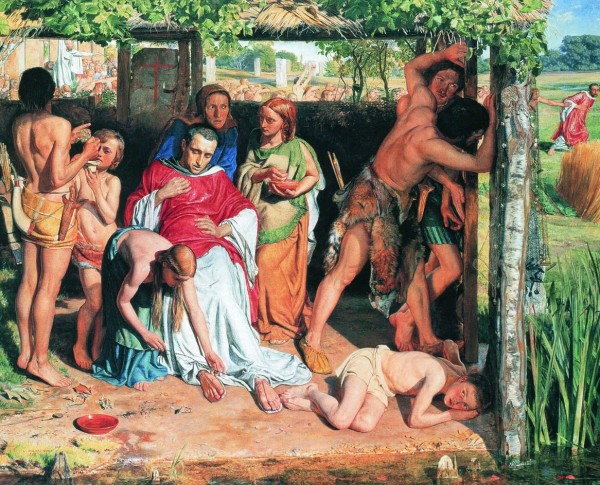
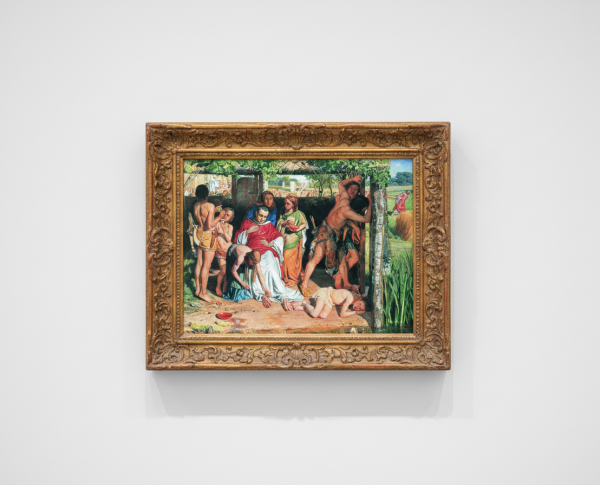
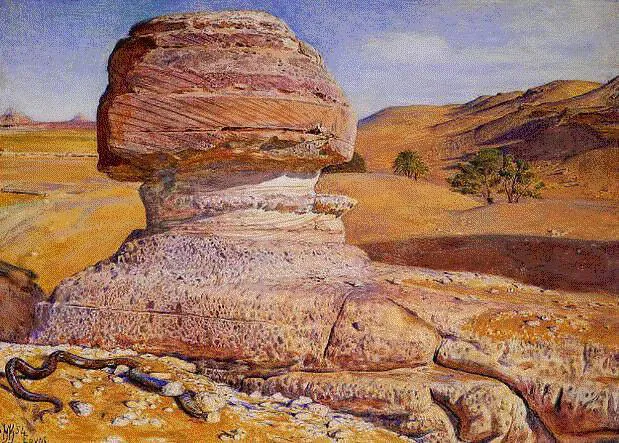
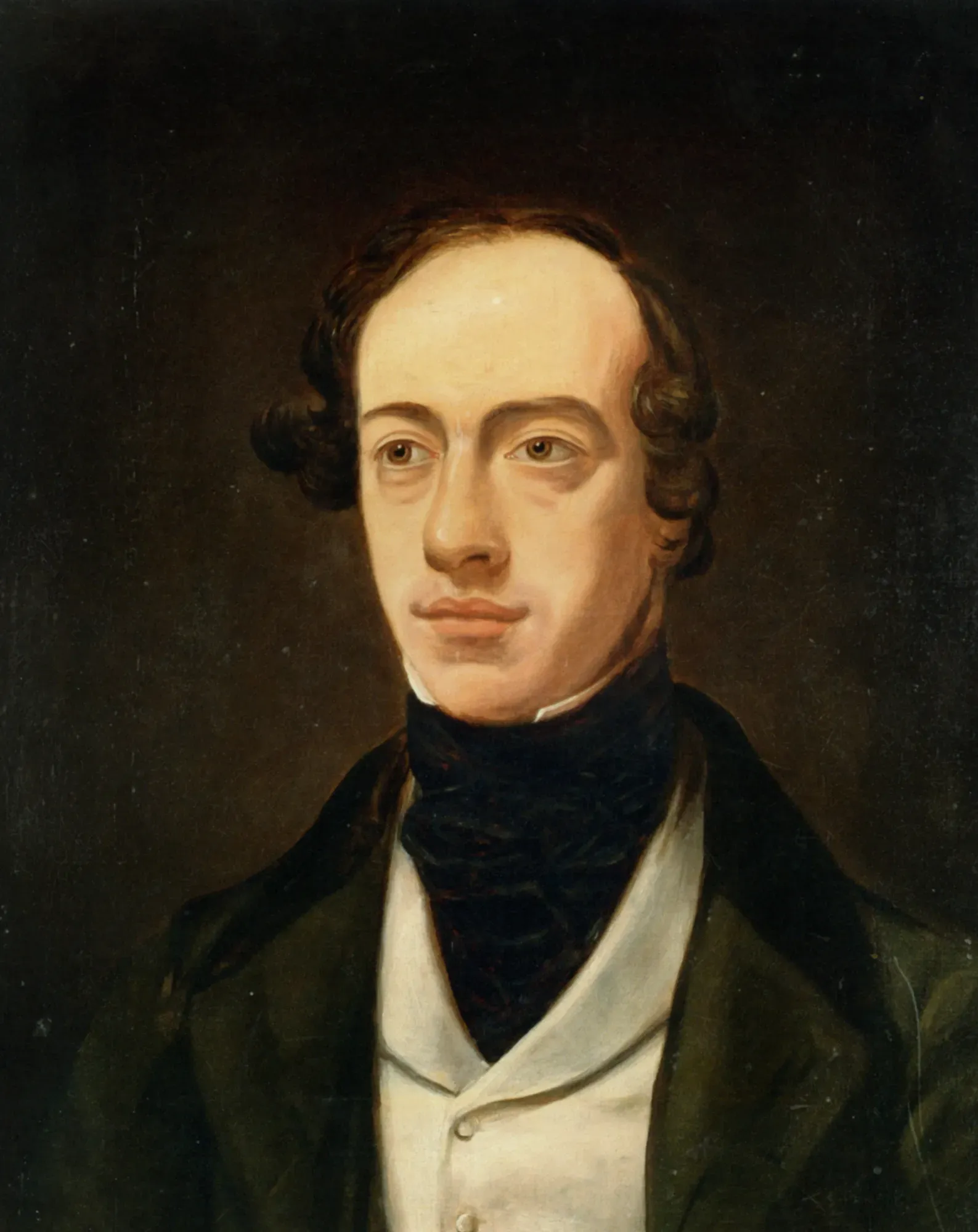
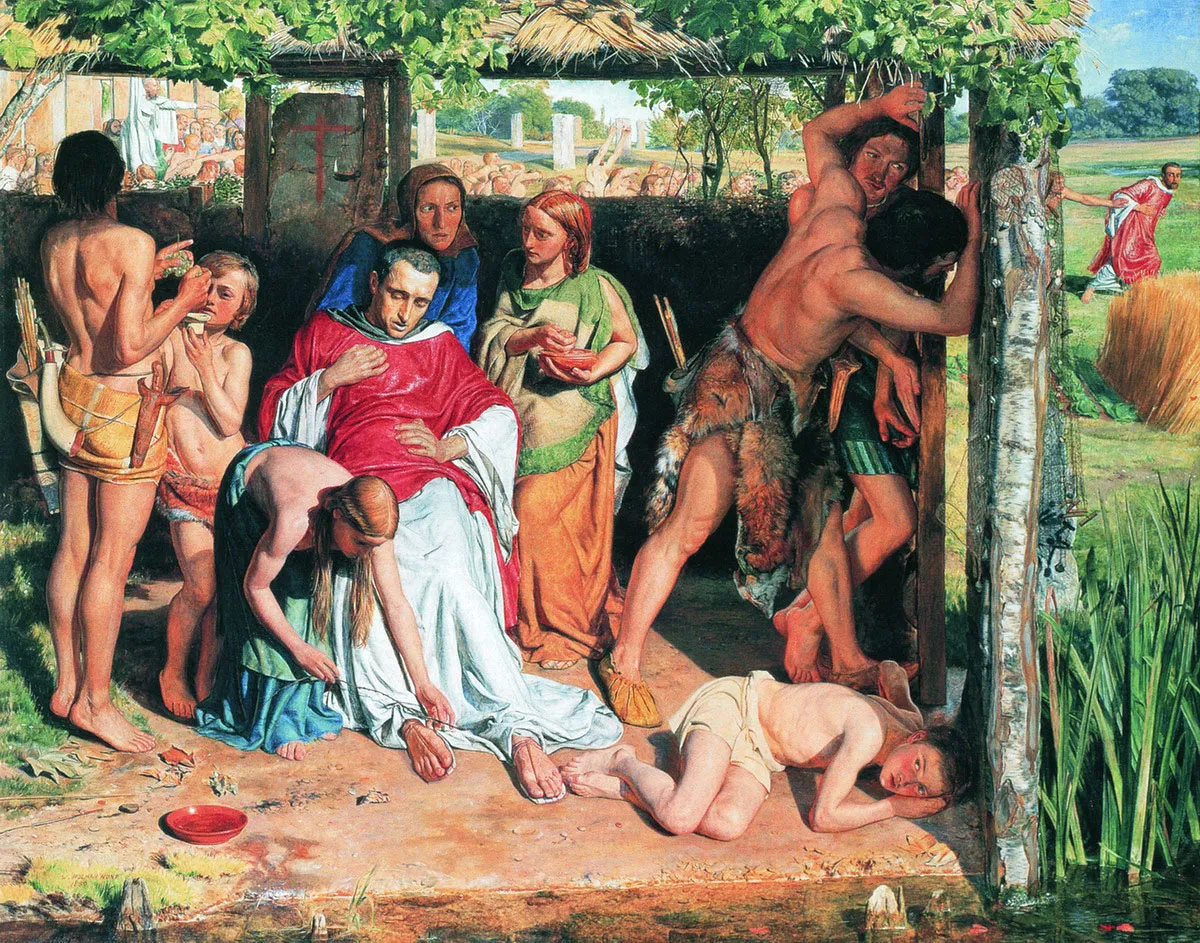
"The Sphinx at Gizeh" exemplifies Hunt’s remarkable skill with oil on canvas, showcasing intricate details and vibrant hues that bring the legendary monument to life. The Romanticism movement prized emotional depth and technical brilliance, both evident in this artwork. Hunt’s approach is mirrored in related products such as "A Converted British Family Sheltering a Christian Priest from the Persecution of the Druids" and "Portrait of Dante Gabriel Rossetti," each reflecting his dedication to artistic mastery.
Delving into "The Sphinx at Gizeh," viewers encounter layers of symbolism and narrative, hallmarks of Romanticism. Hunt weaves ancient mystery with personal interpretation, making this fine art painting for sale a coveted piece among collectors. The enigmatic expression of the Sphinx invites endless speculation, much like Hunt’s other works including "Our English Coasts" and "Portrait of William Pink," all of which carry the artist’s unique storytelling flair.
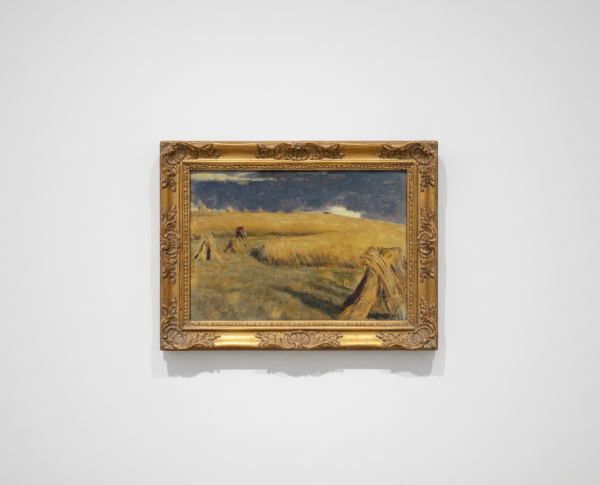
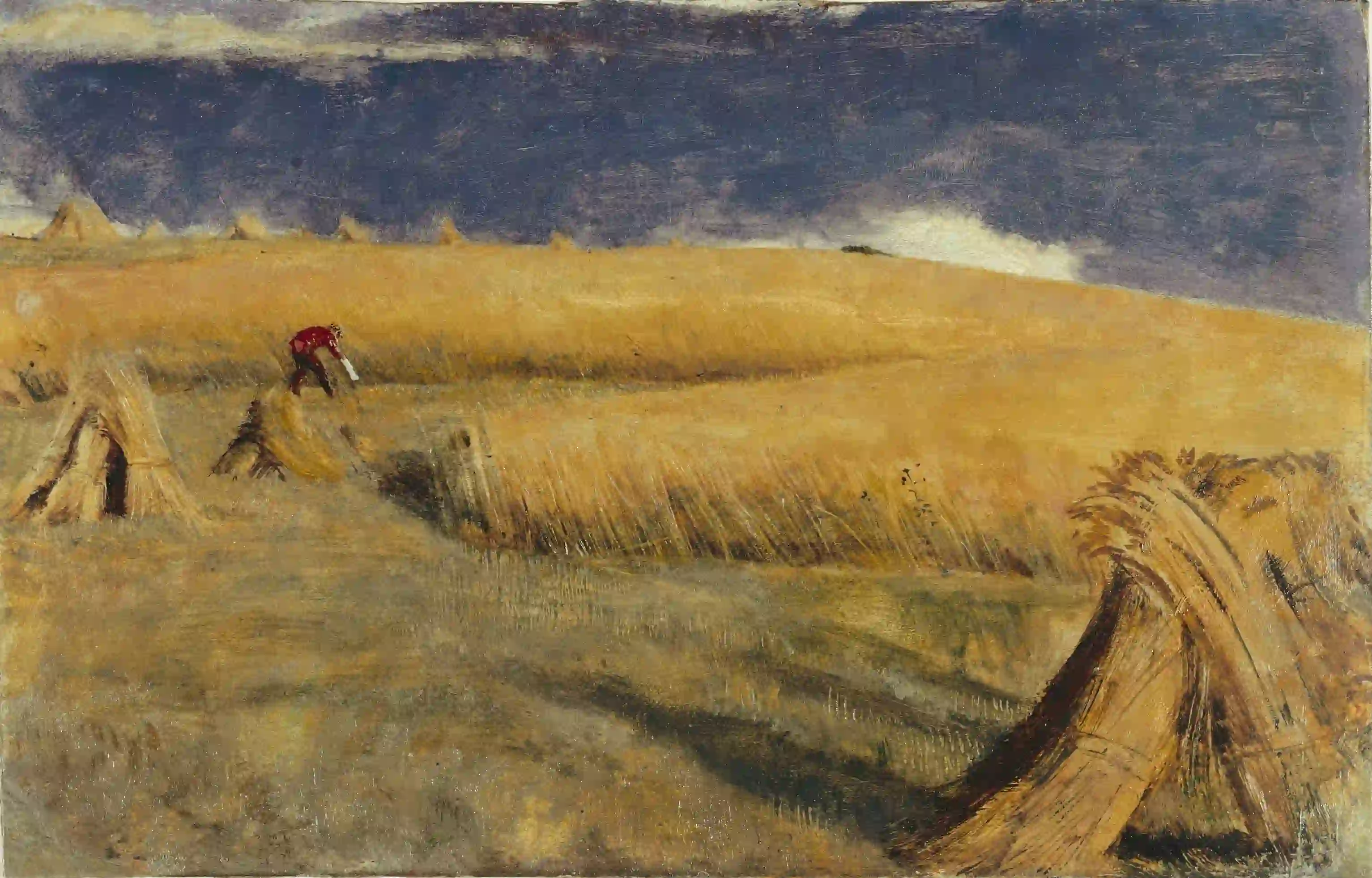
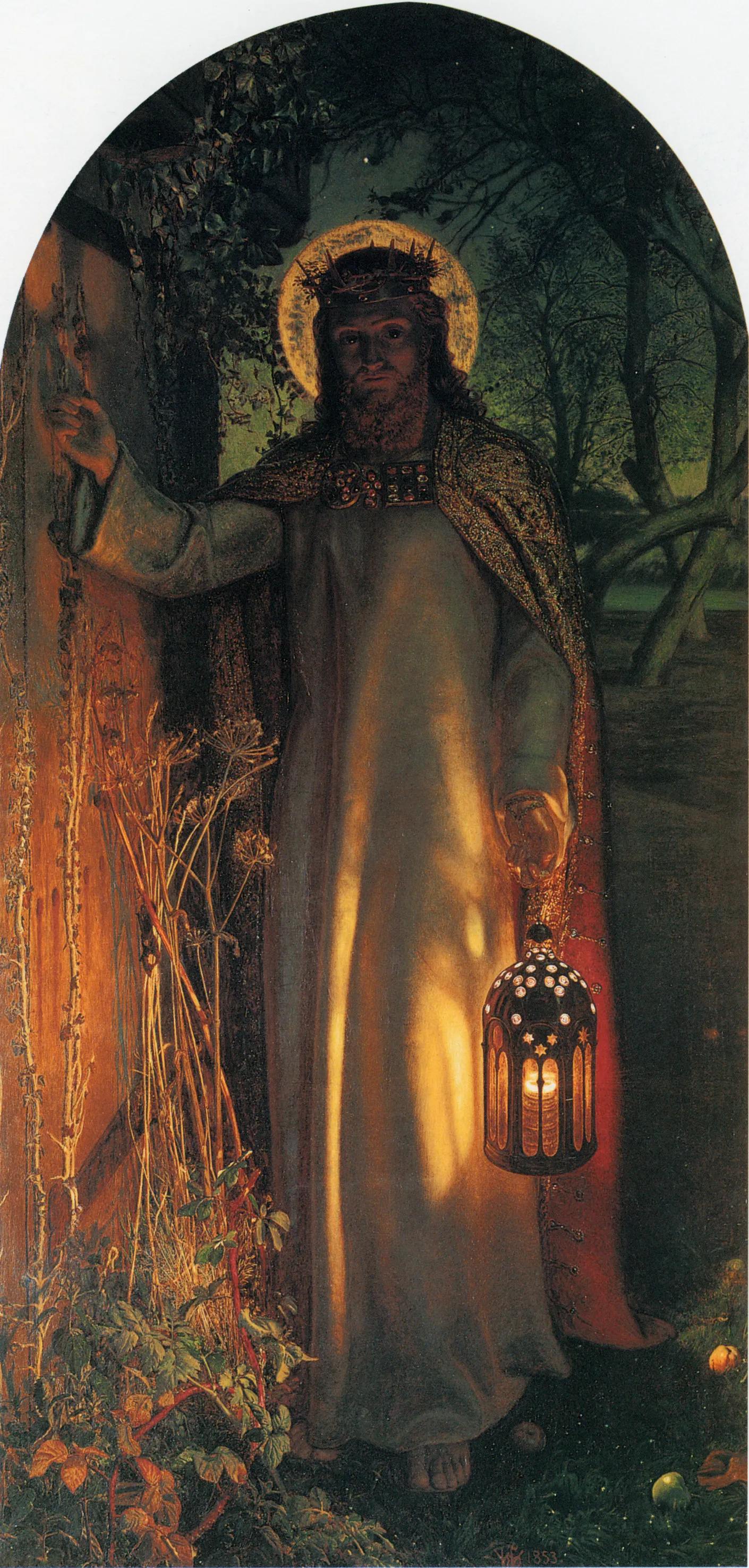
For enthusiasts seeking a remarkable addition to their collection, "The Sphinx at Gizeh" stands out as an exceptional hand-painted oil painting. William Holman Hunt’s dedication to his craft and the Romanticism movement is evident in every detail. Alongside related products such as "The Light of the World" and "Cornfield at Ewell," this painting represents a rare opportunity to own a piece of history, blending artistic excellence with profound cultural significance.
When Art Meets History
"The Sphinx at Gizeh" by William Holman Hunt stands as a testament to the Romanticism movement’s fascination with ancient wonders and dramatic landscapes. This hand-painted oil painting captures the enigmatic aura of the Sphinx set against the timeless desert. Hunt’s work aligns with other iconic pieces like "Dedham Lock and Mill" and "The Burning of the Houses of Lords and Commons," all reflecting a deep connection between historical grandeur and artistic imagination.
Techniques That Speak
William Holman Hunt’s mastery is evident in his use of oil on canvas, employing meticulous brushwork and vibrant color contrasts to bring "The Sphinx at Gizeh" to life. The painting’s rich textures and luminous light effects are hallmarks of Romanticism, echoing the technical brilliance found in works such as "Salute at Sunset" and "The Sea." Hunt’s technique enhances the mystical atmosphere, inviting viewers into a world where history and artistry intertwine seamlessly.
Emotions on Display
A fine art painting for sale like "The Sphinx at Gizeh" evokes a profound sense of wonder and reverence. Hunt’s portrayal of the ancient monument, bathed in dramatic light, stirs emotions of awe and contemplation—key characteristics of the Romanticism movement. Similar emotional depth can be found in works like "Portrait of Giuseppe Roberti" and "Dedham Lock and Mill," further demonstrating Hunt’s ability to channel powerful feelings through his evocative compositions.
Coveted by Collectors
Collectors worldwide seek masterpieces such as "The Sphinx at Gizeh" for their historical significance and exceptional artistry. This hand-painted oil painting by William Holman Hunt, a leading figure in Romanticism, is highly prized alongside related works like "The Burning of the Houses of Lords and Commons" and "The Sea." Its unique blend of technique and emotion makes it a standout piece for anyone looking to enrich their collection with a touch of timeless elegance.
Related Romanticism Hand-Painted Oil Paintings by Other Artists
Other Famous Romanticism Artists:
Frequently Asked Questions About The Sphinx at Gizeh
What is the historical context of "The Sphinx at Gizeh"?
"The Sphinx at Gizeh" was painted by William Holman Hunt in 1854 during the height of the Victorian interest in Egyptology. This period saw a surge in fascination with ancient civilizations, spurred by archaeological discoveries and the Romantic movement's emphasis on exoticism.
What artistic techniques did William Holman Hunt employ in this painting?
Hunt utilized his signature Pre-Raphaelite style, characterized by meticulous detail, vibrant colors, and a focus on realism. The painting showcases his skill in capturing light and texture, particularly in the depiction of the Sphinx and the surrounding landscape.
What symbolism is present in "The Sphinx at Gizeh"?
The Sphinx symbolizes mystery and the passage of time, representing the enduring nature of ancient civilizations. The juxtaposition of the Sphinx against the vast desert landscape evokes themes of permanence versus transience.
How does "The Sphinx at Gizeh" reflect the Pre-Raphaelite ideals?
The painting embodies Pre-Raphaelite ideals through its emphasis on nature, detail, and emotional depth. Hunt's focus on the Sphinx as a subject reflects the movement's desire to explore themes of beauty and truth in art.
What is the significance of the color palette used in the painting?
Hunt's color palette is rich and vibrant, utilizing warm earth tones to evoke the arid landscape of Egypt. This choice enhances the painting's realism and draws the viewer into the scene, emphasizing the natural beauty of the environment.
In what ways does "The Sphinx at Gizeh" convey a sense of place?
The painting captures the essence of Giza through its detailed representation of the Sphinx and the surrounding desert. Hunt's attention to the geographical features and atmospheric conditions creates a strong sense of place, transporting viewers to ancient Egypt.
What role does light play in "The Sphinx at Gizeh"?
Light is a crucial element in the painting, as Hunt skillfully depicts the harsh sunlight of the Egyptian desert. This use of light not only enhances the realism of the scene but also symbolizes enlightenment and the revelation of ancient mysteries.
How does the painting reflect Victorian attitudes towards Egypt?
The painting reflects Victorian attitudes of curiosity and admiration for ancient Egypt, showcasing a blend of romanticism and a desire for knowledge. It highlights the era's fascination with the exotic and the mysterious aspects of Egyptian culture.
What is the significance of the Sphinx in art history?
The Sphinx has been a powerful symbol in art history, representing enigma, wisdom, and the intersection of human and divine. Its depiction in Hunt's painting connects it to broader themes of exploration and the quest for knowledge in the arts.
Where can I view "The Sphinx at Gizeh" today?
"The Sphinx at Gizeh" is part of the collection at the Birmingham Museum and Art Gallery in the United Kingdom. Visitors can view this significant work and explore its historical and artistic context within the museum's galleries.























_GFM_Painting_(1).webp)


 100% Hand-Painted: Finished in 3-6 Weeks

.png)















_(1).webp)