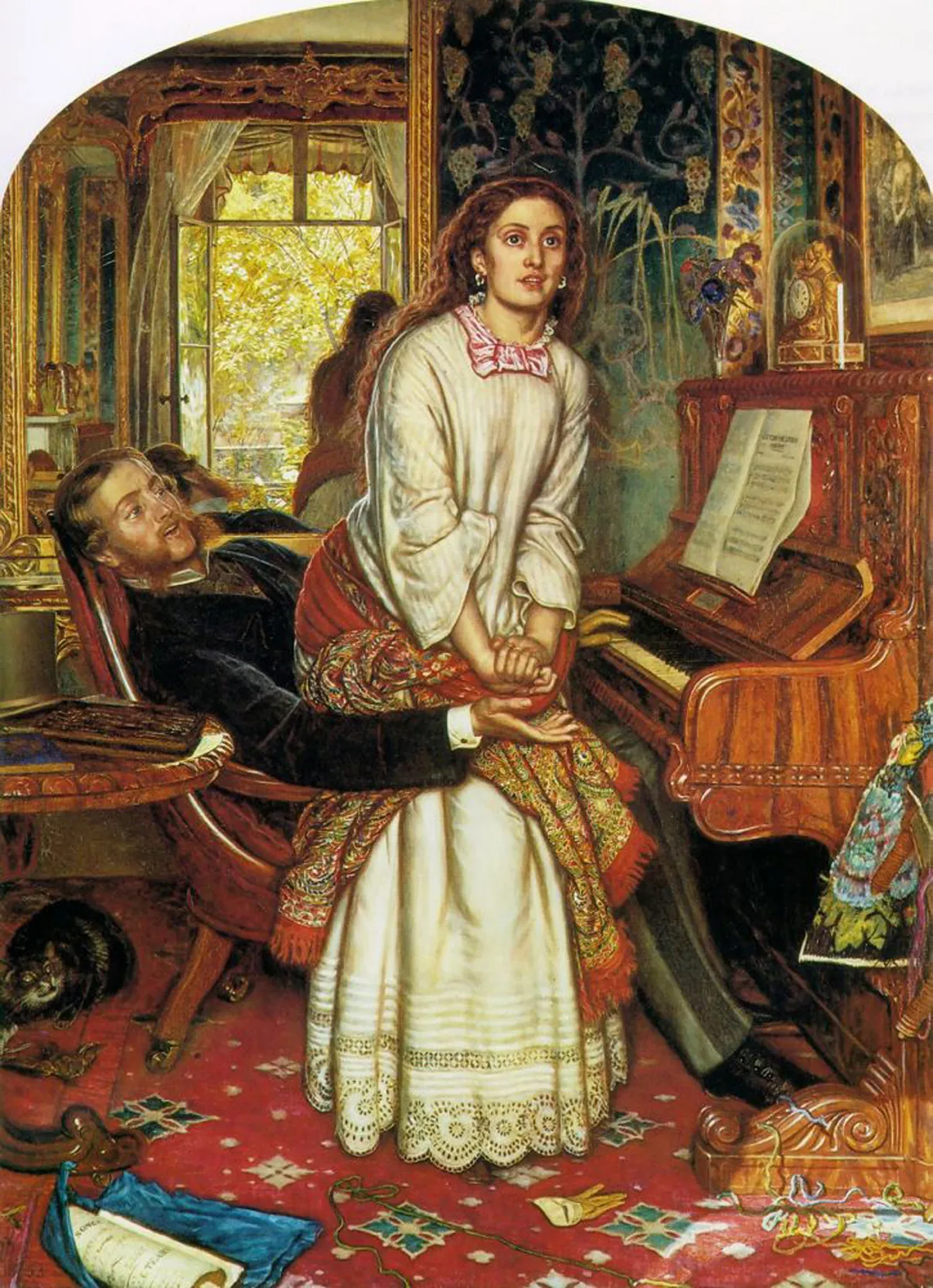
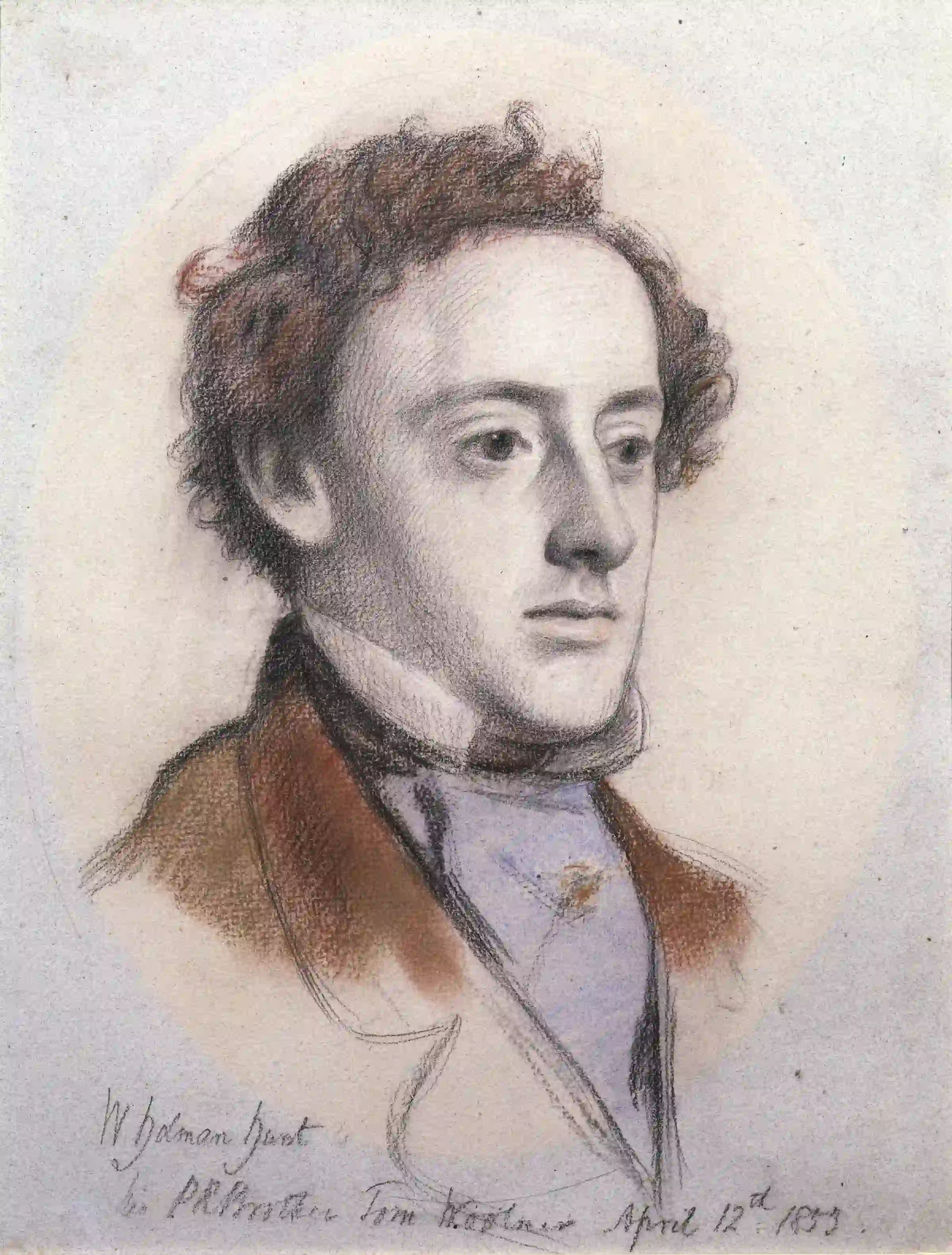
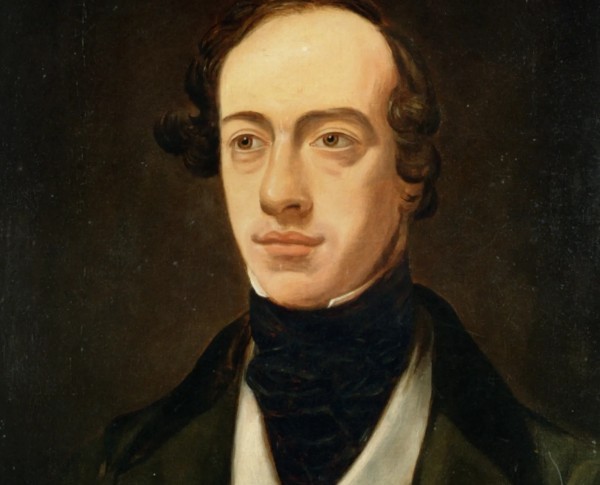
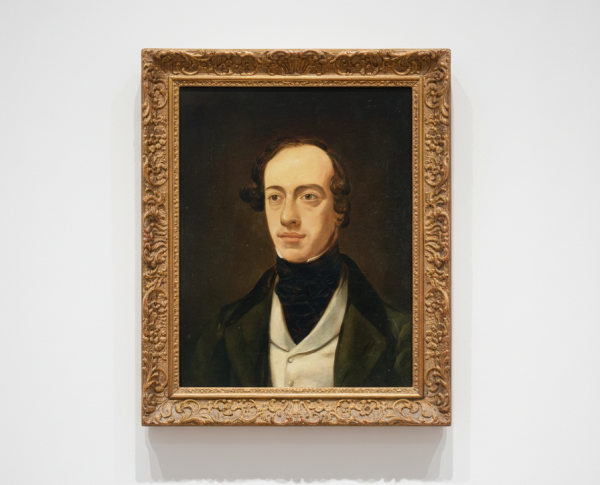
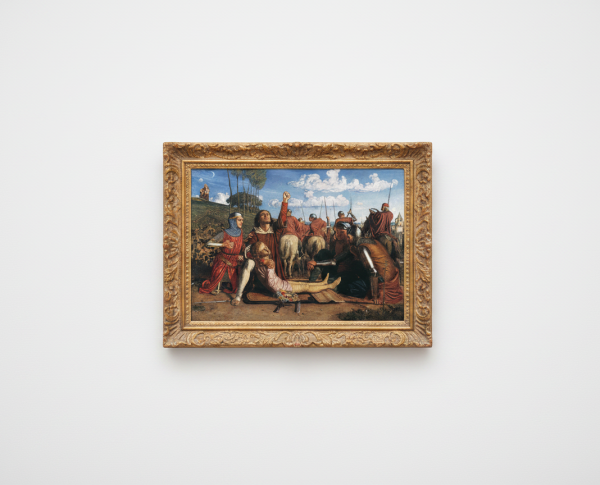
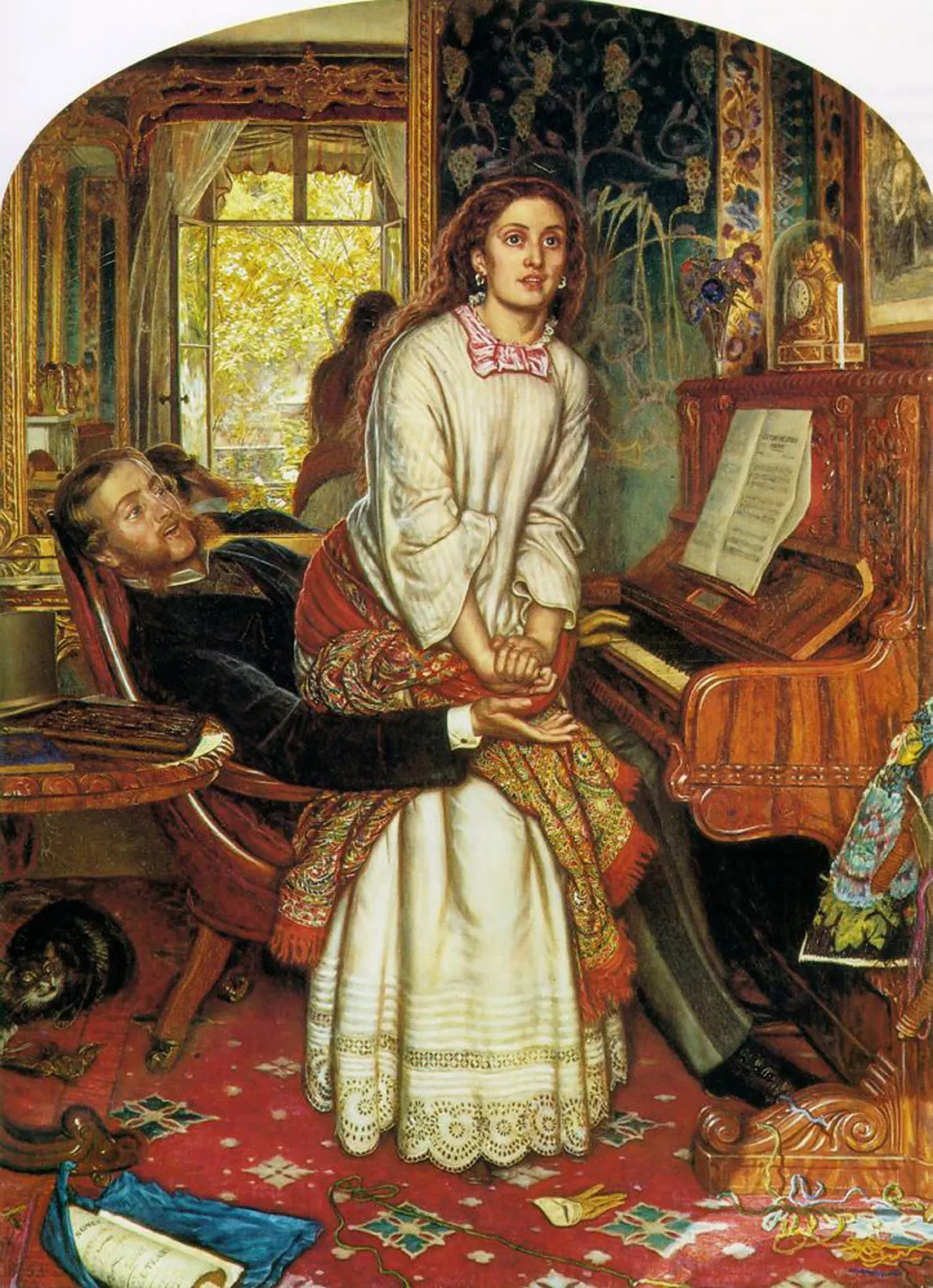
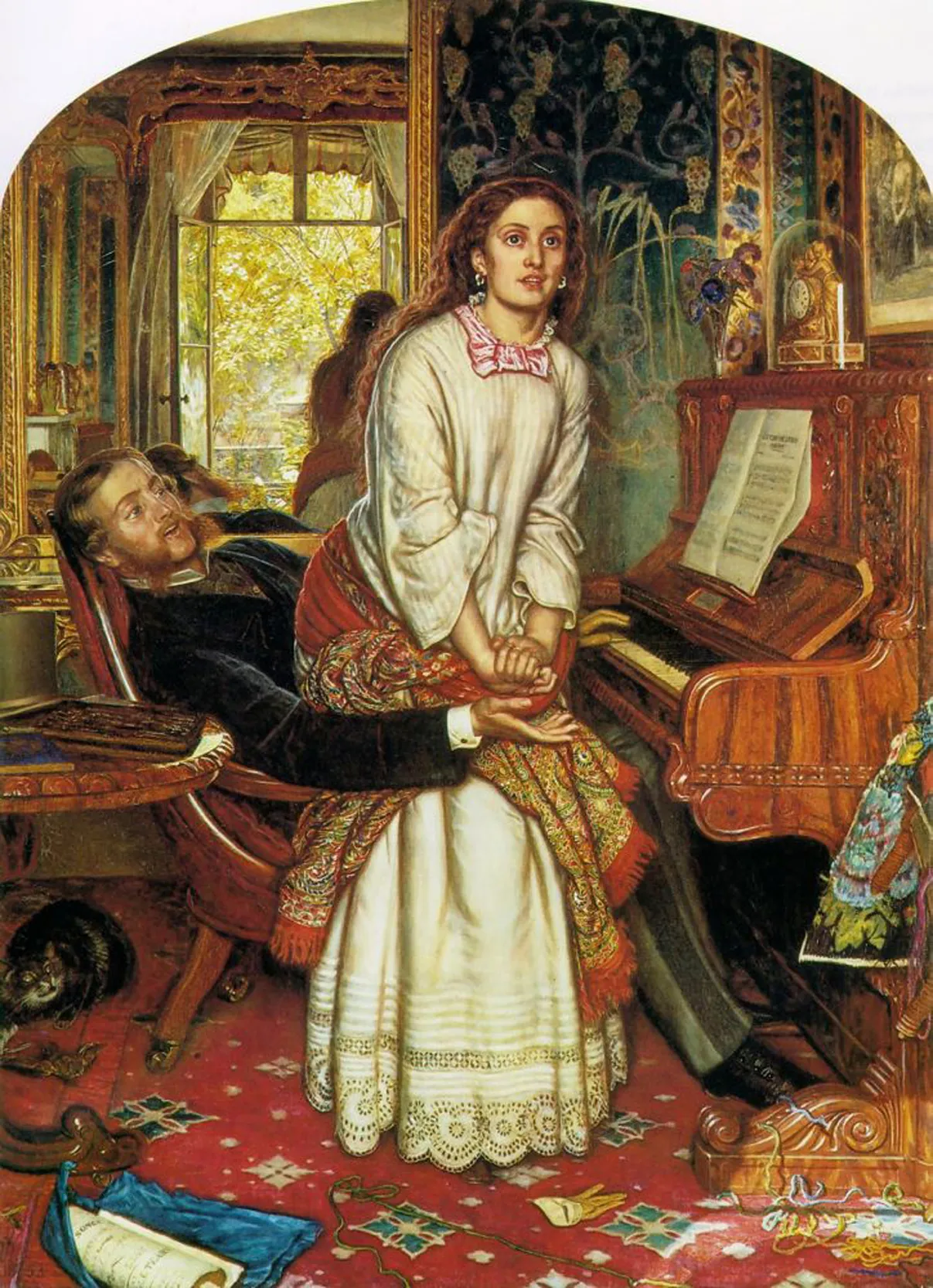
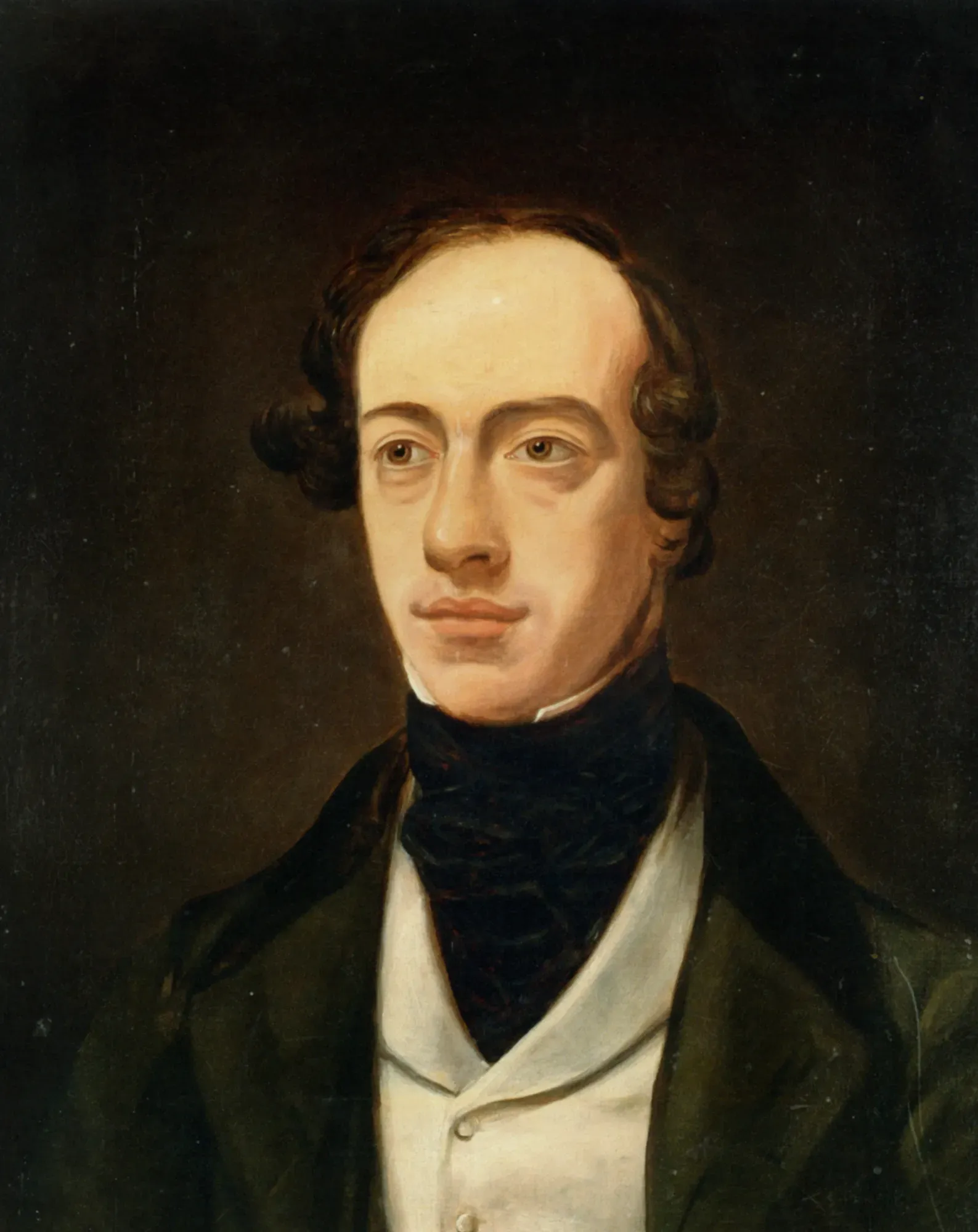
Executed with remarkable precision, "The Awakening Conscience" is a testament to Hunt’s skill in oil on canvas. The artist’s meticulous attention to detail and vibrant color palette bring the emotional narrative to life, characteristic of the Romanticism movement. Hunt’s other celebrated works, such as "Valentine Rescuing Silvia from Proteus" and "Portrait of Dante Gabriel Rossetti," further showcase his mastery and unique approach to storytelling through paint and brushwork.
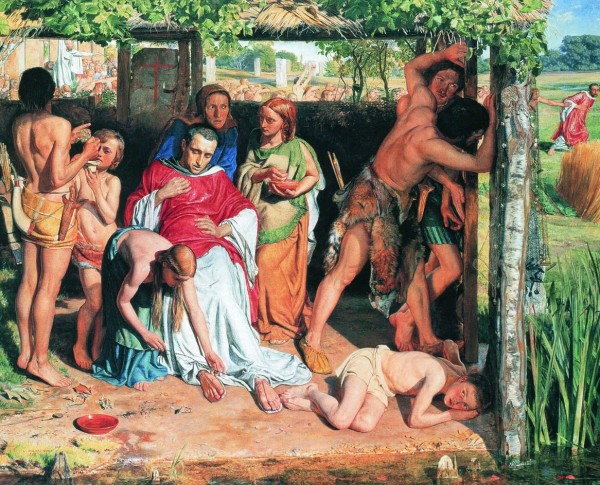
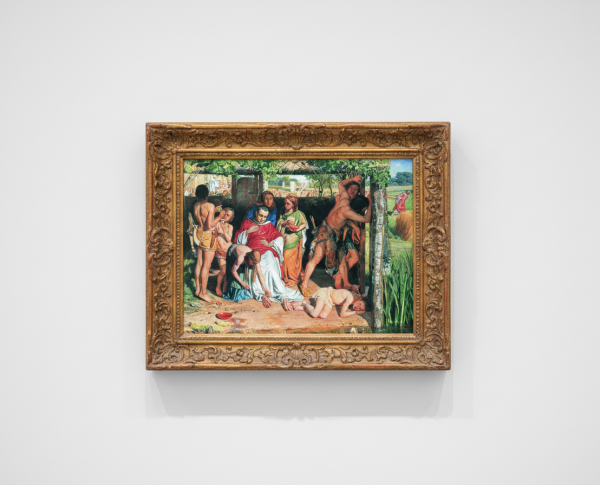
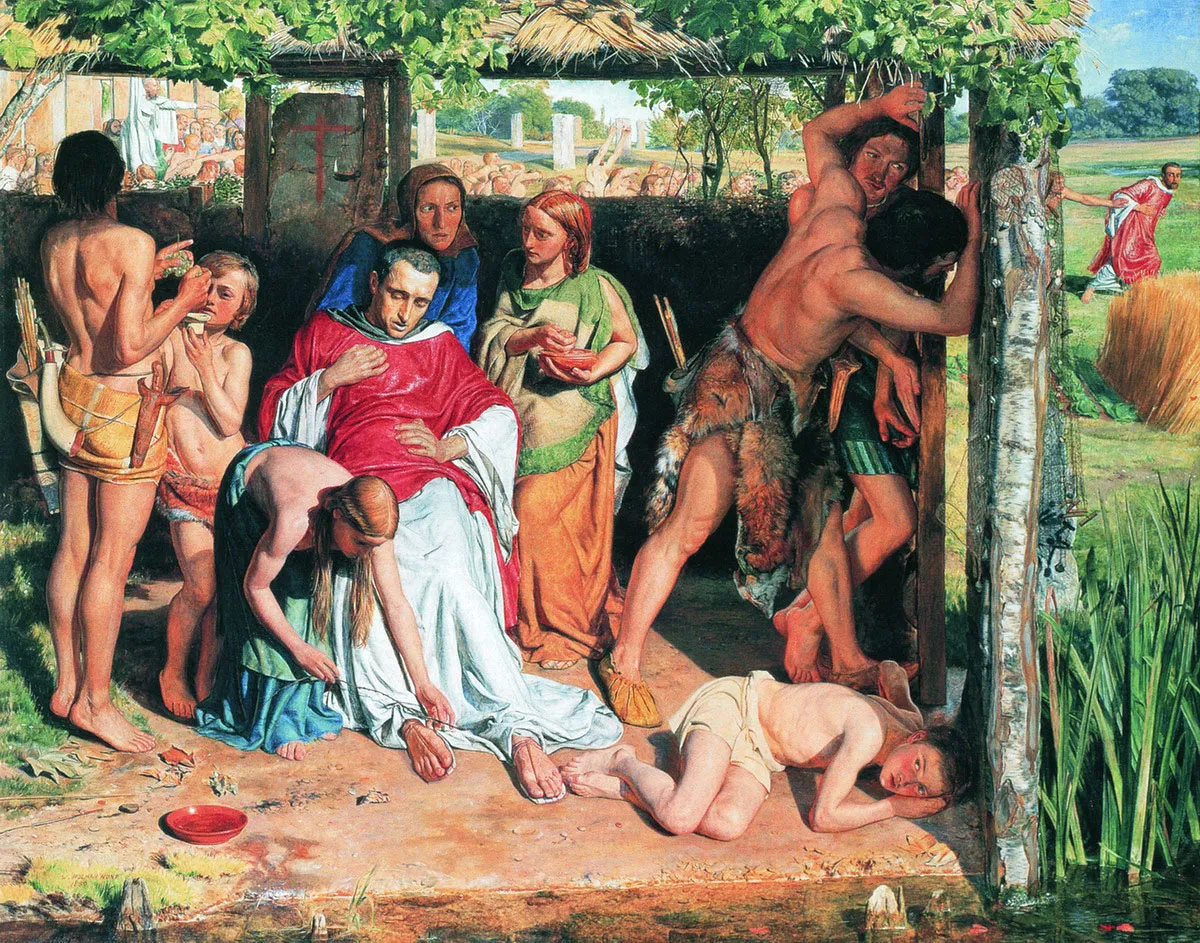
"The Awakening Conscience" is rich with symbolic meaning, reflecting William Holman Hunt’s commitment to embedding layers of narrative within his art. This fine art painting for sale invites interpretation, from the woman’s upward gaze to the reflective surfaces scattered throughout the room. Collectors often seek Hunt’s other symbol-laden works, including "A Converted British Family Sheltering a Christian Priest from the Persecution of the Druids," for their depth and evocative storytelling in the Romanticism tradition.
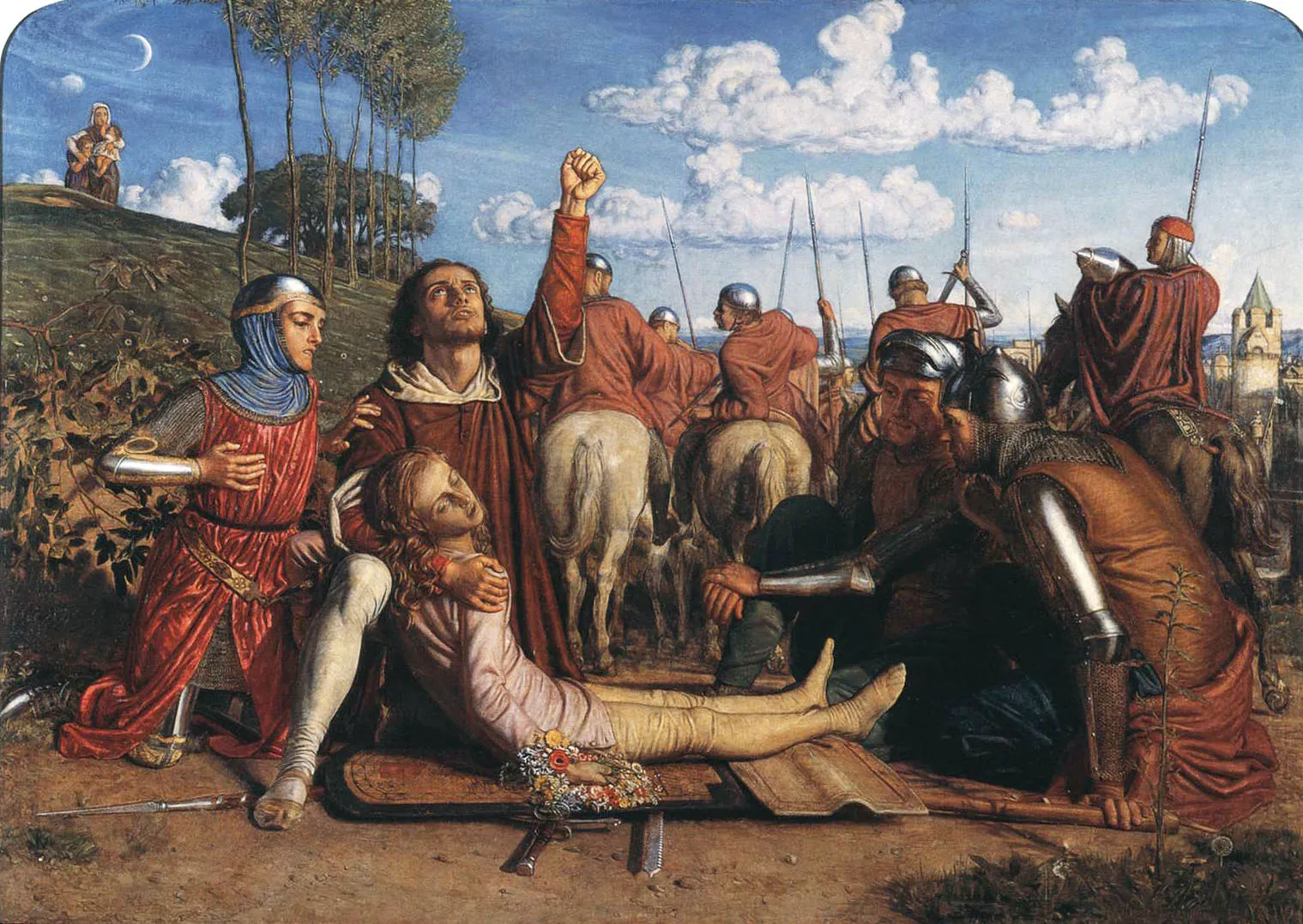
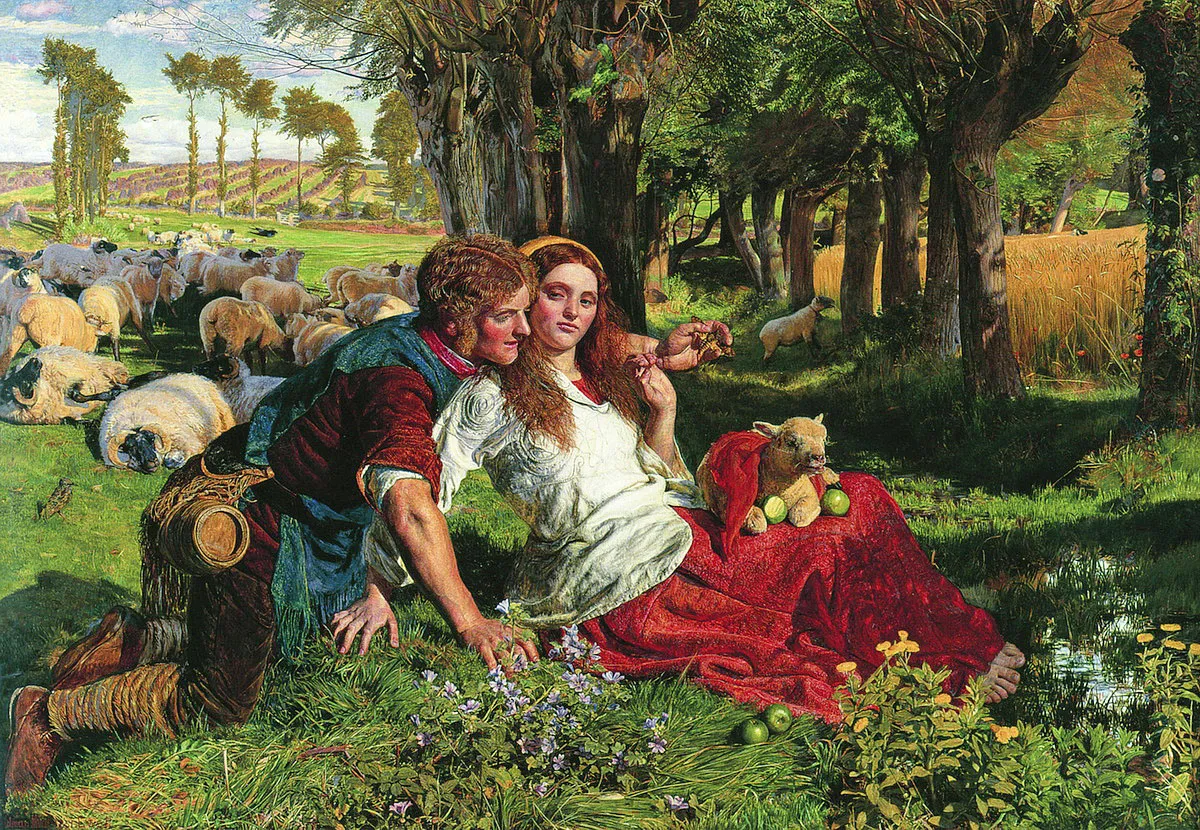
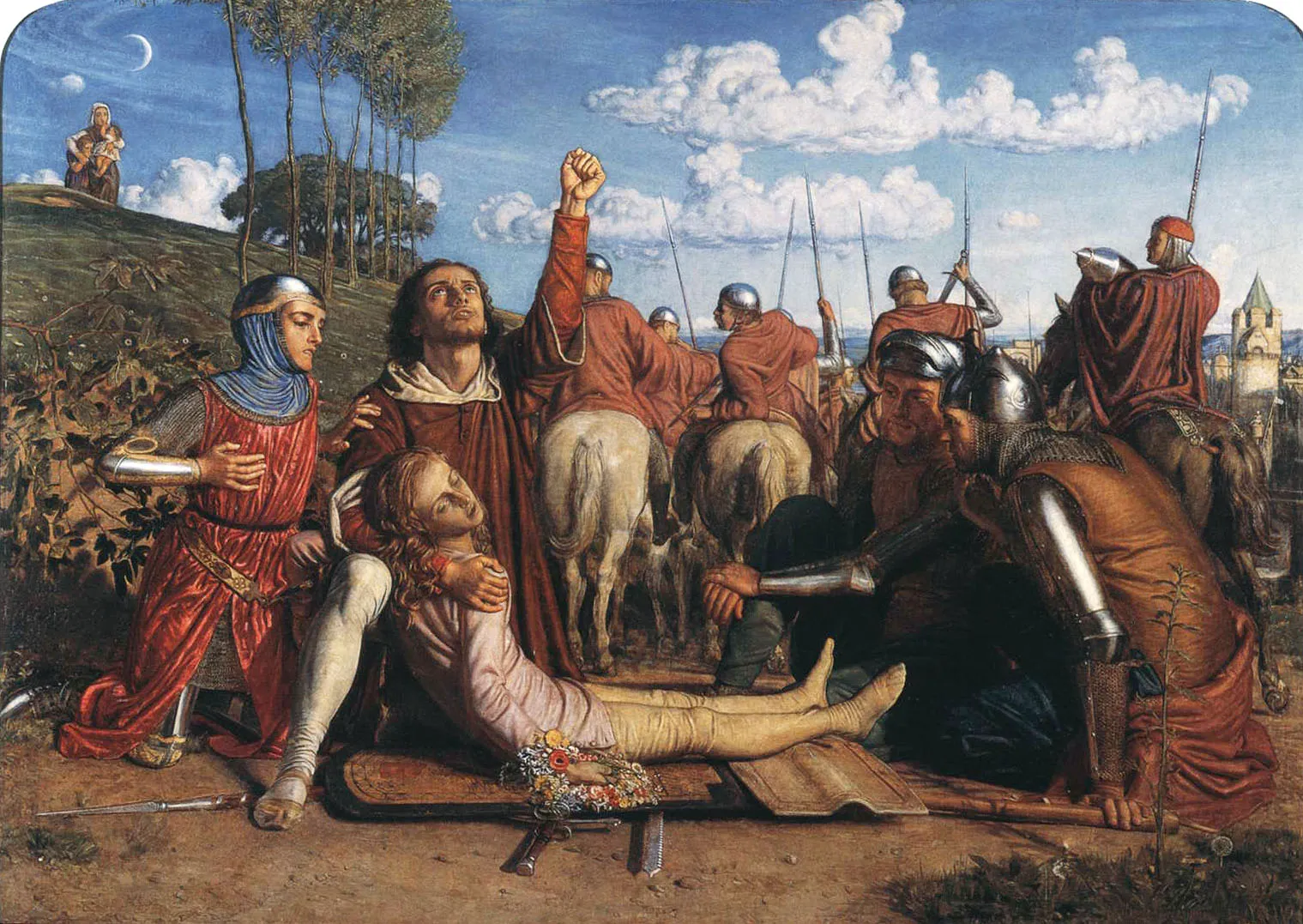
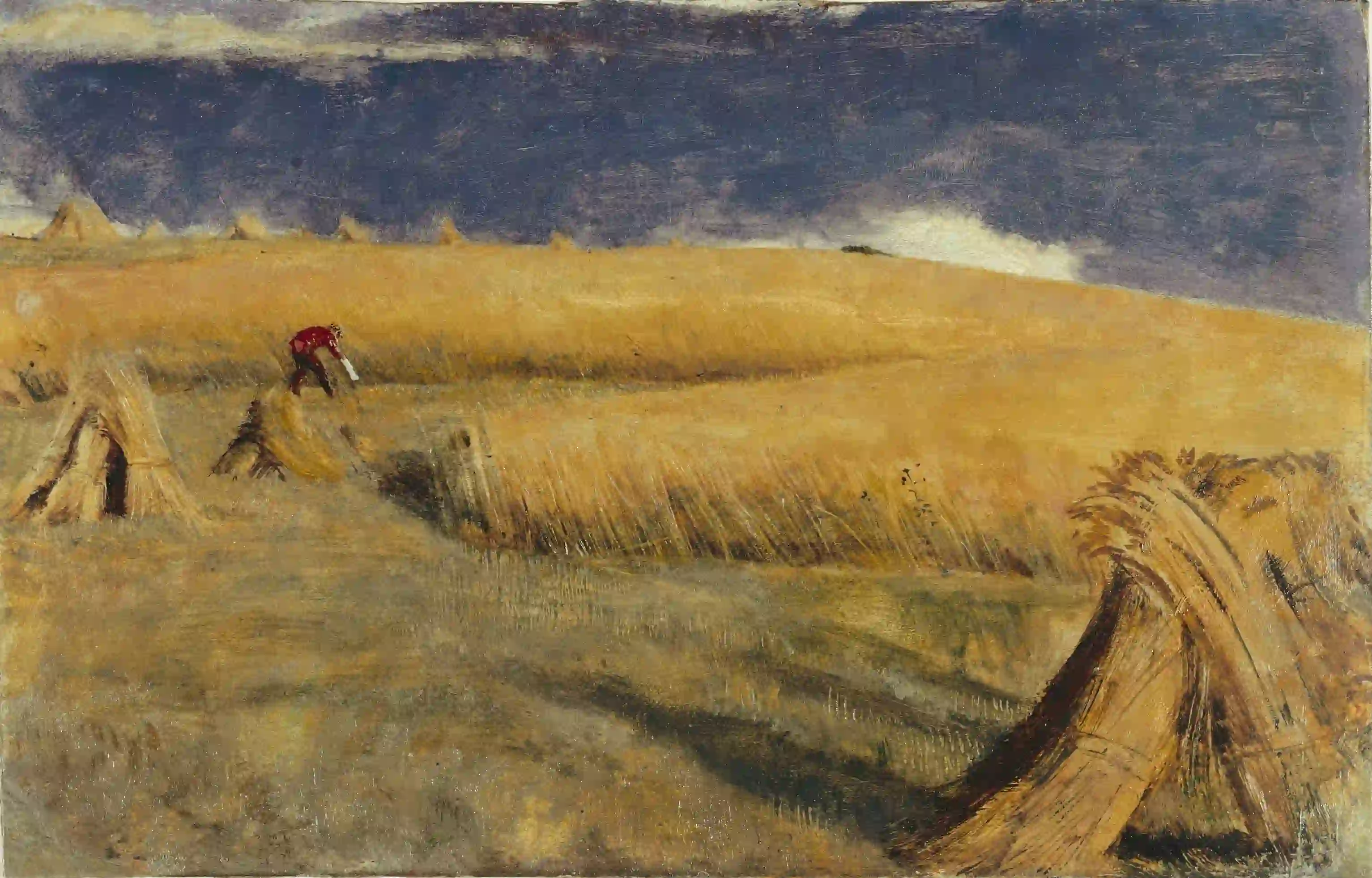
Owning "The Awakening Conscience" as a hand-painted oil painting is a mark of distinction for collectors who appreciate the Romanticism movement. Its presence elevates any collection, standing alongside Hunt’s masterpieces like "Rienzi Vowing to Obtain Justice for the Death of his Young Brother" and "The Hireling Shepherd." For those seeking a fine art painting for sale, Hunt’s works offer timeless value and a connection to the enduring legacy of nineteenth-century British art.
When Art Meets History
"The Awakening Conscience" by William Holman Hunt stands as a remarkable example of the Romanticism movement, reflecting the social and moral themes of Victorian England. Created as a hand-painted oil painting, it captures a pivotal moment in history, much like other masterpieces of its era such as "The Battle of Nazareth" and "The Fighting Temeraire." Hunt’s work not only portrays a personal awakening but also resonates with the era’s fascination with emotion and morality.
Techniques That Speak
William Holman Hunt’s meticulous approach in "The Awakening Conscience" demonstrates his mastery of oil on canvas. His attention to detail, vibrant color palette, and use of natural light bring the scene to life, echoing the technical brilliance seen in "Washington Crossing the Delaware 1851." The layered brushwork and symbolic elements are hallmarks of Romanticism, where every stroke enhances the narrative. Hunt’s technique ensures the painting remains a celebrated fine art painting for sale.
Emotions on Display
In "The Awakening Conscience," Hunt channels the emotional intensity that defines the Romanticism movement. The painting’s subject, a woman caught between despair and hope, is rendered with deep empathy. This hand-painted oil painting elicits powerful feelings, inviting viewers to reflect on inner transformation. Similar emotional depth can be found in related works like "Madame Pasteur" and "The Battle of the Pyramids," each offering a unique perspective on the human experience.
Coveted by Collectors
As a fine art painting for sale, "The Awakening Conscience" by William Holman Hunt holds significant appeal among collectors of Romanticism art. Its compelling narrative and exquisite execution make it a prized possession, often compared to masterpieces like "The Fighting Temeraire." Collectors value Hunt’s oil on canvas technique and the painting’s ability to evoke timeless themes. This work continues to inspire and attract interest alongside other iconic pieces from the 19th century.
Related Romanticism Hand-Painted Oil Paintings by Other Artists
Other Famous Romanticism Artists:
Frequently Asked Questions About The Awakening Conscience
What is the historical context of "The Awakening Conscience"?
"The Awakening Conscience" was painted in 1853 by William Holman Hunt, a founding member of the Pre-Raphaelite Brotherhood. This period was marked by a reaction against the academic standards of the time, emphasizing realism and intricate detail, which is evident in Hunt's work.
What are the main themes represented in the painting?
The painting explores themes of morality, redemption, and the consequences of a life led by temptation. It captures a moment of realization and self-awareness in the female figure, symbolizing the struggle between virtue and vice.
Who are the figures depicted in "The Awakening Conscience"?
The central figures are a woman and a man, representing a relationship fraught with moral ambiguity. The woman, depicted in a moment of awakening, reflects the societal issues surrounding women’s roles and the consequences of their choices during the Victorian era.
What artistic techniques did Hunt employ in this painting?
Hunt utilized meticulous detail, vibrant colors, and a strong emphasis on light and shadow to create a sense of realism. His technique of layering paint allowed for the rich textures seen in the fabrics and the natural elements within the composition.
What symbolism is present in "The Awakening Conscience"?
The painting is rich in symbolism; the woman’s gaze towards the window signifies her desire for freedom and redemption. The cluttered room represents the distractions of a life led astray, while the cat at her feet symbolizes the seductive nature of temptation.
How does "The Awakening Conscience" reflect Victorian societal values?
The painting critiques Victorian attitudes towards women and morality, highlighting the limited choices available to women and the societal pressures they faced. It reflects the tension between personal desire and societal expectations prevalent during the era.
What is the significance of the title "The Awakening Conscience"?
The title signifies a moment of self-realization and moral awakening for the female figure. It suggests a turning point in her life, where she confronts the consequences of her current situation and seeks a path towards redemption.
In what ways does this painting exemplify Pre-Raphaelite ideals?
"The Awakening Conscience" exemplifies Pre-Raphaelite ideals through its focus on detailed naturalism, vibrant color palettes, and a narrative that conveys deeper moral and emotional themes. The emphasis on realism and the portrayal of emotional depth are hallmarks of the movement.
Where can I view "The Awakening Conscience" today?
The painting is part of the collection at the Tate Britain in London, where it continues to be appreciated for its artistic and historical significance within the Pre-Raphaelite movement.
What impact did "The Awakening Conscience" have on later artists?
The painting influenced later artists by demonstrating the power of narrative in art and the importance of addressing social issues through visual storytelling. Its emotional depth and moral complexity inspired subsequent generations to explore similar themes in their work.























_GFM_Painting_(1).webp)


 100% Hand-Painted: Finished in 3-6 Weeks

.png)















_(1).webp)