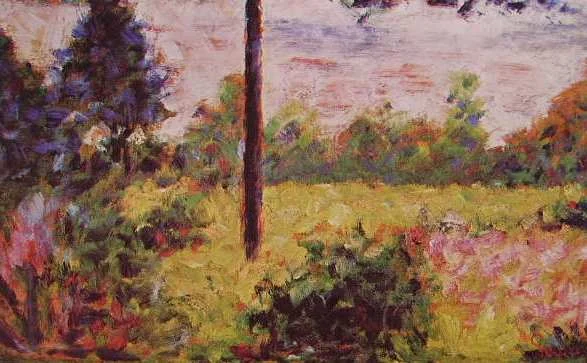
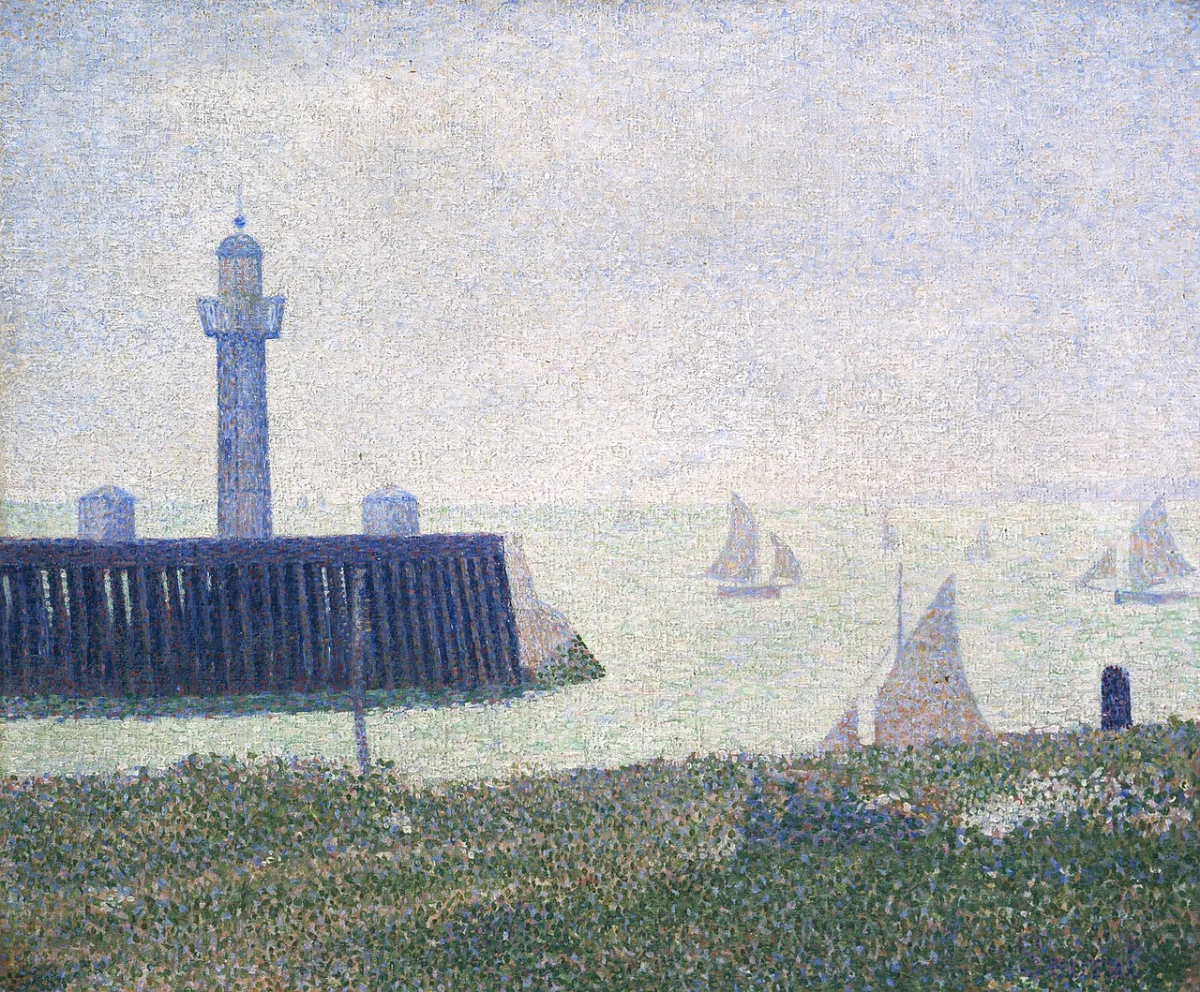
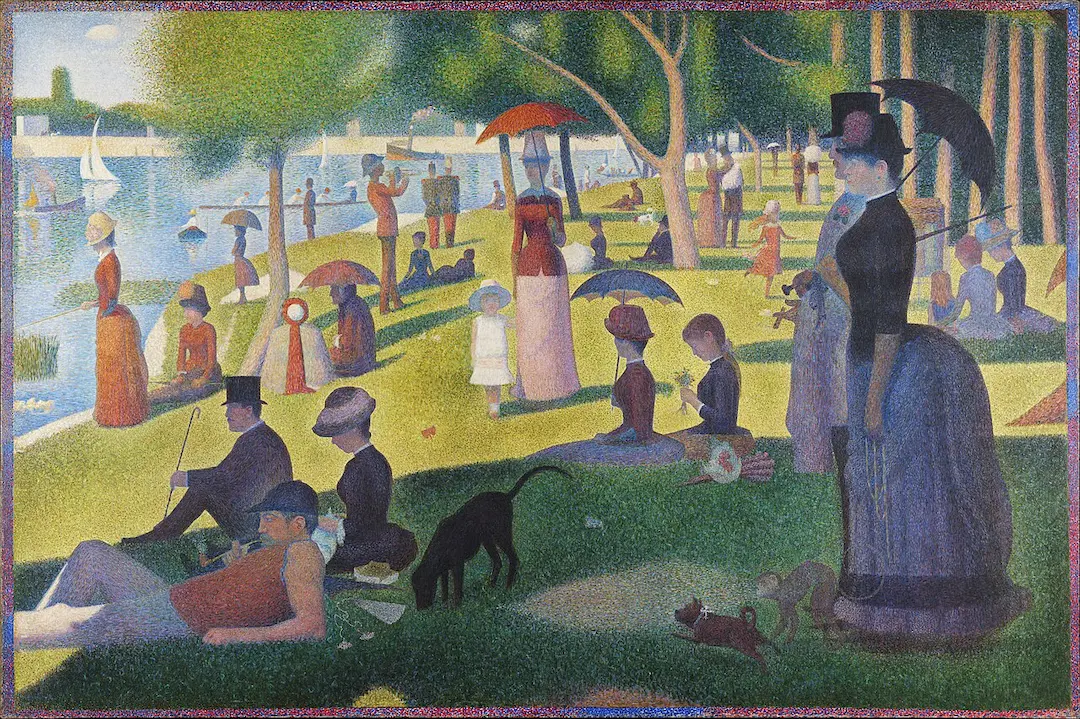
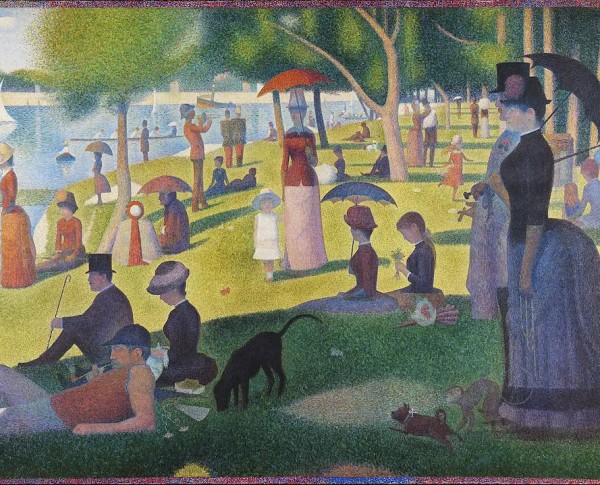
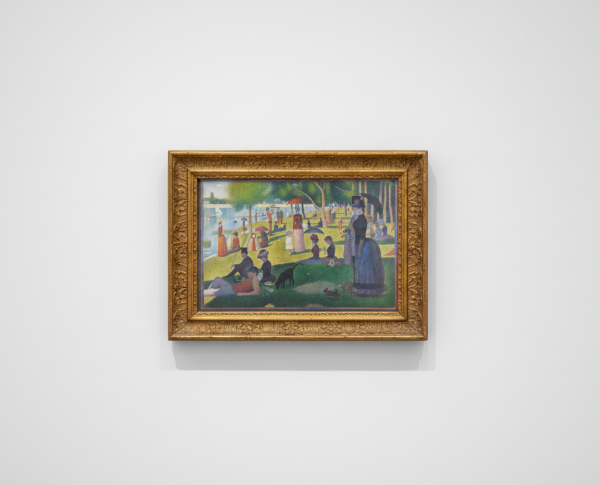
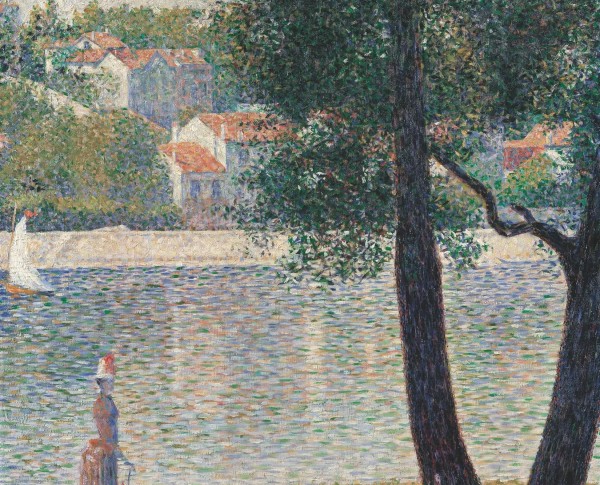
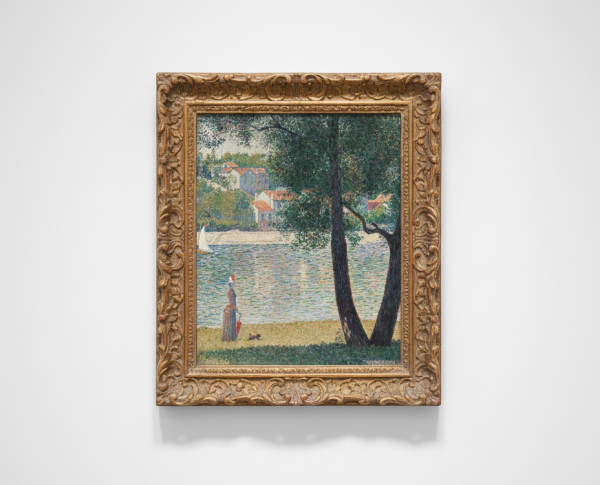
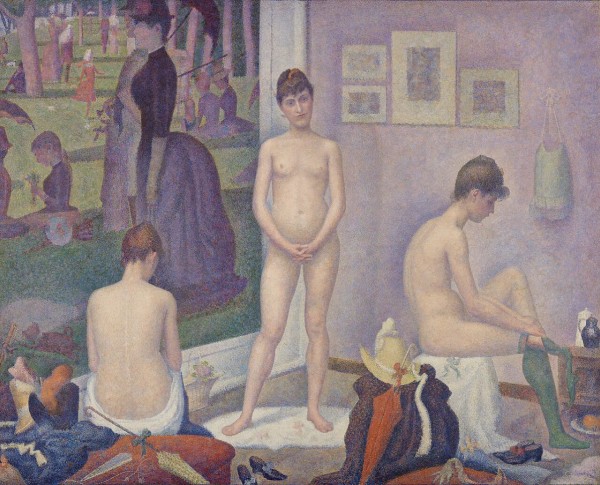
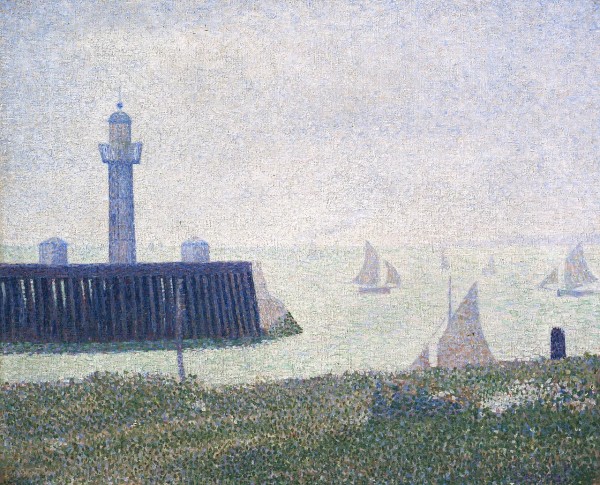
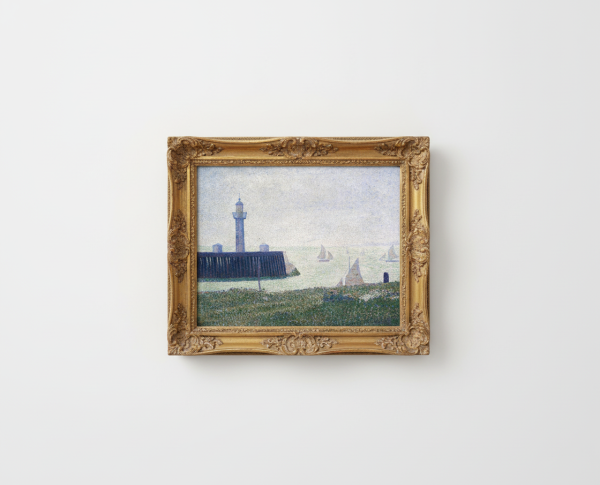
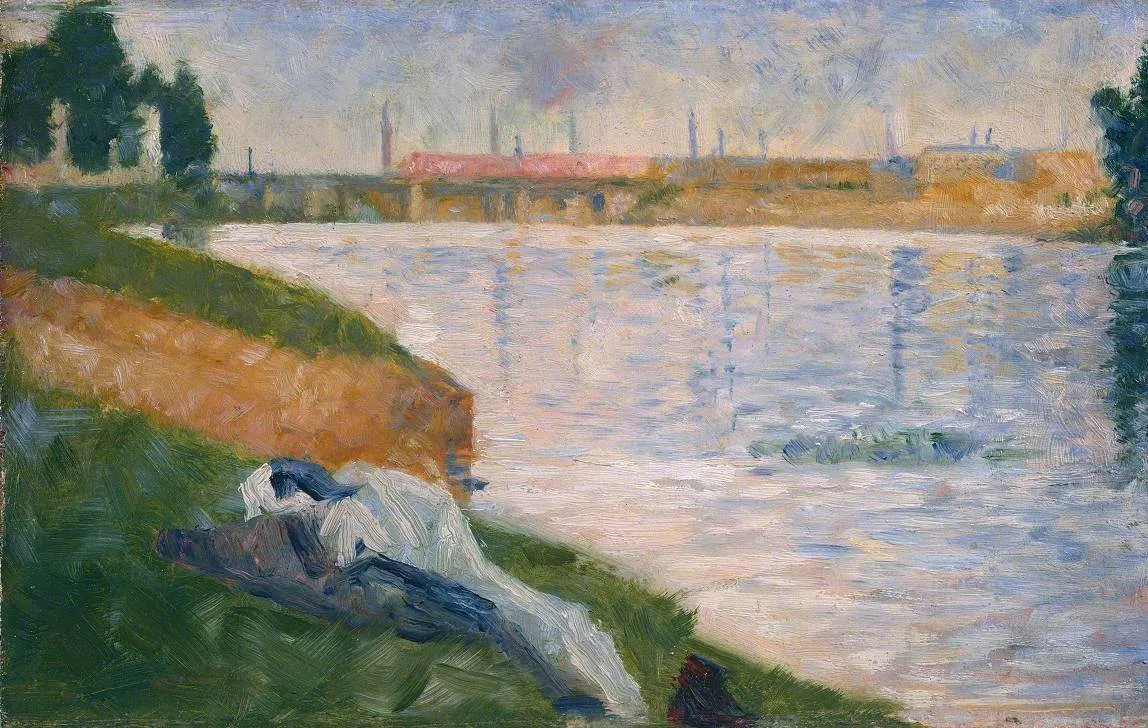
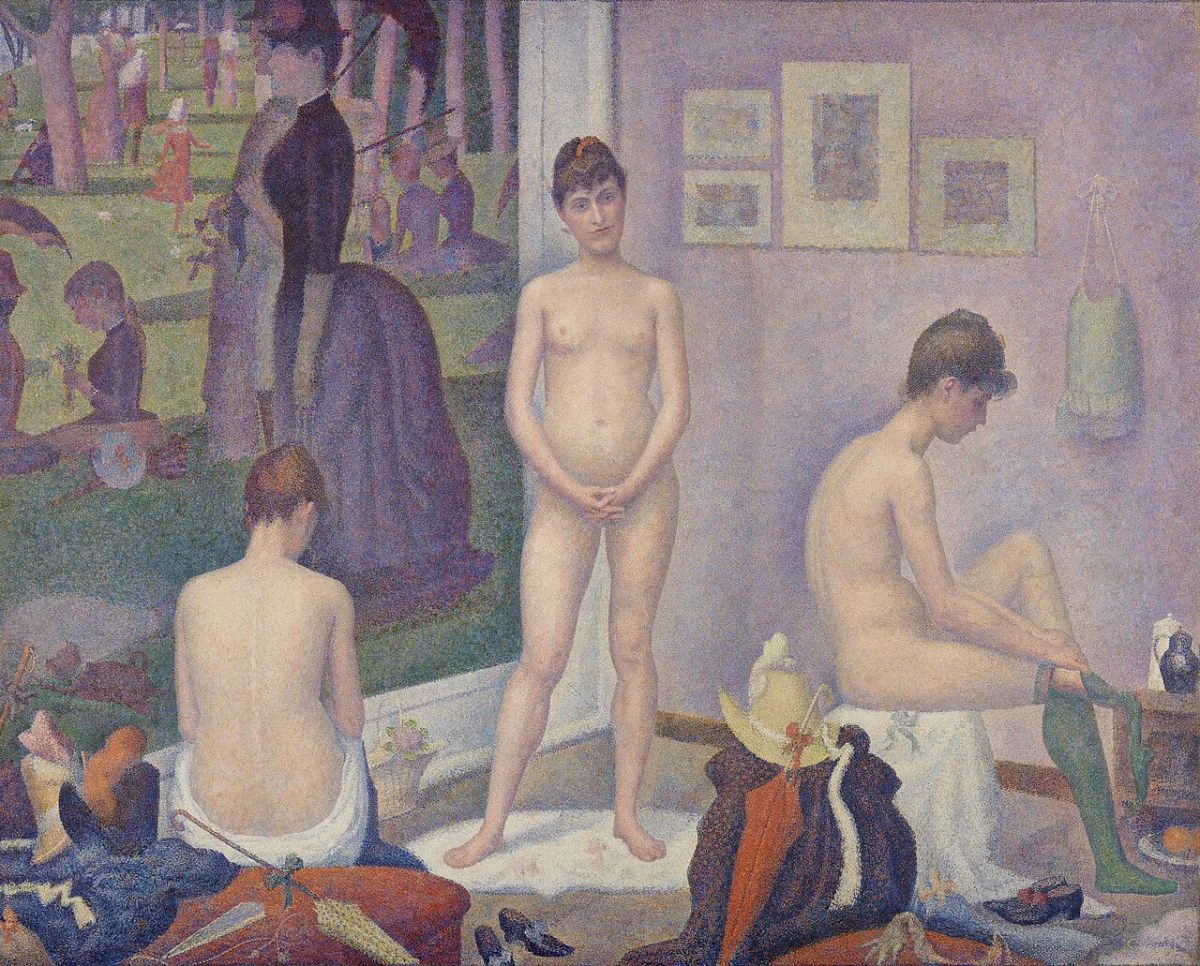
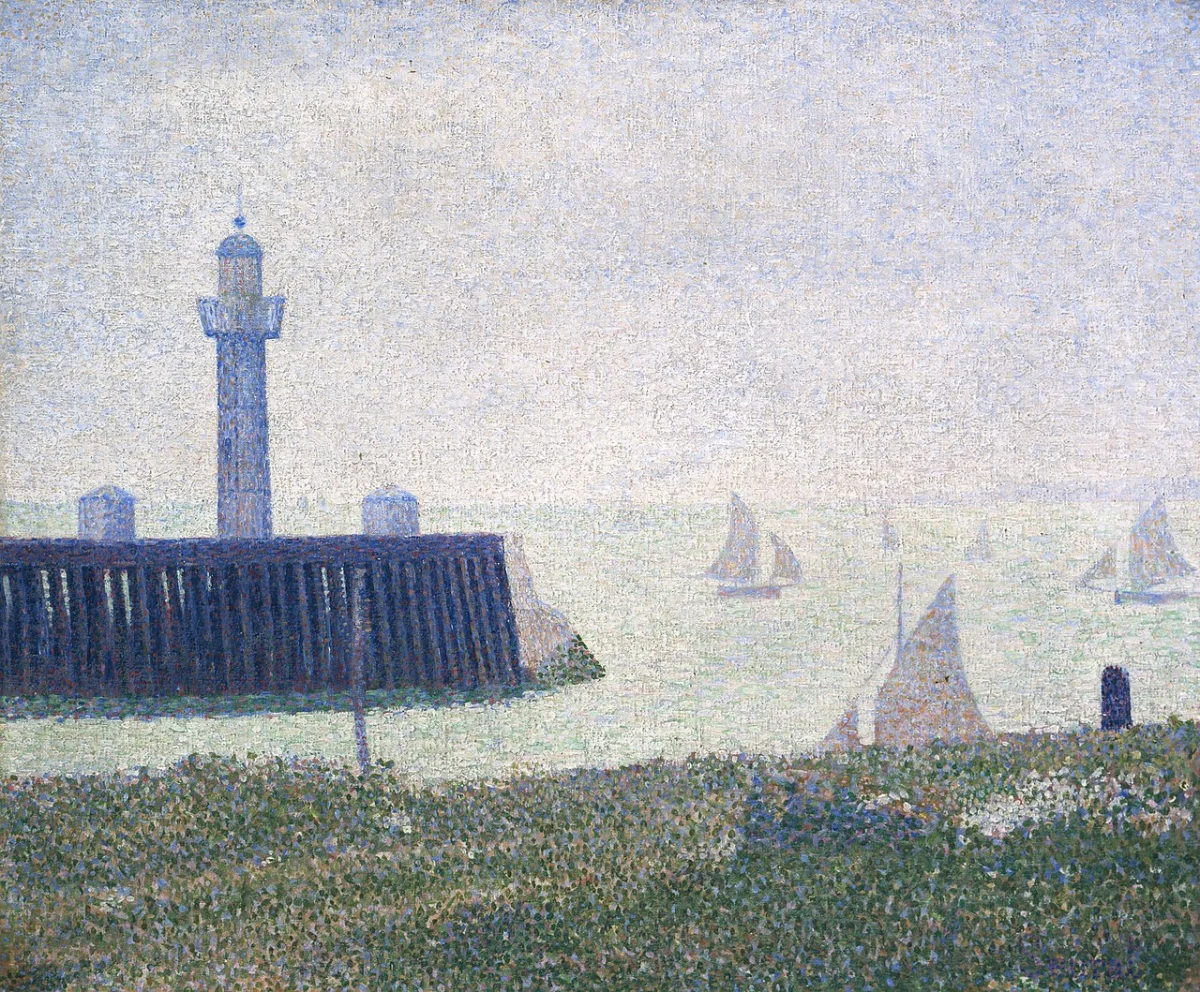
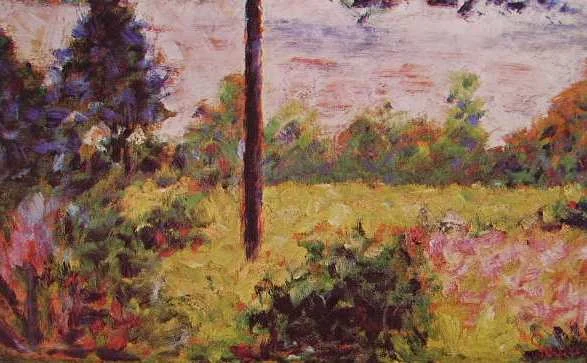
Seurat’s meticulous technique in "Clothes on the Grass" reveals his commitment to the pointillist method, a hallmark of Post-Impressionism. Every touch of oil on canvas demonstrates his ability to transform simple scenes into vibrant, textured masterpieces. The painting’s luminous quality draws viewers into its serene world. For those inspired by Seurat’s artistry, exploring "End of the pier, Honfleur" and "Fields with trees in Barbizon" further illustrates his mastery in oil on canvas.
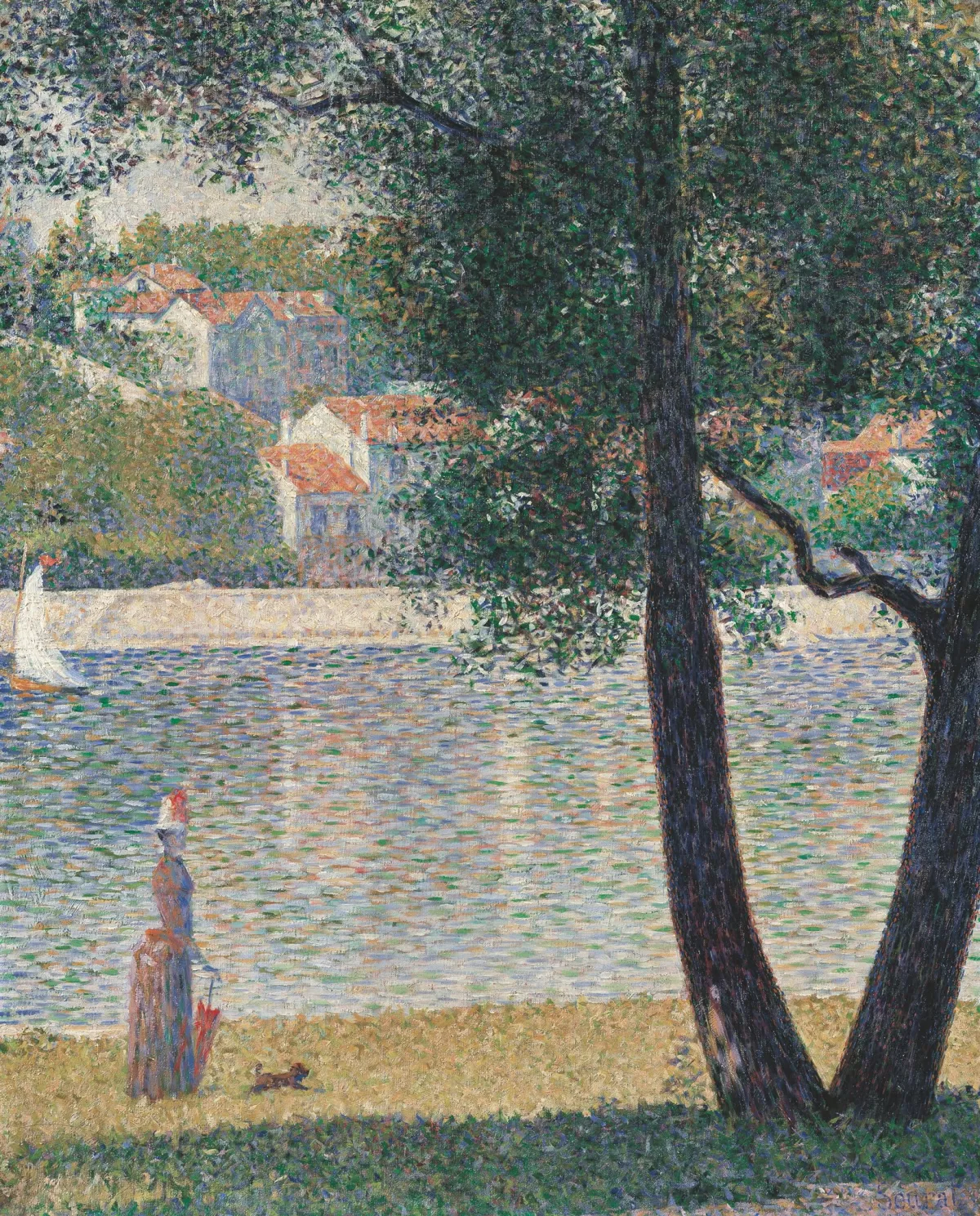
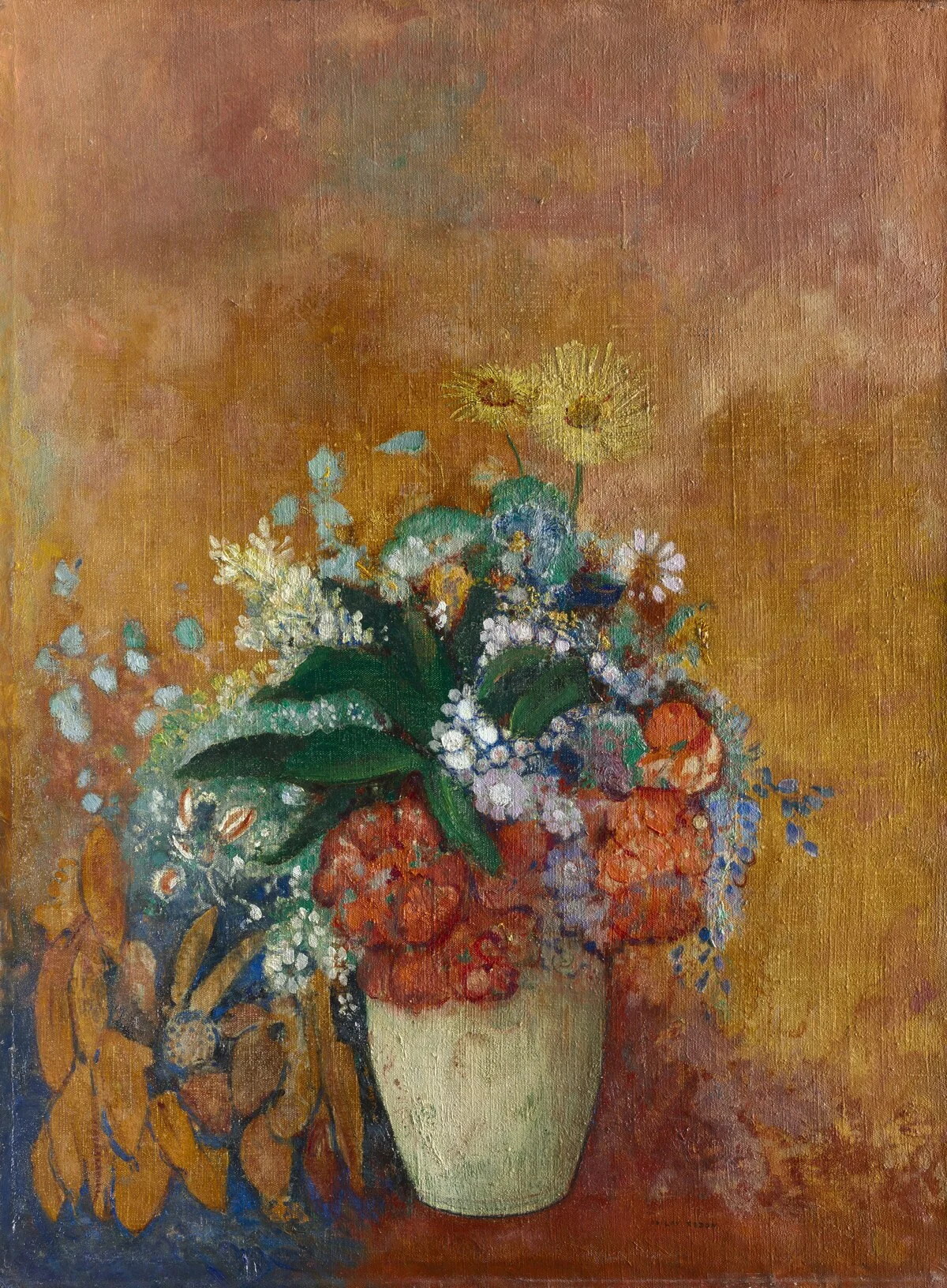
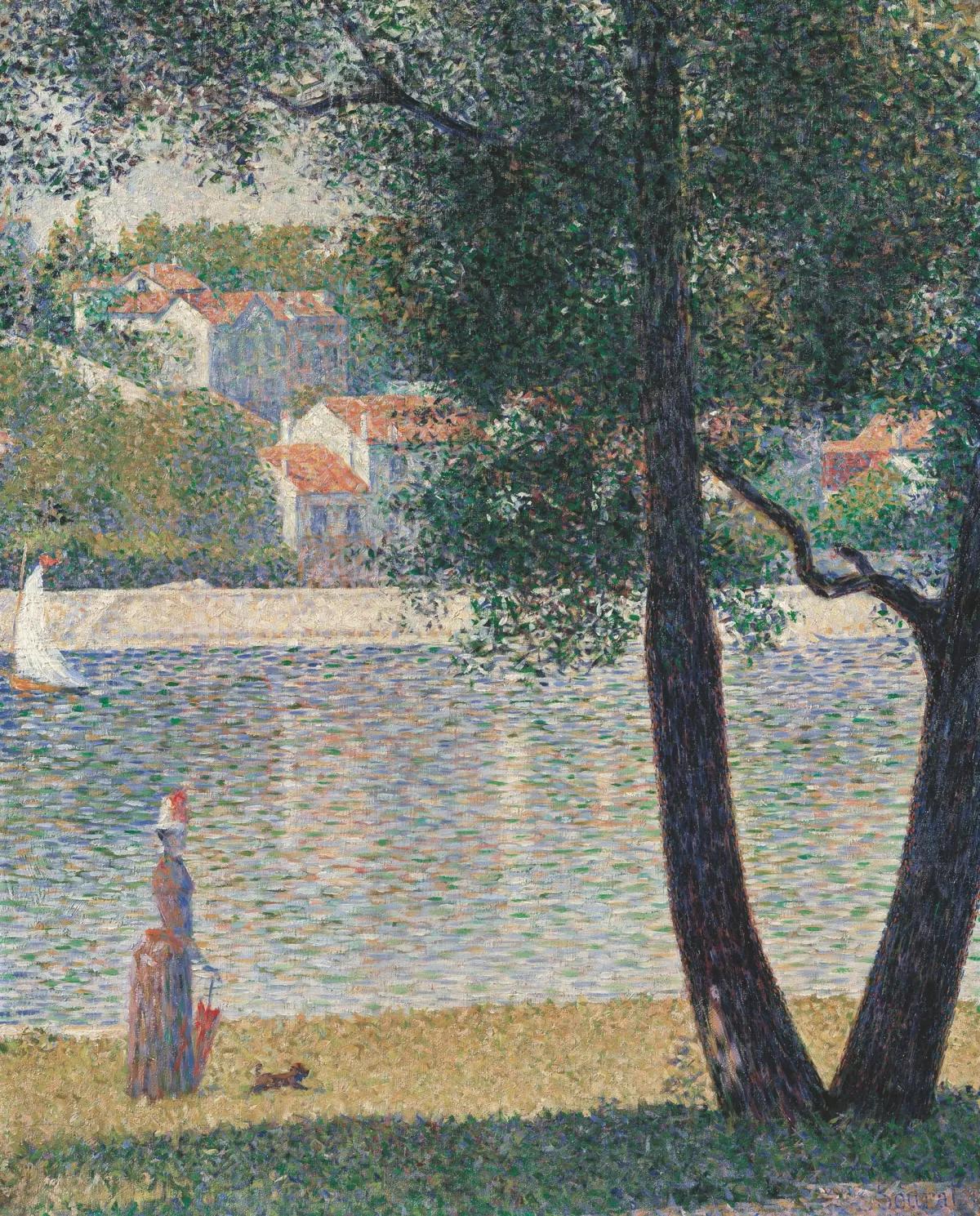
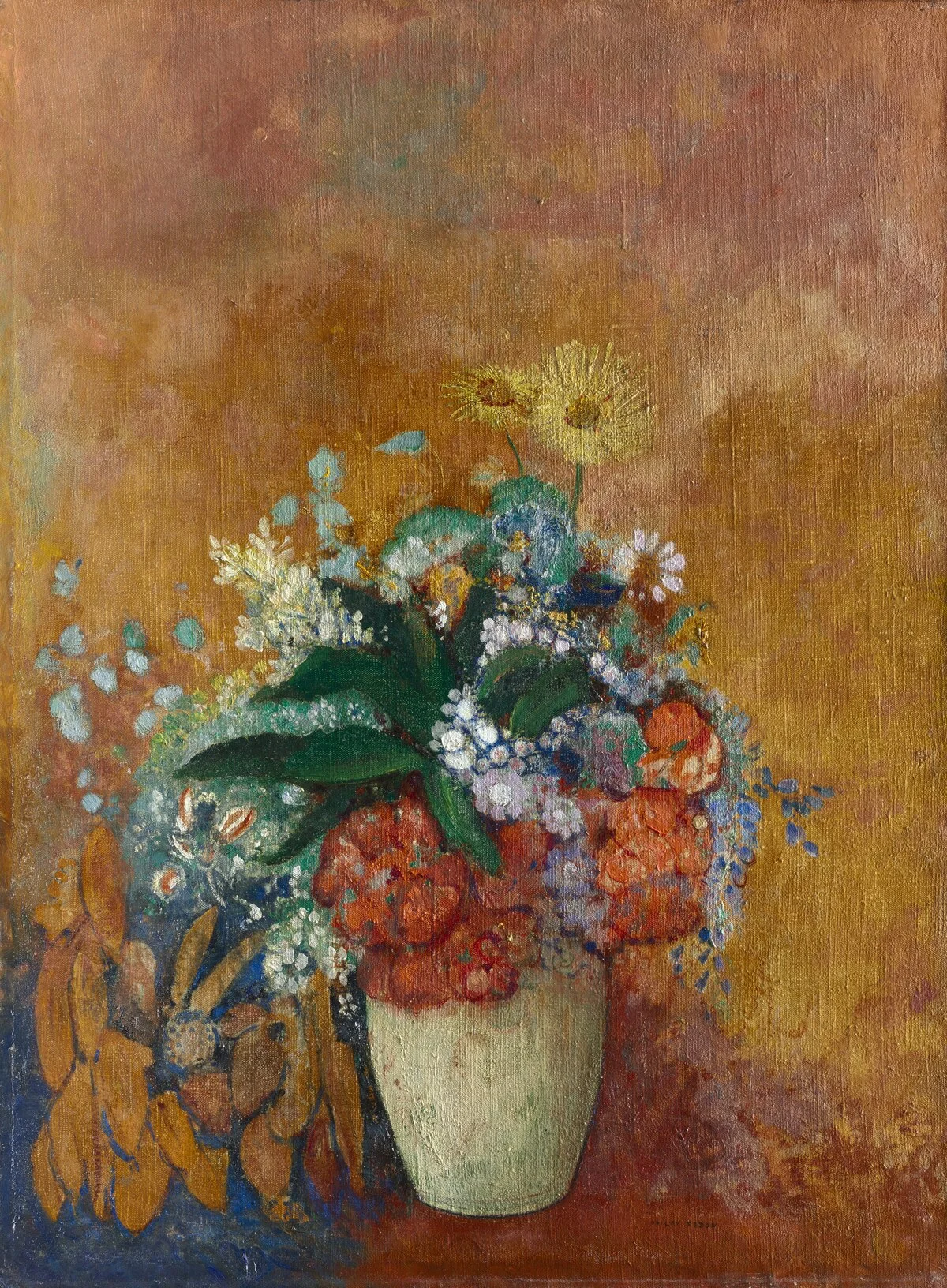
"Clothes on the Grass" by Georges Seurat is more than a fine art painting for sale; it is a visual narrative of daily life during the Post-Impressionism era. The scattered garments symbolize leisure and the passage of time, inviting interpretation from all who view it. Collectors intrigued by hidden meanings in fine art may also appreciate related pieces such as "Vase of Flowers" and "The Seine at Courbevoie," which offer similar depth and symbolism.
For art collectors, "Clothes on the Grass" by Georges Seurat is a prized hand-painted oil painting from the Post-Impressionism movement, offering both historical value and visual beauty. Its presence enhances any collection, pairing well with masterpieces like "A Sunday Afternoon on the Island of La Grande Jatte" or "Fields with trees in Barbizon." As a fine art painting for sale, it represents a rare opportunity to own a piece of Seurat’s enduring legacy.
When Art Meets History
"Clothes on the Grass" by Georges Seurat stands as a significant work within the Post-Impressionism movement. This hand-painted oil painting reflects the transition from Impressionism to a more structured approach, much like Seurat's other masterpieces such as "The Night Café in Arles" and "The Widow." Seurat's ability to capture everyday scenes in his fine art is evident, making this painting a pivotal piece for anyone interested in the evolution of modern art.
Techniques That Speak
Seurat’s "Clothes on the Grass" showcases his distinct pointillist technique, where tiny dots of color create a harmonious whole. The oil on canvas medium allows for vibrant hues and a luminous effect, echoing the innovation seen in "Working the land." Seurat's meticulous approach set him apart from his contemporaries, and this painting exemplifies the technical mastery that defines the Post-Impressionism movement, making it a sought-after example of detailed artistry.
Emotions on Display
In "Clothes on the Grass," Georges Seurat captures a tranquil, almost contemplative mood, highlighting the subtle emotions present in ordinary moments. Like "One Of The Family" and "Austin Friars Church, London," this fine art painting for sale invites viewers to reflect on simplicity and connection. The careful composition and serene palette evoke a sense of peace, demonstrating Seurat’s unique ability to translate emotion through Post-Impressionist techniques.
Coveted by Collectors
As one of Georges Seurat’s celebrated works, "Clothes on the Grass" is highly coveted by art collectors and enthusiasts. Its status as a hand-painted oil painting from the Post-Impressionism era, alongside related pieces like "The Widow" and "The Night Café in Arles," enhances its appeal. Collectors value the historical significance and artistic mastery present in Seurat’s creations, making this painting a treasured addition to any fine art collection.
Related Post-Impressionism Hand-Painted Oil Paintings by Other Artists
Other Famous Post-Impressionism Artists:
Frequently Asked Questions About Clothes on the Grass
What is the historical context of "Clothes on the Grass"?
"Clothes on the Grass" was painted by Georges Seurat in 1883, during the late 19th century, a period marked by the rise of Impressionism and Post-Impressionism in France. This painting reflects the social dynamics of the time, particularly the leisure activities of the bourgeoisie in Paris.
What artistic techniques did Seurat use in "Clothes on the Grass"?
Seurat employed the technique of Pointillism in "Clothes on the Grass," where he applied small dots of color to create a cohesive image. This method allowed for a unique blending of colors and a vibrant luminosity that was characteristic of his work.
What themes are explored in "Clothes on the Grass"?
The painting explores themes of leisure, social interaction, and the contrast between nature and urban life. It captures a moment of relaxation and enjoyment, reflecting the changing social norms of the time.
How does "Clothes on the Grass" reflect Seurat's artistic philosophy?
Seurat believed in the scientific approach to color and composition. "Clothes on the Grass" embodies his philosophy of using color theory to evoke emotion and create harmony within the artwork, showcasing his dedication to the principles of aesthetics.
What is the significance of the setting in "Clothes on the Grass"?
The setting of "Clothes on the Grass" is significant as it depicts a picnic scene in a park, symbolizing the leisure activities of the Parisian middle class. This choice of setting emphasizes the importance of nature and relaxation in urban life during the late 19th century.
Who are the figures depicted in "Clothes on the Grass"?
The figures in "Clothes on the Grass" represent various individuals from the Parisian bourgeoisie, engaged in leisurely activities. Their relaxed poses and interactions suggest a sense of camaraderie and enjoyment, typical of social gatherings of the time.
What role does color play in "Clothes on the Grass"?
Color plays a crucial role in "Clothes on the Grass," as Seurat's use of vibrant hues and contrasting tones enhances the overall mood of the painting. The strategic placement of colors creates depth and draws the viewer's eye throughout the composition.
How does "Clothes on the Grass" compare to Seurat's other works?
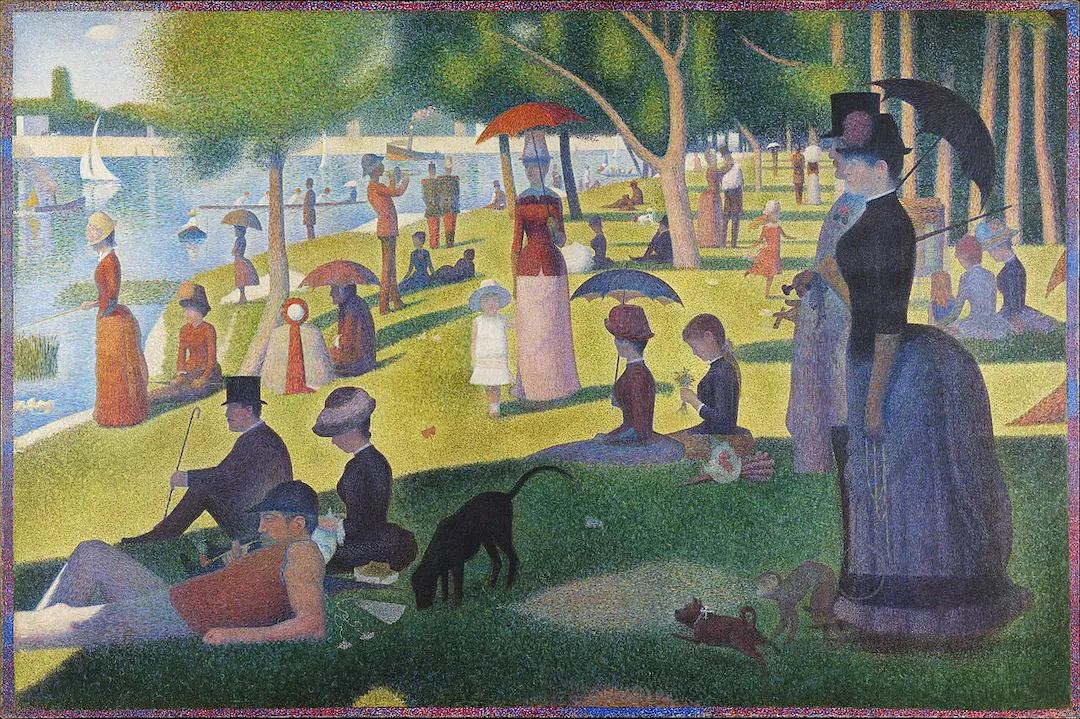
Compared to Seurat's other works, such as "A Sunday Afternoon on the Island of La Grande Jatte," "Clothes on the Grass" is more intimate and focused on personal interactions rather than large crowds. It showcases his ability to capture the essence of social gatherings in a more personal setting.
What impact did "Clothes on the Grass" have on the art world?
"Clothes on the Grass" contributed to the development of modern art by challenging traditional painting techniques and emphasizing the importance of color theory. Seurat's innovative approach influenced future generations of artists, particularly in the realm of color and composition.
What symbolism can be found in "Clothes on the Grass"?
The clothing scattered on the grass symbolizes the carefree nature of leisure and the abandonment of societal norms. It reflects a moment of freedom and relaxation, inviting viewers to contemplate the balance between nature and urban life.























_GFM_Painting_(1).webp)


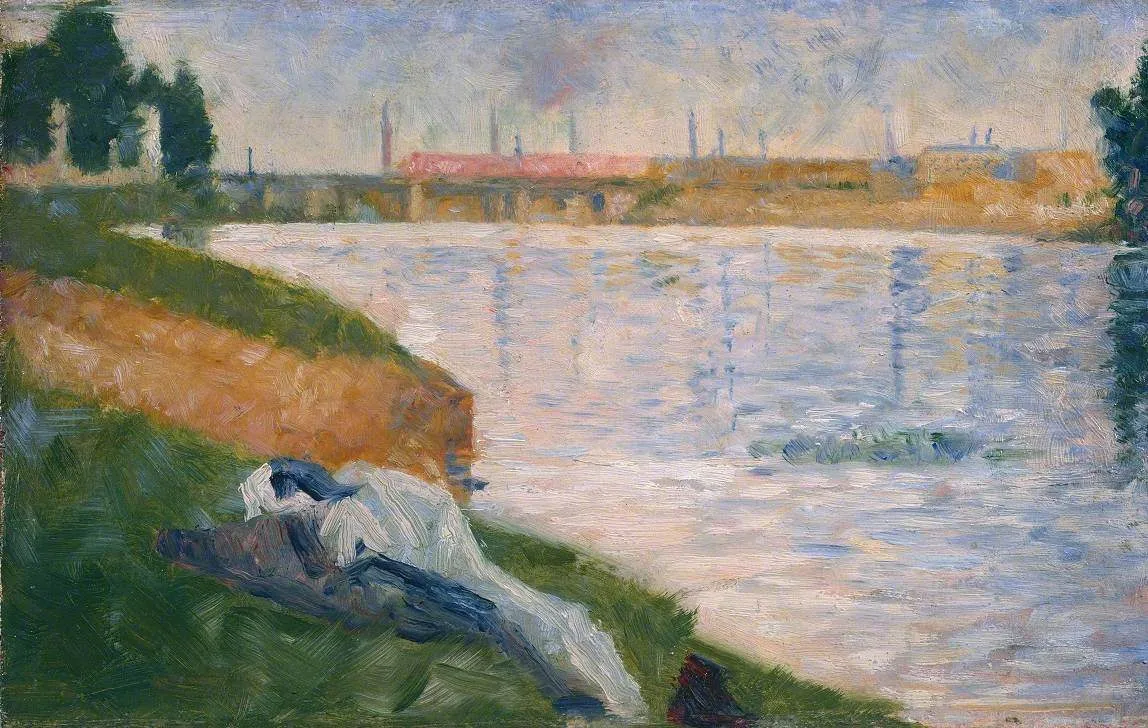
 100% Hand-Painted: Finished in 3-6 Weeks

.png)















_(1).webp)