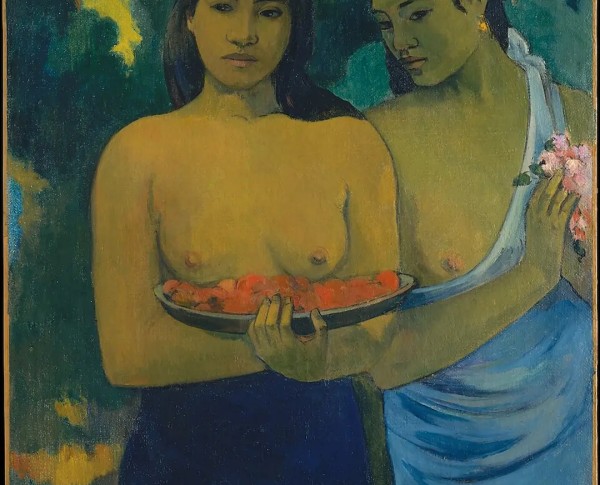
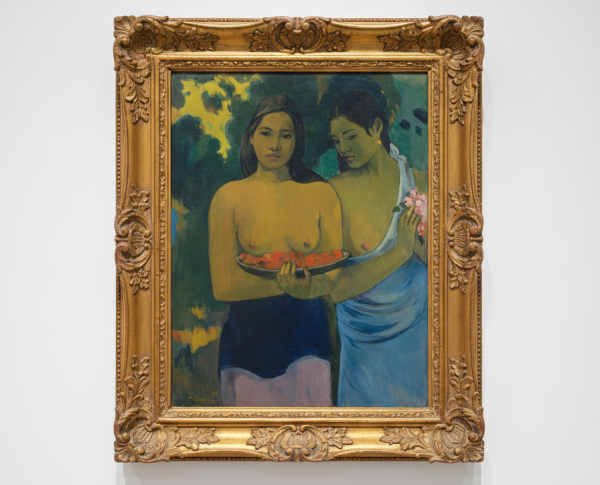
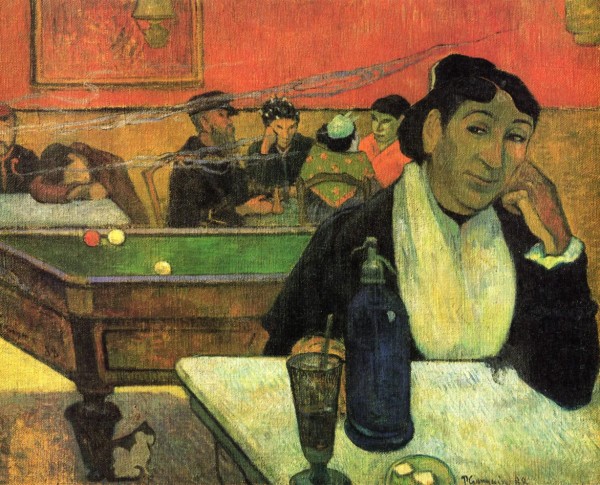
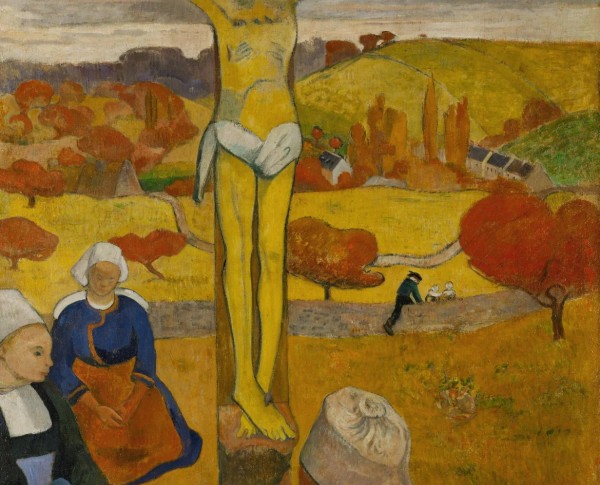
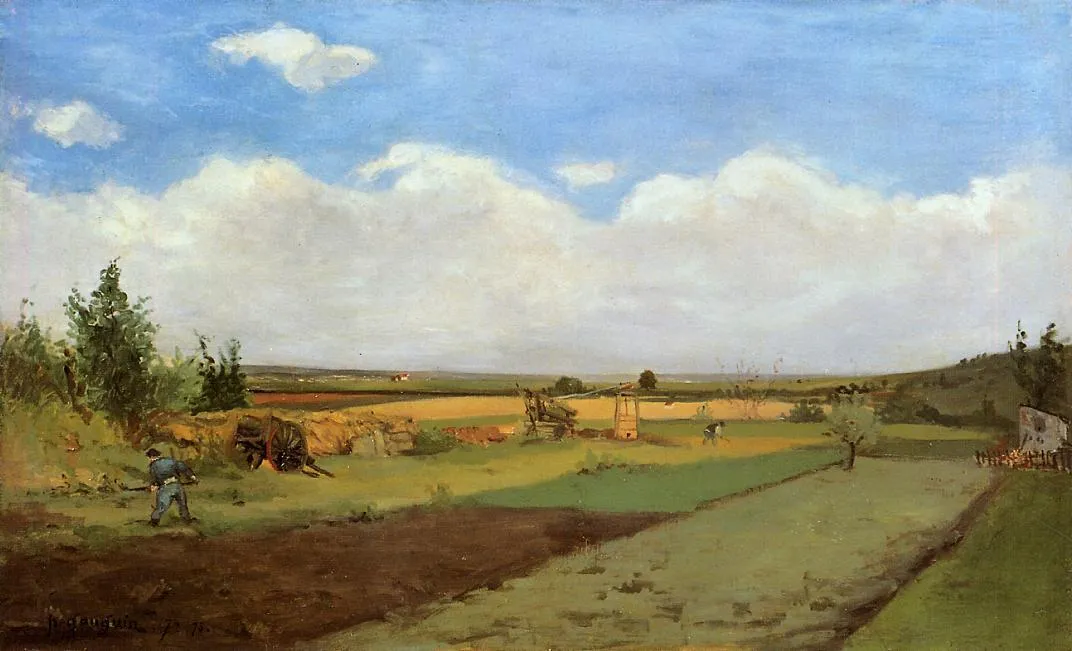
Gauguin’s expert use of oil on canvas in "Working the land" demonstrates his commitment to rich color and expressive brushwork. The painting’s dynamic composition and bold palette exemplify Post-Impressionism’s break from traditional representation. Each stroke reveals Gauguin’s mastery, making this piece a standout among other fine art painting for sale, such as "Parahi te marae" and "In the forest Saint Cloud II," both of which showcase his signature technique and innovative style.
"Working the land" is more than just a hand-painted oil painting; it is a tapestry of stories and symbols reflecting Gauguin’s fascination with rural life and cultural identity. Post-Impressionism’s emphasis on personal expression shines through in this work, as it does in related products like "Vairumati" and "Manaò tupapaú." Each element within the painting invites viewers to explore deeper meanings, making it a truly compelling addition to any fine art collection.
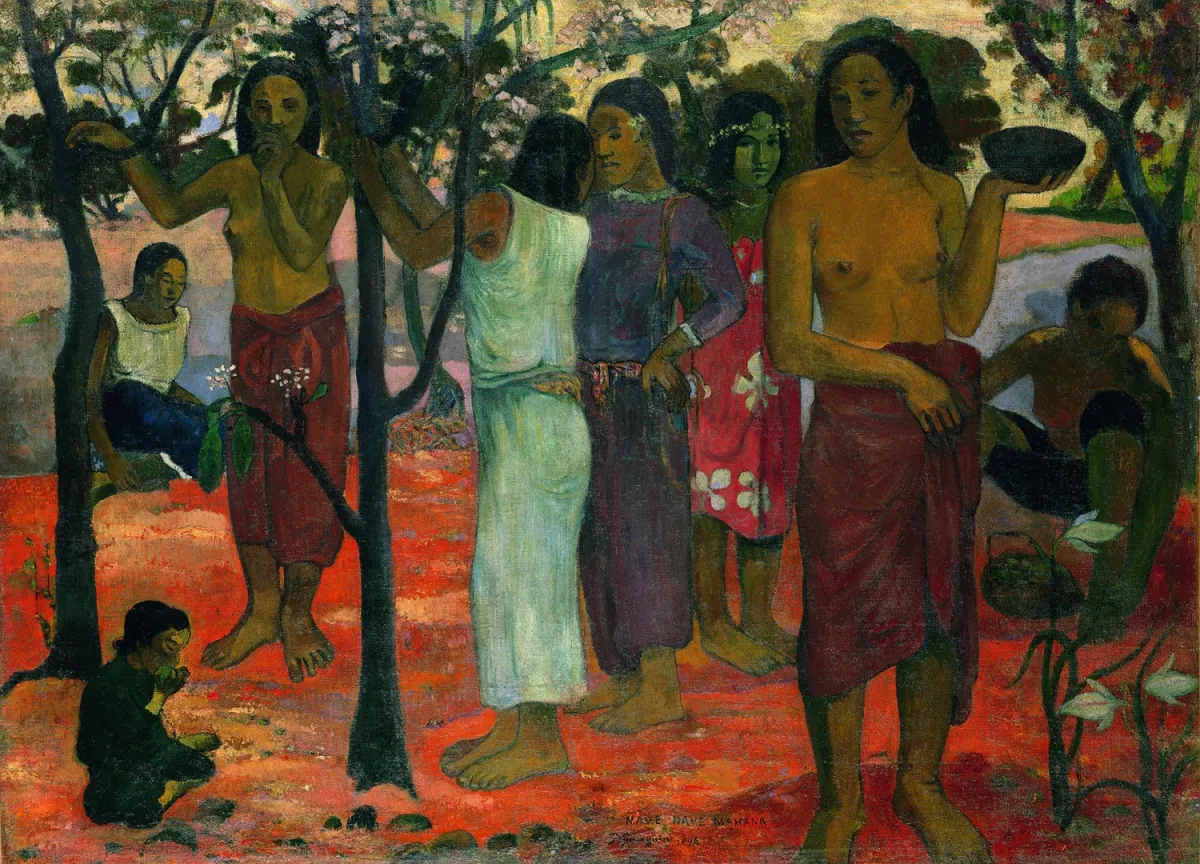
For those seeking a fine art painting for sale that embodies historical significance and artistic innovation, "Working the land" by Paul Gauguin is a prime choice. As a Post-Impressionist masterpiece, it offers collectors the chance to own a piece of art history. Complement this acquisition with related works such as "Parahi te marae" or "Nave Nave Mahana" to create a stunning display of Gauguin’s transformative impact on the world of painting.
When Art Meets History
"Working the Land" by Paul Gauguin is a masterful hand-painted oil painting that captures the essence of rural life during the Post-Impressionism movement. Created at a time when artists sought to break away from traditional techniques, this piece stands alongside related paintings like "The Seine at Courbevoie" and "End of the Pier, Honfleur." Gauguin's work provides a unique window into the social and cultural dynamics of his era, making it a significant historical artifact.
Techniques That Speak
Paul Gauguin’s "Working the Land" showcases his innovative use of oil on canvas, a hallmark of the Post-Impressionism era. Gauguin’s bold color choices and expressive brushwork are evident, paralleling the styles in "The Red Vineyard" and "Mulberry Tree." By layering vibrant hues and exploring new compositional techniques, Gauguin pushed the boundaries of traditional painting, setting his work apart as a pivotal moment in the evolution of modern art.
Emotions on Display
In "Working the Land," Gauguin channels deep emotion through his depiction of rural laborers, much like the intensity found in "At Eternity's Gate." This fine art painting for sale radiates empathy and respect for the working class, inviting viewers to connect with the subjects’ perseverance. The Post-Impressionist movement, with Gauguin at the forefront, emphasized personal expression, making this painting a testament to the artist’s ability to evoke powerful feelings through art.
Coveted by Collectors
Collectors and enthusiasts highly prize "Working the Land" for its place within the Post-Impressionism movement and its connection to Paul Gauguin’s renowned body of work. Alongside masterpieces like "The Red Vineyard" and "Mulberry Tree," this hand-painted oil painting is a sought-after treasure. Its historical significance and exquisite technique ensure its enduring appeal, making it a standout among fine art painting for sale in prestigious collections worldwide.
Related Post-Impressionism Hand-Painted Oil Paintings by Other Artists
Other Famous Post-Impressionism Artists:
Frequently Asked Questions About "Working the land"
What is the historical context of "Working the land"?
"Working the land" was painted in 1892 during Paul Gauguin's time in Tahiti, a period marked by his desire to escape European civilization and explore a more primitive, natural lifestyle.
What artistic techniques did Gauguin use in this painting?
Gauguin employed bold colors, simplified forms, and a flat perspective, which are characteristic of his post-impressionist style. He also utilized a technique known as "synthetism," focusing on the emotional and symbolic content of the work.
What themes are explored in "Working the land"?
The painting explores themes of labor, connection to nature, and the idealization of rural life. It reflects Gauguin's fascination with the simplicity and authenticity of Tahitian culture compared to industrialized society.
How does "Working the land" reflect Gauguin's views on colonialism?
Gauguin's work often critiques colonialism by portraying the lives of indigenous people in a romanticized manner. In "Working the land," he highlights the dignity of labor and the beauty of the land, contrasting it with the exploitation of native cultures by colonizers.
What symbolism can be found in the figures depicted in the painting?
The figures in "Working the land" symbolize the harmony between humans and nature. Their posture and engagement with the land suggest a deep respect for agricultural practices and a connection to the earth.
How does the color palette contribute to the overall meaning of the painting?
The vibrant color palette used in "Working the land" enhances the emotional impact of the scene. The warm earth tones evoke a sense of warmth and vitality, emphasizing the richness of the land and the life it sustains.
In what ways does "Working the land" reflect Gauguin's artistic evolution?
This painting marks a significant evolution in Gauguin's style, moving away from impressionism towards a more symbolic and expressive approach. It showcases his desire to convey deeper meanings through color and form.
What influence did "Working the land" have on later artists?
"Working the land" influenced many modern artists by promoting the use of color and form to express emotion and symbolism. Gauguin's departure from realism paved the way for movements such as Fauvism and Expressionism.
How does this painting fit into the broader movement of post-impressionism?
"Working the land" is a quintessential example of post-impressionism, as it emphasizes subjective experience and emotional resonance over realistic representation, aligning with the goals of artists seeking to explore the inner workings of perception and feeling.
What is the significance of the title "Working the land"?
The title "Working the land" underscores the central theme of labor and the relationship between humans and their environment. It invites viewers to reflect on the importance of agriculture and the cultural practices surrounding it in Tahitian society.






















_GFM_Painting_(1).webp)


 100% Hand-Painted: Finished in 3-6 Weeks

.png)















_(1).webp)