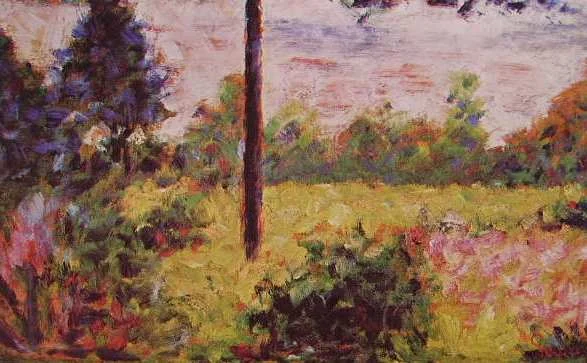
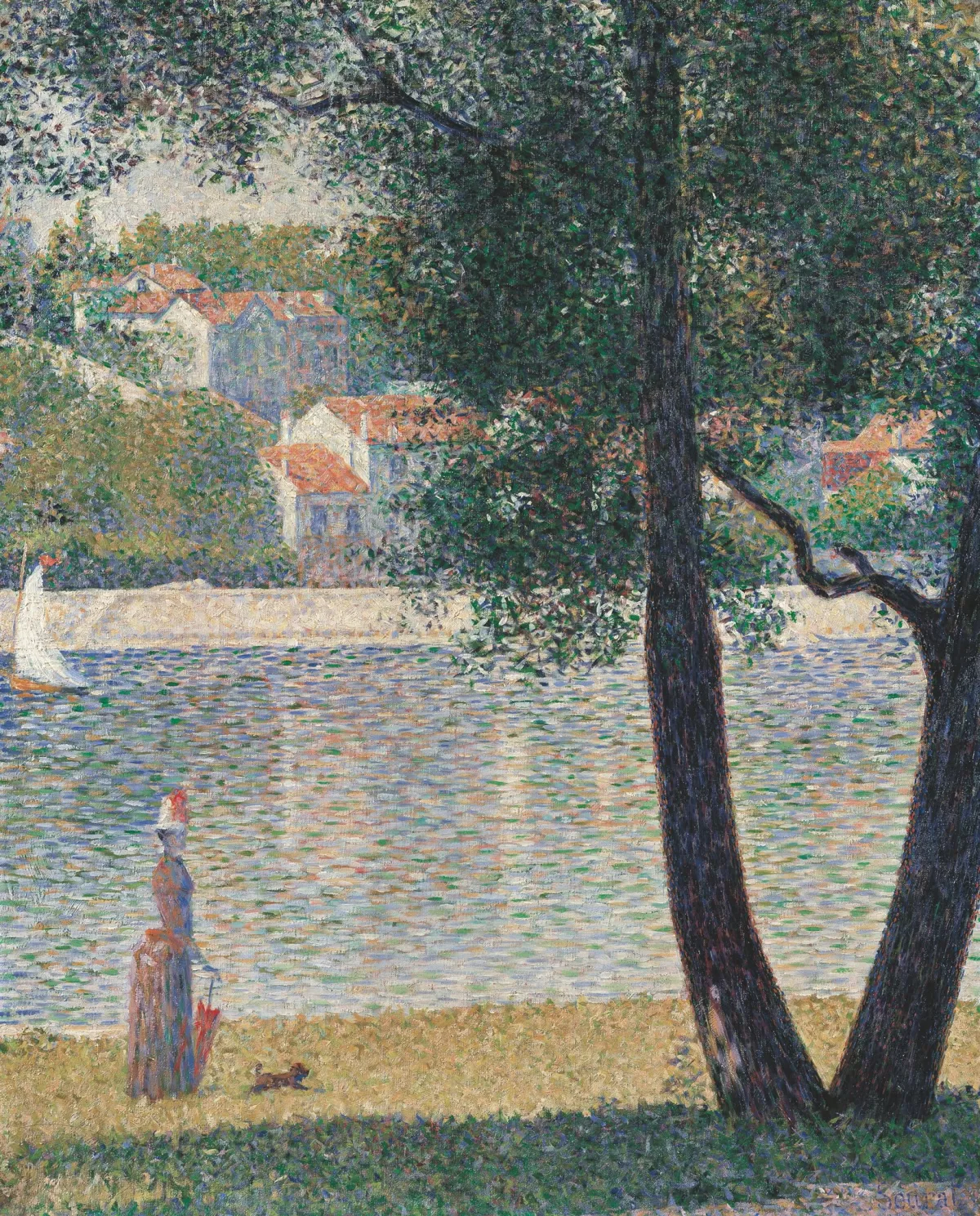
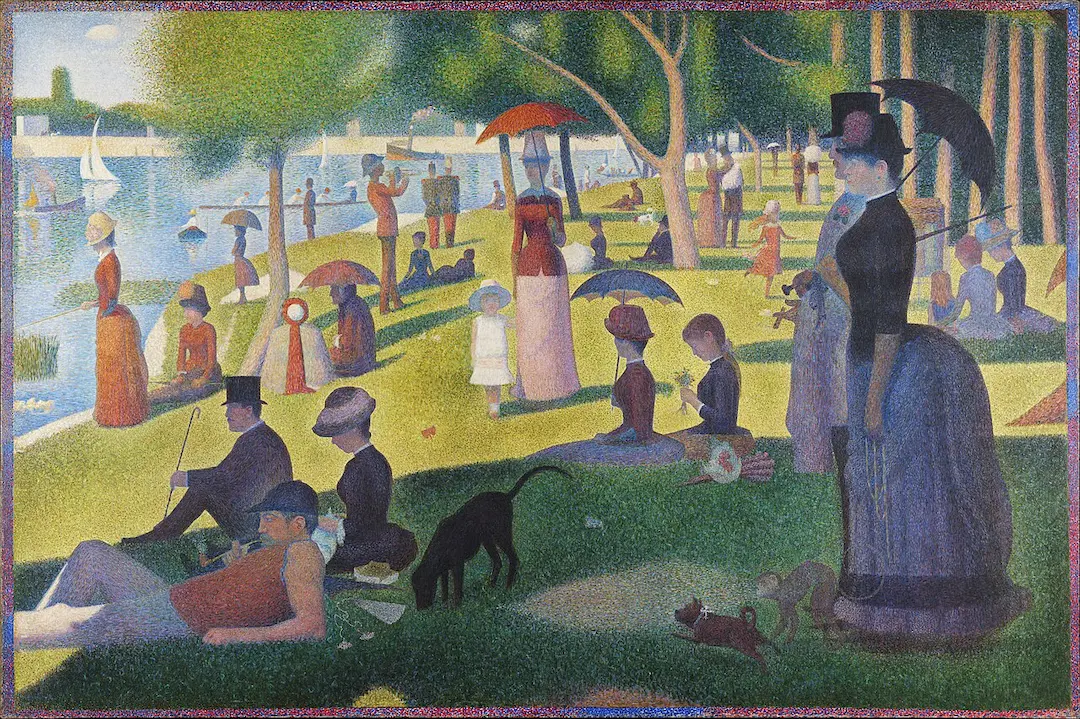
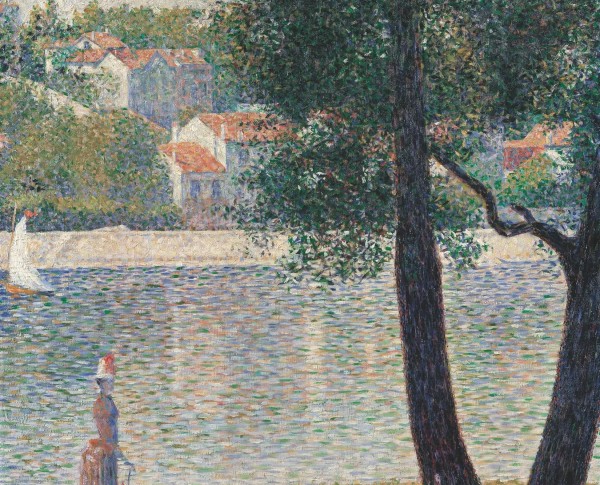
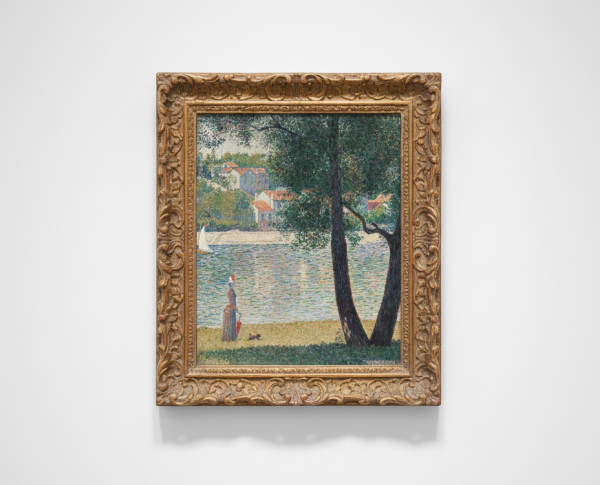
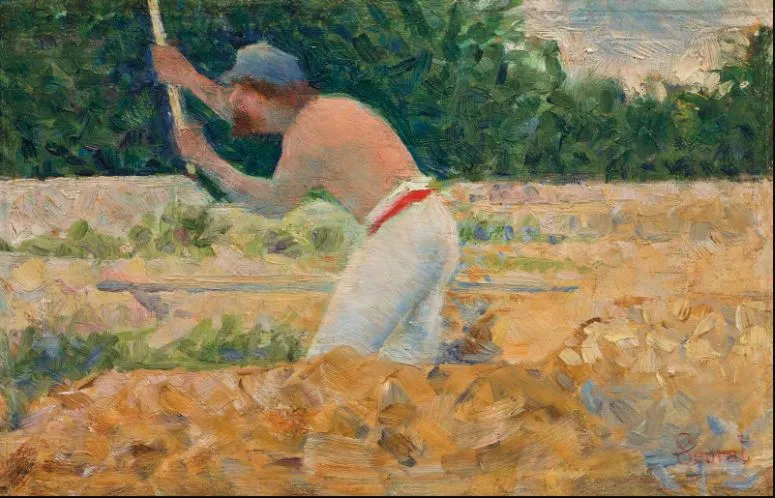
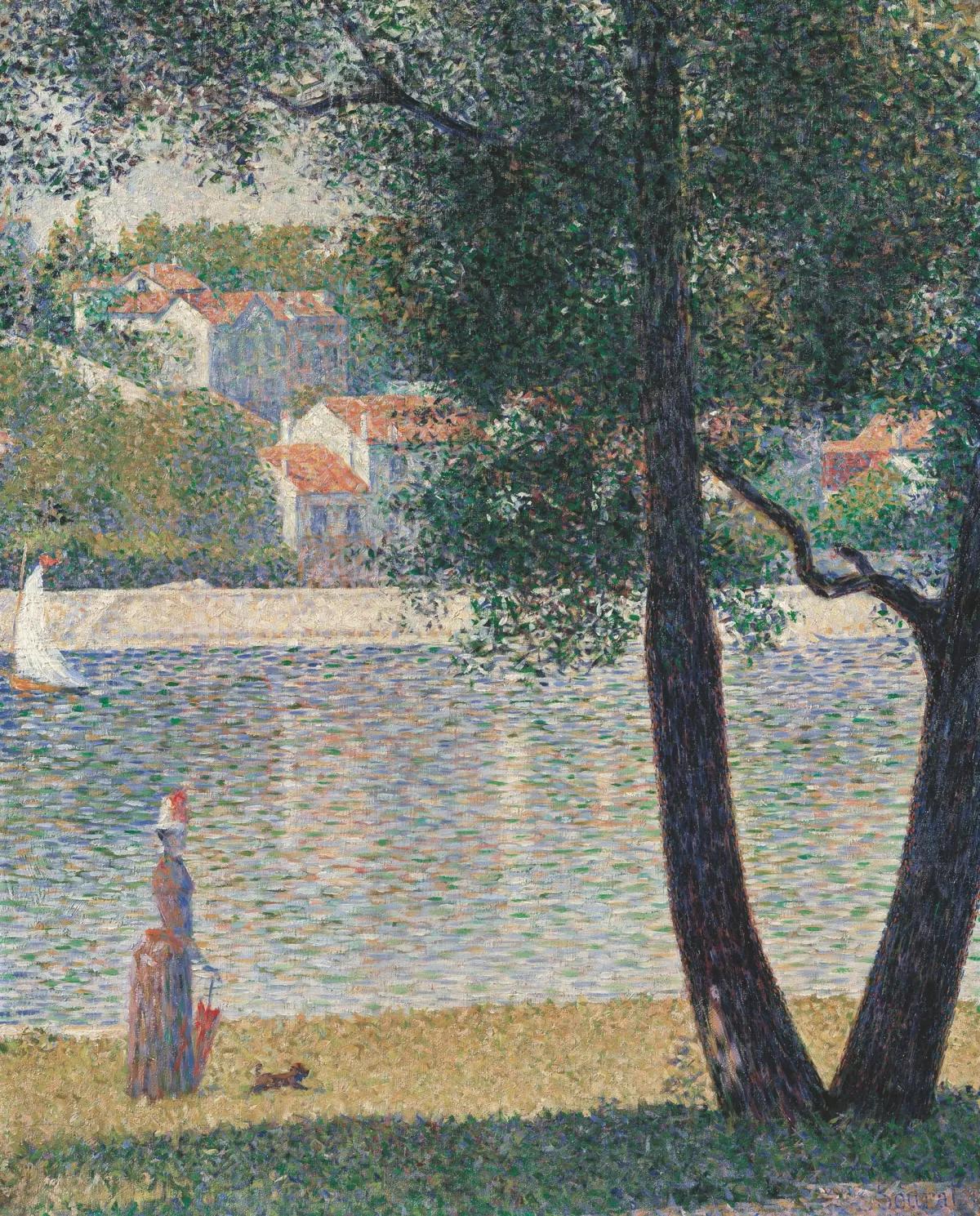
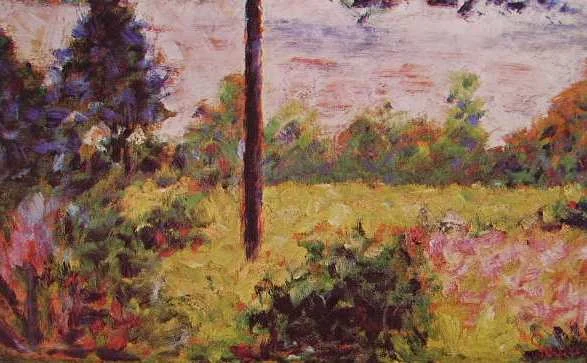
Seurat’s meticulous approach to "The Stone Breaker III" shines through in his use of oil on canvas, a hallmark of his refined technique. Each brushstroke reveals his signature pointillism, bringing vibrant life and texture to the composition. As a leading figure of Post-Impressionism, Seurat’s influence extends to works like "Fields with trees in Barbizon" and "The Seine at Courbevoie," making his paintings highly sought after by discerning collectors.
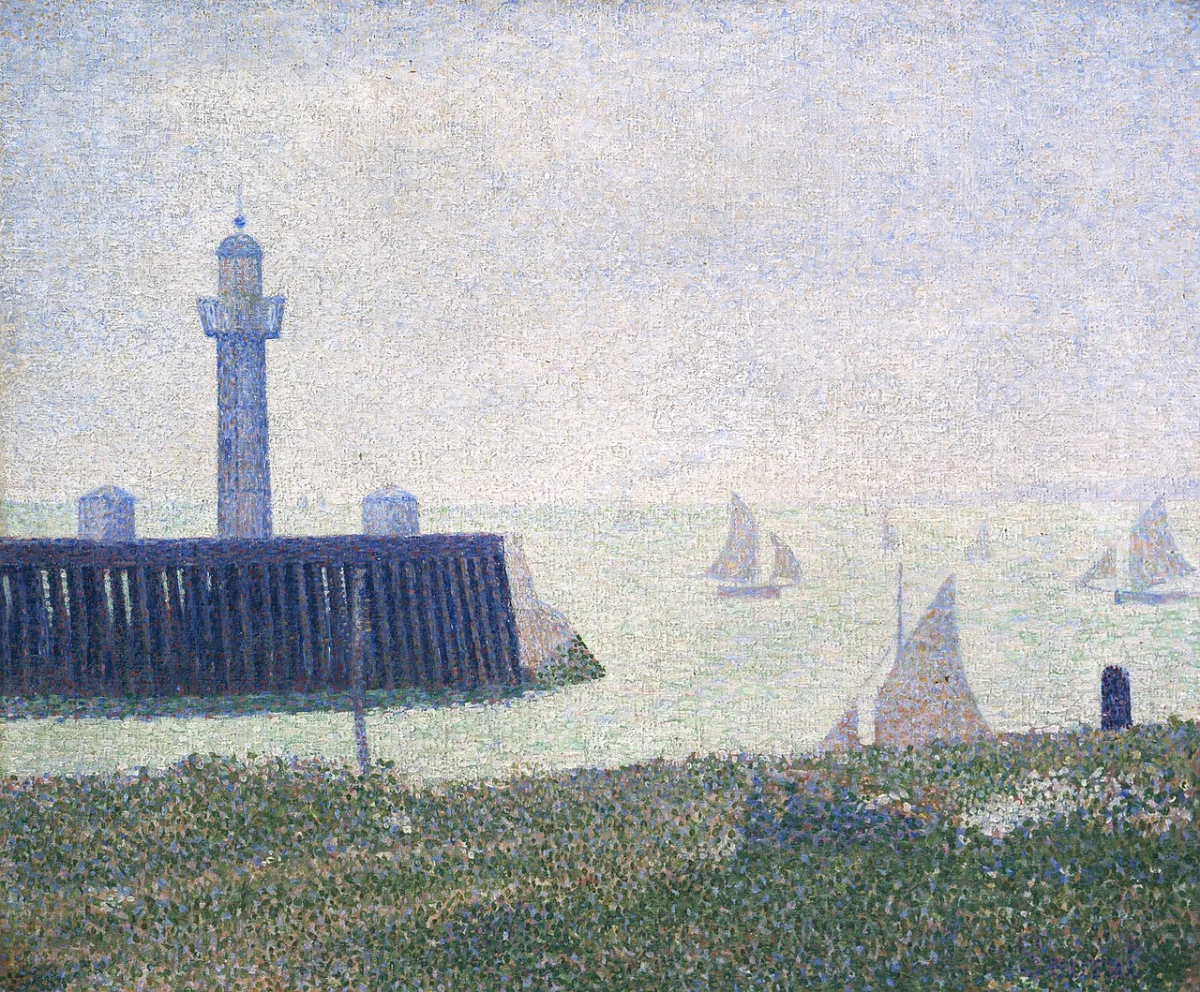
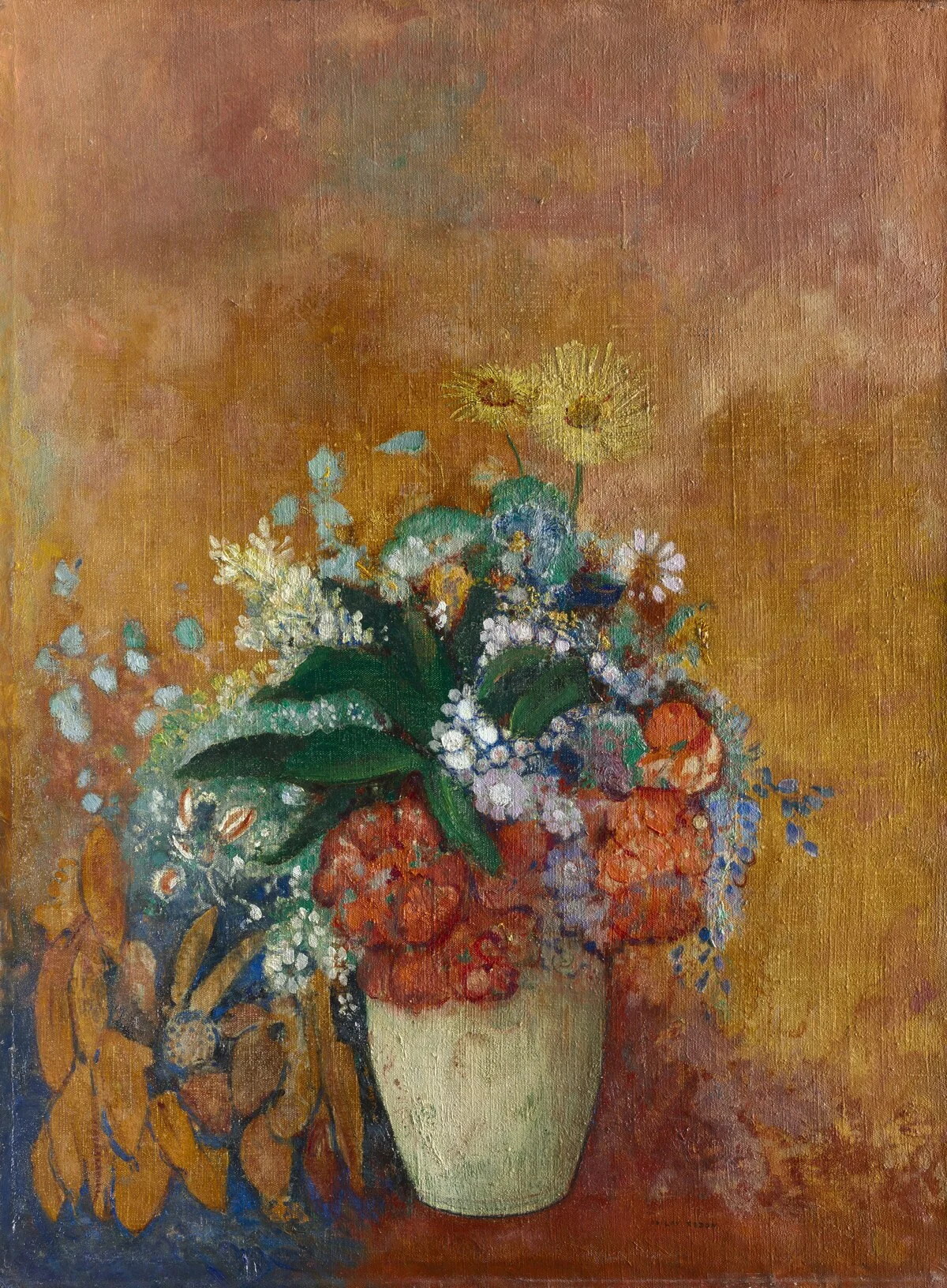
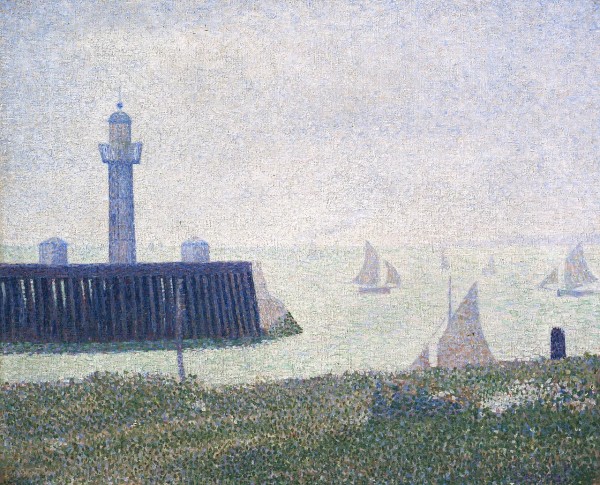
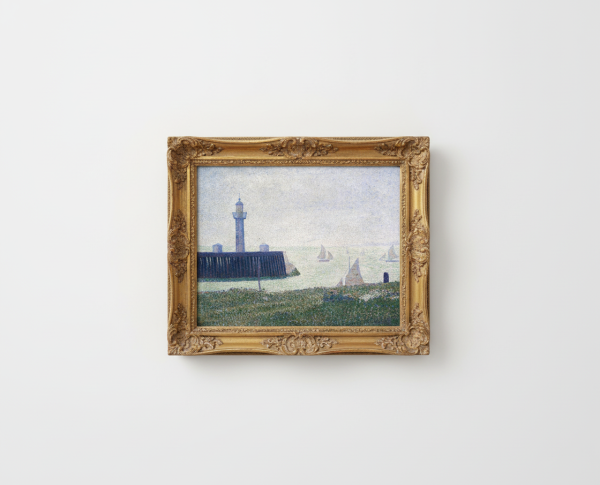
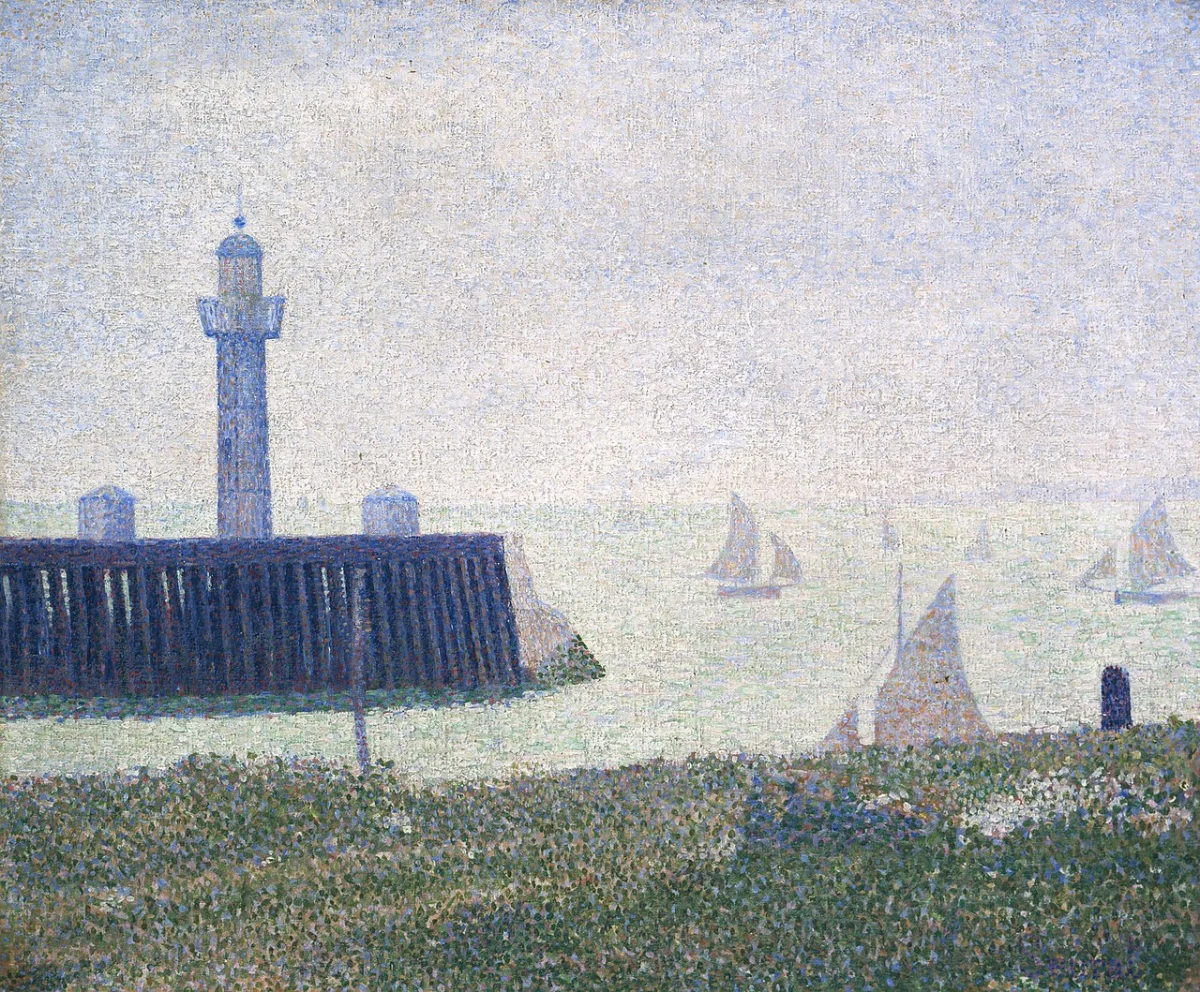
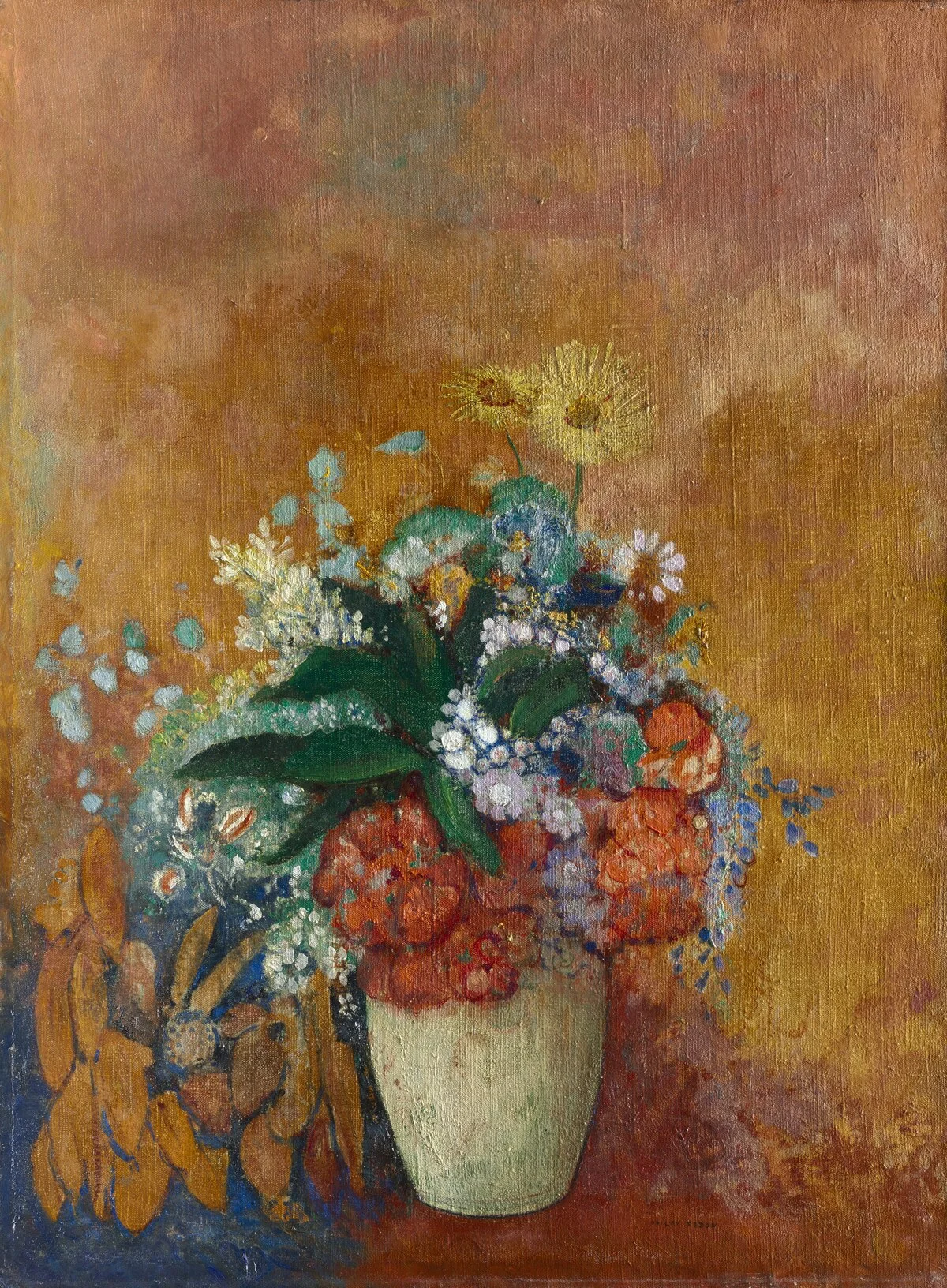
Within "The Stone Breaker III," Seurat weaves stories of perseverance and the dignity of labor, themes often explored in Post-Impressionist art. The figures and their environment symbolize the era’s social realities, captured beautifully in this fine art painting for sale. Collectors often pair it with works such as "End of the pier, Honfleur" or "Vase of Flowers" to create a narrative-rich display that honors Seurat’s artistic legacy.
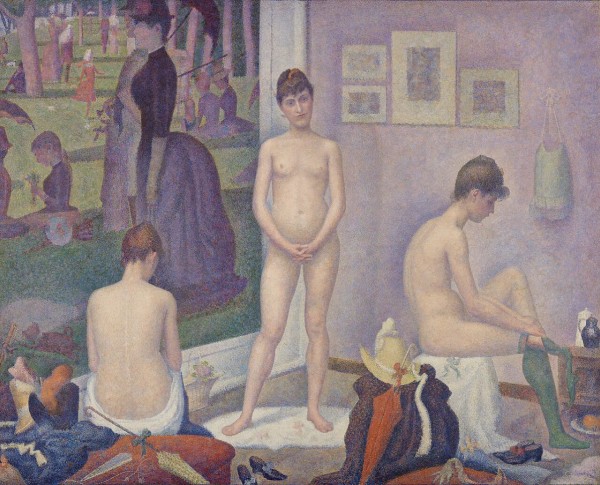
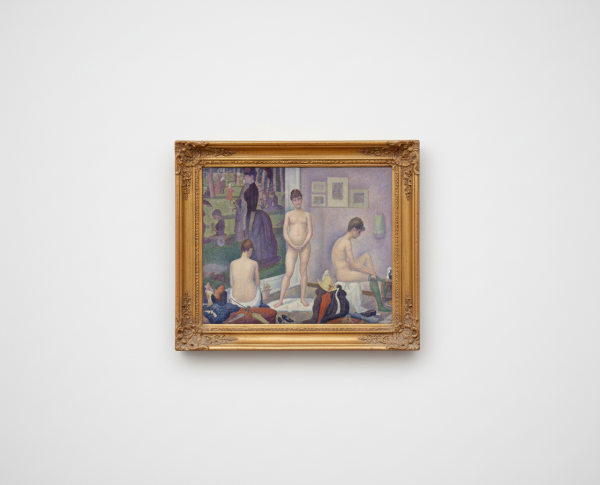
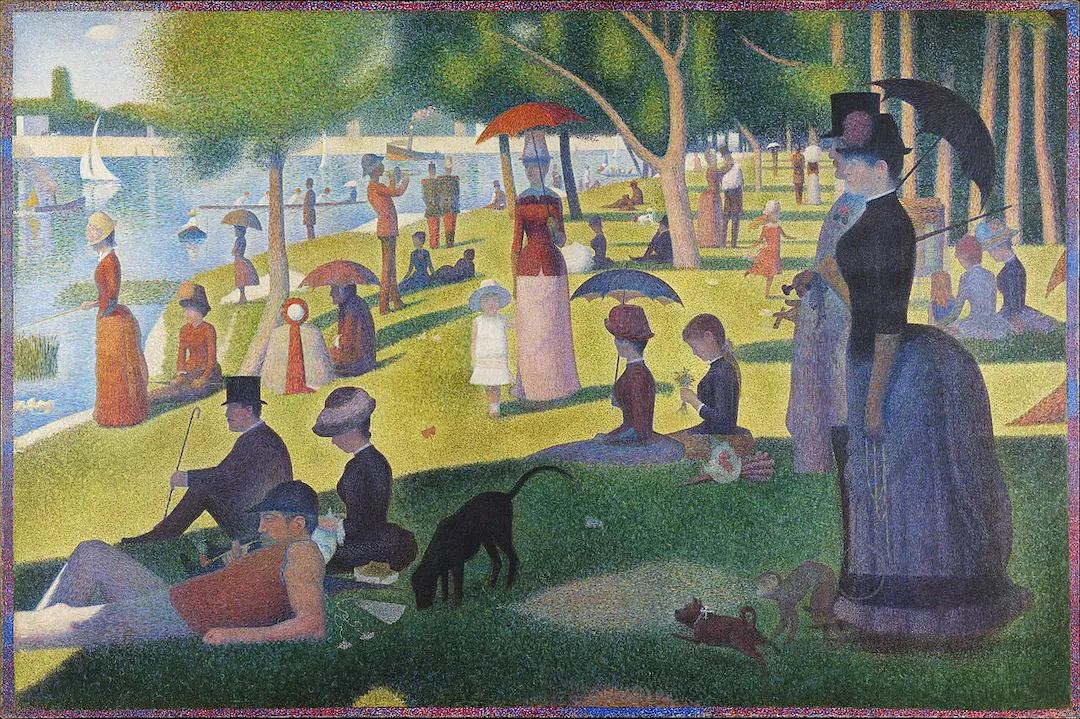
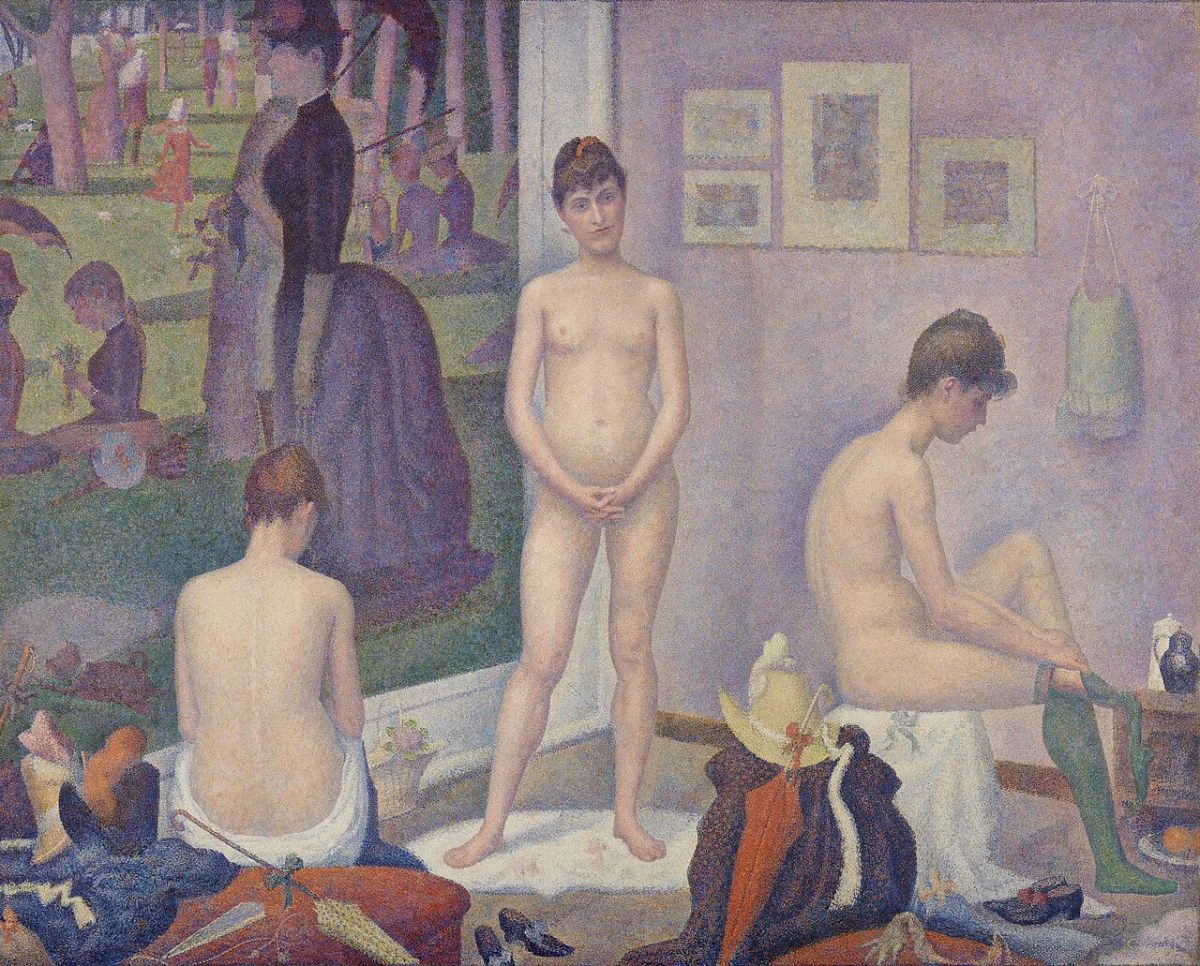
Owning "The Stone Breaker III" by Georges Seurat means acquiring a masterpiece of Post-Impressionism, revered for its historical and artistic value. This hand-painted oil painting is an ideal centerpiece, complementing related products like "The Models" and "A Sunday Afternoon on the Island of La Grande Jatte." Discerning collectors recognize the enduring appeal and investment potential of Seurat’s iconic works, making them treasured additions to any fine art collection.
When Art Meets History
"The Stone Breaker III" by Georges Seurat stands as a testament to the Post-Impressionism movement, capturing the spirit of 19th-century laborers through masterful brushwork. This oil on canvas not only reflects Seurat’s fascination with everyday life but also places him among other notable works like "Breton Landscape" and "Austin Friars Church, London." The painting’s historical resonance makes it a hand-painted oil painting that bridges the gap between art and social commentary.
Techniques That Speak
Georges Seurat’s "The Stone Breaker III" showcases his pioneering technique of pointillism, a hallmark of the Post-Impressionism movement. The meticulous placement of color dots creates a luminous effect unique to this fine art painting for sale. Seurat’s approach, also seen in related paintings such as "Parahi te marae" and "Dog," exemplifies his mastery of light and texture, making this oil on canvas an enduring study in both innovation and tradition.
Emotions on Display
In "The Stone Breaker III," Seurat captures the quiet dignity and resilience of manual laborers, infusing the scene with empathy and depth. The painting’s subtle color palette and composition evoke a sense of solemnity, similar to the mood found in "Nathaniel Catchpole" and other Post-Impressionist works. This hand-painted oil painting draws viewers into the emotional world of its subjects, offering a poignant reflection on the human condition through Seurat’s distinctive vision.
Coveted by Collectors
As a significant piece from the Post-Impressionism era, "The Stone Breaker III" by Georges Seurat remains highly sought after among art enthusiasts and collectors. Its status as a fine art painting for sale is bolstered by its connection to related masterpieces like "Breton Landscape" and "Dog." The enduring appeal of this oil on canvas lies in its historical significance, technical brilliance, and the universal themes that continue to captivate audiences worldwide.
Related Post-Impressionism Hand-Painted Oil Paintings by Other Artists
Other Famous Post-Impressionism Artists:
Frequently Asked Questions About The Stone Breaker III
What is the historical significance of The Stone Breaker III?
The Stone Breaker III, created by Georges Seurat, is significant as it reflects the socio-economic conditions of the late 19th century, particularly the plight of the working class during the industrial revolution.
How does The Stone Breaker III exemplify Seurat's technique?
This painting exemplifies Seurat's pointillism technique, where he used small dots of color to create a cohesive image, emphasizing the interplay of light and color in a unique manner.
What themes are explored in The Stone Breaker III?
The themes of labor, struggle, and the human condition are central to The Stone Breaker III, highlighting the dignity and hardship of manual laborers in a rapidly industrializing society.
What artistic movements influenced The Stone Breaker III?
The Stone Breaker III is influenced by Impressionism and Neo-Impressionism, showcasing a departure from traditional techniques and a focus on modern life and its complexities.
What symbolism can be found in The Stone Breaker III?
The figures in The Stone Breaker III symbolize the struggle of the working class, representing both the physical labor involved in stone breaking and the broader societal issues of class disparity.
How does the composition of The Stone Breaker III contribute to its message?
The composition, with its strong diagonal lines and placement of figures, conveys a sense of movement and labor, reinforcing the theme of toil and the relentless nature of work.
In what ways does The Stone Breaker III reflect Seurat's philosophical beliefs?
Seurat's philosophical beliefs in the importance of scientific observation and the emotional impact of color are reflected in The Stone Breaker III, as he meticulously applies color theory to evoke feelings associated with labor.
What impact did The Stone Breaker III have on future artists?
The Stone Breaker III had a lasting impact on future artists by inspiring movements such as modernism, encouraging them to explore new techniques and themes related to everyday life and social issues.
How does The Stone Breaker III compare to Seurat's other works?
Compared to Seurat's other works, The Stone Breaker III is notable for its focus on labor and the working class, diverging from his more idyllic and leisure-themed pieces, thus showcasing a broader range of human experience.
What is the legacy of The Stone Breaker III in the context of art history?
The legacy of The Stone Breaker III lies in its pioneering approach to color and form, its social commentary, and its role in shaping the narrative of modern art, making it a significant work in art history.























_GFM_Painting_(1).webp)


 100% Hand-Painted: Finished in 3-6 Weeks

.png)















_(1).webp)