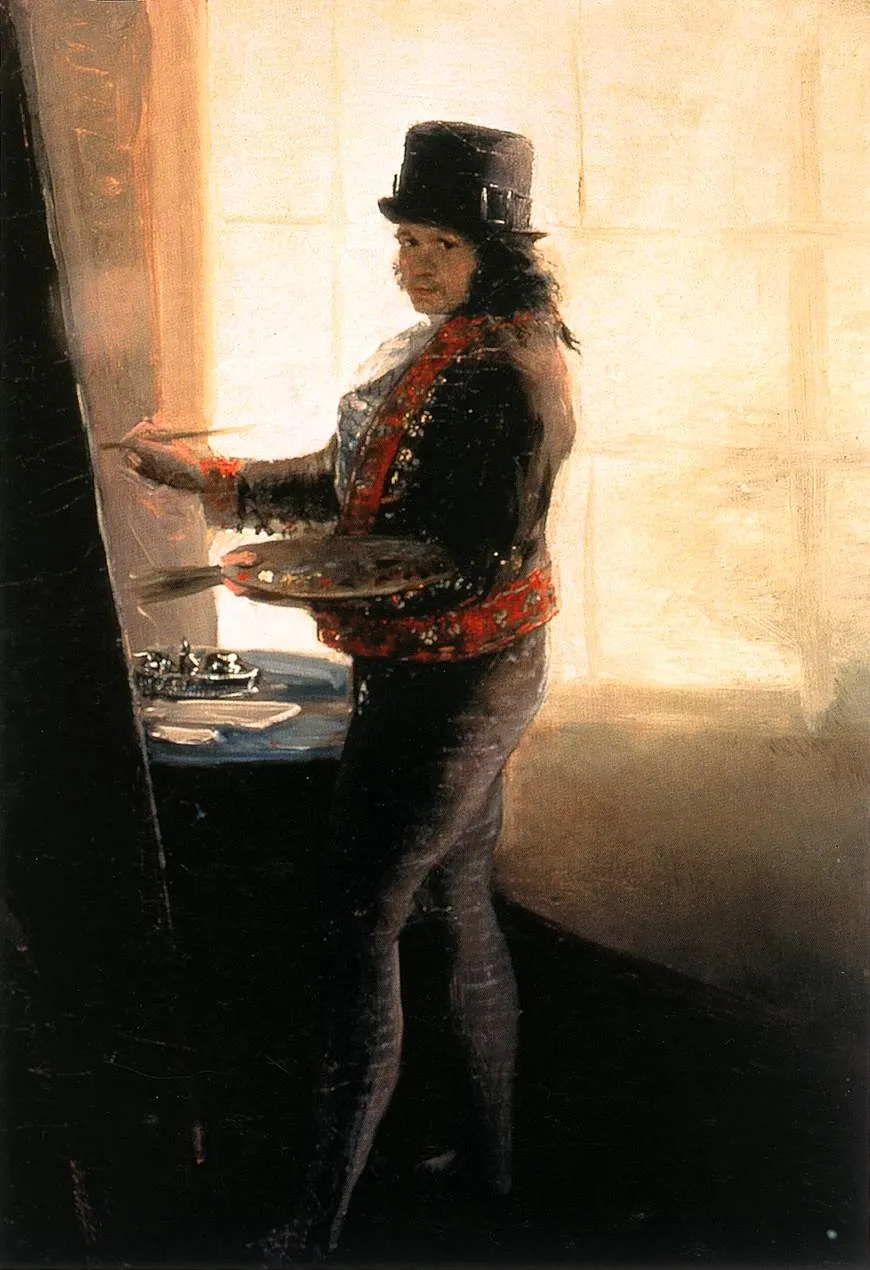
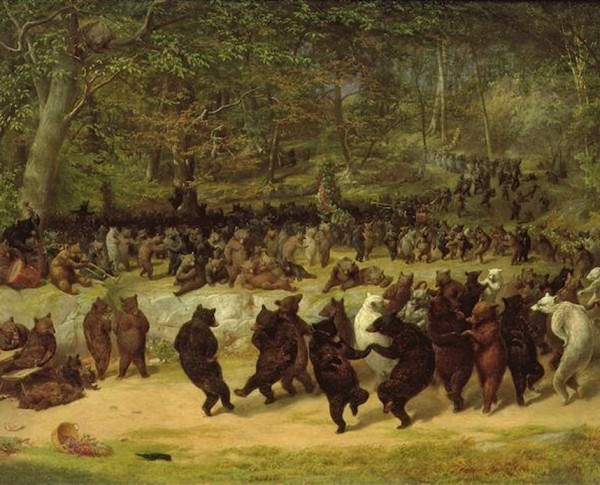
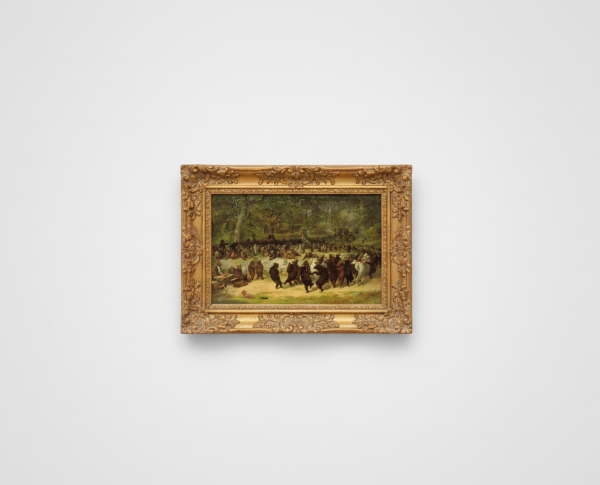
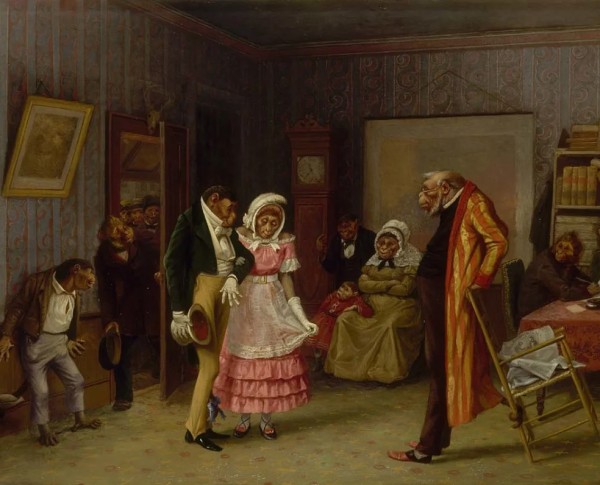
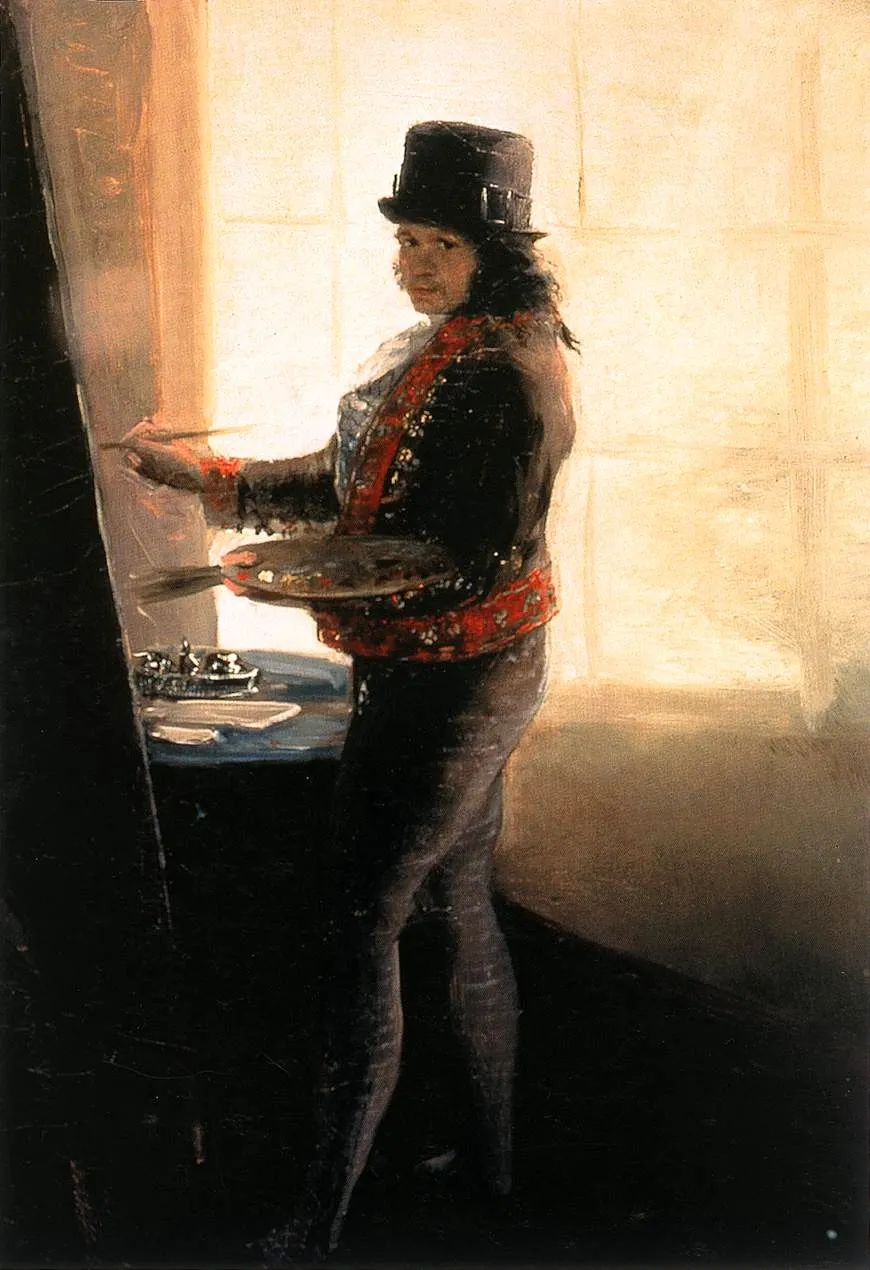
William Holbrook Beard’s "Self-Portrait in the Studio" demonstrates extraordinary technique through its detailed rendering and atmospheric depth. The piece, executed in oil on canvas, showcases Beard’s unique approach within the Romanticism movement. His brushwork brings the studio’s ambiance to life, immersing viewers in his creative process. Collectors and enthusiasts may also appreciate Beard’s talent in works such as "School Rules" and "Power of Death," both of which highlight the artist’s mastery of the medium.
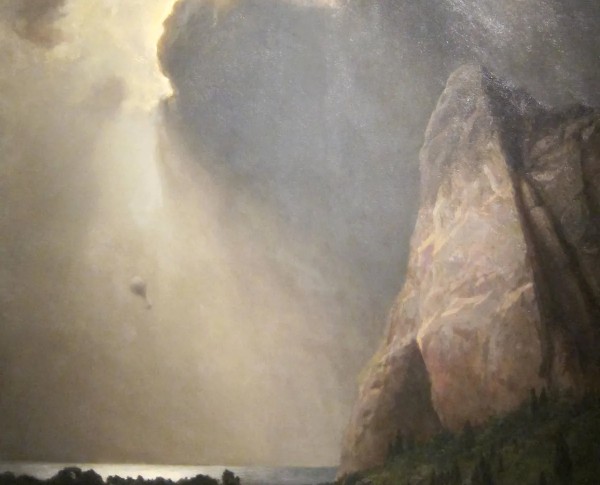
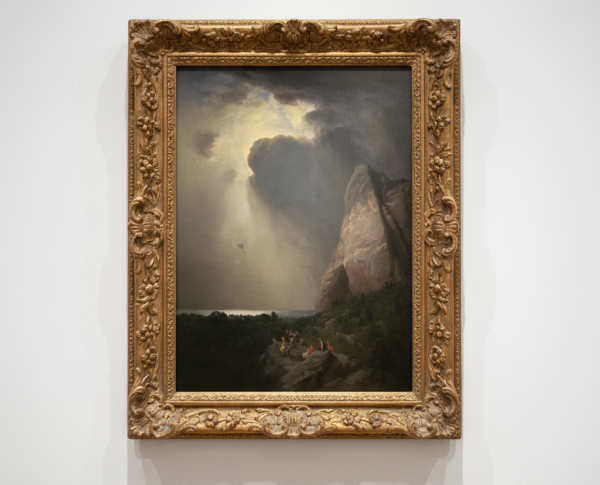
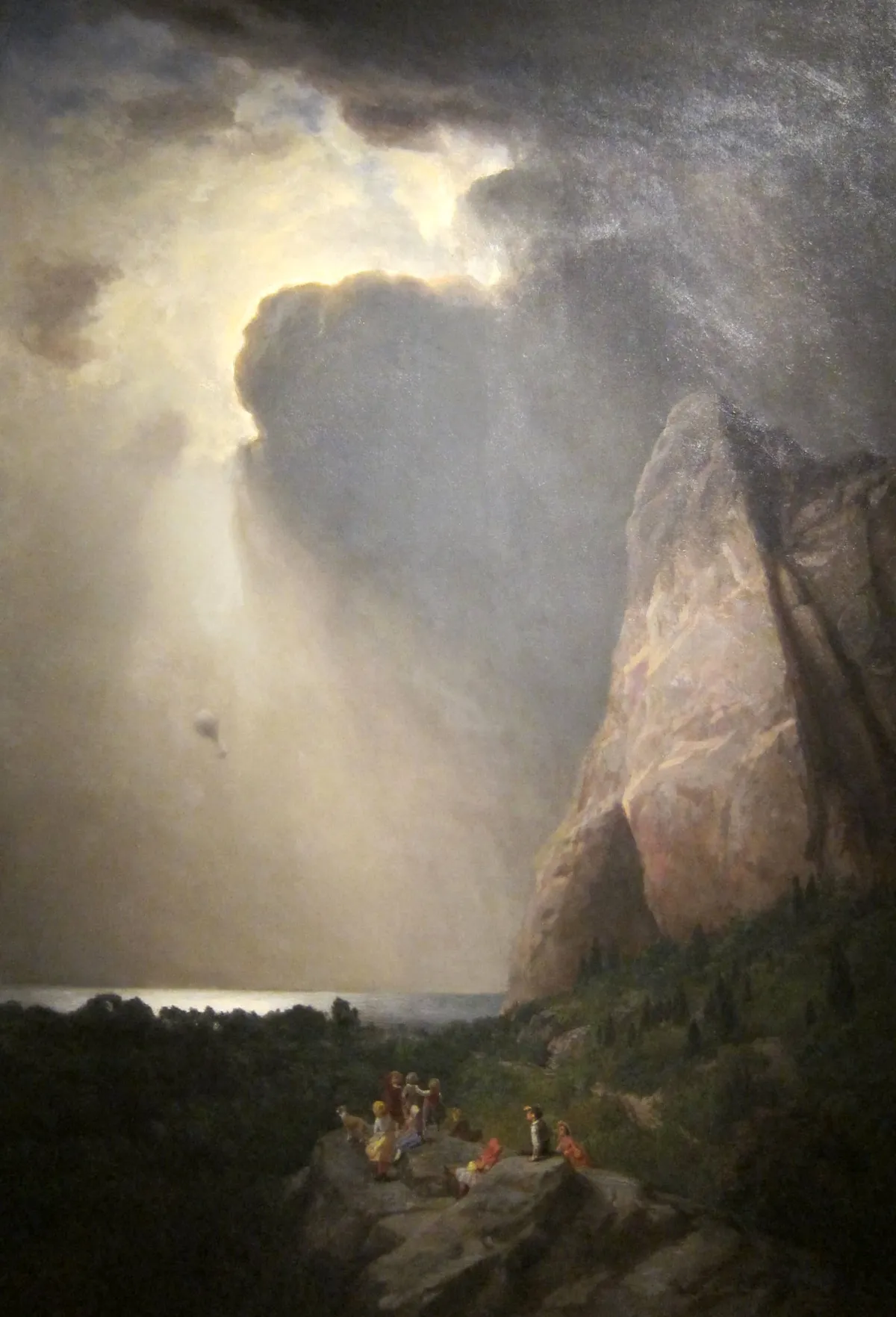
Within "Self-Portrait in the Studio," William Holbrook Beard weaves subtle stories and symbolic elements that intrigue art lovers. This fine art painting for sale not only reveals the artist’s likeness but also hints at the Romanticism movement’s emphasis on emotion and narrative. Beard’s thoughtful inclusion of personal and artistic symbols connects this work to related paintings like "Teddy's Christmas Greeting" and "The Lost Balloon," offering a rich tapestry of meaning for discerning collectors.
For aficionados of Romanticism, "Self-Portrait in the Studio" by William Holbrook Beard is an exceptional acquisition. This hand-painted oil painting embodies the artist’s enduring legacy and the movement’s core values. Its timeless appeal makes it a standout among Beard’s oeuvre, alongside renowned pieces such as "The Discovery of Adam" and "The Runaway Match." Whether displayed alone or with related works, it remains a coveted fine art painting for sale for collectors worldwide.
When Art Meets History
"Self-Portrait in the Studio" by William Holbrook Beard is a remarkable example of the Romanticism movement, capturing a pivotal moment in art history. This hand-painted oil painting reflects Beard’s deep engagement with his era, much like other masterpieces such as "The Slave Ship" and "Dido building Carthage." Through his self-portrait, Beard not only documents his own likeness but also offers insight into the artistic spirit and cultural context of the nineteenth century.
Techniques That Speak
William Holbrook Beard’s mastery is evident in every brushstroke of this oil on canvas. Drawing inspiration from the Romanticism movement, Beard utilizes dramatic lighting and expressive forms to bring his studio to life. The composition echoes the atmospheric quality found in works like "Bad der Nymphen" and "The Monk by the Sea." The skilled use of oil on canvas enables Beard to showcase texture and depth, making this painting a testament to his technical prowess.
Emotions on Display
In "Self-Portrait in the Studio," Beard channels the emotional intensity characteristic of Romanticism. The painting’s ambiance invites viewers to feel the artist’s introspection and creative fervor, much like the evocative mood in "Life Saving Patrol." This fine art painting for sale offers an intimate glimpse into Beard’s emotional world, revealing vulnerability and passion. Collectors and enthusiasts are drawn to the raw sincerity that radiates from the canvas, making it a truly moving work of art.
Coveted by Collectors
As a prominent figure of the Romanticism movement, William Holbrook Beard’s works are highly sought after by collectors. "Self-Portrait in the Studio" stands alongside related paintings such as "The Slave Ship" and "Dido building Carthage" as a prized acquisition. The hand-painted oil painting not only appeals to art historians but also to those seeking a unique addition to their collections. Its historical significance and artistic merit ensure its enduring desirability in the art market.
Related Romanticism Hand-Painted Oil Paintings by Other Artists
Other Famous Romanticism Artists:
Frequently Asked Questions About Self-Portrait in the Studio
What is the historical context of "Self-Portrait in the Studio"?
"Self-Portrait in the Studio" was created during the late 19th century, a time when American art was beginning to establish its own identity. William Holbrook Beard, known for his animal paintings and genre scenes, reflects the artistic trends of realism and the exploration of personal identity in this work.
What artistic techniques did William Holbrook Beard employ in this painting?
Beard utilized oil on canvas to create rich textures and vibrant colors. His technique includes careful attention to light and shadow, which enhances the three-dimensionality of the figure and the surrounding studio environment.
What symbolism is present in "Self-Portrait in the Studio"?
The studio setting symbolizes the artist's creative space, representing both inspiration and introspection. The inclusion of various artistic tools and materials signifies the artist's dedication to his craft and the process of creation.
How does Beard's self-portrait reflect his artistic identity?
This self-portrait serves as a declaration of Beard's identity as an artist. By portraying himself in his studio, he emphasizes his role as a creator and invites viewers to consider the relationship between the artist and his work.
In what ways does "Self-Portrait in the Studio" connect to the themes of realism?
The painting embodies the principles of realism by presenting an authentic representation of the artist's environment. Beard captures the nuances of everyday life, focusing on the genuine experience of being an artist rather than idealized or romanticized portrayals.
What influences can be seen in Beard's style in this painting?
Beard's style in "Self-Portrait in the Studio" shows influences from both European and American art movements, particularly the Barbizon School and the Hudson River School. His attention to detail and naturalistic representation reflect these influences while maintaining his unique voice.
How does the composition of the painting contribute to its overall impact?
The composition is thoughtfully arranged, with Beard positioned centrally, drawing the viewer's eye. The surrounding elements, including tools and artworks, create a narrative that invites viewers to engage with the artist's world and process.
What role does color play in "Self-Portrait in the Studio"?
Color plays a crucial role in conveying mood and depth. Beard's use of a warm palette creates an inviting atmosphere, while contrasting tones highlight the artist's figure and the various objects in the studio, enhancing the overall visual harmony.
What can be inferred about Beard's personality through this self-portrait?
The self-portrait reveals Beard's introspective nature and confidence as an artist. His direct gaze and relaxed posture suggest a sense of self-assuredness and a deep connection to his work, inviting viewers to ponder the complexities of the artistic journey.
How has "Self-Portrait in the Studio" influenced contemporary artists?
This painting has inspired contemporary artists to explore self-representation and the role of the artist in society. Beard's candid portrayal encourages modern creators to reflect on their own artistic identities and the environments that shape their work.






















_GFM_Painting_(1).webp)


 100% Hand-Painted: Finished in 3-6 Weeks

.png)















_(1).webp)