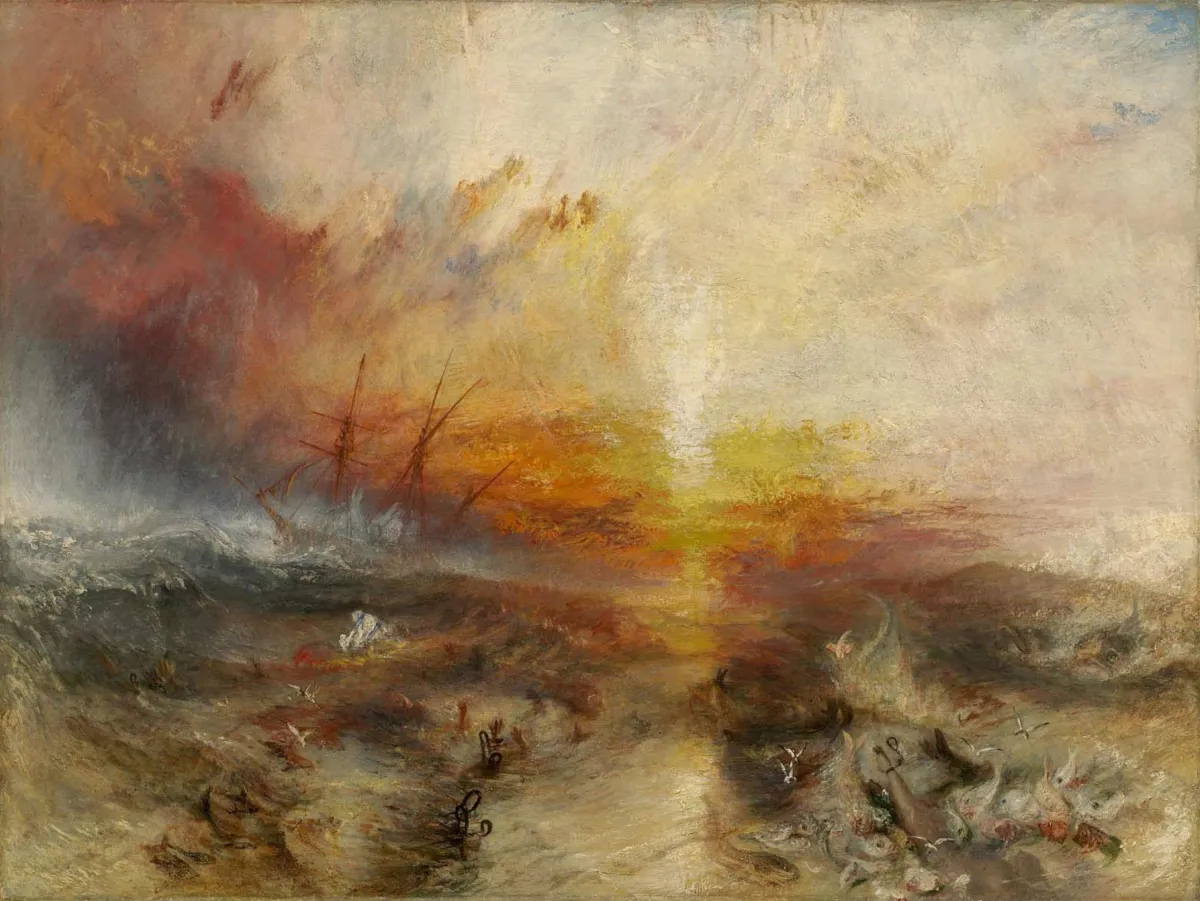
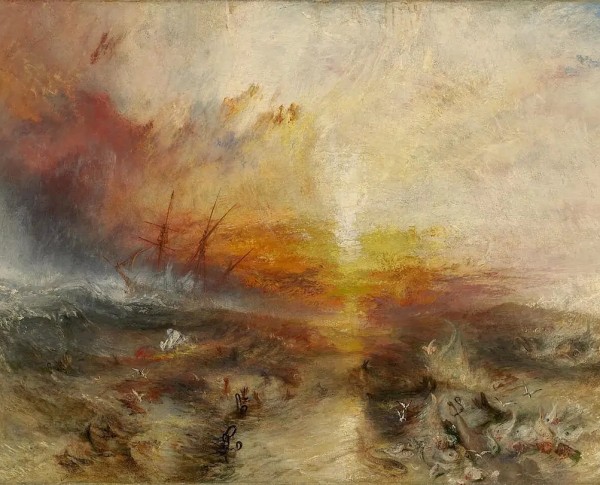
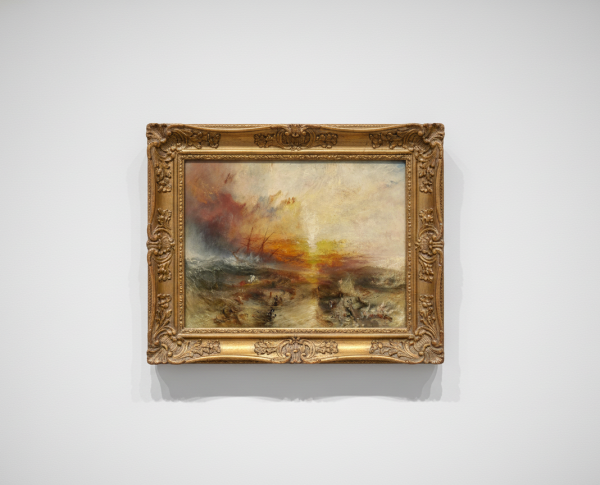
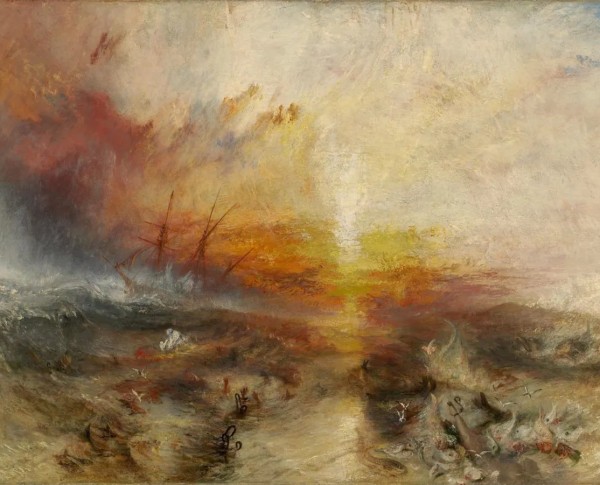
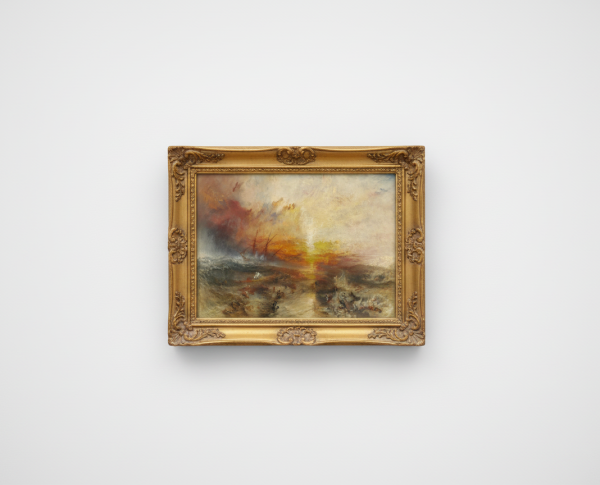
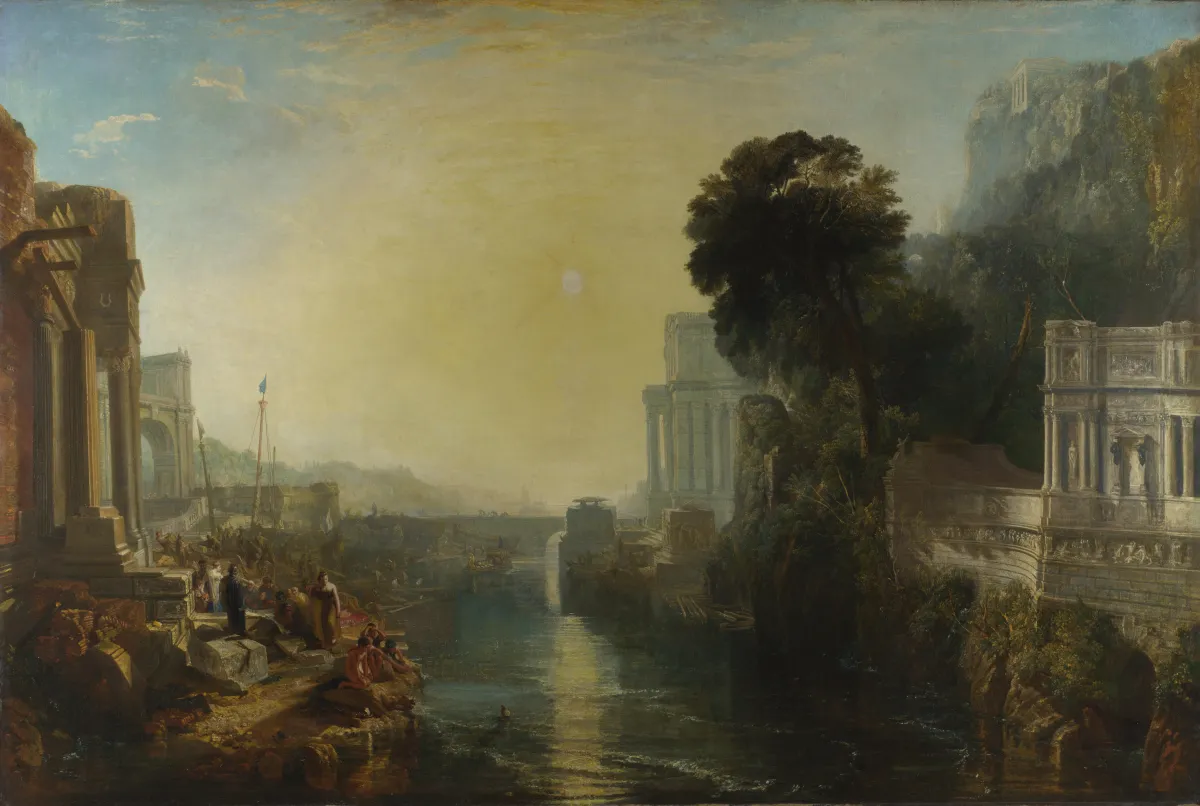
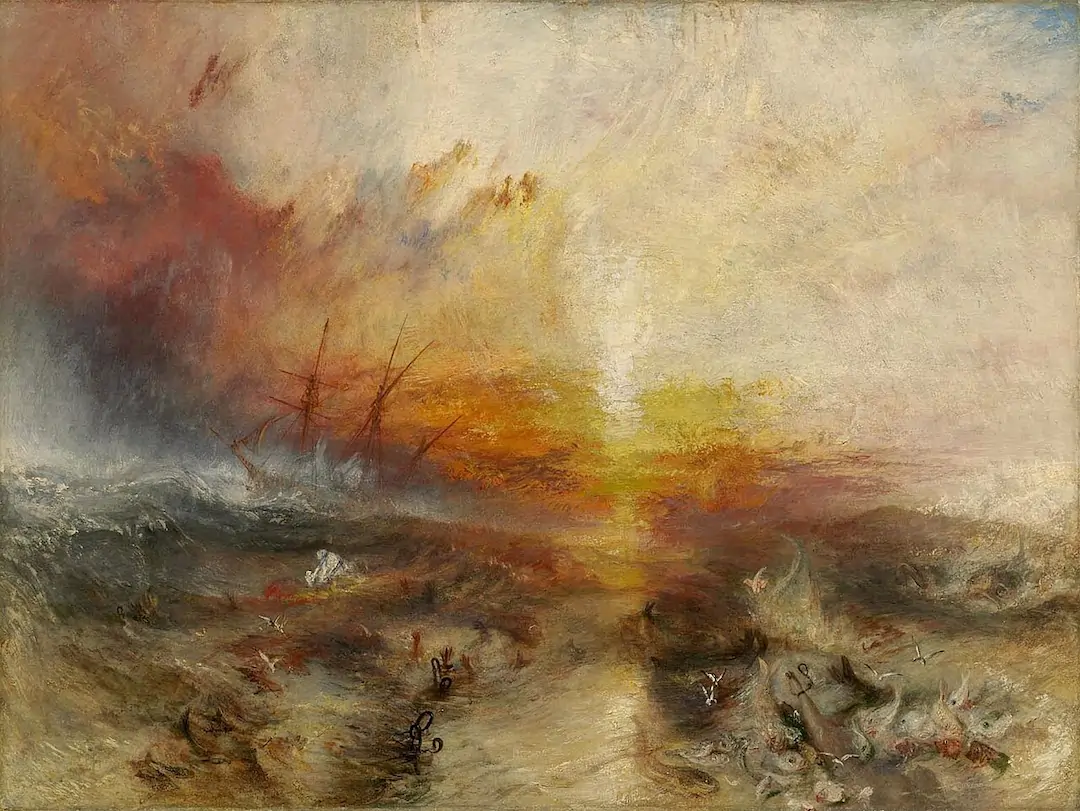
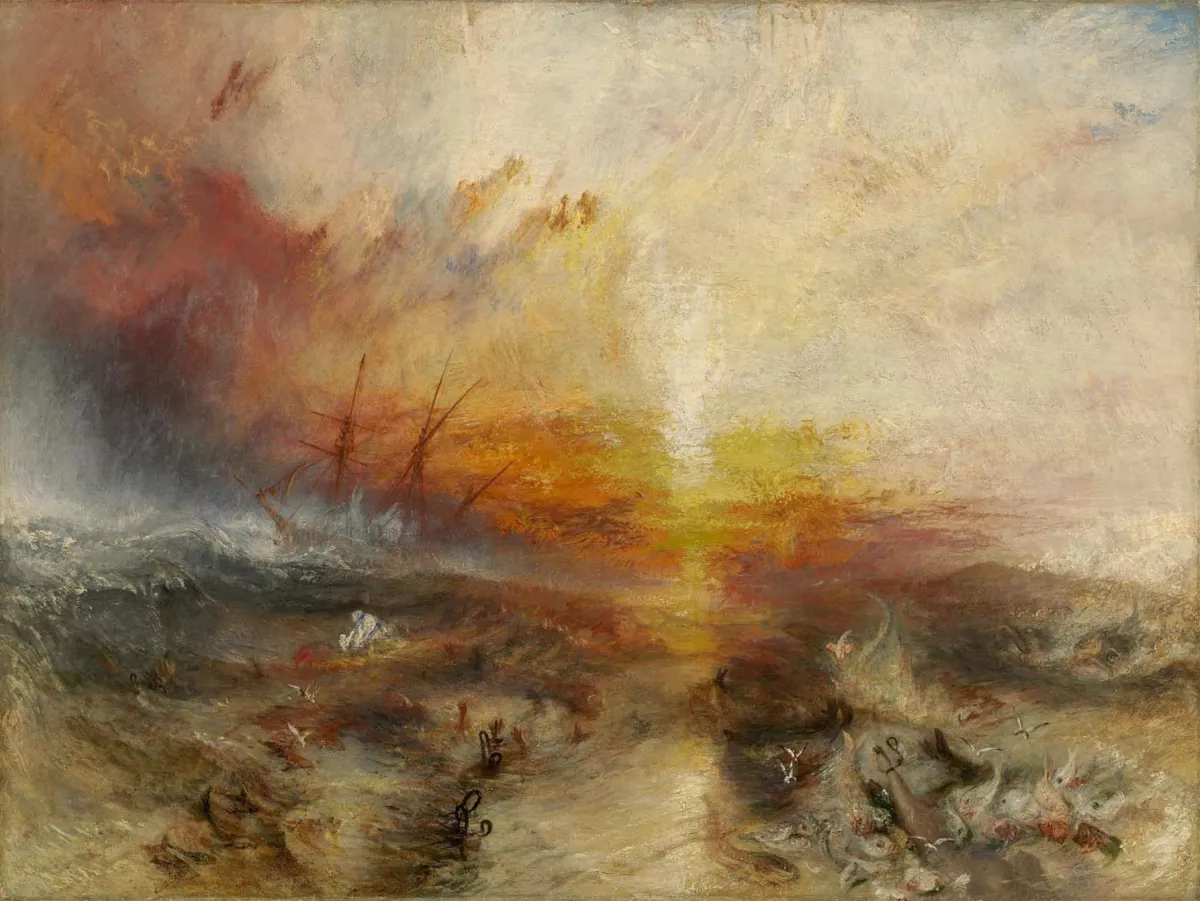
With "Dido building Carthage," Turner demonstrates his exceptional skill in oil on canvas, skillfully blending light and color to evoke a sense of awe. The painting’s atmospheric perspective and luminous hues exemplify the Romanticism movement’s focus on emotion and nature’s power. For collectors seeking a striking oil on canvas, Turner’s works, including "The Slave Ship 1840" and "Sunrise with Sea Monsters," offer a captivating glimpse into his technical mastery and artistic vision.
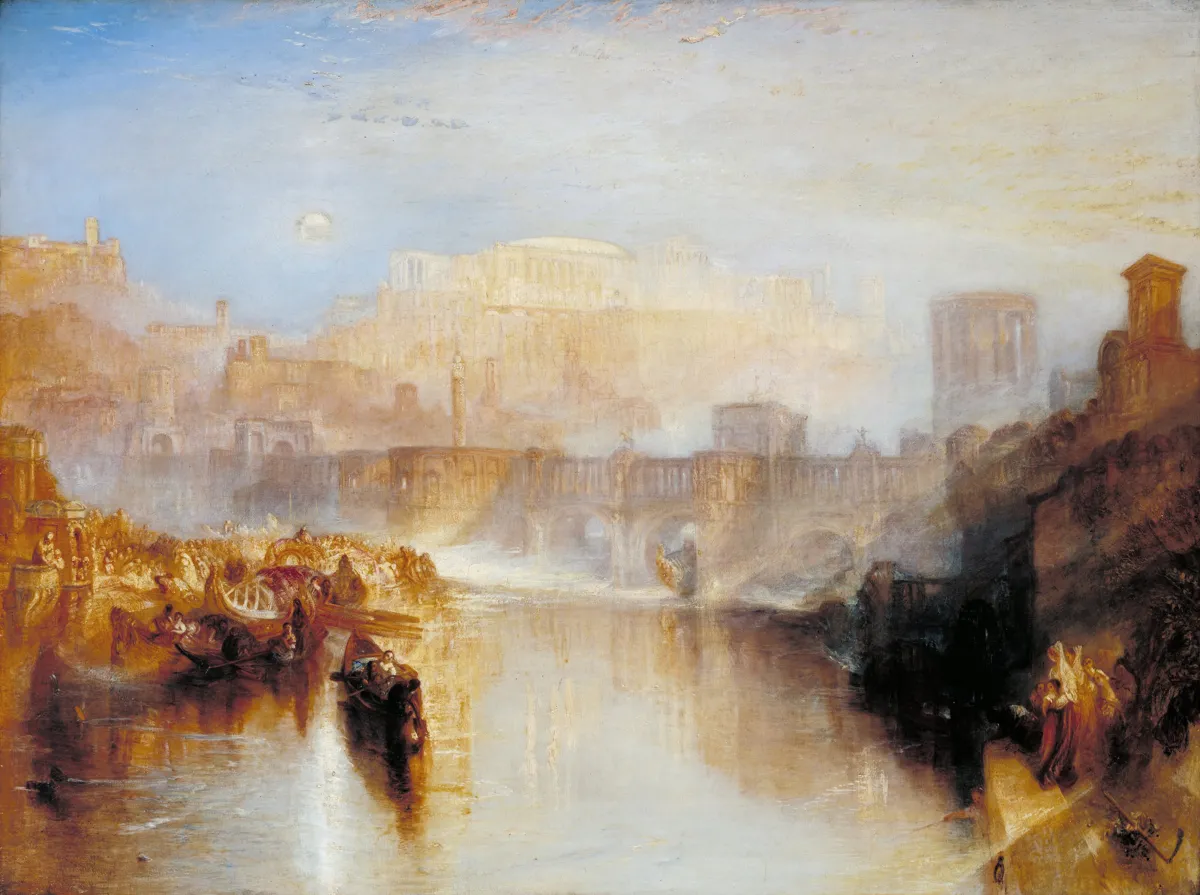
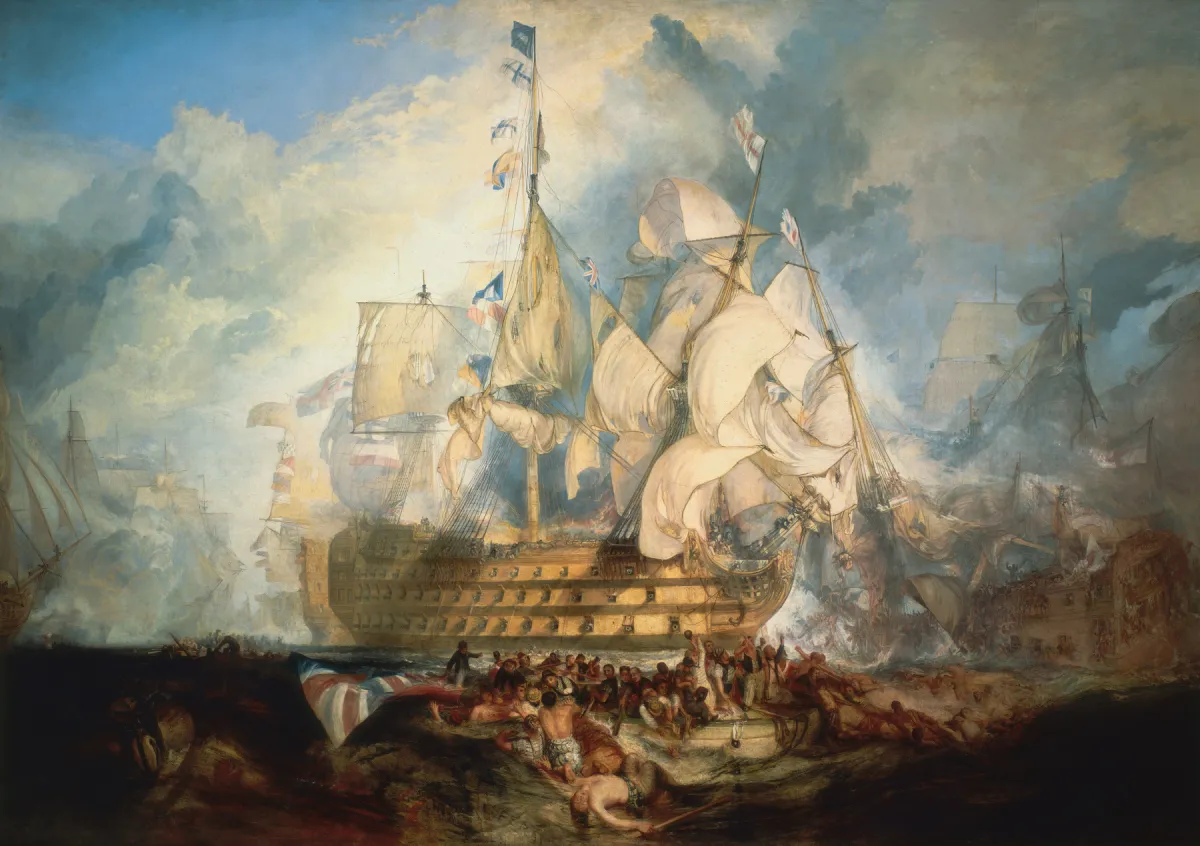
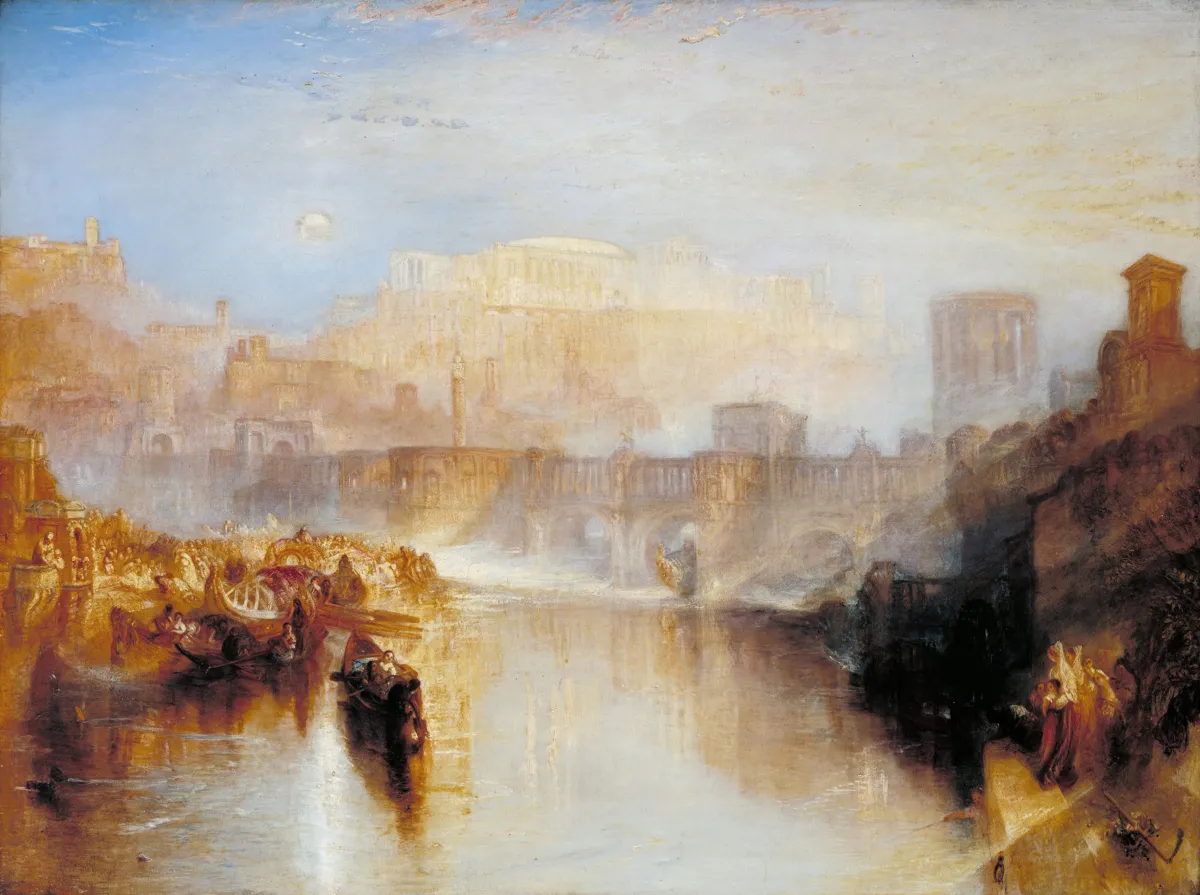
Turner’s "Dido building Carthage" is a fine art painting for sale that weaves together myth, history, and symbolism. The painting illustrates Queen Dido’s ambitious construction of Carthage, reflecting themes of hope, loss, and the fleeting nature of civilization. Within the Romanticism movement, such narrative richness is further explored in Turner’s "Ancient Rome; Agrippina Landing with the Ashes of Germanicus" and "The Battle of Trafalgar," inviting viewers to unravel the layered meanings behind each composition.
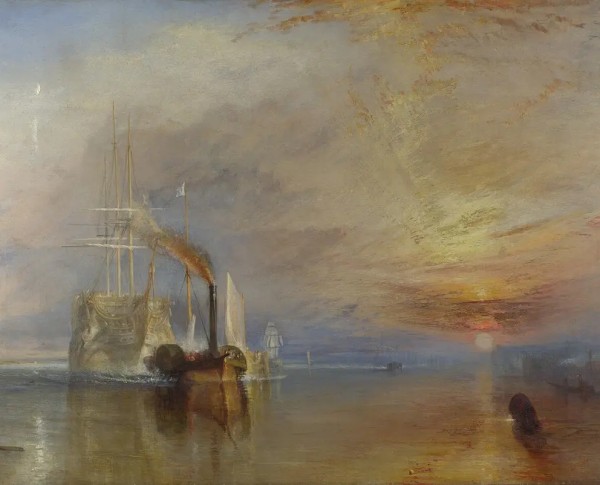
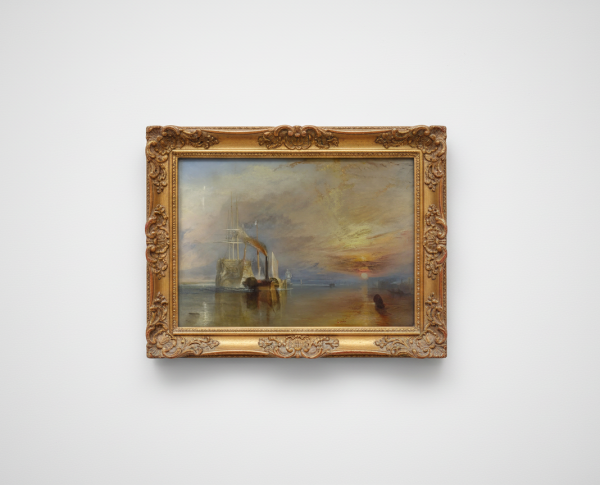
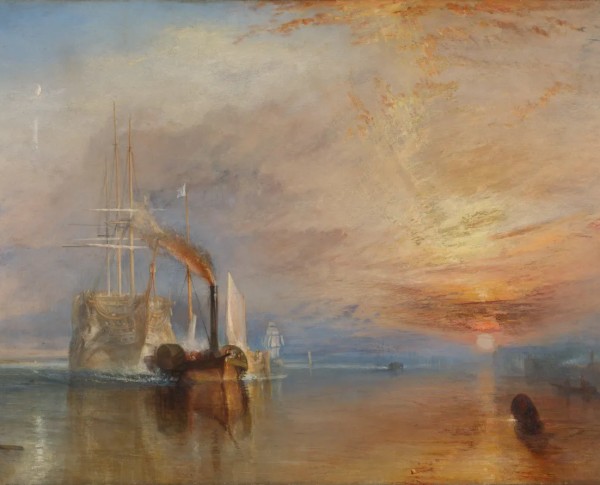
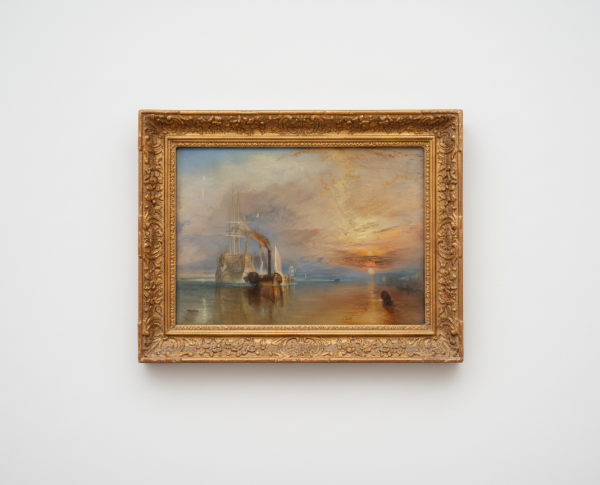
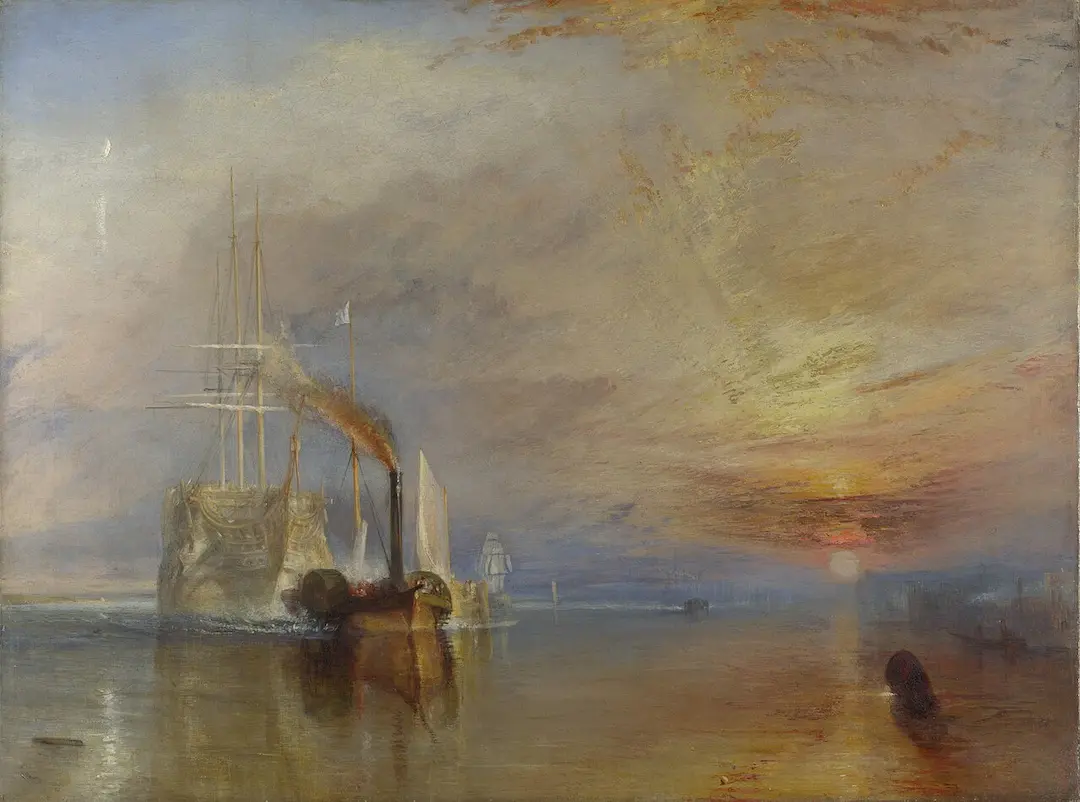
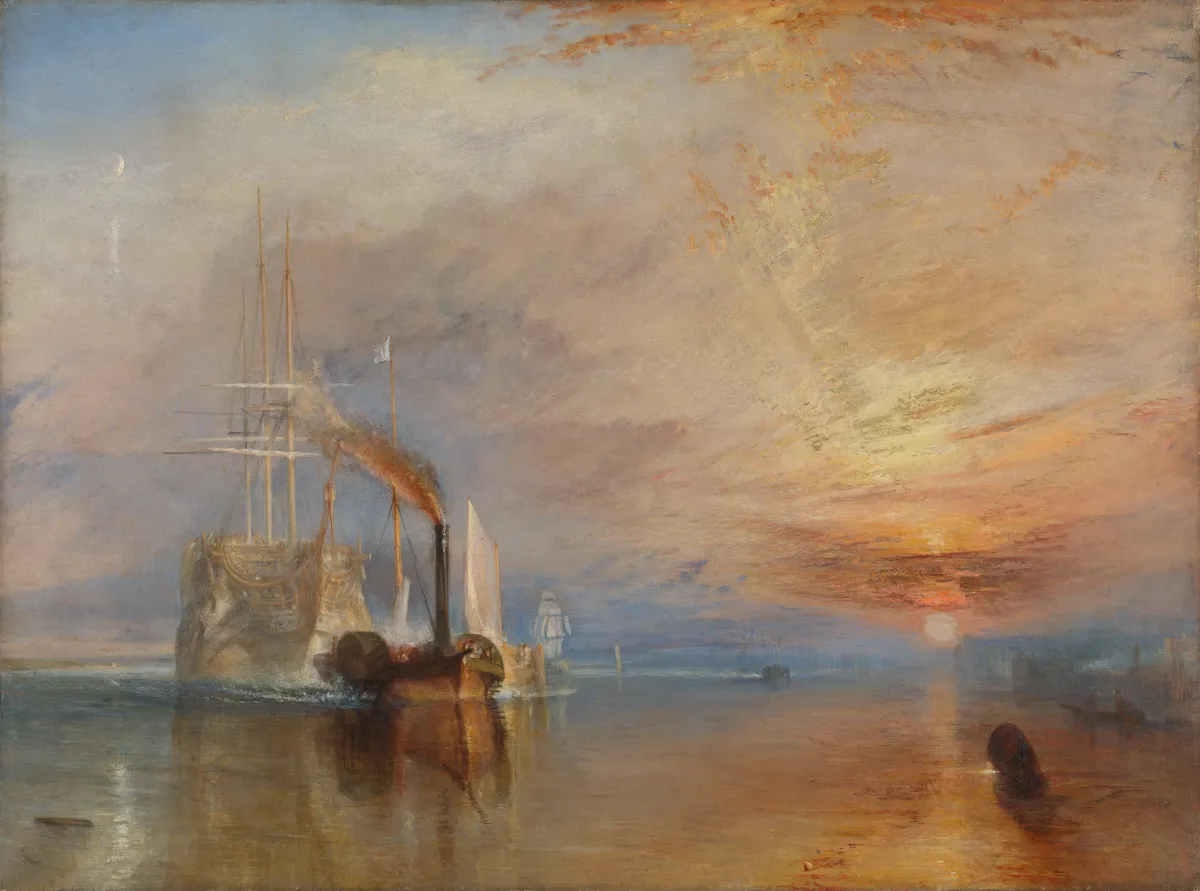
Owning "Dido building Carthage" by Joseph Mallord William Turner is a testament to refined taste and an appreciation for art history. This hand-painted oil painting is highly sought after among collectors who value the Romanticism movement’s emotional resonance. Turner’s related masterpieces, such as "The Fighting 'Téméraire' tugged to her last Berth to be broken up" and "The Slave Ship 1840," are also prized as fine art painting for sale, making them essential additions to any distinguished art collection.
When Art Meets History
"Dido building Carthage" by Joseph Mallord William Turner, a master of the Romanticism movement, vividly captures a pivotal moment from ancient history. This hand-painted oil painting brings to life the legendary founding of Carthage by Queen Dido. Turner’s fascination with historical grandeur is also evident in related works like "Westward the Course of Empire Takes Its Way" and "Hutten Grave." Such masterpieces highlight his unique approach to blending historical narrative with dramatic artistic vision.
Techniques That Speak
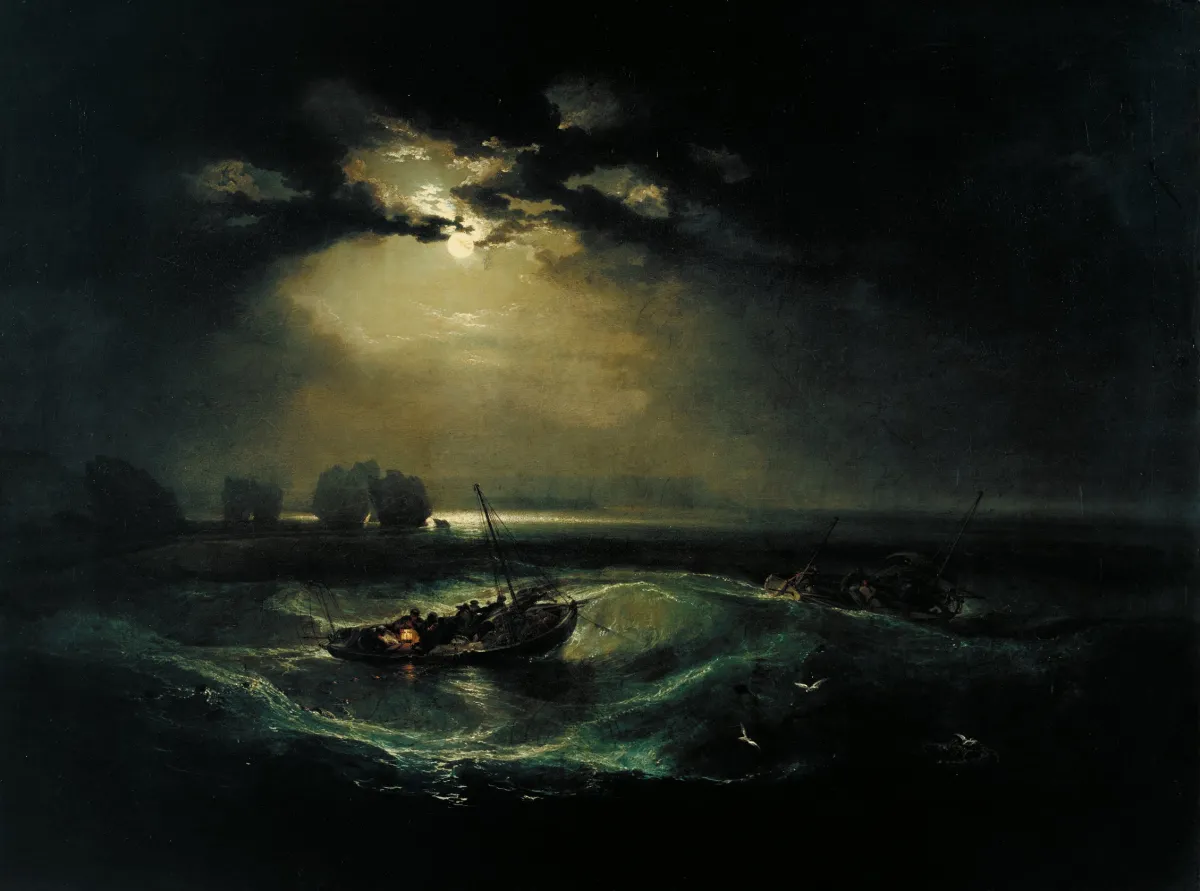
Turner’s use of oil on canvas in "Dido building Carthage" demonstrates his mastery of light and color, hallmarks of the Romanticism movement. Through dynamic brushwork and luminous hues, he creates a radiant scene that feels both ethereal and tangible. This technique is also seen in his other works, such as "Salisbury Cathedral from the Bishop's Grounds" and "Fishing Boats Beating up to Windward." Each stroke in this painting showcases Turner’s unparalleled skill and innovative approach to landscape.
Emotions on Display
In "Dido building Carthage," Joseph Mallord William Turner infuses powerful emotion into every detail, reflecting the ideals of Romanticism. The painting’s sweeping vistas and dramatic skies evoke a sense of hope and ambition, while underlying tones hint at impending tragedy. As in "The Lost Balloon," Turner’s ability to convey deep feeling through landscape sets his work apart. This fine art painting for sale remains a testament to the emotional power embedded in his celebrated oeuvre.
Coveted by Collectors
"Dido building Carthage" is highly sought after by art enthusiasts and collectors, admired for its historical significance and artistic brilliance. The painting’s reputation as a quintessential oil on canvas by Turner secures its place among premier collections. Alongside related masterpieces like "Westward the Course of Empire Takes Its Way," this work exemplifies the enduring appeal of Romanticism. Its presence in prominent galleries makes it a fine art painting for sale that continues to captivate and inspire.
Related Romanticism Hand-Painted Oil Paintings by Other Artists
Other Famous Romanticism Artists:
Frequently Asked Questions About Dido building Carthage
What is the historical context of "Dido building Carthage"?
"Dido building Carthage" is inspired by the ancient legend of Dido, the founder and queen of Carthage, as recounted in Virgil's "Aeneid." The painting reflects themes of ambition and the complexities of empire-building during a time when European nations were exploring and colonizing new territories.
What artistic techniques did Turner employ in this painting?
Turner utilized his signature techniques of atmospheric effects and dynamic brushwork to create a sense of movement and light. The use of vibrant colors and dramatic contrasts enhances the emotional intensity of the scene, typical of Turner's Romantic style.
What symbols are present in "Dido building Carthage"?
The painting features several symbols, including the construction of the city as a metaphor for ambition and civilization. Dido herself symbolizes both the strength and vulnerability of leadership, embodying the duality of creation and destruction.
How does Turner's portrayal of Dido reflect Romantic ideals?
Turner's portrayal of Dido captures the Romantic ideals of individualism and emotional depth. Dido's expression and posture convey a sense of determination and passion, aligning with the Romantic fascination with the human experience and the sublime in nature.
What influences did Turner draw from classical literature in this work?
Turner was heavily influenced by classical literature, particularly the works of Virgil and Homer. "Dido building Carthage" reflects the grandeur and tragedy of ancient narratives, illustrating the timeless themes of love, loss, and the pursuit of greatness.
In what ways does the painting reflect the socio-political climate of Turner's time?
The painting can be seen as a reflection of the British Empire's expansion during the 19th century. It resonates with contemporary themes of colonialism and the moral complexities of empire-building, paralleling Dido's own challenges in establishing Carthage.
What role does light play in "Dido building Carthage"?
Light plays a crucial role in the painting, enhancing the emotional atmosphere and highlighting the architectural elements of Carthage. Turner's innovative use of light creates a sense of hope and grandeur, symbolizing the dawn of a new civilization.
How does the composition of the painting contribute to its narrative?
The composition of "Dido building Carthage" is dynamic, with a diagonal arrangement that leads the viewer's eye through the scene. This structure emphasizes the action of construction and the bustling energy of the city, reinforcing the narrative of growth and ambition.
What is the significance of the architectural elements depicted in the painting?
The architectural elements in "Dido building Carthage" symbolize the aspirations of civilization and the human desire to create lasting legacies. They serve as a backdrop to Dido's story, illustrating the intersection of nature and human ingenuity.
How does "Dido building Carthage" fit into Turner's overall body of work?
"Dido building Carthage" exemplifies Turner's exploration of historical and mythological themes, a recurring motif in his oeuvre. It showcases his ability to blend narrative with emotion, positioning him as a pivotal figure in the transition from Romanticism to Impressionism.























_GFM_Painting_(1).webp)


 100% Hand-Painted: Finished in 3-6 Weeks

.png)















_(1).webp)