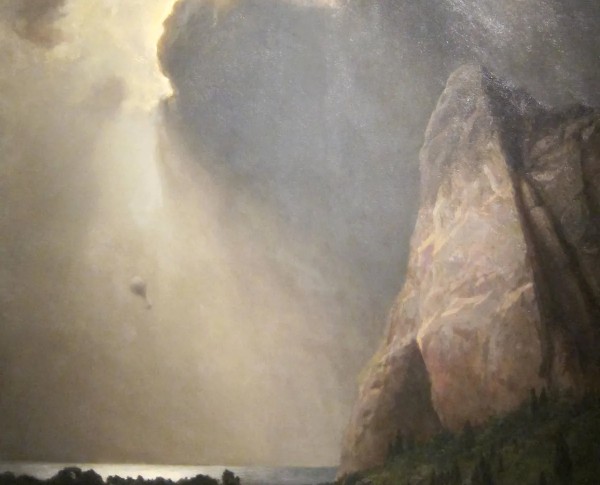
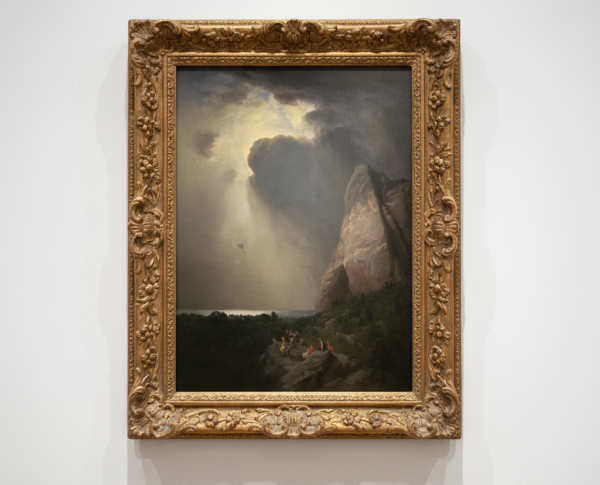
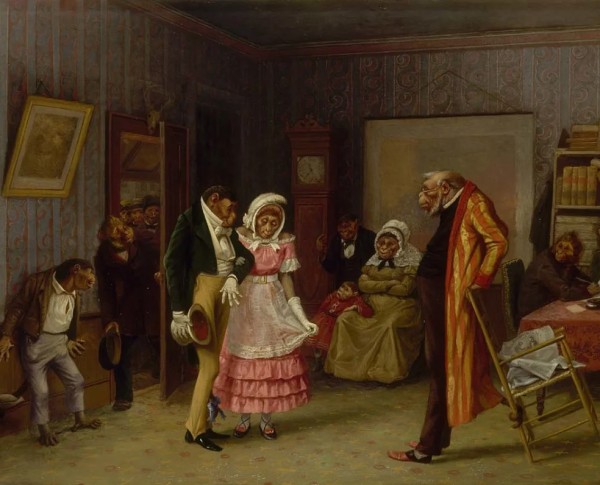
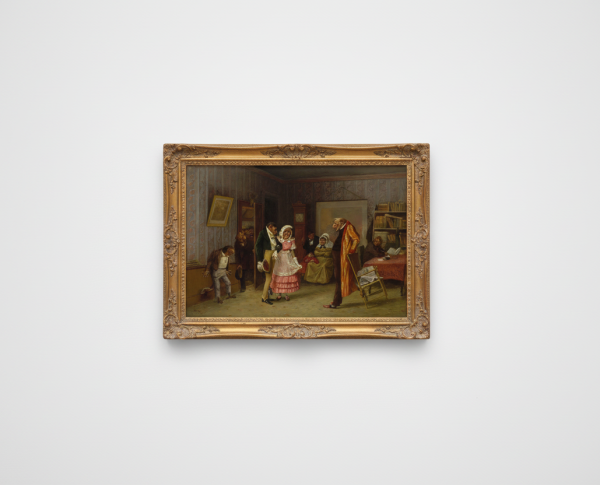
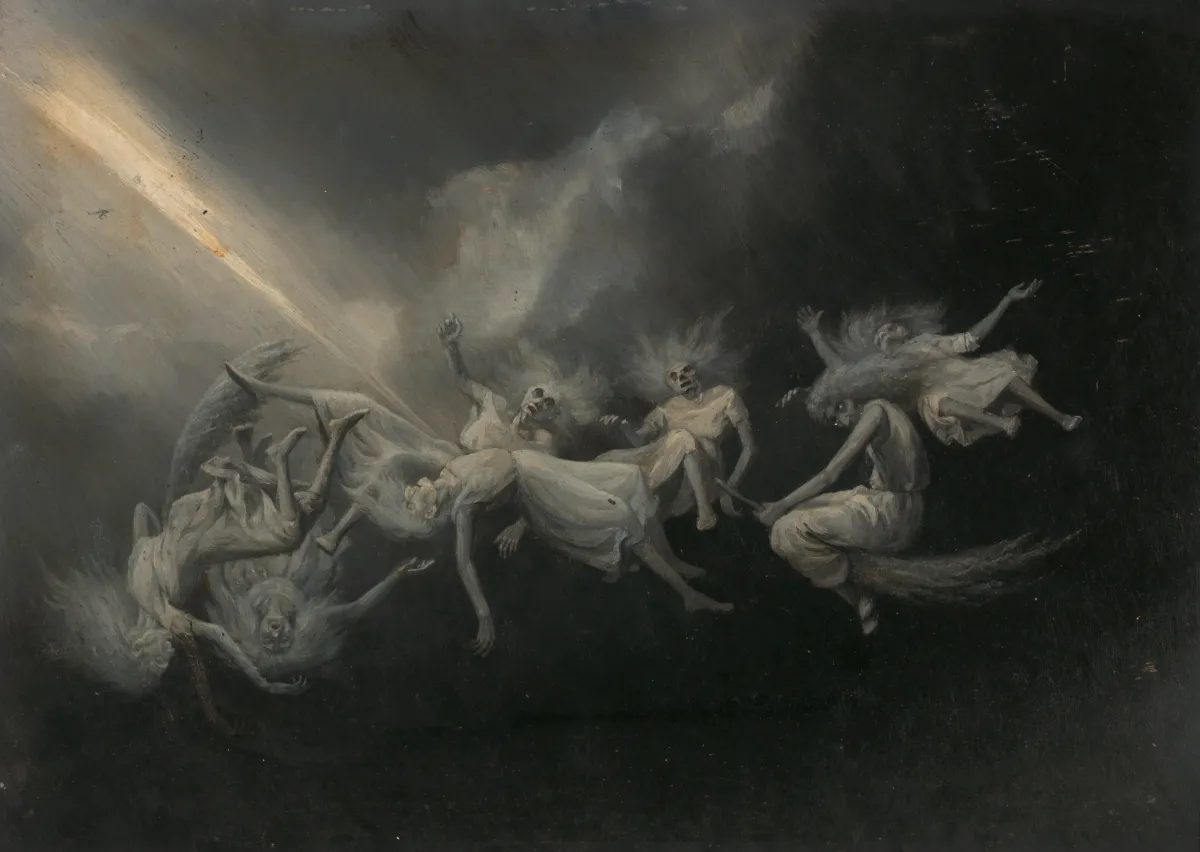
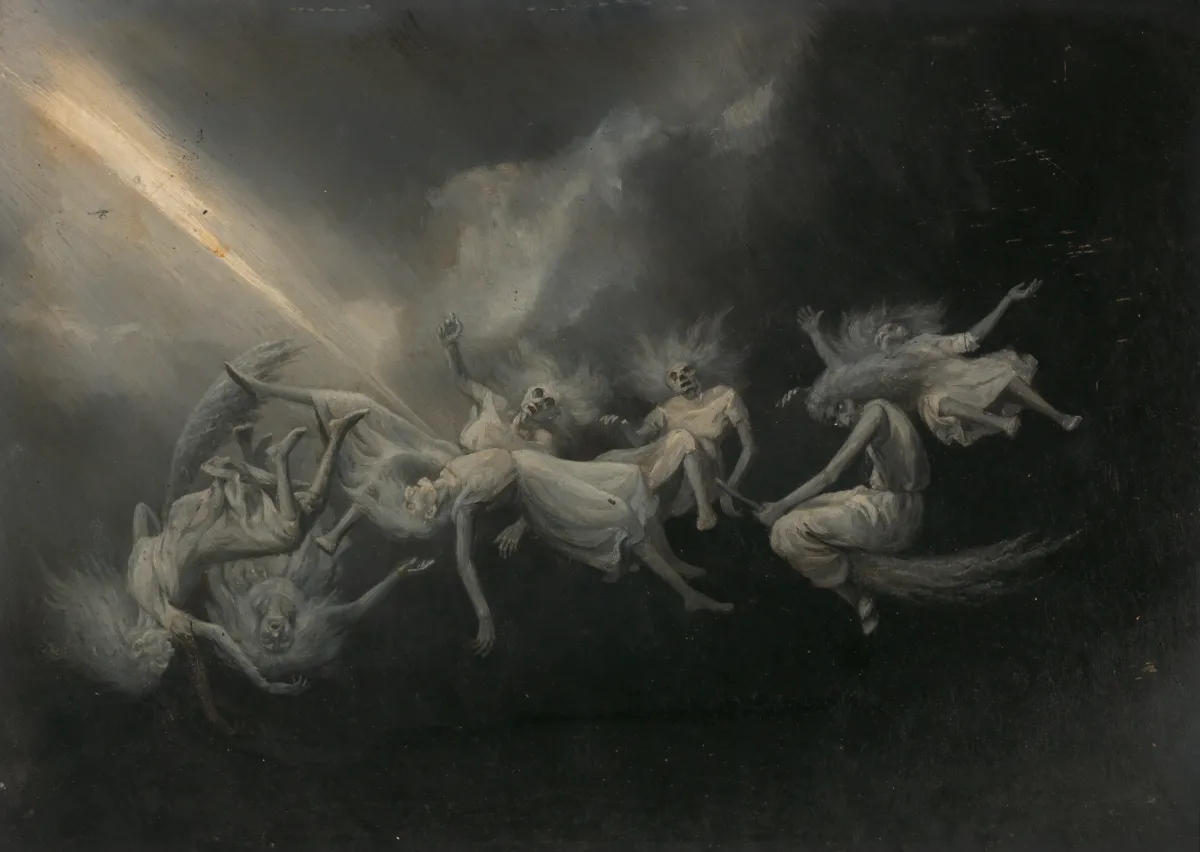
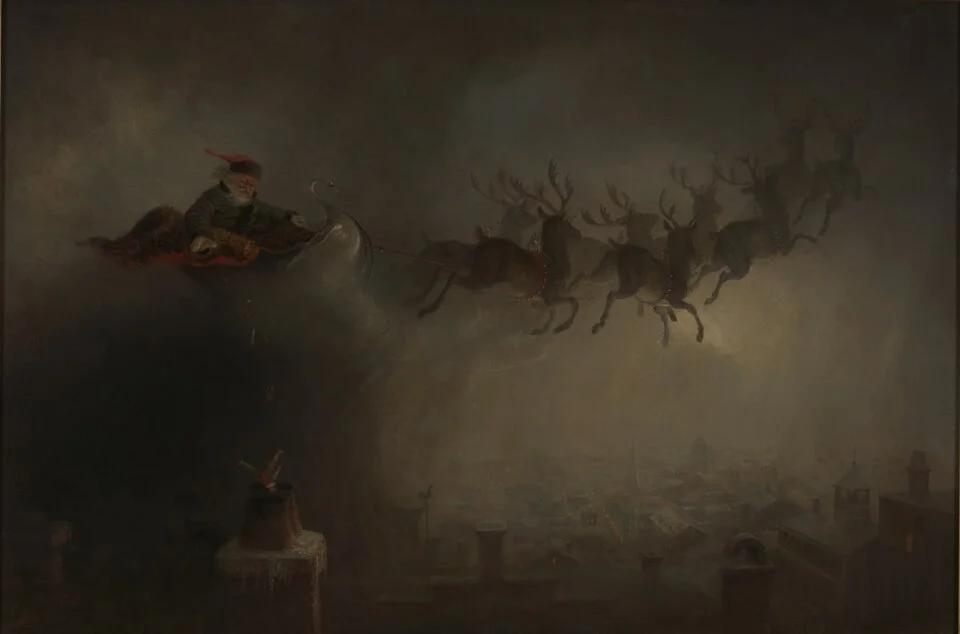
William Holbrook Beard’s "Lightning Struck a Flock of Witches" is a stunning example of oil on canvas technique, showcasing his mastery of color, texture, and atmospheric effects. The Romanticism movement comes to life in each brushstroke, reflecting Beard’s attention to detail. For admirers of fine art, related pieces such as "Phantom Crane" and "For What Was I Created?" offer similar artistry, making them ideal additions to any collection of oil paintings.
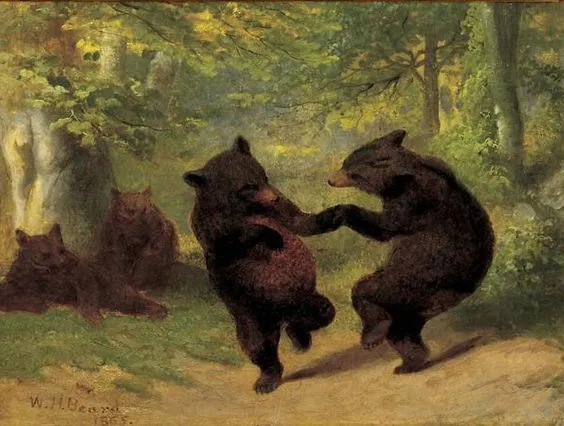
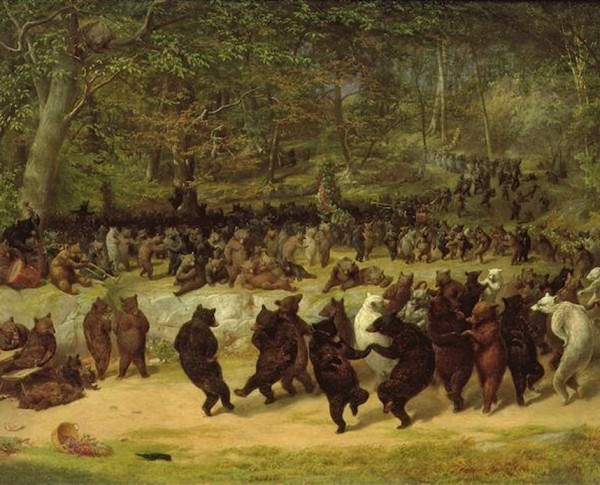
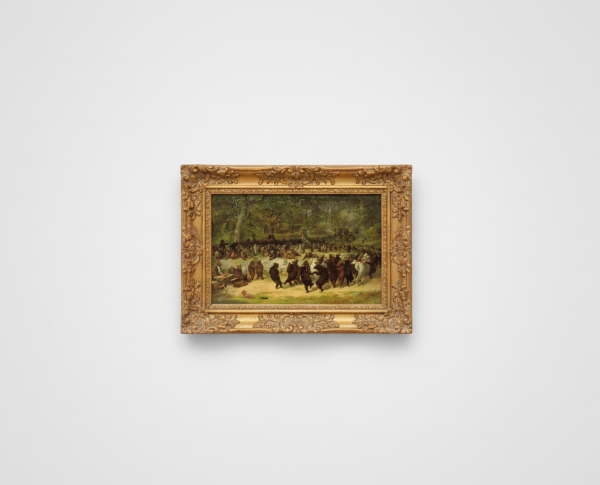
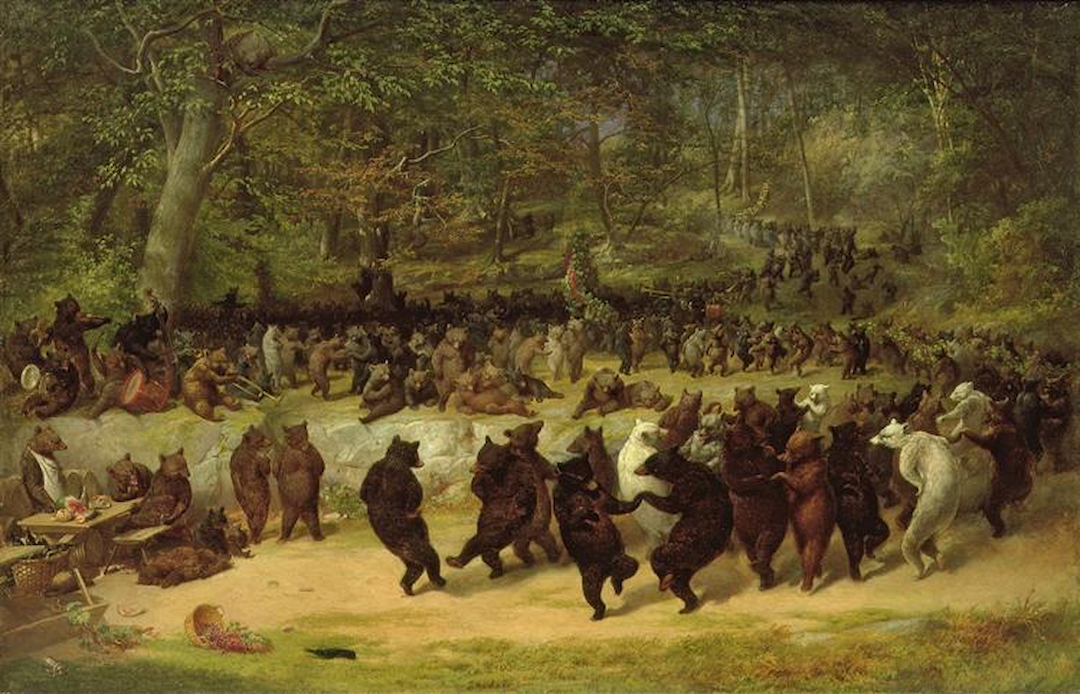
This fine art painting for sale is more than just an image; it is a narrative woven with symbolism. In "Lightning Struck a Flock of Witches," Beard explores themes of nature’s power and human imagination, key elements of Romanticism. The painting’s dynamic energy resonates with viewers, much like Beard’s other works, including "The Bear Dance" and "The Bulls and Bears in the Market," which also captivate with layered meanings and visual storytelling.
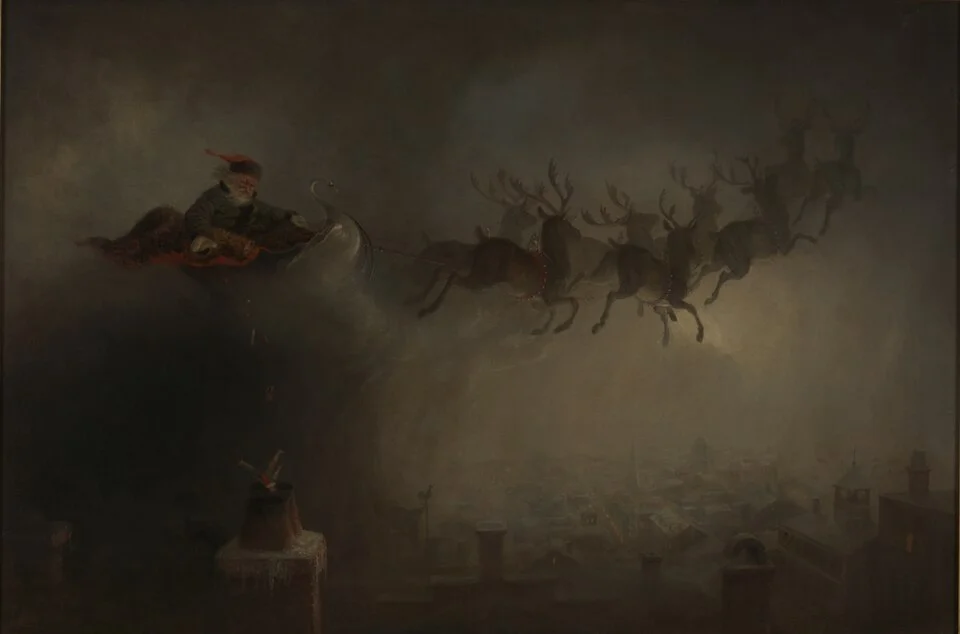
Owning "Lightning Struck a Flock of Witches" by William Holbrook Beard is a unique opportunity for anyone seeking a remarkable hand-painted oil painting. As a gem of the Romanticism movement, it stands alongside related products like "Teddy's Christmas Greeting" and "The Bear Dance." These works are highly sought after, making them prized possessions for collectors who appreciate the enduring appeal and historical significance of Beard’s fine art.
When Art Meets History
"Lightning Struck a Flock of Witches" by William Holbrook Beard is a captivating hand-painted oil painting that exemplifies the Romanticism movement. Created during an era when artists sought to capture the sublime and mysterious, this artwork reflects the fascination with folklore and the supernatural. Beard’s work aligns with other masterpieces of the period, such as "Dido building Carthage" and "Calais Pier," making it an essential piece for anyone interested in art history and the evolution of Romanticism.
Techniques That Speak
William Holbrook Beard’s use of oil on canvas in "Lightning Struck a Flock of Witches" demonstrates masterful technique and attention to detail. The brushwork and atmospheric effects evoke a sense of drama, much like "Salisbury Cathedral from the Meadows" and "Crossing the Brook." Beard’s ability to manipulate light and shadow is a testament to his skill, solidifying his reputation within the Romanticism movement and making this oil on canvas a standout example of nineteenth-century artistry.
Emotions on Display
This fine art painting for sale by William Holbrook Beard is rich in emotion, capturing the chaos and wonder of a supernatural event. "Lightning Struck a Flock of Witches" invites viewers to immerse themselves in the tumultuous scene, echoing the emotional depth found in "Pietro Rossi prisonner of the Scaligeri." The Romanticism movement prized such intense displays, and Beard’s work continues to move audiences with its evocative imagery and timeless appeal.
Coveted by Collectors
Collectors seek out "Lightning Struck a Flock of Witches" not only for its unique subject matter but also for its status as a hand-painted oil painting by William Holbrook Beard. As Romanticism continues to captivate art lovers, works like this, as well as related paintings like "Dido building Carthage" and "Calais Pier," are highly prized. This fine art painting for sale represents a remarkable opportunity to own a piece of history from a celebrated artist and movement.
Related Romanticism Hand-Painted Oil Paintings by Other Artists
Other Famous Romanticism Artists:
Frequently Asked Questions About Lightning Struck a Flock of Witches
What is the historical context of "Lightning Struck a Flock of Witches"?
This painting was created during the late 19th century, a time when America was experiencing a fascination with the supernatural and the occult, influenced by both Romanticism and the rise of Spiritualism.
What artistic techniques did William Holbrook Beard employ in this painting?
Beard utilized a combination of realism and fantasy, employing detailed brushwork and dramatic lighting to enhance the emotional intensity of the scene, while also incorporating elements of satire.
What does the lightning symbolize in the painting?
The lightning in the painting symbolizes divine intervention and chaos, reflecting the tumultuous nature of the witches' actions and the unpredictable consequences of their practices.
How does Beard's work reflect the cultural attitudes towards witches in the 19th century?
Beard's painting reflects a complex view of witches, portraying them as both figures of fear and fascination, indicative of the societal struggles with gender roles, power, and the supernatural during this period.
What role does humor play in "Lightning Struck a Flock of Witches"?
Humor is a significant aspect of Beard's work; in this painting, the absurdity of the witches' predicament serves to critique societal norms and the hysteria surrounding witchcraft, blending satire with horror.
Can you explain the composition of the painting?
The composition features a dynamic arrangement of figures, with the lightning bolt acting as a focal point that draws the viewer's eye, creating a sense of movement and chaos among the witches.
What influences can be seen in Beard's artistic style?
Beard's style shows influences from both American Romanticism and European academic painting, characterized by meticulous detail, dramatic contrasts, and a narrative quality that engages the viewer.
How does "Lightning Struck a Flock of Witches" fit into Beard's broader body of work?
This painting is representative of Beard's interest in the fantastical and the macabre, often exploring themes of nature, the supernatural, and human folly, which are prevalent throughout his oeuvre.
What are the key themes explored in this painting?
The key themes include the intersection of nature and the supernatural, the folly of human ambition, and the critique of societal norms regarding women and power, all encapsulated in a dramatic visual narrative.
What impact did "Lightning Struck a Flock of Witches" have on contemporary audiences?
The painting captivated contemporary audiences by challenging their perceptions of witchcraft and the supernatural, prompting discussions about morality, fear, and the role of women in society during Beard's time.






















_GFM_Painting_(1).webp)


 100% Hand-Painted: Finished in 3-6 Weeks

.png)















_(1).webp)