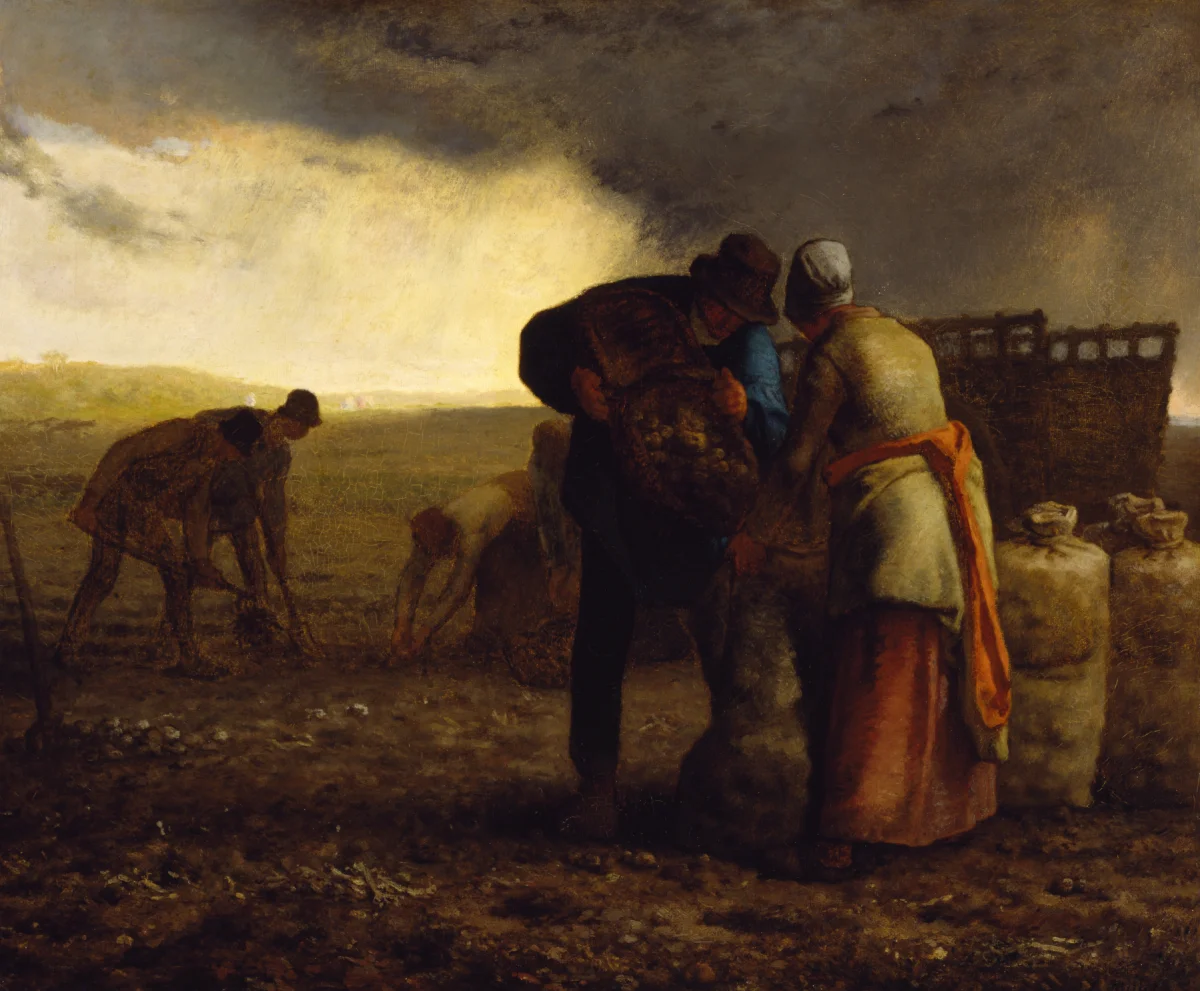
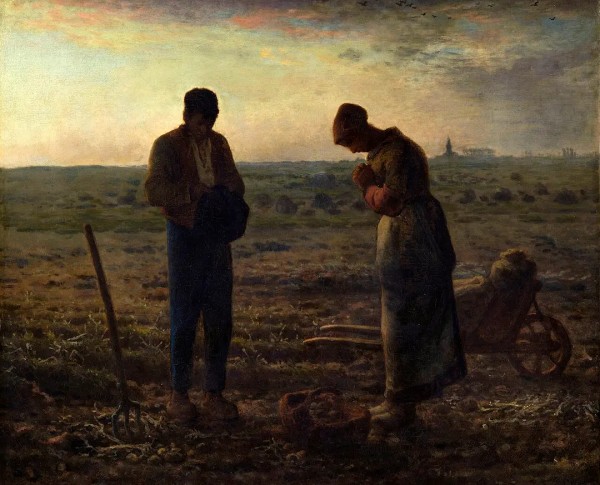
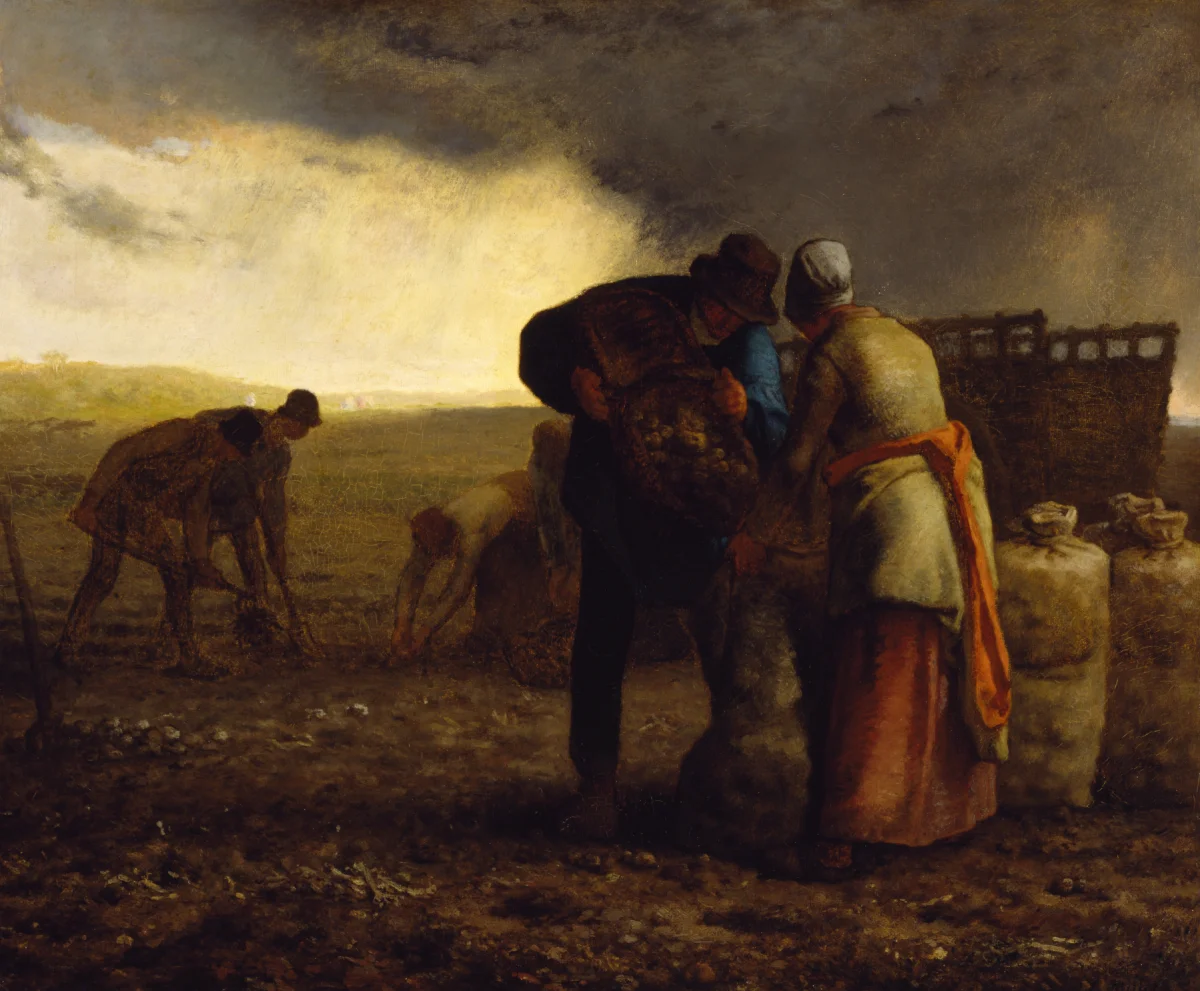
Millet’s exceptional technique in "The Potato Harvest" demonstrates his expertise with oil on canvas, using layered brushwork to evoke the earthy textures of the fields and the resilience of the workers. The painting’s naturalistic palette and careful attention to light embody the principles of Realism. Collectors and art enthusiasts often compare this piece to his other celebrated works, such as "The Walk to Work" and "The Angelus, 1857-59," for their technical brilliance.
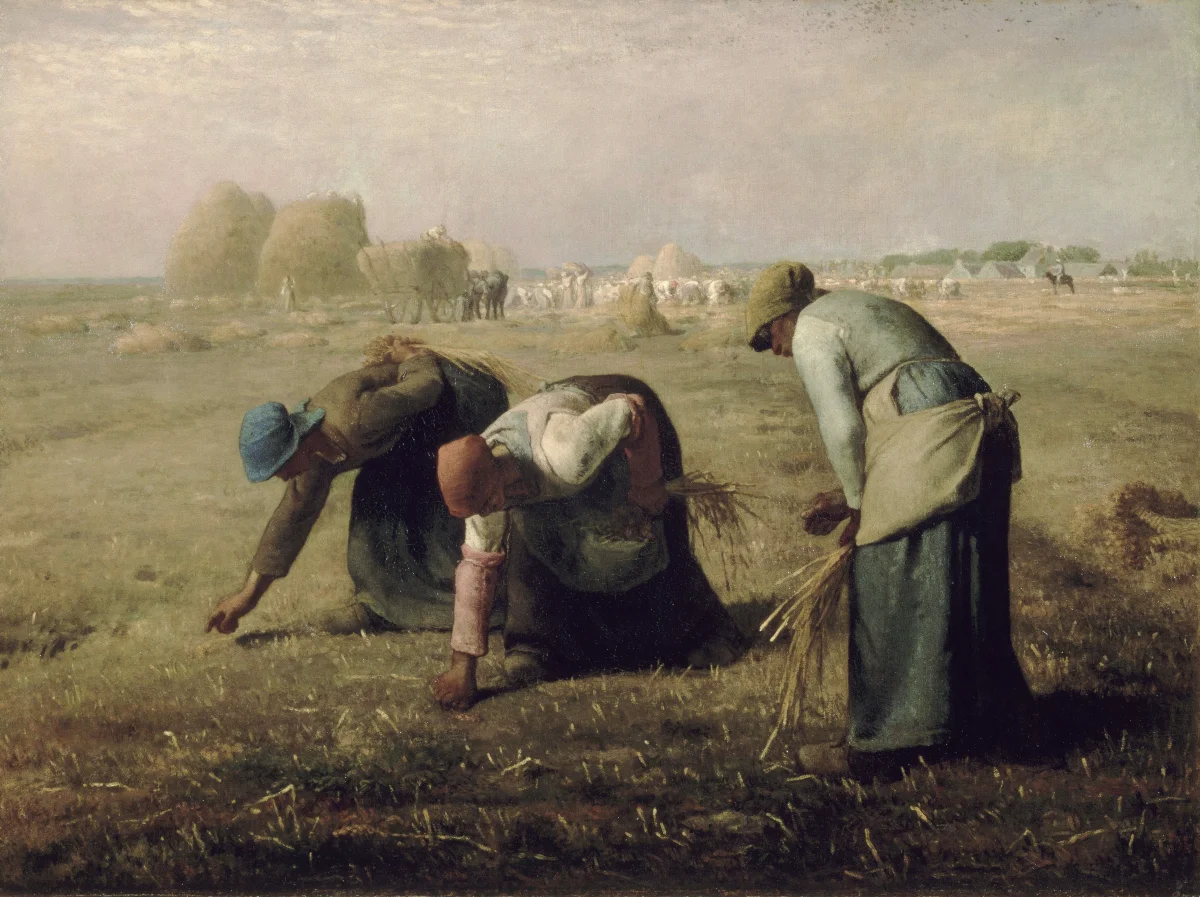
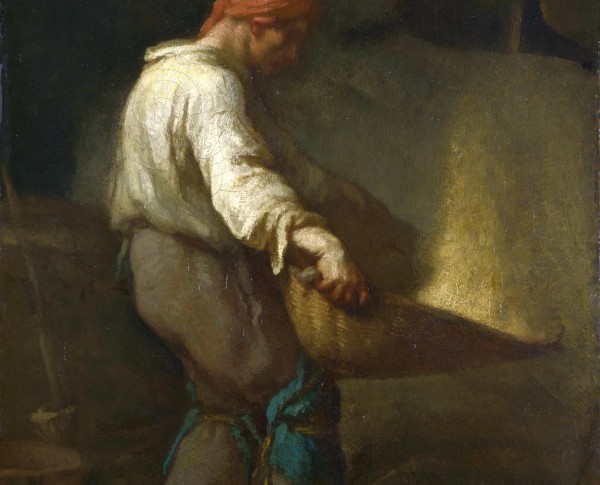
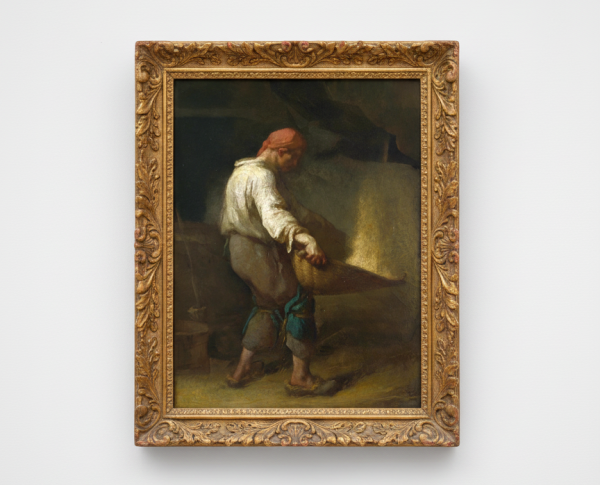
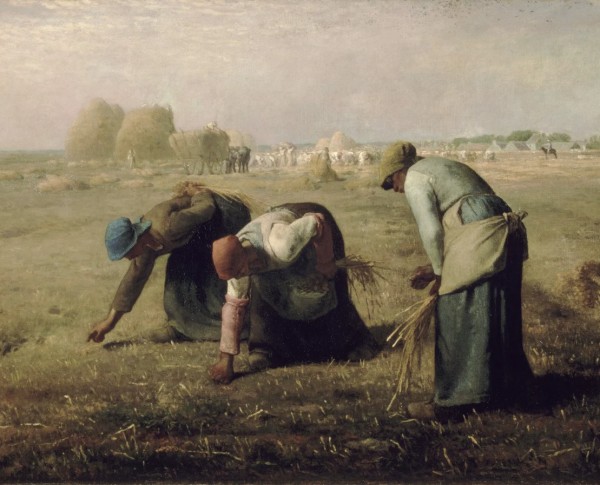
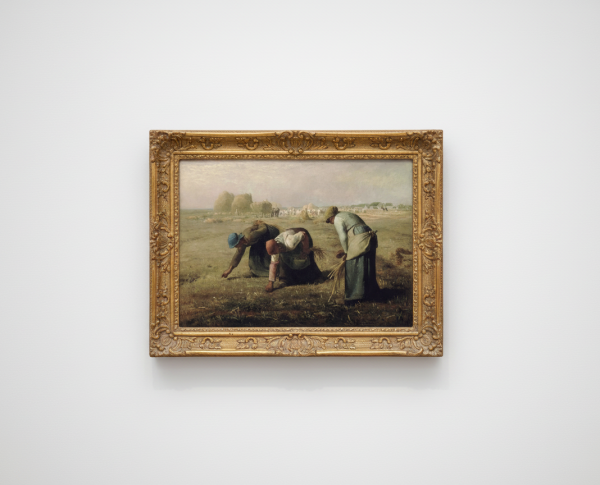
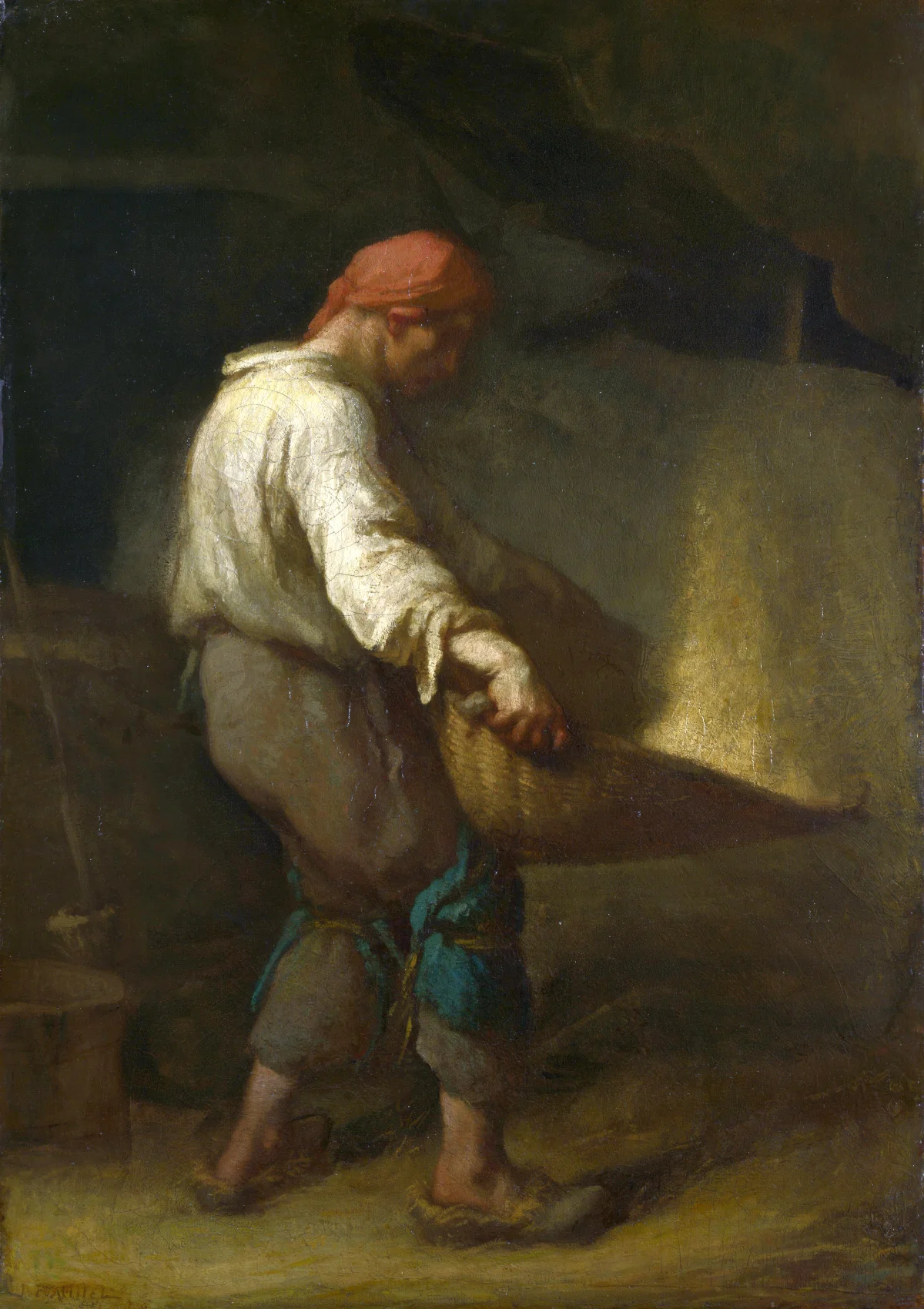
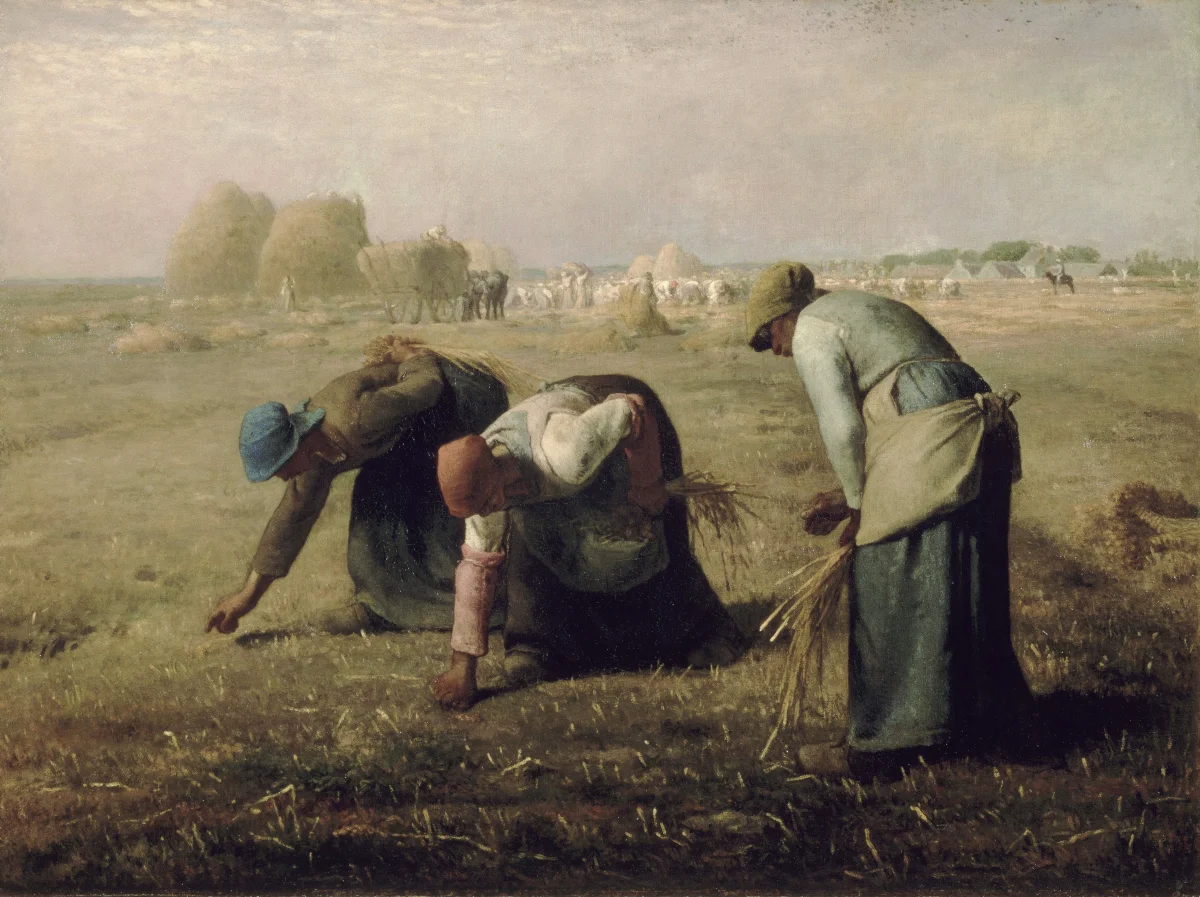
"The Potato Harvest" is more than a fine art painting for sale; it is a narrative woven with symbolism and social commentary. Millet’s depiction of laborers harvesting potatoes reflects the hardships and perseverance of rural communities. This theme, central to the Realism movement, is also explored in his related paintings like "The Gleaners" and "The Winnower." Each figure and gesture in the composition tells a story of endurance, unity, and the profound connection to the land.
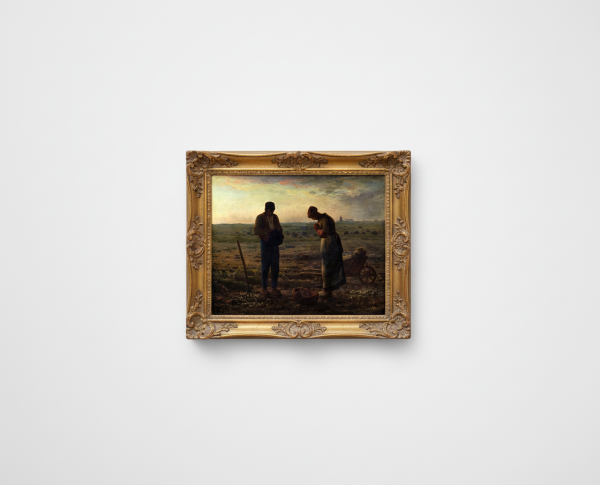
Owning a hand-painted oil painting by Jean-Francois Millet, such as "The Potato Harvest," is a privilege for any fine art collector. Its place within the Realism movement and its kinship with masterpieces like "The Walk to Work" and "The Angelus, 1857-59" make it a highly sought-after addition to any collection. This painting not only enriches a space but also brings the timeless spirit of rural France into the modern home.
When Art Meets History
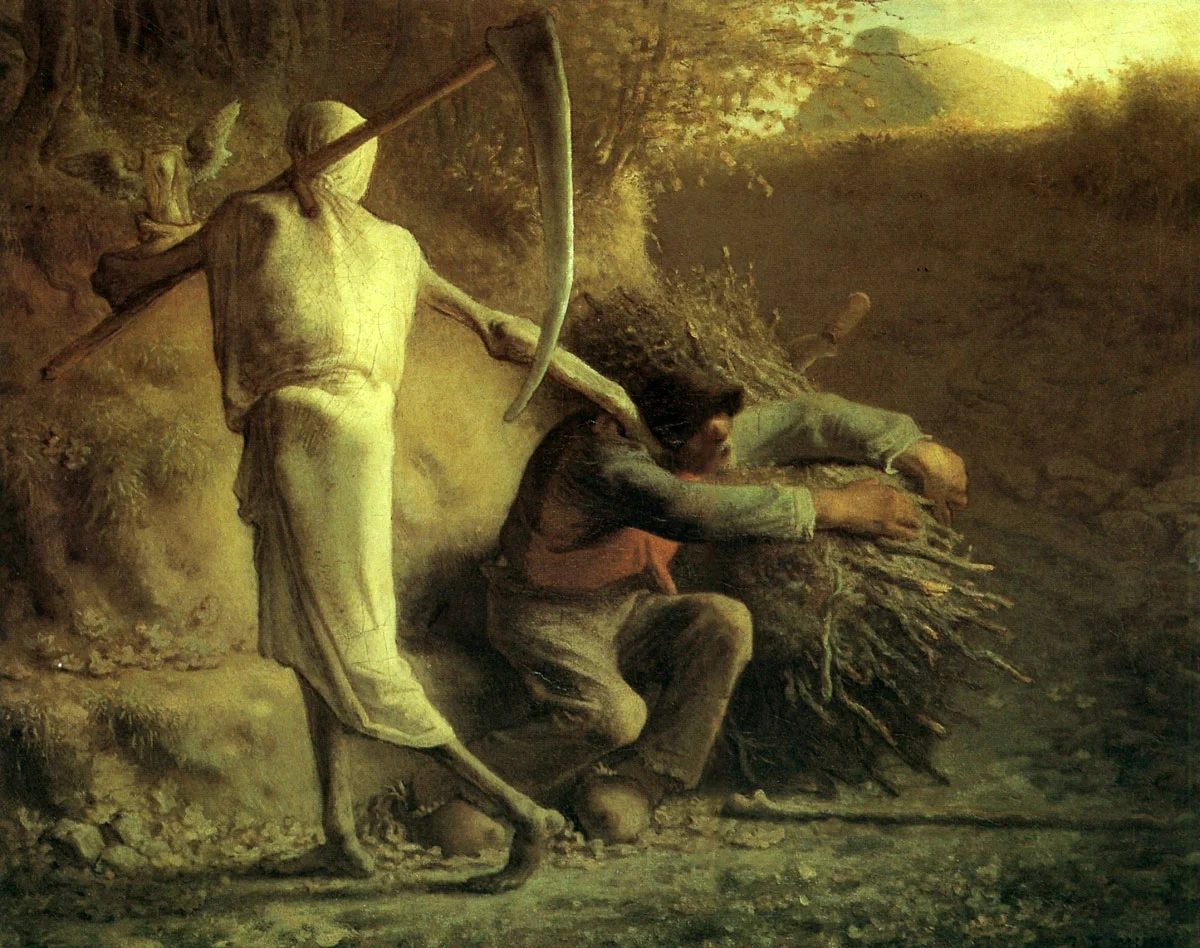
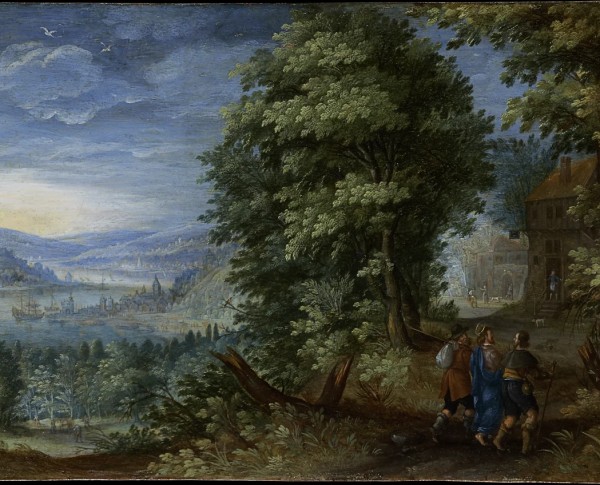
Jean-Francois Millet’s masterpiece, "The Potato Harvest," stands as a testament to the Realism movement, capturing the everyday lives of rural workers in 19th-century France. This hand-painted oil painting reflects the hardships and dignity of agricultural laborers, much like Millet’s other works. The setting and subject matter connect "The Potato Harvest" to related paintings such as "A Dash for the Timber" and "Morning in the Pine-tree Forest," each offering unique historical perspectives through art.
Techniques That Speak
Millet’s expert use of oil on canvas in "The Potato Harvest" brings out rich textures and earthy tones, hallmarks of Realism. His brushwork highlights the tactile quality of soil and the subtle interplay of light and shadow. The techniques employed here are reminiscent of those seen in "Breezing Up (or A Fair Wind)" and "Las Meninas," where attention to detail and composition elevate the narrative. This oil on canvas work truly exemplifies Millet’s technical prowess.
Emotions on Display
"The Potato Harvest" by Jean-Francois Millet is more than a depiction of rural life; it is a moving fine art painting for sale that conveys empathy for the working class. The figures’ postures and expressions evoke a sense of endurance and solemnity, resonating with the emotional depth found in "Surrender At Santa Anna." Through Realism, Millet invites viewers to connect with the humanity of his subjects, making this painting deeply evocative and timeless.
Coveted by Collectors
As a cornerstone of the Realism movement, "The Potato Harvest" is highly sought after by art collectors who appreciate hand-painted oil paintings that capture authentic human experiences. Its significance is comparable to celebrated works like "Morning in the Pine-tree Forest" and "Las Meninas." The enduring appeal of Millet’s masterpiece ensures its place among the most desirable fine art painting for sale, admired for both its artistry and historical value.
Related Realism Hand-Painted Oil Paintings by Other Artists
Other Famous Realism Artists:
Frequently Asked Questions About The Potato Harvest
What is the historical context of The Potato Harvest?
The Potato Harvest was painted in 1862 during a period of significant social change in France, particularly in rural areas. The painting reflects the struggles of peasant life and the importance of agriculture in the post-revolutionary society.
What artistic techniques did Jean-Francois Millet use in The Potato Harvest?
Millet employed a naturalistic style, utilizing earthy tones and a loose brushwork technique to convey the rawness of rural life. His use of light and shadow adds depth and realism to the scene, enhancing the emotional impact of the work.
What themes are explored in The Potato Harvest?
The painting explores themes of labor, dignity, and the connection between humans and nature. It highlights the hard work of peasants and their vital role in society, emphasizing the nobility of manual labor.
How does The Potato Harvest reflect the Realism movement?
The Potato Harvest is a quintessential example of the Realism movement, which sought to depict everyday life and ordinary people with honesty and accuracy. Millet's focus on peasant life challenges the romanticized portrayals of rural existence prevalent in earlier art.
What symbolism can be found in The Potato Harvest?
The potatoes in the painting symbolize sustenance and survival, representing the essential role of agriculture in human life. The act of harvesting also signifies the labor and effort required to cultivate the land, reflecting broader themes of resilience and community.
Who were the primary subjects in The Potato Harvest?
The primary subjects of the painting are peasant workers engaged in the act of harvesting potatoes. Millet often portrayed the working class in his art, aiming to elevate their status and highlight their contributions to society.
What influence did The Potato Harvest have on later artists?
The Potato Harvest influenced many artists who followed, particularly those interested in social realism and the depiction of working-class life. It inspired a greater appreciation for the struggles of ordinary people in art, paving the way for future movements that focused on social issues.
How does The Potato Harvest compare to other works by Millet?
Compared to other works by Millet, such as The Gleaners, The Potato Harvest shares similar themes of labor and rural life. However, it focuses more specifically on the act of harvesting, showcasing the physicality and communal aspects of agricultural work.
What is the significance of the color palette in The Potato Harvest?
The color palette of The Potato Harvest is dominated by earthy tones, which evoke a sense of warmth and connection to the land. This choice of colors reinforces the painting's themes of nature, labor, and the simplicity of rural life.
In what ways does The Potato Harvest challenge societal perceptions of labor?
The Potato Harvest challenges societal perceptions by portraying labor as dignified and essential. Millet's respectful representation of peasant workers elevates their status, prompting viewers to reconsider the value of manual labor in a rapidly industrializing society.






















_GFM_Painting_(1).webp)


 100% Hand-Painted: Finished in 3-6 Weeks

.png)
















_(1).webp)