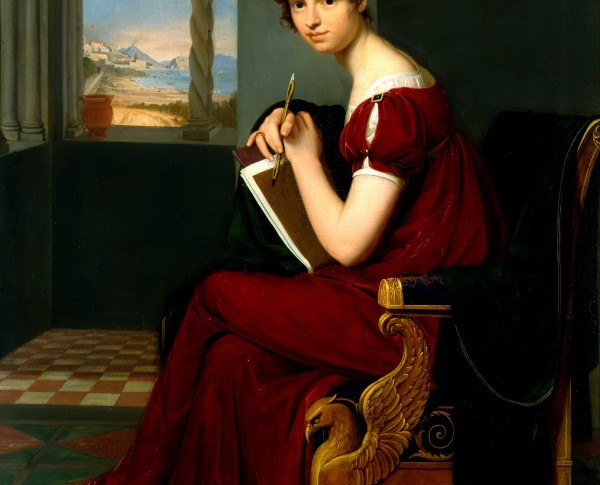
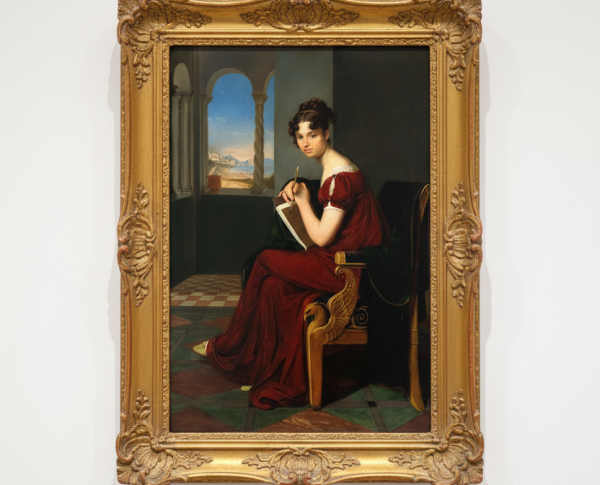
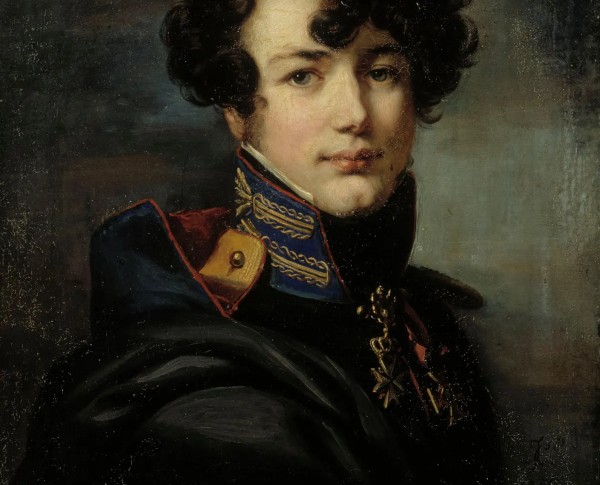
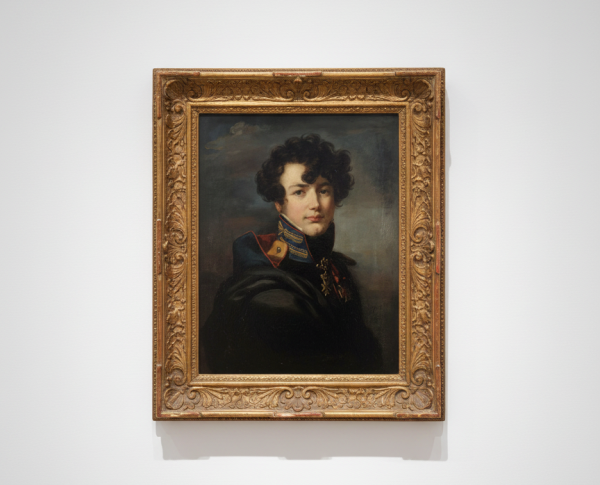
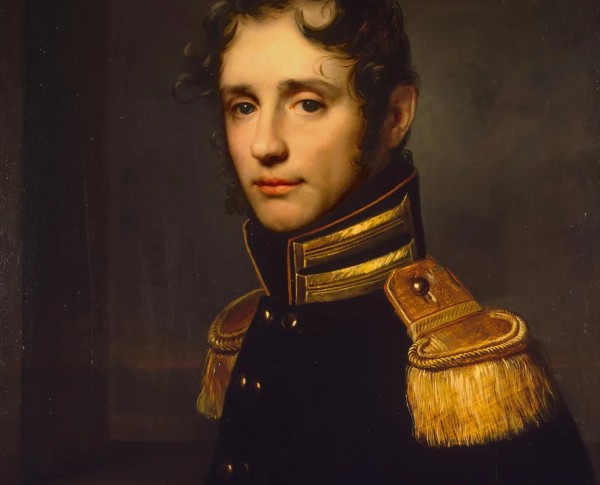
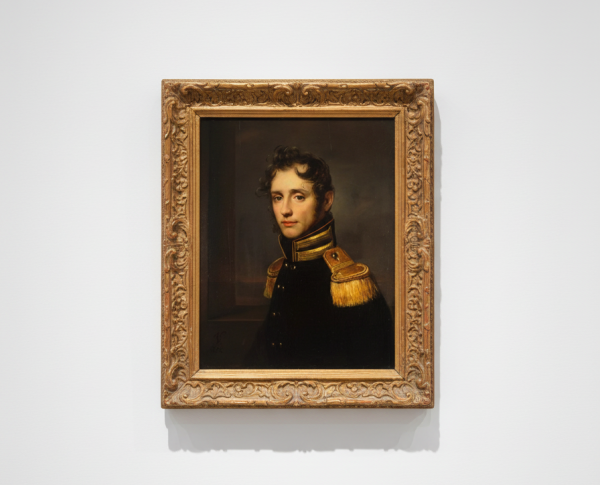
Carl Christian Vogel von Vogelstein’s mastery shines through in every detail of "Der Maler Franz Ludwig Catel." Executed in oil on canvas, the portrait demonstrates technical brilliance and refined composition typical of Neo-Classical art. The artist’s careful attention to texture and form elevates this painting, making it a must-see for those interested in fine art. Similar works, such as Q50328797 and Q50328761, complement this piece beautifully within any collection.
Every element in "Der Maler Franz Ludwig Catel" tells a story, reflecting the values and intellect cherished during the Neo-Classical movement. Vogel von Vogelstein employs symbolism throughout this fine art painting for sale, inviting viewers to contemplate the subject’s creative journey. The thoughtful portrayal captures both the personality and the era, making it a conversation piece. Collectors may also appreciate related products like Q50328182 and Q50329298 for their symbolic depth.
As a hand-painted oil painting, "Der Maler Franz Ludwig Catel" by Carl Christian Vogel von Vogelstein remains highly sought after by collectors of Neo-Classical art. Its rich historical context and exquisite execution ensure its place as a prized addition to any fine art collection. Those interested in expanding their collection can consider related products such as Q50329675, Q50328130, and Q50329298, each offering unique insights into this influential artistic movement.
When Art Meets History
"Der Maler Franz Ludwig Catel" by Carl Christian Vogel von Vogelstein stands as a remarkable example of the Neo-Classical movement. This hand-painted oil painting captures not only the likeness of Catel but also the intellectual spirit of the era. Vogel von Vogelstein, renowned for works like "Gorge at Cività Castellana" and "Surrender of Lord Cornwallis," skillfully weaves historical context into his portraiture, making this piece a significant milestone in European art history.
Techniques That Speak
Carl Christian Vogel von Vogelstein’s mastery is evident in his exquisite use of oil on canvas. The clarity and precision found in "Der Maler Franz Ludwig Catel" reflect the disciplined techniques of Neo-Classical art. His brushwork and attention to detail are reminiscent of his other celebrated works such as "The Sea Maiden" and "The Sortie Made by the Garrison of Gibraltar, 1789," showcasing his dedication to realism and compositional harmony.
Emotions on Display
Within "Der Maler Franz Ludwig Catel," Vogel von Vogelstein conveys deep introspection and dignity, hallmarks of Neo-Classical portraiture. The artist’s sensitive rendering of Catel’s expression invites viewers to connect emotionally, as seen in related pieces like "Clyties of the Mist." This fine art painting for sale resonates with collectors who appreciate portraits that evoke both personal character and the intellectual ideals of the early nineteenth century.
Coveted by Collectors
Neo-Classical works such as "Der Maler Franz Ludwig Catel" are highly sought after, especially among those searching for a distinguished hand-painted oil painting. Vogel von Vogelstein’s reputation, established through masterpieces like "The Sea Maiden" and "Gorge at Cività Castellana," ensures that this portrait remains a coveted item. Collectors value the combination of historical significance and artistic mastery, making it a prized addition to any fine art collection.
Related Neo-Classical Hand-Painted Oil Paintings by Other Artists
Other Famous Neo-Classical Artists:
Frequently Asked Questions About Der Maler Franz Ludwig Catel
What is the historical significance of "Der Maler Franz Ludwig Catel"?
This painting is significant as it captures the essence of early 19th-century German Romanticism, reflecting the cultural and artistic movements of the time.
Who was Franz Ludwig Catel and why is he important?
Franz Ludwig Catel was a prominent German painter known for his landscapes and historical scenes. His work represents the transition in German art towards Romanticism, emphasizing emotion and nature.
What artistic techniques did Carl Christian Vogel von Vogelstein employ in this painting?
Vogelstein utilized a detailed and realistic approach, employing chiaroscuro to create depth and a sense of three-dimensionality, which was characteristic of the academic style of his time.
What themes are explored in "Der Maler Franz Ludwig Catel"?
The painting explores themes of artistic identity, the role of the artist in society, and the interplay between nature and creativity, reflecting the Romantic ideal of the artist as a visionary.
How does this painting reflect the Romantic movement?
This work embodies the Romantic movement through its emphasis on individual expression, the beauty of nature, and the emotional depth of the artist's experience, which were central to Romantic ideals.
What symbolism can be found in "Der Maler Franz Ludwig Catel"?
The painting symbolizes the connection between the artist and the natural world, suggesting that true inspiration comes from an intimate relationship with one's surroundings.
In what ways does the composition of the painting contribute to its meaning?
The composition, with Catel positioned in a contemplative pose against a backdrop of nature, emphasizes the artist's introspection and the significance of the environment in shaping artistic vision.
What role did Carl Christian Vogel von Vogelstein play in the art community of his time?
Vogelstein was a key figure in the art community, serving as a mentor to younger artists and promoting the academic standards of painting, thereby influencing the direction of German art in the 19th century.
How does "Der Maler Franz Ludwig Catel" compare to other works by Vogelstein?
This painting stands out for its focus on a fellow artist, showcasing Vogelstein's ability to blend portraiture with landscape, a departure from his more traditional historical and genre scenes.
What impact did "Der Maler Franz Ludwig Catel" have on future generations of artists?
The painting has inspired subsequent generations by highlighting the importance of personal expression and the artist's role in society, encouraging future artists to explore their own identities and environments.






.webp)










_GFM_Painting_(1).webp)


 100% Hand-Painted: Finished in 3-6 Weeks

.png)















_(1).webp)