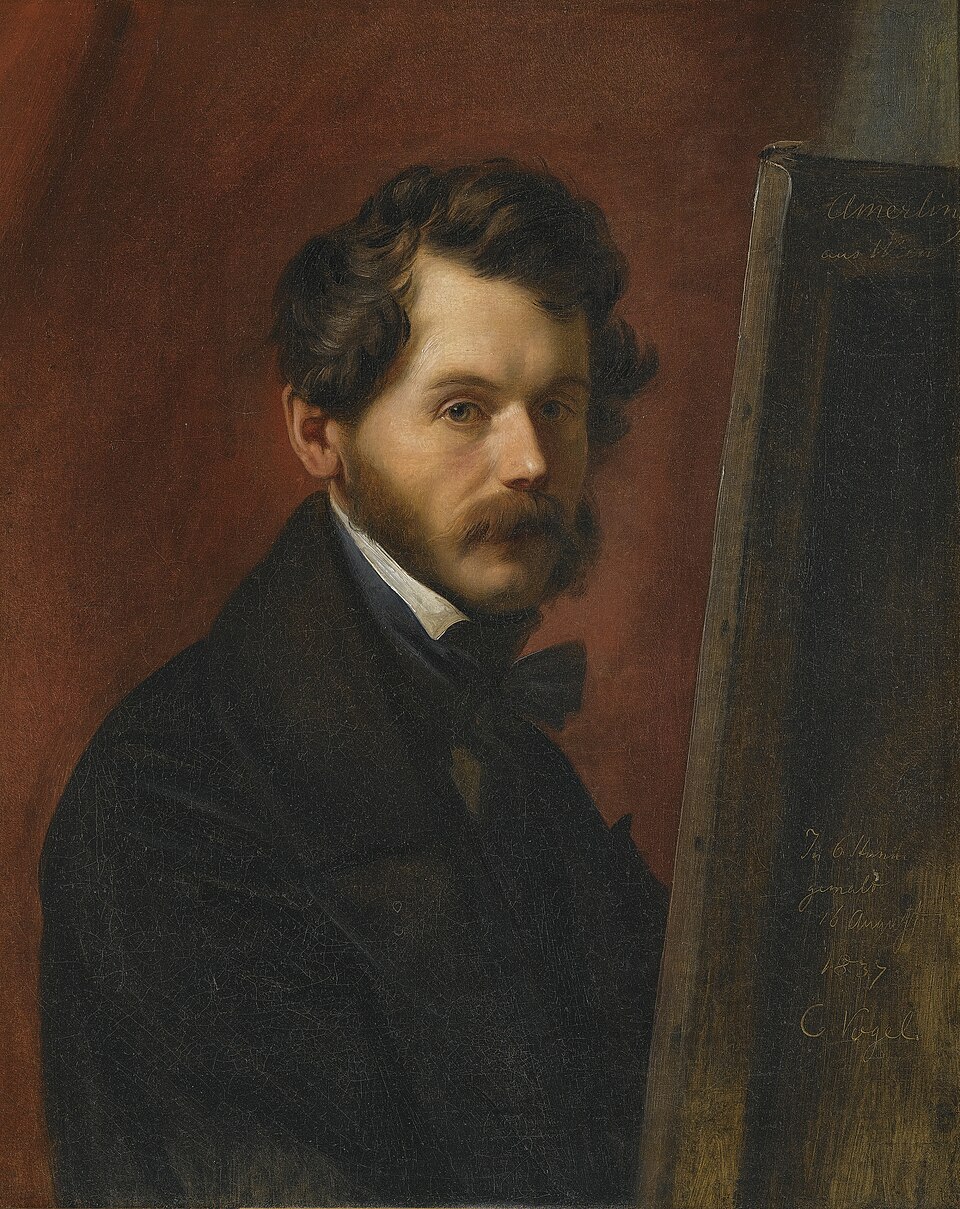
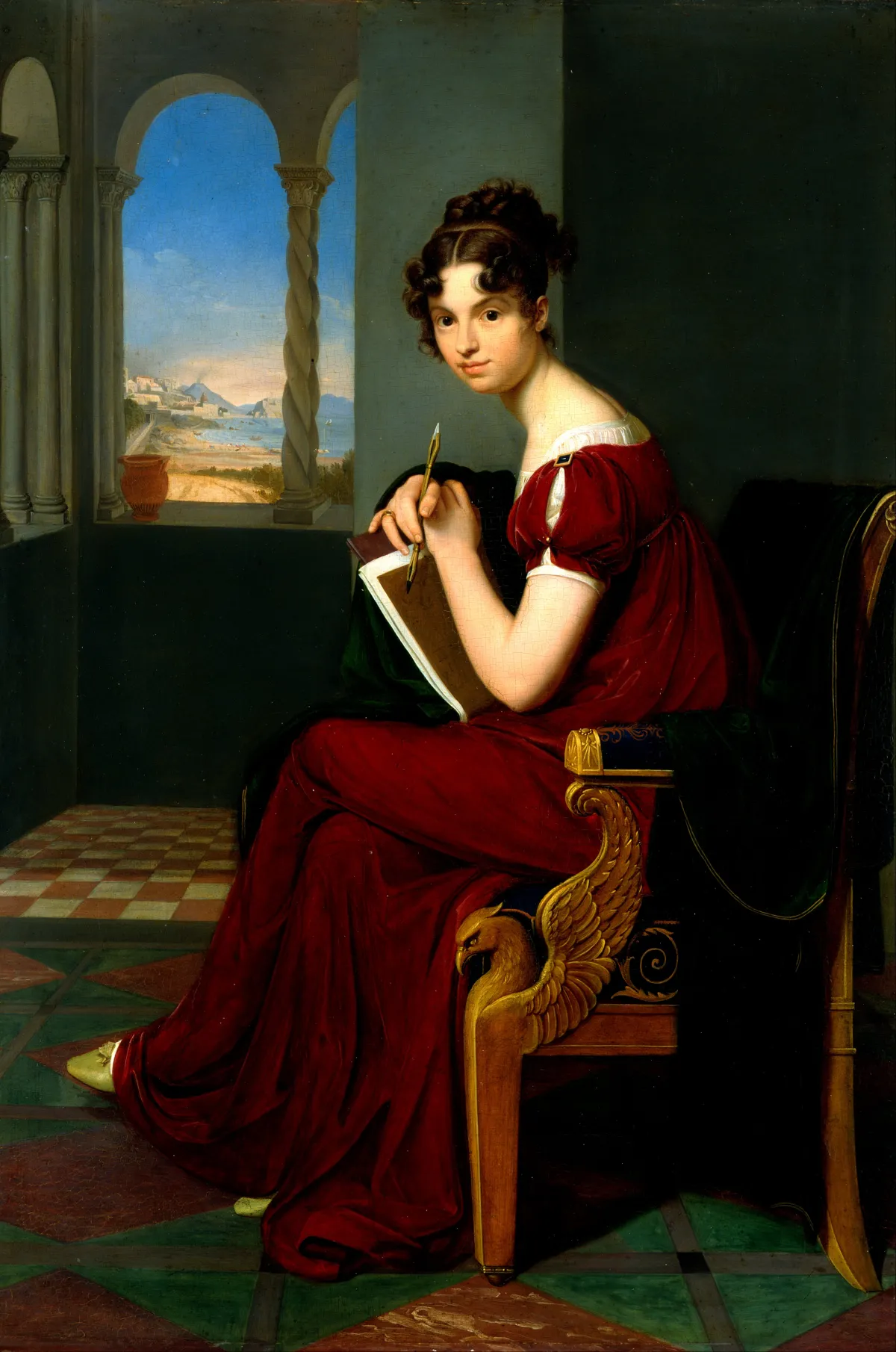
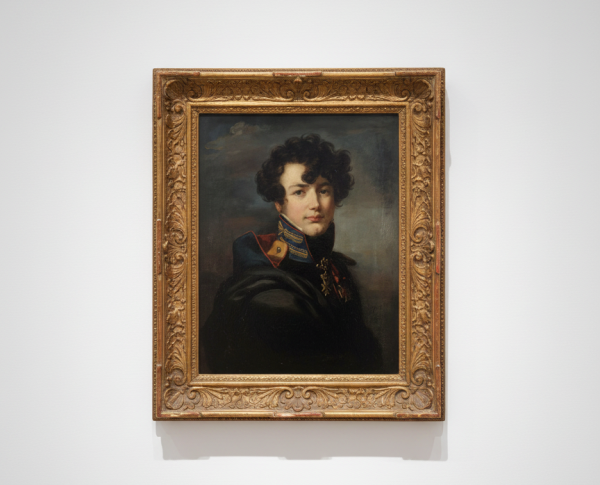
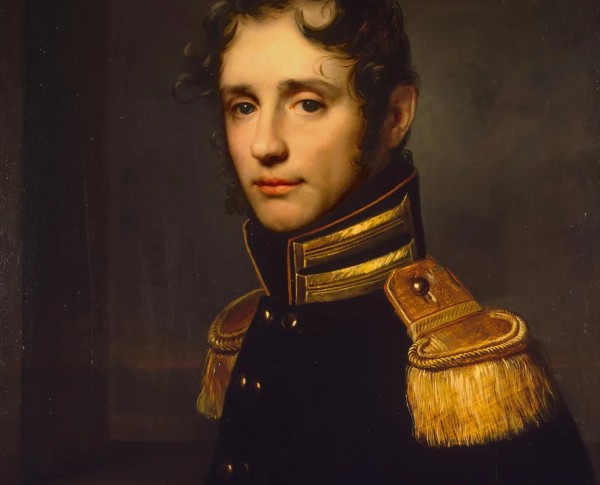
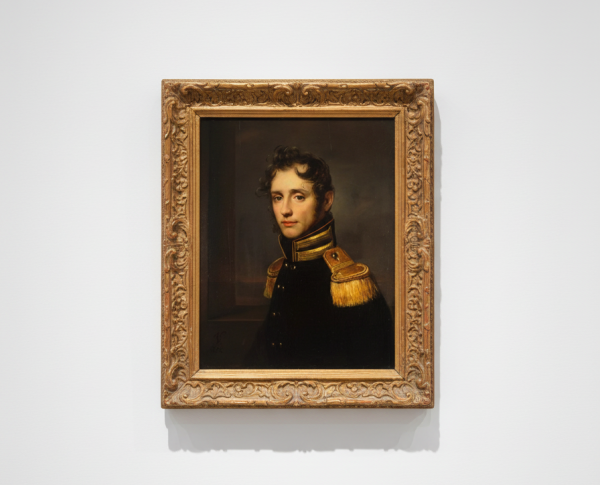
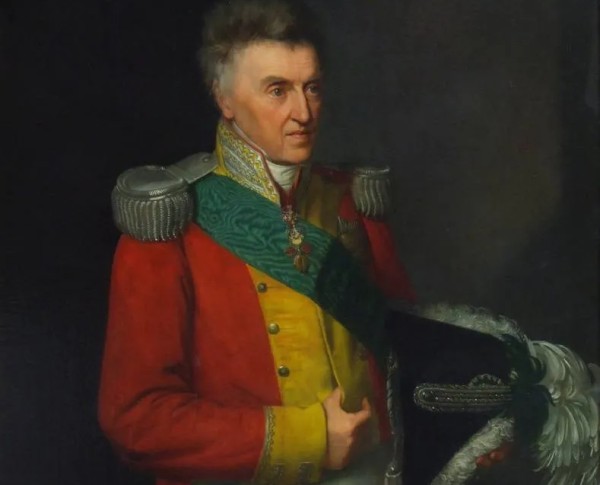
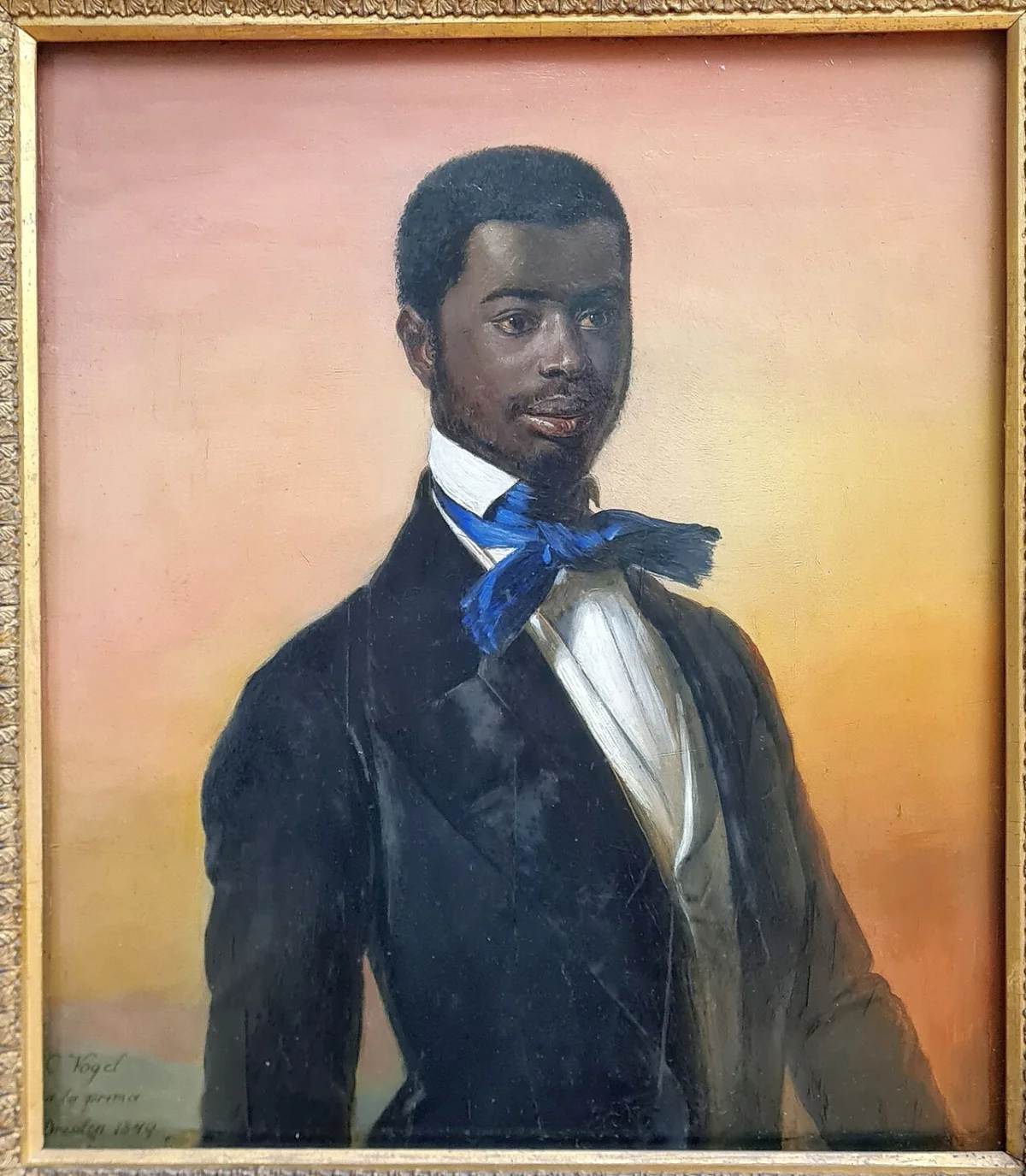
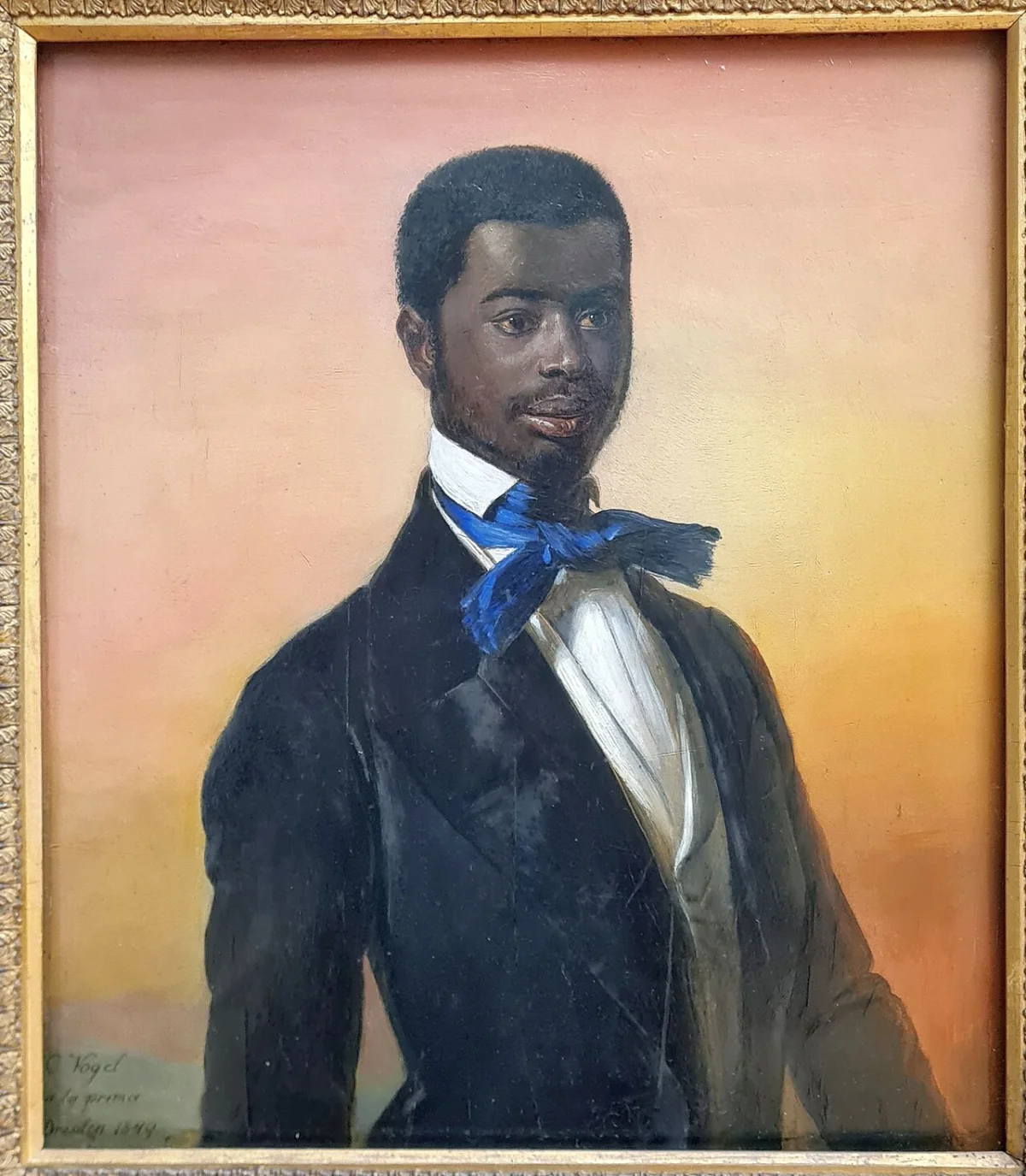
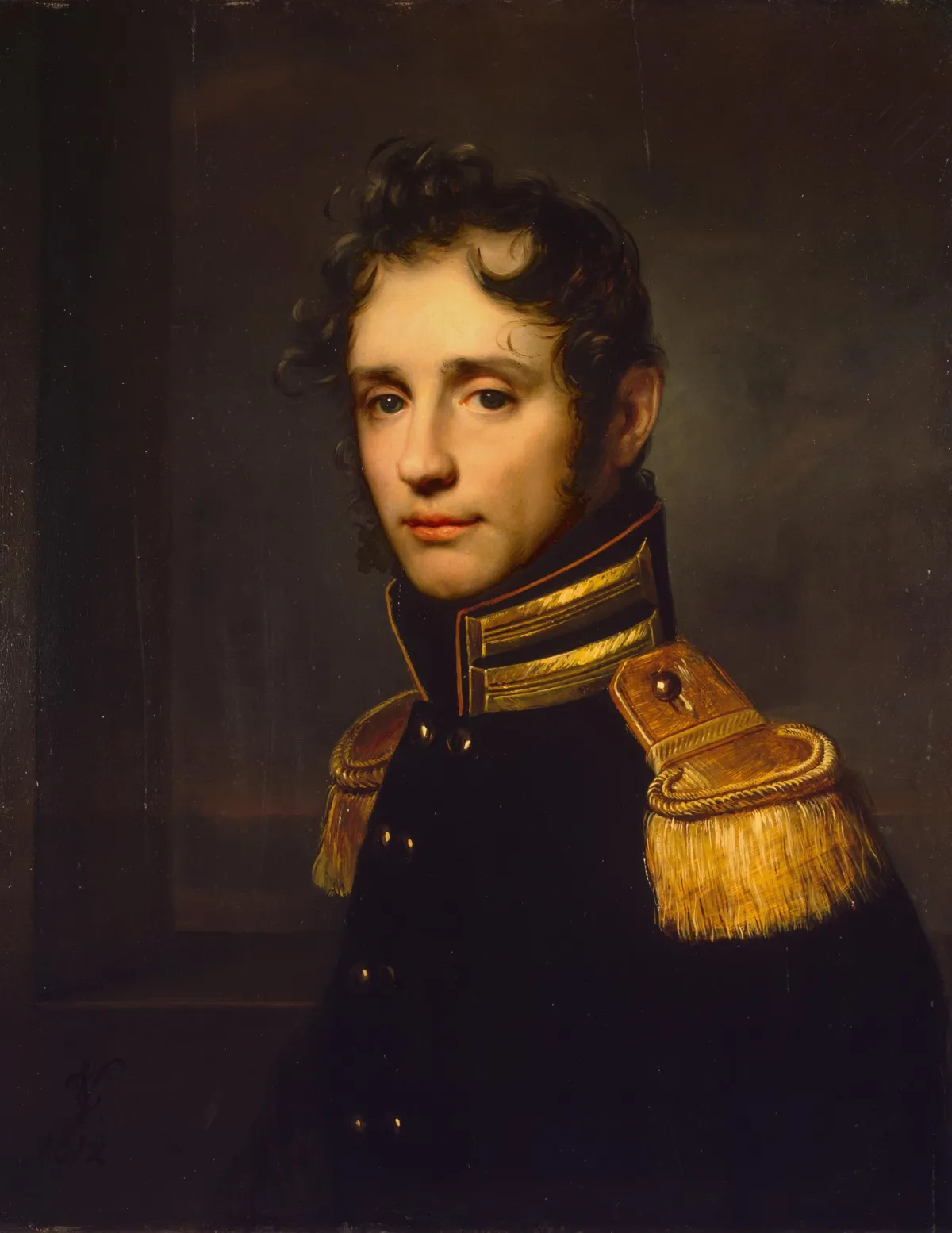
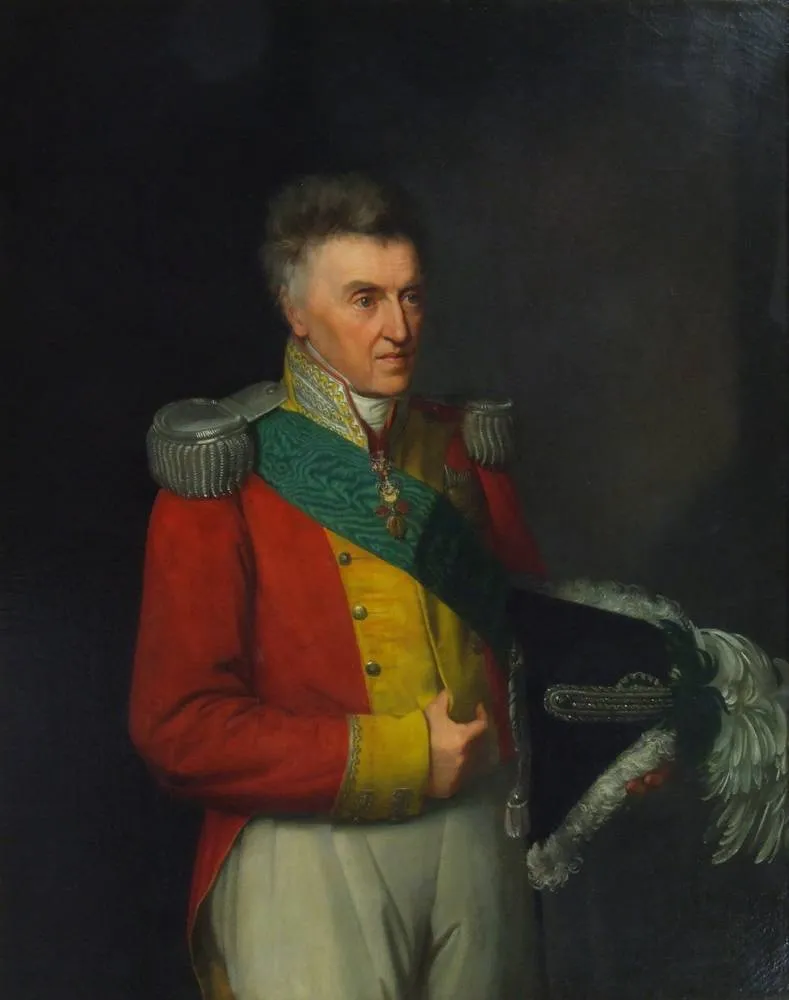
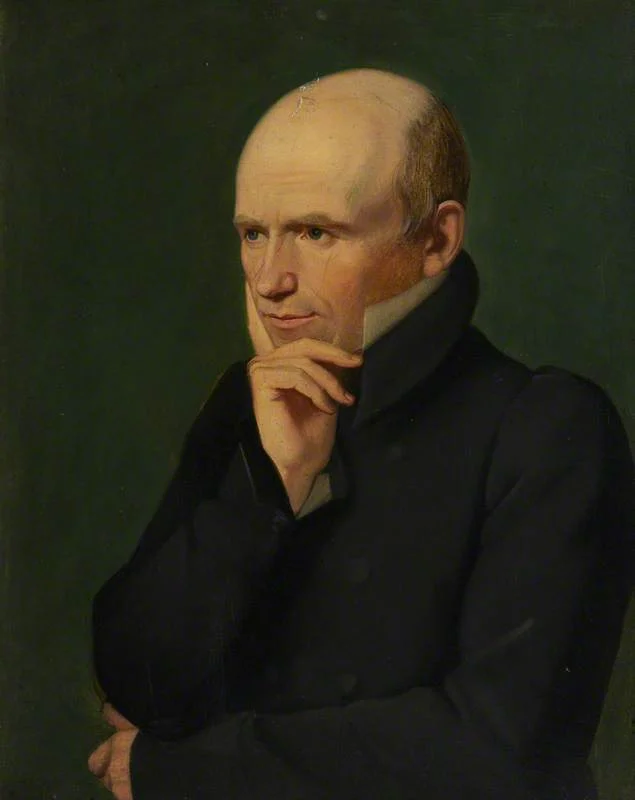
Carl Christian Vogel von Vogelstein’s skillful technique is showcased through his expert use of oil on canvas, making "Bildnis Des Aquasie Boachi" a true masterpiece of the Neo-Classical era. The artist’s attention to detail and mastery of light and shadow breathe life into the subject. Art admirers often compare this work to pieces like "Anton, König von Sachsen" and "Robert Watson, 1746 - . Adventurer" for their technical brilliance and refined execution.
This fine art painting for sale does more than depict a portrait; it tells a story of identity, culture, and history. "Bildnis Des Aquasie Boachi" by Carl Christian Vogel von Vogelstein invites viewers to interpret its subtle symbols and expressive features, characteristic of Neo-Classical art. Collectors often find connections between this work and other related pieces deepening their appreciation for the narratives woven into oil paintings of the period.
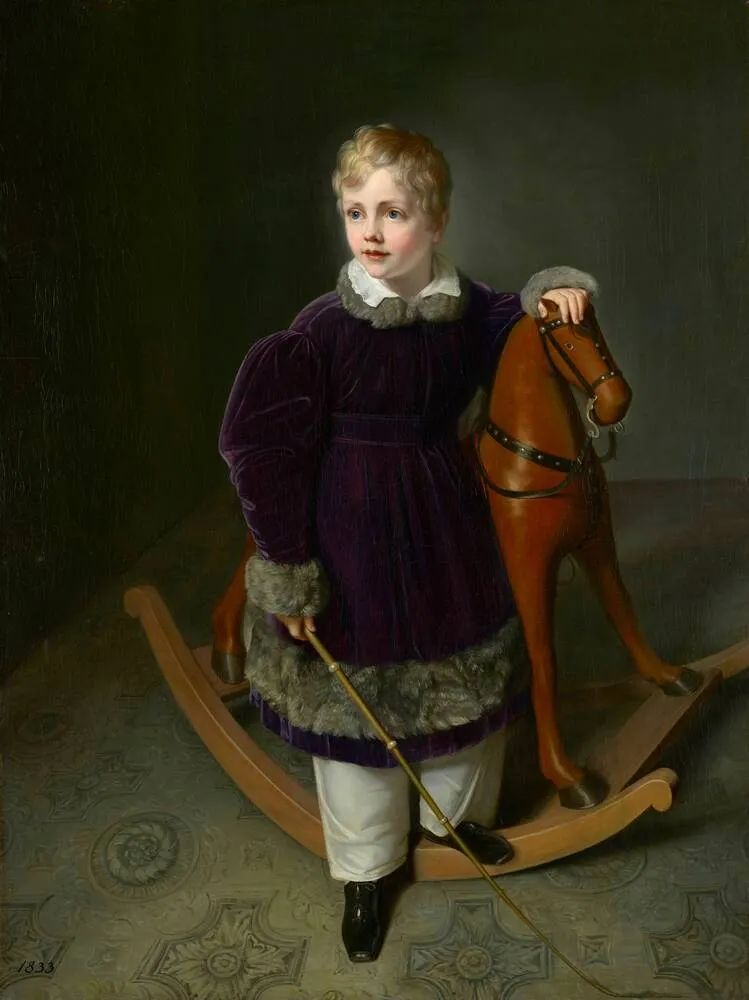
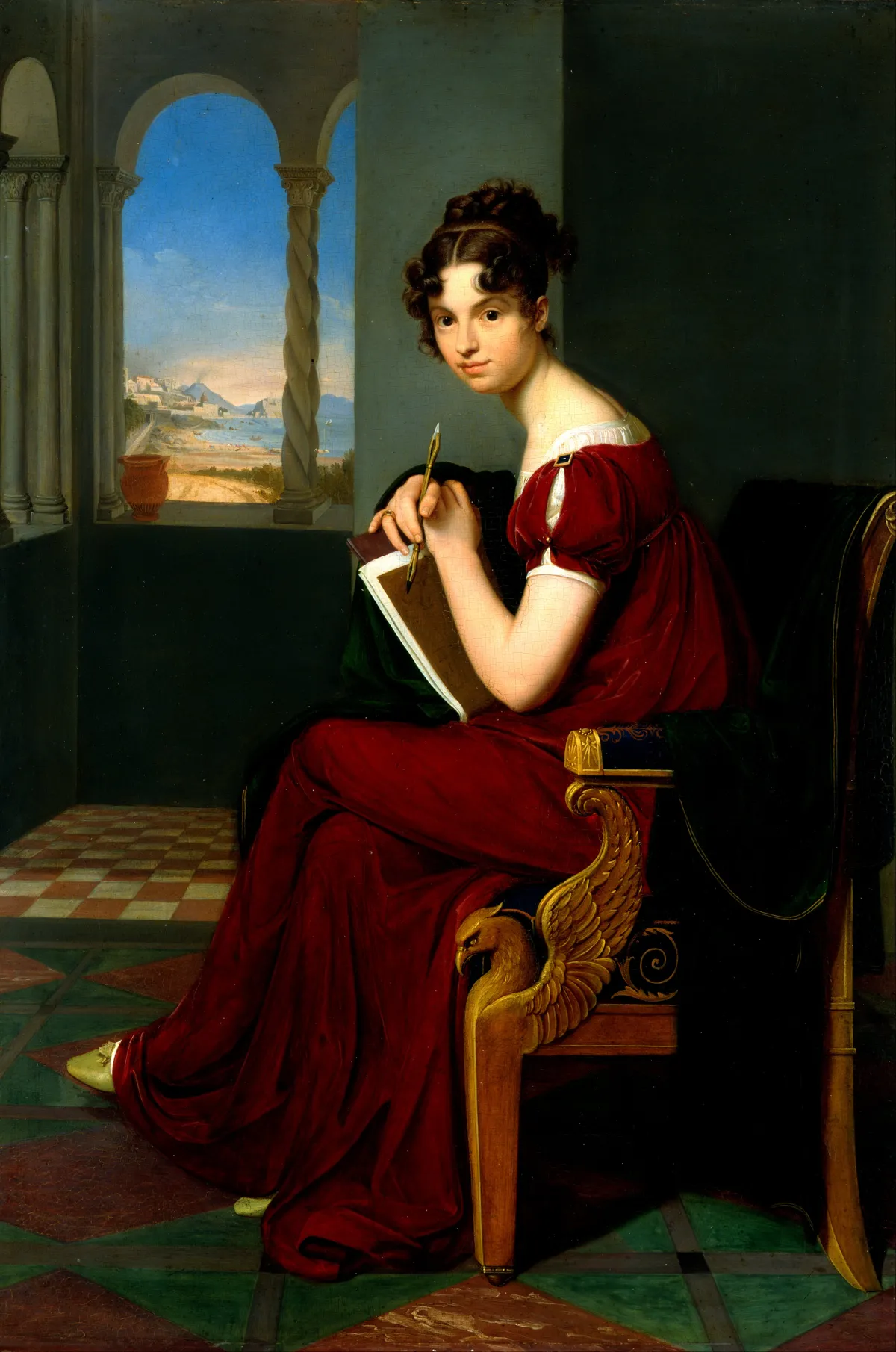
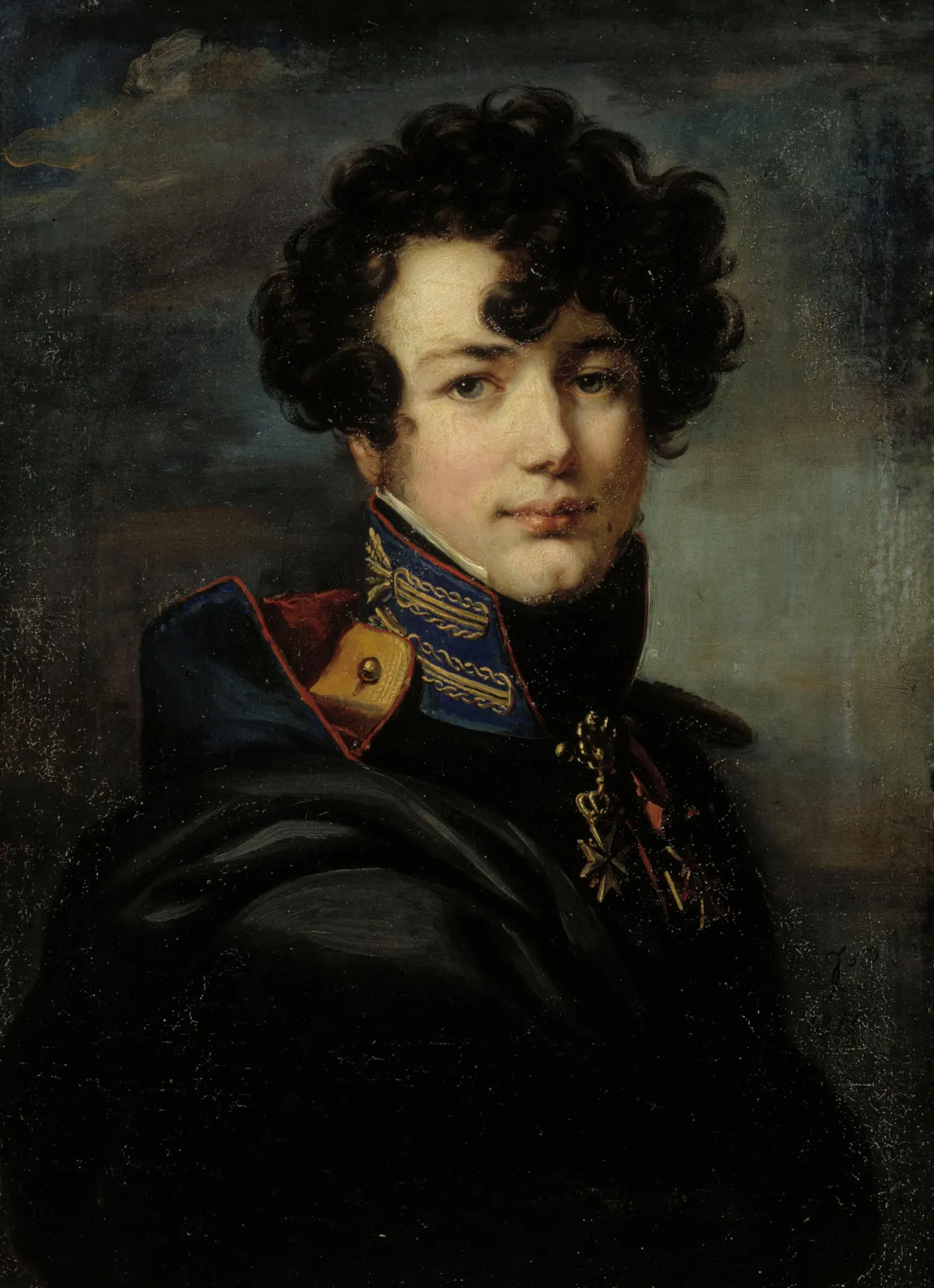
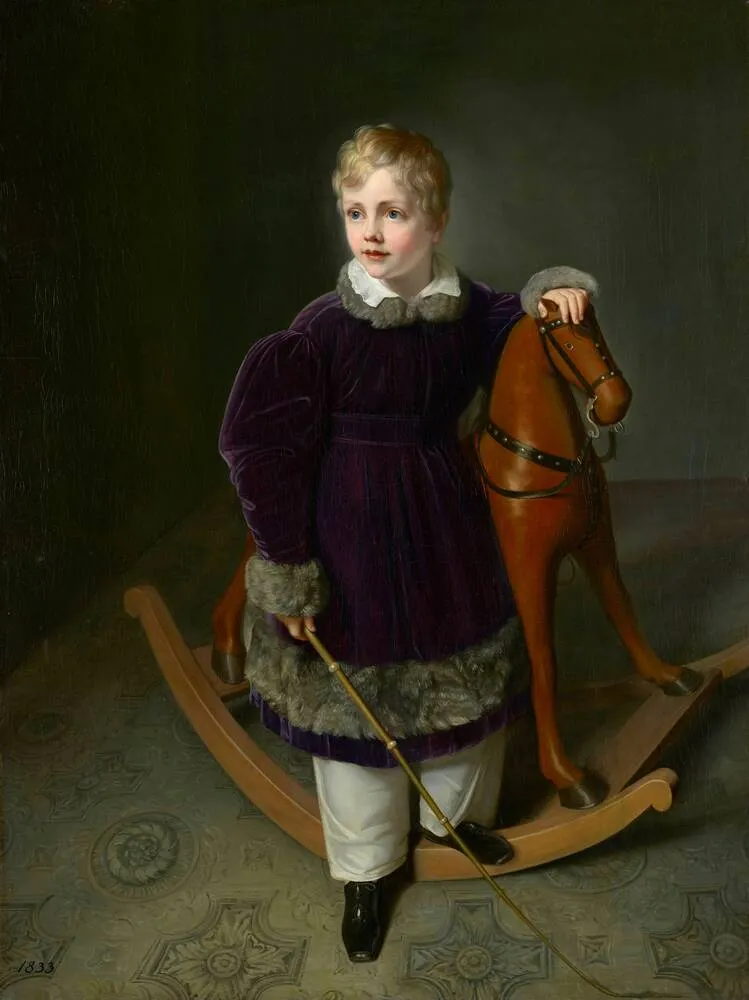
For those seeking a significant addition to their collection, "Bildnis Des Aquasie Boachi" represents an exceptional hand-painted oil painting by Carl Christian Vogel von Vogelstein. As a shining example of Neo-Classical portraiture, it offers timeless elegance and historical value. Collectors also explore related artworks like "Portrait of Prince Albert of Saxony as a boy" and "Anton, König von Sachsen," recognizing their enduring appeal and importance in the world of fine art painting for sale.
When Art Meets History
"Bildnis Des Aquasie Boachi" by Carl Christian Vogel von Vogelstein stands as a testament to the Neo-Classical movement, capturing a unique moment where art intersects with history. This hand-painted oil painting immortalizes Aquasie Boachi, reflecting the era's fascination with individual stories and cultural exchange. Vogel von Vogelstein's work resonates with the historical narratives found in related paintings like "The Sortie Made by the Garrison of Gibraltar" and "Surrender of General Burgoyne," blending portraiture with historical significance.
Techniques That Speak
Carl Christian Vogel von Vogelstein’s use of oil on canvas in "Bildnis Des Aquasie Boachi" showcases the refined techniques characteristic of the Neo-Classical movement. His meticulous brushwork and attention to detail bring out the subject’s personality and presence, echoing the technical prowess seen in works like "The Lament for Icarus" and "Calypso's Isle." This painting exemplifies the mastery required to create a timeless oil on canvas that continues to captivate viewers today.
Emotions on Display
The portrait "Bildnis Des Aquasie Boachi" reveals deep emotion through its expressive composition and subtle use of color, hallmarks of Carl Christian Vogel von Vogelstein’s artistry within the Neo-Classical movement. The sitter’s gaze invites contemplation, much like the evocative scenes in "Romantic Landscape" and "The Lament for Icarus." This fine art painting for sale captures a profound sense of dignity and introspection, making it a moving tribute to its historical subject.
Coveted by Collectors
As a striking example of Neo-Classical portraiture, "Bildnis Des Aquasie Boachi" by Carl Christian Vogel von Vogelstein has become a highly sought-after piece among art collectors. The painting’s historical context and exquisite execution place it alongside treasured works such as "Surrender of General Burgoyne" and "Calypso's Isle." This hand-painted oil painting continues to attract attention, embodying the timeless appeal and enduring value found in the world’s greatest fine art painting for sale.
Related Neo-Classical Hand-Painted Oil Paintings by Other Artists
Other Famous Neo-Classical Artists:
Frequently Asked Questions About Bildnis Des Aquasie Boachi
What is the historical significance of Bildnis Des Aquasie Boachi?
This painting, created by Carl Christian Vogel von Vogelstein in the early 19th century, serves as a significant representation of cross-cultural interactions during the period, particularly highlighting the presence of African individuals in European art.
Who was Aquasie Boachi?
Aquasie Boachi was a Ghanaian prince who traveled to Europe in the early 1800s. His portrait reflects the complexities of identity and representation of African nobility in European art during this era.
What artistic techniques did Vogelstein employ in this painting?
Vogelstein utilized a realistic style characterized by meticulous attention to detail, particularly in the rendering of fabrics and textures, which enhances the lifelike quality of the portrait.
How does the composition of the painting contribute to its overall impact?
The composition features Aquasie Boachi in a dignified pose, with a thoughtful expression that conveys both strength and introspection, drawing the viewer's attention to his noble status and individuality.
What symbolism can be found in the attire of Aquasie Boachi?
The attire worn by Aquasie Boachi is rich in cultural symbolism, showcasing traditional Ghanaian textiles and accessories that signify his royal heritage and status, while also bridging cultural narratives between Africa and Europe.
In what ways does this painting reflect the social attitudes of the time?
The painting reflects the Enlightenment ideals of the time, emphasizing reason, individualism, and the appreciation of diverse cultures, while also revealing the complexities of colonial attitudes towards African identities.
What role did portraiture play in the 19th century art scene?
Portraiture was a prominent genre in the 19th century, serving not only as a means of personal expression but also as a way to document social status and cultural identity, making it a powerful tool for both artists and subjects.
How does this painting compare to other portraits of the same era?
Compared to other portraits of the era, Bildnis Des Aquasie Boachi stands out for its focus on an African subject, challenging the predominantly Eurocentric narratives in portraiture and offering a unique perspective on identity.
What influence did Carl Christian Vogel von Vogelstein have on future artists?
Vogelstein's emphasis on realism and his ability to capture the essence of his subjects influenced subsequent generations of artists, particularly in the realm of portraiture, where authenticity and emotional depth became increasingly valued.
What can we learn about cultural exchange from this painting?
This painting exemplifies the cultural exchange between Africa and Europe, illustrating how art can serve as a medium for dialogue, understanding, and the appreciation of diverse heritages in a global context.






















_GFM_Painting_(1).webp)


 100% Hand-Painted: Finished in 3-6 Weeks

.png)















_(1).webp)