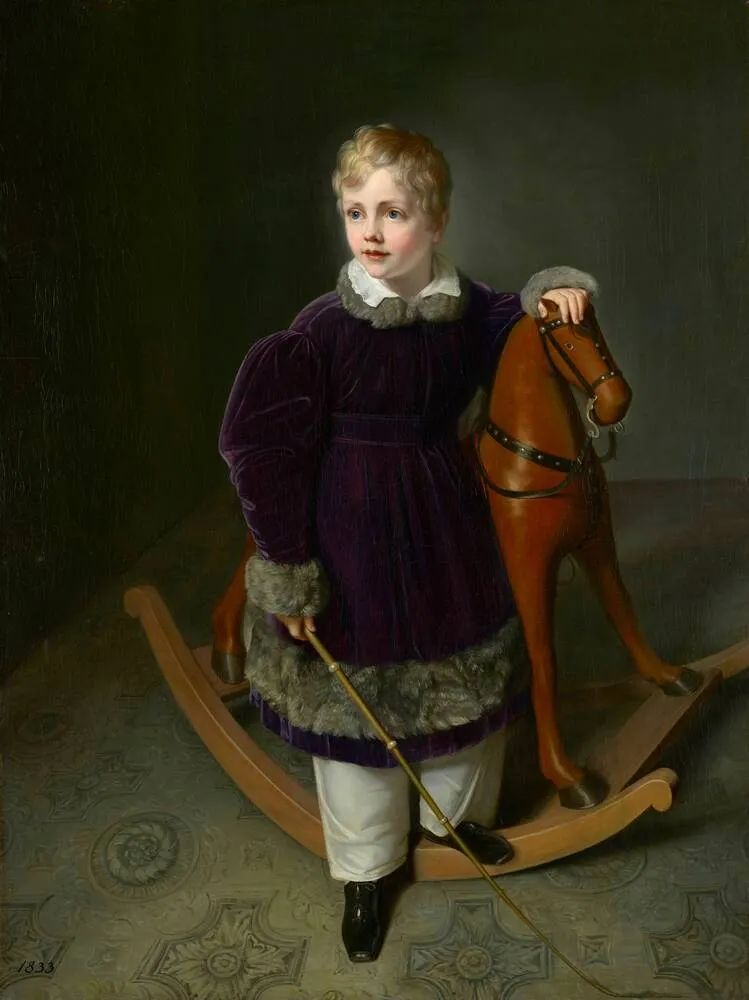
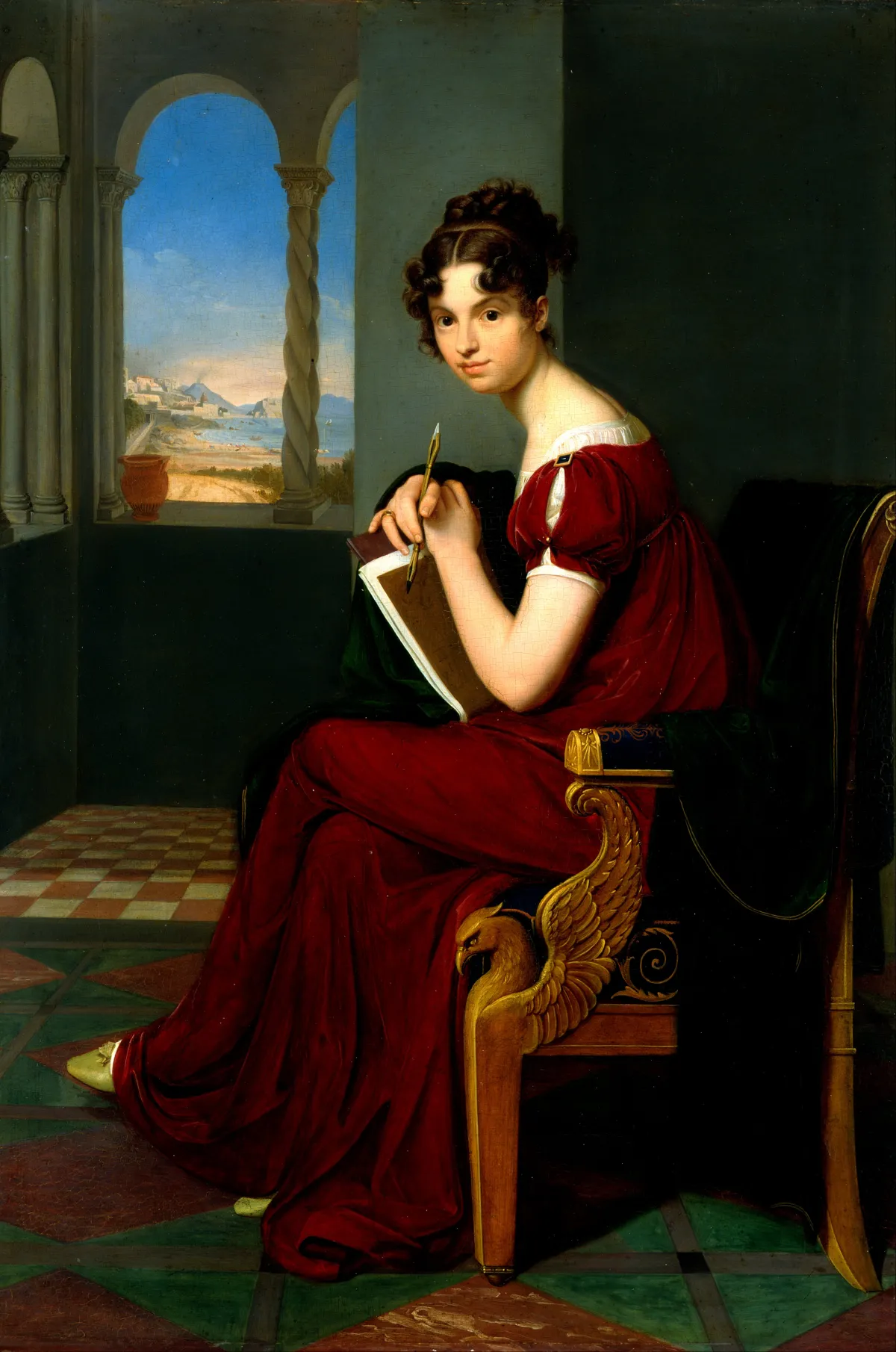
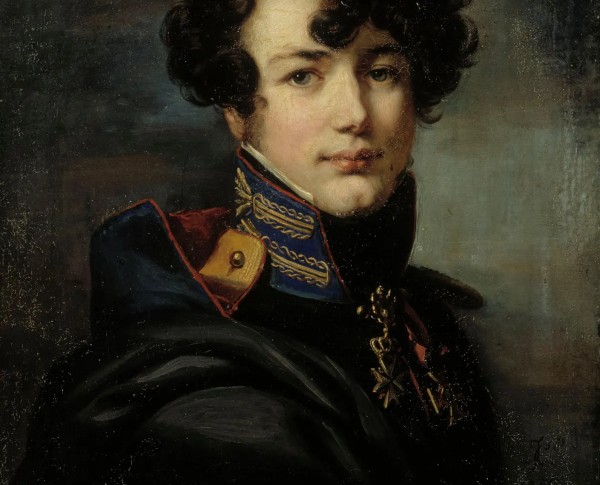
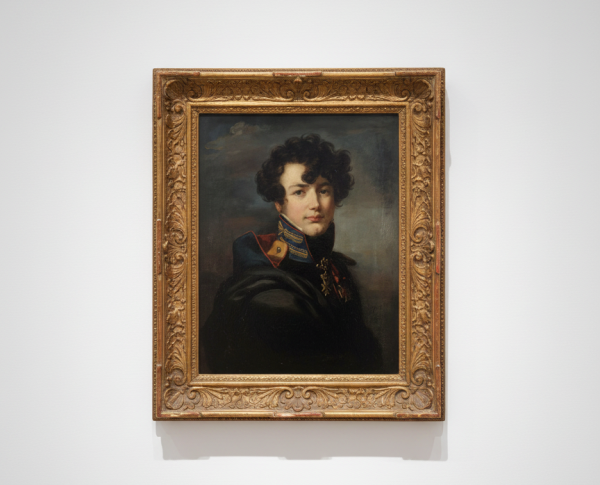
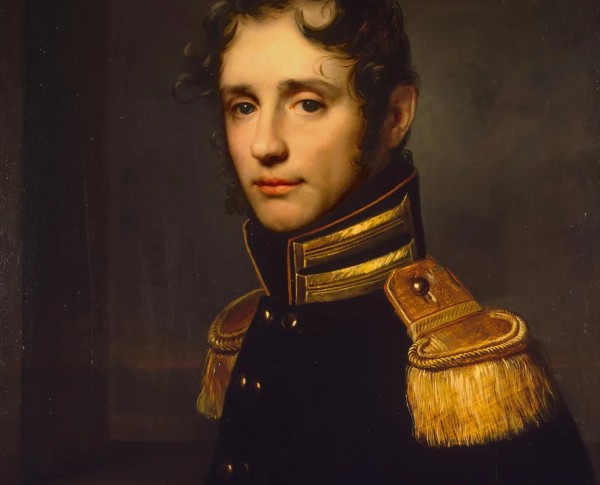
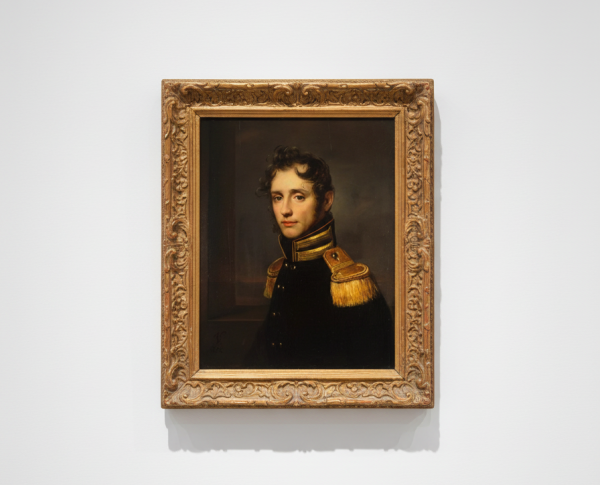
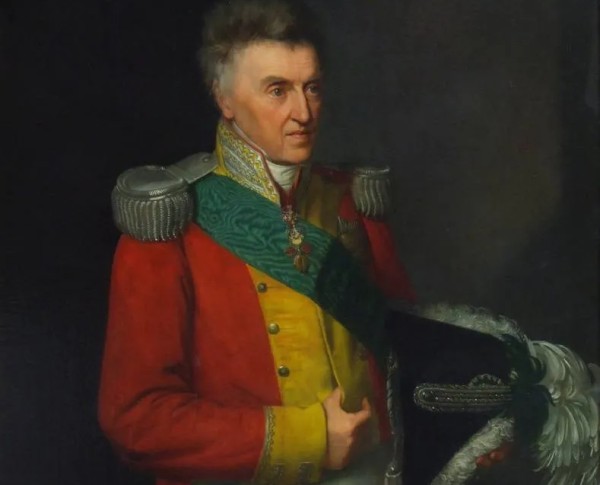
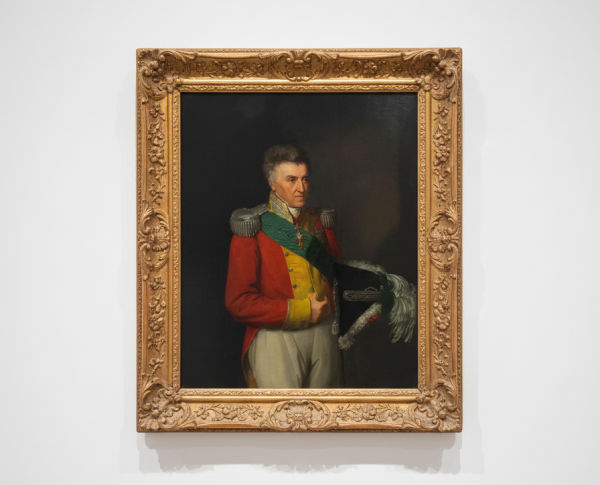
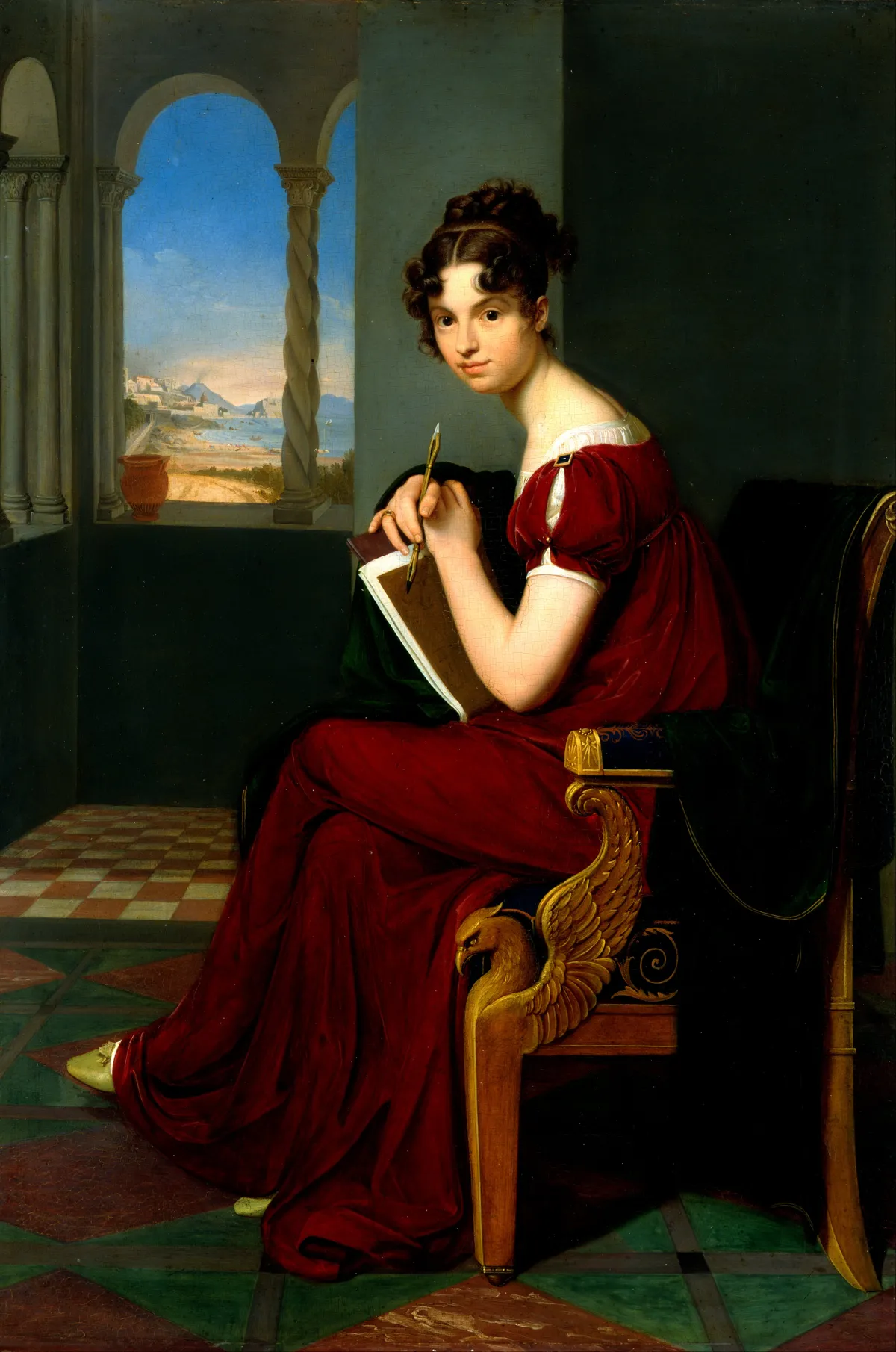
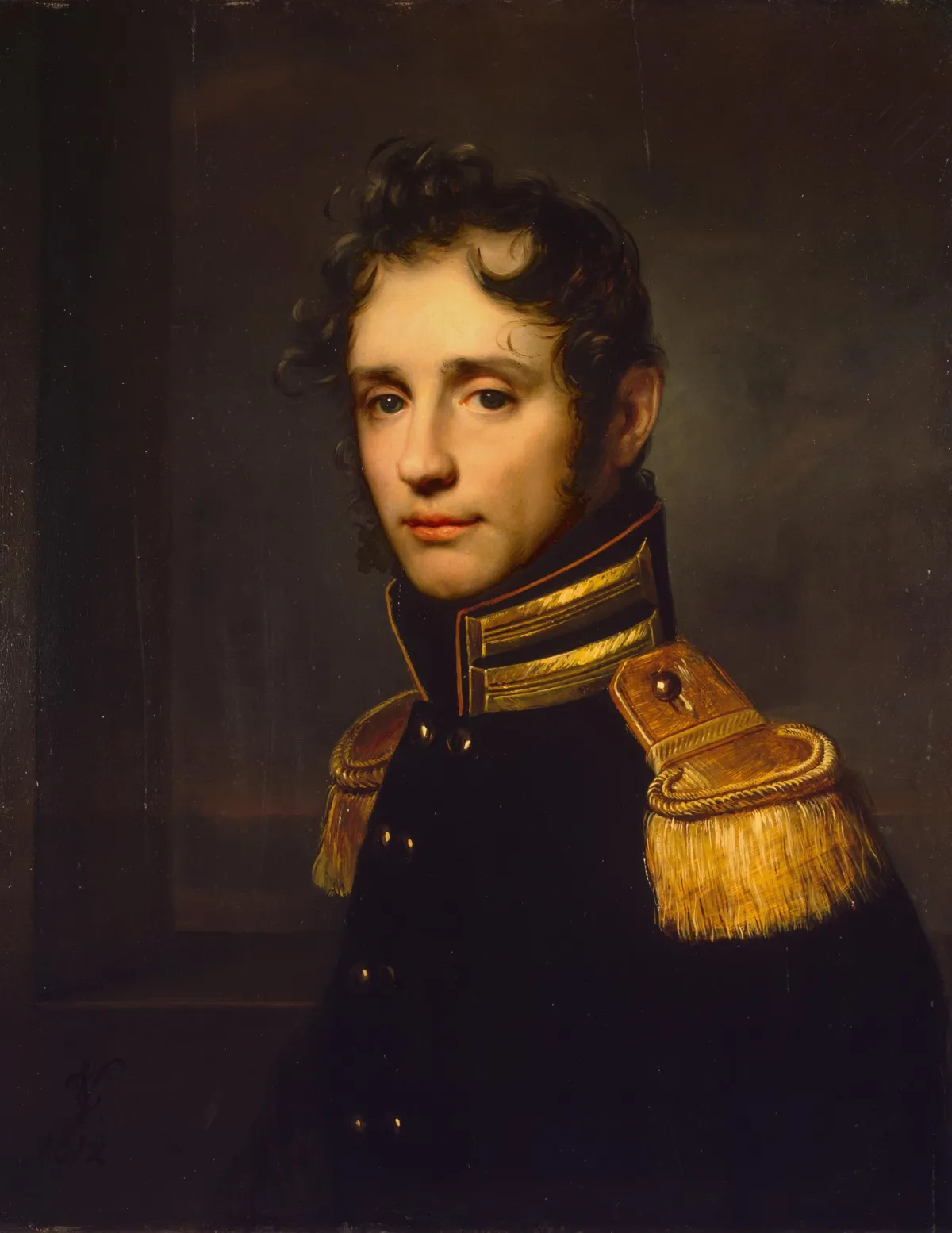
"Prince Vasili Vasiljevits Dolgoruki" stands as a remarkable hand-painted oil painting, crafted by an esteemed artist of the Neo-Classical movement. This portrait not only immortalizes Prince Vasili but also celebrates the era’s dedication to realism and elegance. The artist’s skillful technique is evident in every detail, making this work a prized example among collectors. For those seeking more Neo-Classical masterpieces, consider exploring "Young Lady with Drawing Utensils - Countess Thekla Ludolf, neé Weyssenhoff".
The artist’s mastery shines through the precise use of oil on canvas, capturing the dignified presence of Prince Vasili Vasiljevits Dolgoruki. Each brushstroke reveals the painter’s deep understanding of light, texture, and form, hallmarks of the Neo-Classical tradition. This artwork demonstrates how technique and tradition merge to create timeless beauty. Complementary pieces, such as "Young Lady with Drawing Utensils - Countess Thekla Ludolf, neé Weyssenhoff," further illustrate the movement’s refined artistry.
Every fine art painting for sale has a tale to tell, and "Prince Vasili Vasiljevits Dolgoruki" is no exception. The subject’s attire and posture reflect his noble status, while subtle background elements hint at his personal history and the values of the Neo-Classical era. Collectors and enthusiasts often pair this portrait with works like "Young Lady with Drawing Utensils - Countess Thekla Ludolf, neé Weyssenhoff" to create a narrative-rich art collection.
This hand-painted oil painting offers more than visual appeal; it serves as a testament to the artist’s legacy and the enduring allure of Neo-Classical portraiture. As a fine art painting for sale, it appeals to discerning collectors seeking authenticity and historical resonance. Pairing it with related works such as "Young Lady with Drawing Utensils - Countess Thekla Ludolf, neé Weyssenhoff" enhances any curated collection, enriching spaces with timeless elegance and cultural significance.
"Prince Vasili Vasiljevits Dolgoruki" stands as a remarkable hand-painted oil painting that captures the essence of the Neo-Classical movement. Created by the renowned artist, this work immerses viewers in the grandeur of Russian nobility, echoing the historical depth seen in related paintings like "Surrender of General Burgoyne" and "Kingdom of Naples." The deliberate portrayal of Prince Vasili reflects the era’s fascination with history, making this masterpiece a vital link between art and the stories of the past.
Techniques That Speak
The artist’s mastery of oil on canvas is evident in every detail of "Prince Vasili Vasiljevits Dolgoruki." Rich textures and precise brushwork, hallmarks of the Neo-Classical style, bring the prince's dignified presence to life. These techniques mirror those found in related works such as "The Bridge at La Cava" and "Romantic Landscape," where color and composition are used to evoke a sense of timeless elegance and sophistication, underscoring the technical finesse behind this celebrated painting.
Emotions on Display
In "Prince Vasili Vasiljevits Dolgoruki," the artist’s ability to convey emotion through portraiture is unmistakable. The prince’s poised expression and noble bearing invite viewers to ponder his inner world, much like the evocative scenes in "Clyties of the Mist" and "Calypso's Isle." This fine art painting for sale captures the complexities of character and status, inviting emotional engagement and admiration from all who appreciate the subtle language of Neo-Classical art.
Coveted by Collectors
Collectors worldwide seek out "Prince Vasili Vasiljevits Dolgoruki" for its exquisite artistry and historical significance. As a hand-painted oil painting, it represents a pinnacle of Neo-Classical achievement, much like its peers "Surrender of General Burgoyne" and "Kingdom of Naples." Its provenance and enduring appeal make it a prized addition to any collection, ensuring that the legacy of both the artist and the subject remains vibrant in the world of fine art.
Related Neo-Classical Hand-Painted Oil Paintings by Other Artists
Other Famous Neo-Classical Artists:
Frequently Asked Questions About Prince Vasili Vasiljevits Dolgoruki
Who is Prince Vasili Vasiljevits Dolgoruki?
Prince Vasili Vasiljevits Dolgoruki was a prominent Russian nobleman and statesman during the 17th century, known for his significant contributions to the political landscape of Russia.
What is the historical context of the painting?
The painting reflects the socio-political environment of Russia during the time of Peter the Great, showcasing the complexities of noble life and the shifting power dynamics in the Russian Empire.
Who is the artist behind this painting?
The artist of "Prince Vasili Vasiljevits Dolgoruki" is not specified in the available records, which is not uncommon for works from this period, as many artists remained anonymous or were overshadowed by their subjects.
What artistic techniques are employed in this painting?
The painting utilizes a combination of chiaroscuro to create depth and realism, along with meticulous attention to detail in the clothing and facial expressions, highlighting the status and character of the subject.
What symbolism is present in the painting?
The painting may incorporate symbols of power and nobility, such as the prince's attire and the objects surrounding him, which serve to emphasize his status and the weight of his responsibilities.
How does the painting reflect the cultural values of its time?
This artwork encapsulates the values of loyalty, honor, and duty that were paramount in Russian aristocracy during the 17th century, illustrating the ideals that governed noble life.
What influence did Prince Dolgoruki have on Russian history?
Prince Dolgoruki played a crucial role in the early modernization efforts of Russia, supporting reforms that would eventually lead to significant changes in governance and society.
In what ways does this painting contribute to our understanding of Russian art history?
The painting is a vital piece in understanding the transition of Russian art from traditional Byzantine influences to a more Westernized approach, reflecting broader cultural shifts in the nation.
What materials were likely used in the creation of this painting?
While the specific materials used in this painting are not documented, it is likely that oil on canvas was employed, as this was a common medium for portraits during the period.
How does this painting compare to other portraits of nobility from the same era?
This painting stands out for its detailed representation of the subject's character and the use of color, which may differ from other contemporary portraits that often emphasized idealization over realism.






















_GFM_Painting_(1).webp)


 100% Hand-Painted: Finished in 3-6 Weeks

.png)















_(1).webp)