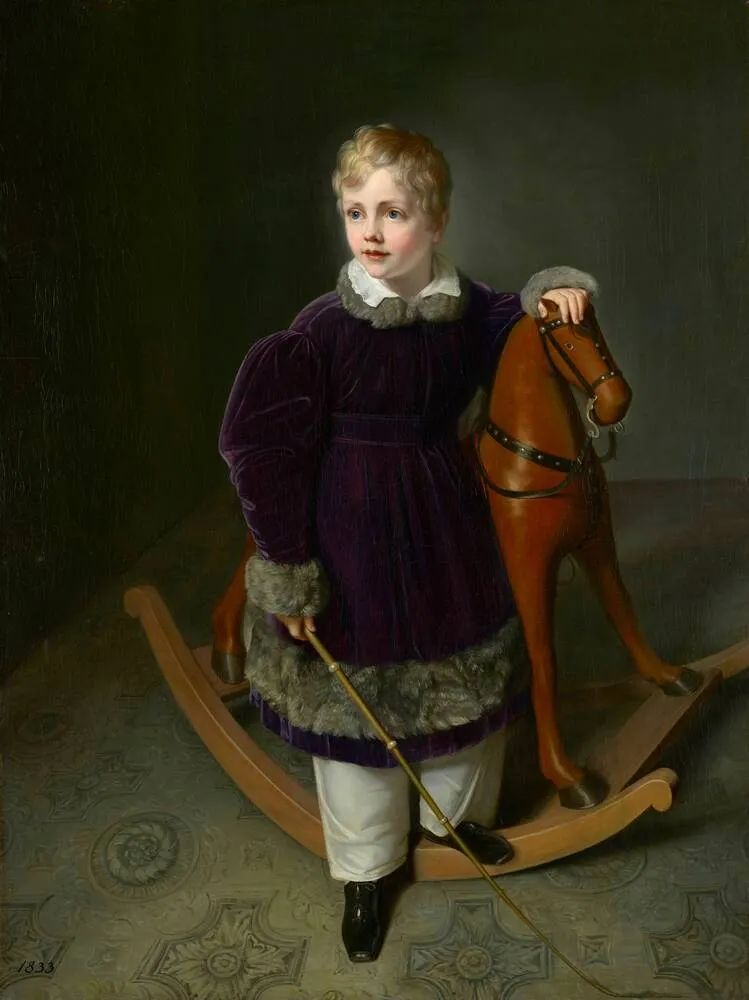
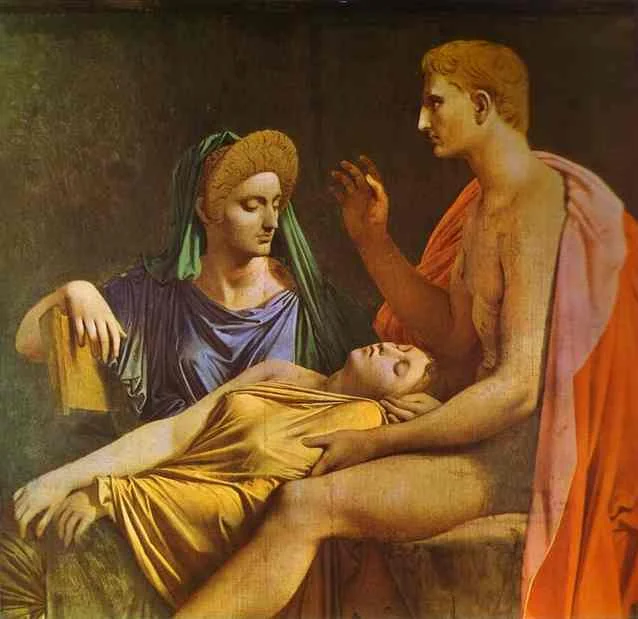
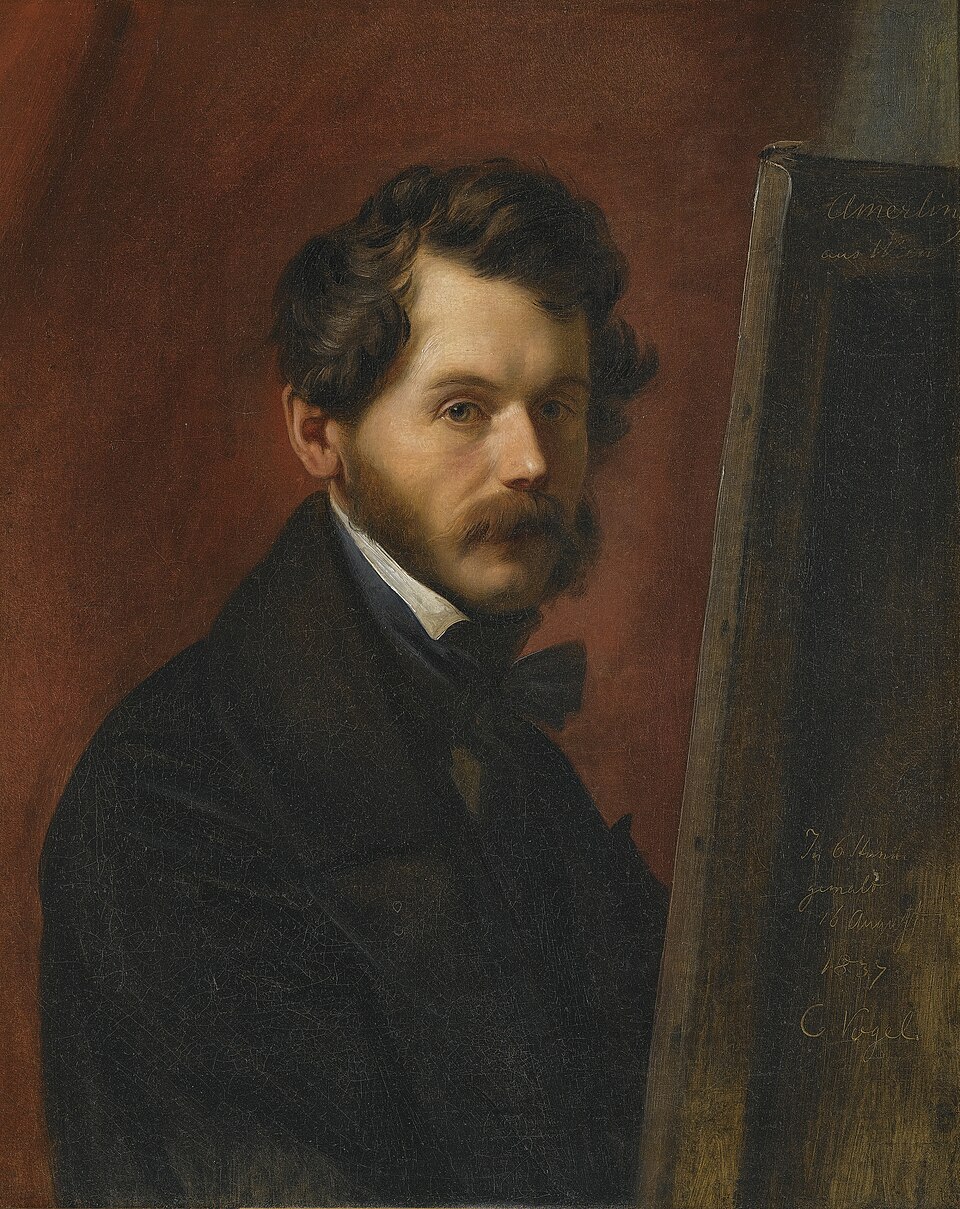
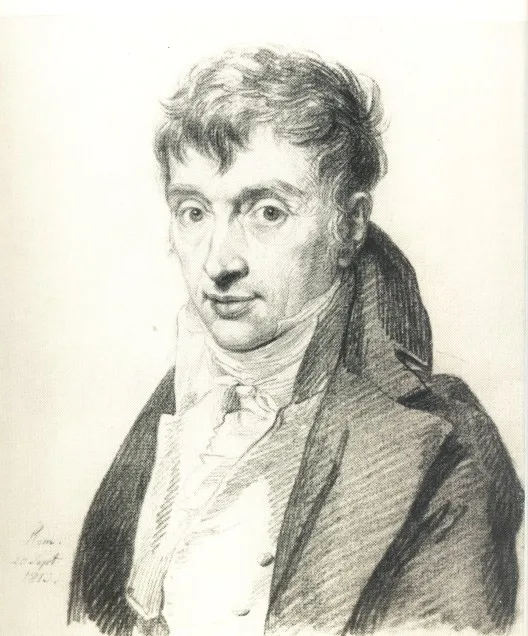
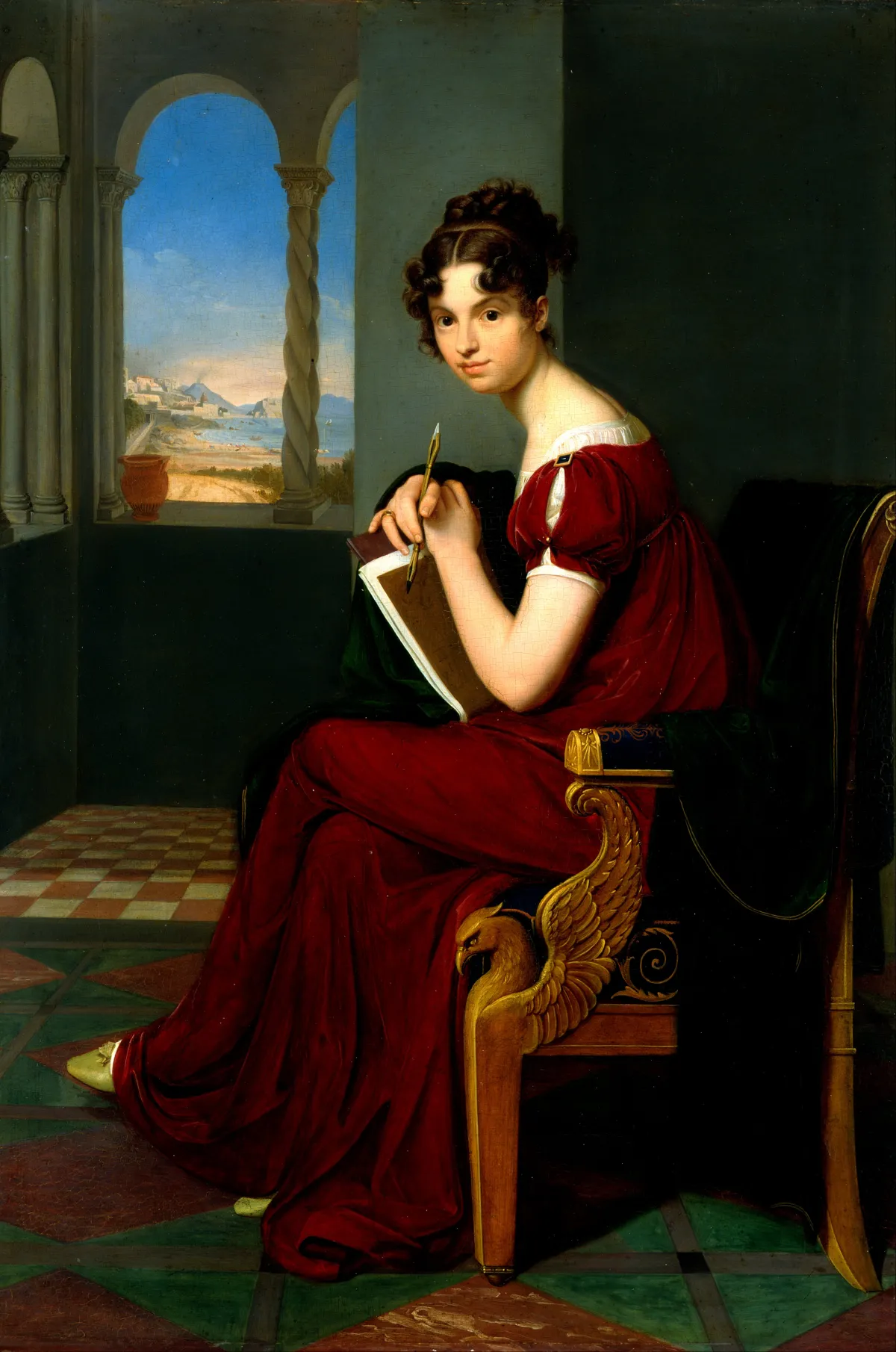
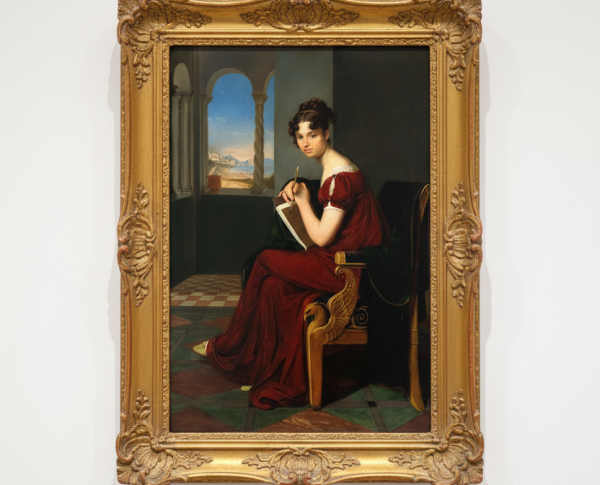
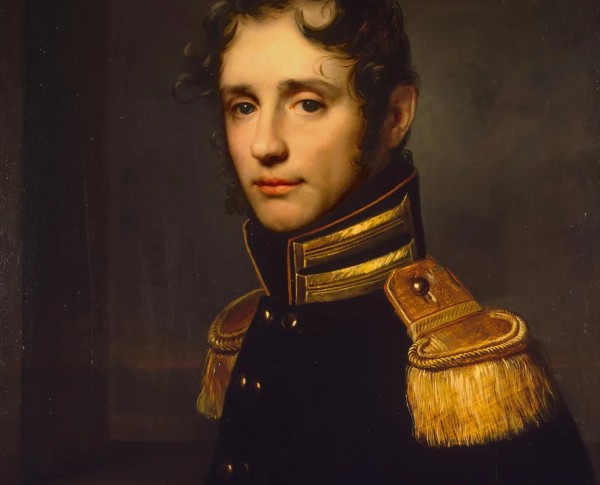
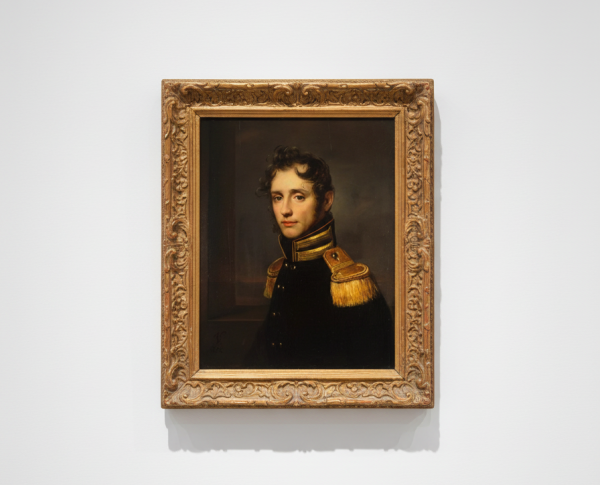
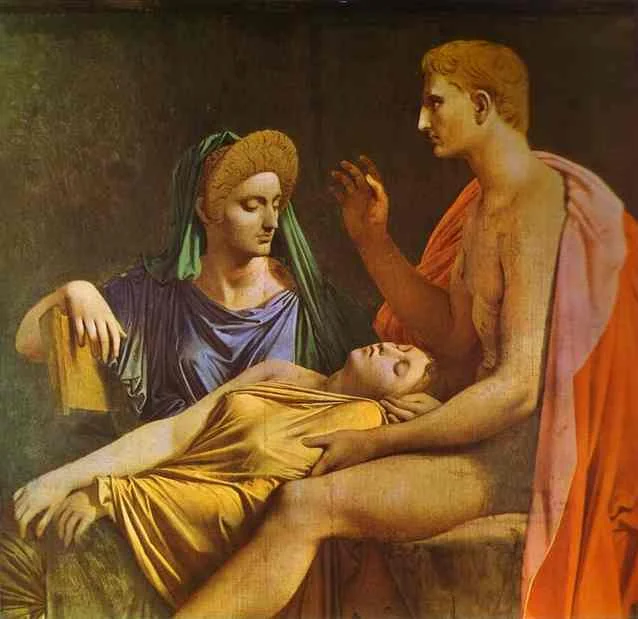
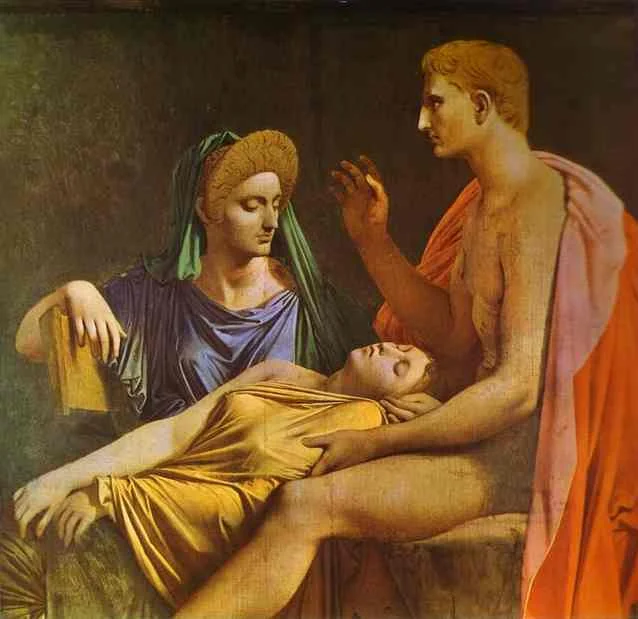
With "Aeneïs," Vogel von Vogelstein demonstrates unrivaled skill in oil on canvas, achieving remarkable clarity and depth. The Neo-Classical movement’s emphasis on proportion and harmony is evident throughout the composition. Each detail is rendered with meticulous care, making this oil on canvas piece a true showcase of technical prowess. Art aficionados exploring similar masterpieces might also appreciate "Bertel Thorvaldsen By Thorvaldsens Museum"for their exceptional craftsmanship.
The narrative of "Aeneïs" is enriched by symbolic elements that invite thoughtful interpretation. Vogel von Vogelstein weaves mythological and historical references into this fine art painting for sale, embodying the ideals of the Neo-Classical movement. The work’s allegorical depth encourages viewers to explore themes of heroism and virtue. For those inspired by such storytelling, related products offer further insight into the era’s profound artistic narratives.
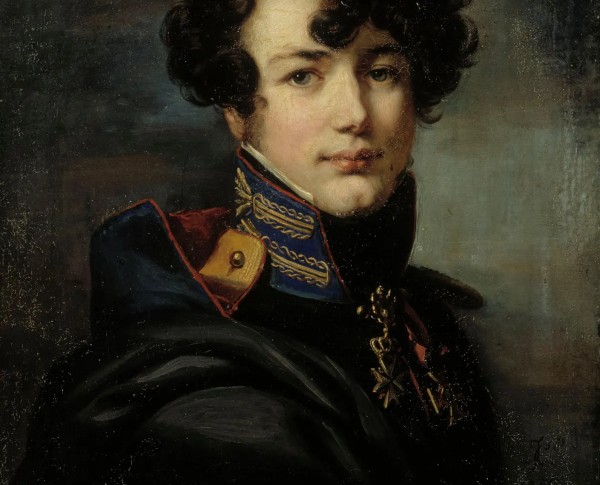
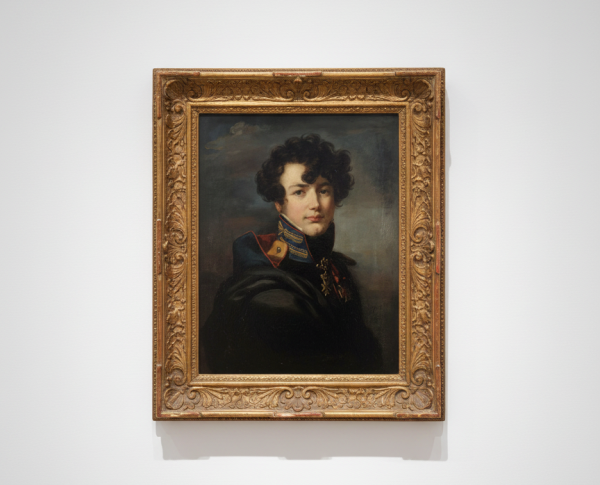
Owning "Aeneïs" by Carl Christian Vogel von Vogelstein means acquiring more than just an oil on canvas; it is an investment in cultural heritage. This hand-painted oil painting enhances any collection, exemplifying the sophistication of the Neo-Classical movement. Discerning collectors searching for a fine art painting for sale will find its historical resonance and visual appeal unmatched. Complementary works, such as "Prince Vasili Vasiljevits Dolgoruki," can elevate any curated art selection.
When Art Meets History
Carl Christian Vogel von Vogelstein’s "Aeneïs" stands as a testament to the Neo-Classical movement, a time when artists revived the grandeur of antiquity. This hand-painted oil painting captures the legendary journey of Aeneas, echoing the era’s fascination with epic tales and heroic figures. Much like "Declaration of Independence" and "The Marquis de Lafayette," Vogel von Vogelstein’s masterpiece bridges art and history, offering viewers a glimpse into the cultural ideals that shaped an entire generation.
Techniques That Speak
Executed masterfully in oil on canvas, "Aeneïs" showcases Vogel von Vogelstein’s meticulous approach to composition and detail. The artist’s command of light and shadow, coupled with his precise brushwork, embodies the technical sophistication of the Neo-Classical movement. Similar to works like "Calypso's Isle" and "Surrender of Lord Cornwallis," this painting demonstrates how oil on canvas can elevate narrative scenes, bringing mythological and historical subjects to vivid, lifelike clarity.
Emotions on Display
In "Aeneïs," Carl Christian Vogel von Vogelstein infuses each figure with palpable emotion, a hallmark of fine art painting for sale from the Neo-Classical period. The expressions and gestures of Aeneas and his companions reveal their struggles and hopes, inviting viewers to empathize with their journey. Like the evocative scenes in "The Kelpie," this painting goes beyond mere representation, transforming myth into a moving human story that resonates across centuries.
Coveted by Collectors
"Aeneïs" remains highly sought after by collectors who appreciate the enduring appeal of Neo-Classical masterpieces. As a hand-painted oil painting, it exemplifies the quality and significance prized in today’s fine art market. Collectors also pursue related paintings such as "Surrender of Lord Cornwallis" and "Calypso's Isle," recognizing the timeless value and artistry these works represent. Vogel von Vogelstein’s legacy endures, making each acquisition a treasured piece of art history.
Related Neo-Classical Hand-Painted Oil Paintings by Other Artists
Other Famous Neo-Classical Artists:
Frequently Asked Questions About Aeneïs
What is the historical context of "Aeneïs"?
"Aeneïs" was painted by Carl Christian Vogel von Vogelstein in the early 19th century, a time when Romanticism was influencing the arts in Europe. The painting reflects the period's fascination with classical themes and literature, particularly the works of Virgil.
What literary work does "Aeneïs" reference?
The painting is inspired by Virgil's epic poem, the "Aeneid," which tells the story of Aeneas, a Trojan hero who journeys to find a new homeland. This connection underscores the themes of duty, destiny, and the founding of Rome.
Who are the main figures depicted in "Aeneïs"?
The painting features Aeneas, his father Anchises, and his son Ascanius. These characters symbolize the continuity of lineage and the importance of family in the face of adversity.
What artistic techniques are used in "Aeneïs"?
Vogelstein employs a neoclassical style characterized by clear lines, balanced composition, and a focus on idealized forms. The use of light and shadow enhances the three-dimensionality of the figures, creating a dramatic effect.
What is the significance of the setting in "Aeneïs"?
The setting of the painting, which features a dramatic landscape, serves as a backdrop that emphasizes the emotional weight of the scene. It reflects the tumultuous journey of Aeneas and symbolizes the challenges faced in pursuit of a noble goal.
How does "Aeneïs" reflect the values of the Romantic era?
The painting embodies the Romantic era's emphasis on individual emotion, heroism, and the sublime aspects of nature. Aeneas's struggle is portrayed with deep emotional resonance, highlighting the personal sacrifices made for greater ideals.
What symbols are present in "Aeneïs"?
Key symbols include the laurel wreath, representing victory and honor, and the flames in the background, which signify both destruction and the transformative power of trials. These elements enrich the narrative of Aeneas's journey.
How does the composition of "Aeneïs" contribute to its narrative?
The composition is carefully arranged to guide the viewer's eye through the figures, emphasizing their relationships and the emotional gravity of the moment. The triangular arrangement of the figures creates a sense of stability amidst the chaos of their surroundings.
What influence did Carl Christian Vogel von Vogelstein have on later artists?
Vogelstein's work, particularly "Aeneïs," influenced later Romantic and neoclassical artists by demonstrating how classical themes could be reinterpreted through a personal and emotional lens, paving the way for future explorations of narrative in art.
In what ways does "Aeneïs" reflect the artist's personal style?
Vogelstein's meticulous attention to detail, combined with his ability to convey deep emotional narratives, is evident in "Aeneïs." His style blends neoclassical precision with romantic expressiveness, showcasing his unique artistic vision.






















_GFM_Painting_(1).webp)


 100% Hand-Painted: Finished in 3-6 Weeks

.png)















_(1).webp)