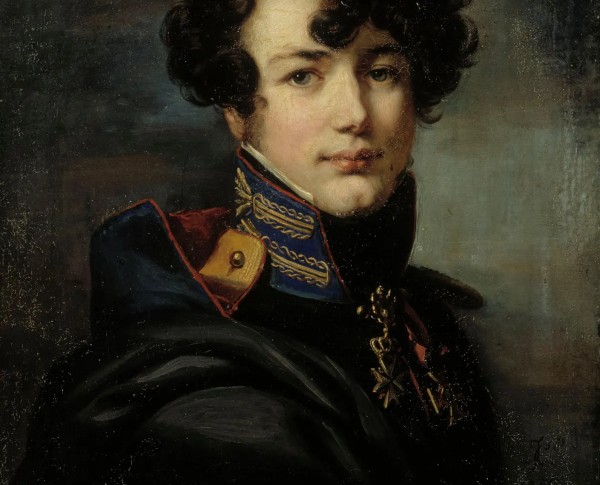
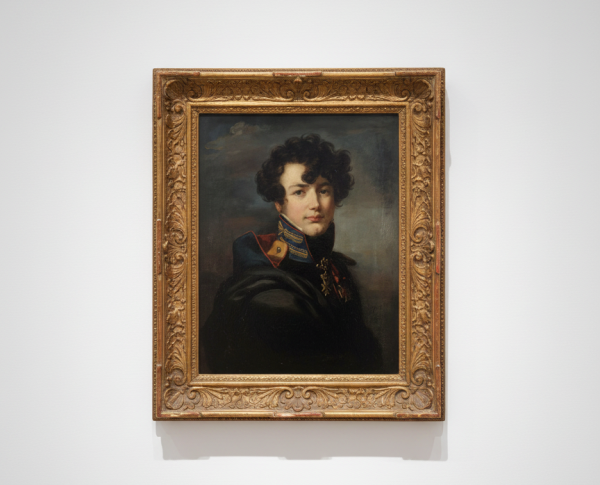
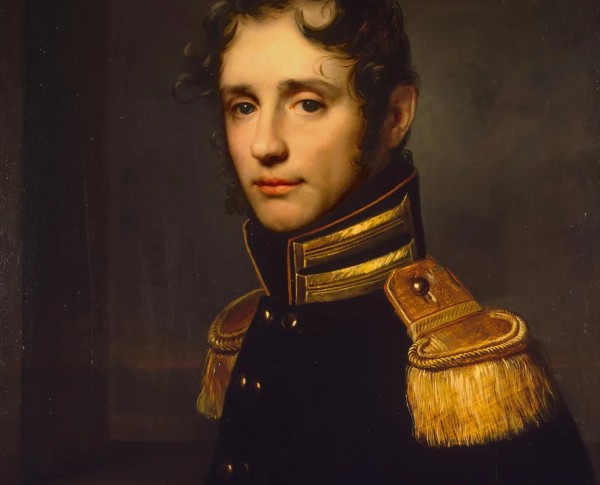
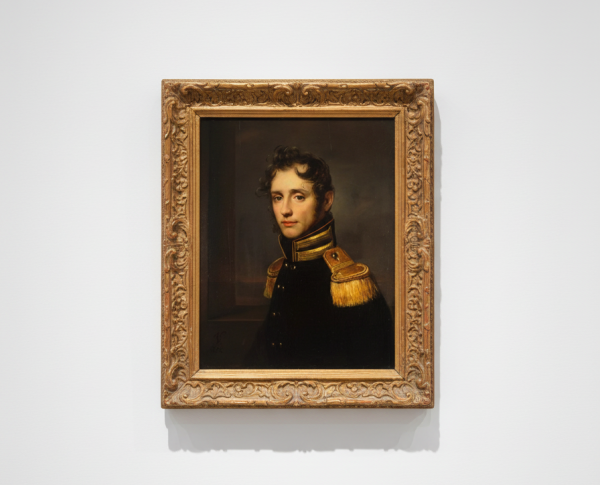
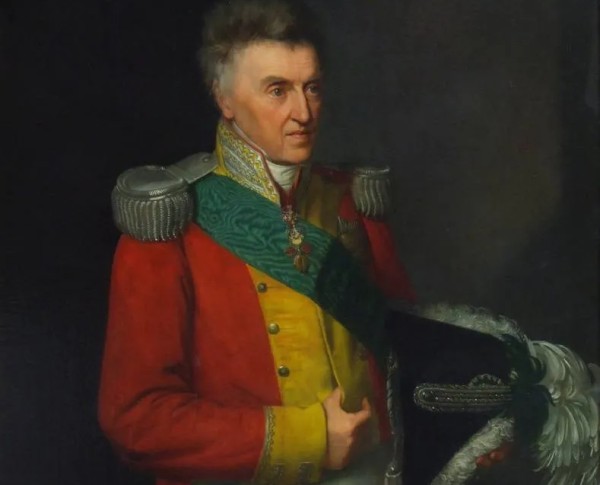
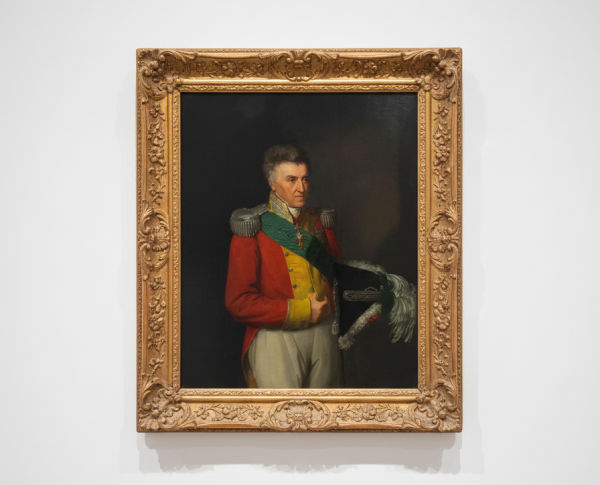
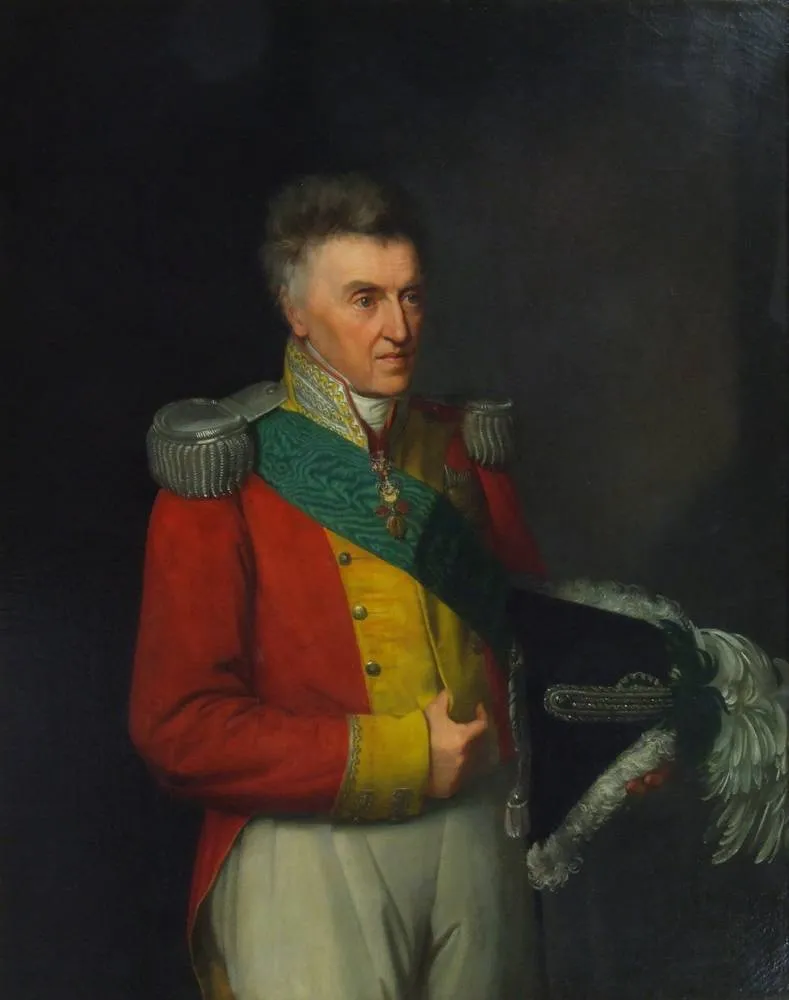
"Anton, König von Sachsen" stands as a remarkable hand-painted oil painting, showcasing the artistry of its anonymous creator within the esteemed Neo-Classical movement. This portrait captures the regal poise and solemn dignity of King Anton of Saxony, immortalizing his legacy on canvas. The painting’s style aligns with other notable works such as "Prince Vasili Vasiljevits Dolgoruki" and "Portrait of Burchard Ch. Richter," each contributing to the grandeur of Neo-Classical portraiture.
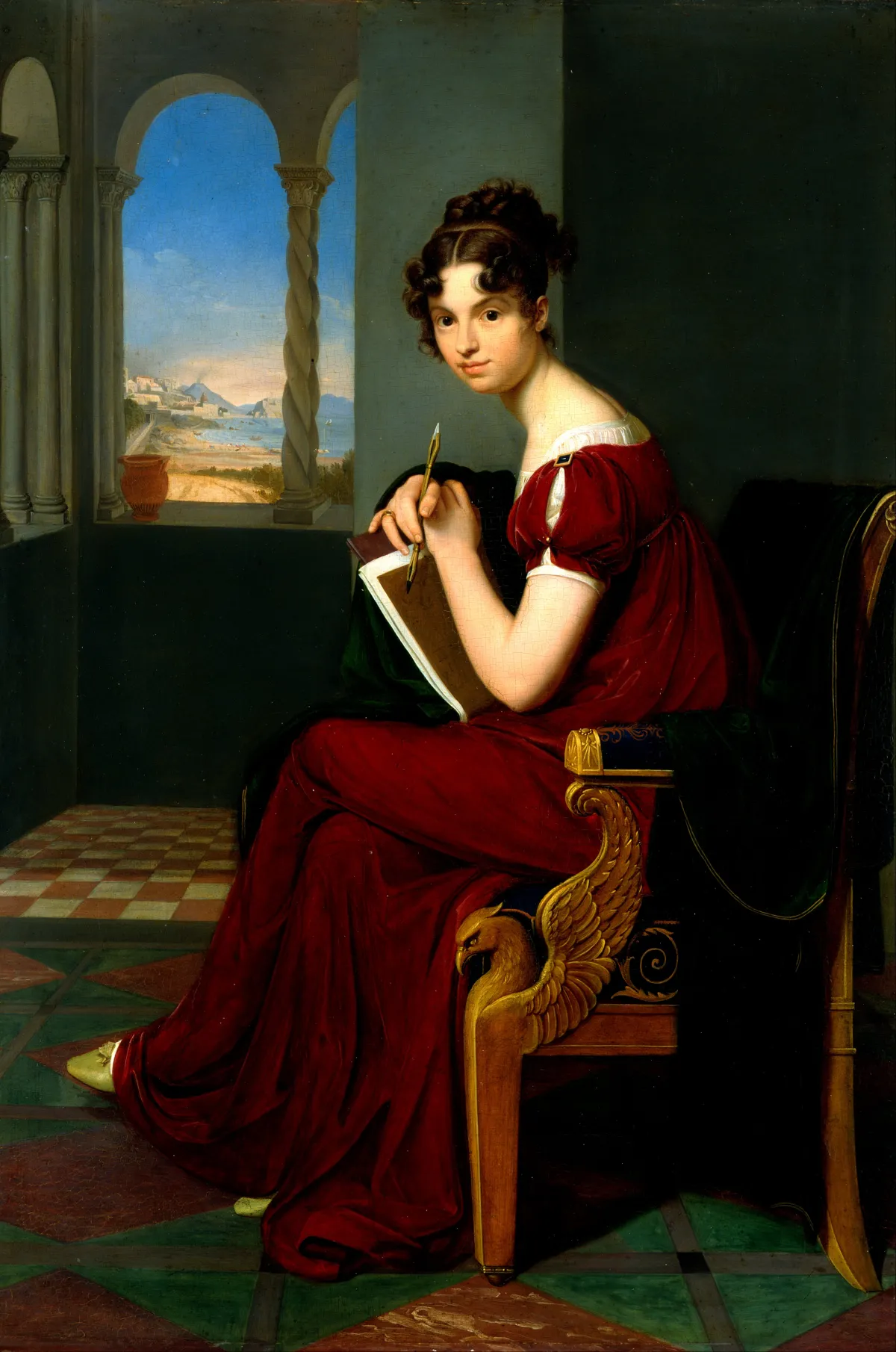
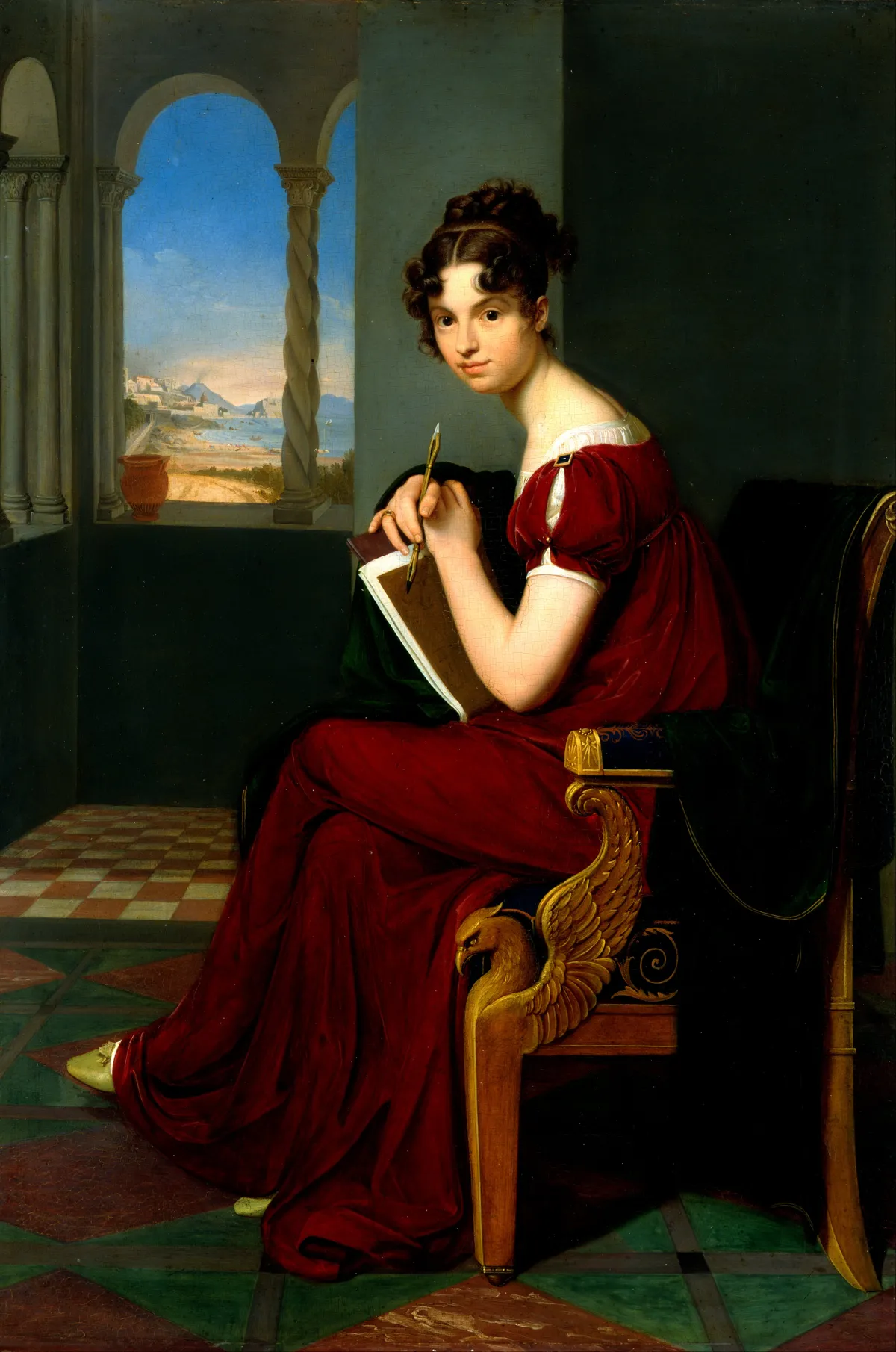
Rendered in exquisite oil on canvas, "Anton, König von Sachsen" demonstrates the technical mastery characteristic of Neo-Classical painters. The artist’s attention to detail, from the textures of royal garments to the lifelike expression, exemplifies the refined techniques of the era. Similar to "Young Lady with Drawing Utensils - Countess Thekla Ludolf, neé Weyssenhoff," this painting reveals the dedication to realism and precision that defines the movement’s celebrated masterpieces.
Every element within this fine art painting for sale is rich with meaning, from the king’s attire to the subtle background motifs. "Anton, König von Sachsen" not only commemorates a historical figure but also embodies the ideals of leadership and honor central to Neo-Classical art. The artist’s use of symbolism connects this work to related paintings each telling unique stories through their masterful compositions.
For collectors seeking a distinguished hand-painted oil painting, "Anton, König von Sachsen" is a prized addition. Its Neo-Classical roots and masterful execution make it highly sought after, much like "Portrait of Burchard Ch. Richter". Whether displayed alongside other historic portraits or as a centerpiece, this work exemplifies the enduring value and elegance found in the finest fine art painting for sale today.
"Anton, König von Sachsen" stands as a remarkable example of the Neo-Classical movement, capturing the essence of its era. This hand-painted oil painting is attributed to an unknown artist, yet it radiates the historical significance and regal presence of its subject. Similar to masterpieces like "Portrait of Thomas Jefferson" and "John Johnston, Still-Life 1810," this work bridges the gap between art and history, allowing viewers to experience a bygone royal era through exquisite artistry.
Techniques That Speak
The artist’s use of oil on canvas in "Anton, König von Sachsen" showcases the meticulous techniques characteristic of Neo-Classical painters. Every brushstroke is deliberate, highlighting intricate details in attire and expression. The careful layering and blending are reminiscent of other fine works from the movement, such as "Lament for Icarus" and "Clyties of the Mist." This oil on canvas piece demonstrates technical mastery, making it a standout in the tradition of grand portraiture.
Emotions on Display
In "Anton, König von Sachsen," emotion is woven into every aspect of the composition. The artist’s careful rendering of the king’s gaze and posture conveys authority, dignity, and subtle vulnerability. This fine art painting for sale invites viewers to connect with the subject’s humanity, much like the emotional resonance found in "Lament for Icarus." The Neo-Classical movement’s emphasis on clarity and form amplifies the emotional impact, making this work exceptionally moving.
Coveted by Collectors
Collectors seeking a hand-painted oil painting from the Neo-Classical period will find "Anton, König von Sachsen" to be a prized addition. Its distinguished provenance and connection to related paintings like "Portrait of Thomas Jefferson" enhance its desirability. The rarity of such oil on canvas pieces ensures continued interest among art enthusiasts, making it a fine art painting for sale that stands out in any collection devoted to historical portraiture and Neo-Classical excellence.
Related Neo-Classical Hand-Painted Oil Paintings by Other Artists
Other Famous Neo-Classical Artists:
Frequently Asked Questions About Anton, König von Sachsen
What is the historical significance of "Anton, König von Sachsen"?
This painting commemorates Anton, the King of Saxony, who played a pivotal role in the political landscape of 19th-century Germany, particularly during the unification movements.
Who was the artist behind "Anton, König von Sachsen"?
The artist of this painting is not explicitly documented, but it is believed to be created by a prominent artist of the time who specialized in royal portraits.
What artistic techniques are employed in "Anton, König von Sachsen"?
The painting showcases classical portraiture techniques, including chiaroscuro to enhance depth and realism, as well as meticulous attention to detail in the royal attire.
What does the composition of the painting convey?
The composition is designed to emphasize the stature and authority of King Anton, with a central placement and a commanding gaze that reflects his leadership qualities.
What symbols are present in "Anton, König von Sachsen"?
Various symbols, such as the crown and scepter, represent monarchy and power, while the background elements may signify the cultural heritage of Saxony.
How does "Anton, König von Sachsen" reflect the artistic trends of its time?
The painting reflects the Romanticism movement, emphasizing emotion and individualism, which was prevalent in the portrayal of historical figures during the 19th century.
What materials were likely used in the creation of this painting?
It is likely that the artist used oil paints on canvas, a common medium for portraiture during the period, allowing for rich colors and intricate details.
In what ways does the painting contribute to our understanding of Saxon history?
This portrait serves as a visual documentation of King Anton's reign, providing insights into the political and cultural context of Saxony during a transformative era.
What emotions does "Anton, König von Sachsen" evoke?
The painting evokes a sense of respect and admiration for the king, while also instilling a feeling of nostalgia for the historical period it represents.
How has "Anton, König von Sachsen" influenced modern perceptions of monarchy?
This artwork has contributed to the romanticized view of monarchy in contemporary culture, highlighting the enduring legacy of historical figures like King Anton.






















_GFM_Painting_(1).webp)


 100% Hand-Painted: Finished in 3-6 Weeks

.png)















_(1).webp)