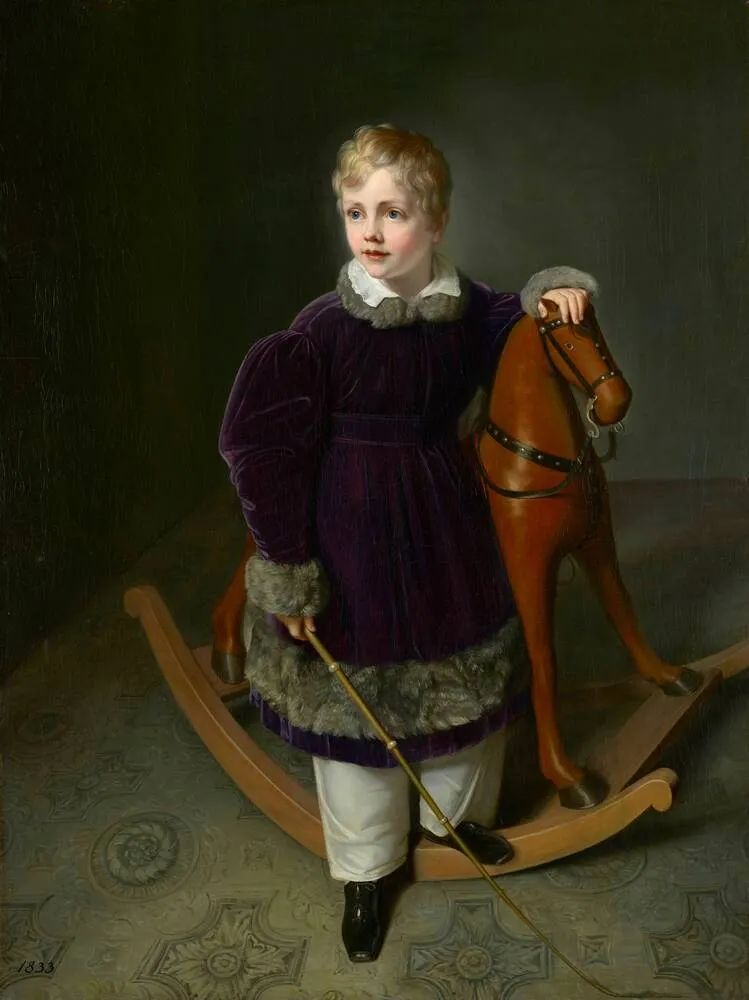
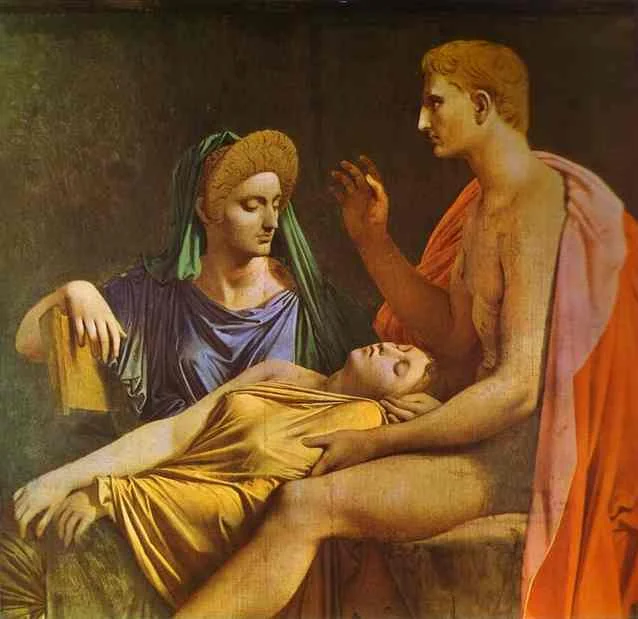
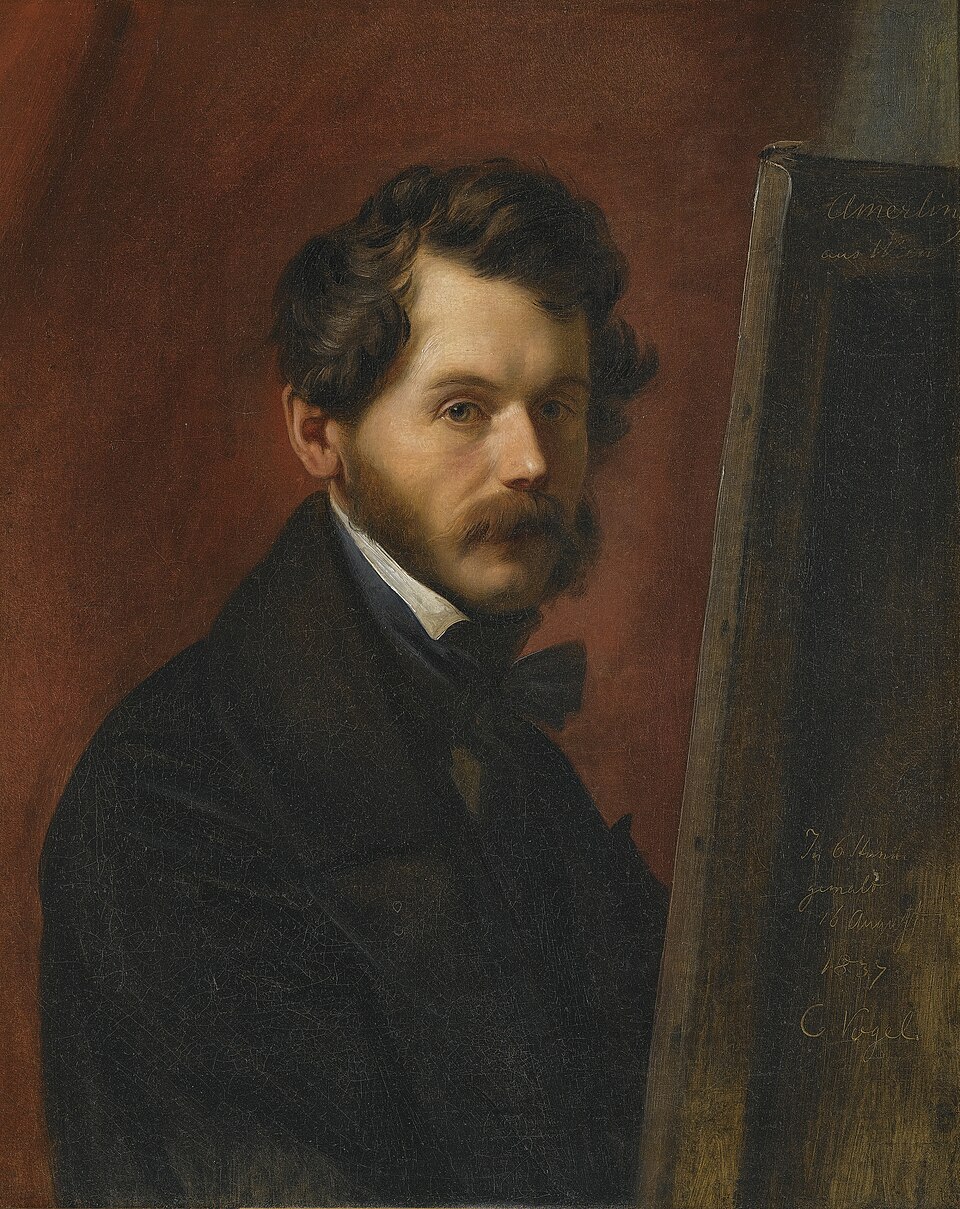
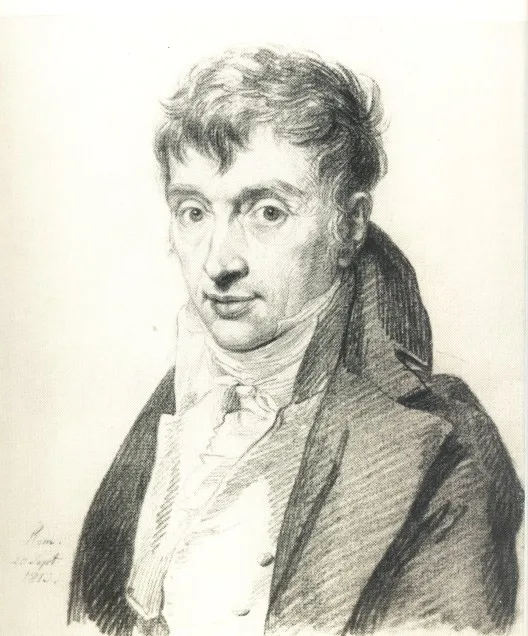
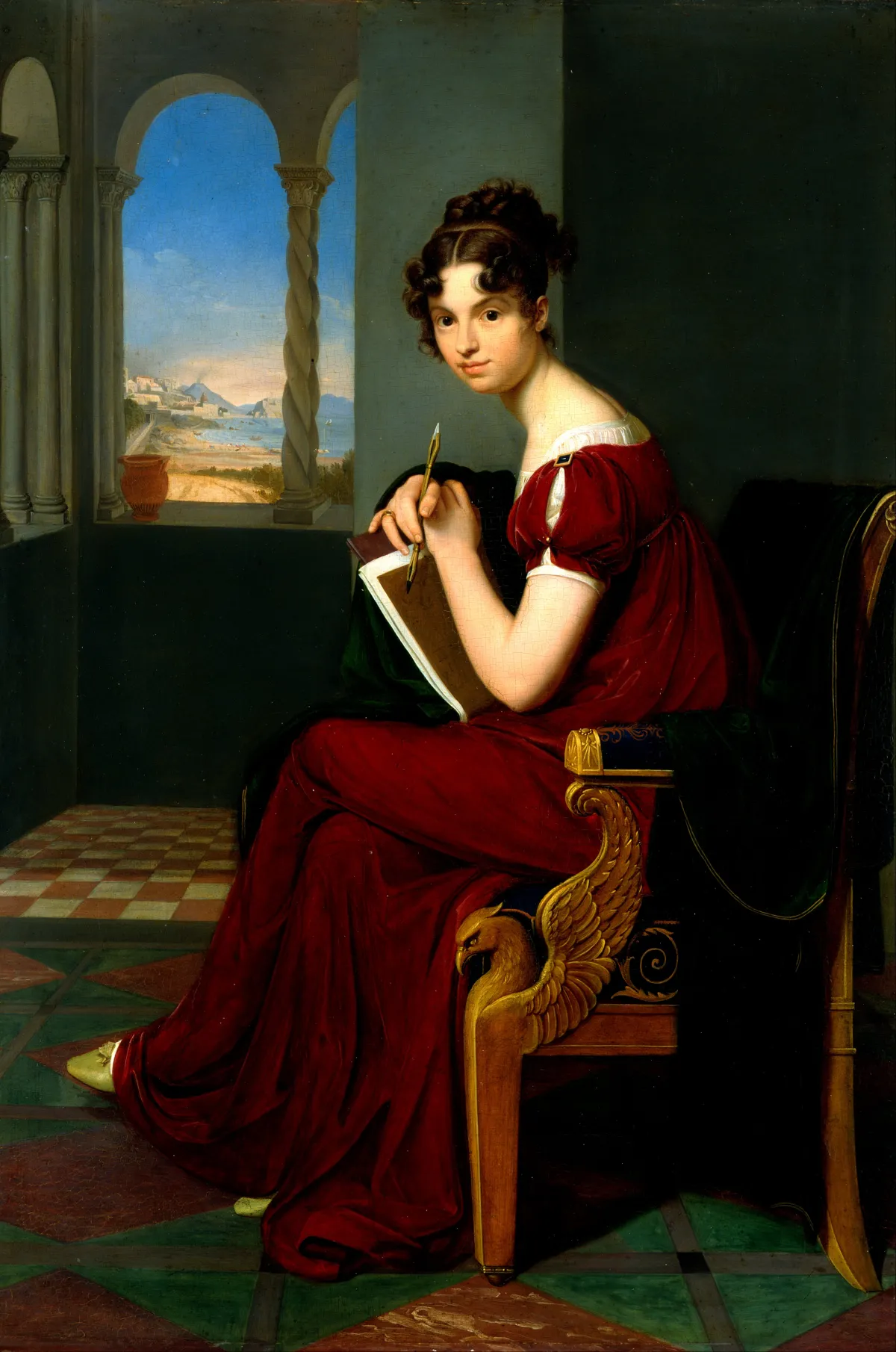
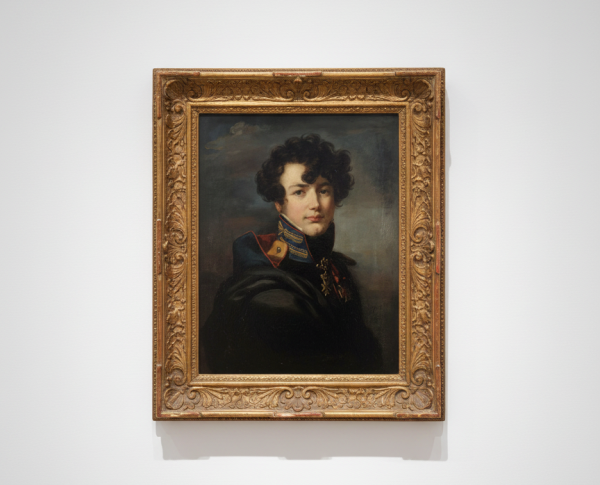
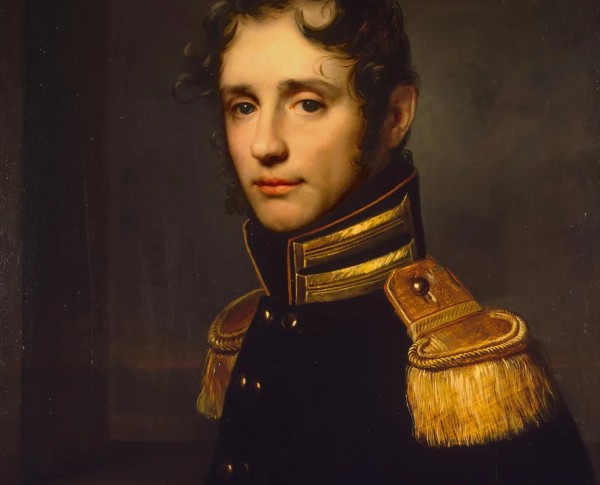
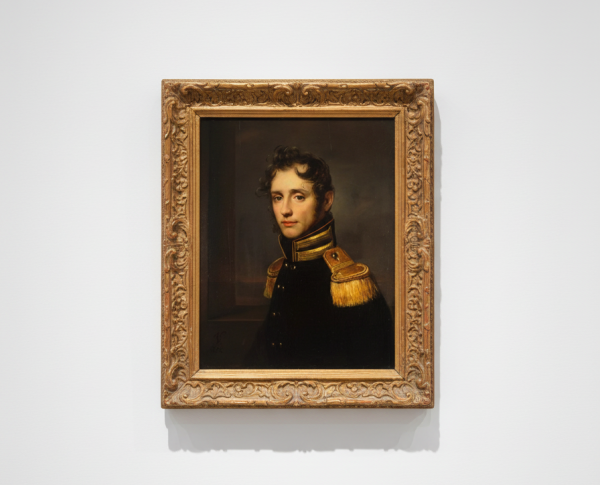
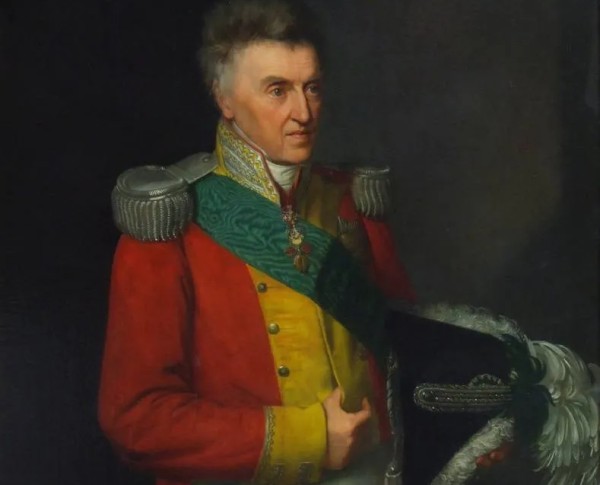
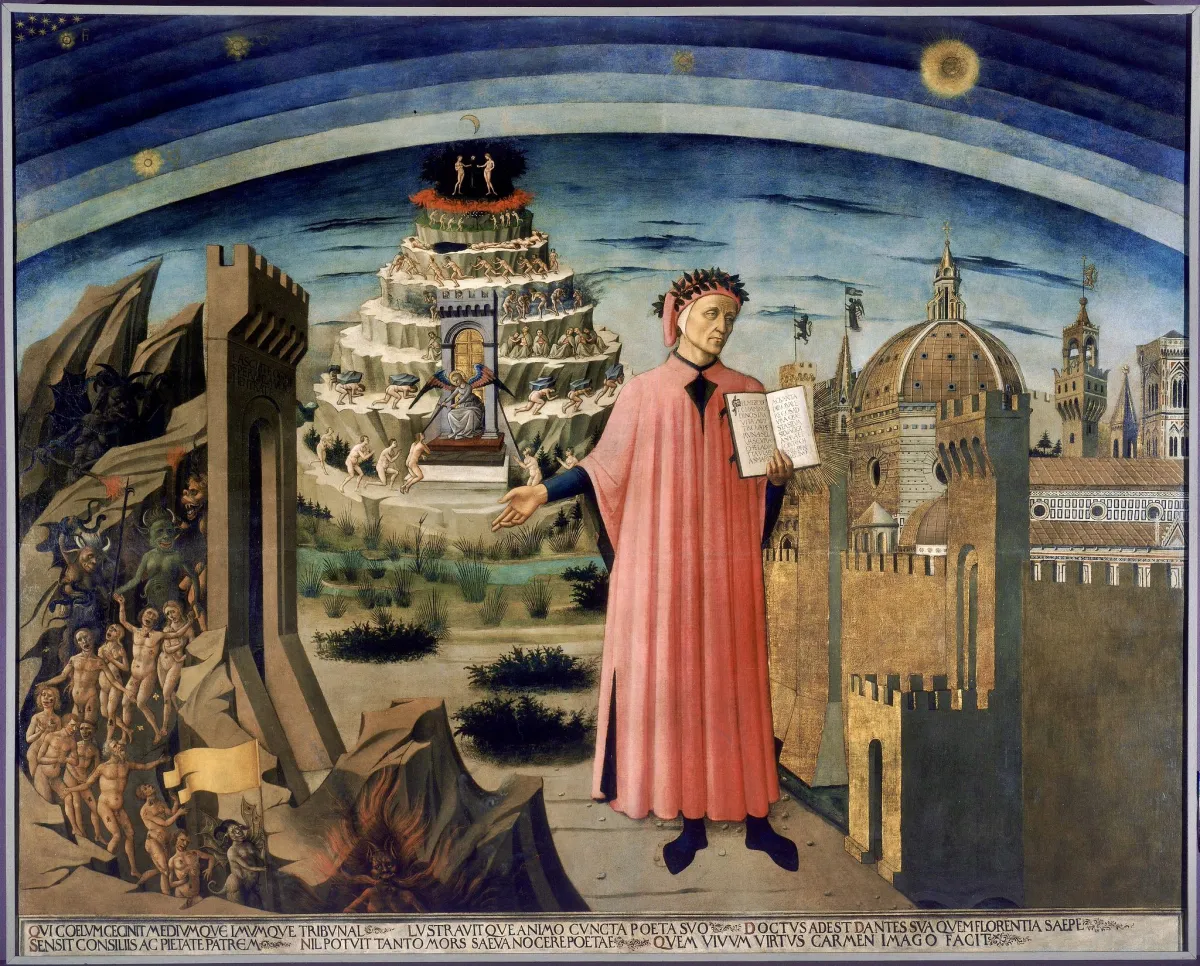
Vogel von Vogelstein’s "Divina Comedia" showcases his remarkable command of oil on canvas, utilizing meticulous brushwork and a harmonious palette characteristic of Neo-Classical aesthetics. The intricate detail in every figure and background element exemplifies the artist’s technical prowess. For those seeking an authentic masterpiece, this fine art painting for sale offers an opportunity to own a piece of artistic brilliance, much like his celebrated portrait "Portrait of Burchard Ch. Richter" and similar works.
Every aspect of "Divina Comedia" is imbued with rich symbolism, reflecting the profound narrative of Dante’s journey through the afterlife. Vogel von Vogelstein’s hand-painted oil painting interprets allegorical figures and mythological motifs, inviting viewers to delve deeper into the Neo-Classical fascination with moral and philosophical themes. Collectors often pair this masterpiece with related products to enhance their appreciation of symbolic storytelling in art.
For discerning collectors, "Divina Comedia" by Carl Christian Vogel von Vogelstein is an unrivaled fine art painting for sale, embodying the elegance and intellectual rigor of the Neo-Classical movement. Its significance is amplified when displayed alongside other masterpieces, offering a cohesive glimpse into the era’s artistic achievements. Owning this oil on canvas not only elevates a collection but also preserves the legacy of a master artist for generations to come.
When Art Meets History
"Divina Comedia" by Carl Christian Vogel von Vogelstein stands as a remarkable example of the Neo-Classical movement, a period known for its revival of classical themes and techniques. This hand-painted oil painting captures the grandeur and intellectual spirit of its era, echoing the historical gravitas found in related works like "Declaration of Independence" and "Portrait of Thomas Jefferson." Vogel von Vogelstein’s attention to historical detail makes this artwork a timeless bridge between art and history.
Techniques That Speak
Carl Christian Vogel von Vogelstein’s mastery shines through in "Divina Comedia," utilizing refined oil on canvas methods characteristic of Neo-Classical artistry. Each brushstroke is meticulously applied, creating a harmonious composition that rivals his other pieces such as "Portrait of Dr. Meer" and "Caroline Louisa Pratt Bartlett." The painting’s technical brilliance is evident, showcasing the artist’s ability to combine classical technique with innovative vision, making it a standout in the world of oil on canvas masterpieces.
Emotions on Display
"Divina Comedia" is more than just a visual feast; it is a fine art painting for sale that resonates with deep emotion and narrative power. Vogel von Vogelstein imbues his subjects with expressive gestures and nuanced facial expressions, much like those seen in "The Lament for Icarus." The emotional intensity of the scene invites viewers to connect with the story, making this painting a compelling addition to any collection of Neo-Classical art.
Coveted by Collectors
Collectors around the globe seek out "Divina Comedia" by Carl Christian Vogel von Vogelstein for its historical significance and exquisite craftsmanship. This hand-painted oil painting, aligned with other celebrated works like "Portrait of Thomas Jefferson," remains highly desirable within the realm of Neo-Classical art. Its timeless appeal and meticulous execution ensure that it continues to be a fine art painting for sale that is both an investment and a testament to artistic legacy.
Related Neo-Classical Hand-Painted Oil Paintings by Other Artists
Other Famous Neo-Classical Artists:
Frequently Asked Questions About Divina Comedia
What is the historical context of "Divina Comedia"?
"Divina Comedia" was painted by Carl Christian Vogel von Vogelstein in the early 19th century, a period marked by Romanticism in art, which emphasized emotion and individualism, often drawing inspiration from literature and mythology.
What literary work does "Divina Comedia" reference?
The painting references Dante Alighieri's "Divine Comedy," an epic poem that explores themes of sin, redemption, and the afterlife, reflecting the journey of the soul towards God.
What artistic techniques are employed in "Divina Comedia"?
Vogelstein utilizes a combination of chiaroscuro and detailed realism to create depth and drama, effectively capturing the emotional intensity of the scene depicted in the painting.
What symbols are present in "Divina Comedia"?
The painting is rich with symbolism, including representations of divine guidance, the journey of the soul, and the contrast between earthly and heavenly realms, all of which are central themes in Dante's work.
Who are the main figures depicted in the painting?
The painting features Dante, the poet himself, alongside his guide Virgil, symbolizing reason and wisdom, as they navigate through the realms of the afterlife.
How does "Divina Comedia" reflect Romantic ideals?
The painting embodies Romantic ideals through its emphasis on emotion, the sublime, and the exploration of the human condition, inviting viewers to reflect on their own spiritual journeys.
What is the significance of the color palette used in "Divina Comedia"?
The color palette features contrasting dark and light tones, symbolizing the struggle between good and evil, as well as the hope of redemption that is central to the narrative of the Divine Comedy.
In what ways does "Divina Comedia" connect to the broader themes of 19th-century art?
The painting connects to broader 19th-century themes by exploring existential questions, the nature of humanity, and the quest for meaning, which were prevalent in many artistic movements of the time.
What impact did "Divina Comedia" have on subsequent artists?
"Divina Comedia" influenced subsequent artists by inspiring them to explore literary themes in their work, as well as encouraging a deeper emotional engagement with their subjects.
Where can I view "Divina Comedia" today?
"Divina Comedia" is part of the collection at the [insert gallery name], where it is displayed alongside other works that explore similar themes and artistic styles.






















_GFM_Painting_(1).webp)


 100% Hand-Painted: Finished in 3-6 Weeks

.png)















_(1).webp)