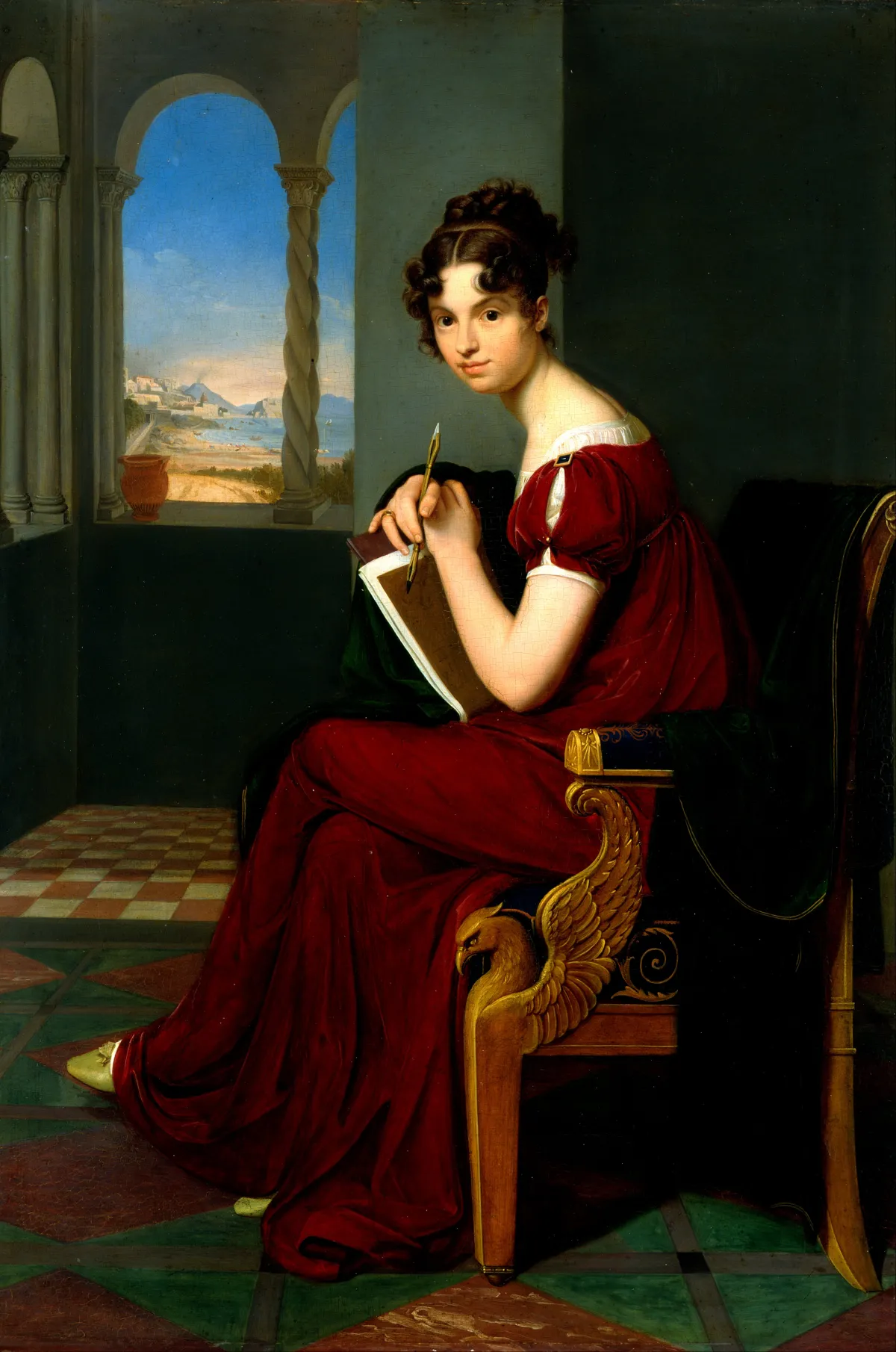
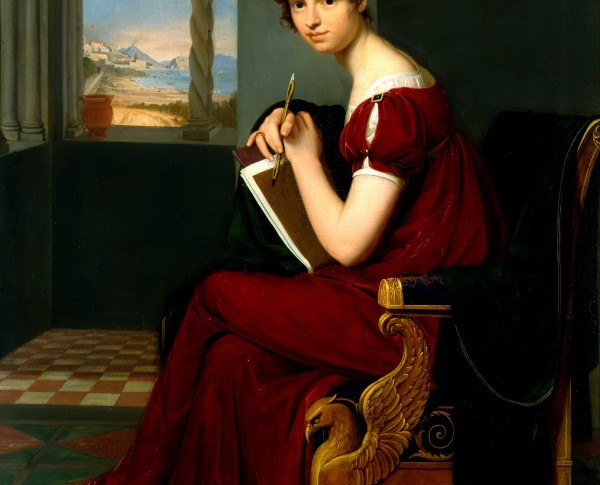
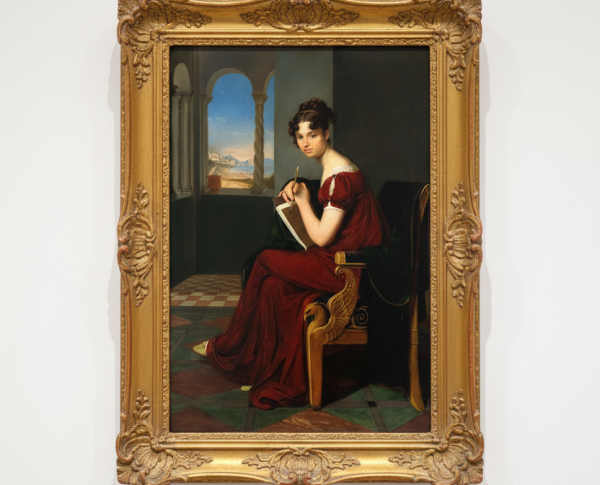
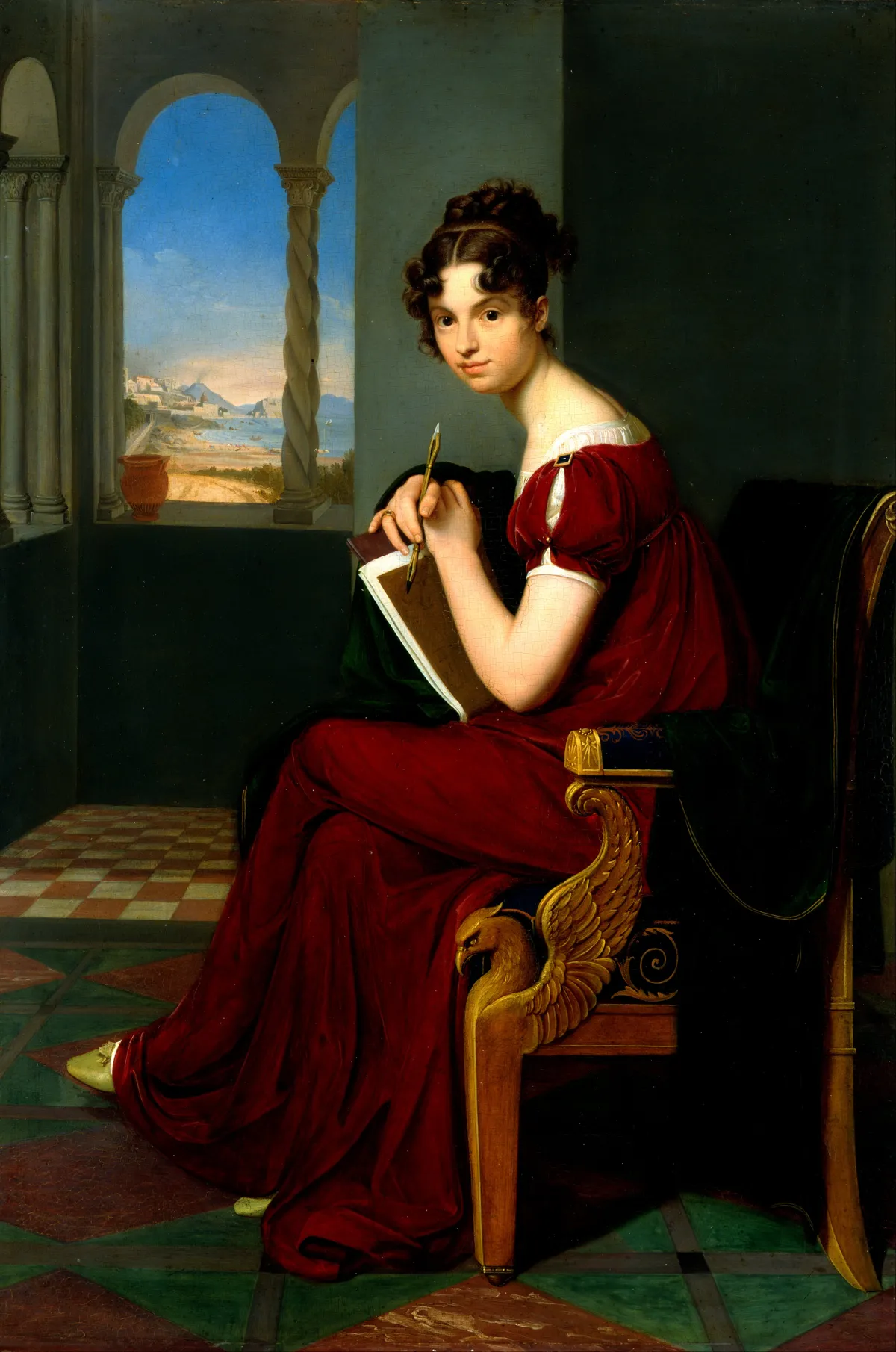
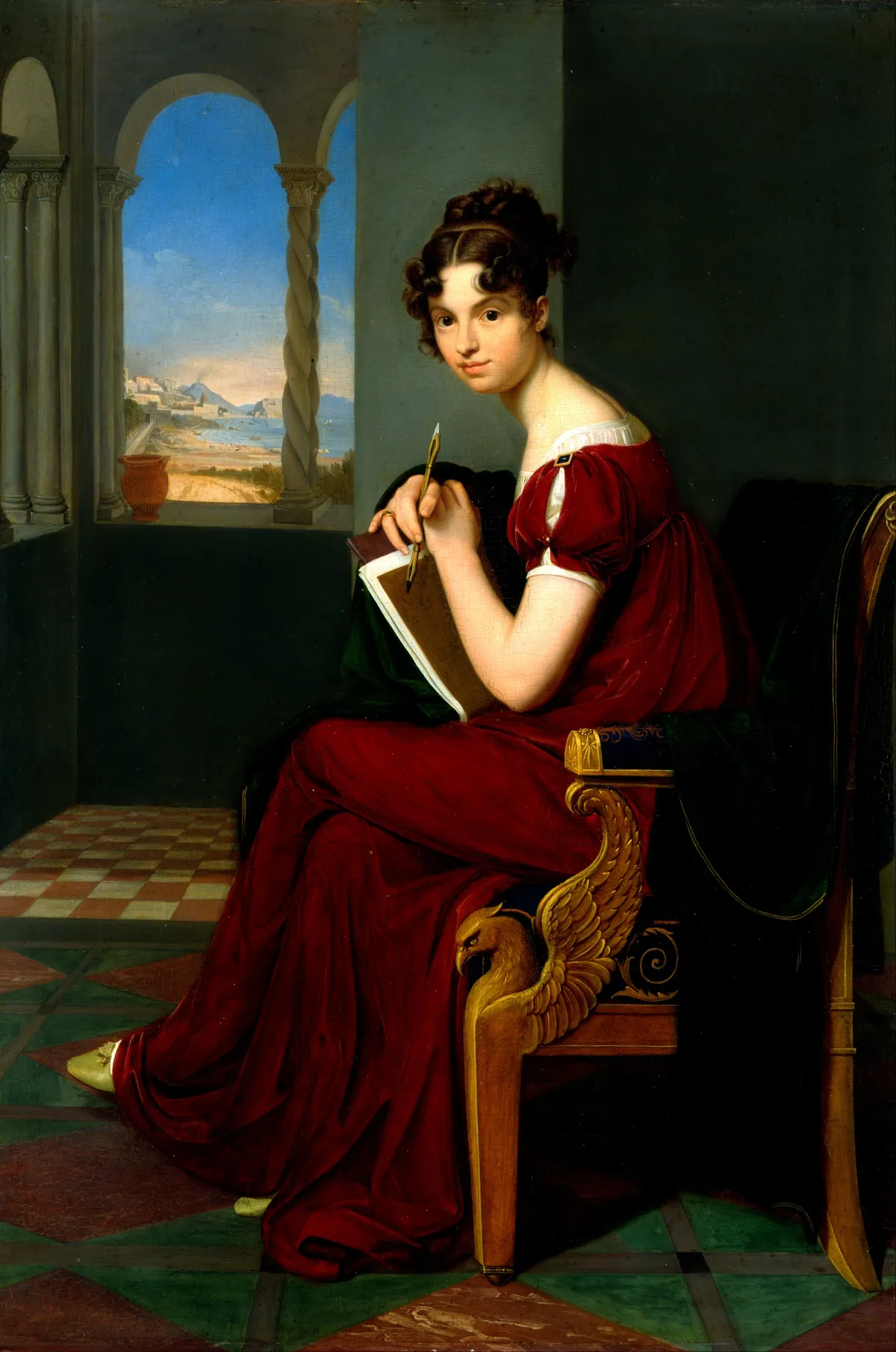
"Young Lady with Drawing Utensils - Countess Thekla Ludolf, neé Weyssenhoff" is a remarkable hand-painted oil painting attributed to an unknown artist, crafted during the height of the Neo-Classical movement. This exquisite piece captures the essence of refined elegance prevalent in Neo-Classical portraiture, immortalizing Countess Thekla Ludolf’s artistic spirit. The painting’s legacy continues to inspire collectors and art enthusiasts, making it a sought-after hand-painted oil painting among those appreciating historical and cultural significance.
This oil on canvas masterwork showcases the artist’s technical prowess and meticulous attention to detail, hallmarks of the Neo-Classical style. The soft yet precise brushwork brings to life the countess’s poise and the subtle textures of her attire. As a prime example of oil on canvas artistry, the painting demonstrates the era’s dedication to realism and classical beauty, making it an essential piece for admirers of Neo-Classical portraiture and museum-quality art.
In "Young Lady with Drawing Utensils," each element is carefully chosen to convey deeper meaning. The presence of drawing utensils hints at Countess Thekla Ludolf’s creative pursuits, a nod to the intellectual and artistic aspirations celebrated during the Neo-Classical movement. This fine art painting for sale appeals to those who cherish works where symbolism and story intertwine, offering a glimpse into the cultivated lives of Europe’s aristocracy and the values they held dear.
For discerning collectors, this hand-painted oil painting stands as a testament to timeless elegance and Neo-Classical refinement. The painting’s provenance and exceptional craftsmanship make it a prized addition to any fine art collection. With its rich history and visual allure, "Young Lady with Drawing Utensils - Countess Thekla Ludolf, neé Weyssenhoff" remains a fine art painting for sale that embodies the enduring appeal of Neo-Classical masterpieces, inviting admiration for generations to come.
When Carl Christian Vogel von Vogelstein Art Meets History
"Young Lady with Drawing Utensils - Countess Thekla Ludolf, neé Weyssenhoff" is a remarkable hand-painted oil painting that captures a unique moment in Neo-Classical art. Created by an accomplished artist, this masterpiece embodies the era’s fascination with intellect and poise, much like related works such as "Declaration of Independence" and "The Lament for Icarus." The painting not only reflects the fashion and culture of its time but also stands as a testament to the enduring legacy of Neo-Classicism.
Techniques That Speak
The artist skillfully employed oil on canvas to bring out the delicate features and refined atmosphere surrounding Countess Thekla Ludolf. Characteristic of the Neo-Classical movement, the painting demonstrates meticulous brushwork, precise lines, and a harmonious color palette. Similar technical mastery can be found in related paintings like "John Johnston" and "Surrender of Lord Cornwallis." These techniques highlight the artist’s commitment to classical ideals, making the work a standout in the realm of historical portraiture.
Emotions on Display
This fine art painting for sale beautifully conveys a sense of introspective calm and dignity in Countess Thekla Ludolf. The artist’s attention to subtle facial expressions and posture invites viewers to ponder the subject’s inner world, a hallmark of Neo-Classical portraiture. Much like "The Kelpie" and "The Lament for Icarus," this painting stirs a quiet emotional resonance, making it a compelling piece for those who value depth and narrative in visual art.
Coveted by Collectors
Collectors are drawn to "Young Lady with Drawing Utensils - Countess Thekla Ludolf, neé Weyssenhoff" for its exquisite representation of Neo-Classical ideals and masterful hand-painted oil painting technique. The artwork’s historical significance and elegant composition place it alongside celebrated pieces like "Declaration of Independence" and "Surrender of Lord Cornwallis." Its availability as a fine art painting for sale makes it a prized acquisition for enthusiasts seeking a blend of history, artistry, and timeless beauty.
Related Neo-Classical Hand-Painted Oil Paintings by Other Artists
Other Famous Neo-Classical Artists:
Frequently Asked Questions About Young Lady with Drawing Utensils - Countess Thekla Ludolf, neé Weyssenhoff
Who is the artist of this painting?
The artist of this painting is not specified in the provided information, but it is essential to research the historical context and contributions of various artists during the period to understand the work better.
What is the historical significance of Countess Thekla Ludolf?
Countess Thekla Ludolf, neé Weyssenhoff, was a notable figure in her time, often associated with the cultural and artistic movements of the late 18th and early 19th centuries, which emphasized the role of women in the arts.
What artistic techniques are evident in this painting?
The painting likely employs techniques such as chiaroscuro to create depth and dimension, as well as a careful attention to detail in the rendering of the drawing utensils, reflecting the artist's skill and the subject's intellectual pursuits.
What does the presence of drawing utensils symbolize in the painting?
The drawing utensils symbolize creativity, education, and the pursuit of knowledge, highlighting the subject's engagement with the arts and her role as a patron of culture during her time.
How does this painting reflect the societal views on women in the arts during its creation?
This painting reflects a growing recognition of women's contributions to the arts, showcasing Countess Thekla as an educated and artistic individual, which was significant in challenging traditional gender roles of the period.
What are the stylistic characteristics of the painting?
The painting may exhibit characteristics typical of portraiture from its era, such as a focus on realism, attention to clothing details, and a composition that emphasizes the subject's personality and intellect.
What can we learn about the cultural context of the time from this painting?
The cultural context of the time reveals a burgeoning interest in the arts and education among the aristocracy, with women increasingly participating in intellectual and artistic circles, as evidenced by the subject's portrayal.
Are there any notable influences on the artist or the painting?
While specific influences are not mentioned, the painting may reflect the broader European artistic movements of the time, such as Romanticism, which emphasized emotion and individualism, potentially impacting the artist's approach.
What is the significance of the attire worn by Countess Thekla in the painting?
The attire worn by Countess Thekla may signify her social status and the fashion of the time, as well as serving as a visual representation of her identity and role within the cultural milieu of her era.
How does this painting contribute to our understanding of women's roles in history?
This painting contributes to our understanding of women's roles in history by illustrating the active participation of women in artistic and intellectual pursuits, challenging the narrative of women's exclusion from such fields in historical discourse.






















_GFM_Painting_(1).webp)


 100% Hand-Painted: Finished in 3-6 Weeks

.png)















_(1).webp)