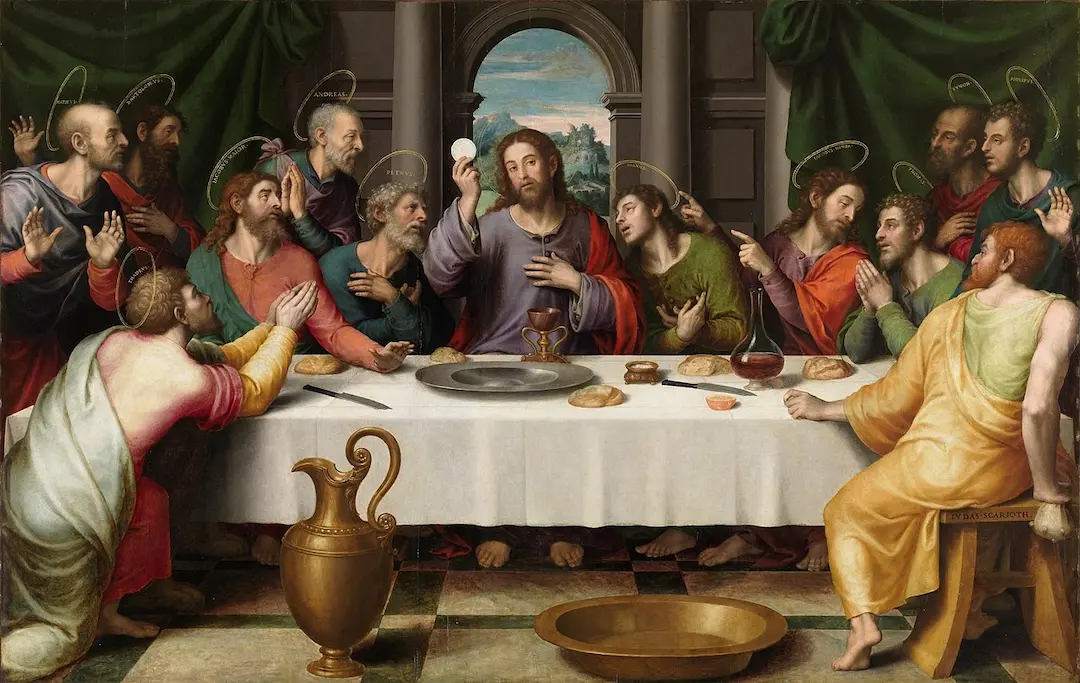
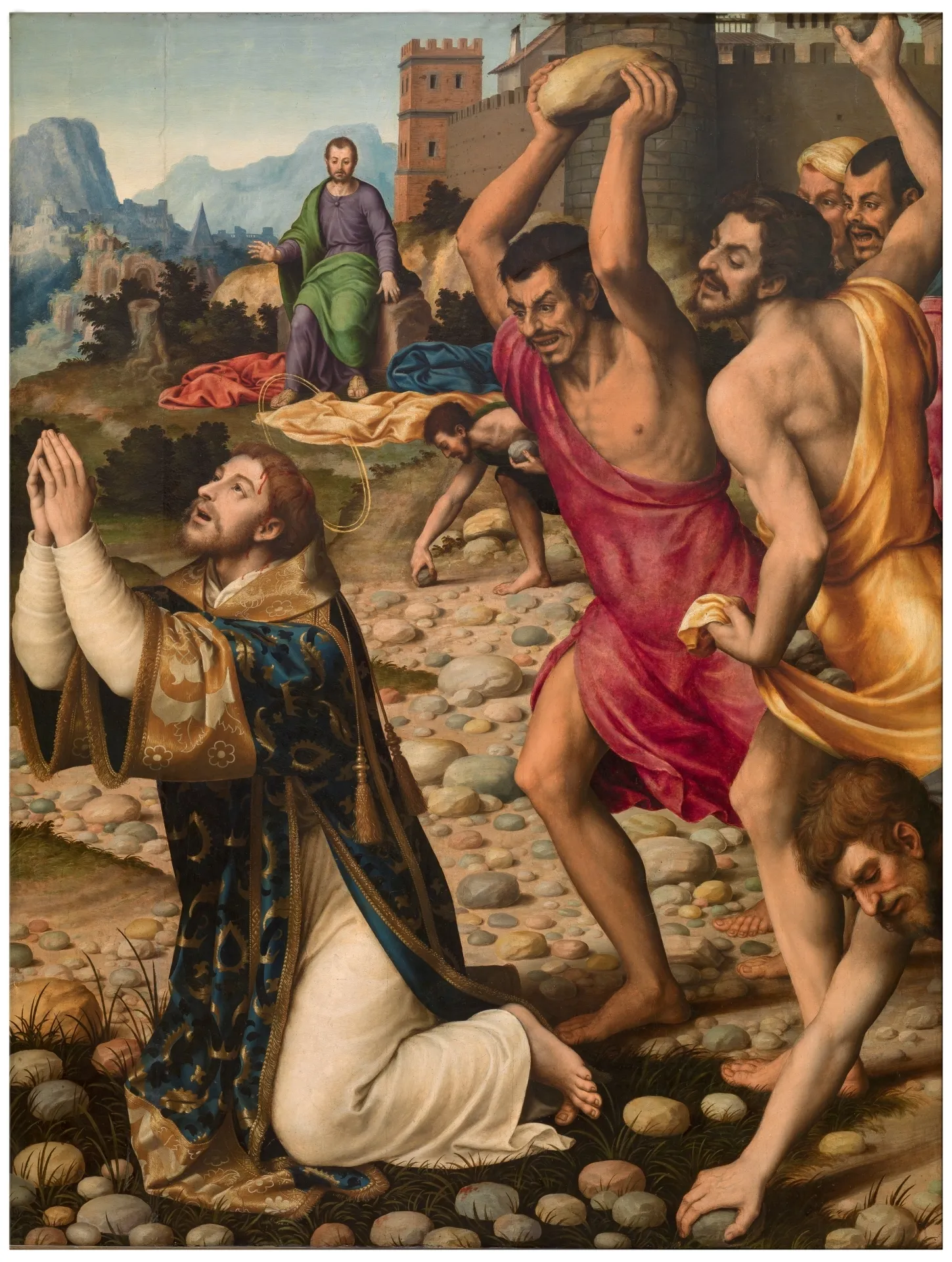
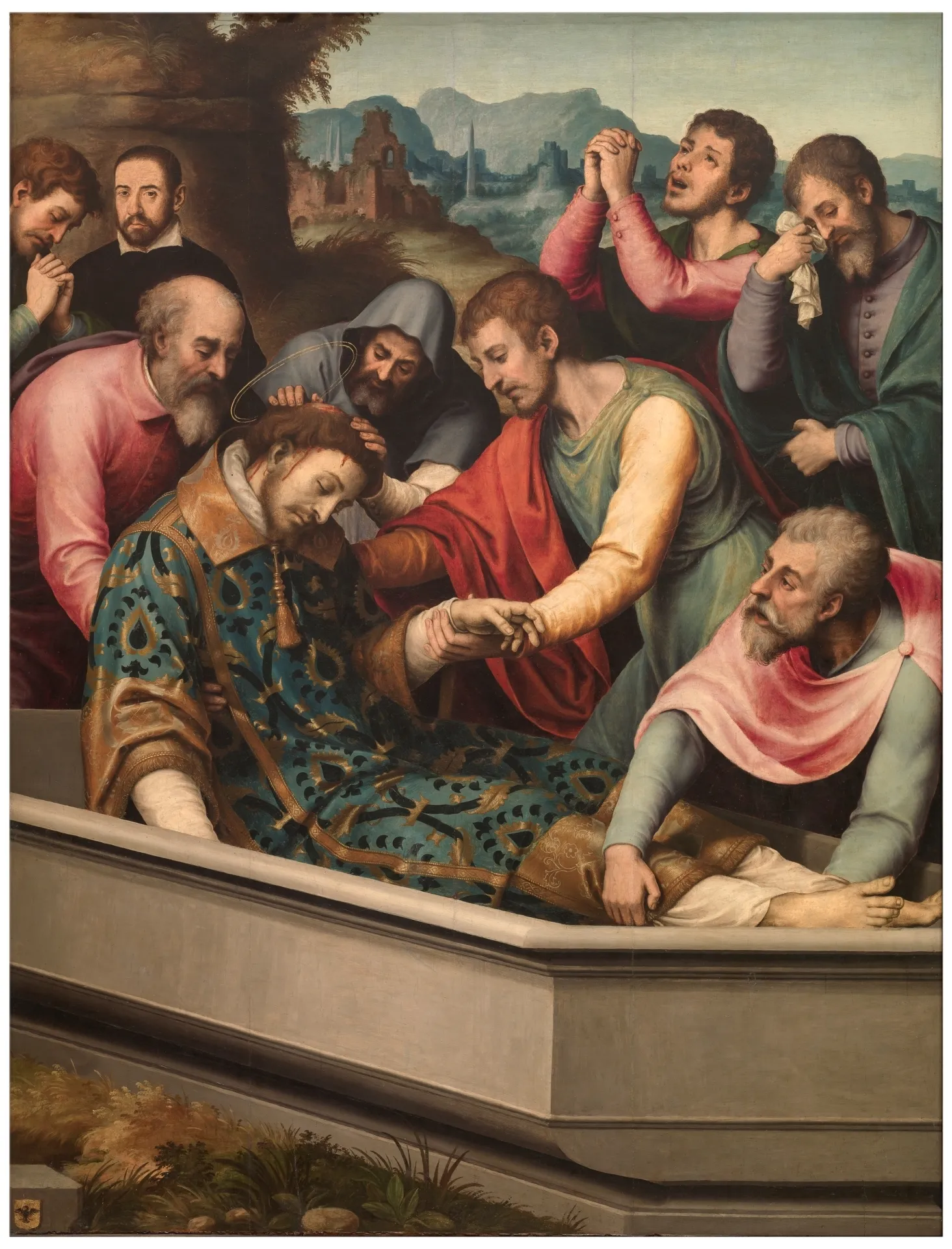
"Entierro De San Esteban" by Vicente Juan Juan de Juanes, also known as Masip (Macip), stands as a remarkable testament to the Spanish Renaissance. This hand-painted oil painting captures the spiritual intensity and artistic innovation of its era. Juanes, celebrated for his religious masterpieces, brings a profound emotional depth to the scene. Collectors of Spanish Renaissance works often seek related products such as "La Virgen" and "San Esteban Acusado De Blasfemo" to complement this iconic piece.
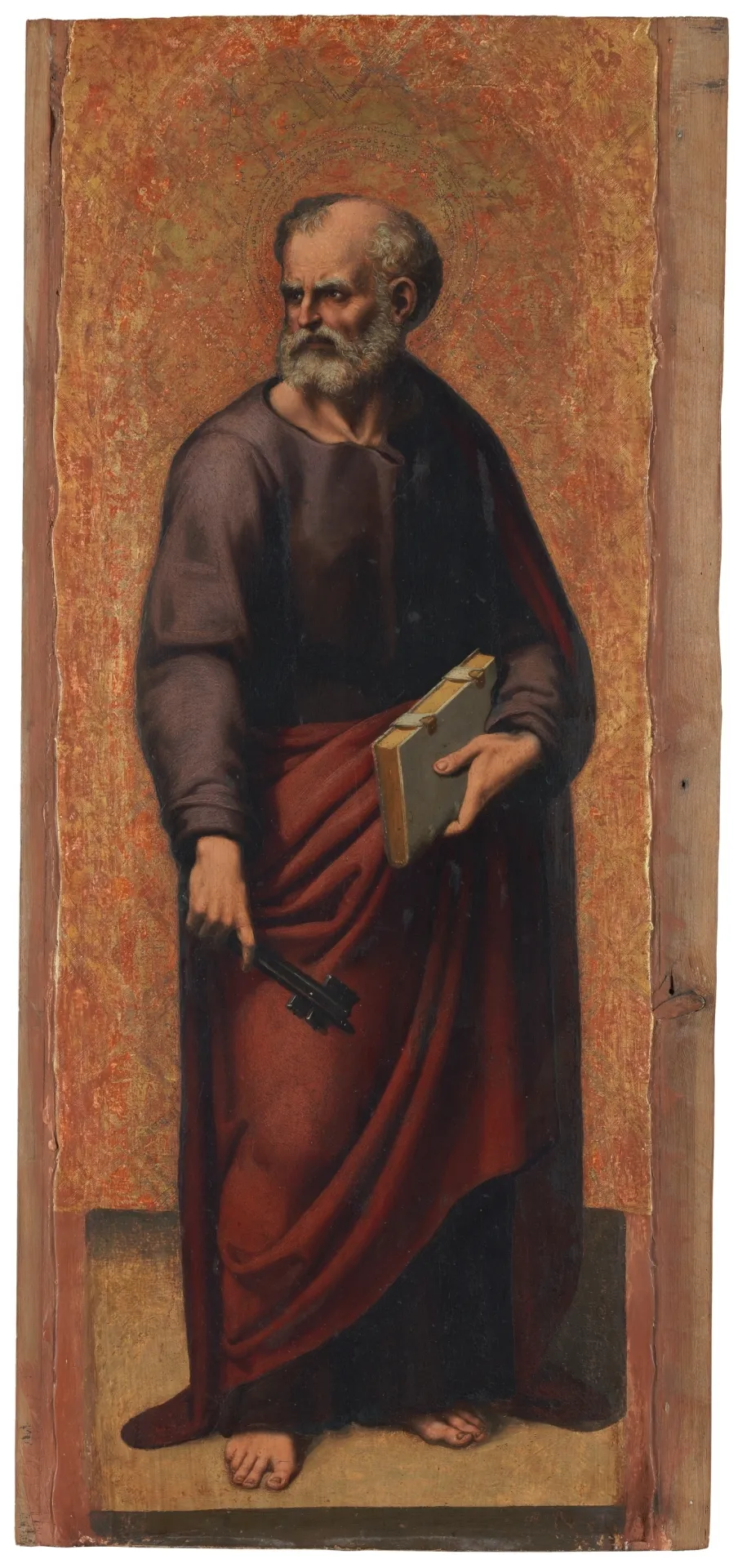
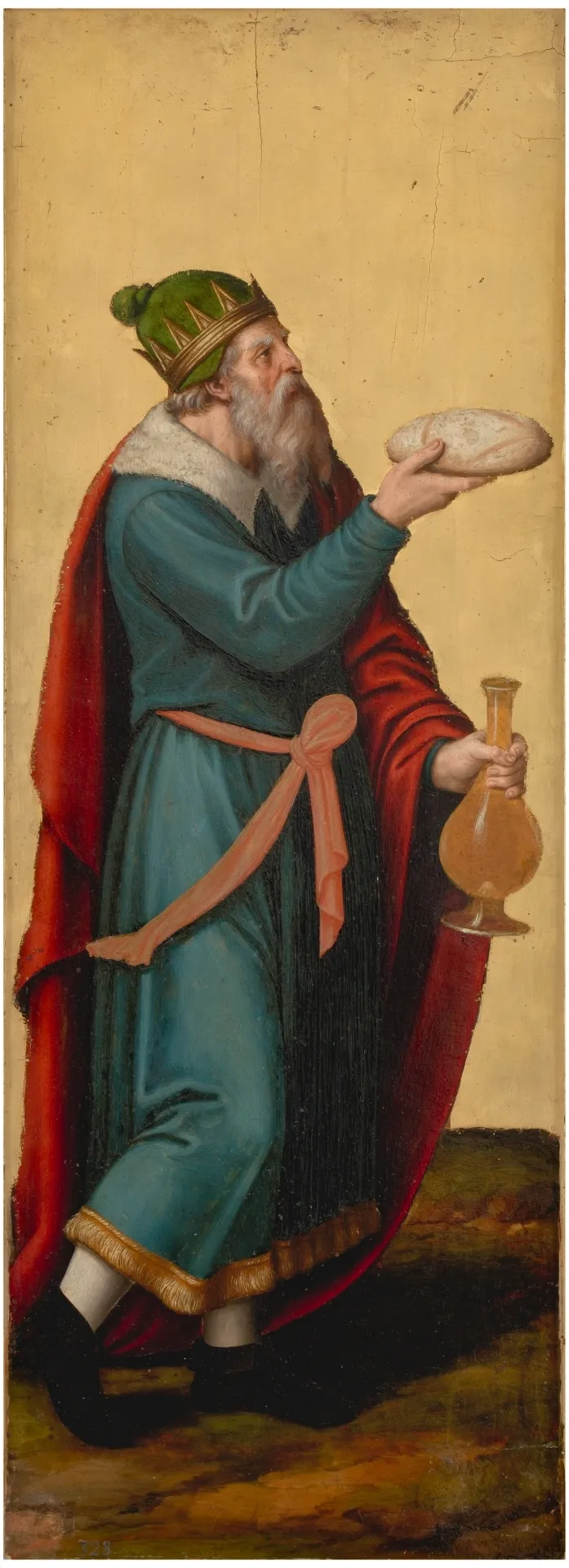
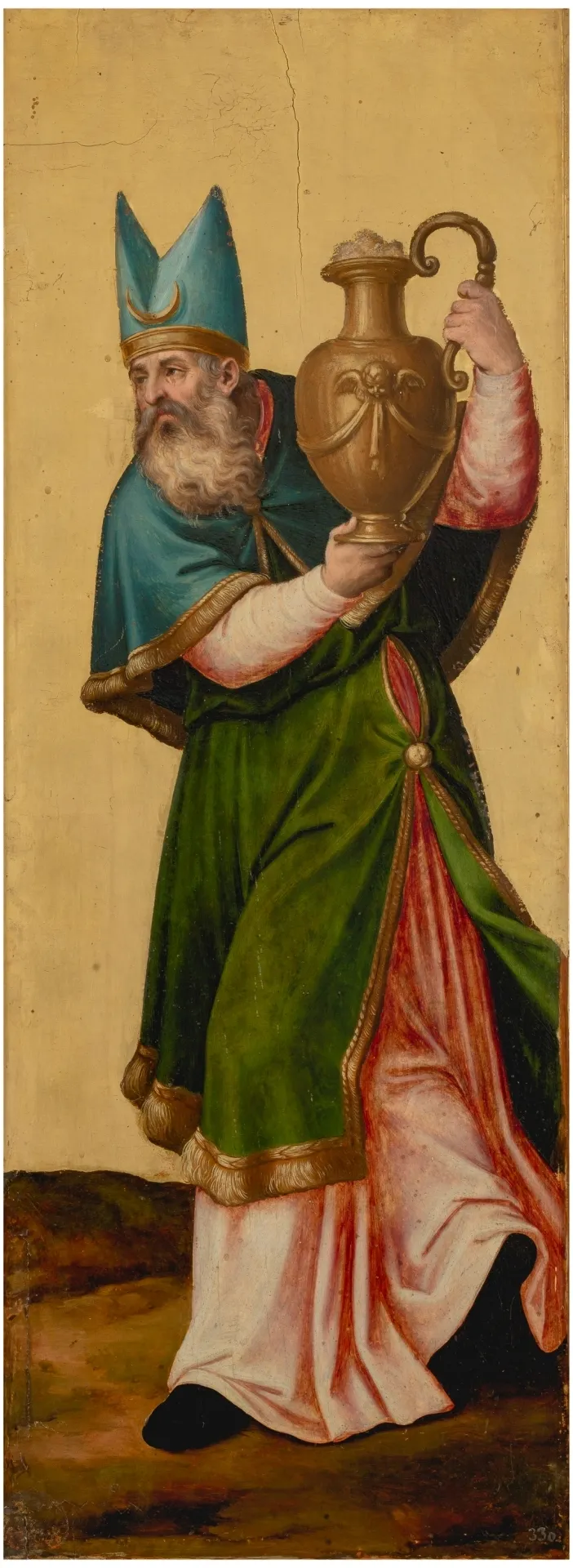
This fine art painting for sale, "Entierro De San Esteban," weaves a tapestry of stories and religious symbolism. Vicente Juan Juan de Juanes / Masip (Macip) fills the canvas with emotive figures and sacred iconography, making it a centerpiece of the Spanish Renaissance. The painting’s narrative depth resonates with collectors who also value works such as "San Pedro" and "Melquisedec, Rey De Salem," both celebrated for their symbolic richness and historical significance.
For collectors, "Entierro De San Esteban" by Vicente Juan Juan de Juanes / Masip (Macip) is more than a masterpiece—it is a rare hand-painted oil painting that embodies the essence of the Spanish Renaissance. Owning such a work, alongside related products like "La Virgen" and "San Pedro," elevates any fine art collection. Its provenance and historical context make it a highly desirable fine art painting for sale among connoisseurs of Renaissance artistry.
When Art Meets History
"Entierro De San Esteban" by Vicente Juan Juan de Juanes, also known as Masip (Macip), is a masterpiece of the Spanish Renaissance. This hand-painted oil painting captures a pivotal religious moment, reflecting the profound intersection of faith and artistry characteristic of 16th-century Spain. Like other works from the Spanish Renaissance, this painting immortalizes historical narratives, making it a significant addition for enthusiasts seeking a hand-painted oil painting with a rich backstory.
Techniques That Speak
Vicente Juan Juan de Juanes expertly utilizes oil on canvas to achieve remarkable depth and vibrancy in "Entierro De San Esteban." His meticulous brushwork and use of light illustrate his mastery, common among Spanish Renaissance painters. The textured layers and detailed figures create a sense of realism that draws viewers into the sacred scene. This oil on canvas technique is also evident in his other religious compositions, showcasing the artist’s dedication to elevating the spiritual through art.
Emotions on Display
The emotional intensity in "Entierro De San Esteban" is palpable, a hallmark of Vicente Juan Juan de Juanes' approach to storytelling. Through expressive faces and dramatic gestures, the painting conveys deep sorrow and reverence. This fine art painting for sale stands out in the Spanish Renaissance movement for its ability to evoke empathy and contemplation, much like other celebrated works by the artist. Collectors and admirers are drawn to its moving portrayal of a sacred event.
Coveted by Collectors
Collectors worldwide seek "Entierro De San Esteban" by Vicente Juan Juan de Juanes for its historical and artistic significance. As a fine art painting for sale from the Spanish Renaissance era, it represents not only the pinnacle of religious art but also the enduring appeal of oil on canvas masterpieces. The painting’s rarity and the reputation of its creator make it a prized acquisition, continuing the legacy of Spanish Renaissance art in esteemed collections.
Frequently Asked Questions About Entierro De San Esteban
What is the historical context of "Entierro De San Esteban"?
"Entierro De San Esteban," painted by Vicente Juan Juan de Juanes, reflects the religious fervor of 16th-century Spain, particularly during the Counter-Reformation, which sought to reaffirm Catholic doctrine and practices.
Who was Vicente Juan Juan de Juanes and what is his significance in art history?
Vicente Juan Juan de Juanes, also known as Masip, was a prominent Spanish painter of the Renaissance. He is celebrated for his religious works that combine meticulous detail with emotional depth, influencing subsequent generations of artists.
What themes are depicted in "Entierro De San Esteban"?
The painting explores themes of martyrdom, resurrection, and the sanctity of the deceased, emphasizing the Christian belief in the afterlife and the veneration of saints.
What artistic techniques did Juanes employ in this painting?
Juanes utilized chiaroscuro to create depth and drama, along with a rich color palette that enhances the emotional intensity of the scene, showcasing his mastery of light and shadow.
How does "Entierro De San Esteban" reflect the cultural values of its time?
The painting embodies the reverence for saints and the importance of burial rituals in Catholic culture, reflecting societal values that prioritized spirituality and communal mourning during the Renaissance.
What symbols can be found in "Entierro De San Esteban" and what do they represent?
Key symbols include the presence of candles, which signify the light of faith; the pall, representing mourning; and the figures of saints, indicating the connection between the earthly and the divine.
In what ways does this painting compare to other works by Juanes?
"Entierro De San Esteban" shares stylistic similarities with Juanes' other religious works, characterized by emotional expression and detailed figures, yet it stands out for its somber tone and focus on the burial process.
What influence did "Entierro De San Esteban" have on later artists?
The painting influenced later Baroque artists by demonstrating how to convey complex emotions through composition and color, paving the way for more dramatic interpretations of religious themes.
Where can "Entierro De San Esteban" be viewed today?
The painting is housed in a prominent collection, allowing visitors to appreciate its historical and artistic significance firsthand, often featured in exhibitions focusing on Renaissance art.
What is the significance of the title "Entierro De San Esteban"?
The title translates to "Burial of Saint Stephen," directly referencing the subject matter of the painting, which depicts the funeral of the first Christian martyr, highlighting themes of sacrifice and faith.























_GFM_Painting_(1).webp)


 100% Hand-Painted: Finished in 3-6 Weeks

.png)












_1560s.webp)



_(1).webp)