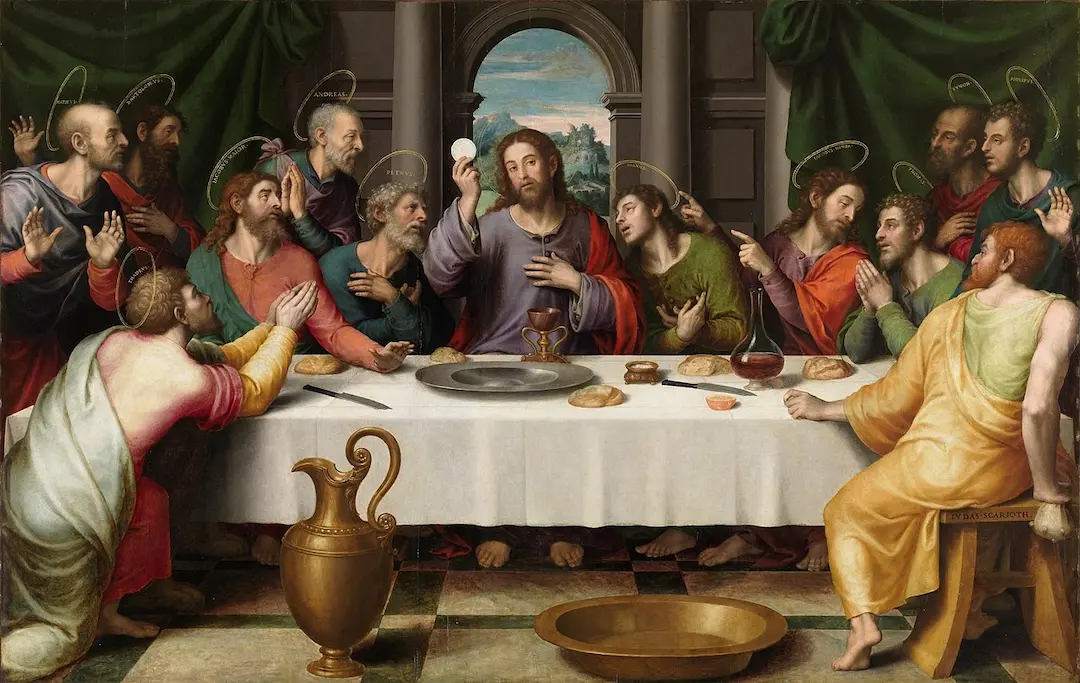
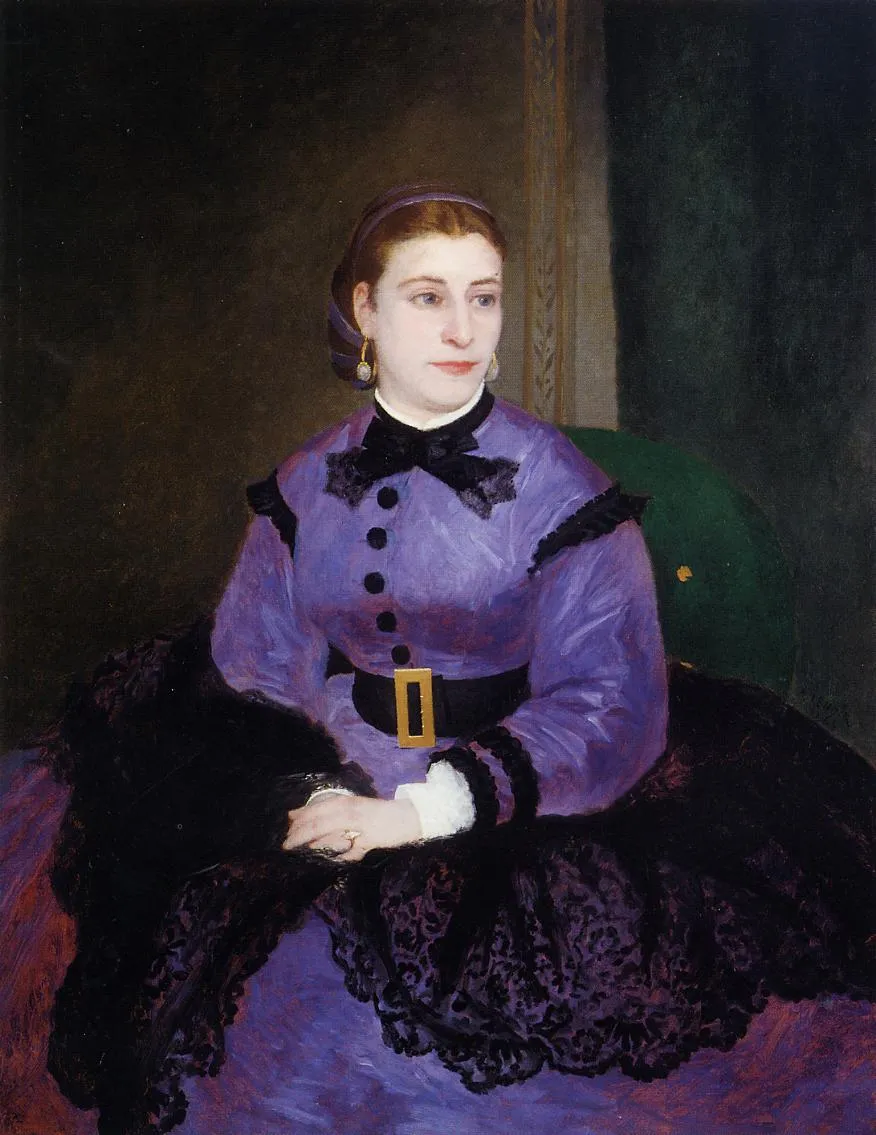
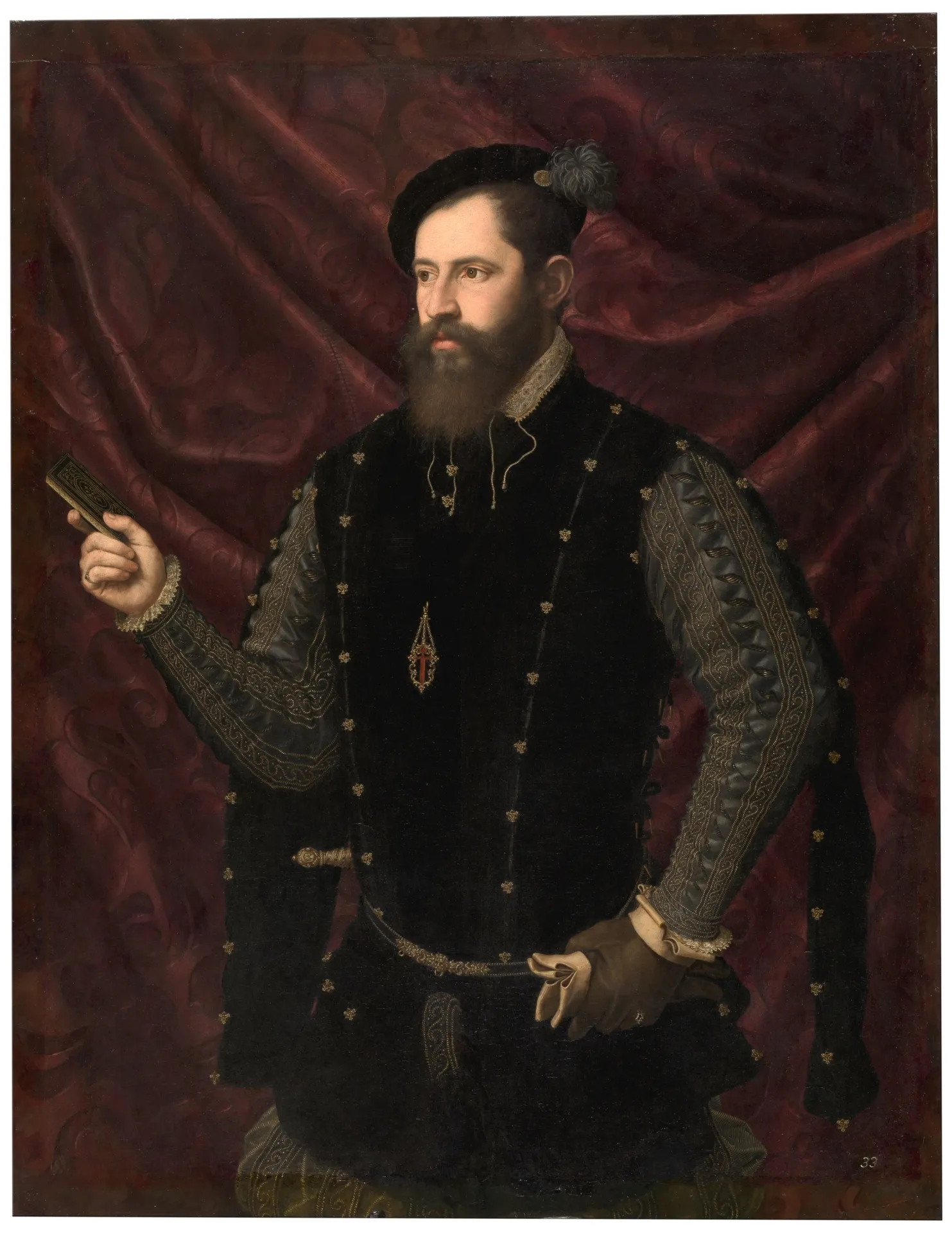
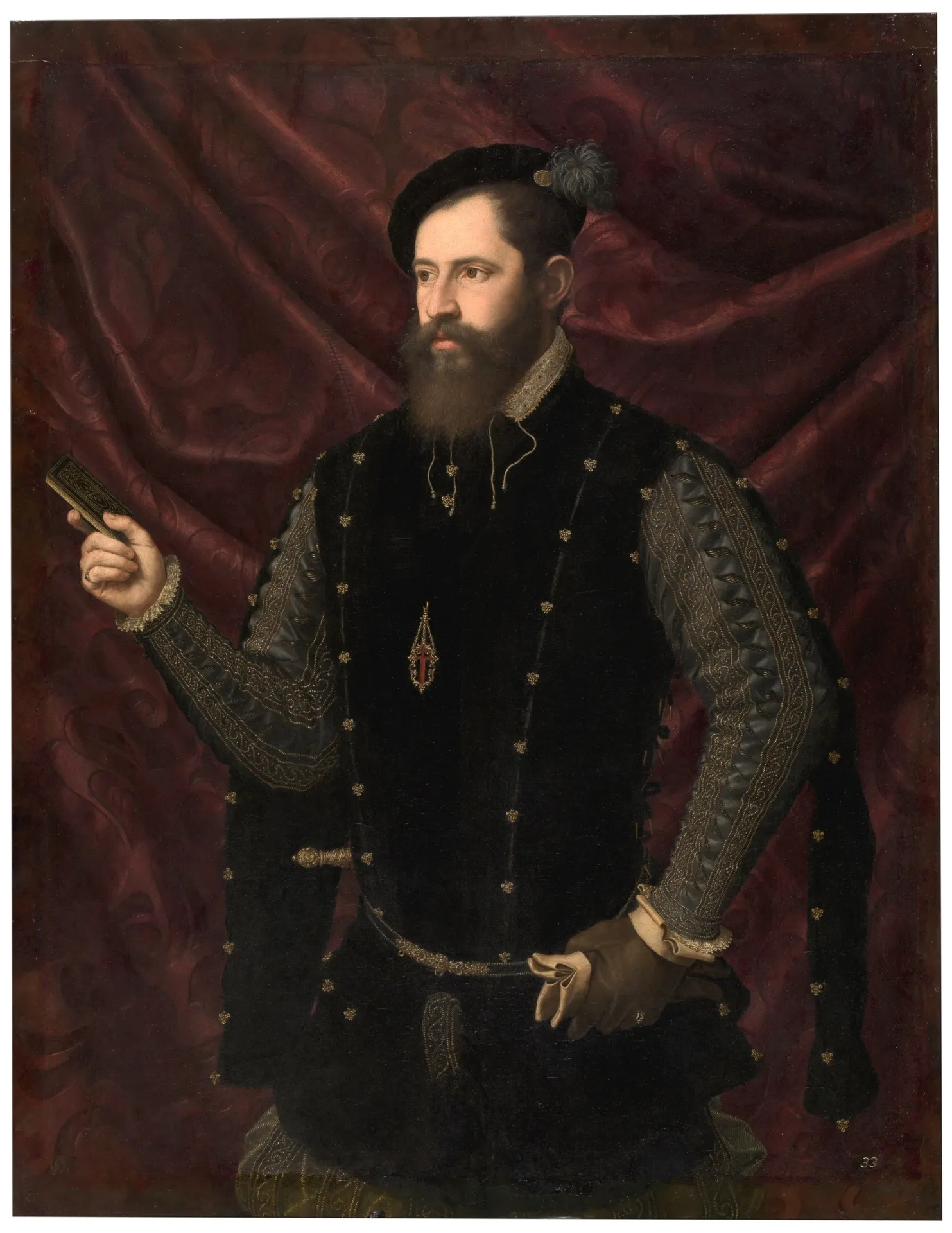
"Retrato De Un Caballero Santiaguista" by Vicente Juan Juan de Juanes, also known as Vicente Masip, is a remarkable example of a hand-painted oil painting from the Spanish Renaissance. The work embodies the era's grandeur and the artist’s devotion to detail. Juanes’ mastery elevated Spanish portraiture, alongside his other celebrated works such as "The Last Supper (2) 1560s" and "El Salvador". Collectors value this piece as a testament to Renaissance artistry.
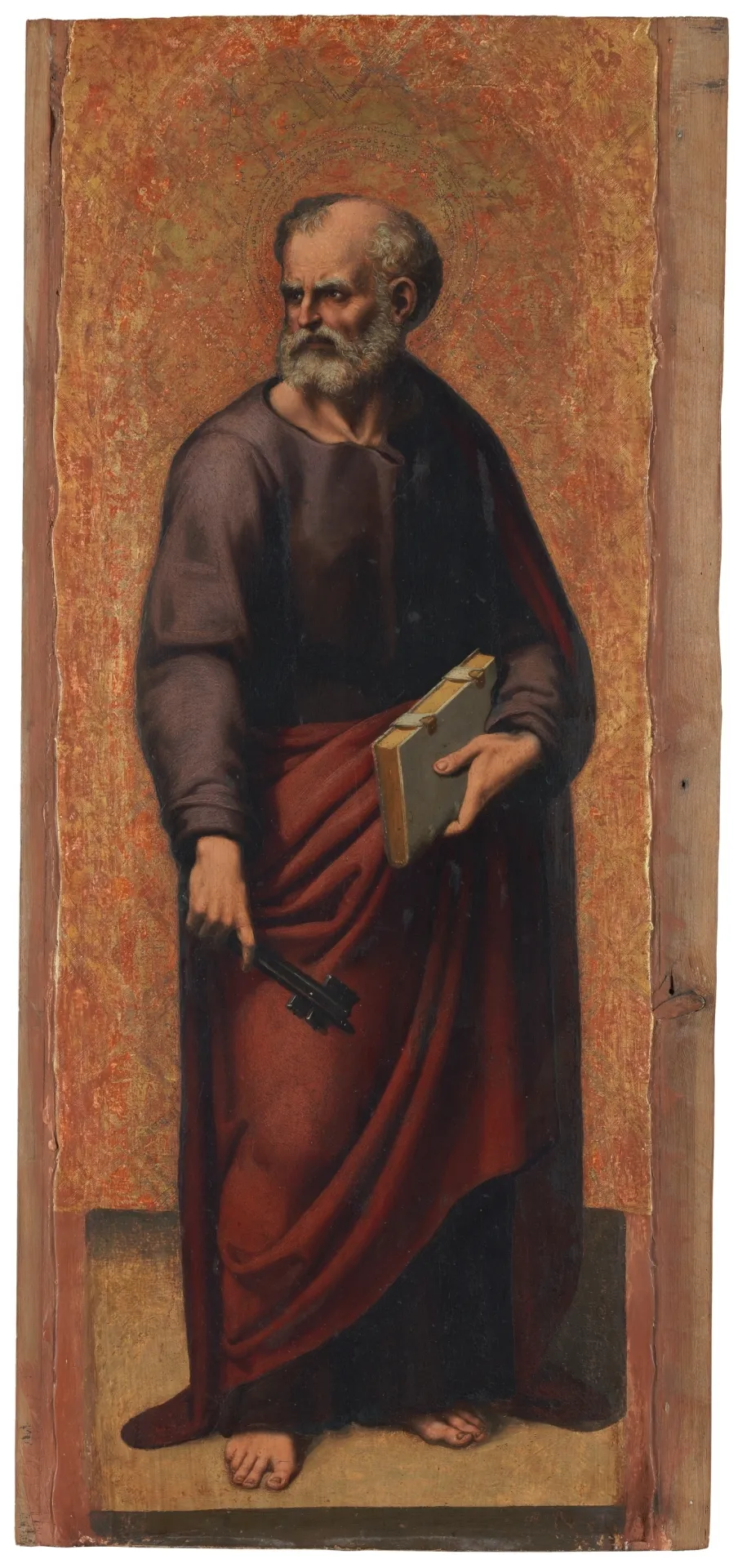
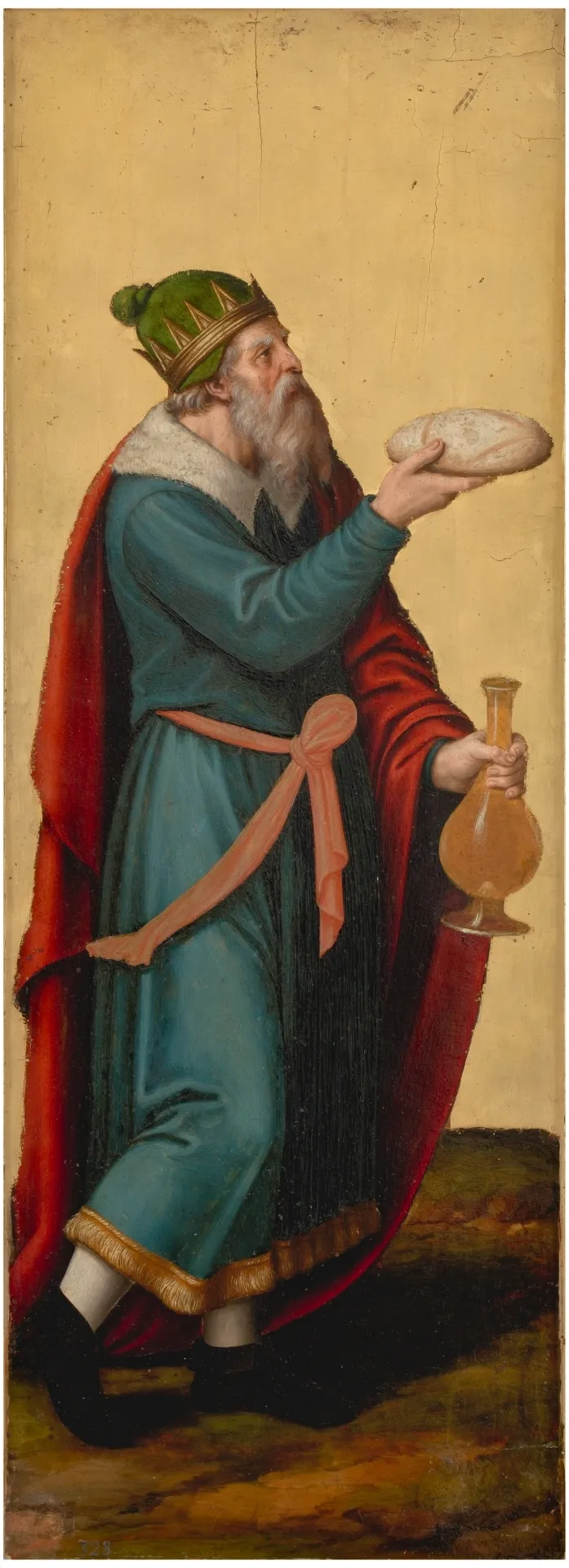
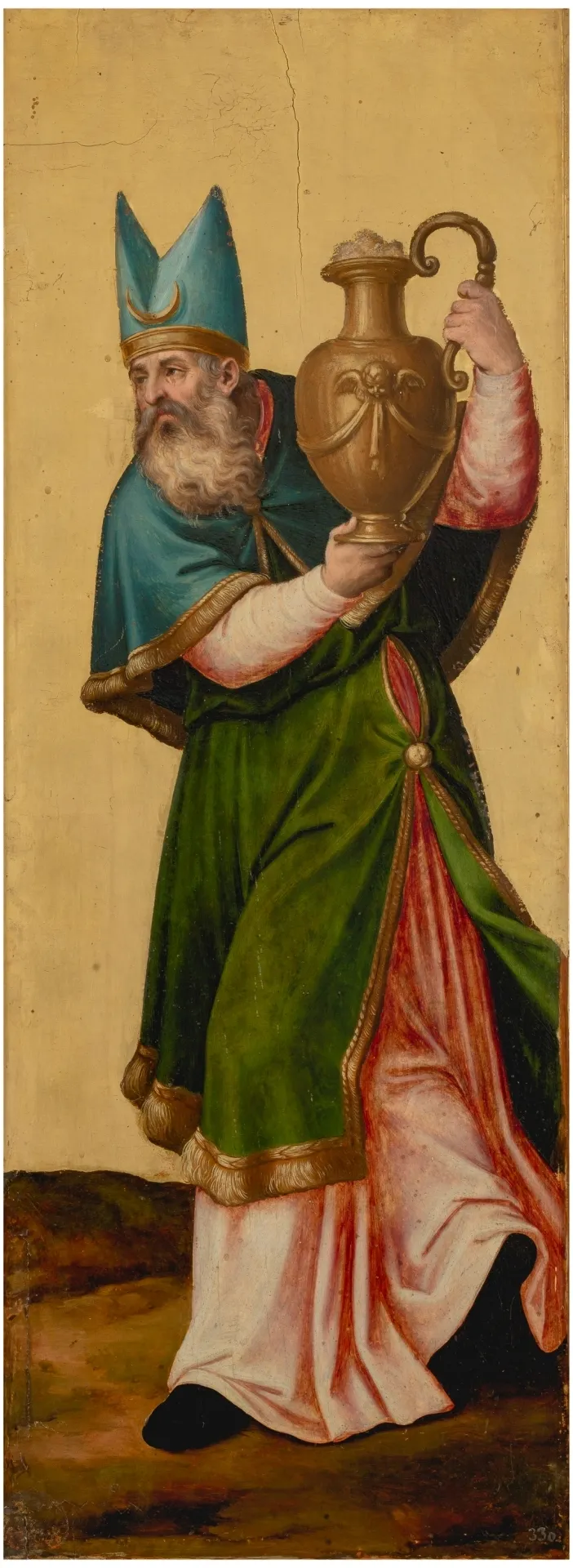
This oil on canvas portrait captures the dignified presence of a nobleman, exemplifying Vicente Juan Juan de Juanes’ technical brilliance. The artist’s use of light and color reflects the sophistication of the Spanish Renaissance movement. Each brushstroke demonstrates meticulous skill, making it an inspiration for those seeking a fine art painting for sale. Collectors often pair this painting with related works like "San Pedro" and "El Sumo Sacerdote Aaron" for a curated Renaissance collection.
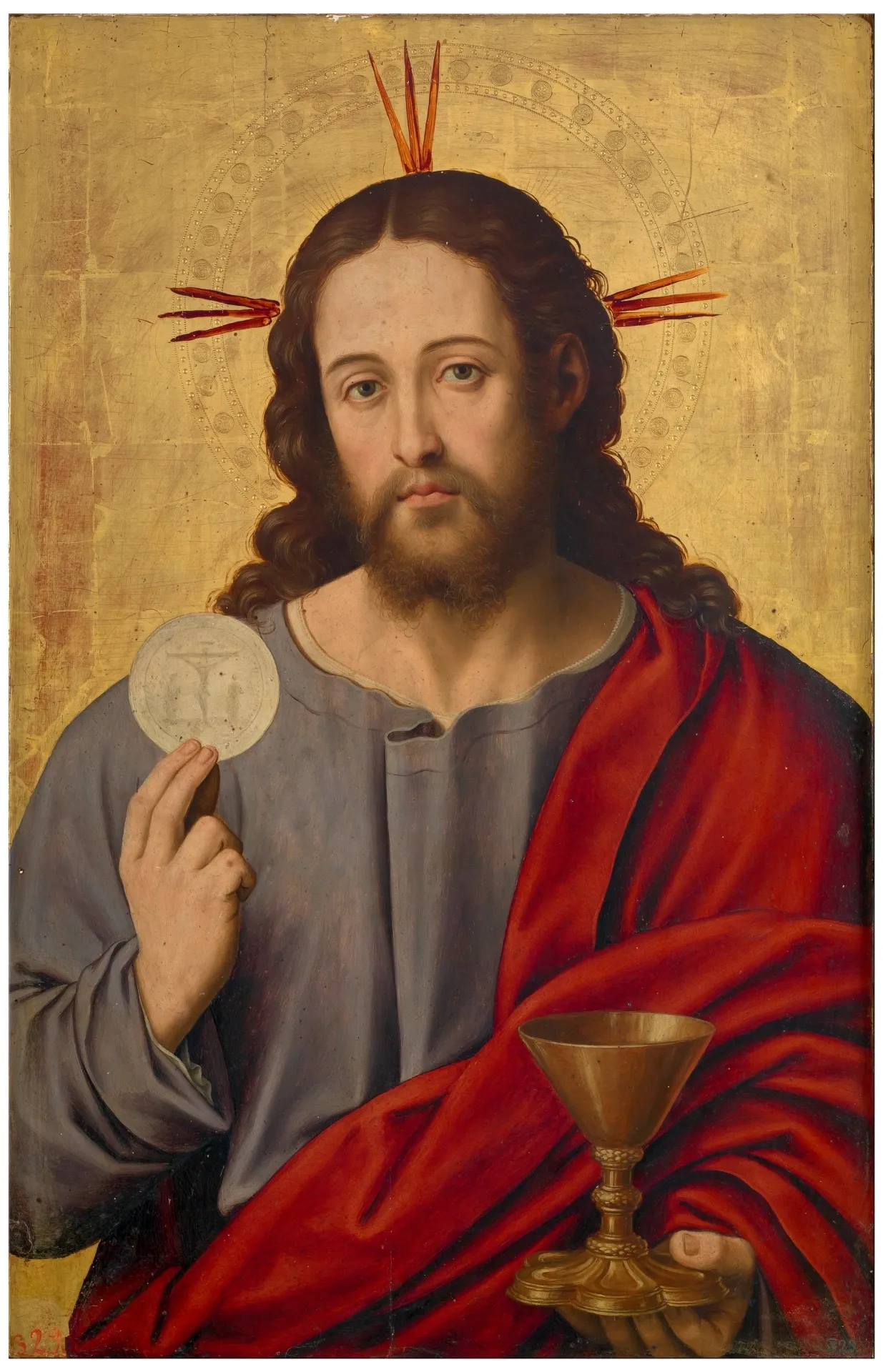
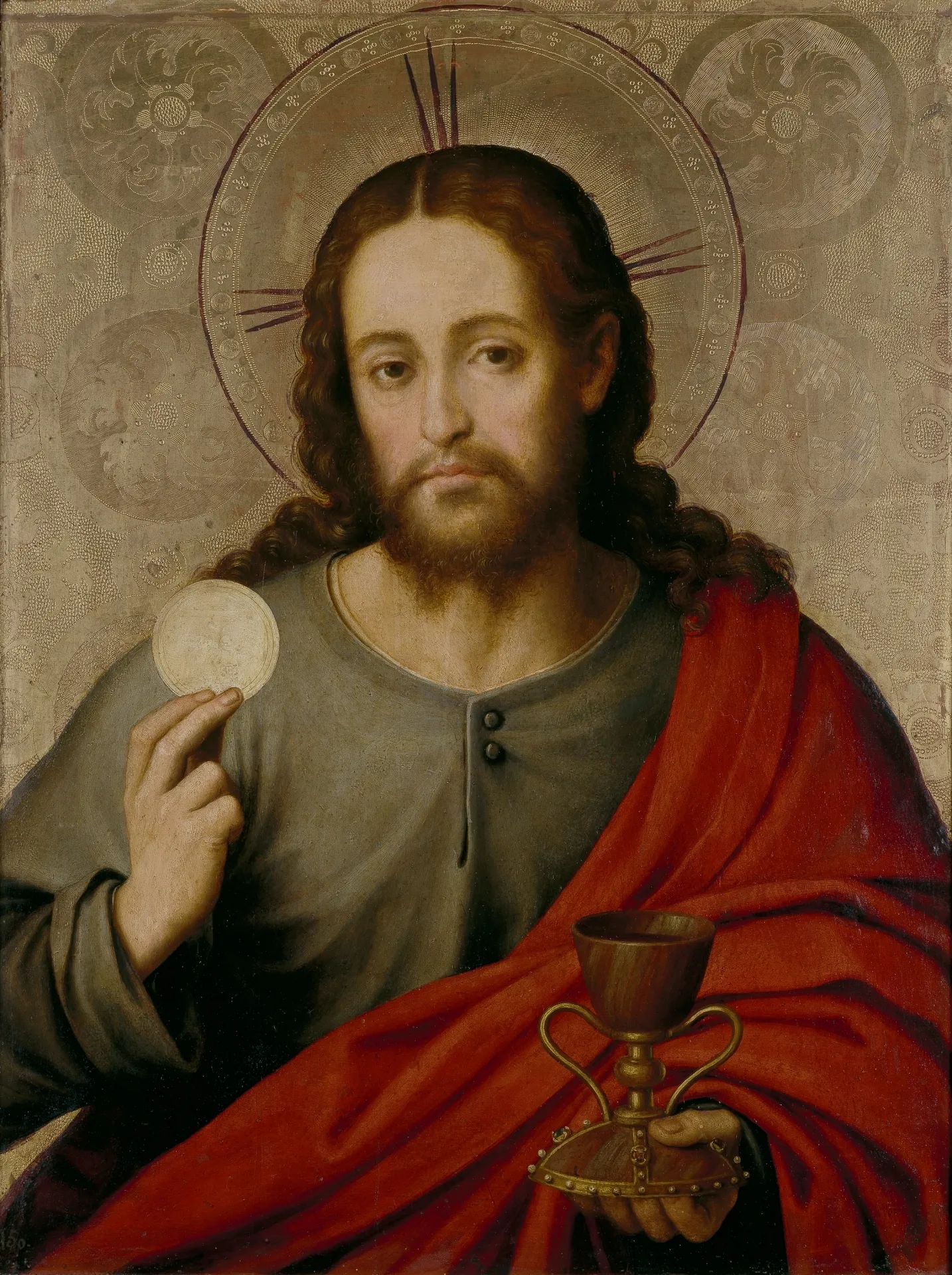
"Retrato De Un Caballero Santiaguista" is more than a hand-painted oil painting; it tells a story of honor and religious devotion. The subject’s attire and insignia reference the Order of Santiago, a prestigious Spanish chivalric order. Vicente Juan Juan de Juanes masterfully incorporates symbolic elements, much like in his works "La Virgen, Sedente" and "El Salvador Con La Eucaristia". These details make the painting a fascinating study for art historians and collectors alike.
For those seeking a fine art painting for sale, this oil on canvas by Vicente Juan Juan de Juanes stands as a prized acquisition. Its provenance within the Spanish Renaissance movement, combined with the artist’s celebrated technique, ensures enduring value. Collectors often display this masterpiece alongside related products such as "San Pedro" and "La Virgen, Sedente" to showcase the rich legacy of Spanish Renaissance portraiture in their collections.
When Art Meets History
"Retrato De Un Caballero Santiaguista" by Vicente Juan Juan de Juanes / Masip (Macip) stands as a testament to the Spanish Renaissance, a period known for its revival of classical ideals and technical mastery. This hand-painted oil painting captures not just the likeness of a nobleman, but also the spirit of an era marked by profound cultural transformation. In this masterpiece, the artist’s attention to historical detail speaks volumes about the social and religious context of the time.
Techniques That Speak
Vicente Juan Juan de Juanes / Masip (Macip) employs meticulous oil on canvas techniques in "Retrato De Un Caballero Santiaguista," showcasing the finesse that defined the Spanish Renaissance. The artist’s mastery of chiaroscuro brings depth and realism to the sitter’s features, while delicate brushwork highlights the intricate textures of clothing and insignia. Such technical prowess aligns this painting with other remarkable works from the movement, demonstrating the enduring allure of Renaissance portraiture.
Emotions on Display
The sitter in "Retrato De Un Caballero Santiaguista" radiates quiet dignity and introspection, hallmarks of Juan de Juanes / Masip’s best compositions. Through subtle expressions and poised posture, the painting evokes a sense of solemn honor, reflecting both personal and societal values of the Spanish Renaissance era. Collectors and admirers of fine art painting for sale often seek such emotional resonance, making this portrait a prized example of psychological depth in Renaissance art.
Coveted by Collectors
As a distinguished fine art painting for sale, "Retrato De Un Caballero Santiaguista" by Vicente Juan Juan de Juanes / Masip (Macip) remains highly coveted among collectors of Spanish Renaissance works. Its historical significance, masterful execution, and emotional intensity contribute to its enduring appeal. With few related paintings available in the market, this portrait is a rare opportunity for enthusiasts to own a piece of 16th-century artistry and heritage, treasured across generations.
Frequently Asked Questions About Retrato De Un Caballero Santiaguista
What is the historical significance of "Retrato De Un Caballero Santiaguista"?
This painting is significant as it represents the cultural and religious context of 16th-century Spain, particularly the role of the Order of Santiago in the Spanish society of that era.
Who was Vicente Juan Juan de Juanes / Masip?
Vicente Juan Juan de Juanes, also known as Masip, was a prominent Spanish painter of the Renaissance, known for his religious works and portraits that reflect the spiritual and cultural values of his time.
What artistic techniques are employed in this painting?
The artist utilized oil on canvas, employing techniques such as chiaroscuro to create depth and realism, as well as meticulous attention to detail in the textures of clothing and facial expressions.
What does the figure in the painting represent?
The figure represents a knight of the Order of Santiago, symbolizing chivalry, faith, and the military defense of Christianity during the Spanish Renaissance.
What are the symbolic elements present in the painting?
Key symbolic elements include the knight's attire, which signifies his noble status, and the insignia of the Order of Santiago, representing valor and religious devotion.
How does this painting reflect the cultural values of its time?
The painting reflects the cultural values of the Spanish Renaissance, emphasizing the importance of religious devotion, noble lineage, and the ideals of chivalry in society.
What influences can be seen in the style of this painting?
The style of "Retrato De Un Caballero Santiaguista" exhibits influences from Italian Renaissance art, particularly in its realism and use of color, as well as the Spanish tradition of portraiture.
What role did portraiture play in 16th-century Spain?
Portraiture in 16th-century Spain served to convey social status, personal identity, and religious devotion, often commissioned by nobility and clergy to assert their influence and legacy.
How does the painting contribute to our understanding of the Order of Santiago?
The painting provides insight into the identity and values of the Order of Santiago, showcasing the blend of military and religious life, as well as the significance of the Order in Spanish history.
What is the current status of "Retrato De Un Caballero Santiaguista" in the art world?
The painting is regarded as an important work within the canon of Spanish Renaissance art, celebrated for its historical context and artistic merit, and is often studied in art history courses.























_GFM_Painting_(1).webp)


 100% Hand-Painted: Finished in 3-6 Weeks

.png)












_1560s.webp)



_(1).webp)