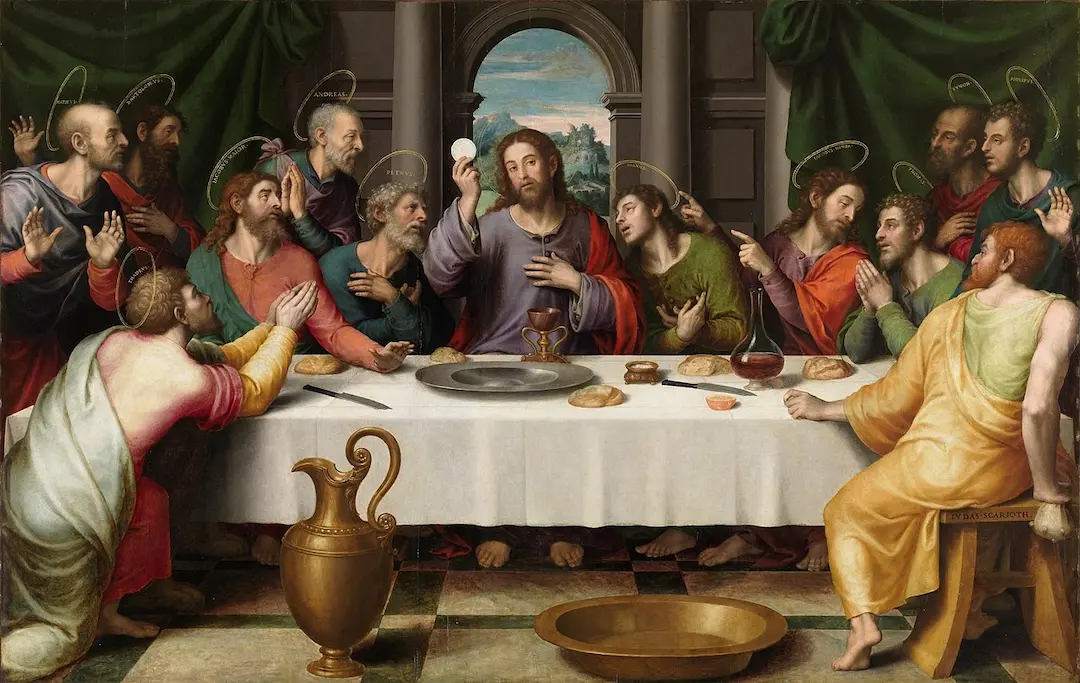
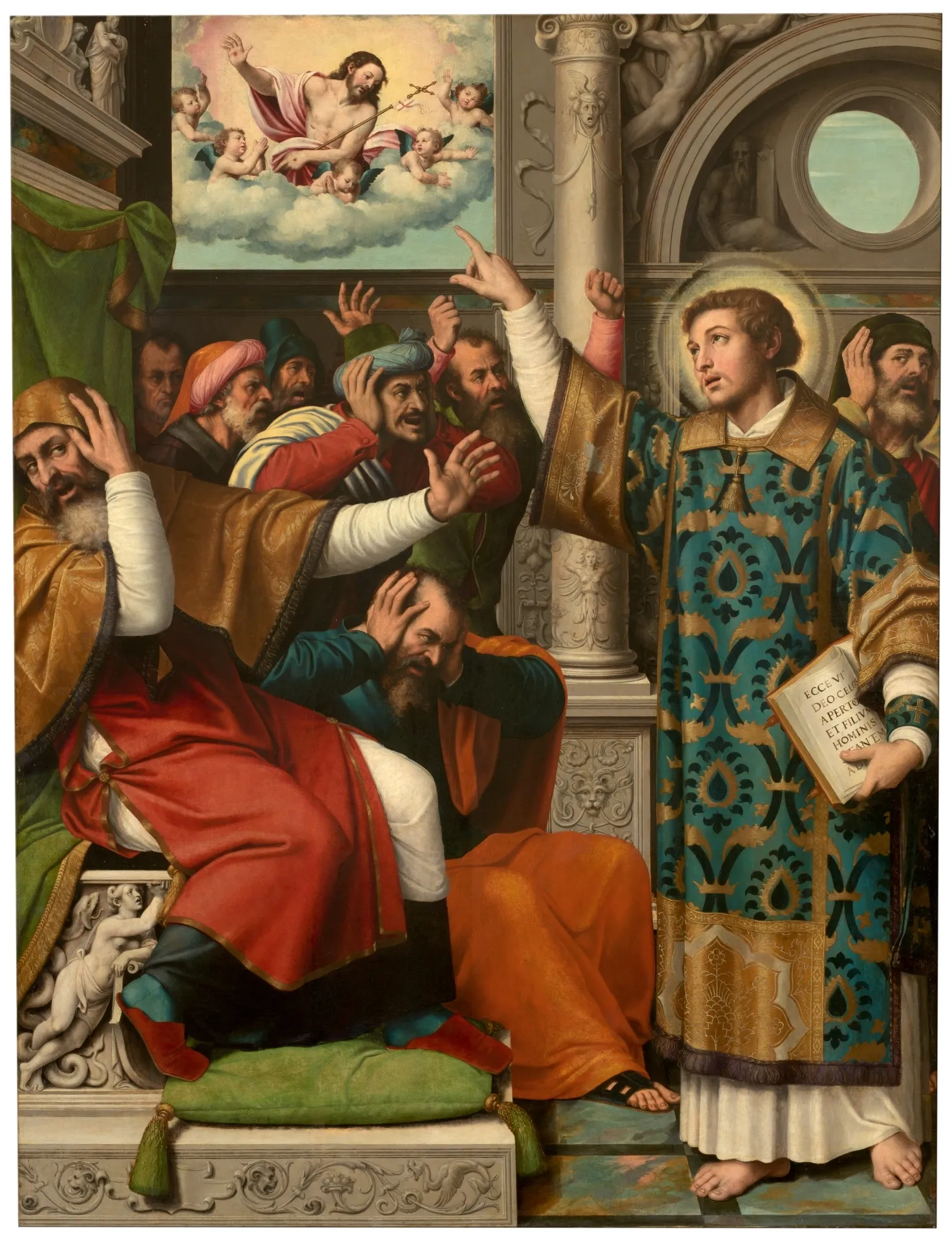
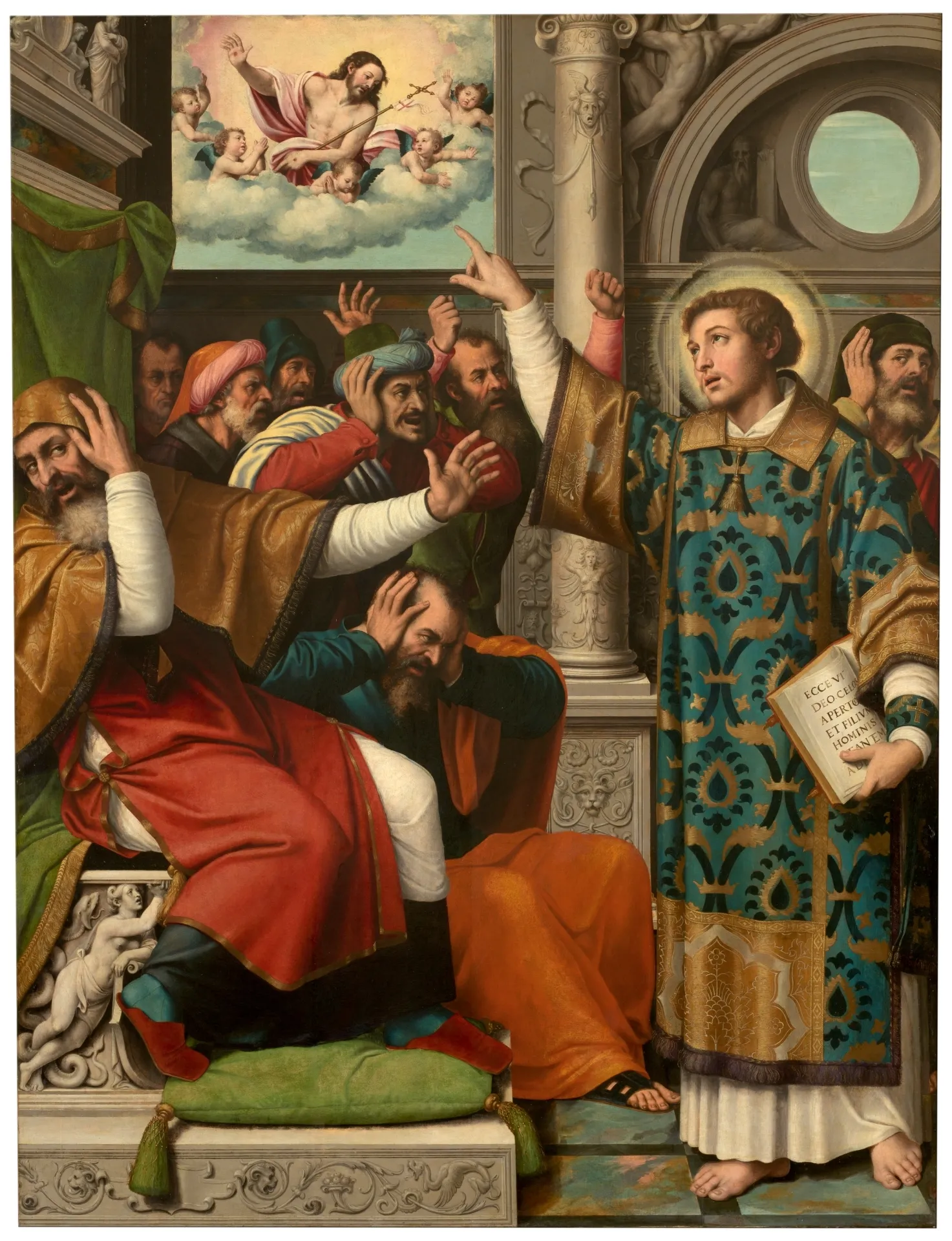
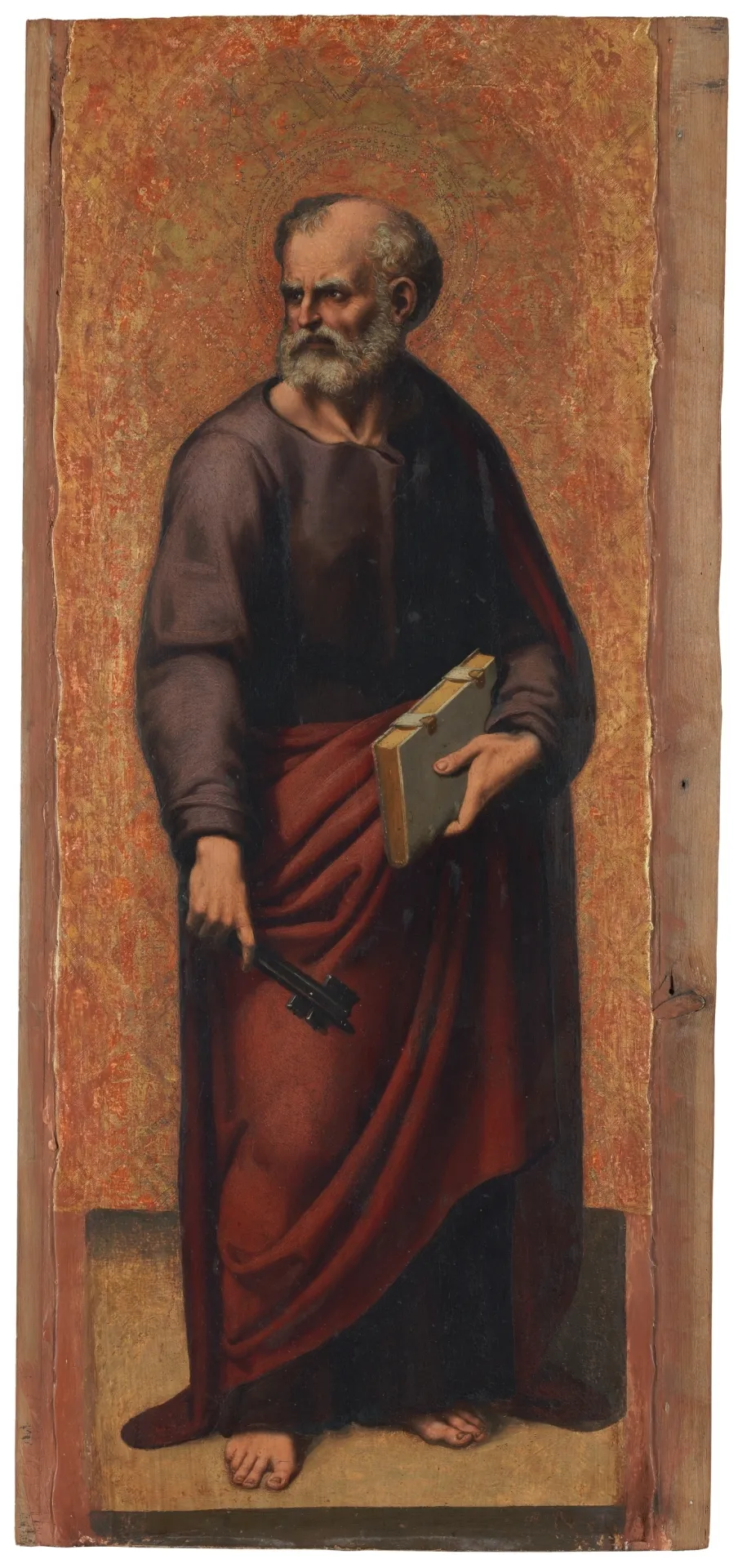
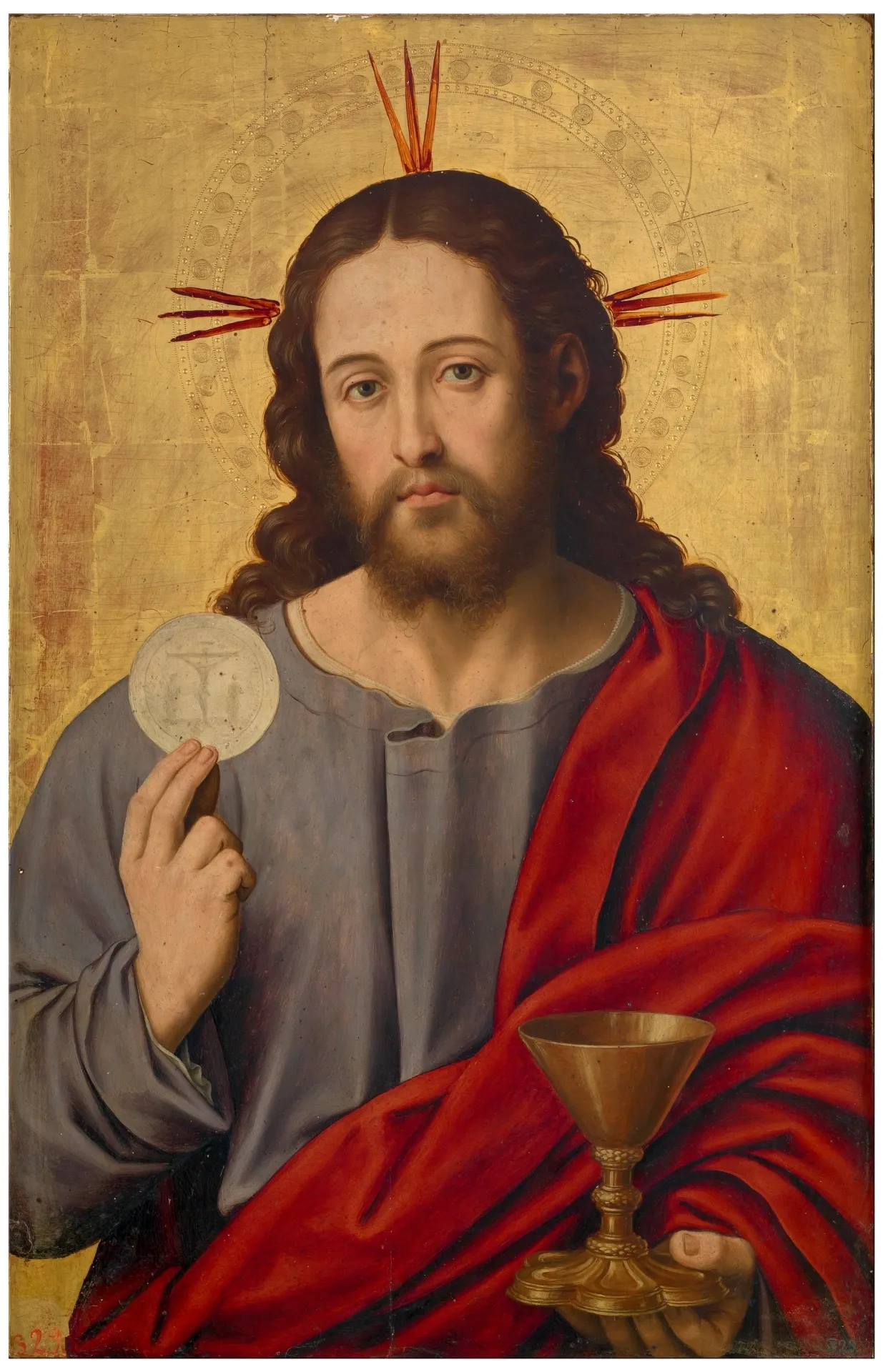
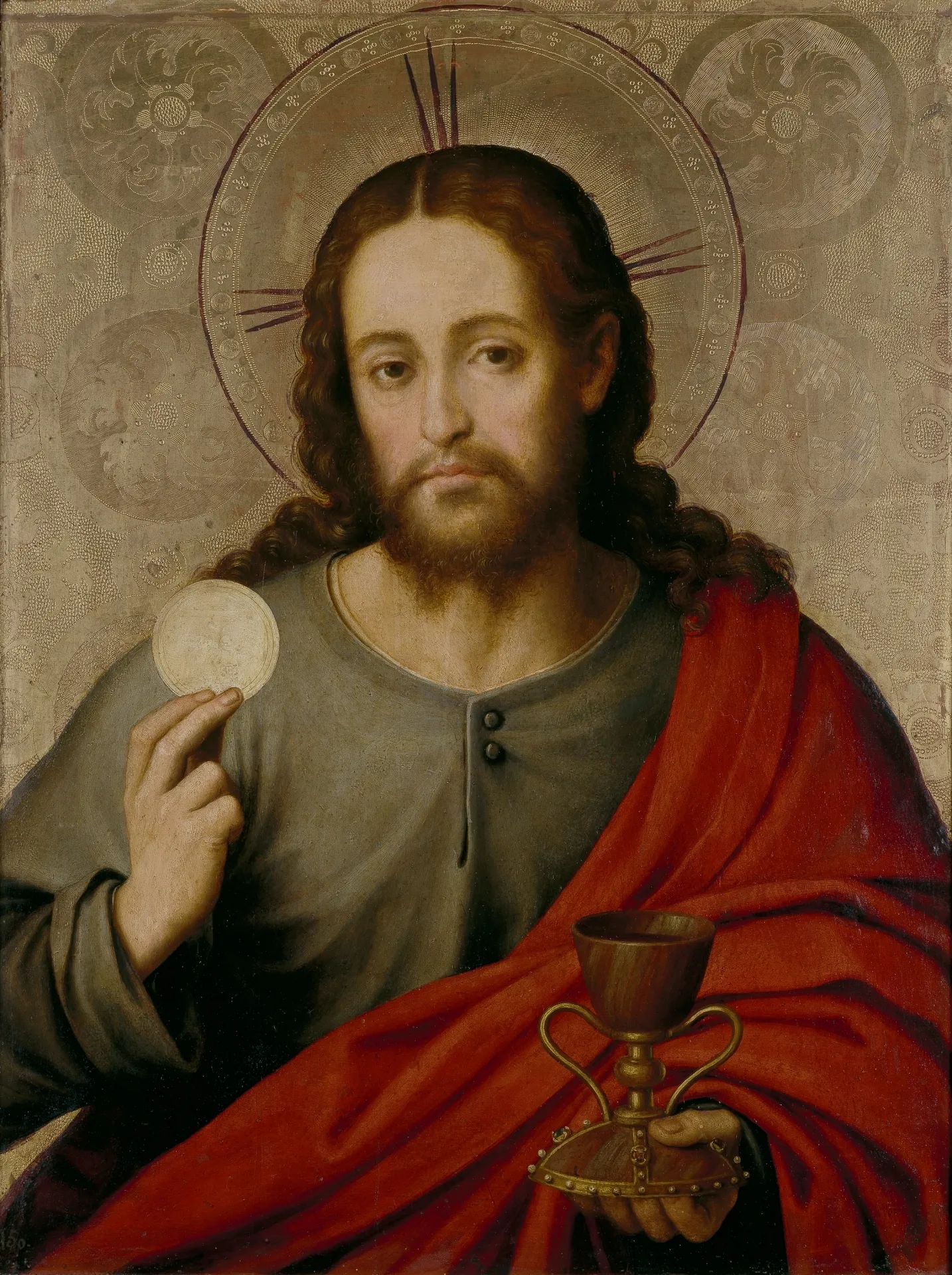
"San Esteban Acusado De Blasfemo" by Vicente Juan Juan de Juanes, also known as Vicente Masip, stands as a testament to the brilliance of the Spanish Renaissance. This hand-painted oil painting captures the fervor and drama that defined religious art of its era. The artist’s legacy is further enriched by related works like "El Salvador" and "Retrato De Un Caballero Santiaguista," each reflecting the spiritual depth and technical mastery that collectors seek in fine art painting for sale.
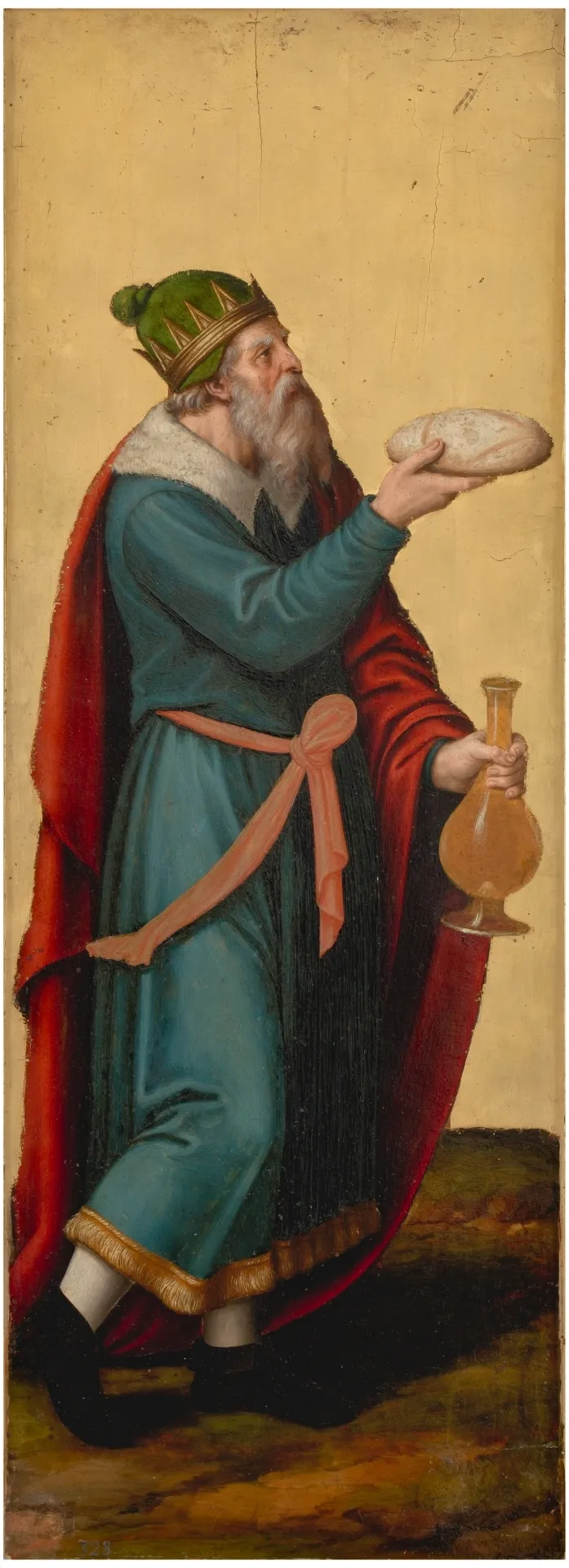
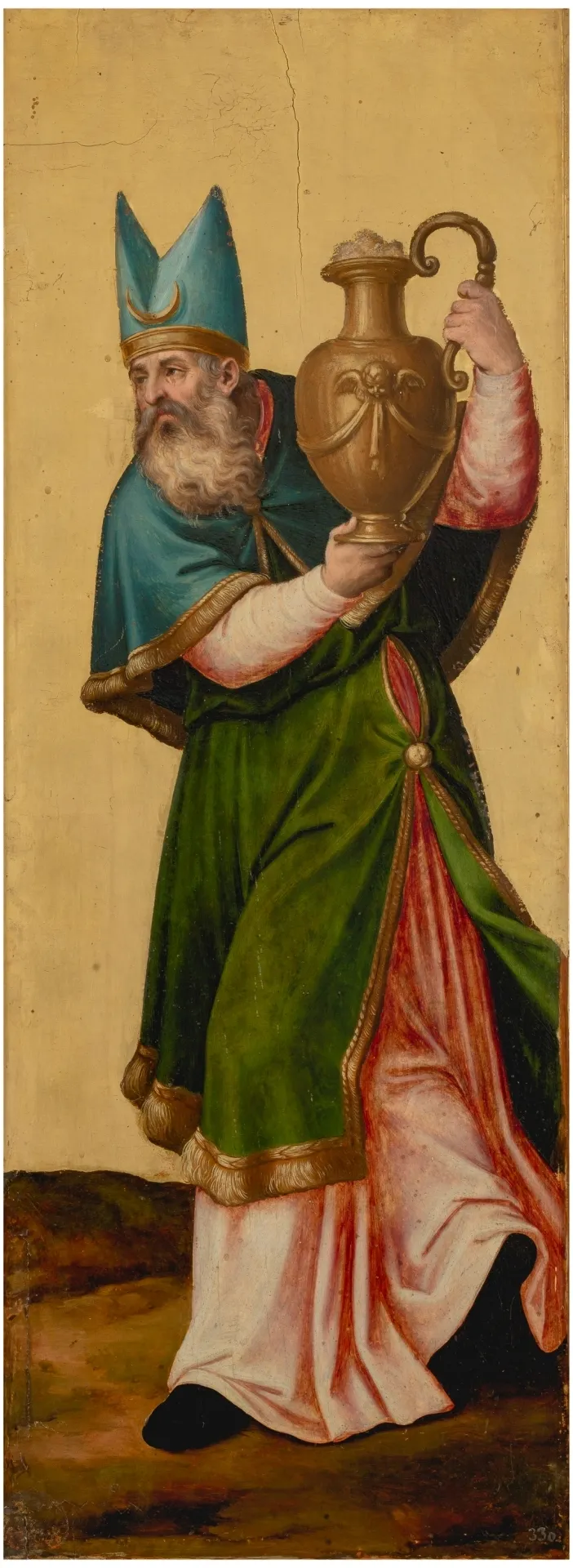
Each element in "San Esteban Acusado De Blasfemo" is thoughtfully composed, reflecting the narrative power of Spanish Renaissance art. The painting’s symbolism, from the martyr’s serene expression to the accusing crowd, invites viewers to explore deeper meanings. Works like "Melquisedec, Rey De Salem" and "El Salvador Con La Eucaristia" share similar storytelling traditions, making this fine art painting for sale a captivating addition to any collection that values historical and religious significance.
For art enthusiasts and collectors, "San Esteban Acusado De Blasfemo" by Vicente Juan Juan de Juanes / Masip (Macip) represents a rare opportunity to own a hand-painted oil painting from the Spanish Renaissance. Its historical value is complemented by related products such as "El Salvador" and "The Last Supper (2) 1560s." Investing in this fine art painting for sale ensures the preservation of a timeless masterpiece that resonates with both aesthetic beauty and cultural heritage.
When Art Meets History
"San Esteban Acusado De Blasfemo" by Vicente Juan Juan de Juanes, also known as Vicente Masip, stands as a testament to the Spanish Renaissance movement. This hand-painted oil painting captures the dramatic moment of Saint Stephen being accused of blasphemy, reflecting the era’s deep religious and cultural currents. The artist's mastery places this work alongside other celebrated scenes from his portfolio, making it a sought-after fine art painting for sale among collectors of historical religious narratives.
Techniques That Speak
Vicente Juan Juan de Juanes utilized the traditional oil on canvas technique to bring "San Esteban Acusado De Blasfemo" to life. His meticulous brushwork and nuanced use of color highlight the artist’s commitment to Renaissance ideals of balance and realism. These qualities are also evident in his related paintings, which showcase the technical prowess that set Spanish Renaissance art apart, making each oil on canvas a visual study in depth and emotion.
Emotions on Display
In "San Esteban Acusado De Blasfemo," viewers are drawn into the emotional turmoil faced by Saint Stephen, a hallmark of Juan de Juanes’ evocative style. The composition’s expressive faces and dramatic gestures reflect the artist’s ability to convey intense emotion, a trait celebrated throughout the Spanish Renaissance. This hand-painted oil painting invites viewers to empathize with the subject, much like other poignant works by the artist, adding depth to any collection.
Coveted by Collectors
Collectors prize "San Esteban Acusado De Blasfemo" for its historical significance and artistic mastery. As a fine art painting for sale, it embodies the spiritual and cultural richness of the Spanish Renaissance, crafted by Vicente Juan Juan de Juanes. The painting’s provenance and connection to related works by the artist enhance its desirability, making it a centerpiece for those seeking to own a distinguished example of this revered period in art history.
Frequently Asked Questions About San Esteban Acusado De Blasfemo
What is the historical significance of "San Esteban Acusado De Blasfemo"?
This painting depicts the martyrdom of Saint Stephen, the first Christian martyr, who was accused of blasphemy. It reflects the tensions between early Christianity and Judaism during the time of its creation, highlighting the struggles faced by believers in a predominantly non-Christian society.
Who was Vicente Juan Juan de Juanes / Masip?
Vicente Juan Juan de Juanes, also known as Masip, was a prominent Spanish painter of the Renaissance period. He is celebrated for his religious works that combine meticulous detail with emotional depth, influencing the development of Spanish Baroque art.
What artistic techniques are used in this painting?
The artist employs chiaroscuro to create dramatic contrasts between light and shadow, enhancing the emotional intensity of the scene. The use of vibrant colors and intricate details also exemplifies the Mannerist style characteristic of Juanes' work.
What symbols are present in "San Esteban Acusado De Blasfemo"?
Key symbols include the stones that represent the method of Saint Stephen's martyrdom, and the open book, which symbolizes his wisdom and faith. The presence of a halo signifies his sanctity and divine favor.
What is the composition of the painting?
The composition is dynamic, with Saint Stephen centrally positioned, surrounded by figures that express a range of emotions from anger to sorrow. This arrangement draws the viewer's eye toward the central figure, emphasizing his significance in the narrative.
In what context was "San Esteban Acusado De Blasfemo" created?
The painting was created during the Spanish Renaissance, a period marked by religious fervor and the Counter-Reformation. Artists like Juanes were commissioned to produce works that reinforced Catholic doctrine and inspired devotion among the faithful.
What influences can be seen in Juanes' work?
Juanes' work shows influences from both Italian Renaissance masters and the burgeoning Spanish Baroque style. His attention to human emotion and detail reflects the transition in artistic focus during this period.
How does this painting reflect the themes of martyrdom and faith?
The painting powerfully conveys themes of martyrdom through the portrayal of Saint Stephen's suffering and steadfastness in faith. It serves as a visual testament to the trials faced by early Christians and the ultimate sacrifice they made for their beliefs.
Where can I view "San Esteban Acusado De Blasfemo"?
This artwork is part of the collection at [insert gallery name], where it is displayed alongside other significant works from the Renaissance period, allowing visitors to appreciate its historical and artistic context.
What impact did "San Esteban Acusado De Blasfemo" have on later artists?
The painting influenced subsequent generations of artists by exemplifying the integration of emotional depth and narrative clarity in religious art. Its dramatic presentation of biblical themes paved the way for Baroque artists to explore similar subjects with greater intensity.























_GFM_Painting_(1).webp)


 100% Hand-Painted: Finished in 3-6 Weeks

.png)












_1560s.webp)



_(1).webp)