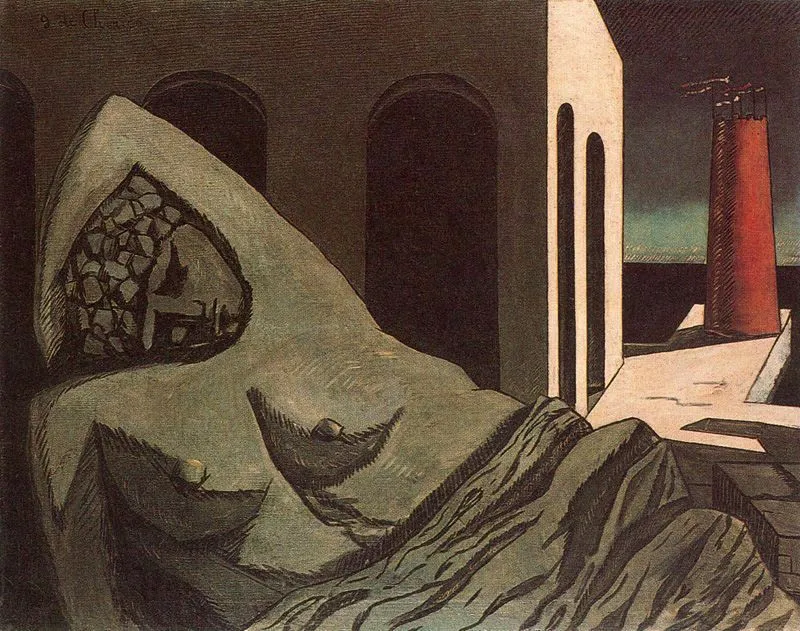
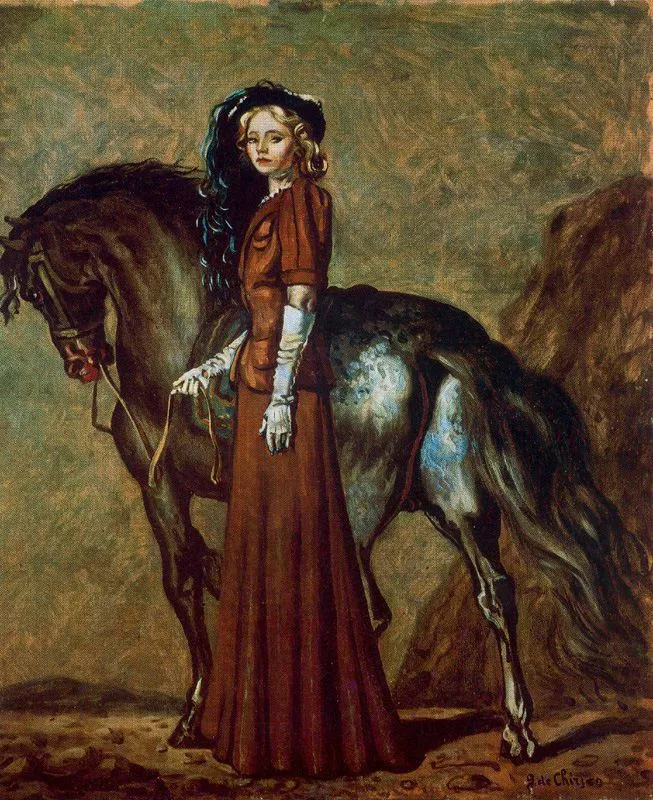
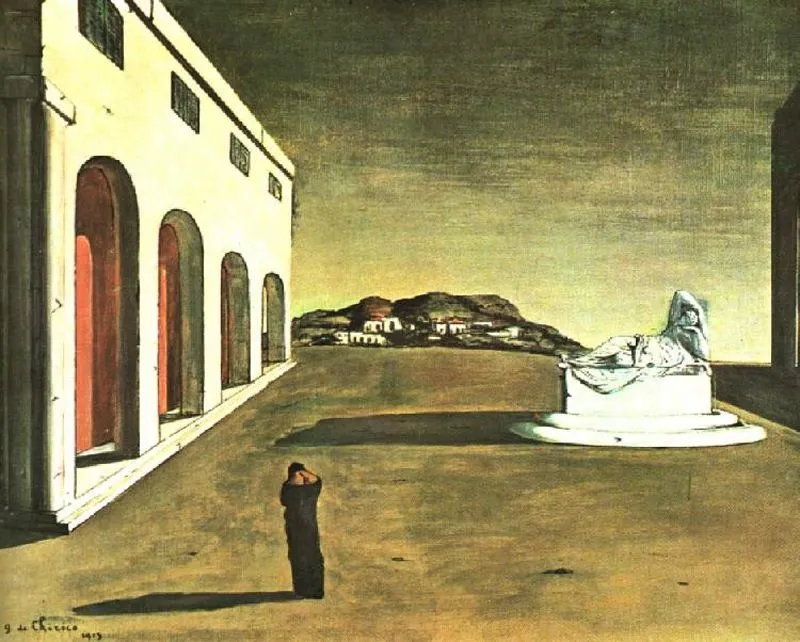
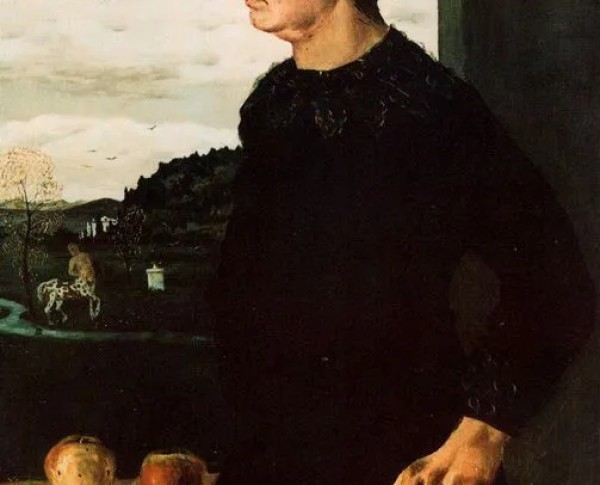
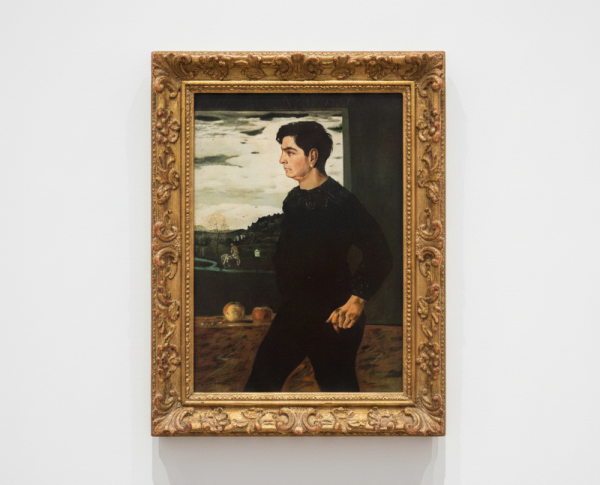
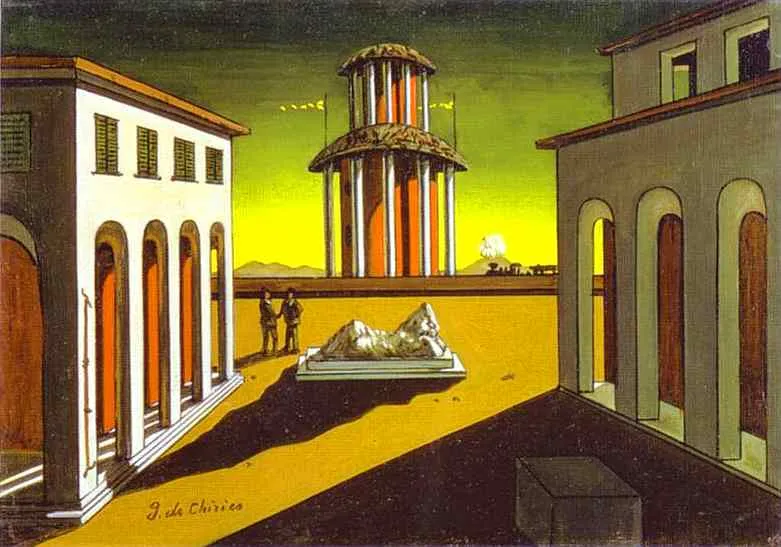
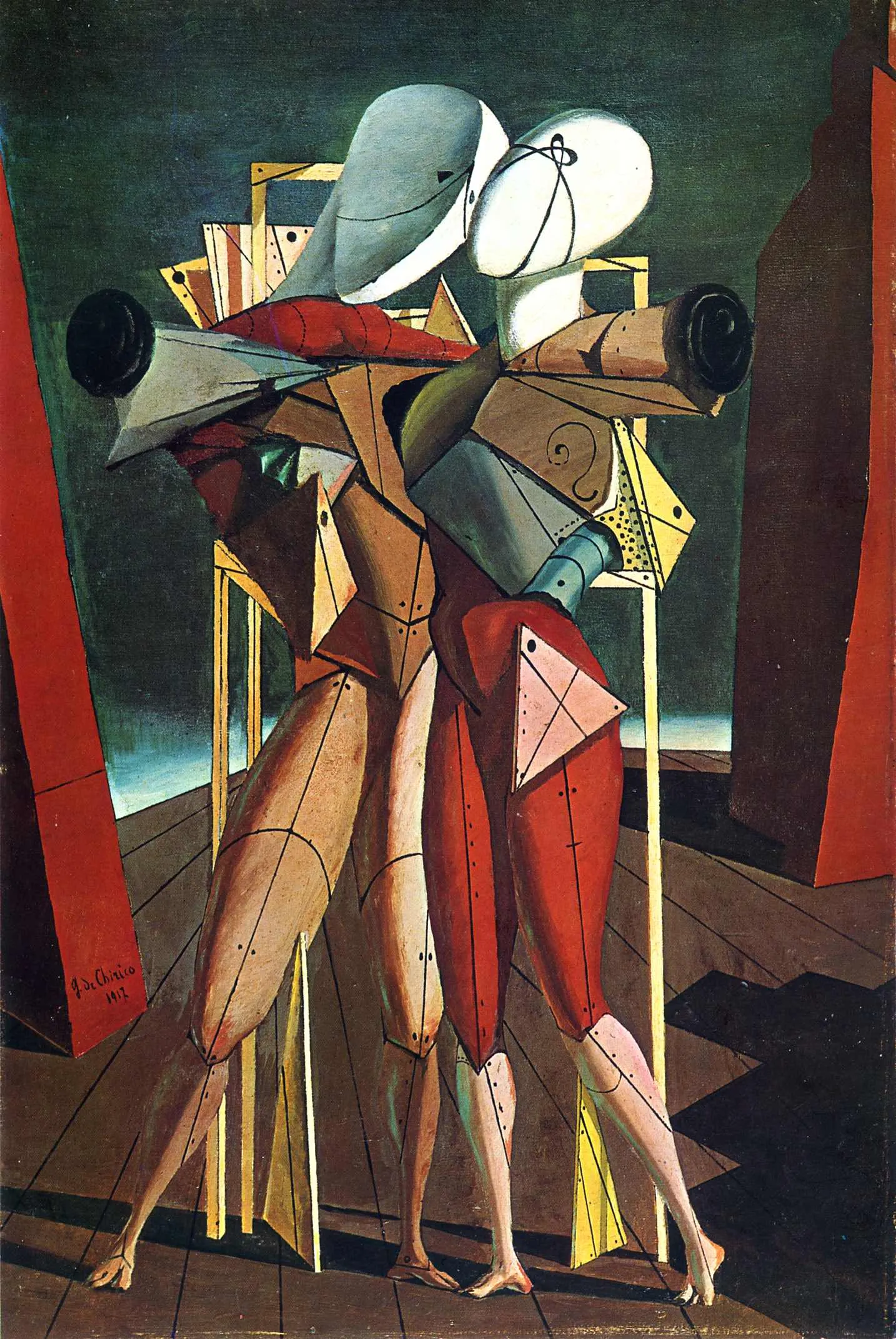
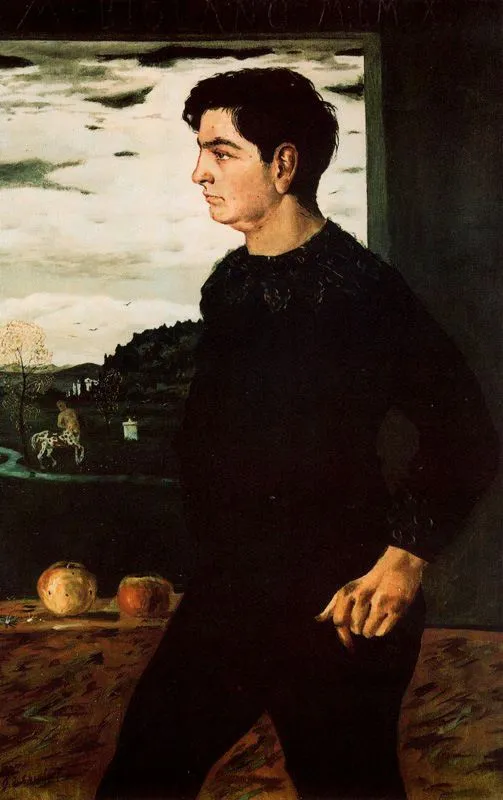
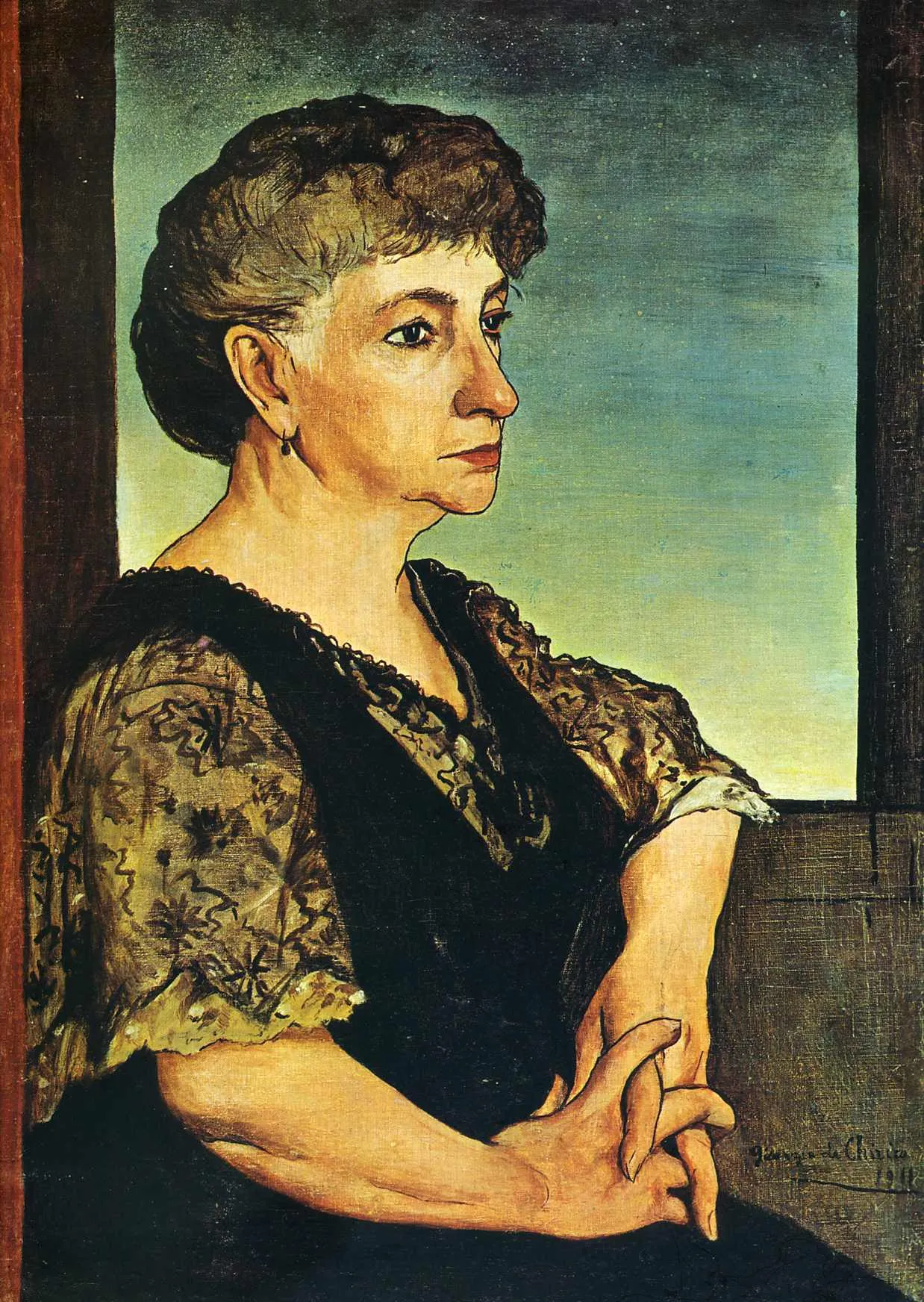
De Chirico’s mastery is evident in the meticulous detail and atmospheric perspective of "Hector and Andromache." Crafted with rich oil on canvas, the painting captures the haunting stillness and architectural forms characteristic of Surrealism. Each brushstroke reflects the artist’s skill in blending classical figures with modern abstraction, much like in "Portrait of Andrea, brother of the artist" and "The Enigma of the Hour." For collectors, this oil on canvas is a striking addition to any fine art collection.
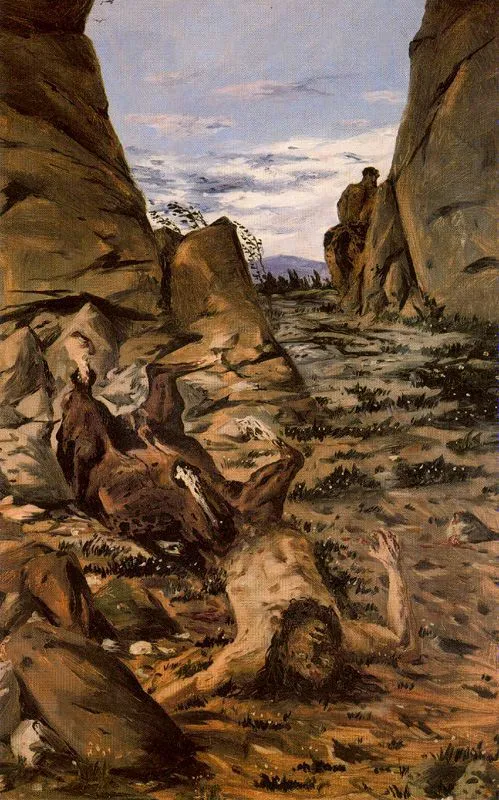
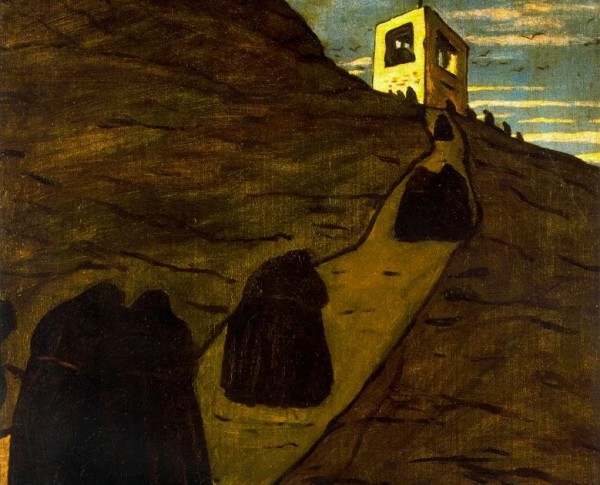
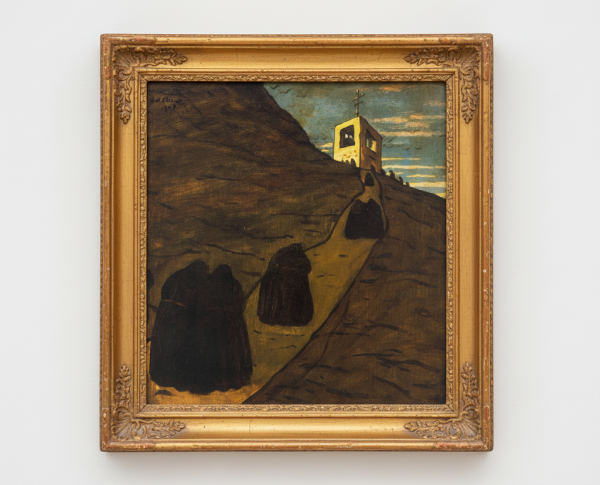
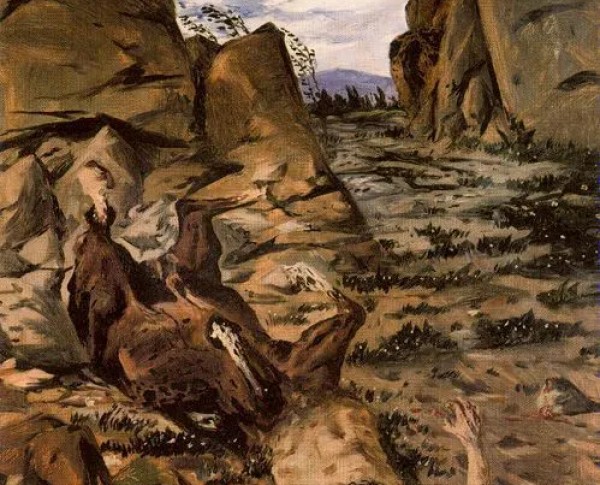
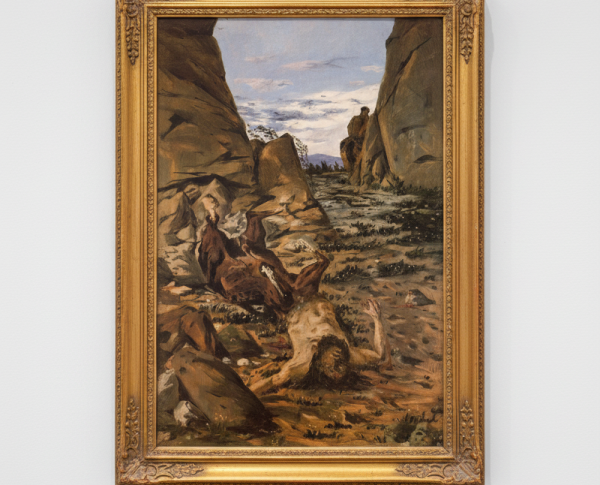
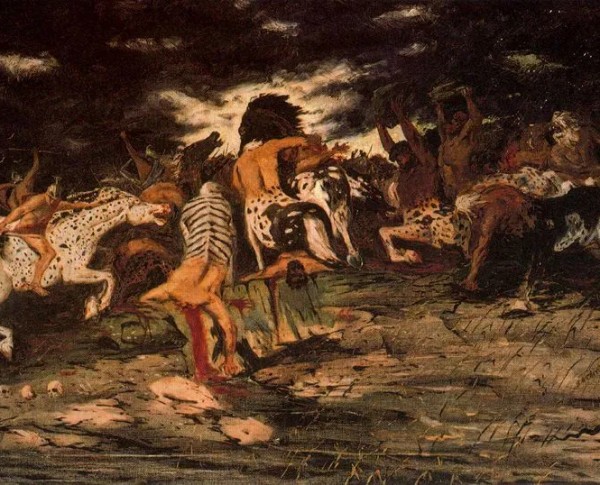
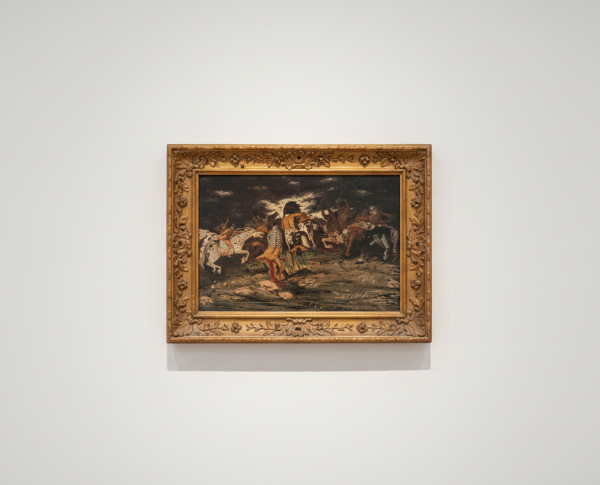
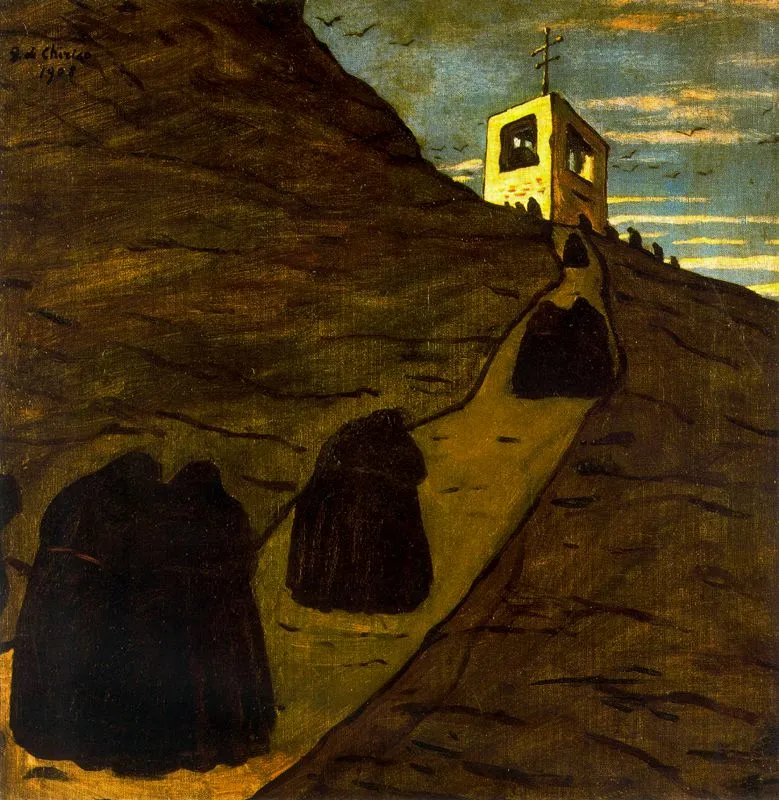
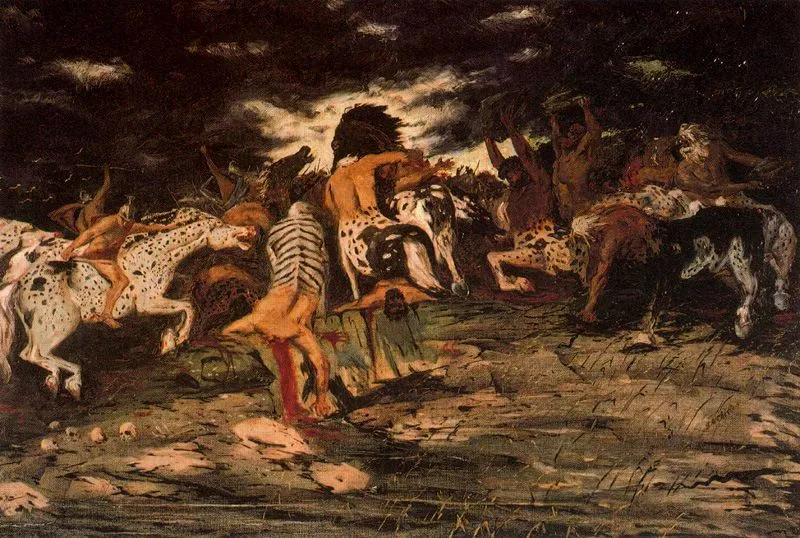
Within "Hector and Andromache," Giorgio de Chirico weaves a tapestry of symbols, drawing from ancient myth and the subconscious. The Surrealist movement’s fascination with dreams is evident in the enigmatic poses and shadowed spaces. As seen in related works like "The battle of Lapiths and Centaurs" and "Climb to the monastery," de Chirico’s hand-painted oil painting invites endless interpretation, making it a captivating piece for those who appreciate narrative depth in fine art.
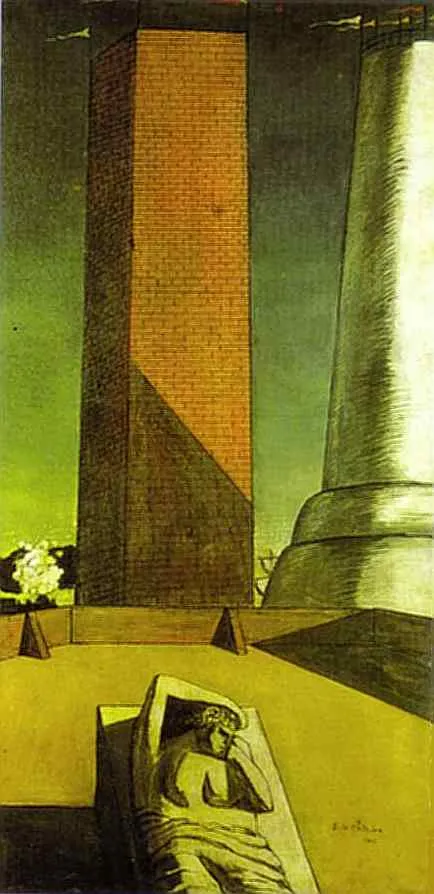
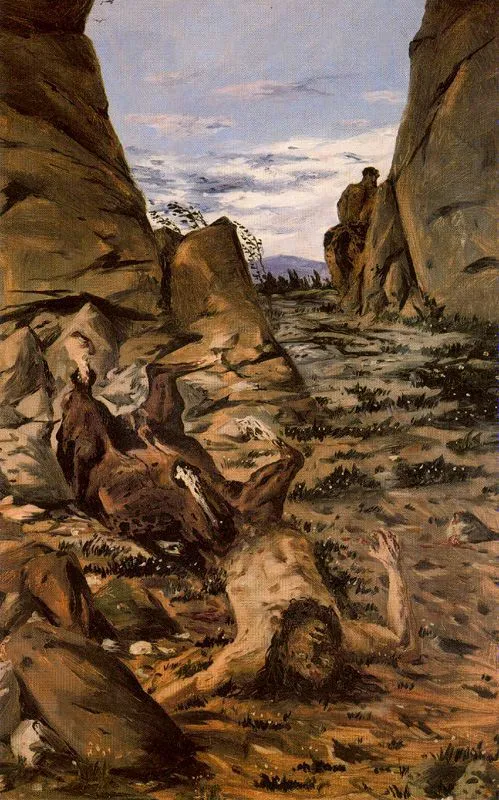
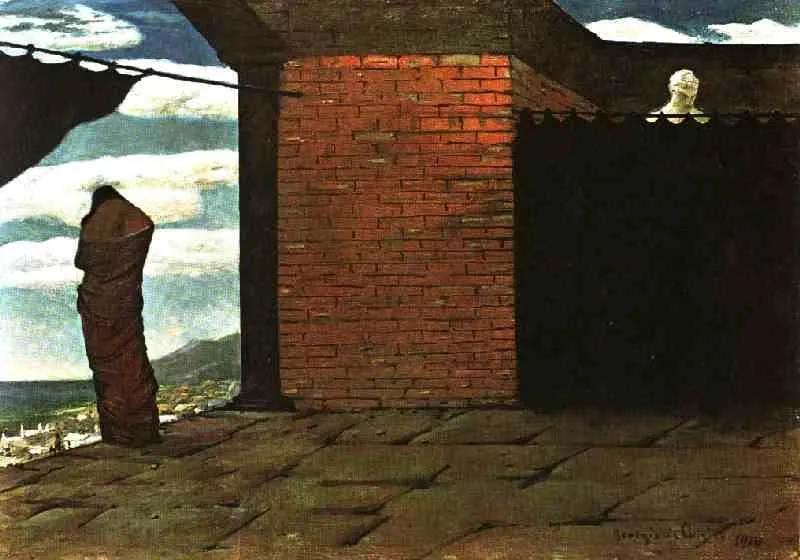
For collectors seeking a fine art painting for sale that embodies both historical significance and modern intrigue, "Hector and Andromache" by Giorgio de Chirico is an exceptional choice. This Surrealist masterpiece, like "The Enigma of the Oracle" and "Dying Centaur," offers lasting value and visual intrigue. Whether displayed alongside oil on canvas works or as a focal point, it is a testament to de Chirico’s enduring influence in the world of art and Surrealism.
When Art Meets History
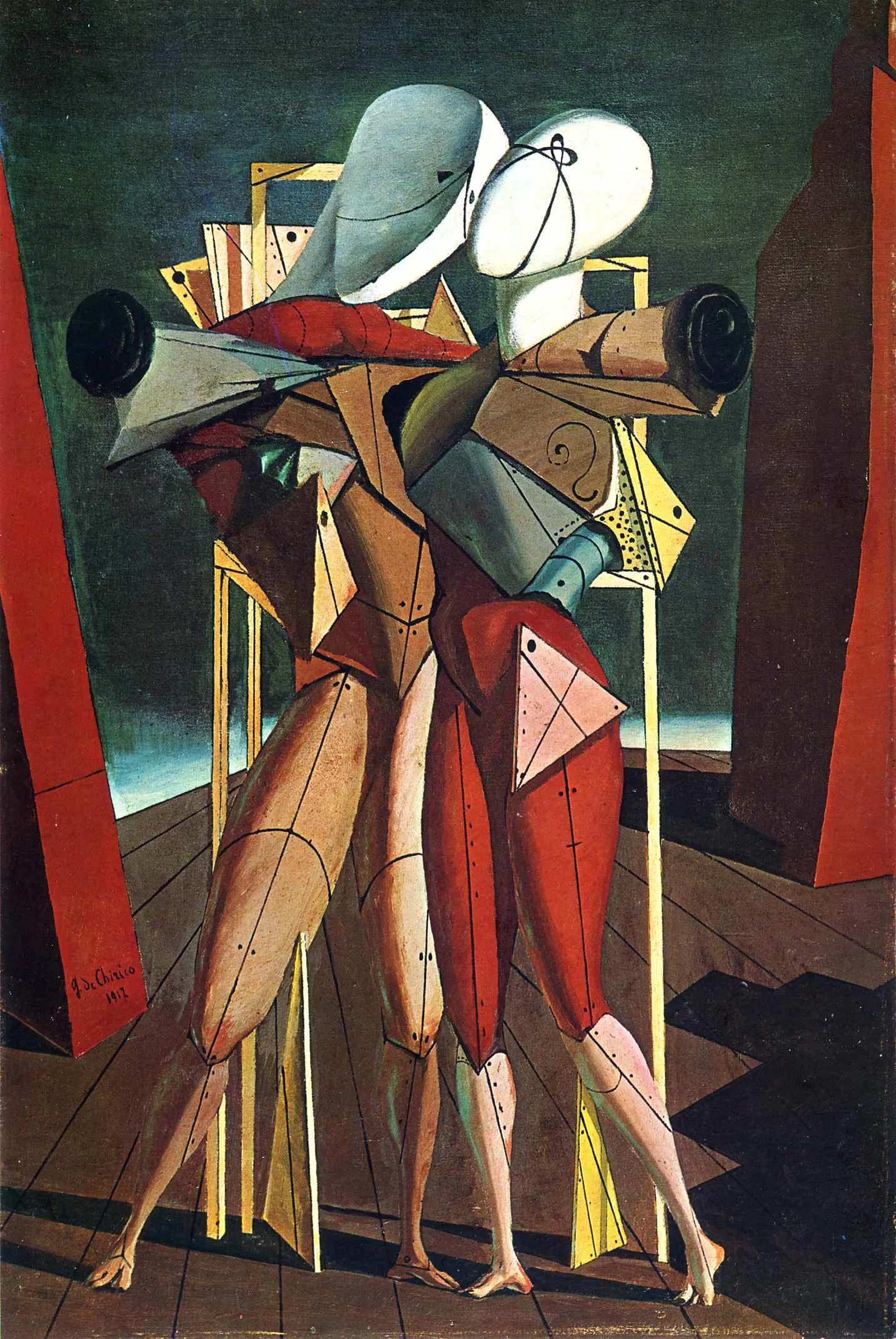
"Hector and Andromache" by Giorgio de Chirico is a striking example of Surrealism, a movement renowned for its dreamlike and enigmatic qualities. This hand-painted oil painting captures a poignant moment from Greek mythology, reflecting de Chirico’s fascination with classical subjects. By merging historical figures with surrealist elements, de Chirico invites viewers to explore the intersection of myth and modernity, much like he does in his other works. This masterpiece exemplifies the Surrealist approach to reimagining the past.
Techniques That Speak
Giorgio de Chirico’s "Hector and Andromache" demonstrates masterful use of oil on canvas, with bold forms and stark shadows that are hallmarks of his style. The composition employs unexpected perspectives and a subdued color palette to evoke a sense of mystery. As with many Surrealist paintings, de Chirico’s technique blurs the boundaries between reality and imagination, making this oil on canvas a standout piece for collectors and admirers of early twentieth-century art.
Emotions on Display
In "Hector and Andromache," Giorgio de Chirico conveys a powerful sense of longing and melancholy, typical of the Surrealism movement. The figures, rendered with his signature metaphysical style, evoke feelings of separation and fate. This fine art painting for sale captures the emotional tension between the two mythological characters, inviting viewers to reflect on their own interpretations. De Chirico’s ability to infuse emotion into his surreal settings sets this work apart from other related paintings of the era.
Coveted by Collectors
As a fine example of Surrealism, "Hector and Andromache" by Giorgio de Chirico is highly sought after by art enthusiasts worldwide. This hand-painted oil painting is considered a prized addition to any serious collection, thanks to its unique blend of mythological themes and surrealist techniques. Collectors appreciate the painting’s historical significance and its connection to de Chirico’s broader body of work, making it a standout among fine art painting for sale in today’s market.
Frequently Asked Questions About Hector and Andromache
What is the historical context of "Hector and Andromache"?
"Hector and Andromache" was created during the early 20th century, a period marked by significant cultural and artistic shifts. Giorgio de Chirico, the artist, was influenced by classical themes and the emotional depth of ancient narratives, particularly those from Greek mythology.
What themes are explored in "Hector and Andromache"?
The painting delves into themes of love, loss, and the inevitability of fate. It captures the poignant moment of farewell between Hector, a Trojan prince, and his wife Andromache, symbolizing the personal sacrifices made in the face of war.
What artistic techniques did Giorgio de Chirico use in this painting?
De Chirico employed a distinctive use of chiaroscuro, creating dramatic contrasts between light and shadow. His surreal composition and dreamlike quality invite viewers to engage with the emotional undercurrents of the scene.
How does "Hector and Andromache" reflect de Chirico's artistic style?
The painting exemplifies de Chirico's metaphysical style, characterized by enigmatic figures, classical architecture, and a sense of melancholy. His unique approach to perspective and spatial relationships enhances the emotional weight of the narrative.
What symbolic elements are present in "Hector and Andromache"?
Symbolism in the painting includes the presence of shadows, which represent the looming threat of death and the passage of time. The figures of Hector and Andromache symbolize the universal struggle between love and duty.
In what way does this painting connect to Greek mythology?
The painting is rooted in the story of the Iliad, where Hector, a hero of Troy, faces the harsh realities of war. This connection to Greek mythology enriches the narrative and emphasizes the timeless nature of human emotions.
How has "Hector and Andromache" influenced modern art?
The painting has influenced modern artists by showcasing the integration of classical themes with surrealism. De Chirico's exploration of psychological depth and emotional resonance continues to inspire contemporary interpretations of narrative in art.
What is the significance of the figures' expressions in the painting?
The expressions of Hector and Andromache convey profound sorrow and resignation, encapsulating the emotional turmoil faced by individuals caught in the throes of conflict. Their facial expressions serve as a powerful commentary on the human condition.
What role does color play in "Hector and Andromache"?
Color in the painting is used to evoke mood and atmosphere. The muted palette enhances the somber tone of the scene, while strategic pops of color draw attention to the central figures, emphasizing their emotional connection.
Where can I view "Hector and Andromache"?
"Hector and Andromache" is part of the permanent collection at our gallery. We encourage visitors to experience the painting in person to fully appreciate its intricate details and emotional depth.






















_GFM_Painting_(1).webp)


 100% Hand-Painted: Finished in 3-6 Weeks

.png)















_(1).webp)