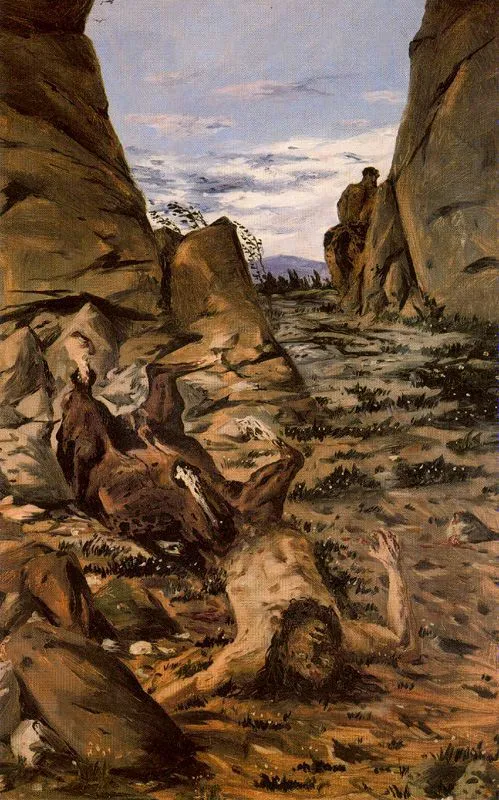
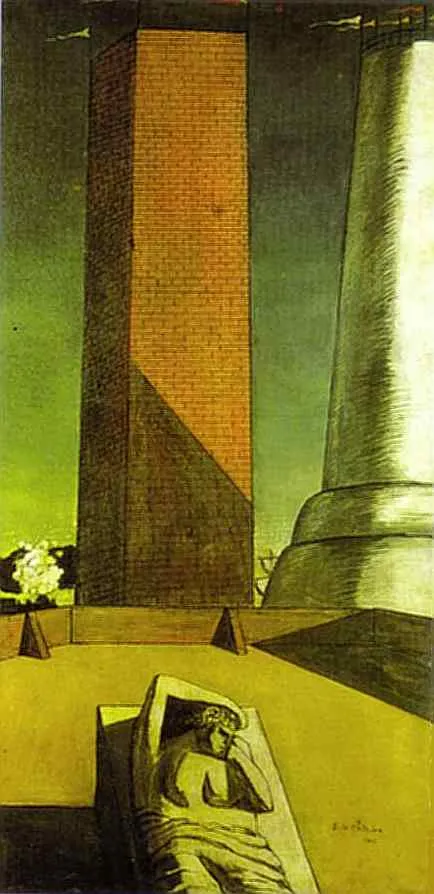
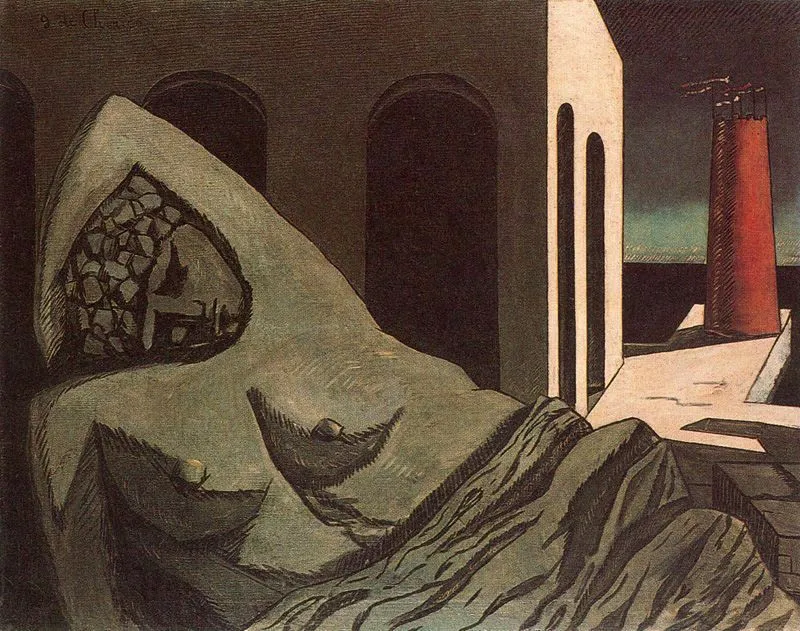
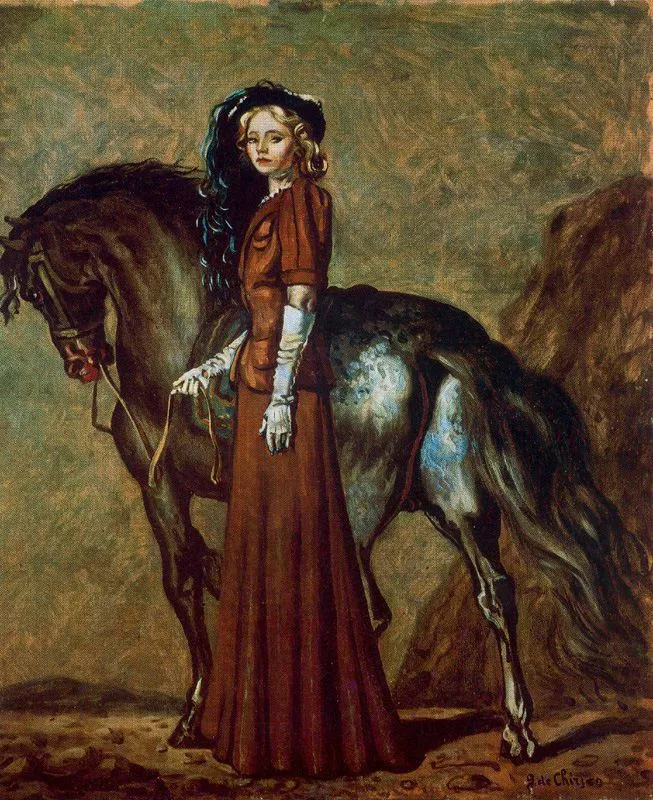
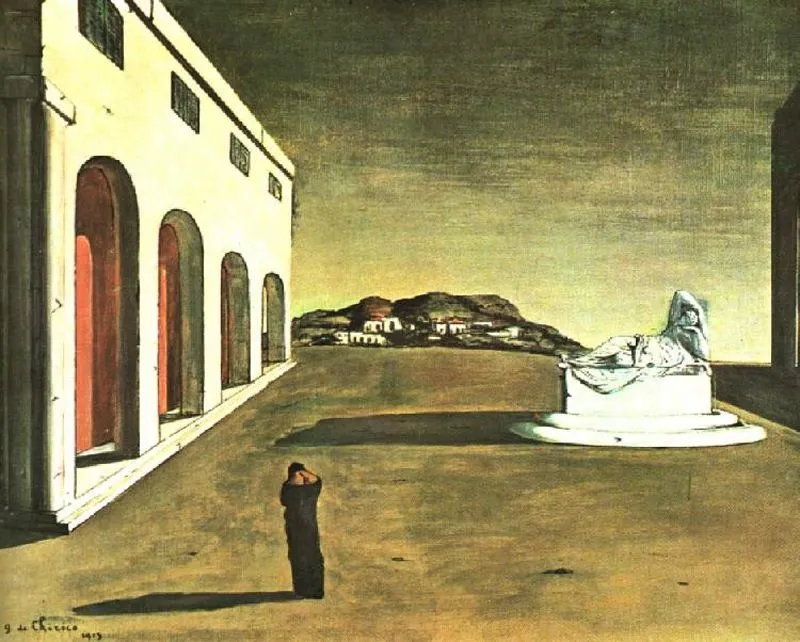
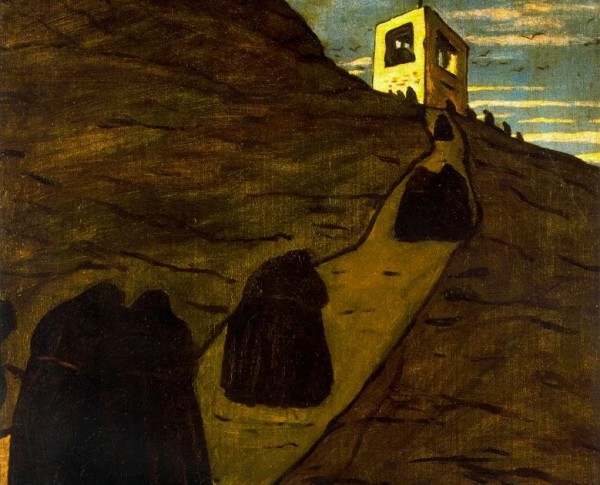
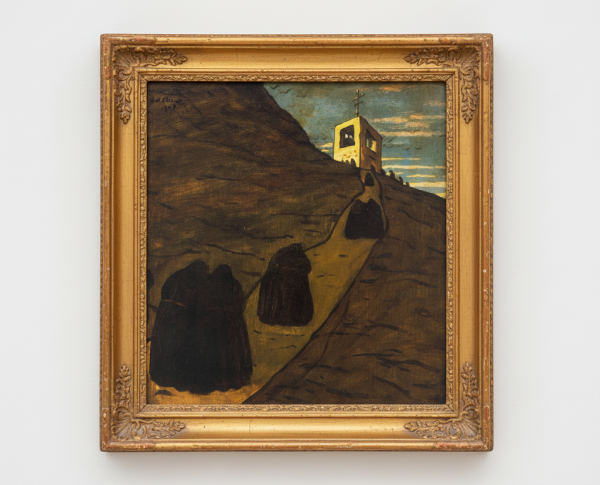
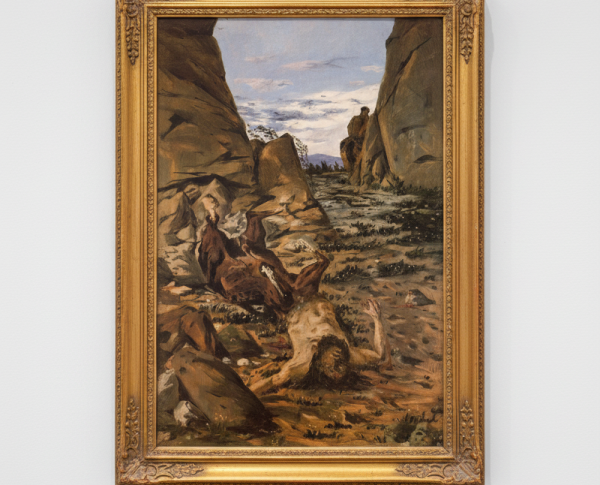
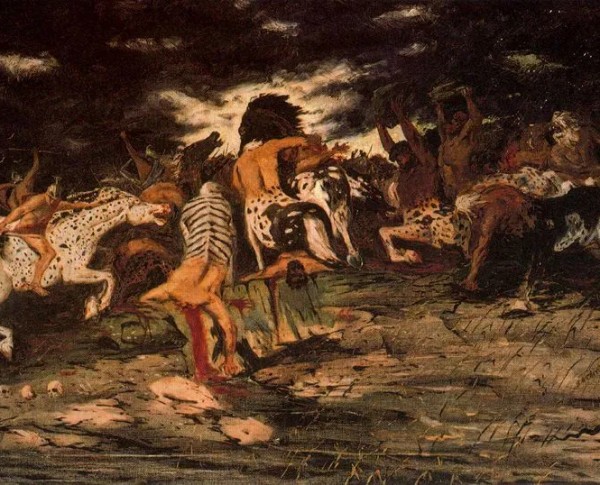
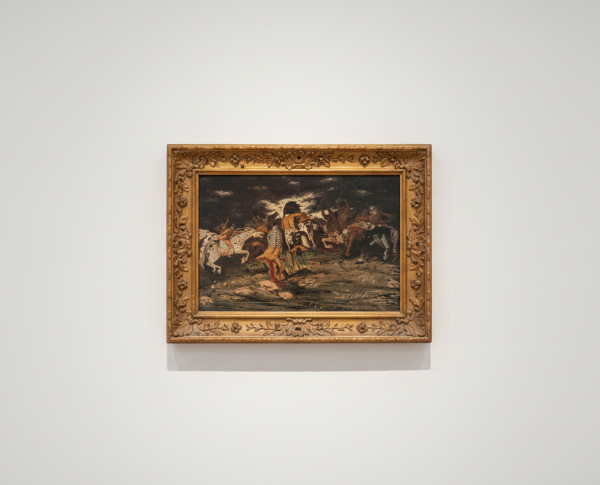
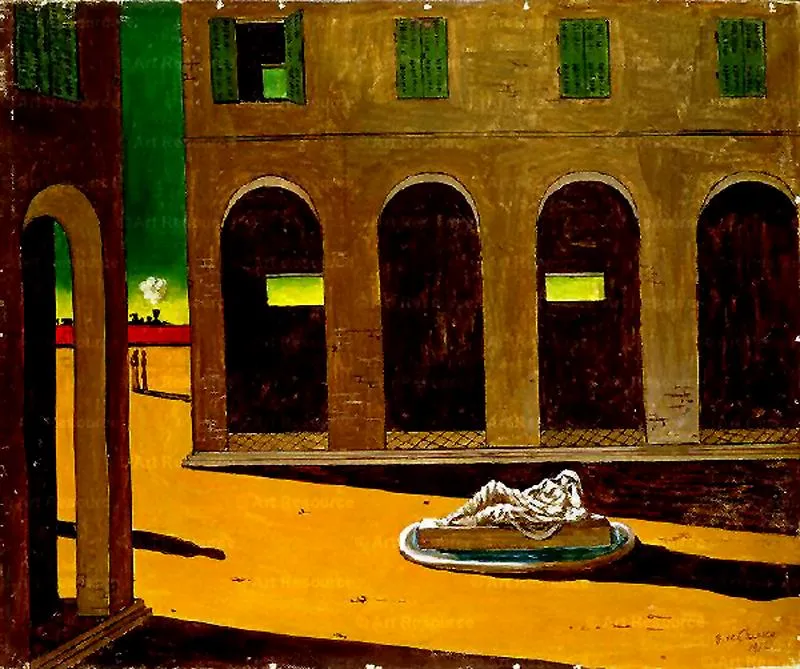
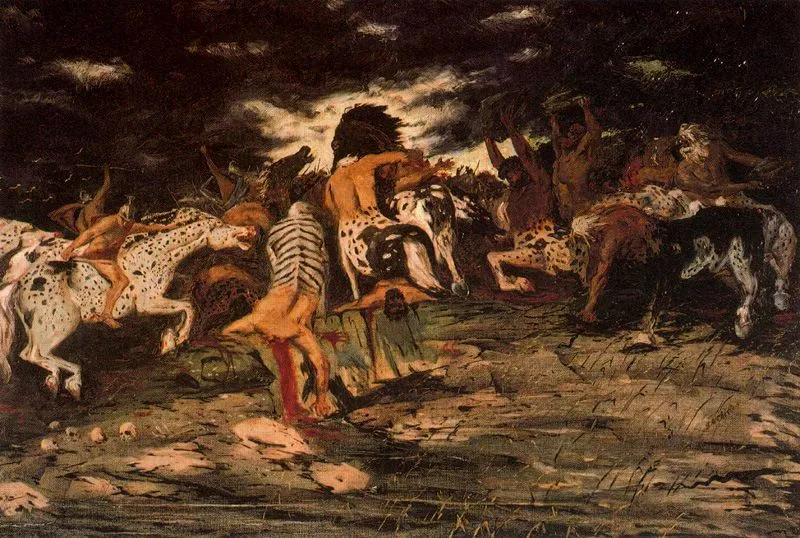
The meticulous technique in “Italian Piazza” showcases Giorgio de Chirico’s mastery of oil on canvas, blending precision with imagination. Every architectural line and shadow reflects the artist’s ability to infuse ordinary spaces with dreamlike qualities, a hallmark of the Surrealism movement. This painting shares a kinship with masterpieces such as “Dying Centaur” and “The battle of Lapiths and Centaurs,” making it a remarkable example for those seeking museum-quality oil on canvas artworks.
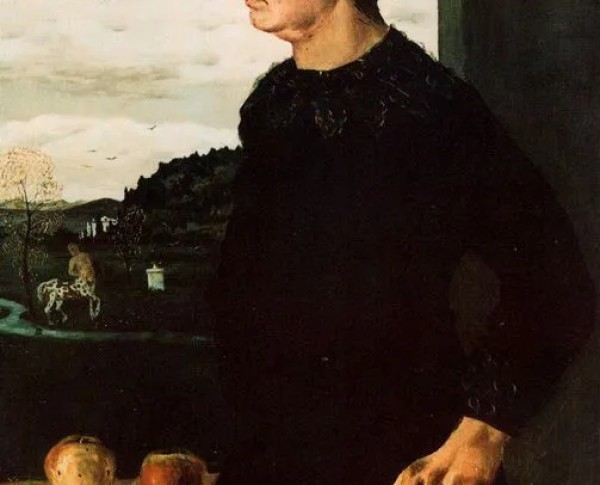
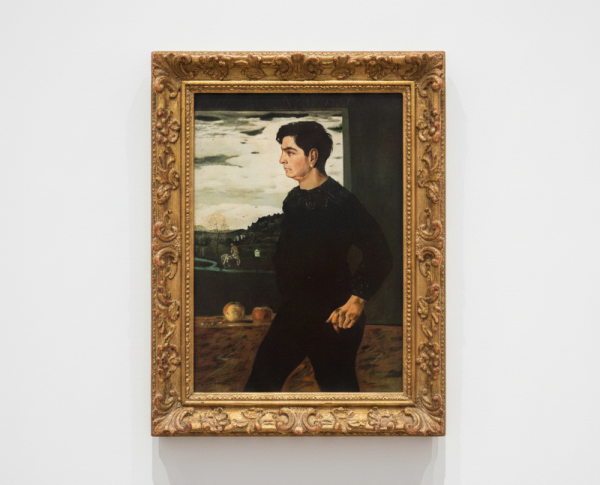
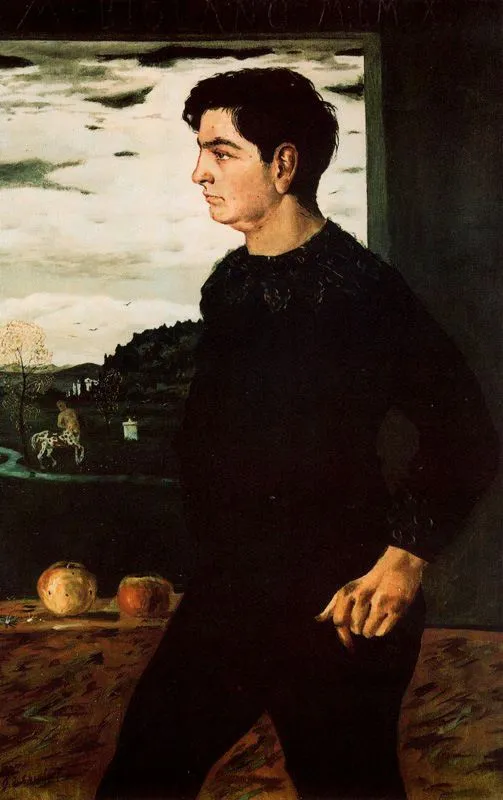
In “Italian Piazza,” Giorgio de Chirico weaves a tapestry of stories and symbols that invite viewers to ponder hidden meanings. The deserted square and elongated shadows are classic elements of Surrealism, encouraging interpretation and introspection. As with his “Portrait of Andrea, brother of the artist” and “Hector and Andromache,” this fine art painting for sale offers a unique narrative, making it a compelling addition to any art collection inspired by enigmatic symbolism.
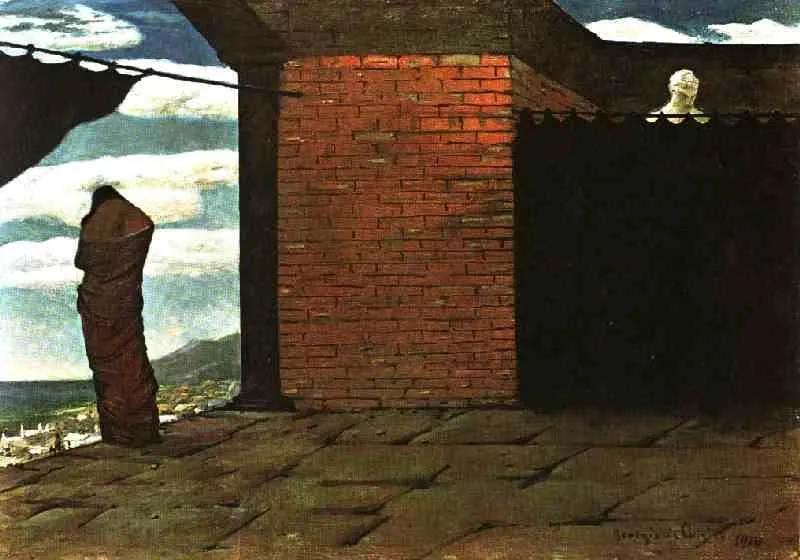
Owning “Italian Piazza” by Giorgio de Chirico is more than acquiring a fine art painting for sale; it is embracing a piece of Surrealism history. The painting’s timeless appeal and masterful execution place it alongside related masterpieces like “The Enigma of the Oracle” and “Hector and Andromache.” Collectors seeking hand-painted oil paintings that evoke curiosity and intellectual engagement will find “Italian Piazza” an invaluable addition to their curated art selections.
When Art Meets History
"Italian Piazza" by Giorgio de Chirico is a remarkable hand-painted oil painting that transports viewers to a dreamlike urban landscape. Created during the Surrealism movement, de Chirico’s work captures the enigmatic beauty of deserted town squares and elongated shadows. This fine art painting for sale stands as a testament to the artist’s fascination with classical architecture and metaphysical themes, echoing the mysterious ambiance found in his other masterpieces from the same era.
Techniques That Speak
Giorgio de Chirico’s masterful use of oil on canvas brings "Italian Piazza" to life with bold contrasts and precise lines. The painting’s surreal perspective and carefully crafted light effects create an atmosphere that feels both familiar and otherworldly. De Chirico, a pioneer of the Surrealism movement, employs techniques that invite viewers to linger and ponder, making this hand-painted oil painting a striking example of the artist’s signature style.
Emotions on Display
"Italian Piazza" evokes a sense of mystery and solitude, characteristic of Giorgio de Chirico’s finest works. The painting’s empty spaces and elongated shadows stir feelings of nostalgia and intrigue. As a prominent piece within the Surrealism movement, this oil on canvas invites viewers to reflect on the passage of time and the hidden stories within urban landscapes. Such emotional depth makes this fine art painting for sale highly sought after by art enthusiasts.
Coveted by Collectors
Collectors worldwide prize "Italian Piazza" for its historical significance and unique aesthetic. Giorgio de Chirico’s reputation as a leading figure in Surrealism adds immense value to this hand-painted oil painting. Its evocative mood and technical brilliance ensure that it remains a centerpiece in any collection. Similar works by de Chirico continue to attract attention, making this fine art painting for sale a must-have for those passionate about iconic twentieth-century art.
Frequently Asked Questions About Italian Piazza
What is the historical context of "Italian Piazza"?
"Italian Piazza" was created during the early 20th century, a time marked by significant changes in art and society. The painting reflects the influence of the metaphysical painting movement, which sought to evoke a sense of mystery and introspection.
What artistic techniques did Giorgio de Chirico employ in "Italian Piazza"?
De Chirico utilized a combination of classical architecture, elongated shadows, and a muted color palette to create a dreamlike atmosphere. His use of perspective and spatial composition invites viewers to explore the depths of the scene.
What symbolism is present in "Italian Piazza"?
The painting features empty piazzas and classical structures, symbolizing the isolation and alienation of modern life. The juxtaposition of familiar elements in unfamiliar contexts evokes a sense of nostalgia and contemplation.
How does "Italian Piazza" reflect de Chirico's philosophical beliefs?
De Chirico's work often reflects existential themes, questioning reality and perception. "Italian Piazza" embodies his fascination with time, memory, and the subconscious, inviting viewers to ponder their own experiences and emotions.
What influences can be seen in "Italian Piazza"?
The painting draws influence from classical art, particularly the works of the Renaissance. De Chirico's incorporation of architectural elements and mythological references highlights his admiration for ancient cultures.
What role does light play in "Italian Piazza"?
Light in "Italian Piazza" is used to create dramatic contrasts and enhance the surreal quality of the scene. The interplay of light and shadow contributes to the painting's overall mood and emphasizes the emptiness of the piazza.
How does "Italian Piazza" compare to other works by de Chirico?
Similar to other works by de Chirico, "Italian Piazza" features themes of solitude and mystery. However, this painting specifically emphasizes architectural elements, showcasing his ability to blend reality with dreamlike imagery.
What emotions does "Italian Piazza" evoke in viewers?
The painting often evokes feelings of nostalgia, introspection, and a sense of longing. The desolate setting encourages viewers to reflect on their own experiences and the passage of time.
What is the significance of the architectural elements in "Italian Piazza"?
The architectural elements serve as a reminder of the past and the permanence of history. They create a dialogue between the viewer and the historical context, emphasizing the contrast between the eternal and the ephemeral.
In what ways has "Italian Piazza" influenced modern art?
"Italian Piazza" has influenced modern artists by introducing themes of surrealism and metaphysical exploration. Its unique approach to space and form has inspired subsequent movements that challenge conventional perceptions of reality.






















_GFM_Painting_(1).webp)


 100% Hand-Painted: Finished in 3-6 Weeks

.png)















_(1).webp)