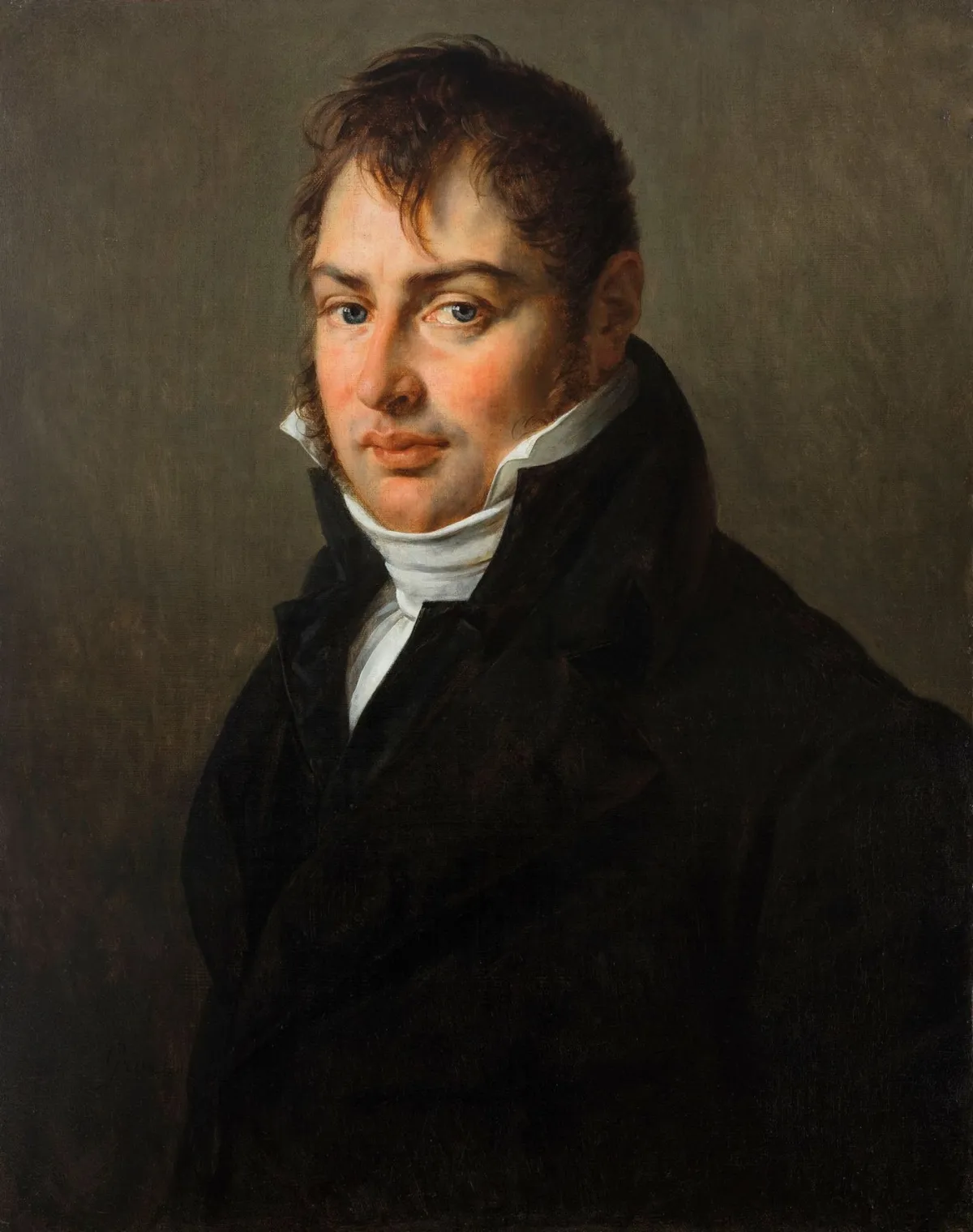
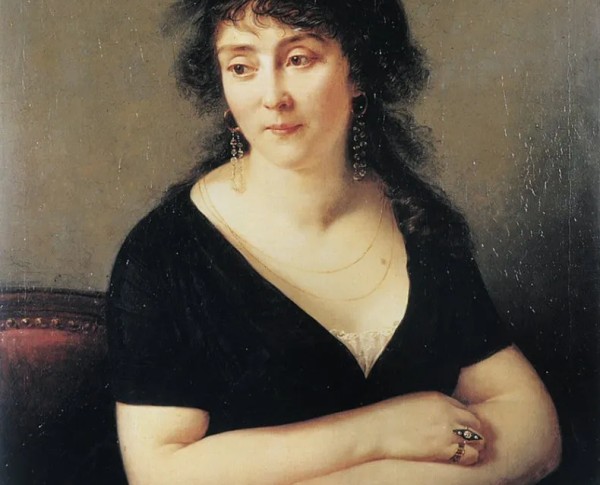
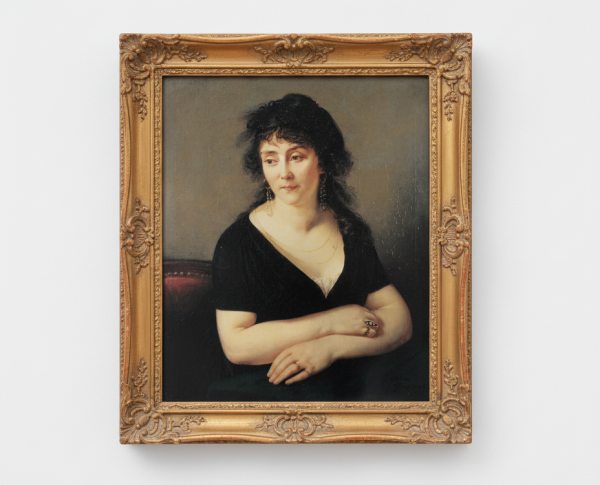
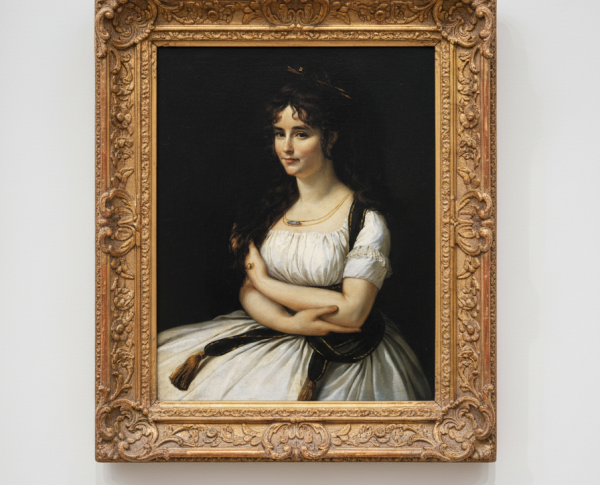
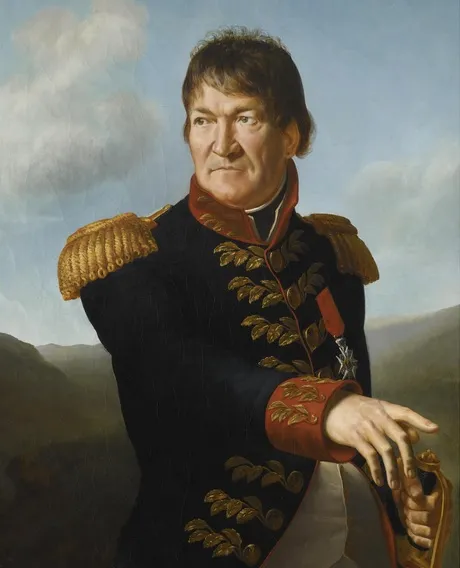
Antoine-Jean Gros’s expert technique is evident in every detail of this oil on canvas, where subtle brushwork and dramatic contrasts bring Baron Ségoing de Laborde to life. As a leader in the Romanticism movement, Gros utilized color and light to evoke emotion and grandeur. This painting’s meticulous execution finds kinship with other fine works like "Portrait of Louis-Marie-Joseph, comte de Brigode-Kemlandt" and "Q126910730," prized by connoisseurs of historical portraiture.
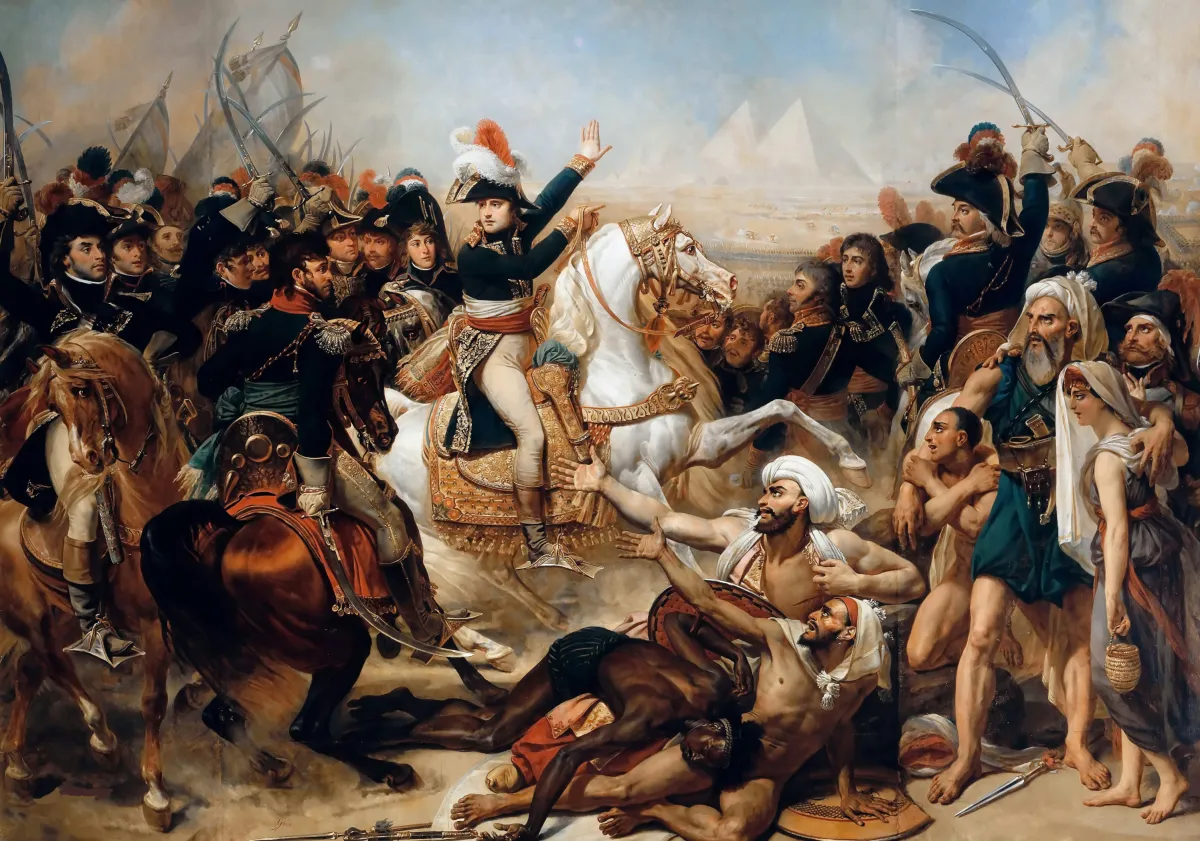
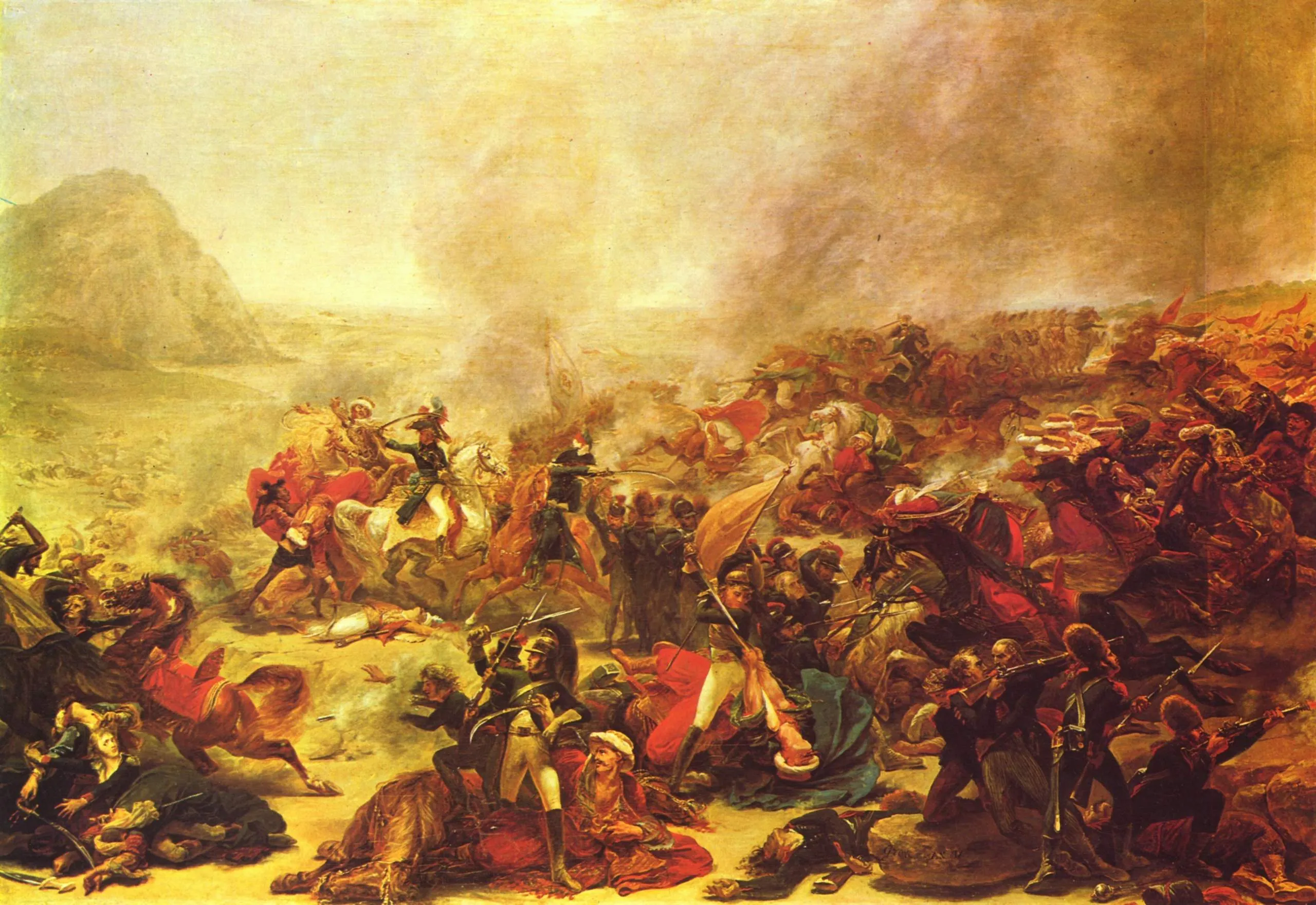
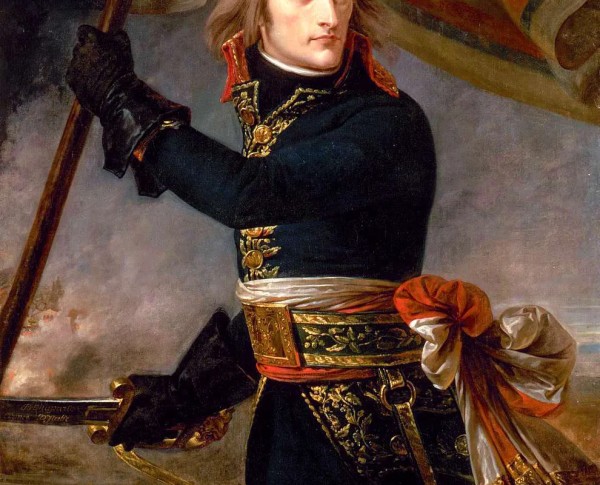
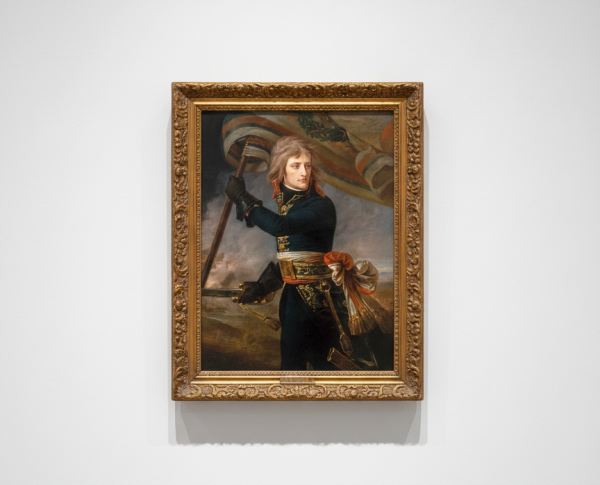
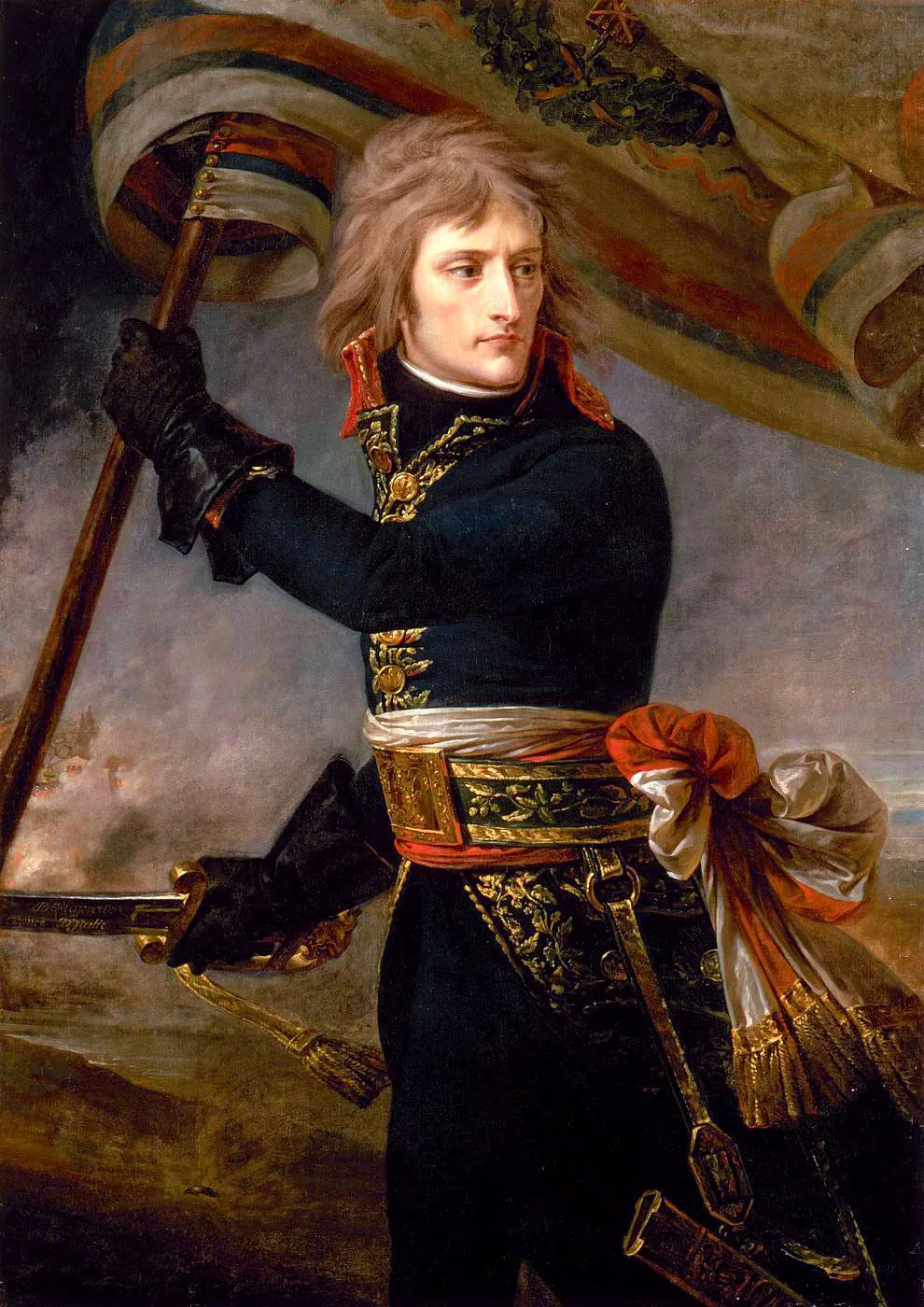
Within the "Portrait of Baron Ségoing de Laborde," Gros weaves layers of narrative and symbolism unique to the Romanticism movement. The baron’s attire and posture suggest nobility and valor, echoing themes found in "Battle of Aboukir, July 25, 1799". For collectors searching for a fine art painting for sale, this portrait offers more than visual beauty—it encapsulates the ideals and stories of a transformative period in European art.
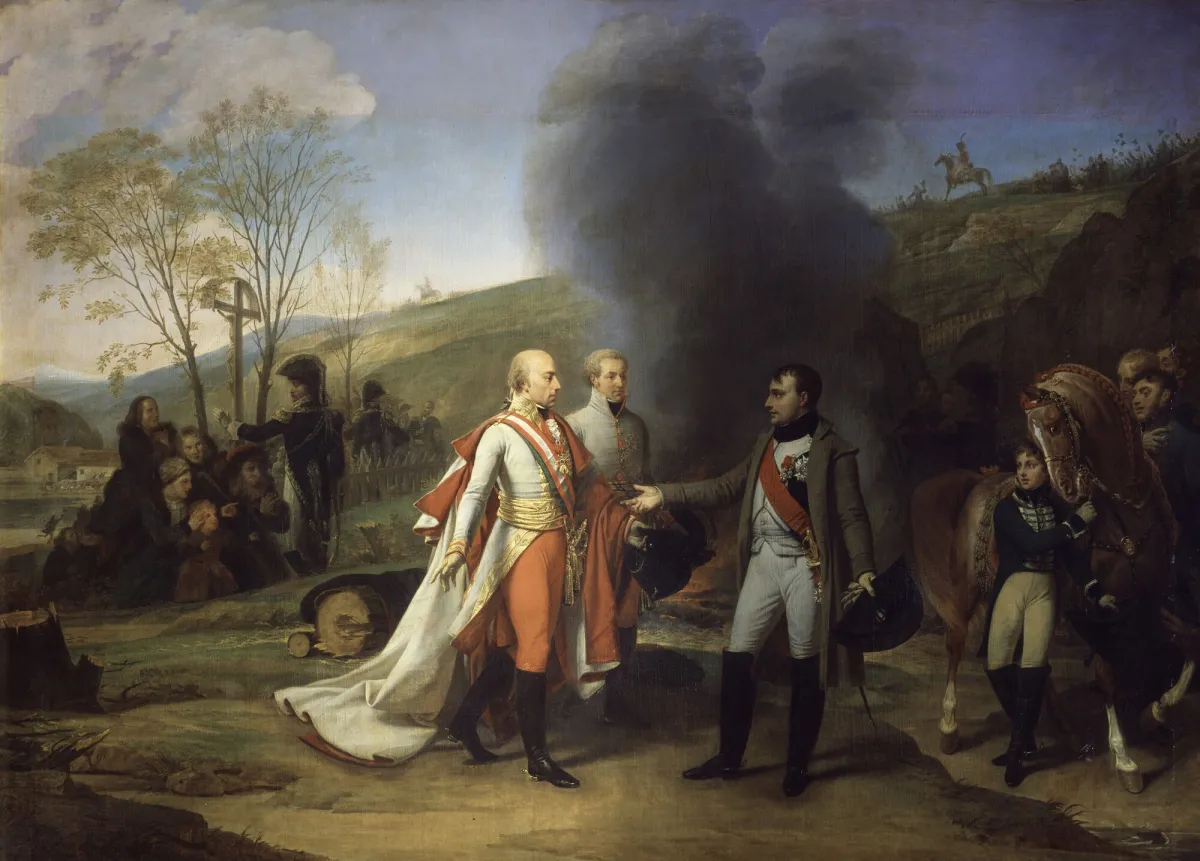
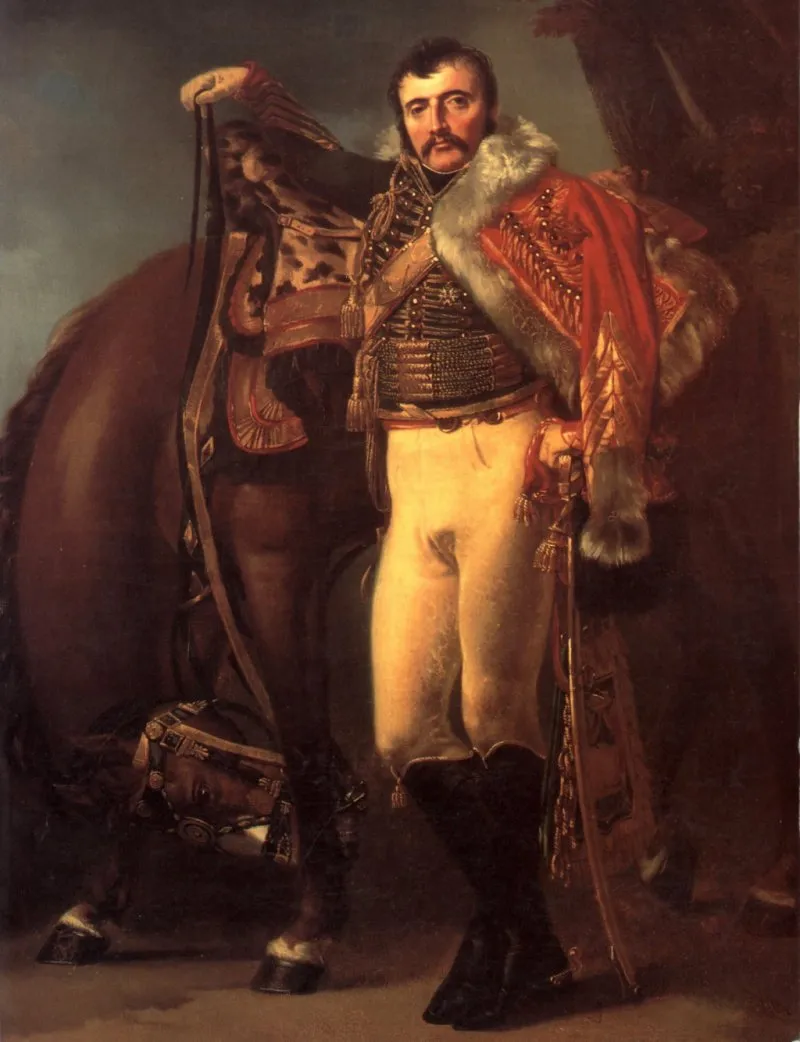
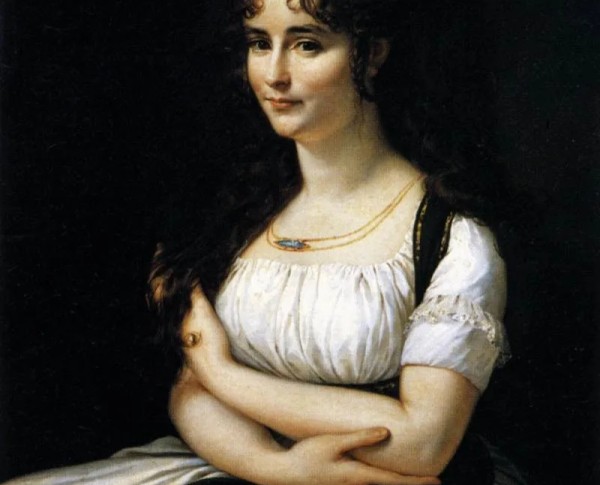
Antoine-Jean Gros’s "Portrait of Baron Ségoing de Laborde" is a coveted piece among enthusiasts of Romanticism, valued for its artistry and historical significance. This hand-painted oil painting is often sought after alongside related products such as "First Consul Bonaparte" and "Colonel Count Claude Etienne Guyot." Owning such a masterpiece connects collectors to a rich legacy of fine art, enhancing any collection with a touch of 19th-century grandeur.
When Art Meets History
"Portrait of Baron Ségoing de Laborde" by Antoine-Jean Gros stands as a significant work within the Romanticism movement, reflecting the turbulent era in which it was created. This hand-painted oil painting captures the essence of nobility and the shifting social landscape of 19th-century France. Gros, renowned for his historical subjects, connects this portrait to works like "Power of Death" and "Soldiers at the Alamo," illustrating how art immortalizes pivotal moments and figures from history.
Techniques That Speak
Antoine-Jean Gros’s mastery of oil on canvas is evident in the delicate rendering of textures and nuanced use of light in "Portrait of Baron Ségoing de Laborde." His brushwork, characteristic of Romanticism, brings depth and realism to the sitter’s expression and attire. Similar to his contemporaries’ works such as "Cottage at East Bergholt" and "Pre Adamite By," Gros’s technique elevates the portrait beyond mere likeness, inviting viewers to appreciate the artistry behind each stroke.
Emotions on Display
As with many Romantic masterpieces, "Portrait of Baron Ségoing de Laborde" conveys a profound emotional depth. Gros captures the baron’s introspective gaze, evoking a sense of contemplation that resonates with viewers. This fine art painting for sale exemplifies the artist’s ability to channel emotion through portraiture, akin to the evocative power seen in "Riding out a Gale." The painting’s mood reflects the era’s fascination with individual experience and psychological nuance.
Coveted by Collectors
"Portrait of Baron Ségoing de Laborde" remains highly sought after by art collectors who appreciate its historical significance and technical brilliance. As an exemplary piece of Romanticism by Antoine-Jean Gros, this hand-painted oil painting appeals to those seeking connections to a rich artistic tradition. Collectors often compare it to related masterpieces like "Power of Death" and "Soldiers at the Alamo," recognizing its enduring value and prestige within the world of fine art.
Related Romanticism Hand-Painted Oil Paintings by Other Artists
Other Famous Romanticism Artists:
Frequently Asked Questions About Portrait of Baron Ségoing de Laborde
What is the historical significance of "Portrait of Baron Ségoing de Laborde"?
This painting is significant as it captures the likeness of Baron Ségoing de Laborde, a prominent figure during the Napoleonic era, reflecting the socio-political climate of France in the early 19th century.
Who was Antoine-Jean Gros and what is his contribution to art?
Antoine-Jean Gros was a renowned French painter known for his historical and military subjects. He played a crucial role in the development of Romanticism in art, and his works often depict themes of heroism and glory.
What artistic techniques did Gros employ in this portrait?
Gros utilized a combination of chiaroscuro and vibrant color palettes to create depth and realism in the portrait, emphasizing the subject's features and the texture of his clothing.
What does the pose of Baron Ségoing de Laborde signify?
The pose of Baron Ségoing de Laborde, with a confident stance and direct gaze, conveys authority and nobility, reflecting his status and character as a military leader.
How does the background contribute to the overall message of the painting?
The background, often depicted with subtle tones, serves to highlight the subject, enhancing the focus on Baron Ségoing de Laborde while suggesting a sense of grandeur and historical context.
What symbols are present in the painting and what do they represent?
Elements such as the military insignia and the attire of Baron Ségoing de Laborde symbolize honor, valor, and his contributions to the Napoleonic campaigns, reinforcing his identity as a distinguished military figure.
In what ways does this portrait reflect the Romantic movement in art?
This portrait reflects the Romantic movement through its emphasis on individualism, emotion, and the glorification of historical figures, showcasing the personal narrative of Baron Ségoing de Laborde.
What influence did "Portrait of Baron Ségoing de Laborde" have on subsequent portraiture?
The painting influenced subsequent portraiture by setting a precedent for the dramatic representation of historical figures, inspiring later artists to adopt similar techniques in their depictions of notable individuals.
How does this painting fit within the broader context of Gros's body of work?
This painting fits within Gros's oeuvre as it exemplifies his focus on historical subjects and his ability to convey the psychological depth of his sitters, a hallmark of his artistic style.
What is the current location of "Portrait of Baron Ségoing de Laborde"?
The painting is currently housed in a prestigious art collection, where it continues to be appreciated for its artistic merit and historical relevance.






















_GFM_Painting_(1).webp)


 100% Hand-Painted: Finished in 3-6 Weeks

.png)















_(1).webp)