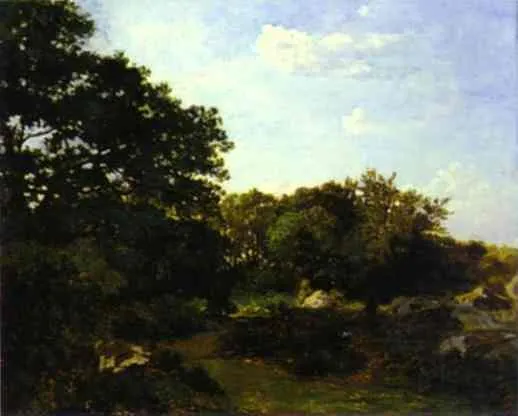
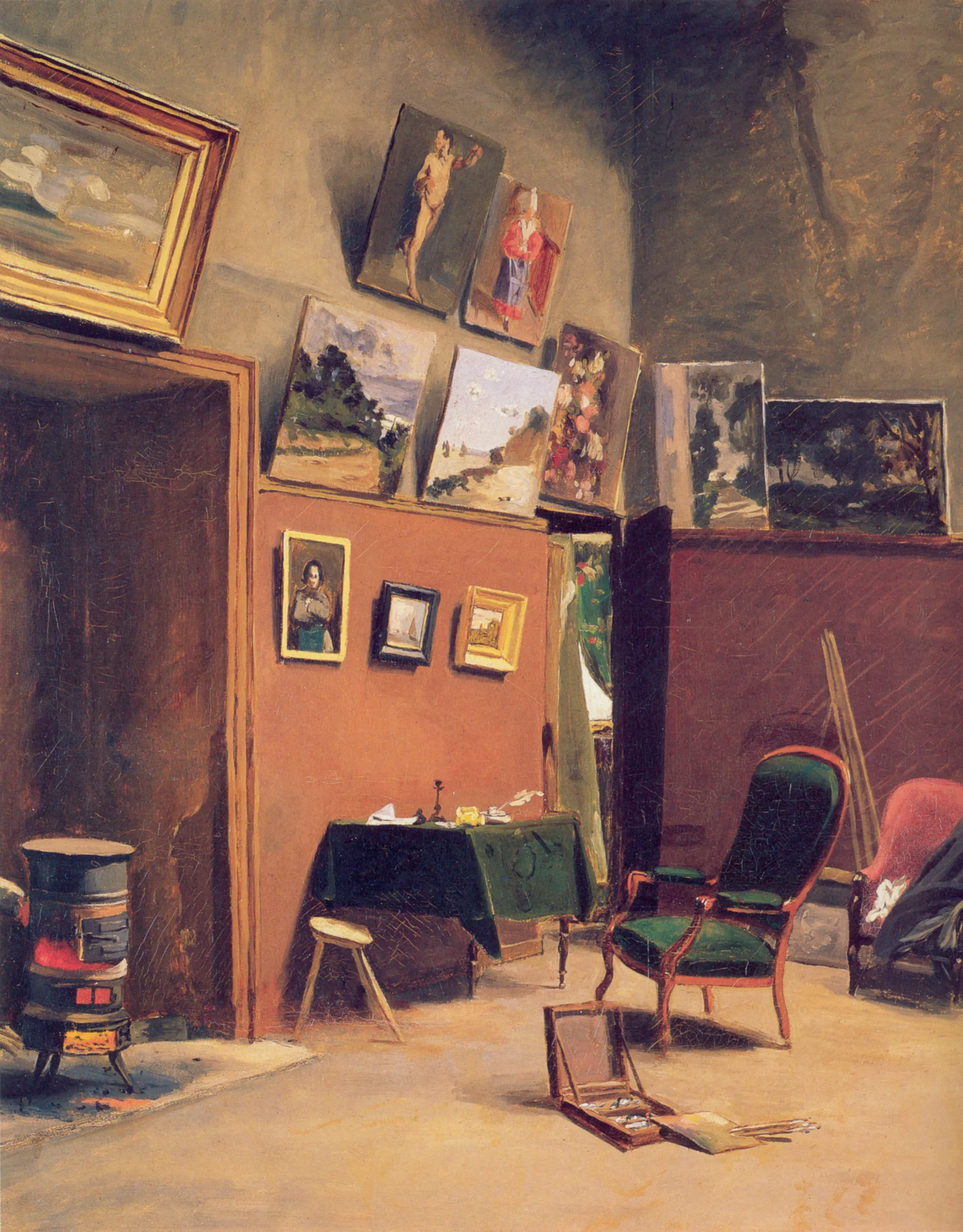
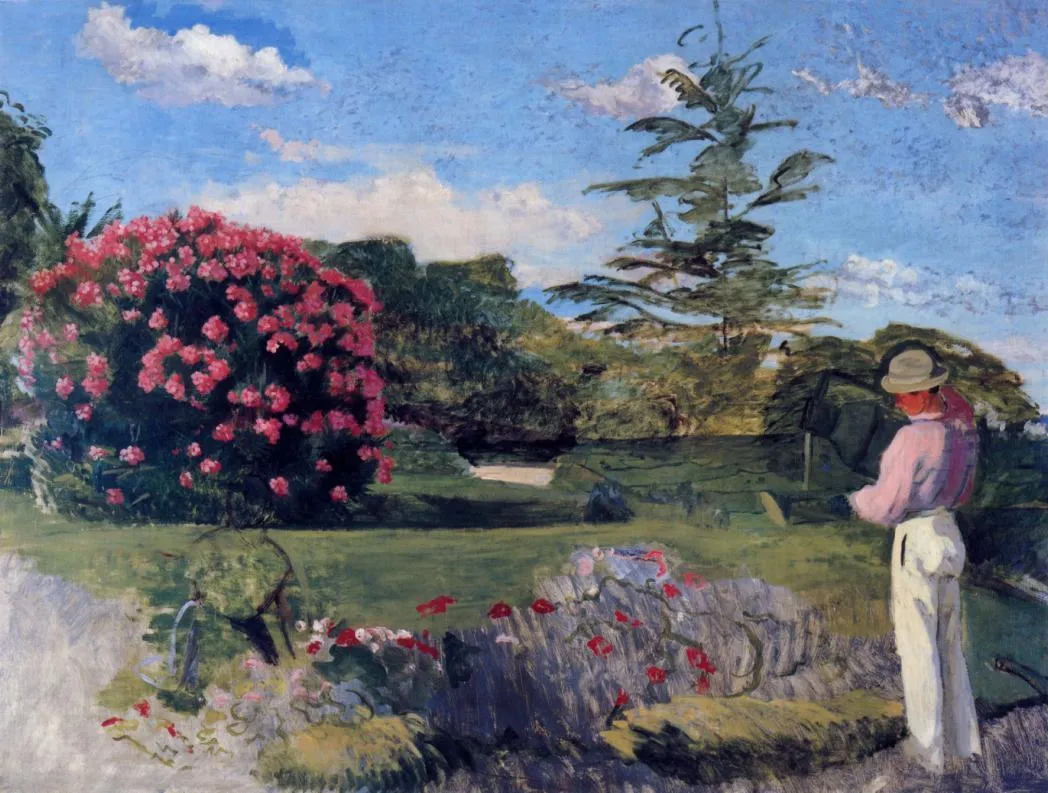
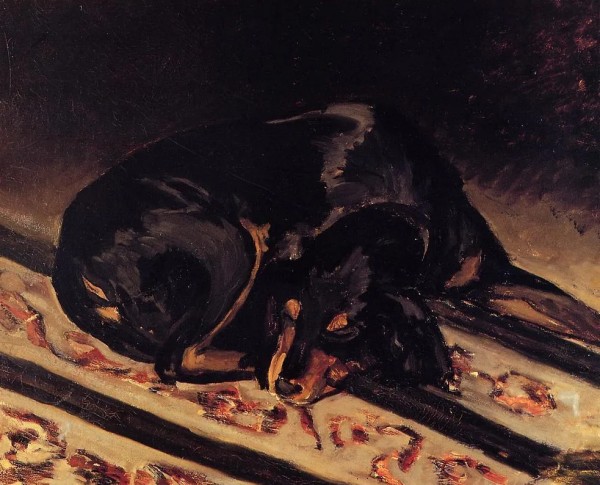
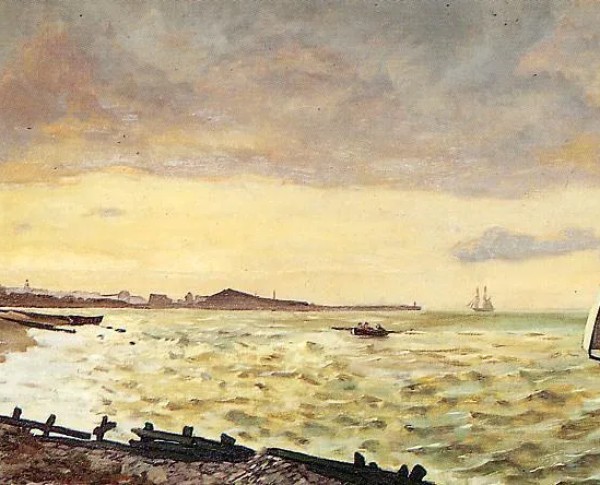
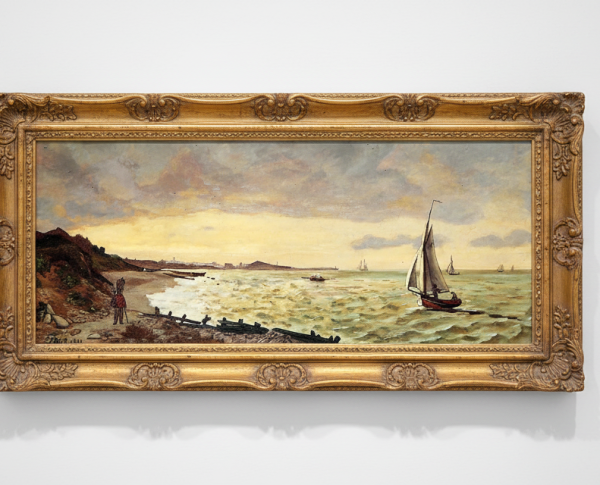
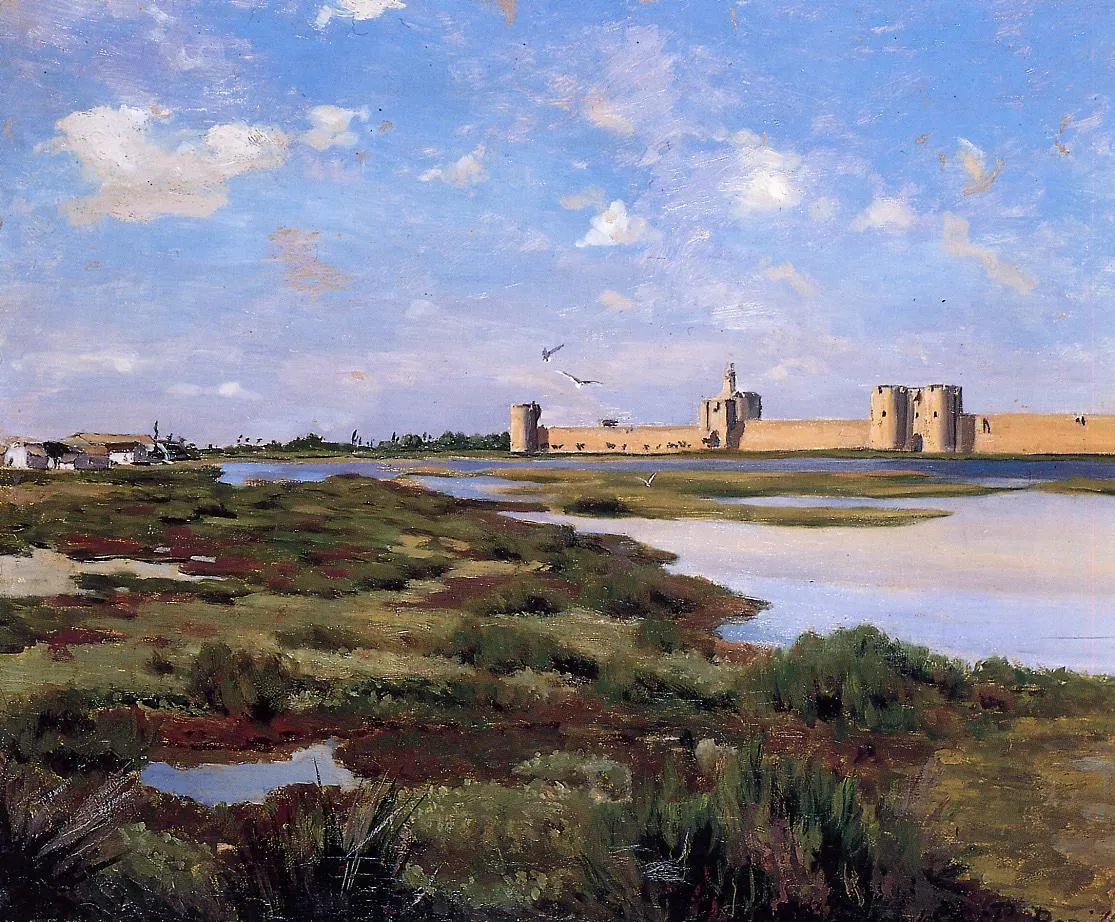
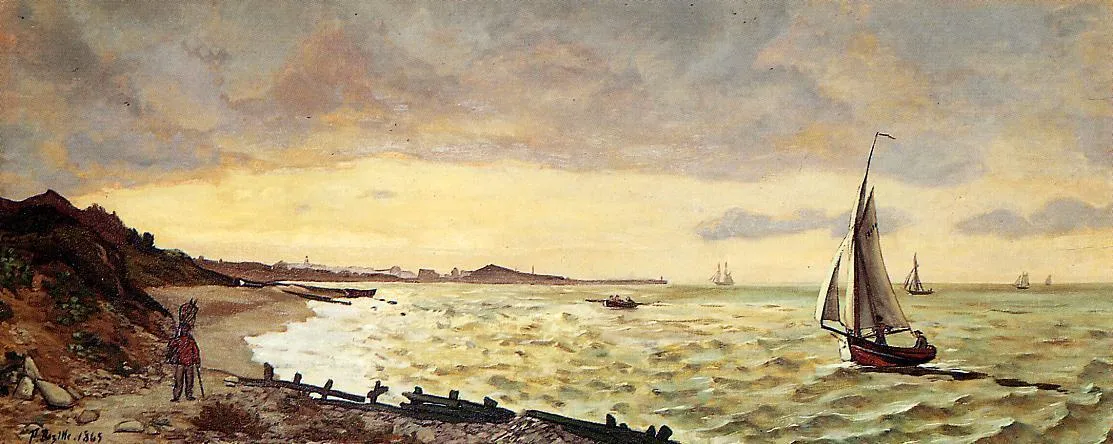
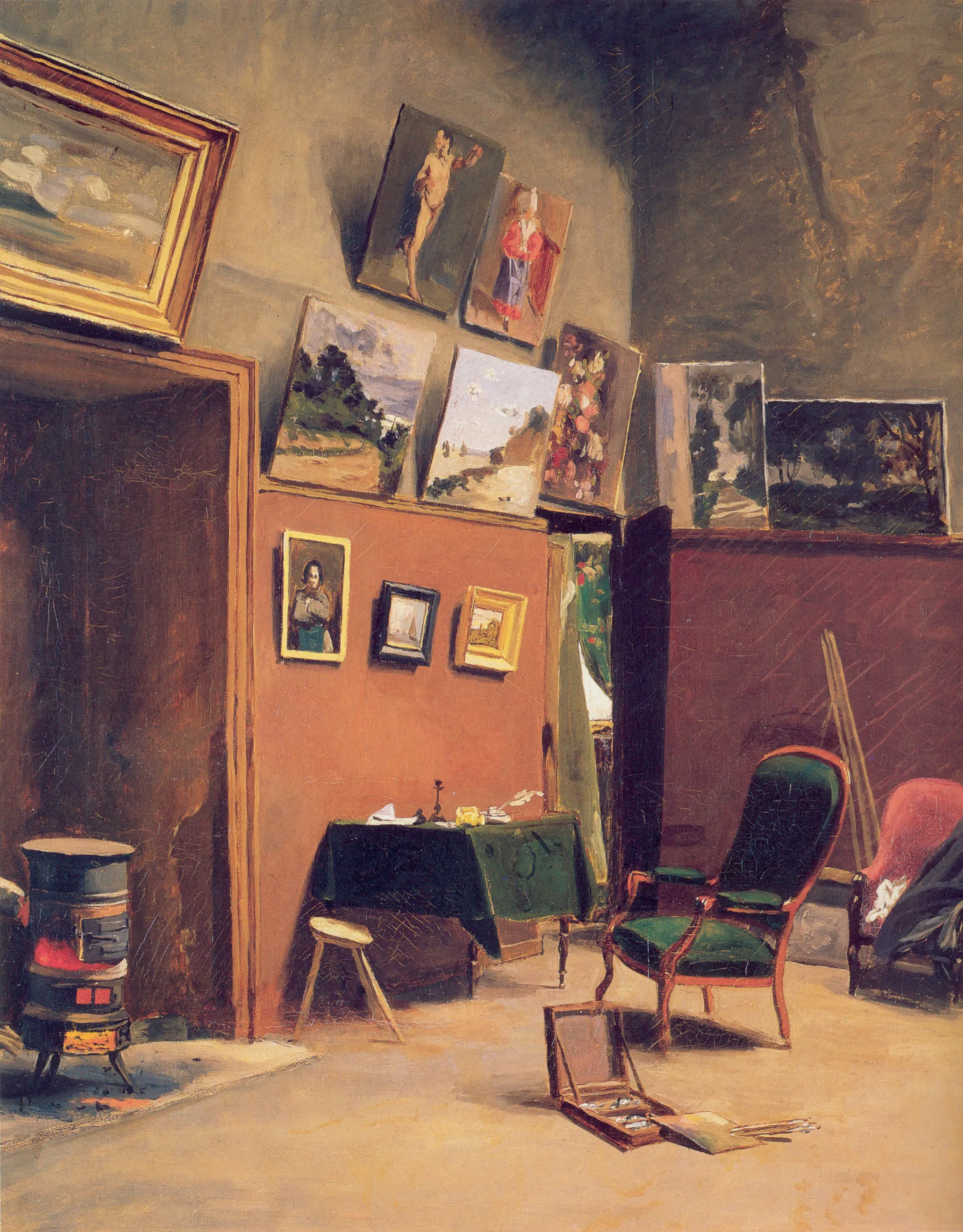
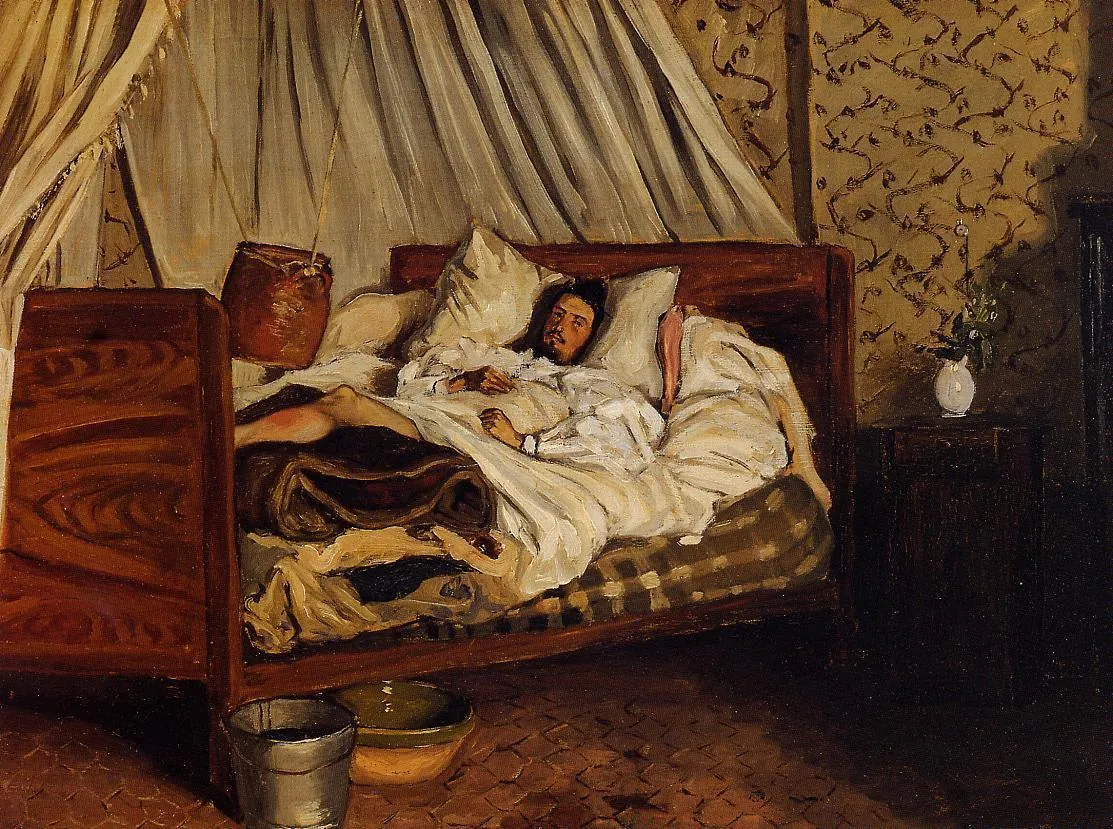
Bazille’s technique in "Landscape of Aigues-Mortes" demonstrates his remarkable skill with oil on canvas. Each brushstroke reveals his attention to detail and commitment to representing nature authentically. The composition and color palette evoke the tranquil atmosphere of Aigues-Mortes, showcasing Bazille’s artistic prowess. This painting, much like his "Studio in the rue de Furstenberg" and "The Improvised Field-Hospital," exemplifies the technical excellence that defines his contributions to the Realism movement.
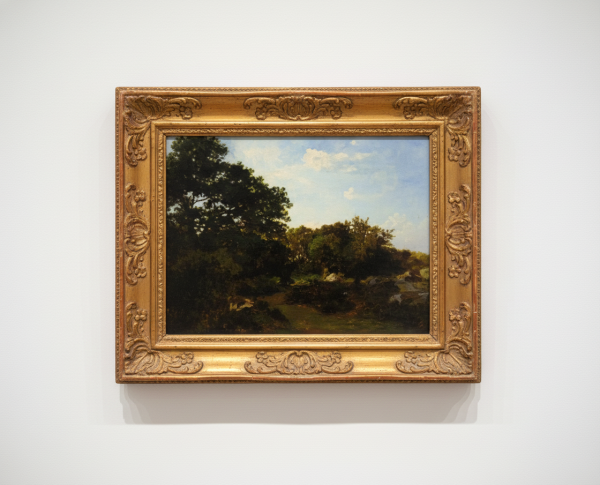
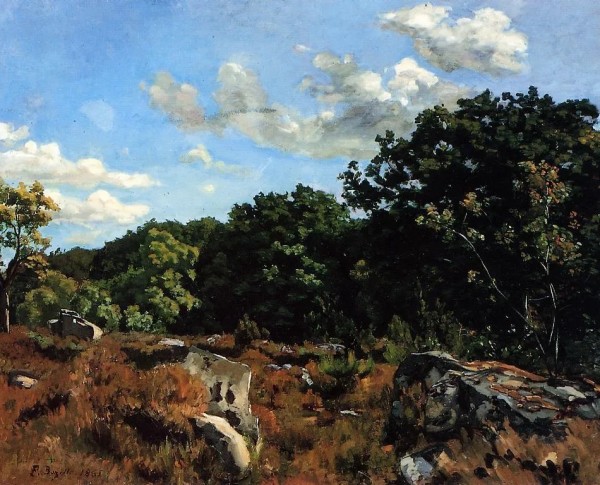
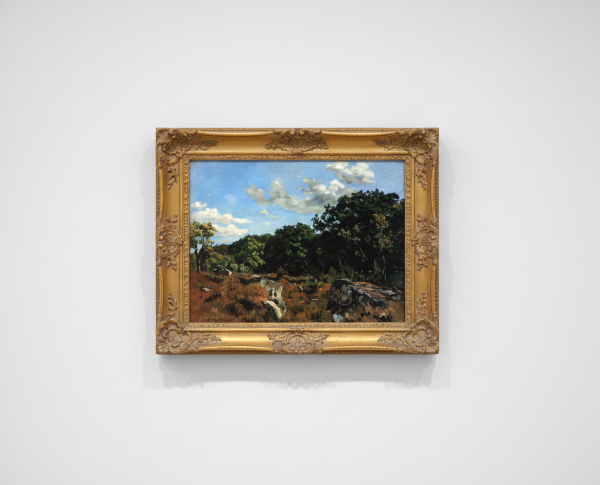
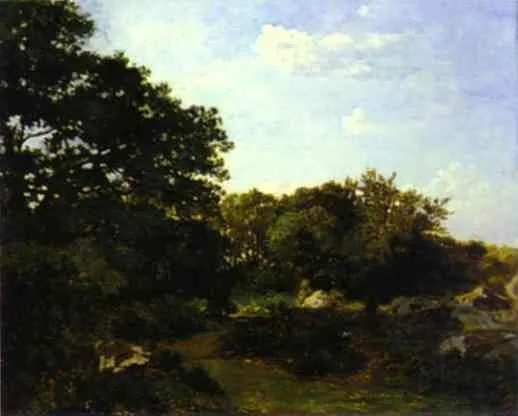
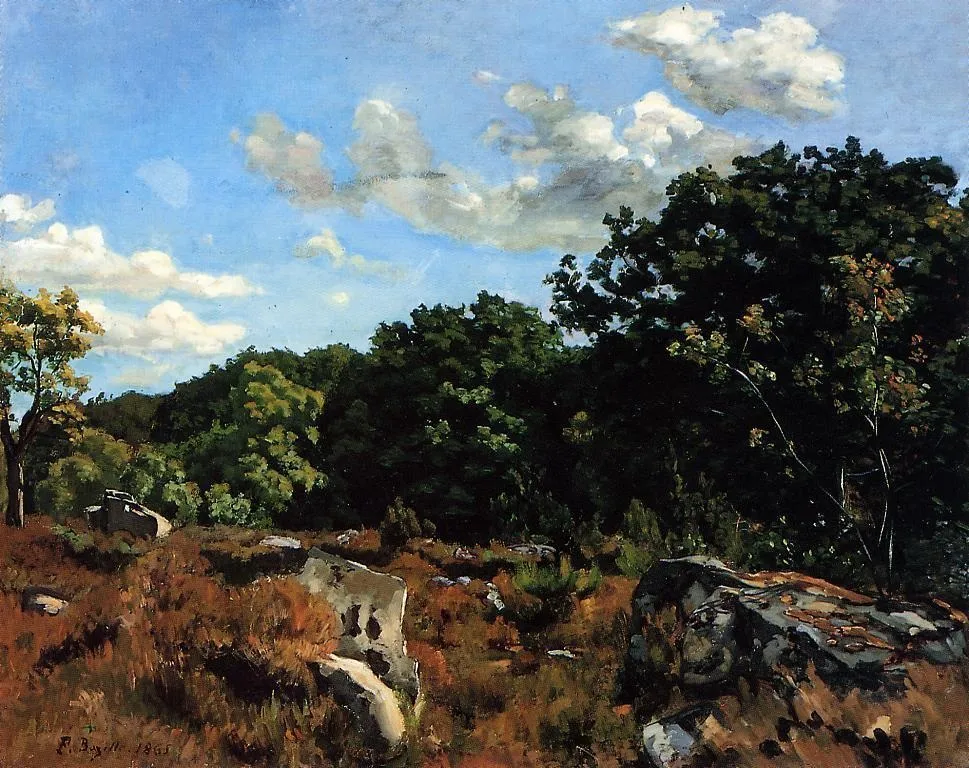
Within "Landscape of Aigues-Mortes," Bazille weaves stories of daily life and the natural world, hallmarks of the Realism movement. The painting’s subtle details, from the vast sky to the gentle landscape, invite viewers to interpret its deeper meaning. As with Bazille’s "Forest of Fontainebleau" and "Landscape at Chailly," this fine art painting for sale offers a glimpse into the artist’s narrative style, blending realism with poetic symbolism for a truly immersive experience.
For art collectors and enthusiasts, "Landscape of Aigues-Mortes" stands as a valuable oil on canvas masterpiece. Frederic Bazille’s work, rooted in the Realism movement, continues to captivate audiences worldwide. This piece, alongside related works like "Family Reunion" and "Still Life with Fish," represents the enduring appeal of nineteenth-century French art. Owning such a fine art painting for sale is an opportunity to celebrate Bazille’s legacy and enrich any sophisticated collection.
When Art Meets History
Frederic Bazille’s "Landscape of Aigues-Mortes" stands as a testament to the Realism movement, capturing the serene beauty and historical essence of southern France. This hand-painted oil painting not only reflects Bazille’s keen eye for detail but also his deep connection to the landscape. As with related paintings like "Breakfast" and "Oaks," Bazille’s work brings the past to life, allowing viewers to experience a timeless moment through the lens of a true master.
Techniques That Speak
Bazille’s mastery shines in "Landscape of Aigues-Mortes" through his use of oil on canvas, a medium that accentuates the vibrant hues and subtle gradations of light. The Realism movement is evident in his precise brushwork and commitment to authenticity. Similar to "In the Wild North…" and "A Dash for the Timber," Bazille’s technique draws viewers into the scene, emphasizing the natural beauty and tranquility of the French countryside.
Emotions on Display
"Landscape of Aigues-Mortes" evokes a sense of peaceful solitude, inviting viewers to immerse themselves in its calm and expansive vista. As a fine art painting for sale, Bazille’s creation resonates with those who appreciate the emotional depth conveyed through Realism. The painting’s quiet power can be compared to the mood found in "Little House in Dusseldorf," showcasing Bazille’s ability to capture both scenery and sentiment in his work.
Coveted by Collectors
Collectors highly prize "Landscape of Aigues-Mortes" for its authenticity and historical significance within the Realism movement. This hand-painted oil painting is sought after not only for Bazille’s celebrated technique but also its connection to related works like "Breakfast" and "Oaks." Owning such a piece means possessing a part of art history, as each Bazille painting embodies the spirit of 19th-century French landscape artistry and continues to inspire new generations of art lovers.
Related Realism Hand-Painted Oil Paintings by Other Artists
Other Famous Realism Artists:
Frequently Asked Questions About Landscape of Aigues-Mortes
What is the historical significance of "Landscape of Aigues-Mortes"?
"Landscape of Aigues-Mortes" is significant as it captures the essence of mid-19th century France, reflecting the burgeoning Impressionist movement and the artist's connection to the natural environment.
Who was Frederic Bazille and what was his contribution to art?
Frederic Bazille was a French painter associated with the Impressionist movement. He is known for his innovative use of color and light, as well as his ability to depict landscapes and figures with a fresh perspective.
What techniques did Bazille use in "Landscape of Aigues-Mortes"?
In "Landscape of Aigues-Mortes," Bazille employed loose brushwork and a vibrant color palette, techniques that were characteristic of the Impressionist style, allowing for a dynamic representation of light and atmosphere.
What themes are explored in "Landscape of Aigues-Mortes"?
The painting explores themes of nature, tranquility, and the relationship between humanity and the landscape, reflecting a romanticized view of rural life and the beauty of the French countryside.
How does "Landscape of Aigues-Mortes" reflect the Impressionist movement?
The painting reflects the Impressionist movement through its emphasis on capturing the fleeting effects of light and atmosphere, as well as its focus on everyday scenes rather than historical or mythological subjects.
What symbols can be found in "Landscape of Aigues-Mortes"?
In "Landscape of Aigues-Mortes," the use of light and shadow symbolizes the passage of time and the transient nature of beauty, while the landscape itself represents a connection to the French national identity and heritage.
What was the artistic environment like during Bazille's time?
During Bazille's time, the artistic environment was marked by a shift towards modernism, with artists challenging traditional techniques and subjects, leading to the formation of groups like the Impressionists who sought to capture contemporary life.
How does "Landscape of Aigues-Mortes" compare to Bazille's other works?
Compared to Bazille's other works, "Landscape of Aigues-Mortes" showcases his mastery of landscape painting, highlighting his ability to blend figures with nature, a technique that is less prominent in his more figurative compositions.
What impact did "Landscape of Aigues-Mortes" have on later artists?
"Landscape of Aigues-Mortes" had a significant impact on later artists by influencing the development of plein air painting and encouraging the exploration of light and color in landscape art, paving the way for future movements such as Post-Impressionism.
What can visitors learn from viewing "Landscape of Aigues-Mortes"?
Visitors can learn about the evolution of landscape painting, the techniques of the Impressionist movement, and the historical context of 19th century France, enriching their understanding of art history and its cultural significance.























_GFM_Painting_(1).webp)


 100% Hand-Painted: Finished in 3-6 Weeks

.png)















_(1).webp)