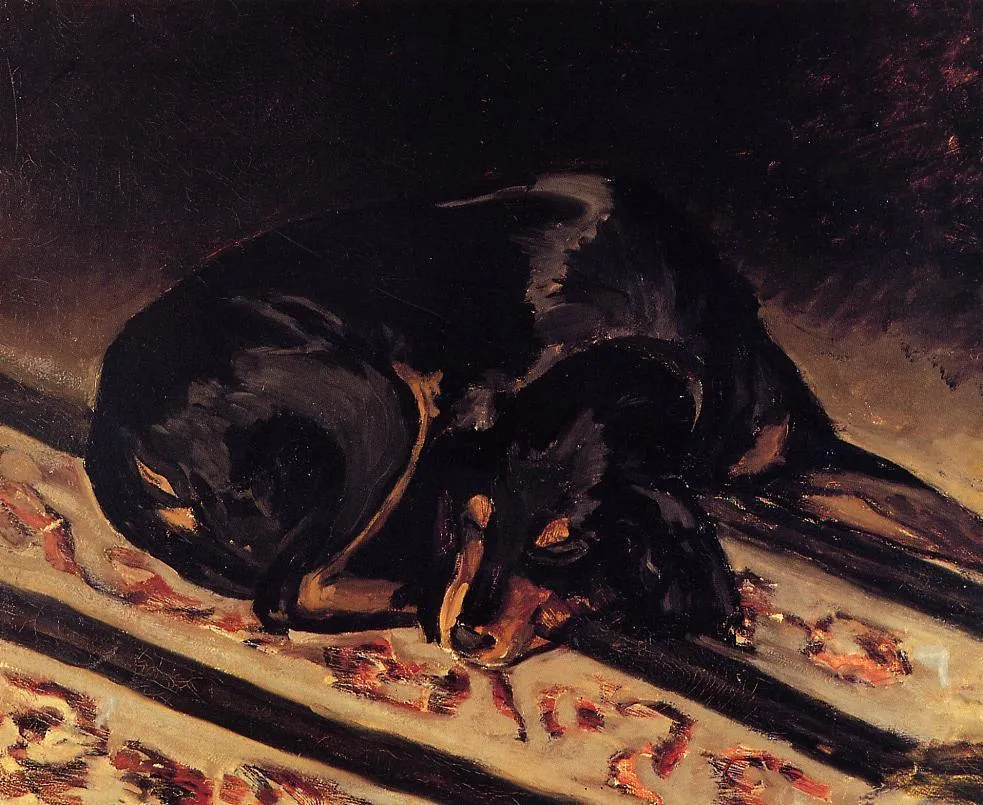
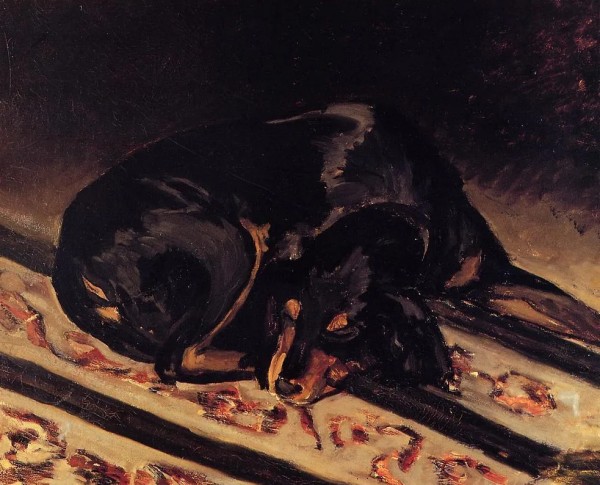
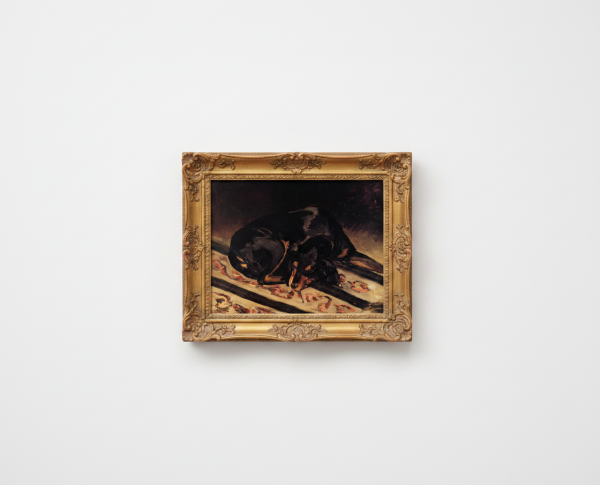
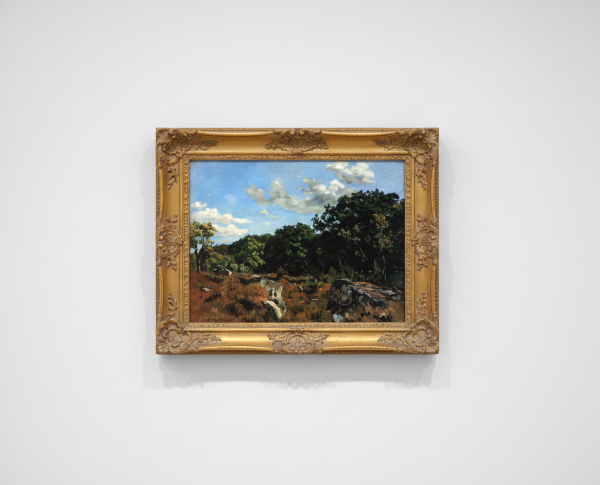
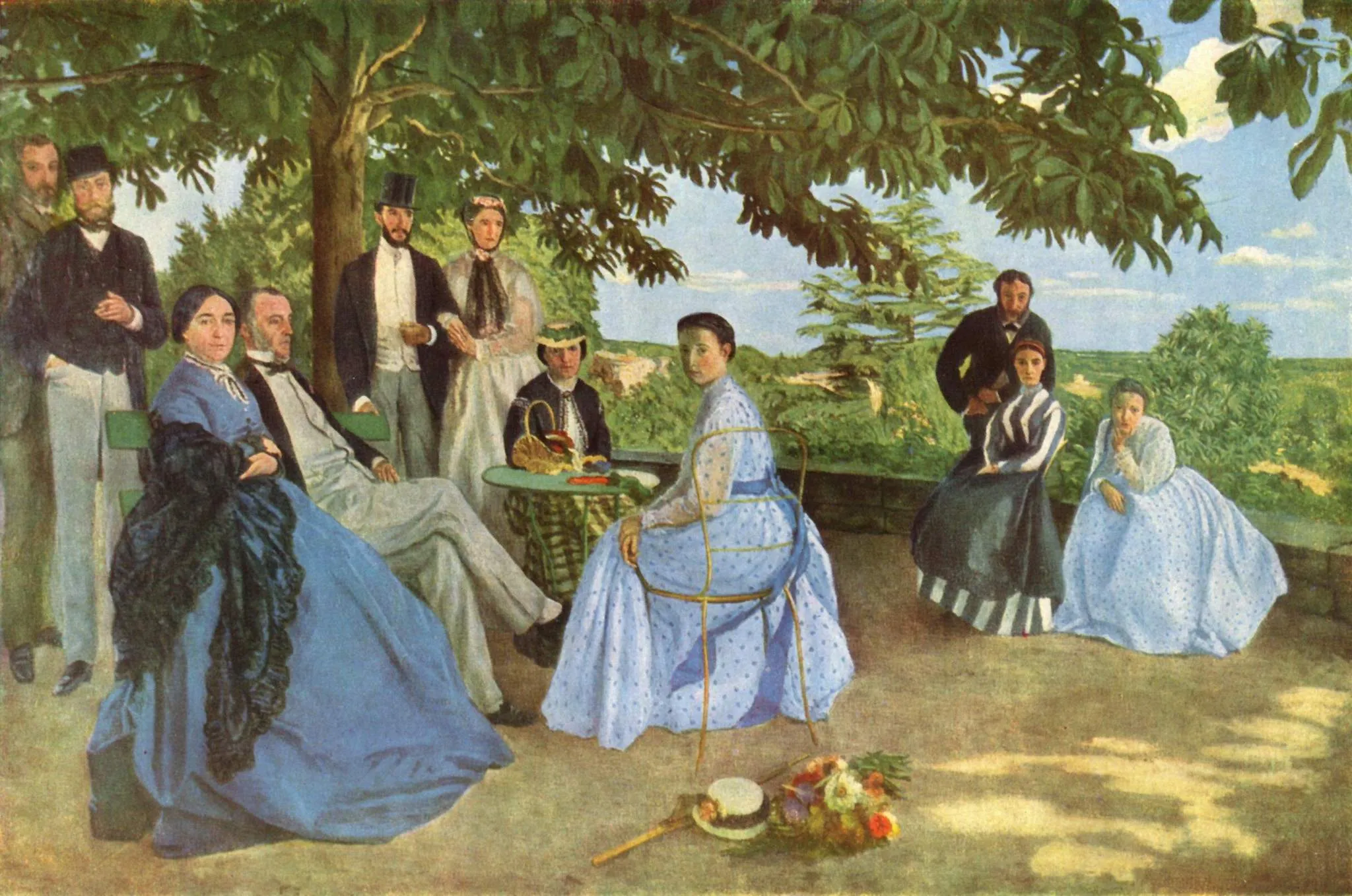
Bazille’s "Family Reunion" showcases his exceptional technique in oil on canvas, blending lifelike figures with a harmonious background. The careful brushwork and composition invite viewers into a serene domestic scene, typical of the Realism movement. Each stroke demonstrates Bazille’s skill in capturing light and texture, much like his contemporaries. This painting pairs beautifully with other Bazille creations such as "The Dog Rita Asleep" and "The Improvised Field-Hospital," further highlighting his artistic mastery.
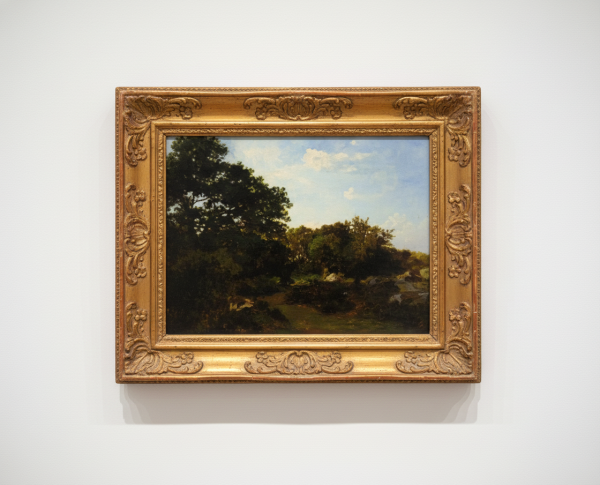
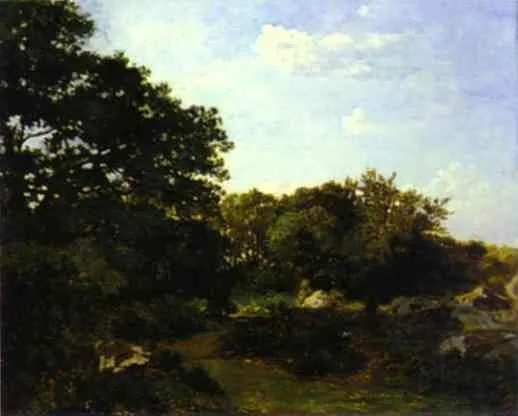
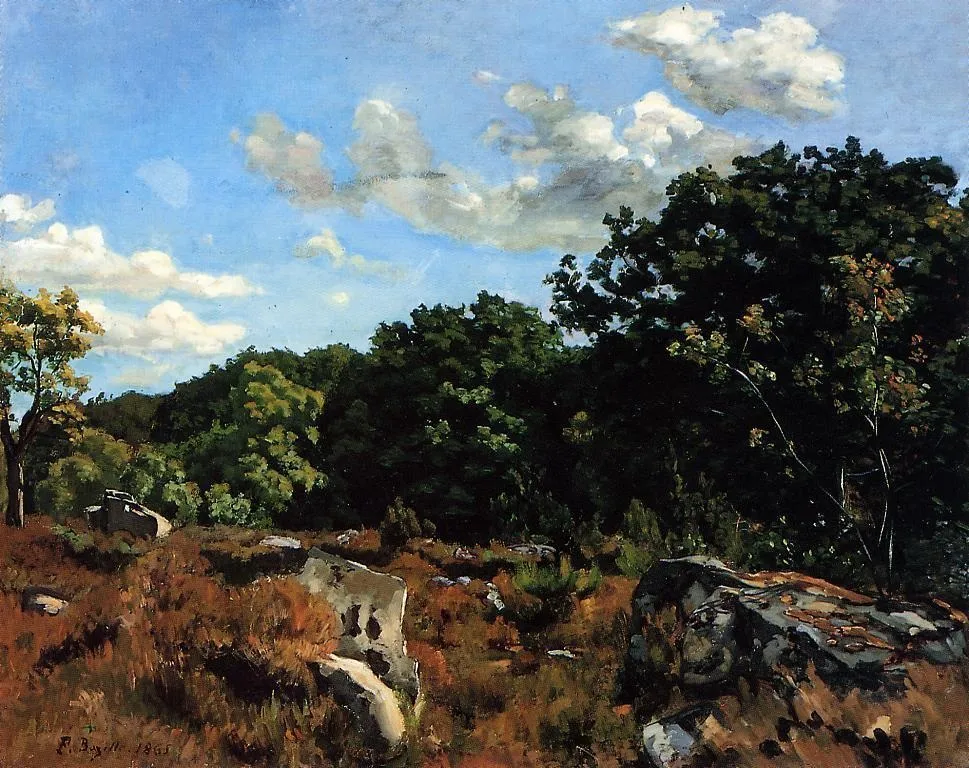
Every detail in "Family Reunion" is thoughtfully rendered, making this fine art painting for sale particularly captivating. Bazille uses subtle gestures and expressions to tell a story of familial connection and unity, a hallmark of Realism. The artwork’s symbolism resonates with viewers, echoing themes found in pieces like "Portrait of Edouard Blau" and "Landscape at Chailly." Collectors appreciate the narrative depth and nuanced symbolism that Bazille weaves throughout his paintings.
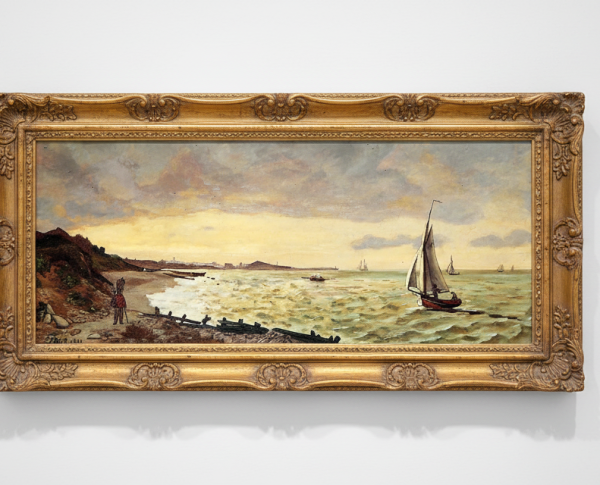
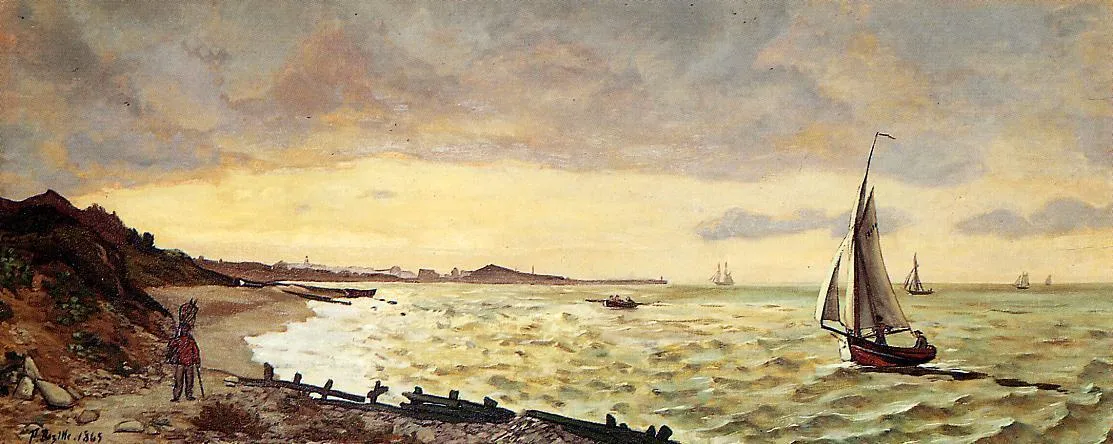
Owning "Family Reunion" by Frederic Bazille means possessing a significant piece of the Realism movement. As a hand-painted oil painting, it serves as both an artistic and historical treasure, perfect for discerning collectors. This painting complements collections that include works like "Village Street" and "Beach at Sainte-Adresse." Bazille’s enduring legacy ensures that "Family Reunion" remains a sought-after artwork for anyone seeking an authentic and evocative oil on canvas masterpiece.
When Art Meets History
"Family Reunion" by Frederic Bazille, a remarkable example of the Realism movement, captures a pivotal moment in 19th-century art. Bazille's keen observation of everyday life shines through, making this hand-painted oil painting a testament to his era. Like other masterpieces such as "The Gleaners" and "Portrait of Brigadier General Joseph Lewis Hogg," "Family Reunion" bridges history and art, offering viewers a vivid glimpse into the social customs and familial bonds of its time.
Techniques That Speak
Bazille’s "Family Reunion" showcases his mastery of oil on canvas, employing nuanced brushwork and natural lighting to create depth and realism. The artist's attention to detail is evident, much like in "Portrait of a Man with a Goatee" and "Cold Morning on the Range." Every stroke in this painting contributes to a lifelike portrayal, highlighting the technical prowess that defines the Realism movement and solidifies Bazille’s place among the greats.
Emotions on Display
The emotional resonance of "Family Reunion" is undeniable, as Bazille captures intricate family dynamics with sensitivity and warmth. This fine art painting for sale conveys the subtle gestures and expressions that unite loved ones, reminiscent of the intimacy seen in "The Jester Calabacillas." Through Realism, Bazille invites viewers to connect with the subjects’ emotions, making his artwork an enduring favorite for those who value genuine human connection in art.
Coveted by Collectors
Collectors worldwide seek out Bazille’s "Family Reunion" for its historical significance and artistic brilliance. As a prized hand-painted oil painting from the Realism movement, it shares its allure with celebrated works like "The Gleaners" and "Cold Morning on the Range." The painting’s evocative storytelling and technical mastery make it a coveted piece, ensuring its place among the most sought-after fine art painting for sale in prestigious collections.
Related Realism Hand-Painted Oil Paintings by Other Artists
Other Famous Realism Artists:
Frequently Asked Questions About Family Reunion
What is the historical context of "Family Reunion"?
"Family Reunion" was painted in 1867 by Frederic Bazille, a key figure in the Impressionist movement. This period was marked by a shift in artistic techniques and themes, focusing on modern life and the depiction of light and color.
What artistic techniques did Frederic Bazille employ in "Family Reunion"?
In "Family Reunion," Bazille utilized loose brushwork and a vibrant color palette characteristic of Impressionism. The composition reflects a naturalistic approach, capturing the interplay of light and shadow in a domestic setting.
Who are the figures depicted in "Family Reunion"?
The painting features members of Bazille's own family, including his mother and siblings. This personal connection adds emotional depth and intimacy to the work, highlighting familial bonds.
What themes are explored in "Family Reunion"?
The primary themes of "Family Reunion" include family, intimacy, and the passage of time. Bazille captures a moment of togetherness, reflecting the importance of familial relationships in the context of 19th-century French society.
How does "Family Reunion" reflect the Impressionist movement?
The painting exemplifies Impressionist ideals through its emphasis on capturing a fleeting moment and the use of natural light. Bazille's focus on everyday life and domestic scenes aligns with the movement's departure from traditional historical and mythological subjects.
What is the significance of the setting in "Family Reunion"?
The setting of "Family Reunion" is a domestic interior, which serves to emphasize the intimacy of family life. The arrangement of figures and their interactions within this space convey warmth and connection, central to the painting's narrative.
How did "Family Reunion" influence later artists?
Frederic Bazille's approach in "Family Reunion" influenced later artists by demonstrating the emotional power of familial themes and the use of light in domestic settings. His work paved the way for subsequent generations of Impressionists and modern artists.
What symbolic elements can be found in "Family Reunion"?
Symbolically, "Family Reunion" represents unity and the strength of familial ties. The arrangement of figures and their expressions convey a sense of belonging and the importance of shared experiences within a family.
What role did Frederic Bazille play in the Impressionist movement?
Frederic Bazille was a pivotal figure in the Impressionist movement, known for his innovative techniques and contributions to the style. His work, including "Family Reunion," helped to establish the movement's focus on modern life and the exploration of light and color.
Where is "Family Reunion" currently housed?
"Family Reunion" is part of the collection at the Musée d'Orsay in Paris, France. This museum is renowned for its extensive collection of Impressionist and Post-Impressionist masterpieces, providing a fitting context for Bazille's work.























_GFM_Painting_(1).webp)


 100% Hand-Painted: Finished in 3-6 Weeks

.png)















_(1).webp)