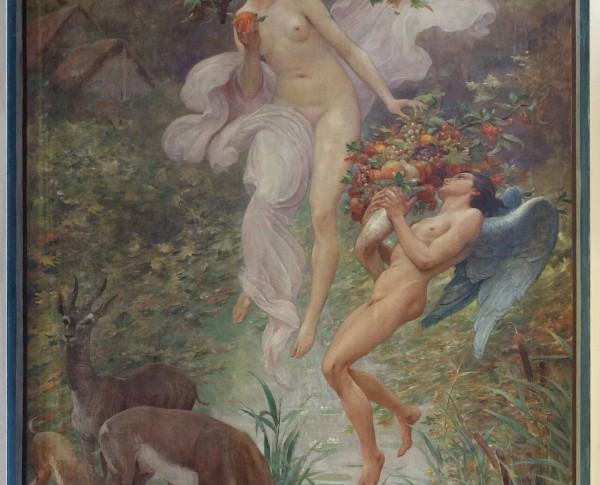
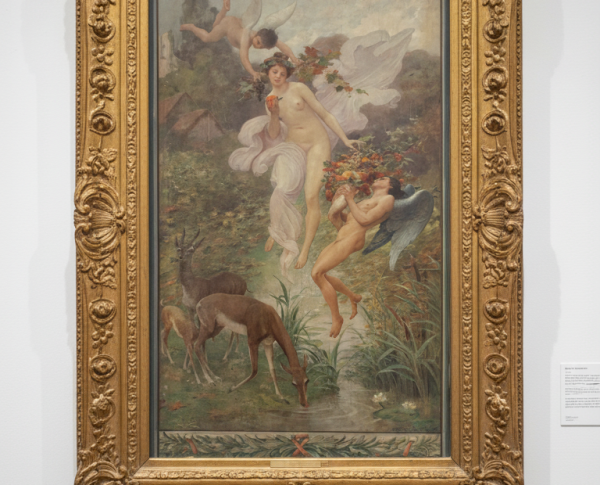
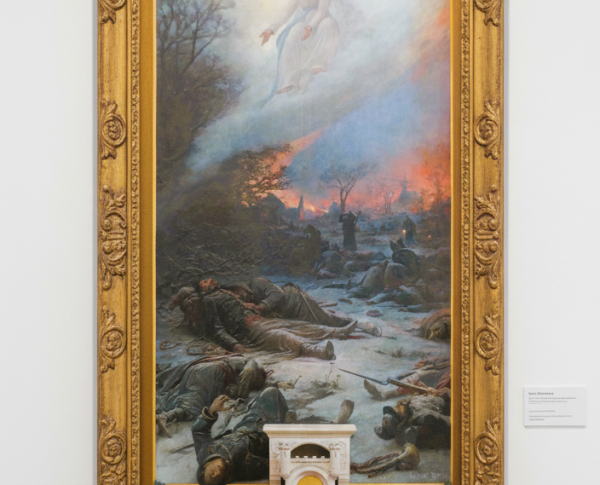
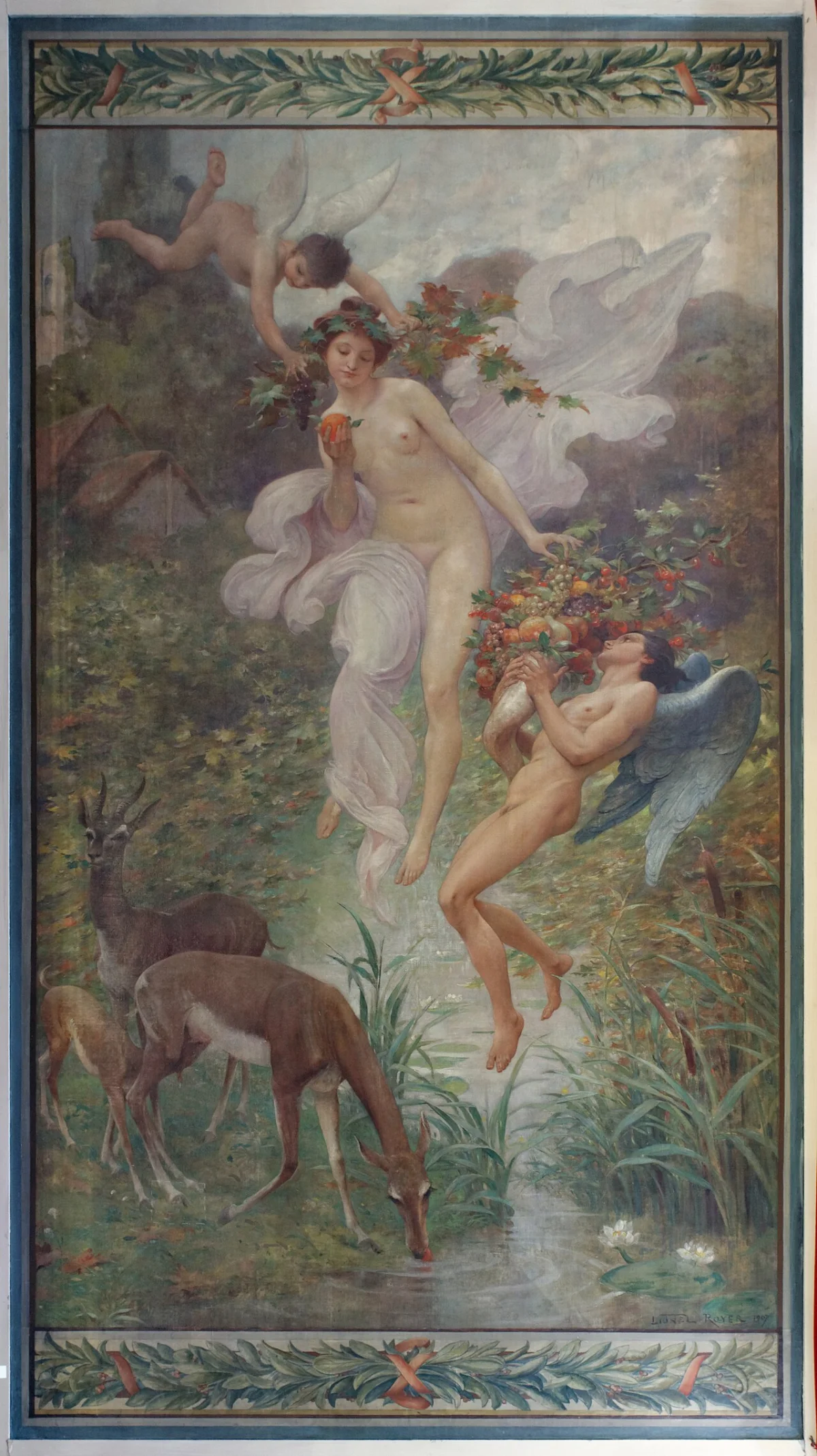
Lionel Noel Royer’s technique shines through in "Le Goût," where every detail is meticulously rendered in oil on canvas. The Academic Art movement valued technical precision and realistic representation, qualities Royer embodies in this artwork. The painting's composition and delicate color palette highlight his skill, inviting viewers to appreciate the nuances of classical painting. For those seeking to own a piece of history, this and other works by Royer offer an exquisite oil on canvas experience.
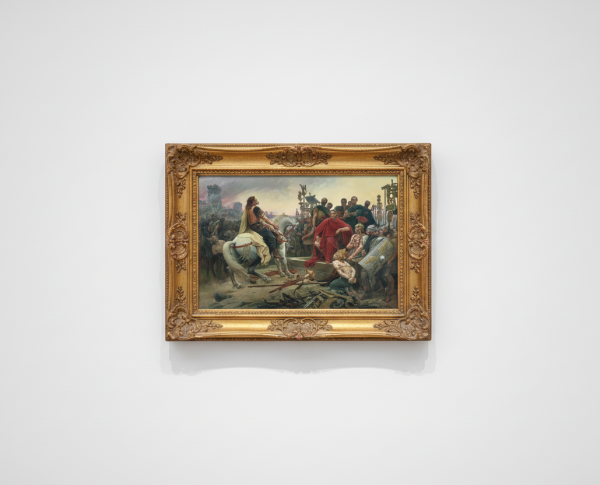
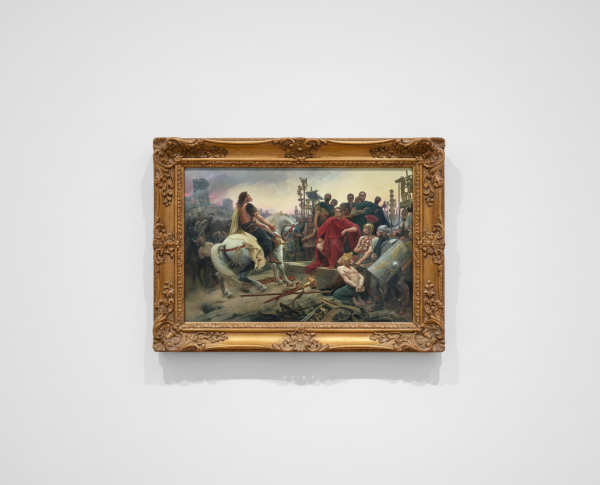
"Le Goût" is more than just a visual delight; it is a narrative woven through Royer’s brushwork, embodying the ideals of the Academic Art movement. The painting’s title, meaning "The Taste," hints at deeper themes of refinement and culture. Collectors drawn to fine art painting for sale are often captivated by such symbolic storytelling, as seen in Royer’s other historical works like "Vercingetorix Throwing down His Weapons at the feet of Julius Caesar, Vercingetorix throws down his arms at the feet of Julius Caesar, 1899."
Owning "Le Goût" by Lionel Noel Royer is a unique opportunity for anyone passionate about Academic Art. This hand-painted oil painting is a testament to the artist’s renowned reputation, and its presence elevates any collection. Art lovers searching for a fine art painting for sale will find this work, along with Royer’s celebrated historical pieces, to be true treasures. The enduring beauty and historical significance make it a prized addition to any art connoisseur’s portfolio.
When Art Meets History
“Le Goût” by Lionel Noel Royer stands as a testament to the Academic Art movement’s dedication to classical mastery and historical narrative. This hand-painted oil painting captures not only the elegance of its era but also the refined tastes that shaped French art in the late 19th century. Royer’s skillful approach is reminiscent of his other works, such as “Promenade” and “The Truant,” each reflecting the period’s fascination with beauty, tradition, and cultural storytelling.
Techniques That Speak
Lionel Noel Royer’s “Le Goût” showcases meticulous technique, with every brushstroke contributing to the painting’s lifelike quality. Executed in oil on canvas, the work embodies the Academic Art movement’s emphasis on detail, form, and luminosity. Royer’s approach, seen also in “Odalisque” and “Love’s Offering,” demonstrates his command of light and texture, resulting in a richly layered composition that invites viewers to appreciate the artist’s technical prowess and dedication to realism.
Emotions on Display
In “Le Goût,” Lionel Noel Royer conveys a world of emotion through subtle gestures and expressive faces, hallmarks of the Academic Art movement. This fine art painting for sale draws viewers into a scene of contemplation and refined pleasure, mirroring the emotional depth found in Royer’s “Jeune femme denudée sur canape.” The interplay of color and composition evokes a sense of intimacy and grace, making the work a moving testament to the artist’s emotional sensitivity.
Coveted by Collectors
As a prime example of Academic Art, “Le Goût” by Lionel Noel Royer is highly sought after by art enthusiasts and collectors. This hand-painted oil painting, along with related masterpieces like “The Truant” and “Love’s Offering,” represents the pinnacle of 19th-century technique and taste. Its historical significance, combined with Royer’s masterful execution, ensures that “Le Goût” remains a coveted treasure for anyone seeking to add a distinguished fine art painting for sale to their collection.
Related Academic Art Hand-Painted Oil Paintings by Other Artists
Other Famous Academic Art Artists:
Frequently Asked Questions About Le Goût
What is the historical context of Le Goût?
Le Goût, created by Lionel Noel Royer in the late 19th century, reflects the artistic movements of the time, particularly the transition from Romanticism to Impressionism. It captures the essence of French culture during a period of significant social and political change.
What artistic techniques are employed in Le Goût?
Royer utilizes a combination of classical painting techniques, including chiaroscuro and meticulous detailing, to create a sense of depth and realism. The use of vibrant colors and dynamic brushwork also showcases the influence of Impressionism.
What themes are explored in Le Goût?
The painting explores themes of indulgence and the appreciation of fine art and culture. It serves as a commentary on the social customs of the French bourgeoisie and their relationship with art and aesthetics.
Who are the figures depicted in Le Goût?
The figures in Le Goût represent the elite of French society, engaging in a cultured discussion. They symbolize the intellectual and artistic pursuits of the time, reflecting the importance of art in social status and identity.
What is the significance of the title Le Goût?
The title, which translates to "Taste," signifies not only the aesthetic appreciation of art but also the broader cultural tastes of the era. It encapsulates the idea of discernment in art and lifestyle among the upper classes.
How does Le Goût reflect the social dynamics of its time?
Le Goût illustrates the social dynamics of the late 19th century, highlighting the interactions among the upper class and their engagement with art as a form of cultural capital. It reflects the importance of social gatherings and discussions around art as a marker of sophistication.
What influences can be seen in Royer's style in Le Goût?
Royer's style in Le Goût is influenced by both the academic traditions of painting and the emerging Impressionist movement. His attention to detail and composition reflects classical training, while his use of light and color hints at contemporary trends.
What role does symbolism play in Le Goût?
Symbolism in Le Goût is evident through the objects and gestures of the figures, which convey deeper meanings related to art appreciation, social status, and the pursuit of beauty. Each element serves to enhance the narrative of cultural refinement.
How has Le Goût been received in the art community?
Le Goût has been recognized for its artistic merit and historical significance, often discussed in the context of late 19th-century French art. It has garnered appreciation for its intricate portrayal of social themes and its technical execution.
What can we learn about French culture from Le Goût?
Le Goût provides insight into the values and priorities of French culture during its creation. It reflects a society that placed high importance on art, intellectual discourse, and the cultivation of taste, revealing the interplay between art and social identity.






















_GFM_Painting_(1).webp)


 100% Hand-Painted: Finished in 3-6 Weeks

.png)

















_(1).webp)