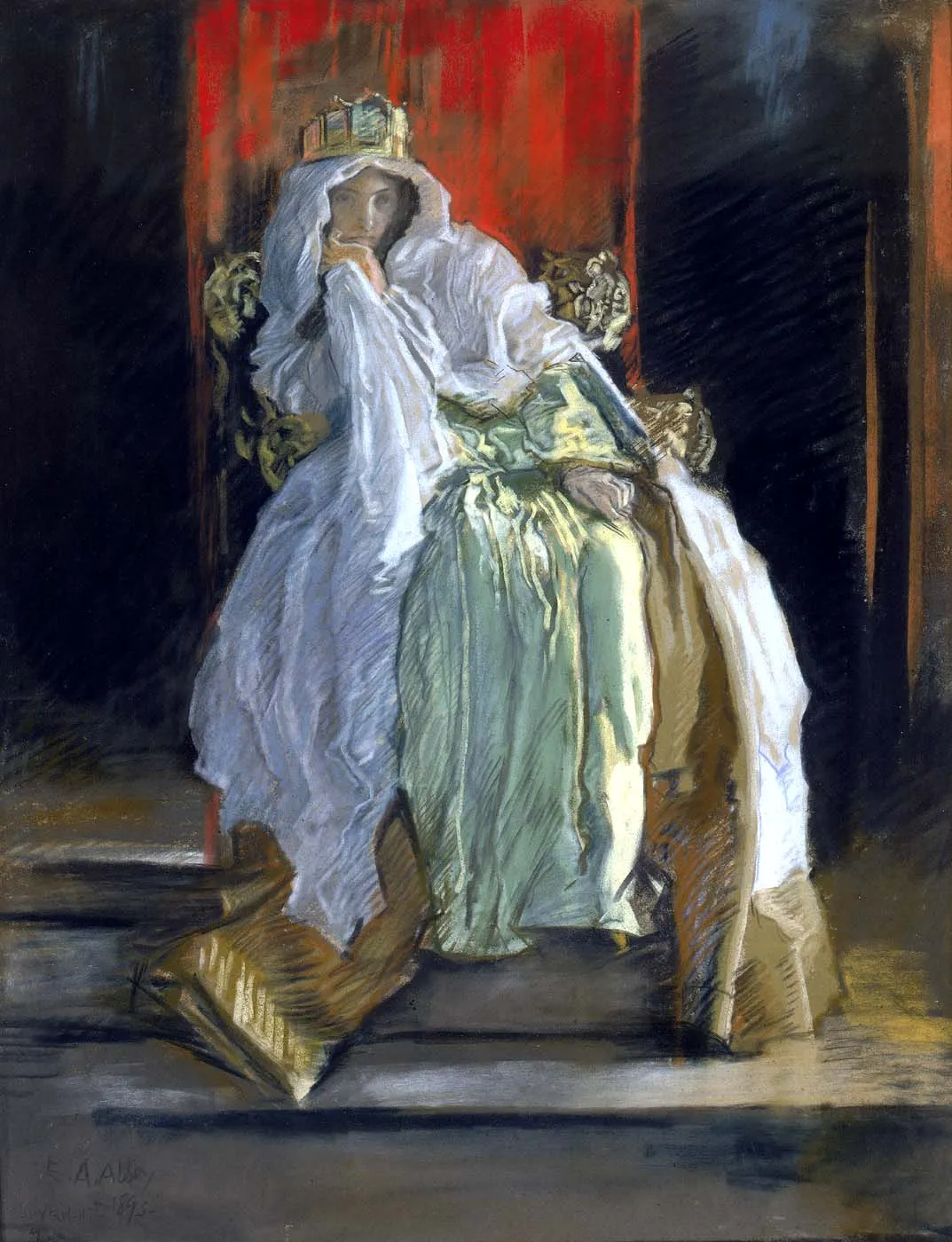
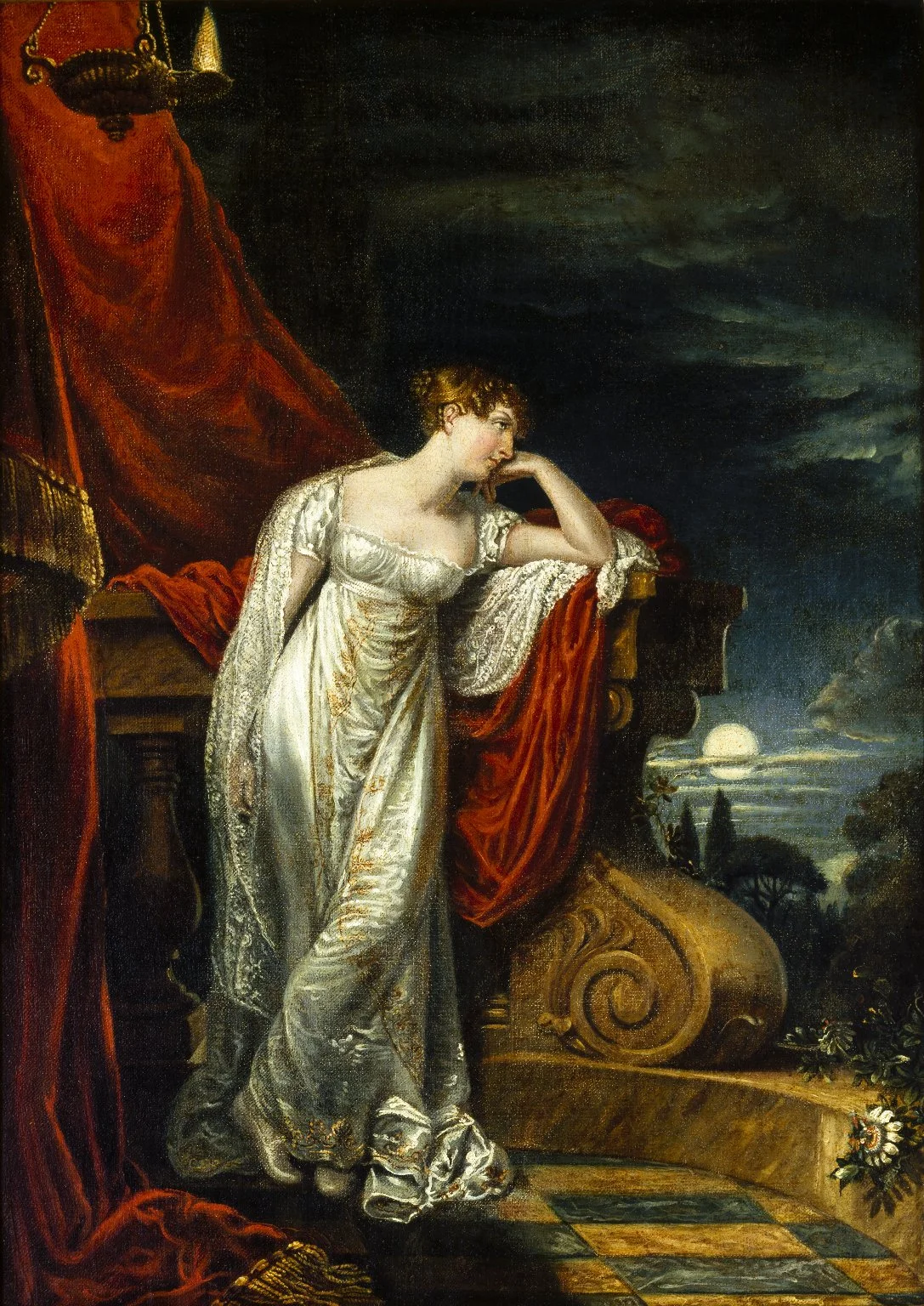
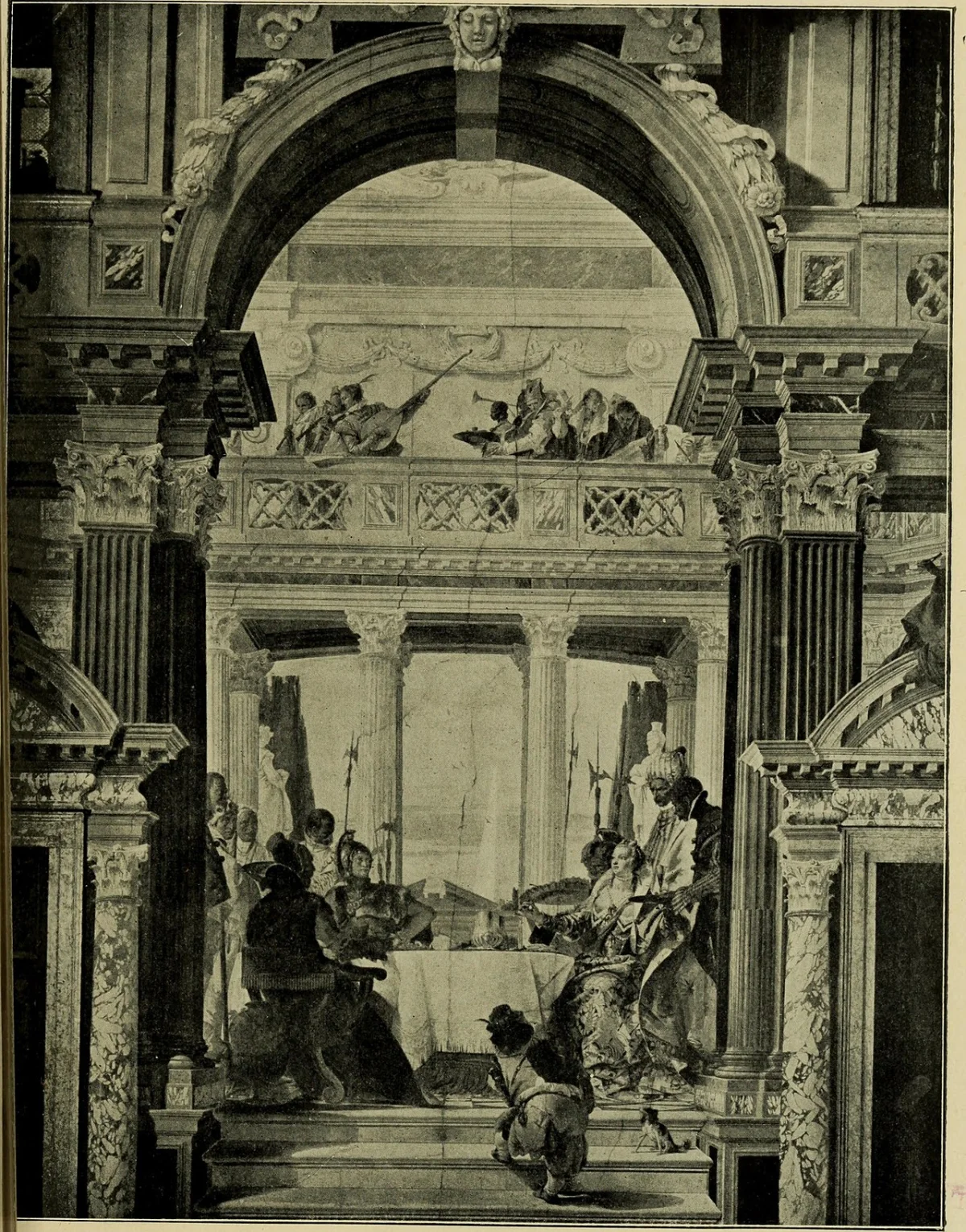
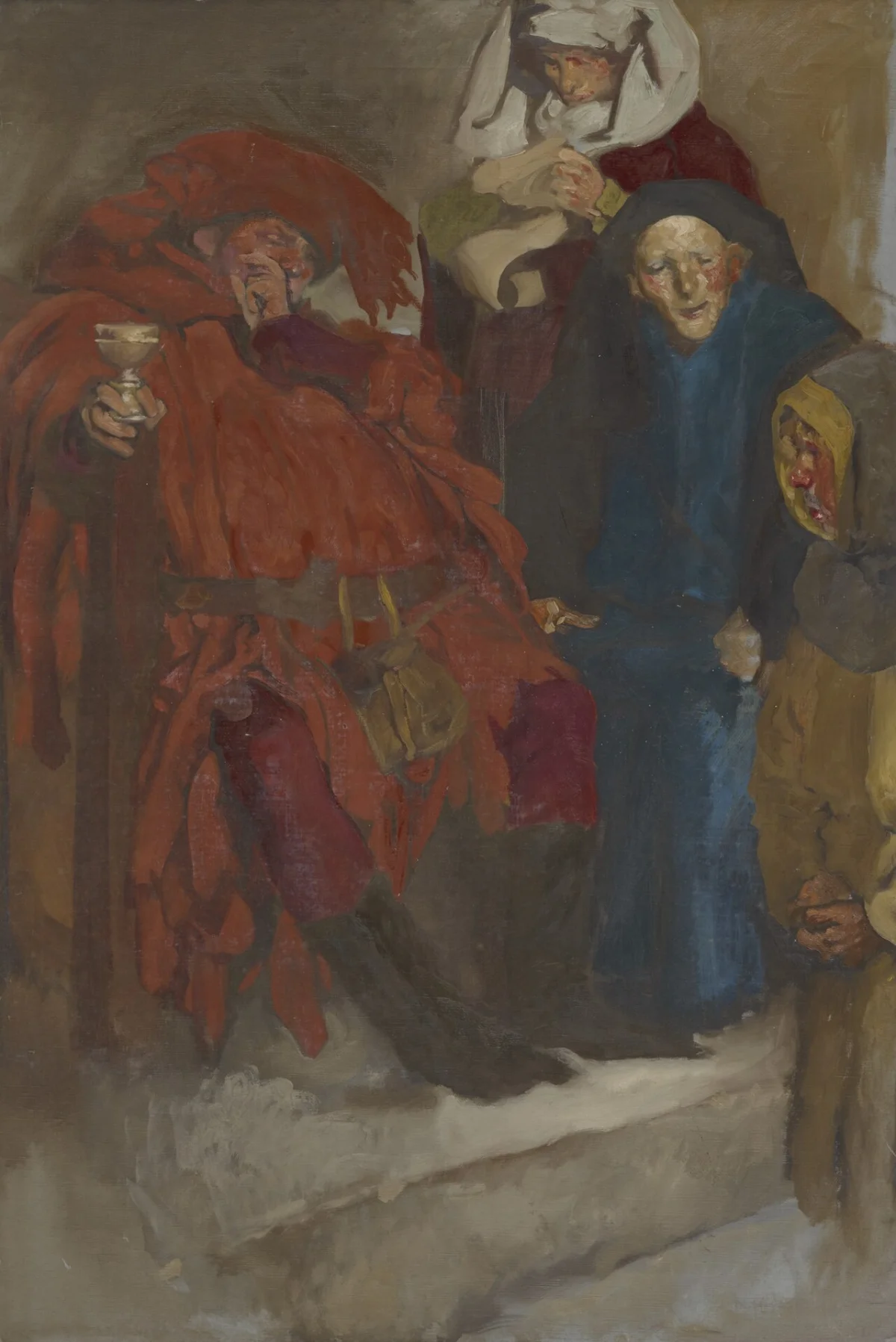
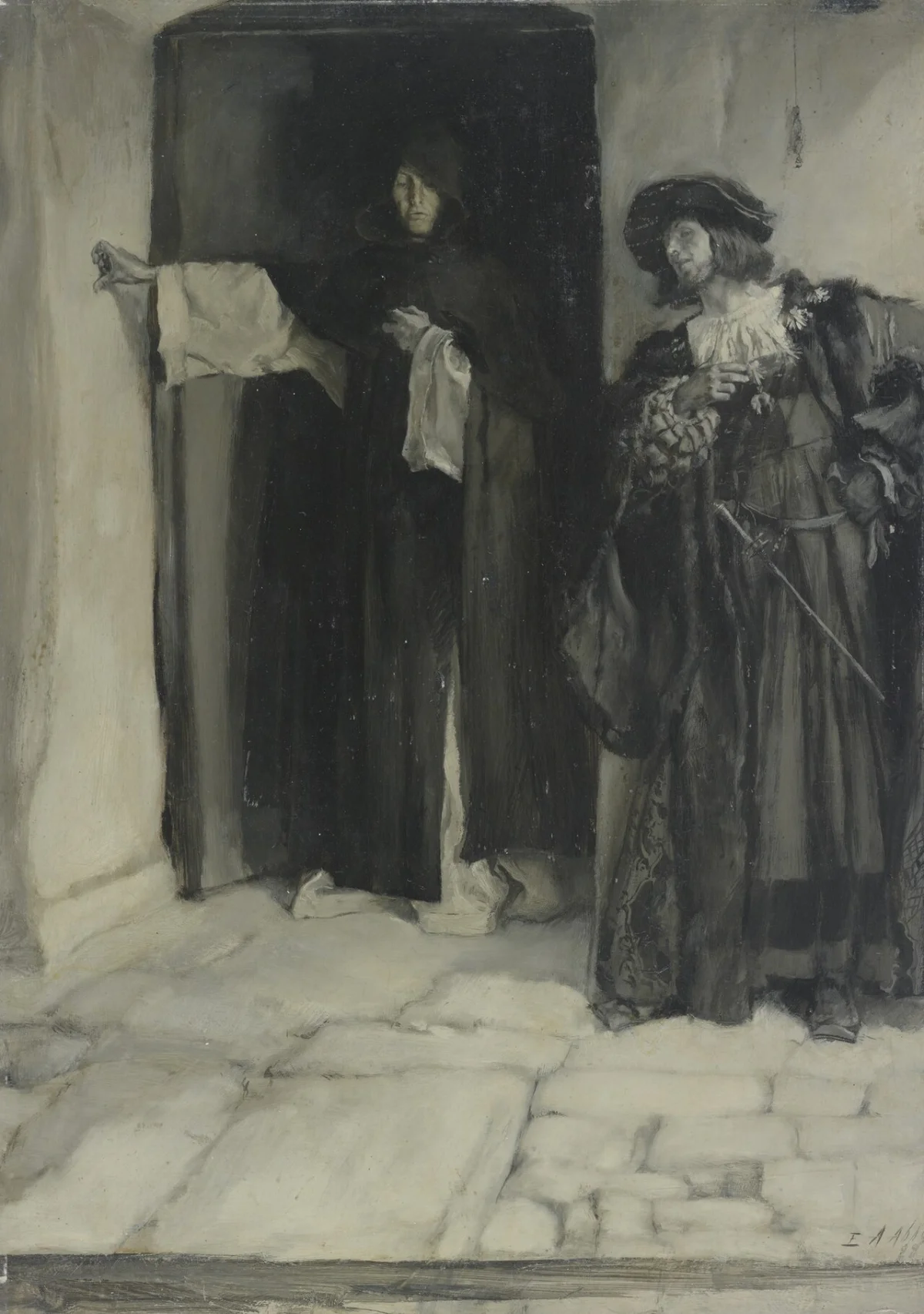
Edwin Austin Abbey’s "La reine dans Hamlet" is celebrated for its exquisite oil on canvas technique, showcasing the artist’s refined skill and attention to detail. Each brushstroke in this masterpiece reflects the lush textures and subtle color harmonies that define the Aestheticism movement. For those captivated by Abbey’s artistry, related fine works like "The Duke and Friar Thomas, from Measure for Measure, Act I, Scene iii" and "Architectural study" offer additional glimpses into his creative genius.
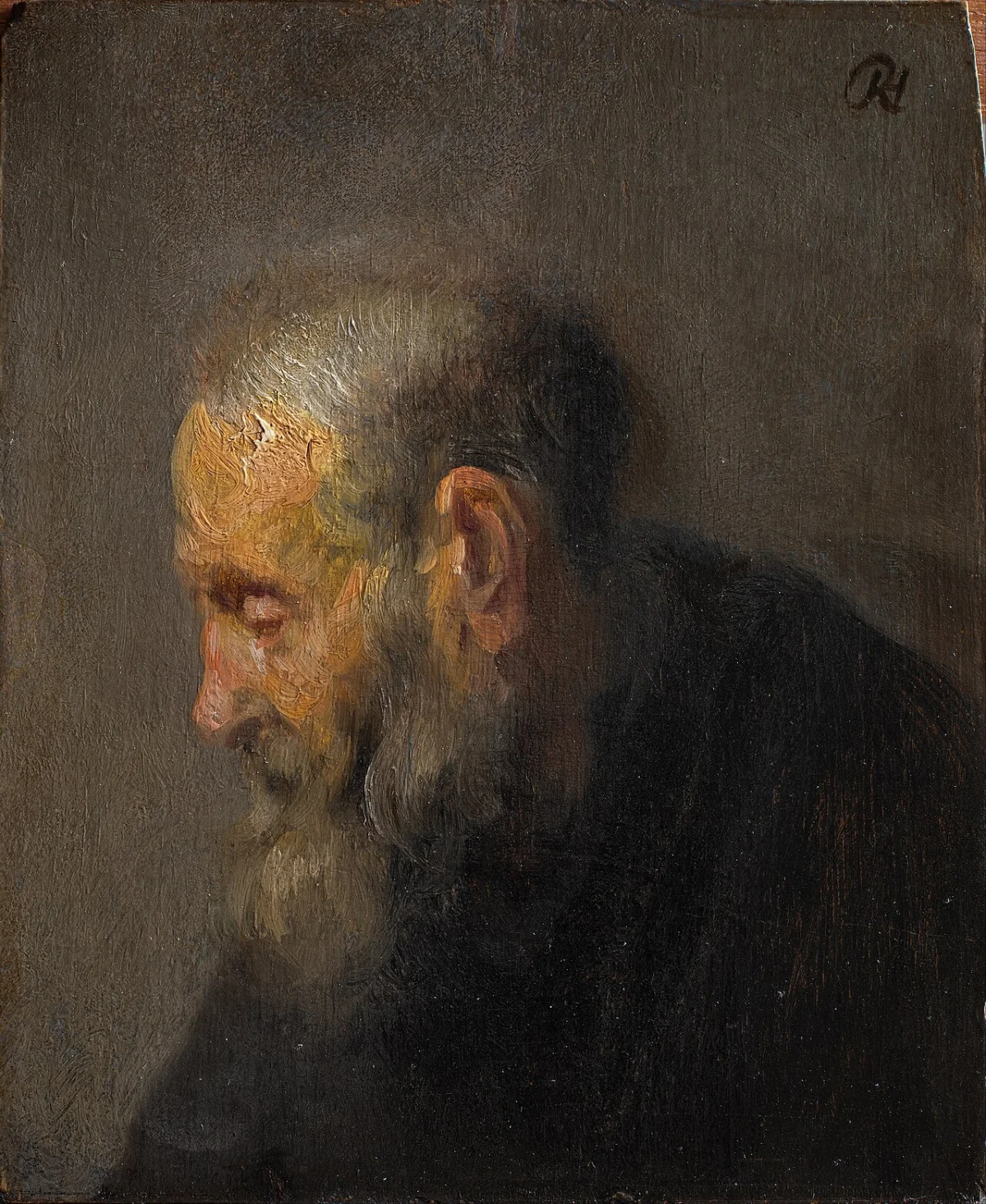
This fine art painting for sale is more than a visual delight; it’s a narrative woven with symbolism and drama. In "La reine dans Hamlet," Abbey explores themes of tragedy, power, and introspection, all emblematic of Aestheticism’s pursuit of beauty and meaning. Art lovers often pair this evocative piece with studies such as "Study of a head" or atmospheric scenes like "Seascape with Sailing Boat" to deepen their collection’s thematic richness.
Owning "La reine dans Hamlet" by Edwin Austin Abbey means possessing a hand-painted oil painting that embodies the elegance and allure of the Aestheticism movement. This remarkable artwork stands alongside other sought-after pieces, including "King Lear, Act I, Scene I" and "Landscape study," making it a prized acquisition for discerning collectors. Each Abbey painting is a testament to timeless artistry, making your collection truly exceptional.
When Art Meets History
"La reine dans Hamlet" by Edwin Austin Abbey is a remarkable example of the Aestheticism movement, where art flourished alongside literary heritage. This hand-painted oil painting captures a pivotal Shakespearean moment, blending historical drama with visual beauty. Abbey’s mastery brings the queen’s character to life, much like his contemporaries did in works such as "Quai de Paris, Rouen" and "Old English House by Moonlight." Collectors and historians alike cherish this union of art and narrative in every brushstroke.
Techniques That Speak
Edwin Austin Abbey’s "La reine dans Hamlet" showcases the refined techniques characteristic of the Aestheticism movement. Rendered as an oil on canvas, the painting’s delicate layering and subtle color palette evoke a dreamlike atmosphere. Abbey’s expertise aligns with other fine works like "Liverpool from Wapping" and "Shipping on the Clyde," emphasizing the elegance of composition and attention to detail. Each element in this oil on canvas masterpiece demonstrates Abbey’s dedication to both craft and storytelling.
Emotions on Display
In "La reine dans Hamlet," Abbey’s brushwork conveys deep emotional resonance, a hallmark of Aestheticism. The queen’s expression and posture are meticulously crafted, inviting viewers to empathize with her inner turmoil. This fine art painting for sale stands alongside evocative pieces such as "A House in a Clearing," all drawing on the power of mood and atmosphere. Abbey’s ability to translate complex emotions into visual form ensures the painting’s lasting impact on audiences.
Coveted by Collectors
Collectors are drawn to "La reine dans Hamlet" for its historical significance and exquisite artistry. As a hand-painted oil painting by Edwin Austin Abbey, it represents the pinnacle of the Aestheticism movement. Similar to sought-after works like "Quai de Paris, Rouen" and "Shipping on the Clyde," this painting is a prized possession for any collection. Its unique blend of narrative depth and visual sophistication makes it a standout among fine art painting for sale today.
Related Aestheticism Hand-Painted Oil Paintings by Other Artists
Other Famous Aestheticism Artists:
Frequently Asked Questions About La reine dans Hamlet
What is the historical context of "La reine dans Hamlet"?
"La reine dans Hamlet," painted by Edwin Austin Abbey, reflects the Victorian fascination with Shakespearean themes, particularly the tragic elements of the play "Hamlet," which was written in the early 17th century. Abbey's work captures the essence of the character Gertrude, the Queen of Denmark, during a time when Shakespeare's works were being revived and celebrated in the 19th century.
Who is the central figure in the painting and what does she represent?
The central figure in "La reine dans Hamlet" is Gertrude, the Queen of Denmark. She represents themes of betrayal, grief, and the complexities of motherhood, as she navigates her relationships with Hamlet and Claudius, embodying the emotional turmoil central to the play's narrative.
How does Abbey's artistic style influence the portrayal of the characters?
Edwin Austin Abbey's artistic style combines realism with a romanticized interpretation of Shakespearean themes. His use of rich colors, intricate details, and dramatic lighting enhances the emotional depth of the characters, allowing viewers to connect with their psychological states and the overarching tragedy of the story.
What symbolism is present in "La reine dans Hamlet"?
The painting is rich in symbolism, particularly through the use of objects and colors. For instance, the presence of dark colors may symbolize mourning and despair, while the opulent attire of Gertrude reflects her royal status and the burdens that come with it. Additionally, the setting often hints at themes of entrapment and the weight of royal duty.
What techniques did Abbey use to convey emotion in this painting?
Abbey employed techniques such as chiaroscuro to create contrast between light and shadow, enhancing the emotional intensity of the scene. His careful attention to facial expressions and body language further conveys the internal struggles of the characters, making their emotions palpable to the viewer.
In what ways does this painting reflect the cultural attitudes of the Victorian era?
The painting reflects the Victorian era's romanticism and its preoccupation with themes of morality, tragedy, and the complexities of human relationships. The revival of interest in Shakespeare during this time also indicates a cultural longing for depth in storytelling and a connection to classic literature.
How does "La reine dans Hamlet" compare to other depictions of Gertrude in art?
Abbey's depiction of Gertrude is notable for its psychological depth and emotional resonance compared to other artistic interpretations. While many artists focus on her role as a mother or a queen, Abbey delves into her inner conflict and vulnerability, offering a more nuanced portrayal that invites empathy from the audience.
What role does the setting play in the painting?
The setting in "La reine dans Hamlet" is crucial as it establishes the mood and context of the narrative. Abbey often incorporates elements of the Elsinore castle, which serves as a backdrop for the themes of power, betrayal, and tragedy, reinforcing the sense of confinement and the weight of royal expectations on Gertrude.
What impact did "La reine dans Hamlet" have on the perception of Shakespearean art?
"La reine dans Hamlet" contributed to the growing appreciation of Shakespearean themes in visual art during the late 19th century. Abbey's work helped to elevate the status of theatrical subjects in painting, encouraging other artists to explore literary themes and characters, thus bridging the gap between literature and visual arts.
How does Abbey's background influence his interpretation of Shakespeare's works?
Edwin Austin Abbey was deeply influenced by his background in both American and British art traditions. His education and exposure to theatrical design allowed him to approach Shakespeare's works with a unique perspective, blending narrative storytelling with visual artistry, which is evident in his interpretation of "La reine dans Hamlet."






















_GFM_Painting_(1).webp)


 100% Hand-Painted: Finished in 3-6 Weeks

.png)















_(1).webp)