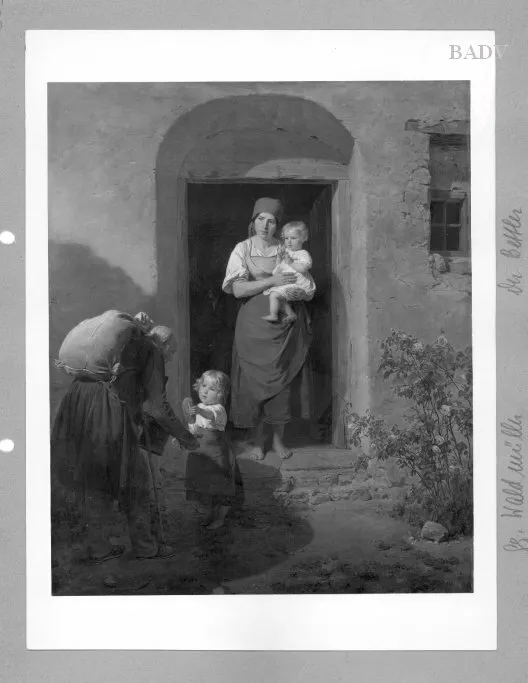
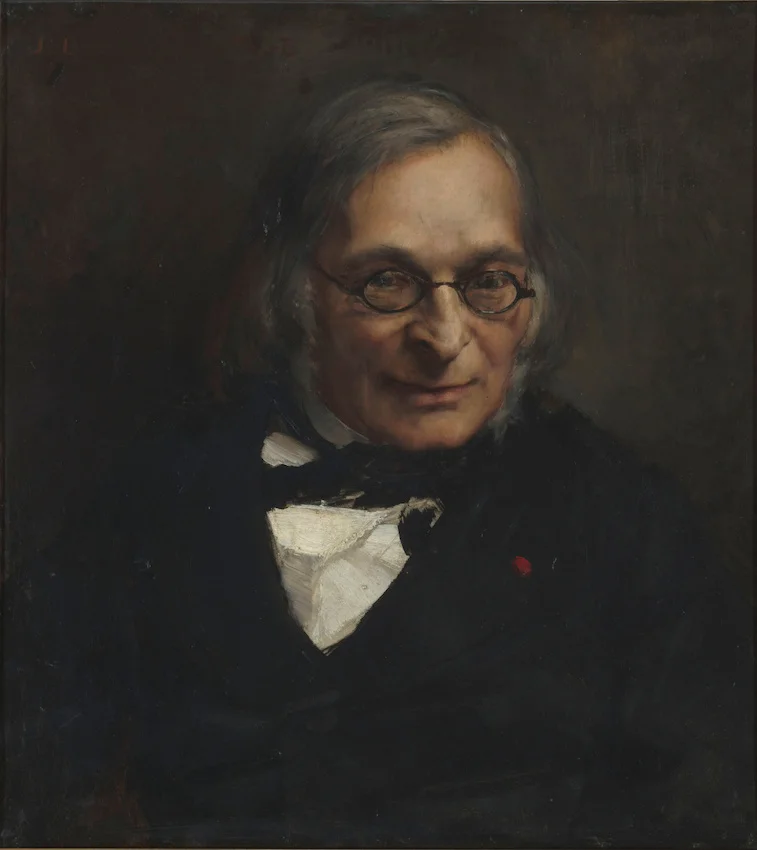
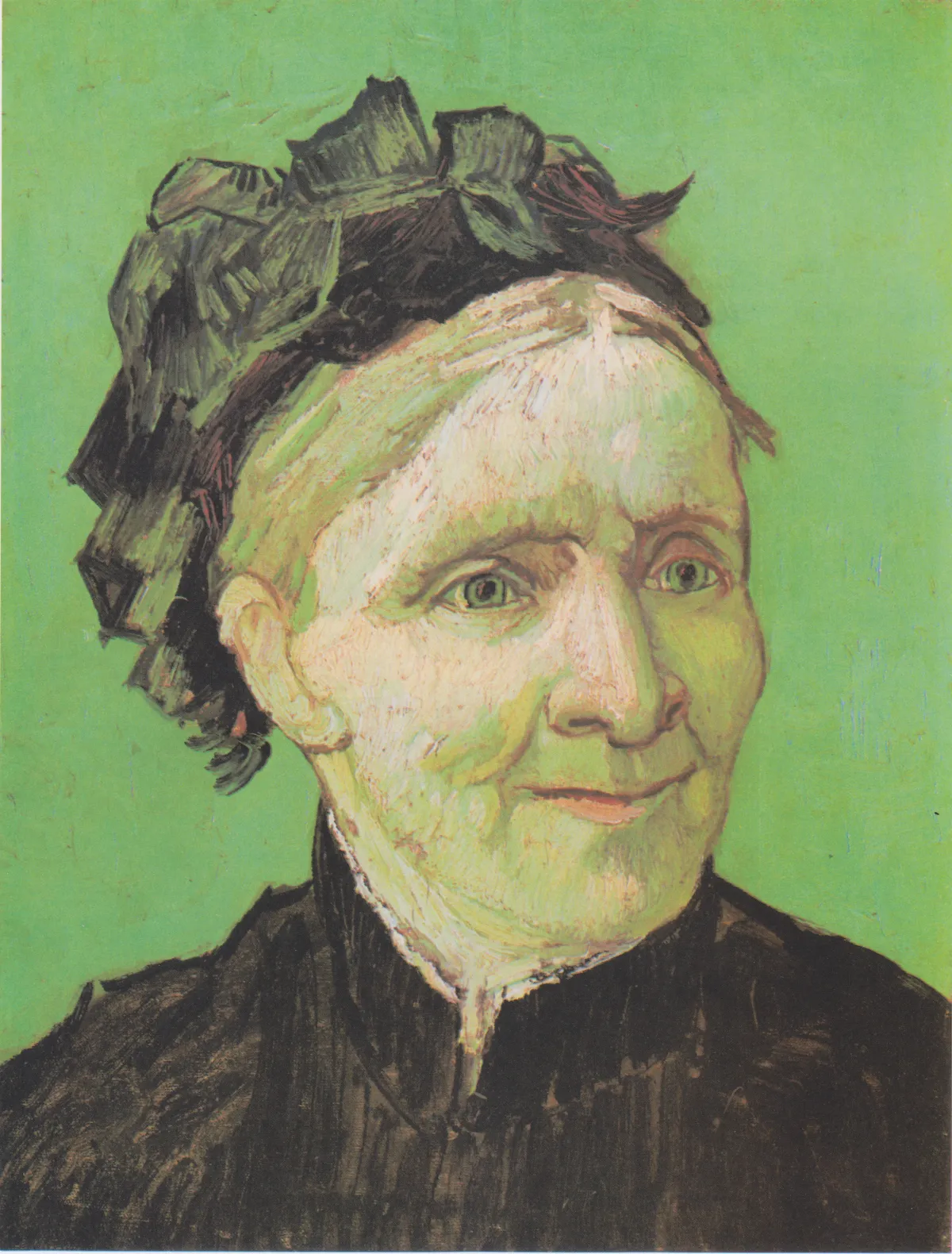
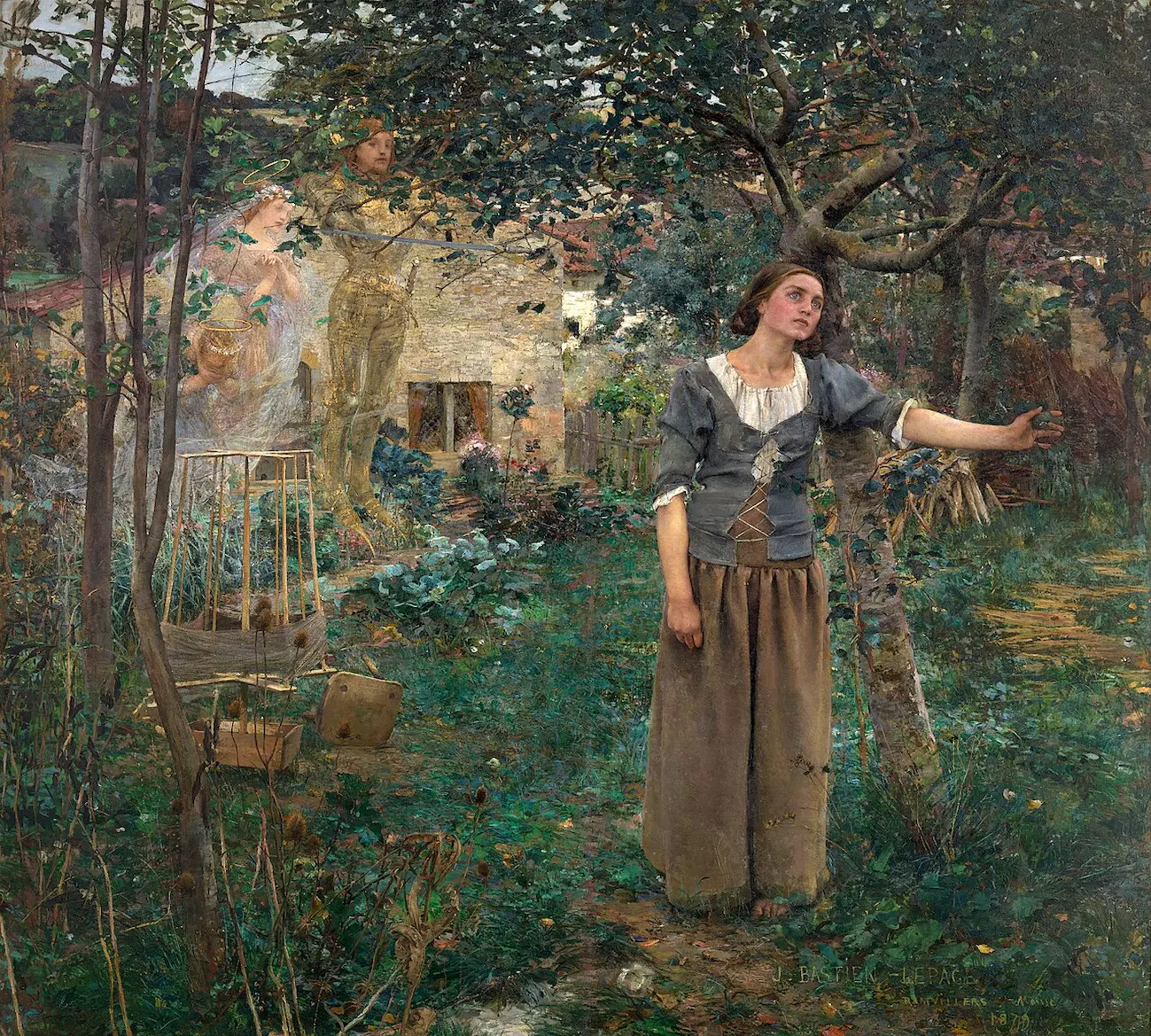
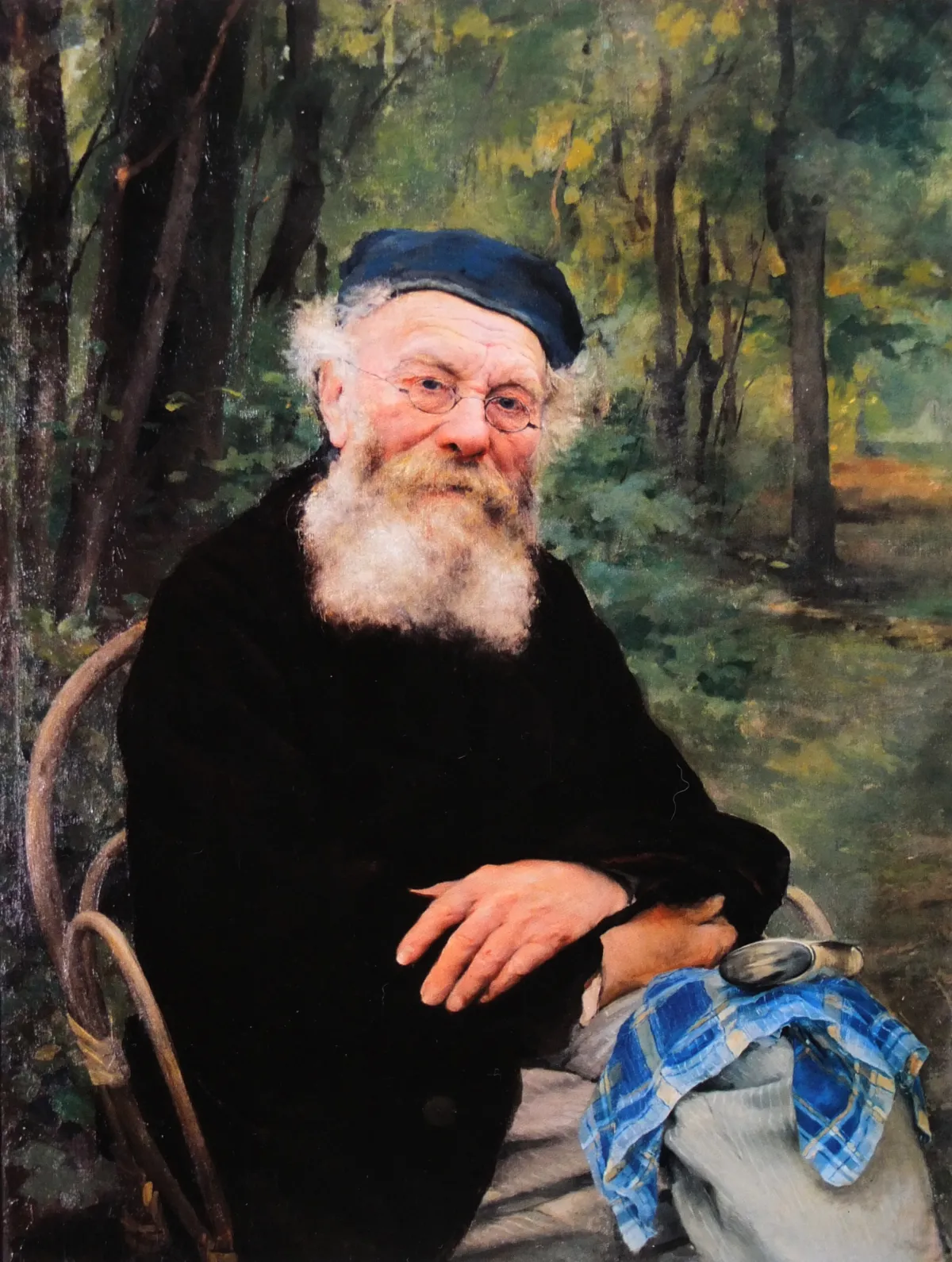
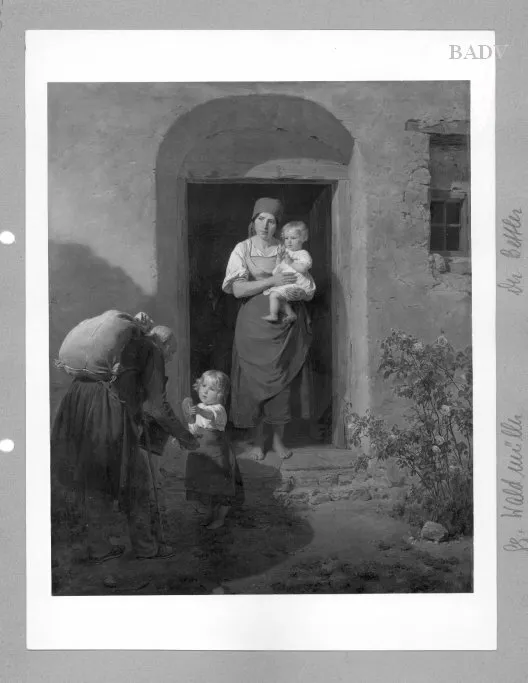
Bastien Lepage’s expertise shines through the exquisite oil on canvas technique displayed in "Madame Godillot." Each brushstroke reflects his commitment to realism and emotional depth, hallmarks of the Naturalism movement. This painting, alongside related pieces like "The Beggar" and depictions of Alexandre Wallon, historian and politician, showcases the artist’s technical prowess. Bastien Lepage’s meticulous attention to detail elevates this oil on canvas into a timeless masterpiece, perfect for collectors seeking authenticity and historical value.
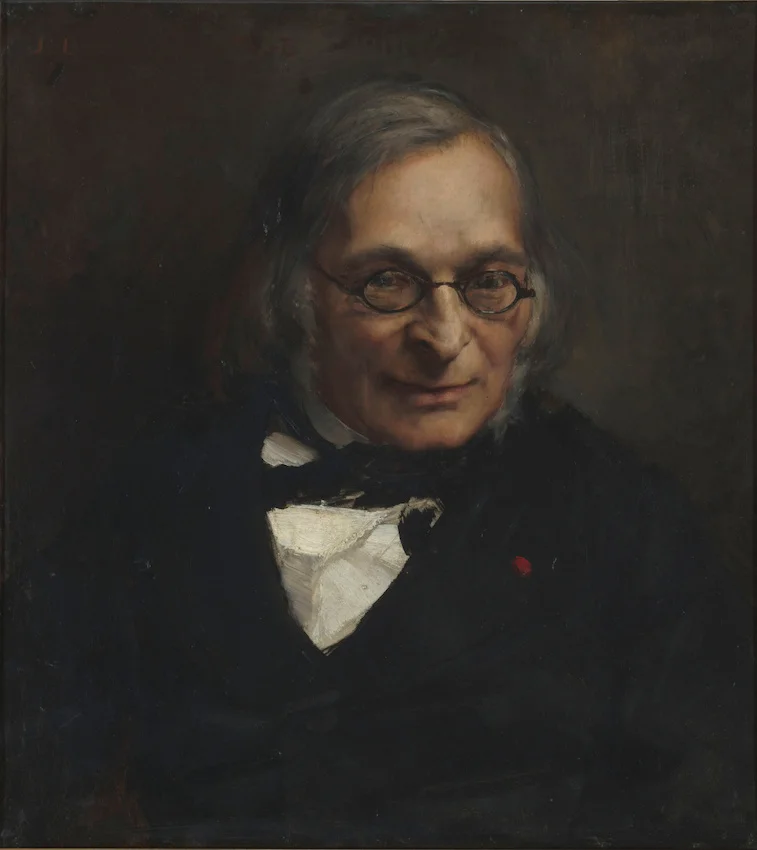
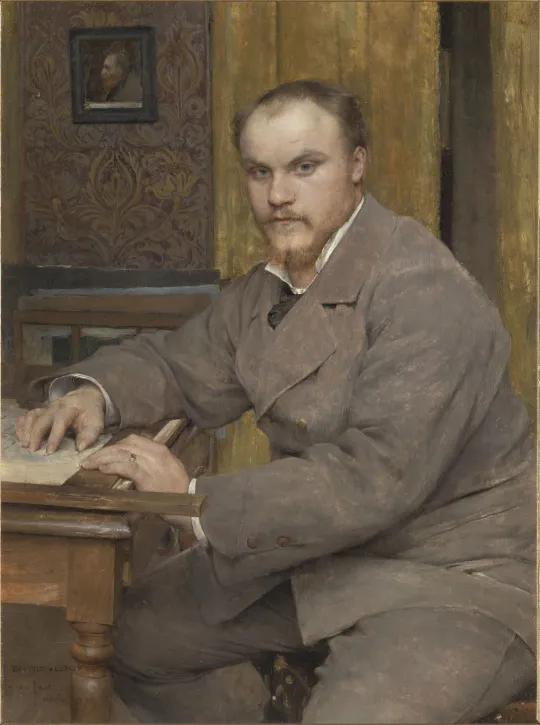
"Madame Godillot" tells a compelling story through its rich symbolism and lifelike presentation, qualities that distinguish Bastien Lepage’s hand-painted oil paintings. The subject’s expression and surroundings invite viewers to explore themes of dignity and resilience, echoing motifs found in works like "Émile Bastien-Lepage" and "Adolphe Franck, French philosopher." This painting exemplifies the Naturalism movement’s dedication to capturing real-life narratives, making it a centerpiece among fine art painting for sale today.
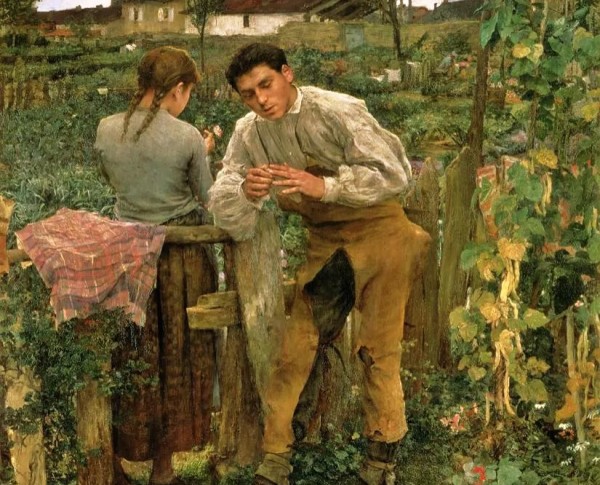
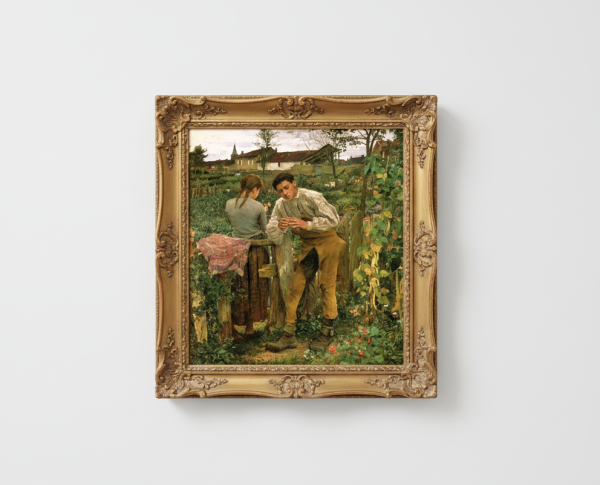
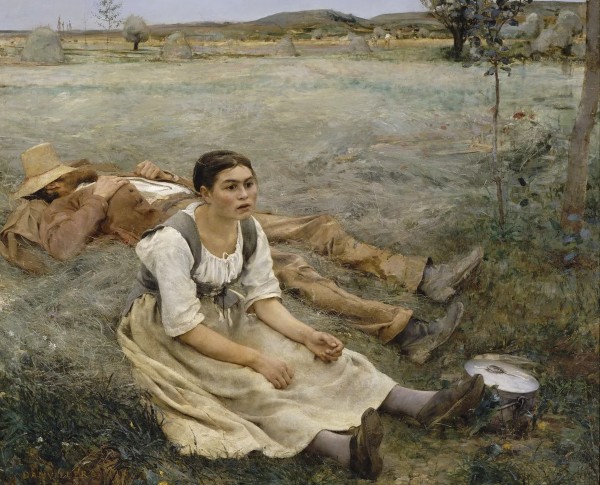
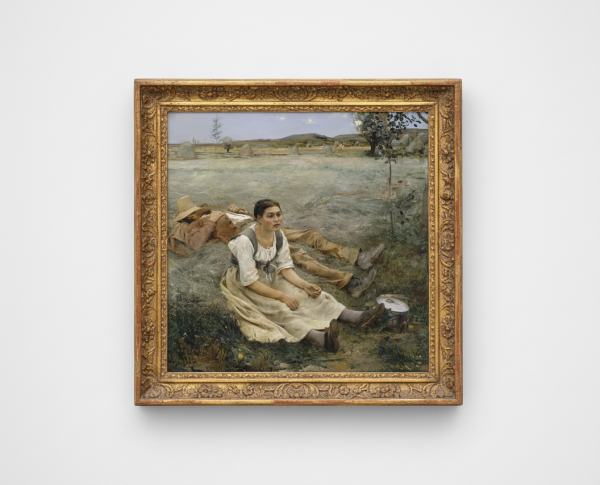
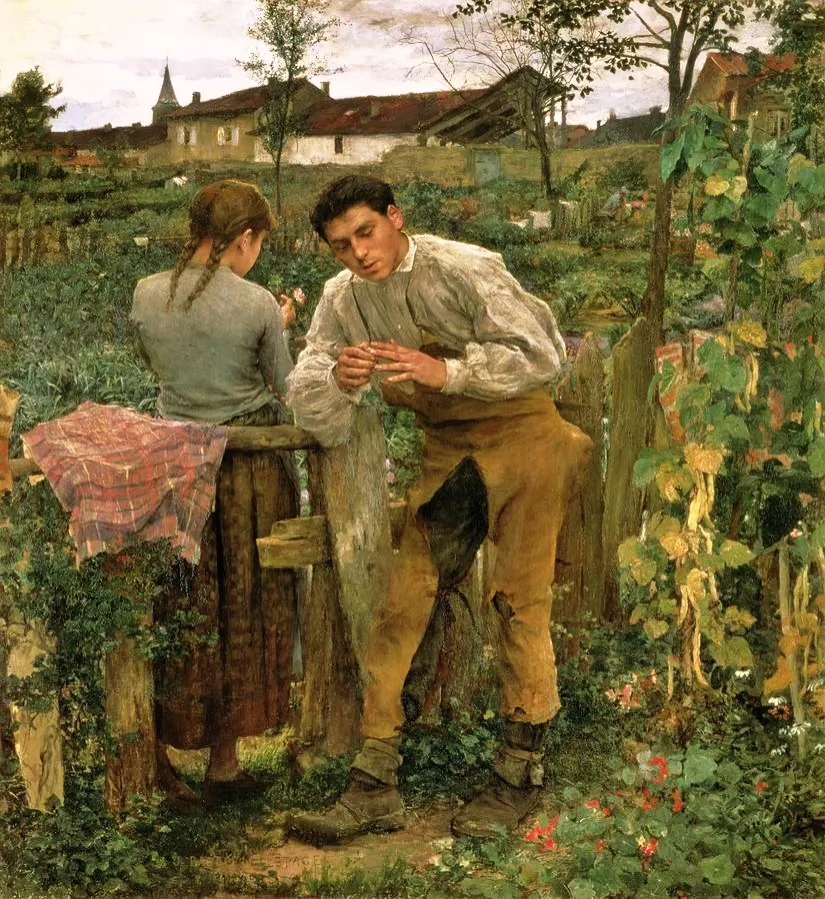
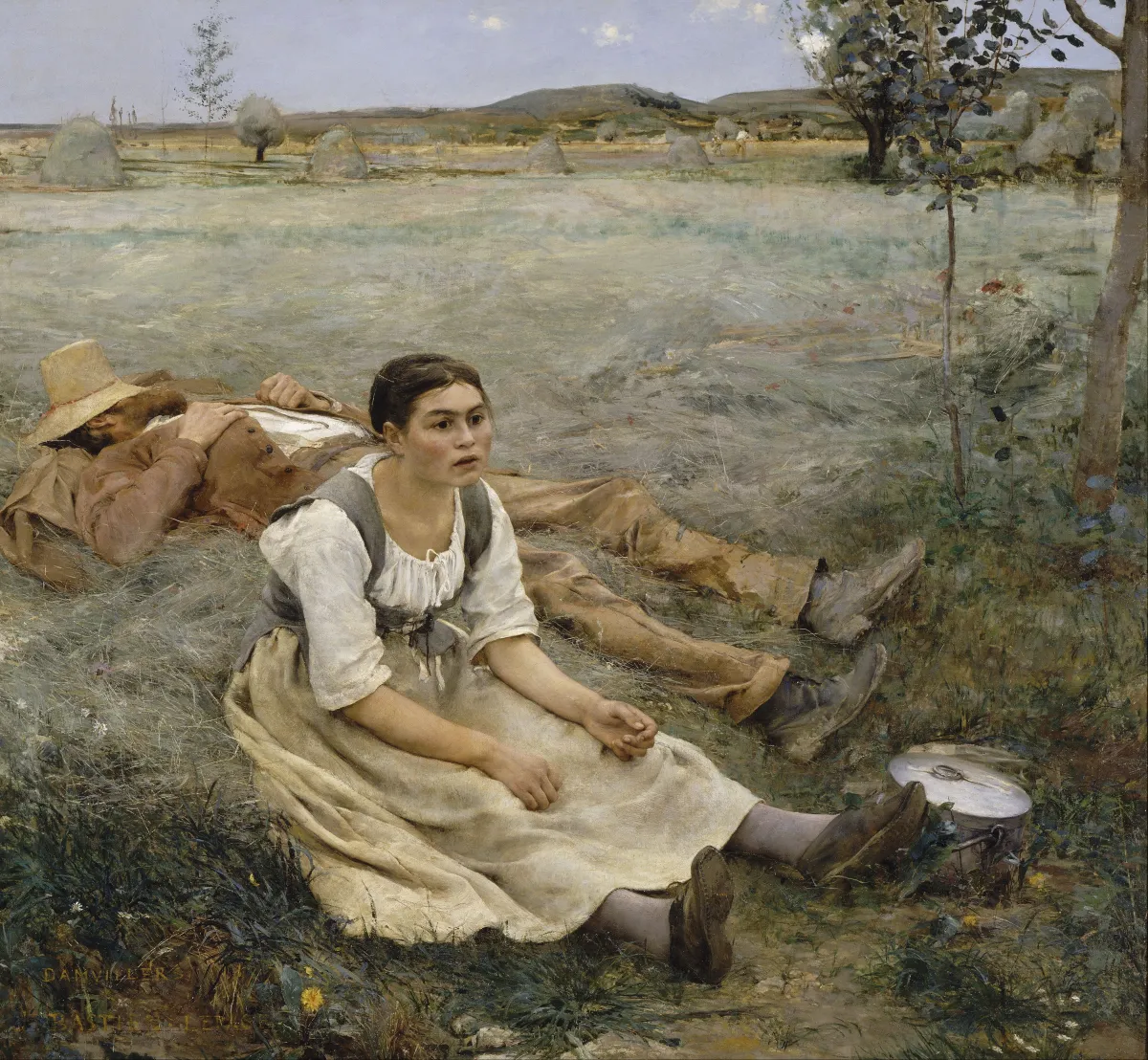
For art enthusiasts, acquiring "Madame Godillot" means owning a significant piece of the Naturalism movement. Bastien Lepage’s renowned oil on canvas technique ensures that this painting stands out in any collection. Collectors often seek related products such as "Hay Making" and "Village Love" to complement this masterpiece. As a fine art painting for sale, "Madame Godillot" offers both aesthetic beauty and historical significance, making it a must-have for discerning collectors and admirers of French realism.
When Art Meets History
"Madame Godillot" by Bastien Lepage is a remarkable hand-painted oil painting that captures the essence of the Naturalism movement. Created during a period when artists sought to depict real life with sincerity, this masterpiece stands alongside related paintings such as "Danger aloft – Ptarmigan, Little Owl and Scops Owl." Lepage’s dedication to authenticity is evident in his work, making "Madame Godillot" an important piece for understanding the historical context of late 19th-century French art.
Techniques That Speak
Bastien Lepage’s "Madame Godillot" showcases expert oil on canvas techniques that highlight the Naturalism movement's focus on detailed realism. The artist’s brushwork brings out subtle nuances in texture and light, similar to his approach in works like "Woodcock in a sandy hollow." Lepage’s sophisticated layering and use of muted tones create a lifelike representation, making this painting a prime example of how oil on canvas can be used to evoke a sense of presence and atmosphere.
Emotions on Display
In "Madame Godillot," Bastien Lepage masterfully conveys emotion through expressive details and natural poses, hallmarks of Naturalism. The subject’s introspective gaze and gentle posture invite viewers to connect on a personal level. This fine art painting for sale, much like "Blackgame, Little Owl and Scops Owl.," draws out empathy and curiosity, allowing us to experience the intimate moments that Lepage so carefully observed and translated onto the canvas.
Coveted by Collectors
"Madame Godillot" remains a coveted piece among art enthusiasts and collectors of the Naturalism movement. Bastien Lepage’s dedication to realism and his hand-painted oil painting technique make this artwork highly desirable. Alongside his related paintings, "Danger aloft – Ptarmigan, Little Owl and Scops Owl." and others, "Madame Godillot" represents a significant investment for those seeking a distinguished fine art painting for sale that embodies historical and artistic value.
Related Naturalism Hand-Painted Oil Paintings by Other Artists
Other Famous Naturalism Artists:
Frequently Asked Questions About Madame Godillot
What is the historical context of "Madame Godillot"?
"Madame Godillot," painted by Bastien-Lepage in 1879, reflects the societal changes in France during the late 19th century, particularly the evolving role of women in society and the rise of realism in art.
Who is the subject of "Madame Godillot"?
The painting depicts Madame Godillot, a notable figure of the time, who was known for her involvement in the Parisian social scene. Her portrayal captures both her individuality and the broader cultural shifts of the era.
What artistic techniques are used in "Madame Godillot"?
Bastien-Lepage employs a naturalistic style characterized by meticulous attention to detail, vibrant color palettes, and a focus on light and shadow, which enhances the three-dimensionality of the figure.
How does "Madame Godillot" exemplify the Realism movement?
The painting exemplifies Realism through its honest representation of the subject, avoiding idealization and instead focusing on the authenticity of the individual and her environment, which was a hallmark of the movement.
What symbols are present in "Madame Godillot"?
Symbolism in the painting can be seen in the choice of clothing and accessories, which reflect Madame Godillot's social status and personal identity, as well as the natural setting that emphasizes her connection to the environment.
What is the significance of the background in "Madame Godillot"?
The background features a lush, natural landscape that serves not only as a setting but also as a symbol of femininity and fertility, contrasting with the subject's poised demeanor and highlighting her role in society.
How did Bastien-Lepage's style influence later artists?
Bastien-Lepage's innovative approach to realism and his emphasis on capturing the essence of modern life influenced many subsequent artists, paving the way for movements such as Impressionism and Post-Impressionism.
What are the notable exhibitions featuring "Madame Godillot"?
"Madame Godillot" has been featured in various prestigious exhibitions, including the Salon de Paris, where it received acclaim for its artistic merit and contribution to the Realism movement.
What impact did "Madame Godillot" have on Bastien-Lepage's career?
The success of "Madame Godillot" significantly elevated Bastien-Lepage's profile in the art world, establishing him as a leading figure in the Realist movement and garnering attention from collectors and critics alike.
How does "Madame Godillot" reflect the role of women in 19th-century France?
The painting reflects the complexities of women's roles during the 19th century, showcasing both the emerging independence of women and the societal expectations they faced, thus serving as a commentary on gender dynamics of the time.






















_GFM_Painting_(1).webp)

_(1)1.webp)

 100% Hand-Painted: Finished in 3-6 Weeks
_(1)1.webp)

.png)















_(1).webp)