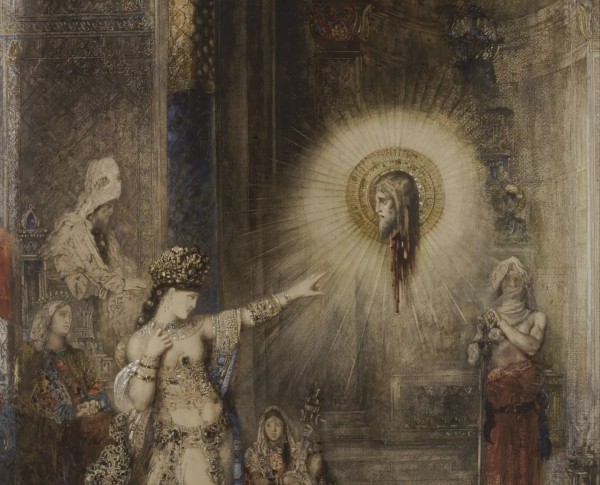
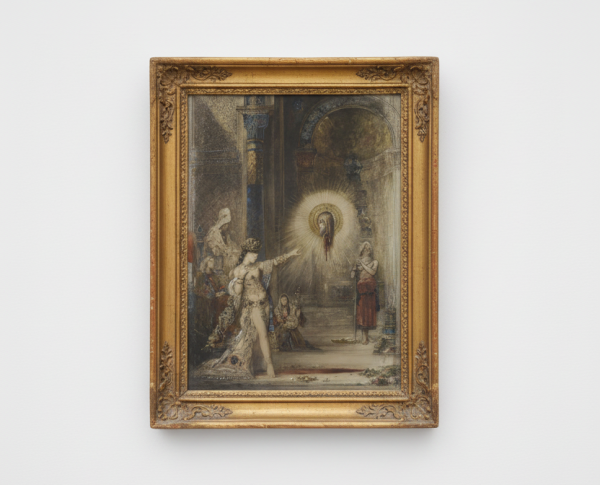
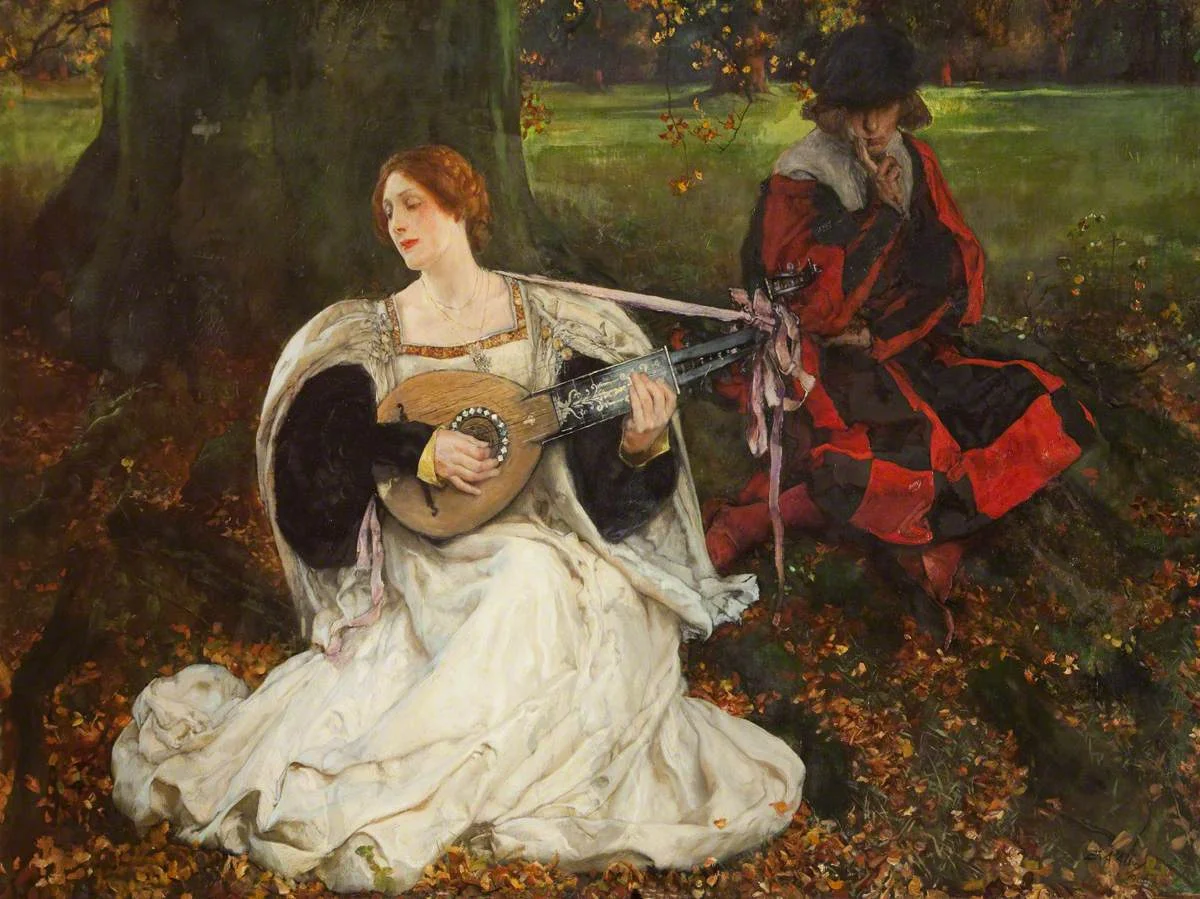
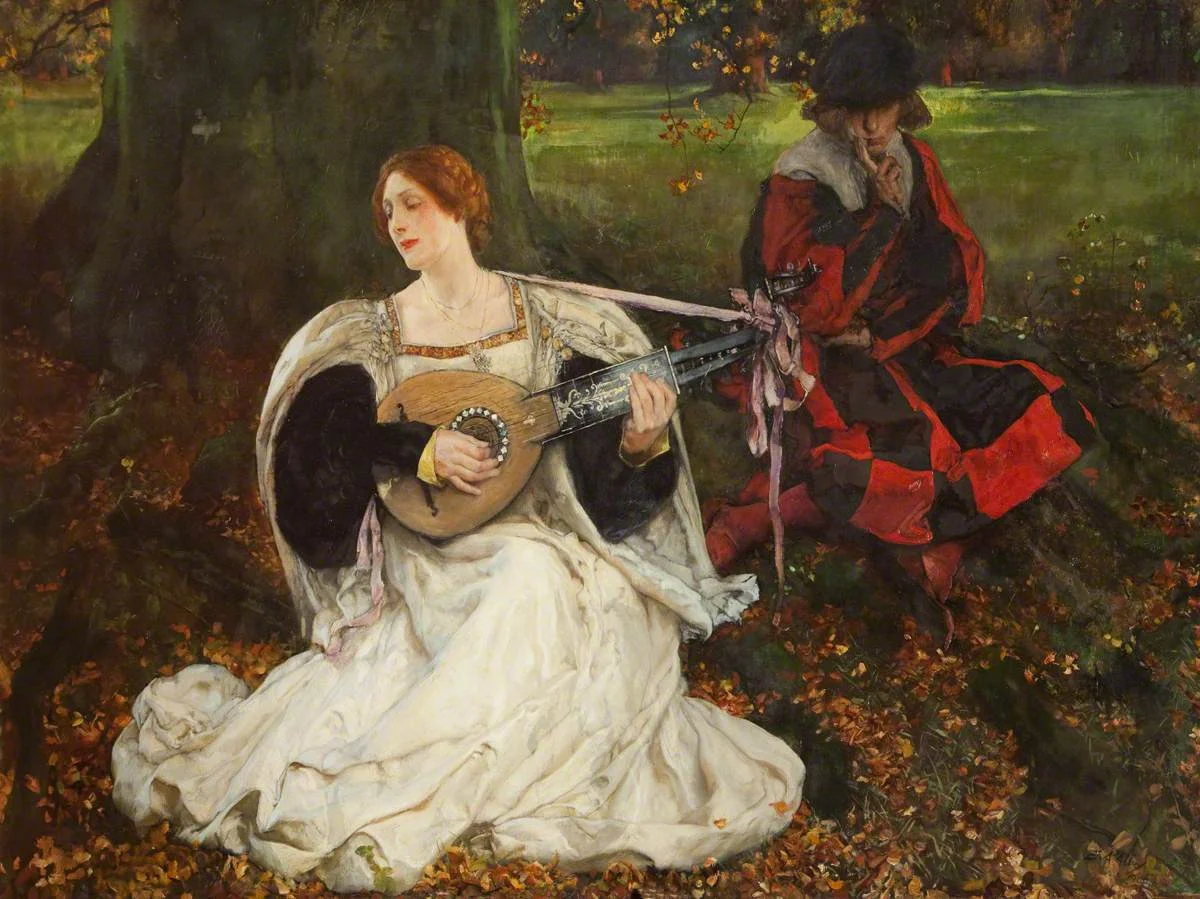
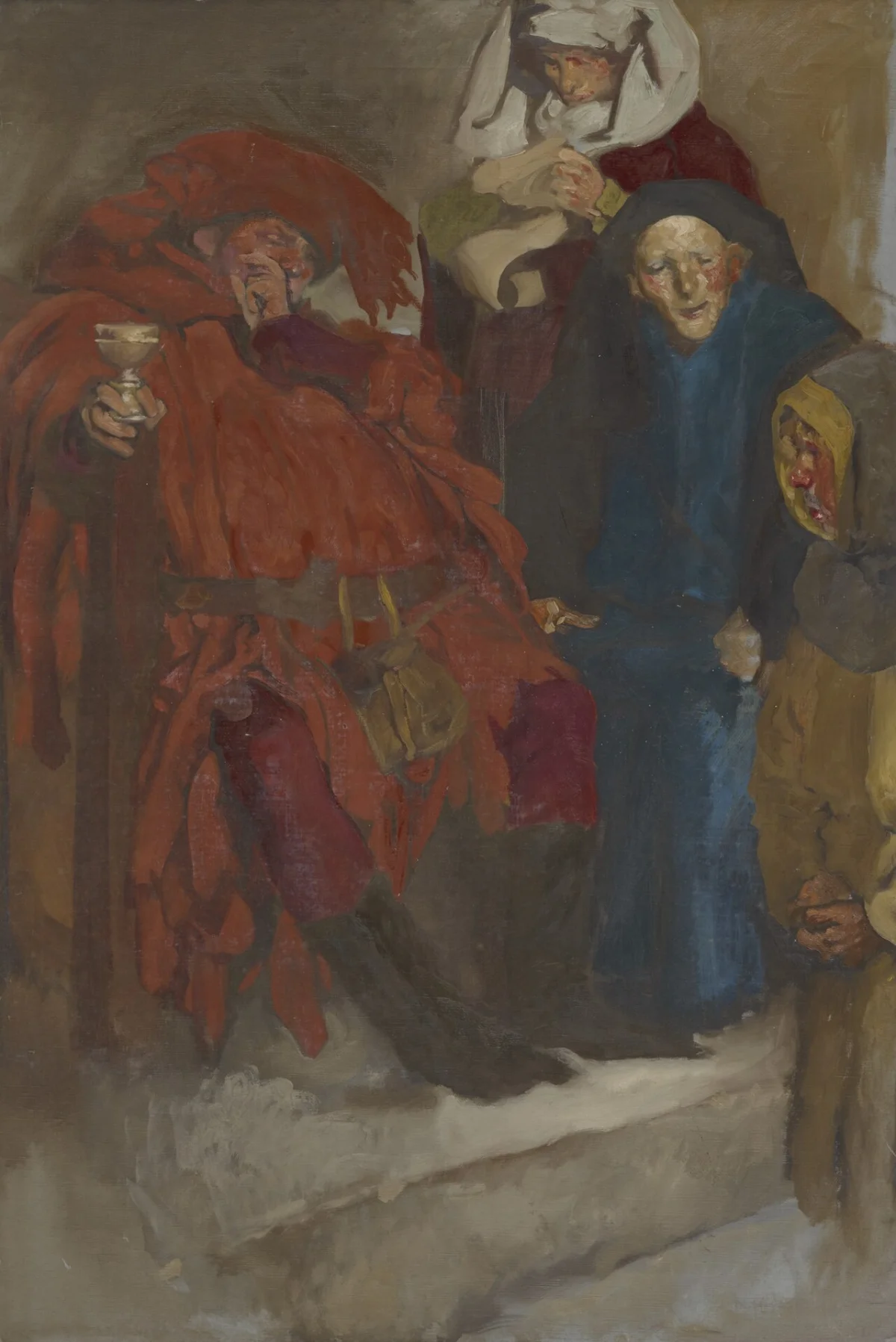
With "Fair Is My Love," Edwin Austin Abbey demonstrates his unparalleled skill using oil on canvas. Each brushstroke reflects Abbey’s dedication to the ideals of Aestheticism, emphasizing beauty and emotional resonance. The depth and texture of the painting exemplify his technical prowess, drawing viewers into its enchanting world. This piece pairs beautifully with related works like "Study for Falstaff" and "King Henry VI, Part II: 'Come hither, gracious sovereign, view this body.'"
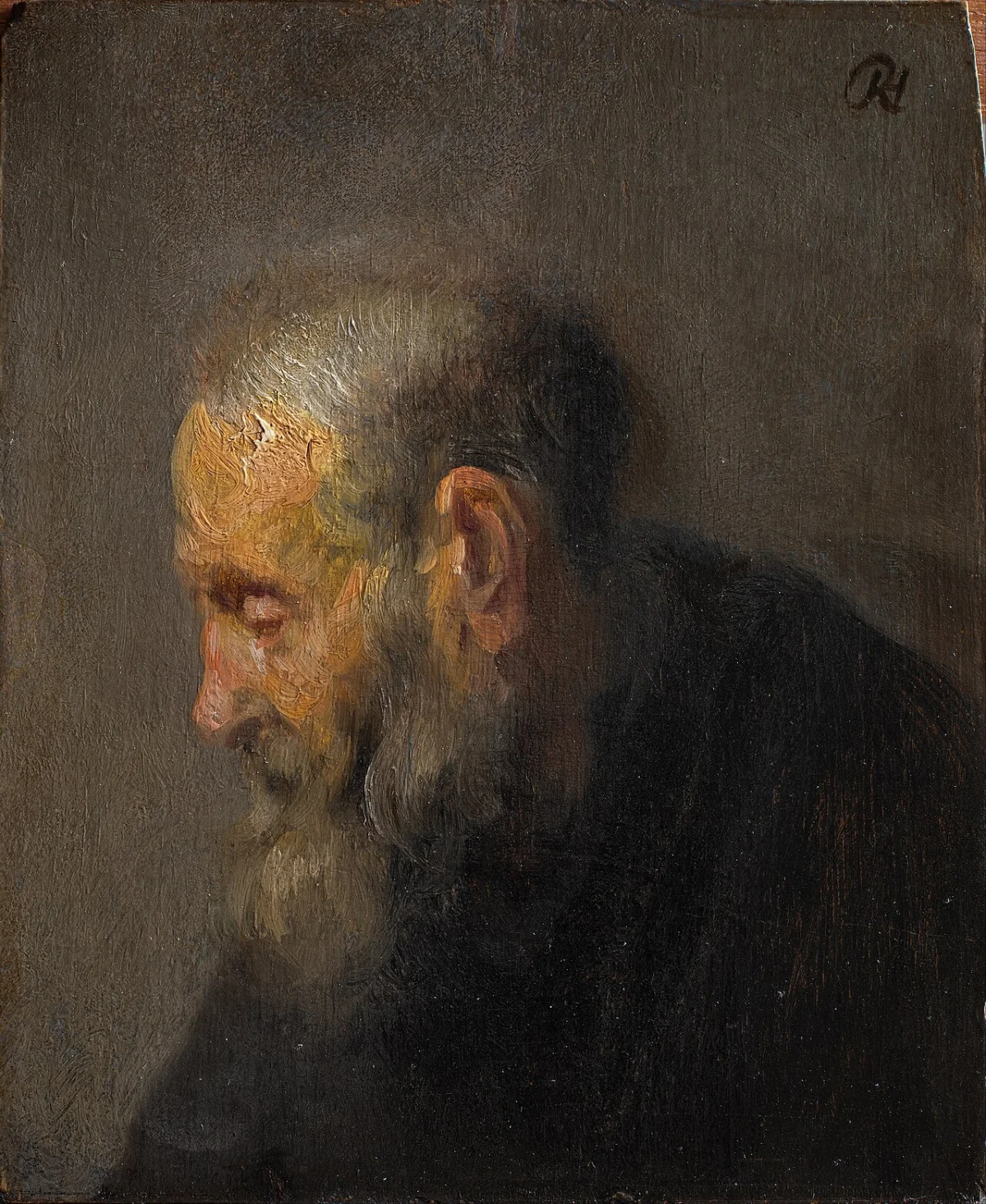
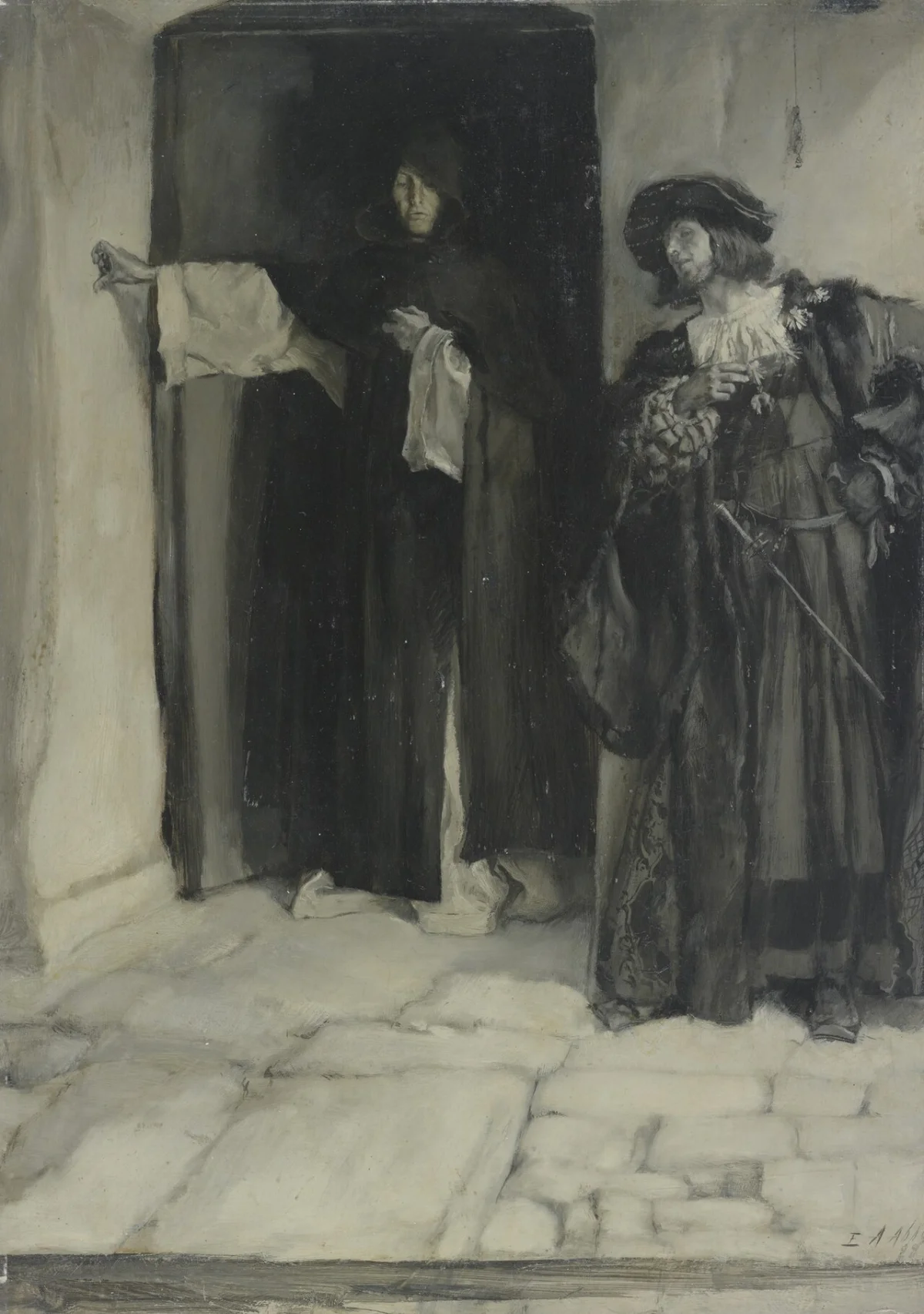
Every detail in "Fair Is My Love" tells a story, woven with the subtle symbolism characteristic of the Aestheticism movement. Edwin Austin Abbey’s narrative approach invites viewers to interpret the themes of love and beauty within the context of his time. This fine art painting for sale resonates with collectors seeking works that evoke emotion and intellect, much like Abbey’s "Study of a head" and "The Duke and Friar Thomas, from Measure for Measure, Act I, Scene iii."
As a celebrated hand-painted oil painting, "Fair Is My Love" by Edwin Austin Abbey is a prized acquisition for any art lover. The painting’s exquisite composition and historical significance make it a standout in the Aestheticism movement. Collectors often seek out related Abbey masterpieces, such as "Architectural study: a column," to complement this work, enhancing the value and narrative of their fine art collections.
When Art Meets History
"Fair Is My Love" by Edwin Austin Abbey stands as a remarkable example of the Aestheticism movement, where beauty and visual pleasure take center stage. This hand-painted oil painting captures the spirit of an era that valued art for art's sake. Abbey, renowned for his detailed narrative works, brings historical romance to life here. Related paintings like "Liverpool from Wapping" and "Quai de Paris, Rouen" echo this devotion to atmosphere and refined technique.
Techniques That Speak
Edwin Austin Abbey’s mastery shines through in "Fair Is My Love," where oil on canvas becomes a conduit for intricate details and lush color. The artist's brushwork, typical of the Aestheticism movement, creates a harmonious balance of light and shadow. This method can also be seen in related works such as "A House in a Clearing" and "A Moonlit Evening," where precise technique enhances the narrative and emotional depth of each composition.
Emotions on Display
The emotional resonance of "Fair Is My Love" is unmistakable, with Abbey’s sensitive depiction of his subject reflecting the ideals of Aestheticism. Through this fine art painting for sale, viewers are invited to experience a world of longing and poetic beauty. The mood Abbey creates is akin to the quiet wonder found in "Old English House by Moonlight," where subtle gestures and expressions reveal profound inner worlds.
Coveted by Collectors
Collectors prize "Fair Is My Love" for its combination of historical significance and artistic mastery. As a hand-painted oil painting by Edwin Austin Abbey, it embodies the elegance and allure sought after in the Aestheticism movement. Alongside related paintings like "Quai de Paris, Rouen" and "A House in a Clearing," this work continues to inspire admiration and demand in the world of fine art painting for sale, making it a treasured addition to any collection.
Related Aestheticism Hand-Painted Oil Paintings by Other Artists
Other Famous Aestheticism Artists:
Frequently Asked Questions About Fair Is My Love
What is the historical context of "Fair Is My Love"?
"Fair Is My Love" was created during the late 19th century, a period marked by the Pre-Raphaelite movement and a renewed interest in medieval themes in art. Edwin Austin Abbey was influenced by this cultural backdrop, which emphasized romanticism and a return to nature.
What artistic techniques did Edwin Austin Abbey employ in this painting?
Abbey utilized a combination of oil painting techniques and meticulous attention to detail, characteristic of the Pre-Raphaelite style. His use of vibrant colors and intricate patterns enhances the visual narrative and emotional depth of the work.
What themes are explored in "Fair Is My Love"?
The painting explores themes of love, beauty, and idealized femininity. It reflects the romantic notions of courtship and the ethereal quality of love, often depicted through the portrayal of a maiden and her suitor.
Who are the figures depicted in "Fair Is My Love"?
The central figures in the painting represent a young woman and her admirer, embodying the archetypal lovers found in medieval literature. Their expressions and gestures convey a sense of longing and devotion.
What symbolism can be found in "Fair Is My Love"?
The painting is rich with symbolism; the flowers and nature surrounding the figures often represent love and purity. The use of light and shadow also symbolizes the duality of love—its joys and sorrows.
How does "Fair Is My Love" reflect the ideals of the Pre-Raphaelite Brotherhood?
The painting reflects Pre-Raphaelite ideals through its emphasis on detailed realism, vibrant color palettes, and the depiction of romantic and historical subjects. Abbey's work aligns with their goal of reviving the emotional and spiritual depth found in earlier art.
What influences can be seen in Abbey's style in this painting?
Abbey's style in "Fair Is My Love" shows influences from both the Pre-Raphaelites and the Arts and Crafts movement. His focus on craftsmanship and the beauty of natural forms is evident in the intricate details of the figures and their surroundings.
What is the significance of the title "Fair Is My Love"?
The title "Fair Is My Love" suggests an idealization of beauty and affection, drawing from poetic traditions. It encapsulates the essence of romantic love, emphasizing the purity and fairness of the beloved.
How has "Fair Is My Love" been received by critics and art historians?
Critics and art historians have praised "Fair Is My Love" for its technical skill and emotional resonance. It is often regarded as one of Abbey's notable works, reflecting his ability to merge narrative with aesthetic beauty.
Where can I view "Fair Is My Love" today?
"Fair Is My Love" is part of the collection at the [insert gallery/museum name], where it can be appreciated alongside other significant works from the same period and style.






















_GFM_Painting_(1).webp)


 100% Hand-Painted: Finished in 3-6 Weeks

.png)















_(1).webp)