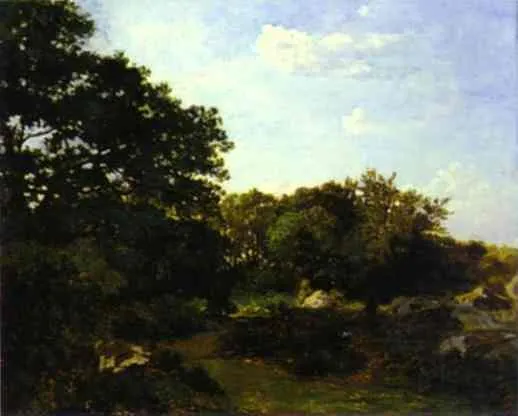
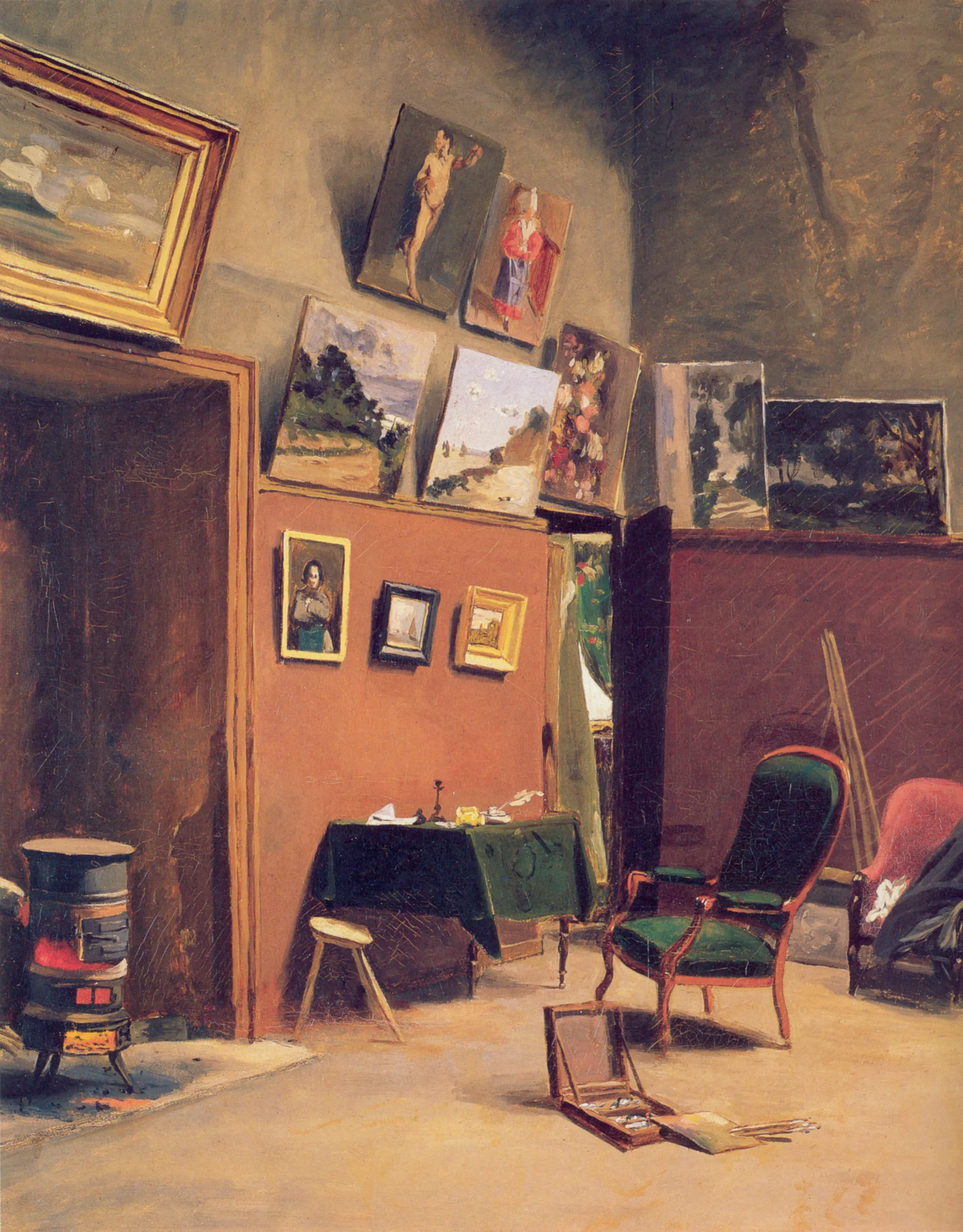
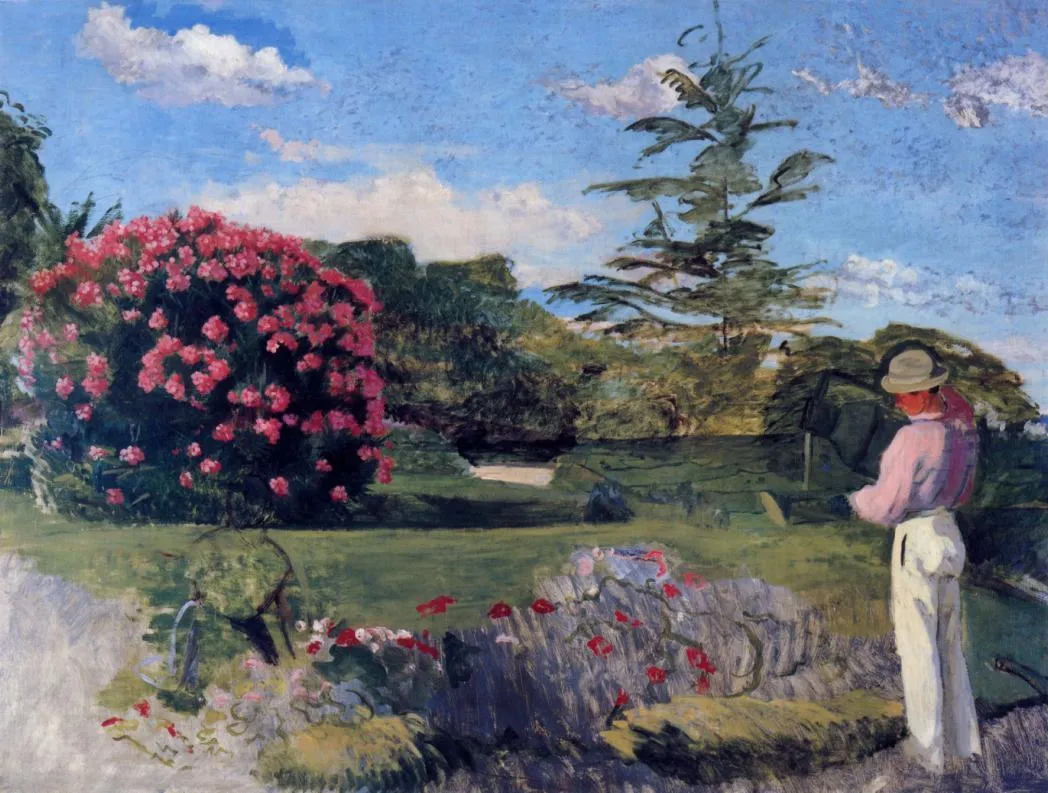
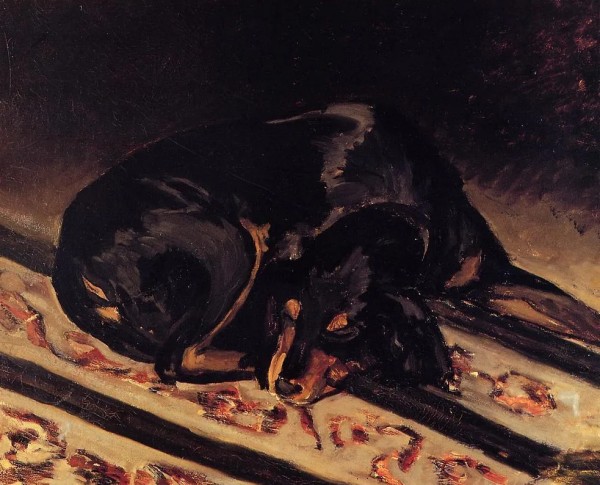
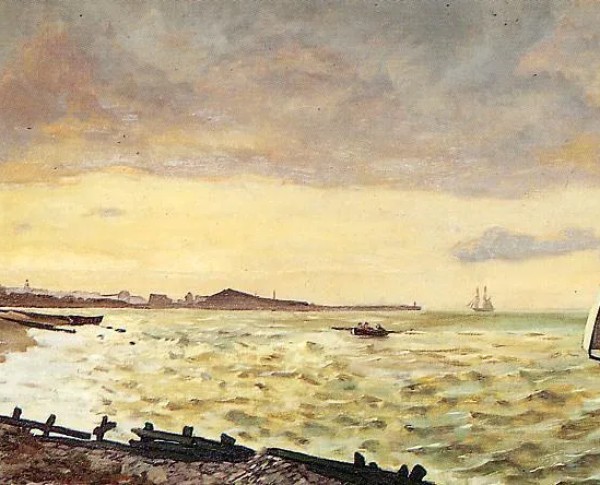
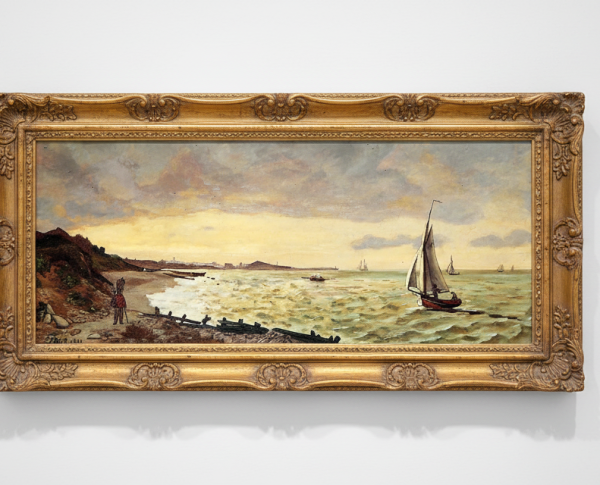
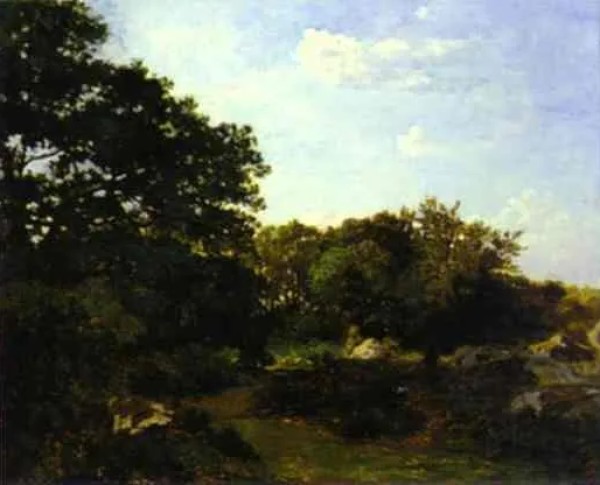
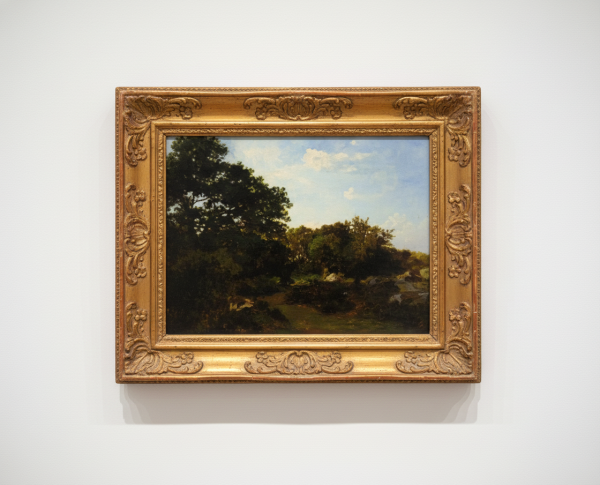
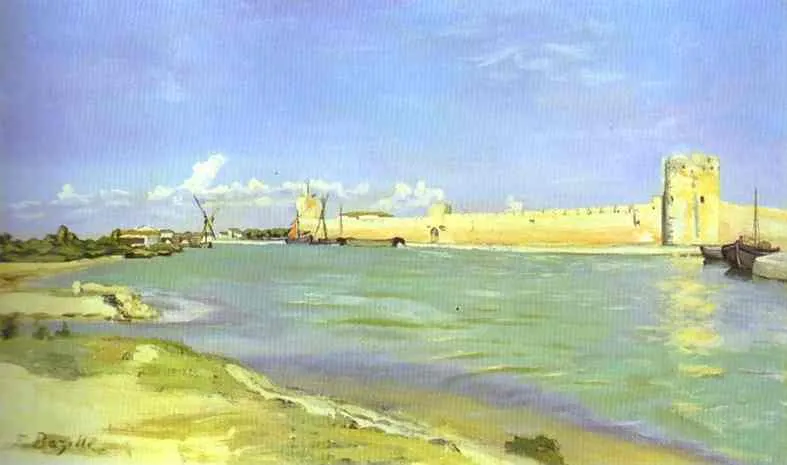
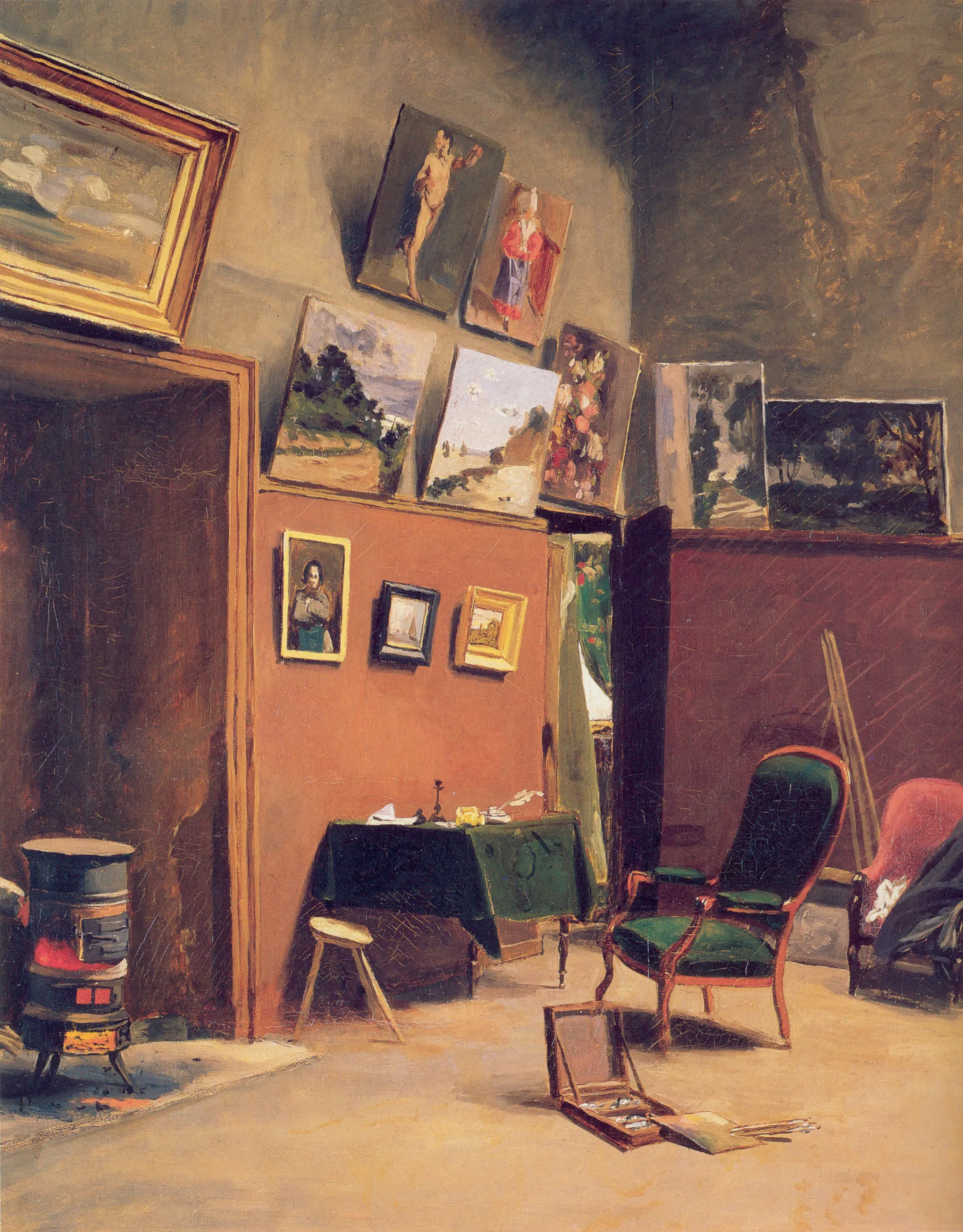
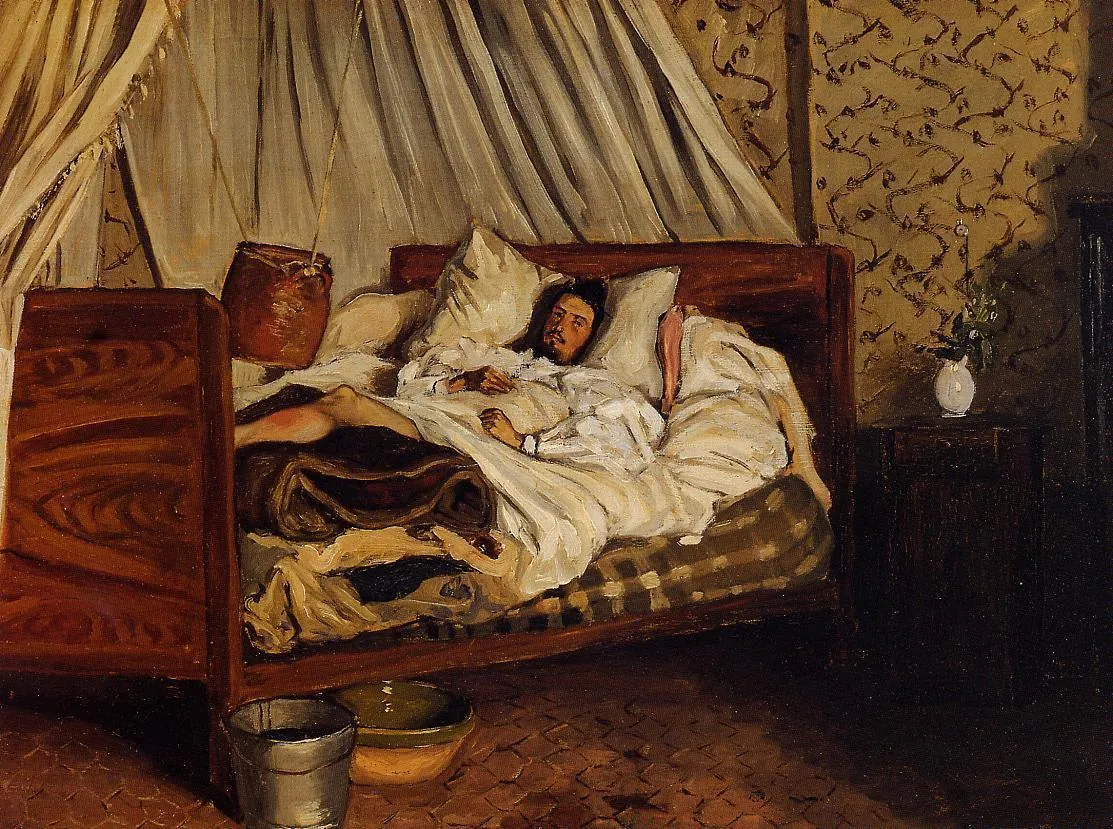
Frederic Bazille’s technical prowess shines through in "Mall of Aigues-Mortes," where he masterfully utilizes oil on canvas to evoke texture, light, and depth. The Realism movement emphasized truthful representation, and Bazille’s brushwork beautifully embodies this principle. Collectors looking for similar artistry might also consider "The Improvised Field-Hospital" or "Studio in the rue de Furstenberg" as fine complements to this iconic oil on canvas piece.
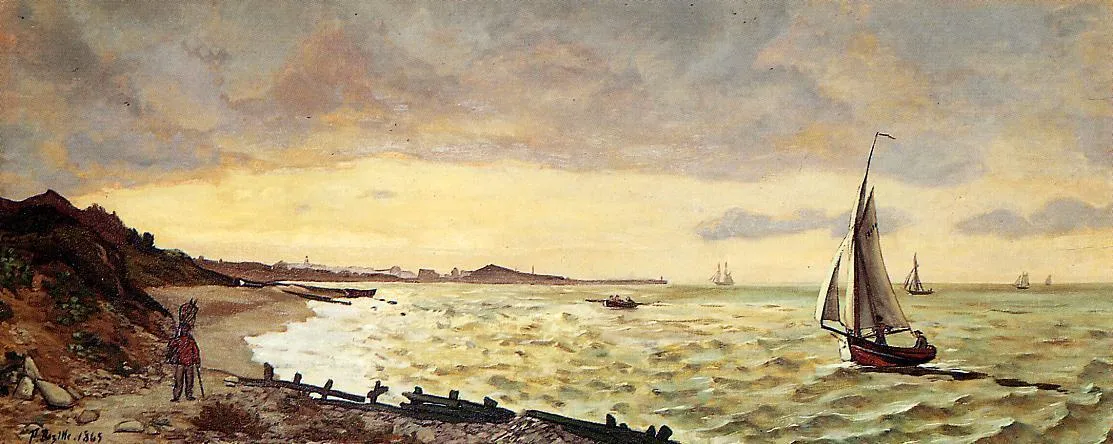
Every detail in "Mall of Aigues-Mortes" reveals a narrative woven into the fabric of Realism. Bazille’s focus on daily life and subtle symbolism invites viewers to contemplate the social and cultural context of the scene. This fine art painting for sale shares thematic connections with works like "Portrait of Edouard Blau" and "Beach at Sainte-Adresse," making it a meaningful addition for collectors interested in stories told through fine art.
Owning "Mall of Aigues-Mortes" by Frederic Bazille means possessing a remarkable hand-painted oil painting that reflects the spirit of the Realism movement. This piece, along with related works such as "Family Reunion" and "Studio in the rue de Furstenberg," enhances any collection with its authenticity and historical significance. For those seeking a fine art painting for sale, Bazille’s creations are enduring treasures that elevate private and public art collections alike.
When Art Meets History
Frederic Bazille’s "Mall of Aigues-Mortes" stands as a testament to the Realism movement, capturing a slice of French history with remarkable clarity. This hand-painted oil painting transports viewers to the tranquil avenues of Aigues-Mortes, much like Bazille’s contemporaries did in works such as "The Winnower" and "An Old Woman Cooking Eggs." Through his mastery, Bazille immortalizes the everyday, inviting us to witness the past through the lens of a true Realist.
Techniques That Speak
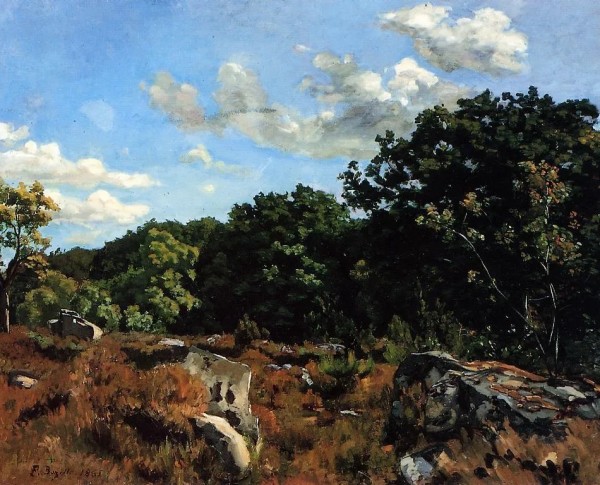
Bazille’s "Mall of Aigues-Mortes" showcases his expertise in oil on canvas, employing broad, expressive brushstrokes and subtle color gradations that define the Realism movement. The interplay of light and shadow lends depth to the scene, similar to the atmospheric qualities found in "Oaks under Sestroretsk" and "Las Meninas." Bazille’s careful technique ensures each detail resonates, making this painting a prime example of oil on canvas artistry from the 19th century.
Emotions on Display
In "Mall of Aigues-Mortes," Bazille’s ability to evoke emotion is profound, capturing the quiet dignity of everyday life. This fine art painting for sale invites viewers to experience the serenity and nostalgia of a bygone era, much like the contemplative mood in "The Bronco Buster." Bazille’s sensitivity to his subjects and environment allows the painting to communicate directly with the viewer, embodying the emotional depth characteristic of the Realism movement.
Coveted by Collectors
"Mall of Aigues-Mortes" by Frederic Bazille has become highly sought after among art enthusiasts and collectors, especially those with an appreciation for hand-painted oil paintings from the Realism era. Its historical significance and masterful execution place it alongside celebrated works like "The Winnower" and "Las Meninas." For collectors seeking a fine art painting for sale that captures the essence of 19th-century Realism, Bazille’s masterpiece remains a prized acquisition.
Related Realism Hand-Painted Oil Paintings by Other Artists
Other Famous Realism Artists:
Frequently Asked Questions About Mall of Aigues-Mortes
What is the historical significance of "Mall of Aigues-Mortes"?
"Mall of Aigues-Mortes" is significant as it captures a moment in the late 19th century when the Impressionist movement was gaining momentum. The painting reflects the evolving artistic techniques and the shift towards capturing natural light and everyday scenes.
Who was Frederic Bazille and what was his contribution to art?
Frederic Bazille was a French Impressionist painter known for his innovative approach to color and light. His work, including "Mall of Aigues-Mortes," contributed to the development of Impressionism, blending traditional techniques with modern themes.
What artistic techniques are evident in "Mall of Aigues-Mortes"?
The painting showcases Bazille's mastery of light and shadow, using loose brushwork and vibrant colors to create a sense of immediacy and movement. The composition emphasizes the interplay between figures and their environment, characteristic of Impressionist art.
What themes are explored in "Mall of Aigues-Mortes"?
The painting explores themes of leisure and social interaction, capturing a moment of tranquility in a public space. It reflects the changing social dynamics of the time, where urban life began to influence the experiences of individuals.
How does "Mall of Aigues-Mortes" reflect the Impressionist movement?
"Mall of Aigues-Mortes" embodies the principles of the Impressionist movement by emphasizing the effects of light and atmosphere over detailed realism. Bazille's focus on capturing a fleeting moment aligns with the movement's core philosophy.
What is the significance of the location depicted in the painting?
Aigues-Mortes, a fortified town in southern France, serves as a backdrop that enhances the painting's narrative. The location symbolizes the intersection of nature and urban life, reflecting the Impressionist interest in landscapes and their relationship to human activity.
What can we learn about social life in the 19th century from this painting?
The painting provides insight into the leisure activities of the bourgeoisie during the 19th century. It illustrates the growing importance of public spaces for social interaction, highlighting the cultural shifts occurring in France at the time.
How does color play a role in "Mall of Aigues-Mortes"?
Color in "Mall of Aigues-Mortes" is used to evoke mood and atmosphere. Bazille employs a vibrant palette to convey the warmth of the day and the liveliness of the scene, demonstrating his understanding of color theory and its emotional impact.
What influence did Bazille have on his contemporaries?
Frederic Bazille influenced his contemporaries, including Claude Monet and Pierre-Auguste Renoir, through his innovative techniques and approach to composition. His work encouraged fellow artists to explore new subjects and methods, solidifying his role in the Impressionist movement.
What is the legacy of "Mall of Aigues-Mortes" in the context of art history?
The legacy of "Mall of Aigues-Mortes" lies in its representation of the transition from traditional to modern art. It serves as an important example of how Impressionism challenged established norms, paving the way for future artistic movements and the evolution of modern art.























_GFM_Painting_(1).webp)


 100% Hand-Painted: Finished in 3-6 Weeks

.png)















_(1).webp)