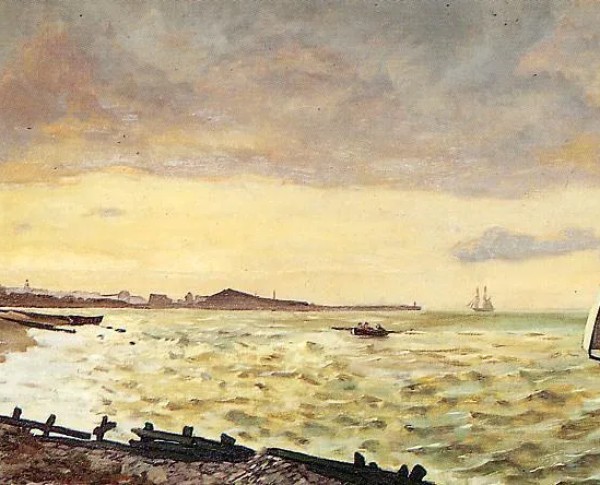
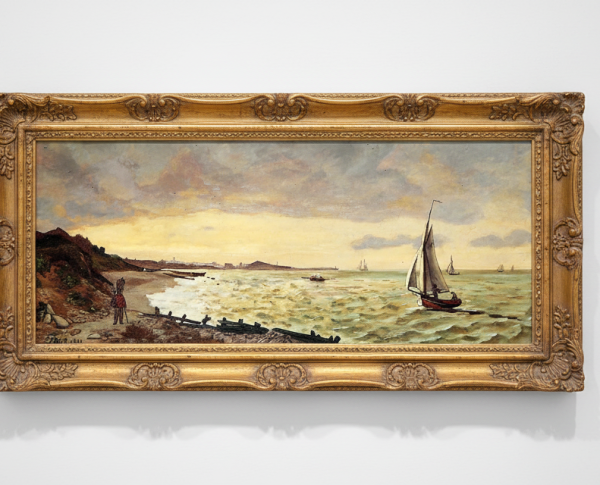
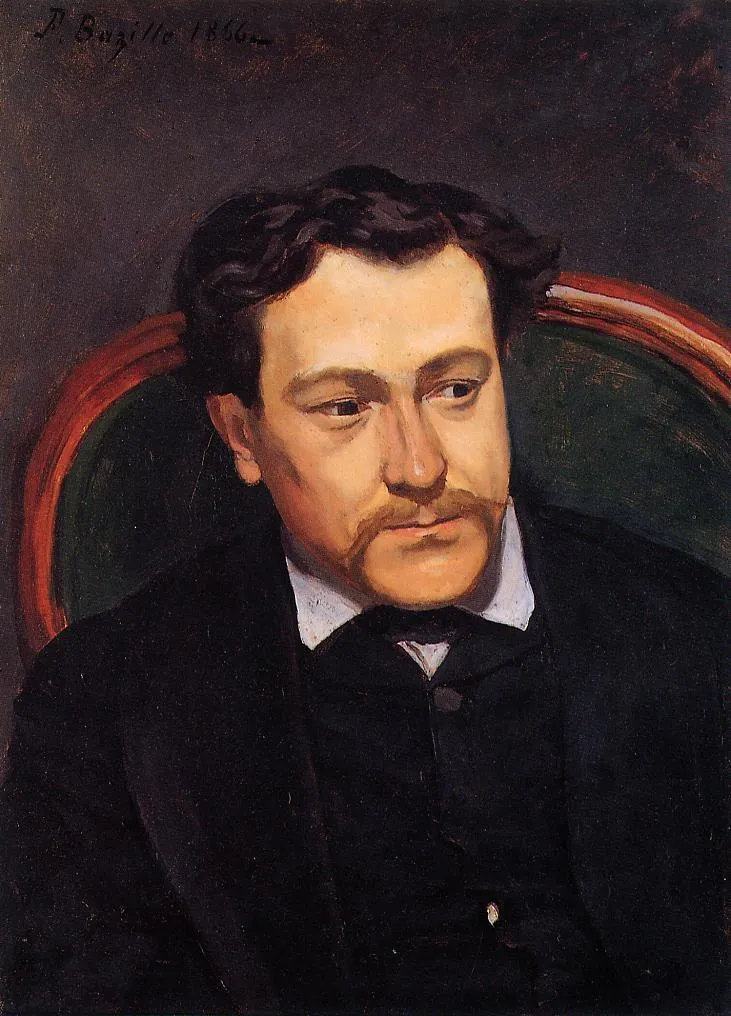
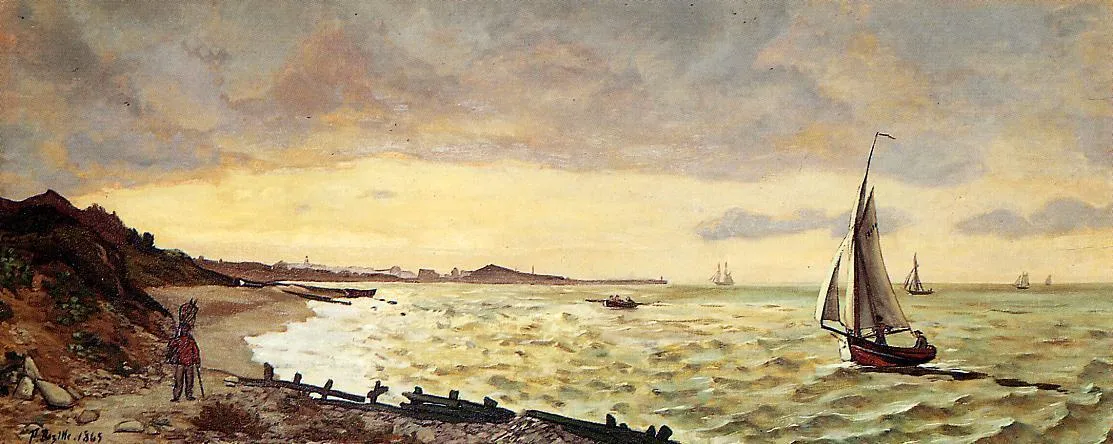
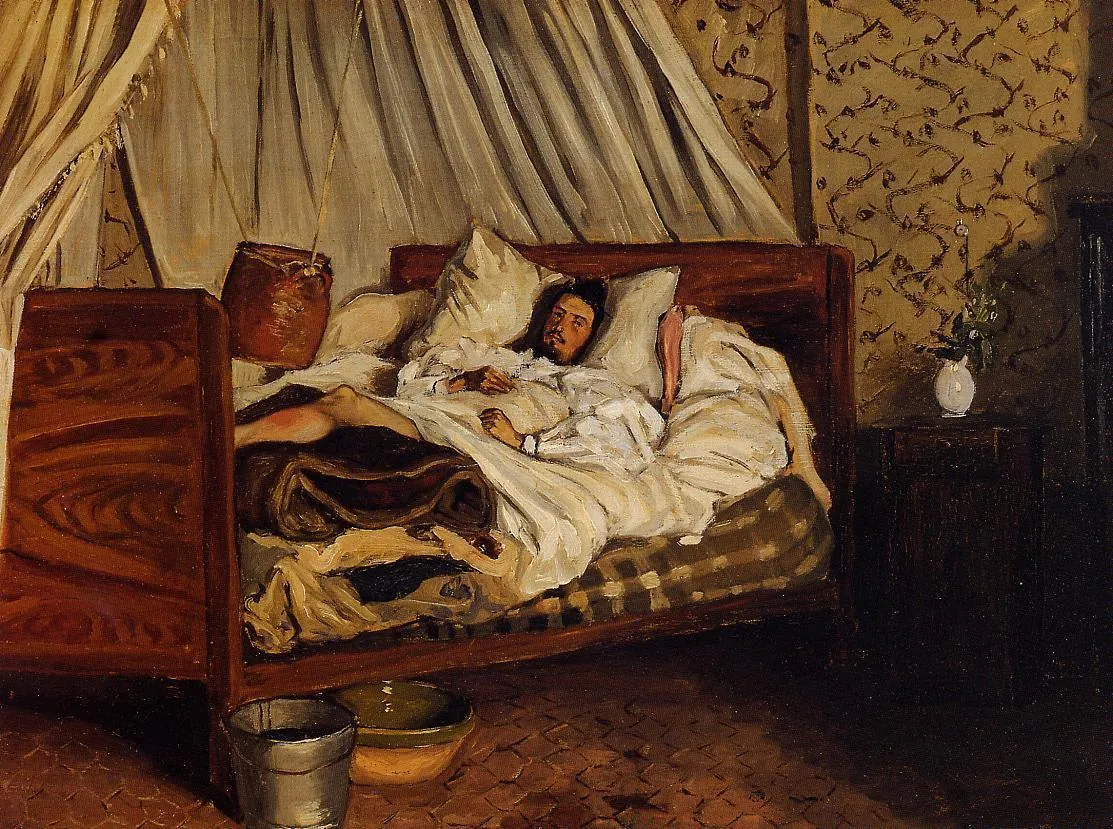
Bazille’s technique with oil on canvas shines through in "Portrait of Edouard Blau," where each brushstroke demonstrates his mastery of tone and texture. The careful rendering of Blau’s expression and attire is reminiscent of the artist’s other works, such as "Beach at Sainte-Adresse" and "The Improvised Field-Hospital." Bazille’s skillful execution in the Realism style brings out the sitter’s essence, making this painting a true showcase of fine artistry and technical excellence.
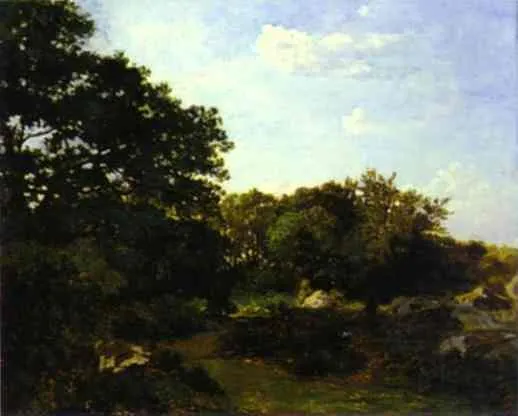
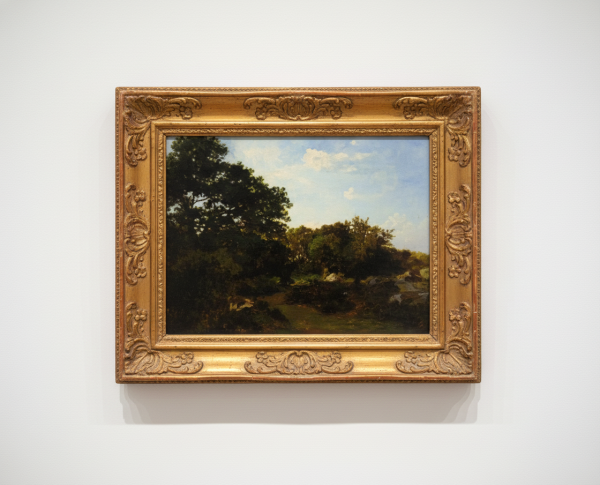
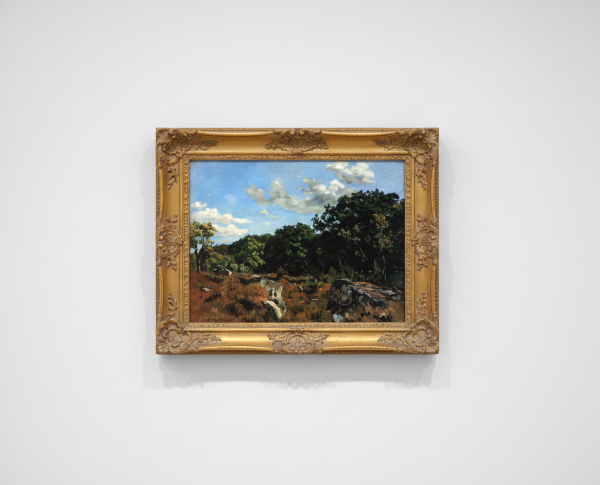
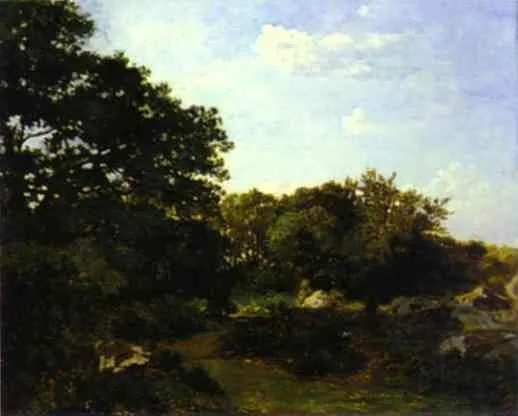
Within "Portrait of Edouard Blau," Bazille weaves subtle narratives and symbols that tell more than meets the eye. The setting and Blau’s thoughtful pose evoke his intellectual pursuits, a theme often explored in Bazille’s Realism movement pieces. This fine art painting for sale invites viewers to ponder the subject’s story, much like "Village Street" and "Forest of Fontainebleau," making it a compelling addition to any discerning collection.
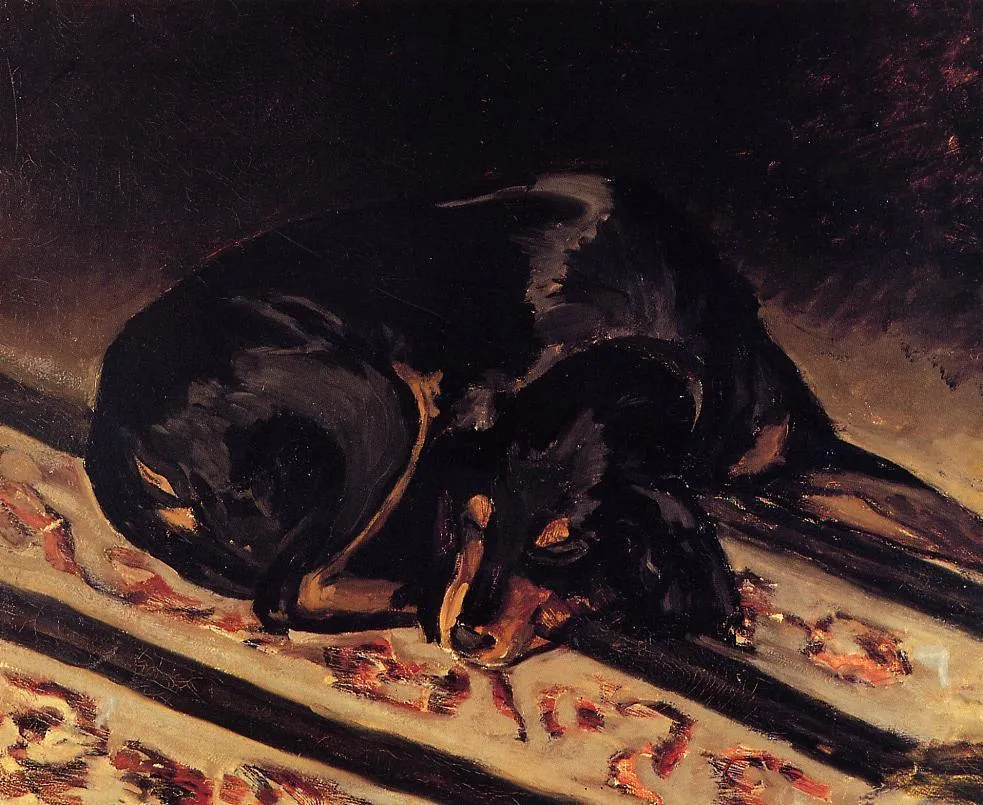
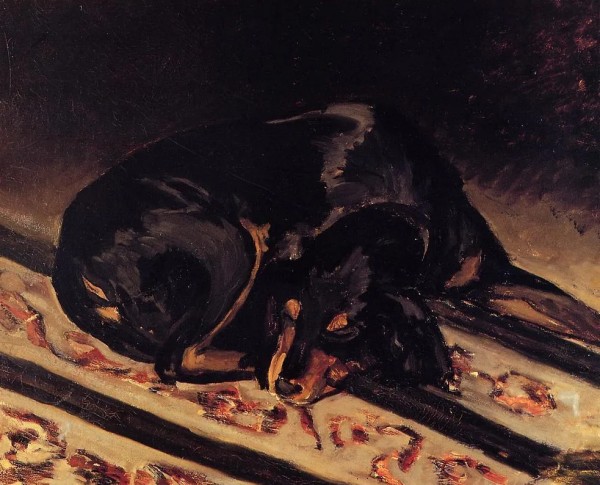
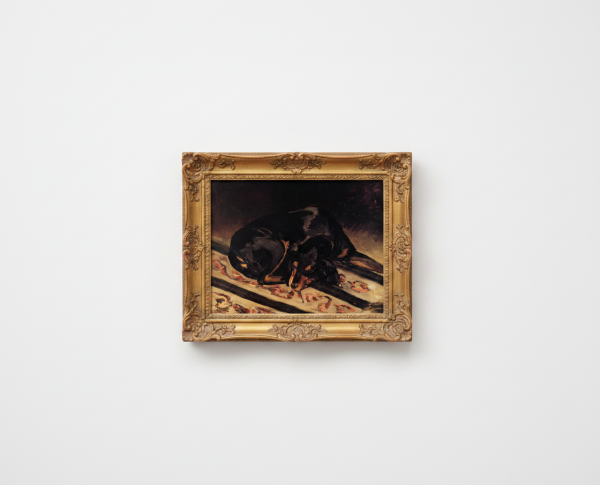
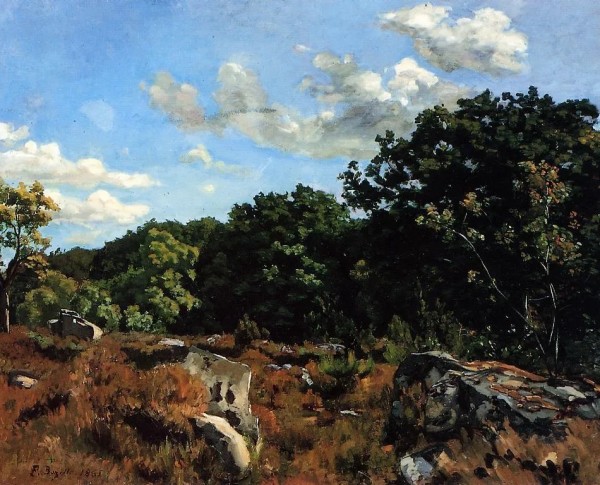
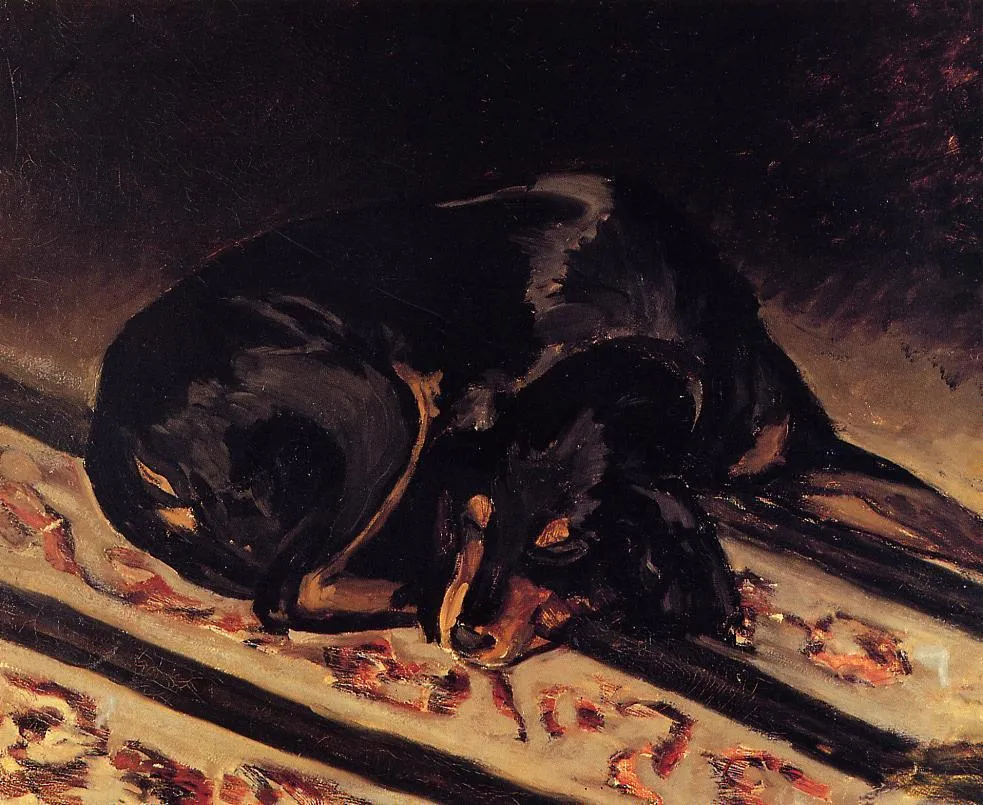
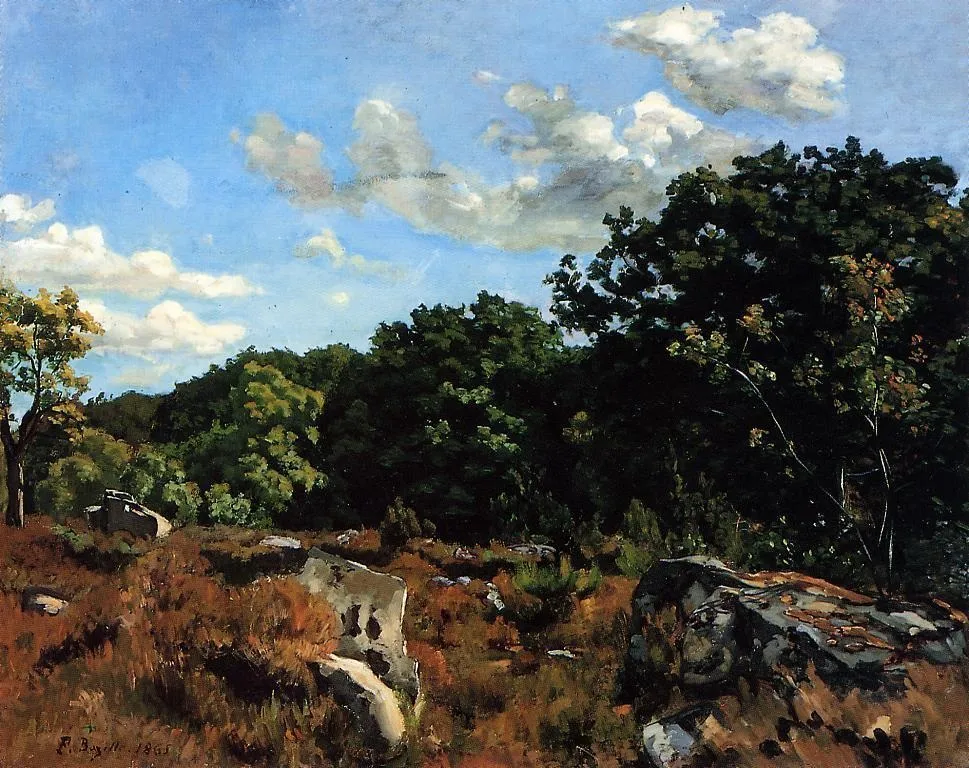
For collectors seeking a rare and meaningful acquisition, "Portrait of Edouard Blau" by Frederic Bazille is an outstanding choice. This hand-painted oil painting is not only a testament to Bazille’s Realism artistry but also a valuable piece alongside related works such as "The Dog Rita Asleep" and "Landscape at Chailly." Its presence elevates any fine art collection, offering both historical significance and visual sophistication for generations to appreciate.
When Art Meets History
"Portrait of Edouard Blau" by Frederic Bazille stands as a testament to the Realism movement, capturing both the spirit and the truth of its era. This hand-painted oil painting not only immortalizes the sitter but also reflects the social and cultural atmosphere of 19th-century France. Bazille, known for his attention to detail, shared similar realism sensibilities with works like "Rain in an Oak Forest" and "Little House in Dusseldorf," making this portrait a significant piece in art history.
Techniques That Speak
Frederic Bazille's "Portrait of Edouard Blau" exemplifies masterful technique, utilizing oil on canvas to achieve remarkable depth and lifelike clarity. His brushwork in this Realism masterpiece rivals the nuanced textures seen in "Las Meninas" and "Davy Crockett." The artist’s ability to render subtle variations in light and fabric showcases his dedication to true-to-life representation, making this oil on canvas a striking example of the Realism movement's core principles.
Emotions on Display
In "Portrait of Edouard Blau," Bazille’s sensitivity to human emotion is evident, with each brushstroke conveying the sitter’s personality and inner world. This fine art painting for sale invites viewers to connect with Blau’s thoughtful expression, much like the evocative moods captured in "Oak on the shore of the Gulf of Finland." Bazille’s Realism approach ensures that the emotional depth of his subject resonates, making this portrait a moving testament to the power of fine art.
Coveted by Collectors
Collectors and enthusiasts alike prize "Portrait of Edouard Blau" for its historical significance and artistic excellence. As a hand-painted oil painting from Frederic Bazille, it represents a valuable addition to any collection of Realism art. Works like "Rain in an Oak Forest" and "Las Meninas" are often sought after, but Bazille’s portrait stands out for its authenticity and emotional impact, making it a truly coveted fine art painting for sale among connoisseurs.
Related Realism Hand-Painted Oil Paintings by Other Artists
Other Famous Realism Artists:
Frequently Asked Questions About Portrait of Edouard Blau
Who is Edouard Blau and what is his significance in the painting?
Edouard Blau was a close friend of the artist Frederic Bazille and a fellow painter. His portrayal in this work highlights the importance of friendship and camaraderie among artists during the Impressionist movement.
What artistic techniques did Frederic Bazille employ in this painting?
Frederic Bazille utilized loose brushwork and vibrant color palettes typical of the Impressionist style. The play of light and shadow in the painting exemplifies his innovative approach to capturing the essence of his subject.
What is the historical context of the painting?
Created in 1866, "Portrait of Edouard Blau" reflects the burgeoning Impressionist movement in France. This period was marked by a shift away from traditional academic painting towards more modern, expressive forms of art.
How does this painting reflect the themes of friendship and collaboration?
The intimate portrayal of Edouard Blau suggests a deep bond between the artist and his subject. This work serves as a testament to the supportive relationships that flourished among artists during this transformative era in art history.
What role did color play in Bazille's depiction of Edouard Blau?
Color in this painting is used not only to define form but also to convey emotion. Bazille's choice of a warm color palette enhances the sense of familiarity and warmth between the artist and his friend.
What is the significance of the setting in the painting?
The background of the painting, featuring a simple yet elegant interior, serves to focus attention on the subject while also providing a glimpse into the everyday life of the artist and his circle, emphasizing the personal nature of the work.
How does this painting compare to Bazille's other works?
This portrait stands out among Bazille's oeuvre for its intimate portrayal of a friend, contrasting with his more expansive landscapes and group compositions, showcasing his versatility as an artist.
What influences can be seen in Bazille's style in this painting?
Bazille's style in "Portrait of Edouard Blau" reflects influences from both the Barbizon School and the emerging Impressionist techniques. His focus on natural light and everyday subjects marks a departure from the formalism of previous artistic traditions.
What emotions does the expression of Edouard Blau convey in the painting?
Edouard Blau's expression is contemplative and serene, suggesting a moment of introspection. This emotional depth invites viewers to connect with the subject on a personal level, enhancing the painting's overall impact.
What is the legacy of "Portrait of Edouard Blau" in the art world?
This painting is regarded as an important work within the Impressionist movement, showcasing Bazille's skill and his role in the evolution of modern art. It continues to be studied for its innovative techniques and its reflection of artist relationships during the 19th century.























_GFM_Painting_(1).webp)


 100% Hand-Painted: Finished in 3-6 Weeks

.png)















_(1).webp)