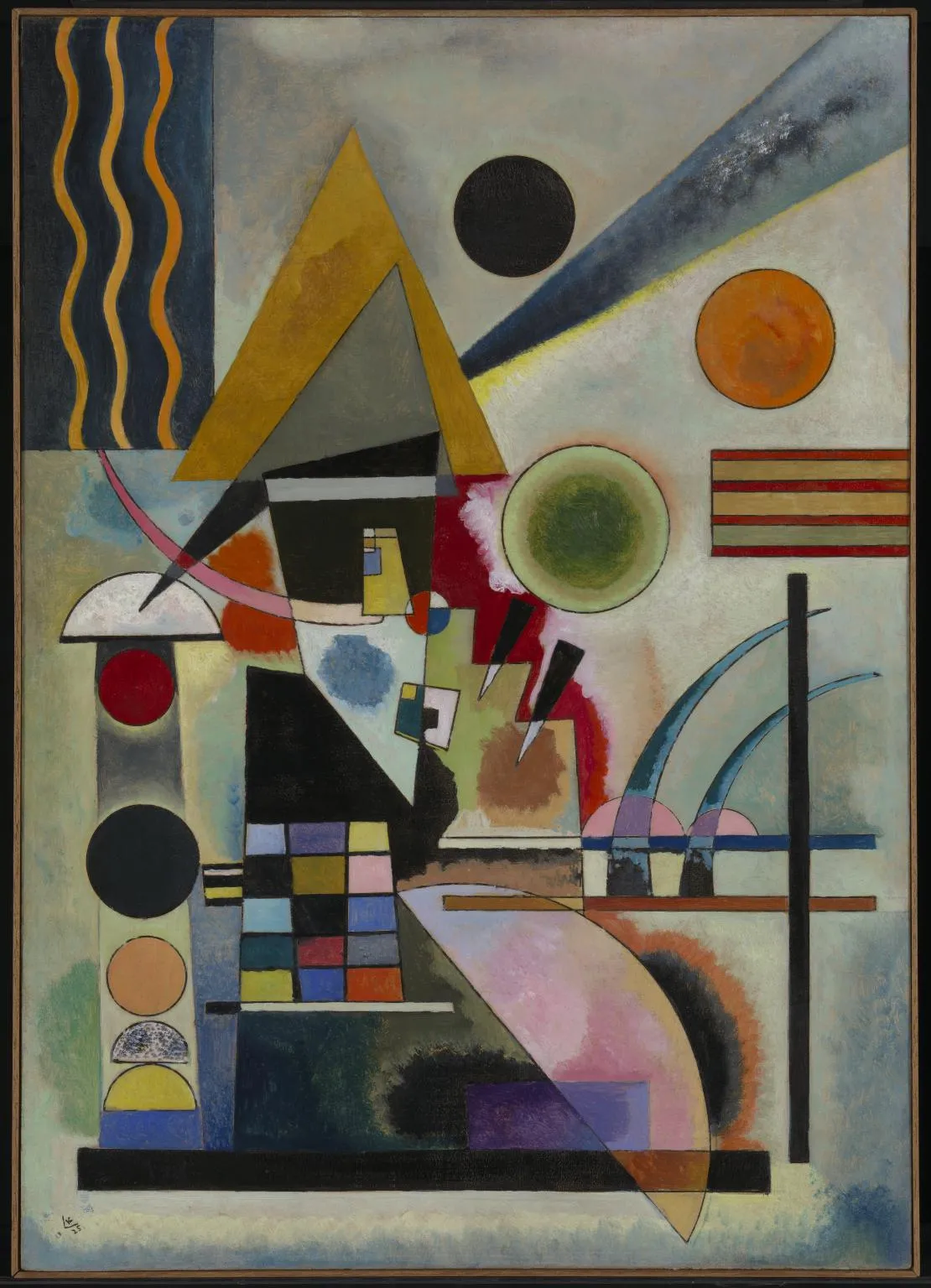
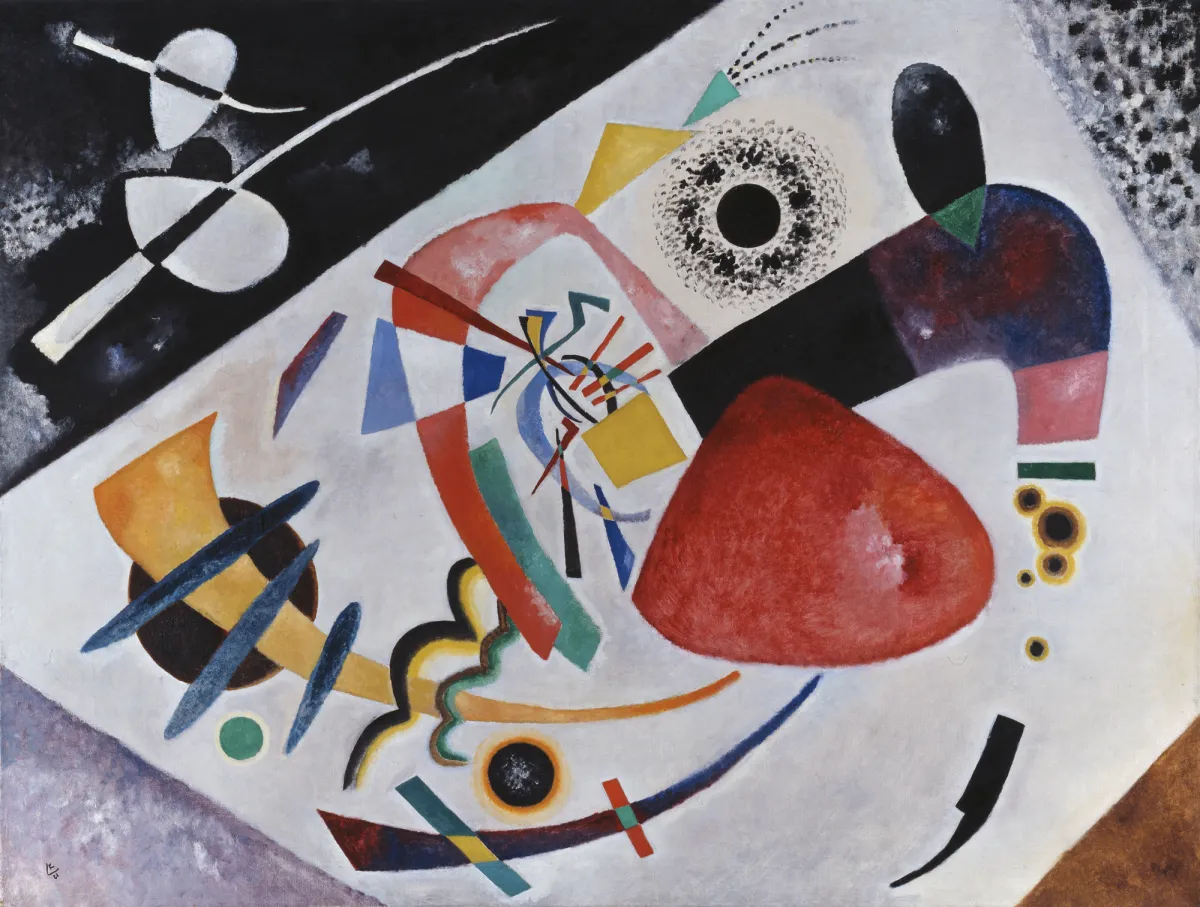
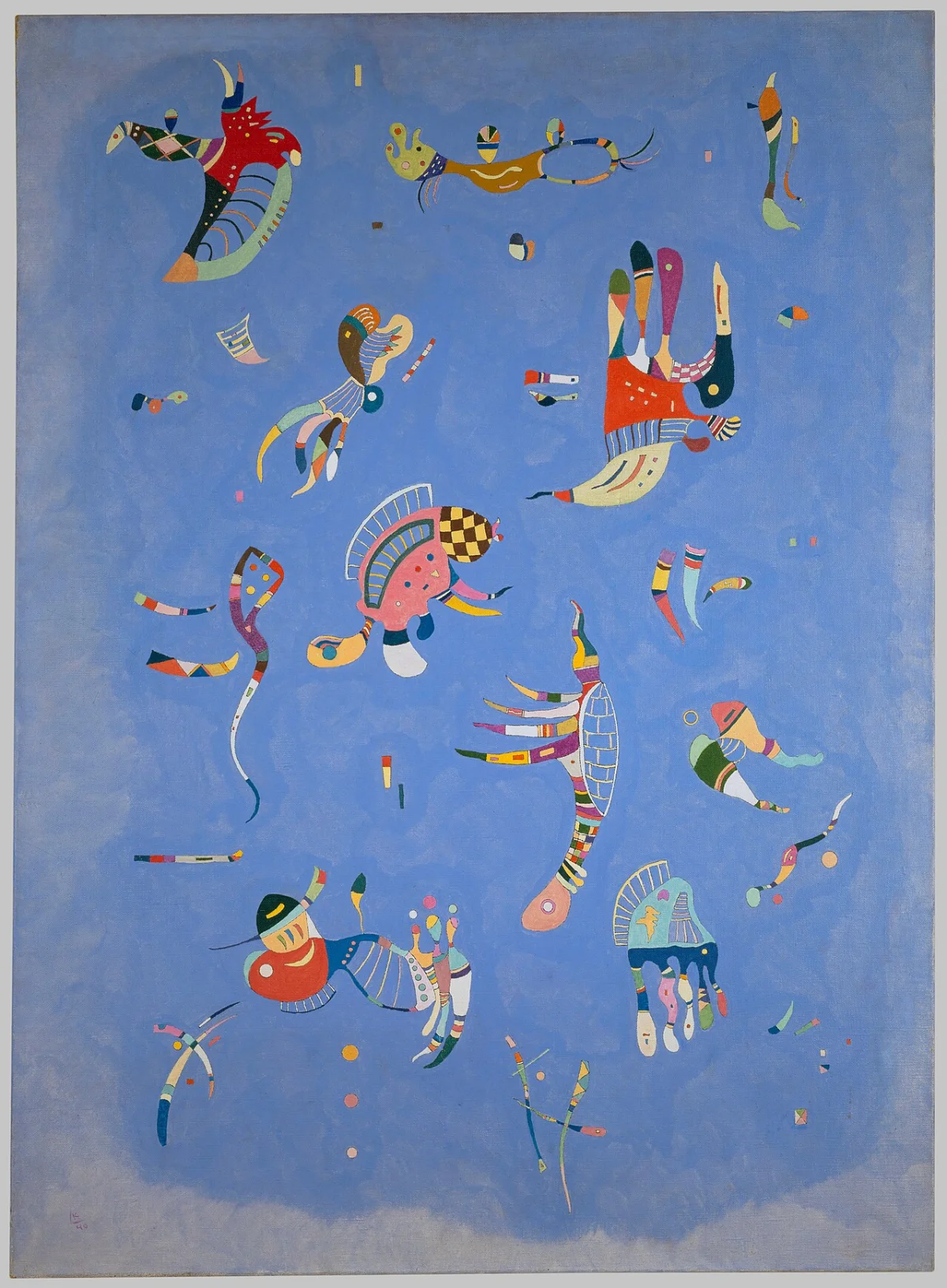
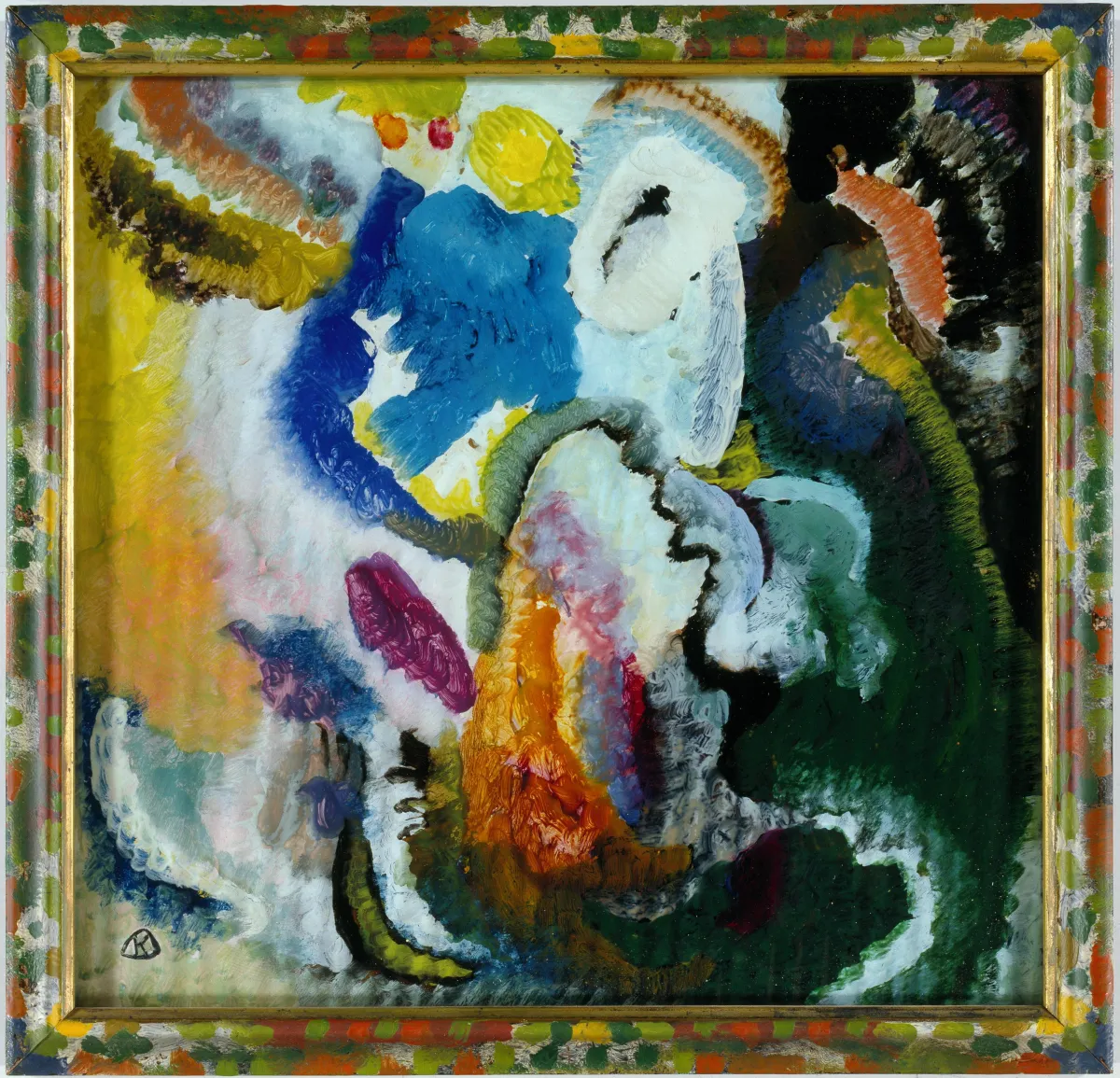
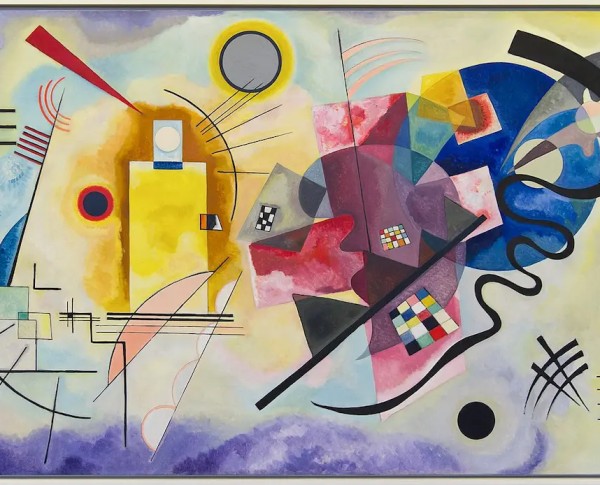
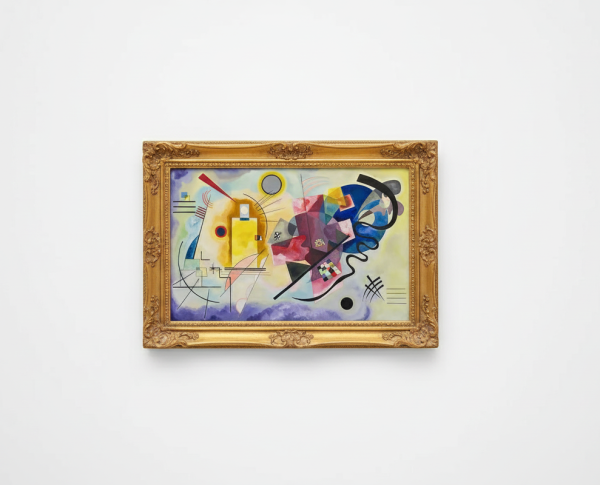
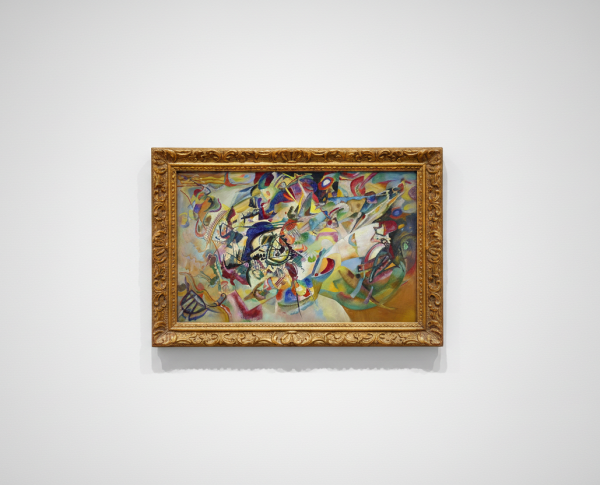
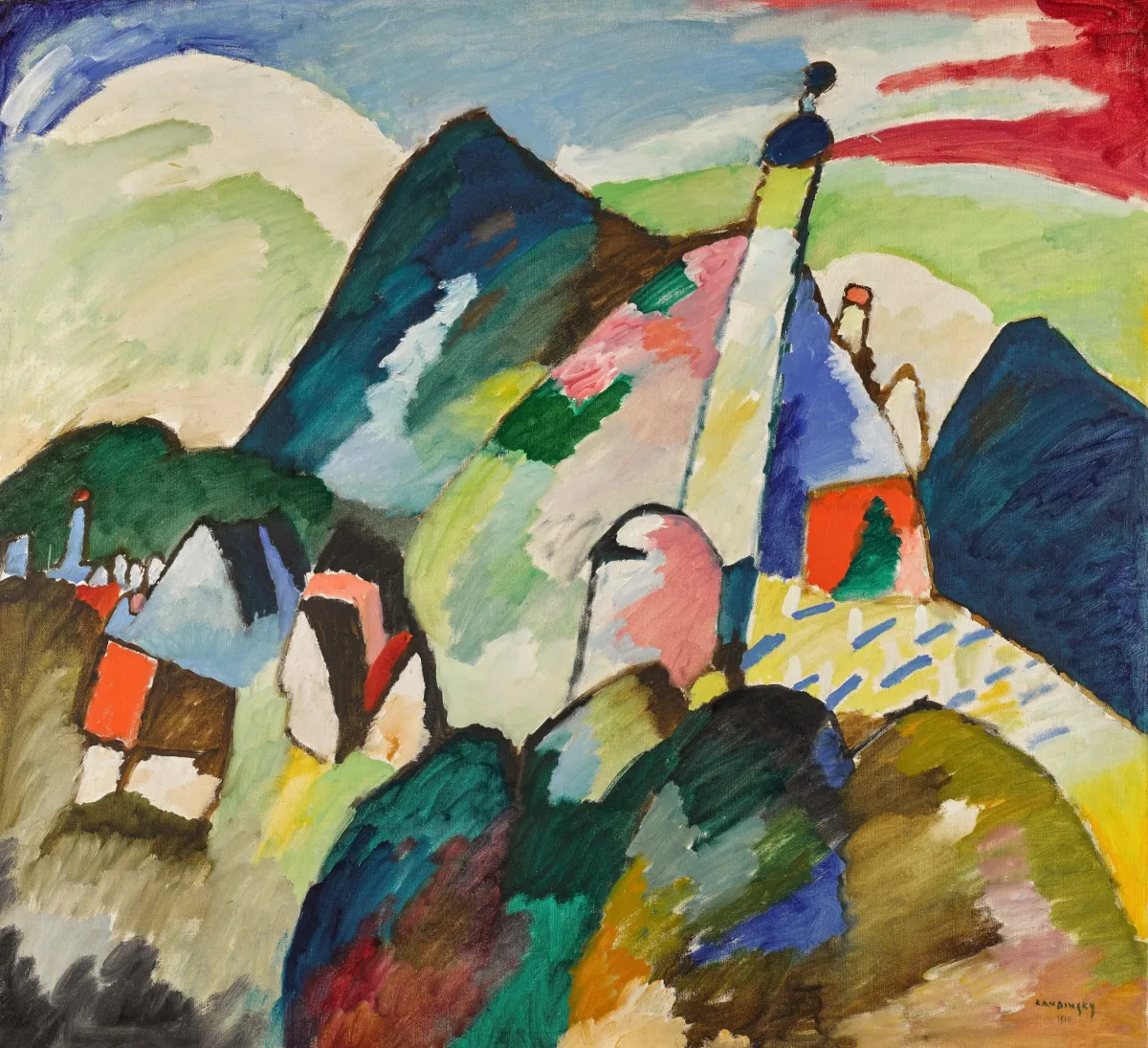
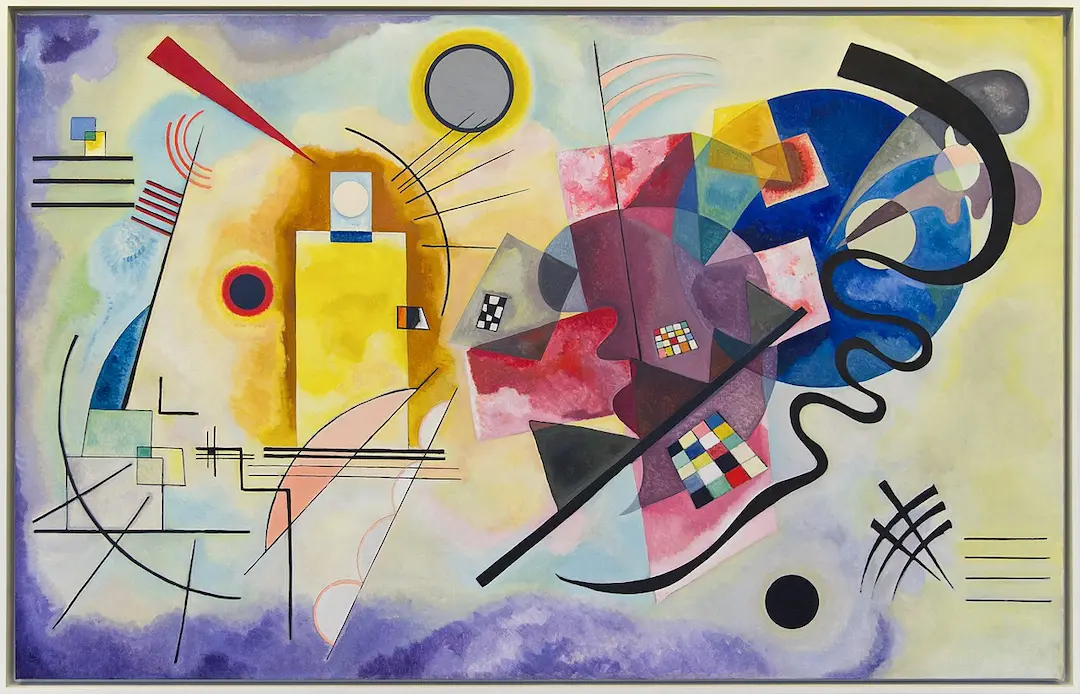
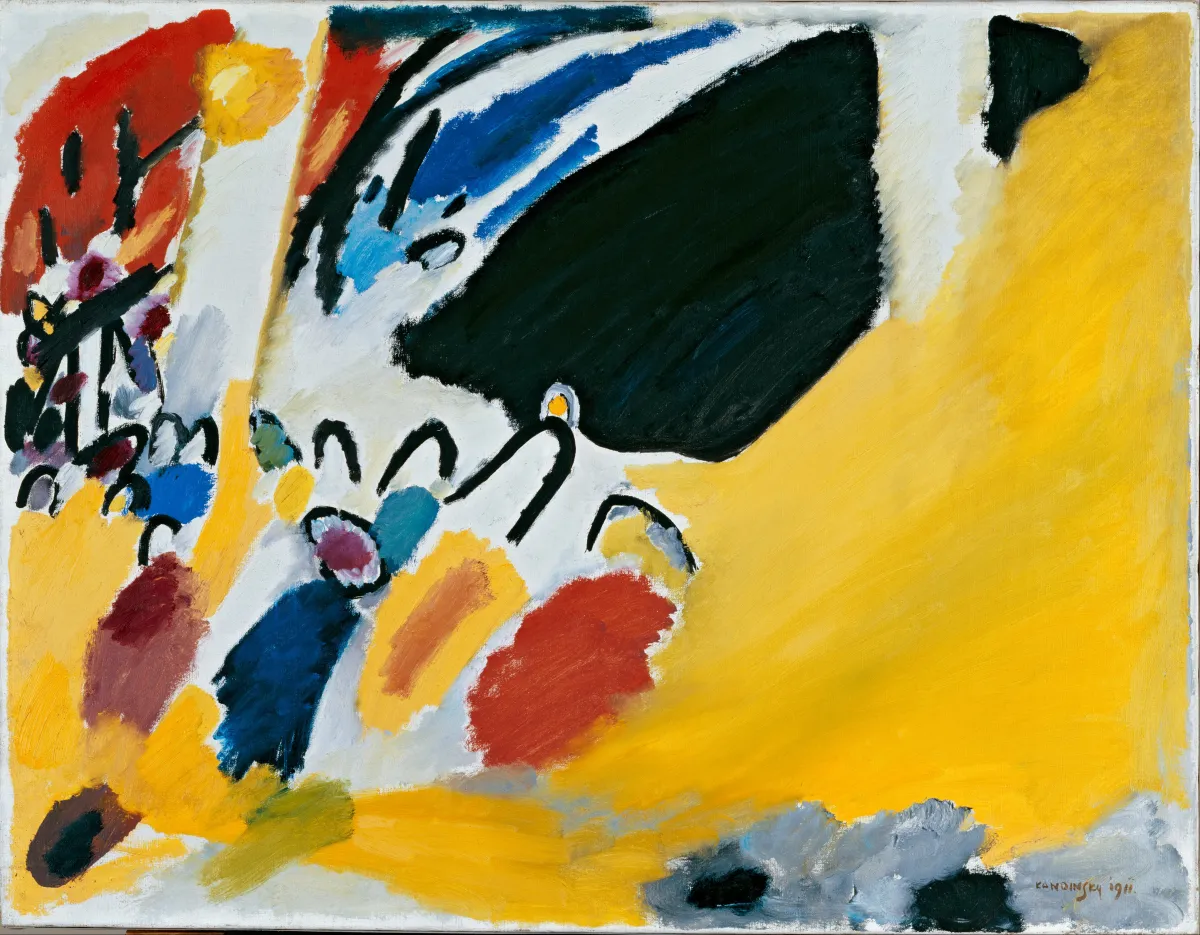
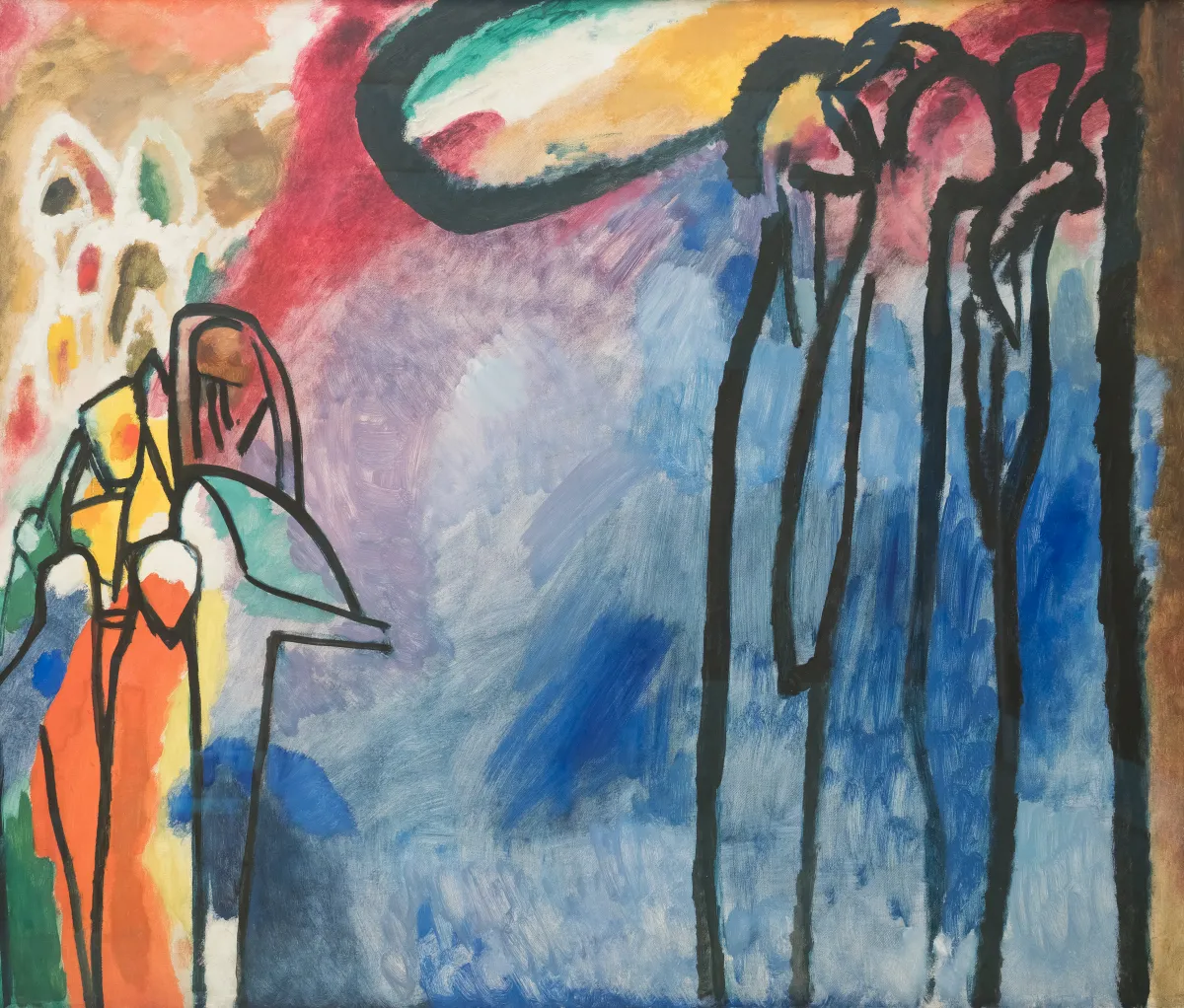
Kandinsky’s "Church at Murnau" is a striking example of oil on canvas mastery, showcasing his dynamic brushwork and expressive use of color. As a leader in Abstract Expressionism, the artist imbued each stroke with emotional intensity. This painting’s layered textures and rhythmic forms highlight Kandinsky’s technical prowess. Collectors and enthusiasts are often drawn to related works like "Impression lll (Concert)" and "Yellow Red Blue" for their similar artistic qualities and visual impact.
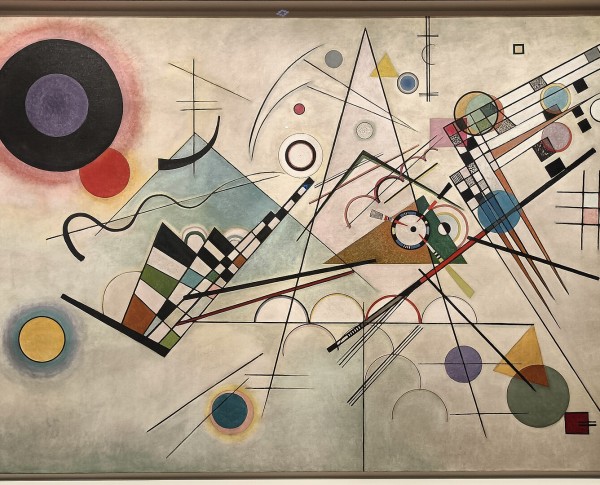
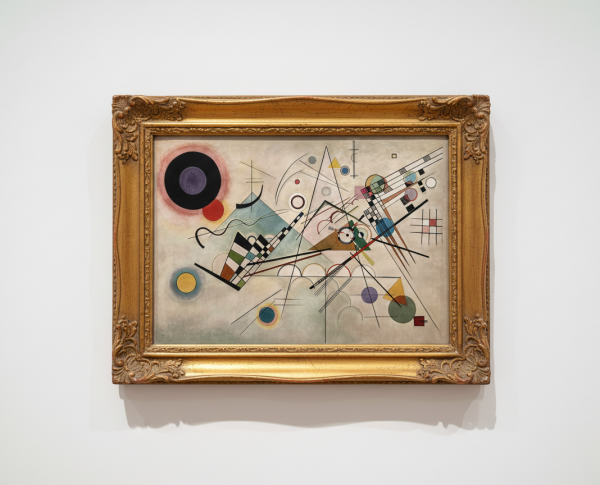
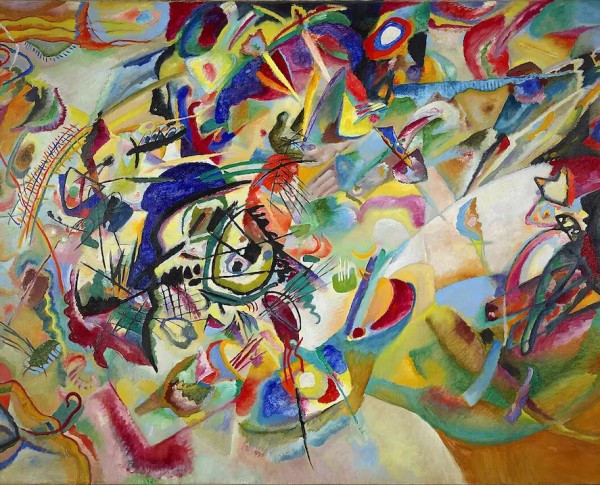
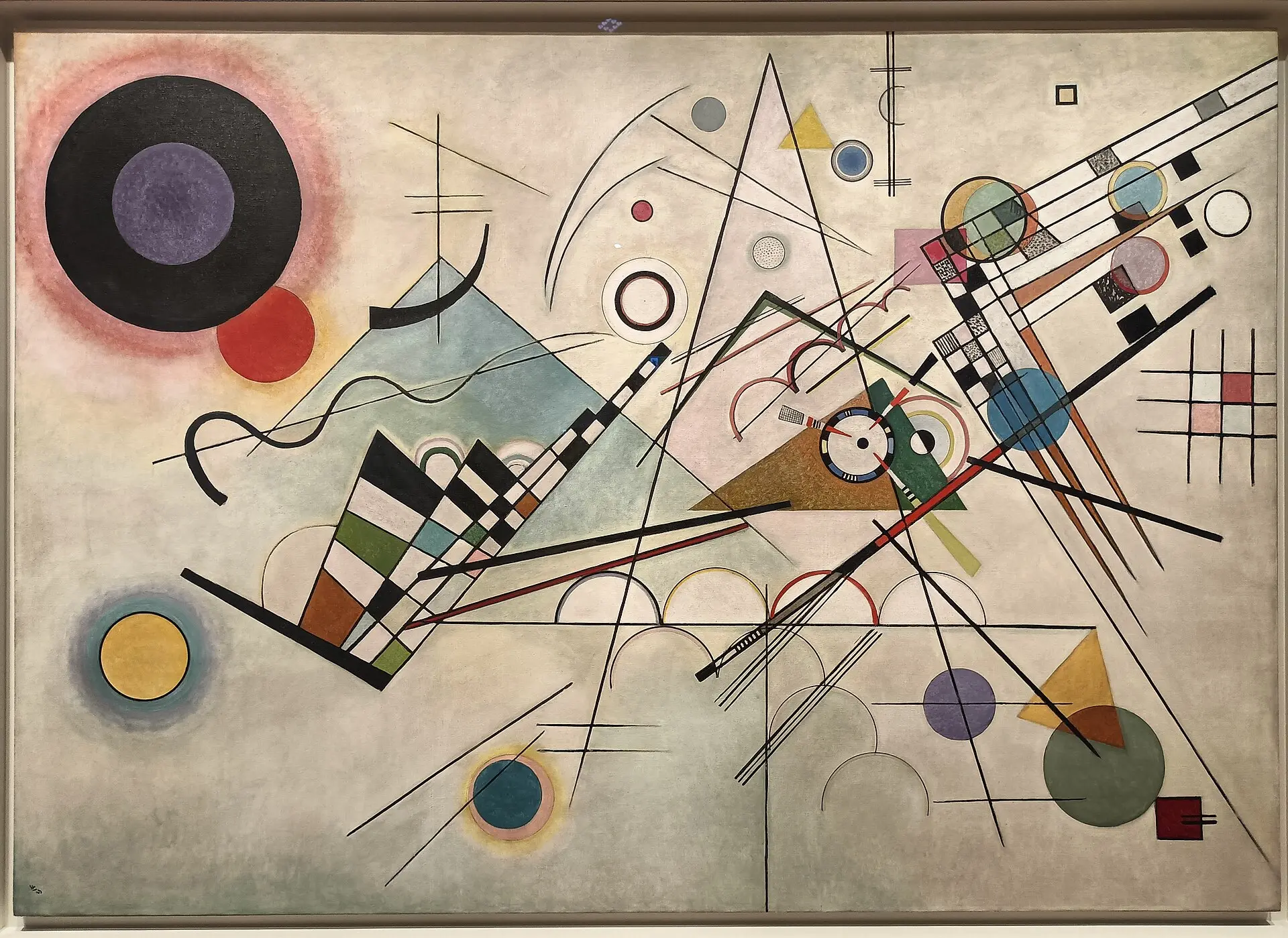
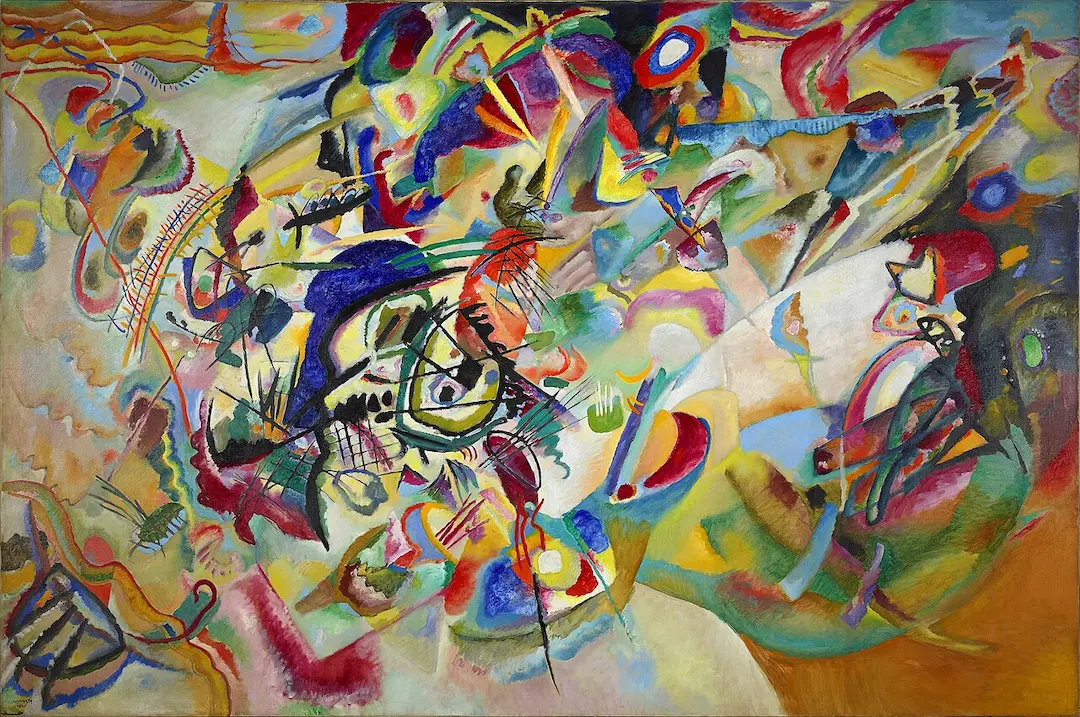
Within "Church at Murnau," Kandinsky weaves stories and symbols emblematic of Abstract Expressionism. The hand-painted oil painting features a church nestled in a vibrant landscape, representing spiritual transcendence and inner harmony. Through its abstracted forms, the piece invites viewers to interpret deeper meanings. Art lovers interested in this narrative approach often explore related products such as "Improvisation 21" and "Composition VII" to further experience Kandinsky’s symbolic language.
For discerning collectors, "Church at Murnau" by Wassily Kandinsky is a fine art painting for sale that embodies the essence of Abstract Expressionism. Its bold composition and historical significance make it a coveted addition to any collection. Many seek out other iconic pieces like "Judgement Day" and "Yellow Red Blue" to complement their investment. Each painting, including this oil on canvas gem, reflects Kandinsky’s enduring impact on the world of modern art.
When Art Meets History
"Church at Murnau" by Wassily Kandinsky stands as a pivotal work within the Abstract Expressionism movement. Painted in the early 20th century, this hand-painted oil painting captures the transformative period when artists began exploring emotional depth over representational accuracy. Kandinsky’s innovative approach in this artwork paved the way for future masterpieces, such as "Untitled (Violet, Black, Orange, Yellow on White and Red), 1949." The historical significance of "Church at Murnau" resonates with collectors and art enthusiasts alike.
Techniques That Speak
Wassily Kandinsky’s "Church at Murnau" utilizes bold brushstrokes and a vivid color palette, hallmarks of oil on canvas technique within Abstract Expressionism. The dynamic layering and expressive forms create a sense of movement and energy unique to Kandinsky’s style. These techniques not only define the painting but also influence subsequent works, including "Untitled (Violet, Black, Orange, Yellow on White and Red), 1949," making "Church at Murnau" a cornerstone of modern art innovation.
Emotions on Display
The emotional resonance of "Church at Murnau" by Wassily Kandinsky lies in its abstracted forms and vibrant hues, which evoke a range of feelings in viewers. This fine art painting for sale is celebrated for its ability to communicate the artist’s inner vision, a trait shared with other Abstract Expressionist works like "Untitled (Violet, Black, Orange, Yellow on White and Red), 1949." Kandinsky’s mastery ensures that each viewer experiences a personal and profound connection to the painting.
Coveted by Collectors
As a masterpiece of Abstract Expressionism, Kandinsky’s "Church at Murnau" is highly sought after by collectors worldwide. The allure of owning a hand-painted oil painting from a visionary artist is undeniable. Much like "Untitled (Violet, Black, Orange, Yellow on White and Red), 1949," this artwork’s rarity and historical importance make it a prized addition to any collection, representing both artistic innovation and the enduring legacy of Wassily Kandinsky.
Related Abstract Expressionism Hand-Painted Oil Paintings by Other Artists
Other Famous Abstract Expressionism Artists:
Frequently Asked Questions About Church at Murnau
What is the historical significance of "Church at Murnau"?
"Church at Murnau," painted in 1908, is significant as it represents a pivotal moment in Wassily Kandinsky's artistic development, marking his transition from figurative representation to abstraction.
What artistic movement does "Church at Murnau" belong to?
The painting is associated with Expressionism, a movement that emphasizes emotional experience over physical reality, which Kandinsky was instrumental in developing.
What techniques did Kandinsky use in "Church at Murnau"?
Kandinsky employed bold colors and simplified forms, utilizing a vibrant palette to evoke emotion and convey a sense of spirituality inherent in the church's architecture.
How does "Church at Murnau" reflect Kandinsky's interest in spirituality?
The painting reflects Kandinsky's deep interest in spirituality, as he believed that art could transcend the material world and connect viewers to a higher reality, which is symbolized by the church.
What is the significance of color in "Church at Murnau"?
Color plays a crucial role in the painting, with Kandinsky using it to express emotions and moods, creating a dynamic interplay that enhances the spiritual theme of the work.
What elements of "Church at Murnau" indicate Kandinsky's departure from realism?
The abstraction of forms, the use of non-representational colors, and the lack of realistic perspective indicate Kandinsky's departure from realism, showcasing his innovative approach to composition.
In what ways does "Church at Murnau" reflect the artist's personal experiences?
The painting reflects Kandinsky's personal experiences in Murnau, where he found inspiration in the natural landscape and local architecture, which influenced his artistic vision.
How does "Church at Murnau" compare to Kandinsky's later works?
Compared to his later works, "Church at Murnau" retains more representational elements, while his subsequent pieces became increasingly abstract, focusing more on color and form than on recognizable subjects.
What themes are prevalent in "Church at Murnau"?
The prevalent themes in "Church at Murnau" include spirituality, the relationship between nature and architecture, and the emotional resonance of color and form, reflecting Kandinsky's philosophical beliefs.
How has "Church at Murnau" influenced modern art?
"Church at Murnau" has influenced modern art by paving the way for abstract expressionism and inspiring future generations of artists to explore the emotional and spiritual dimensions of their work.























_GFM_Painting_(1).webp)


 100% Hand-Painted: Finished in 3-6 Weeks

.png)















_(1).webp)