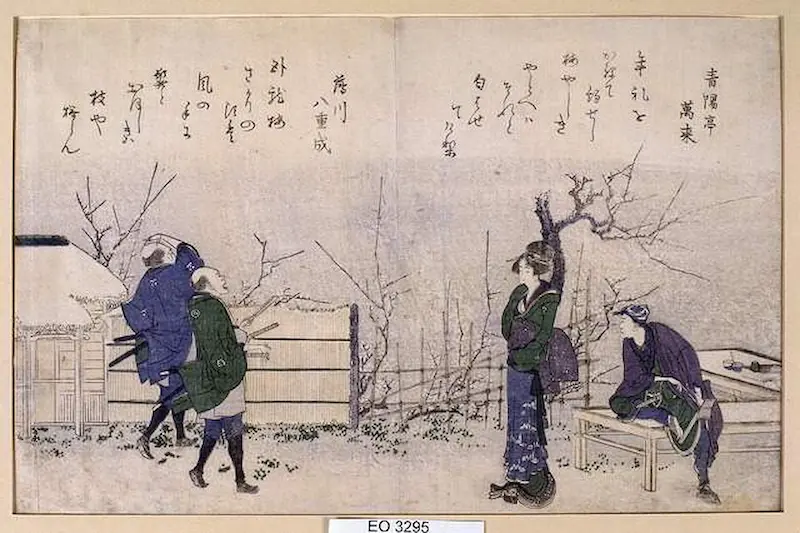
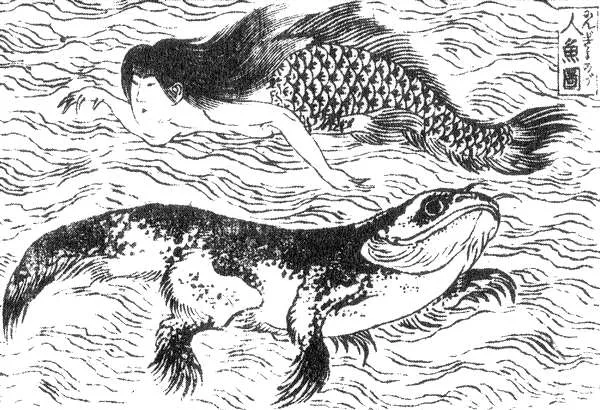
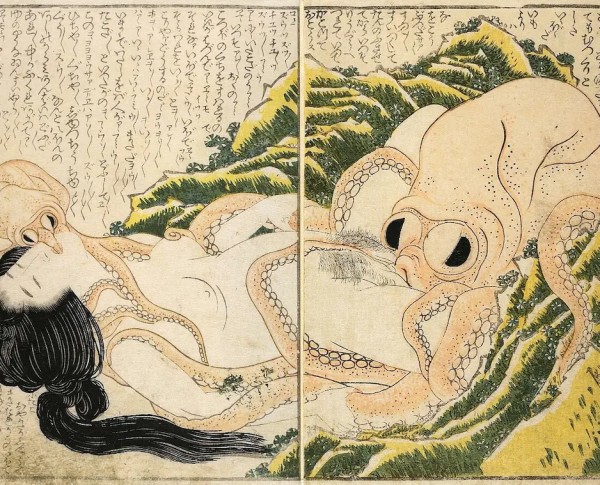
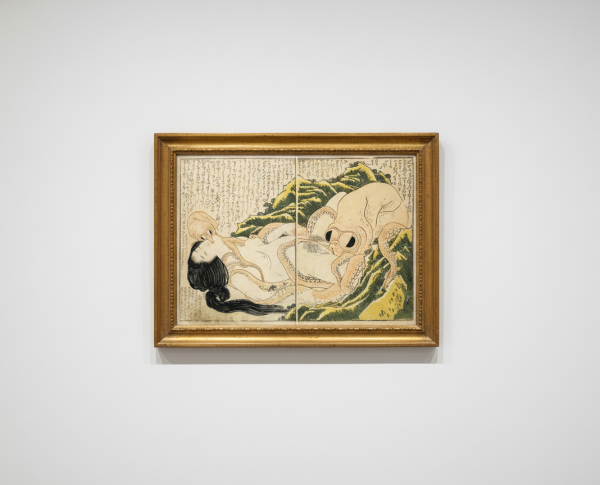
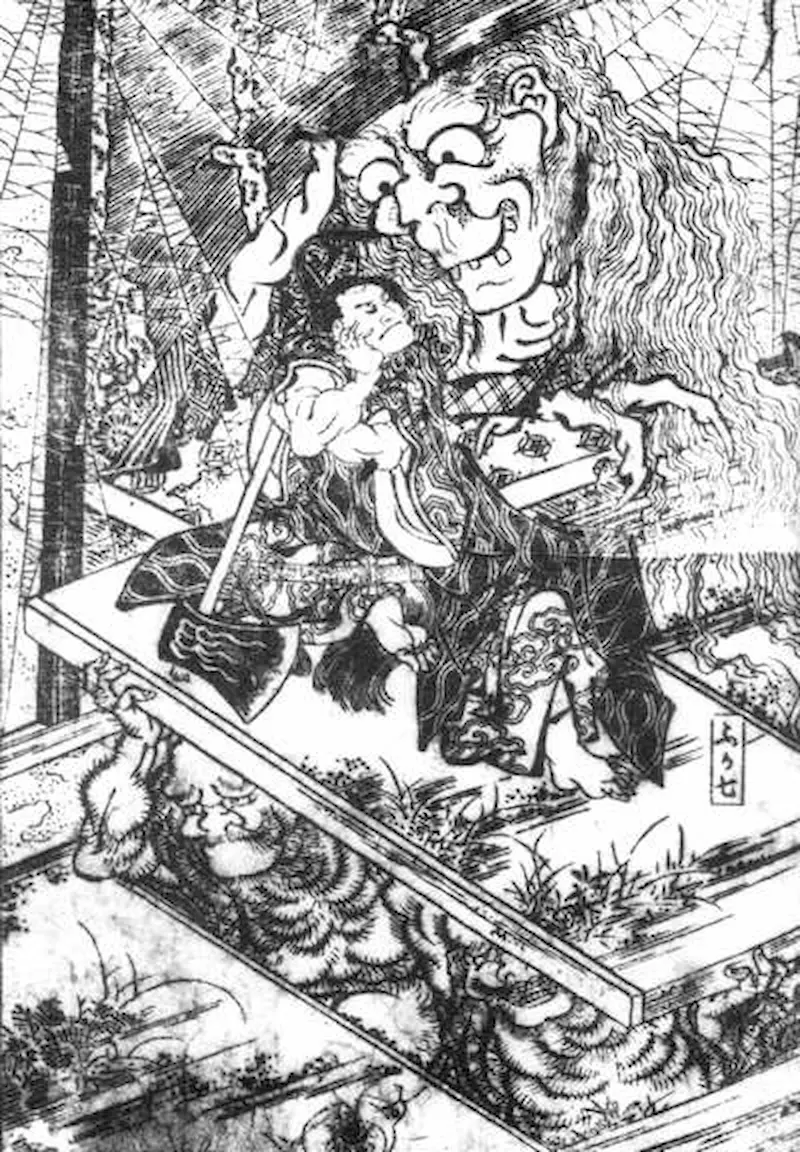
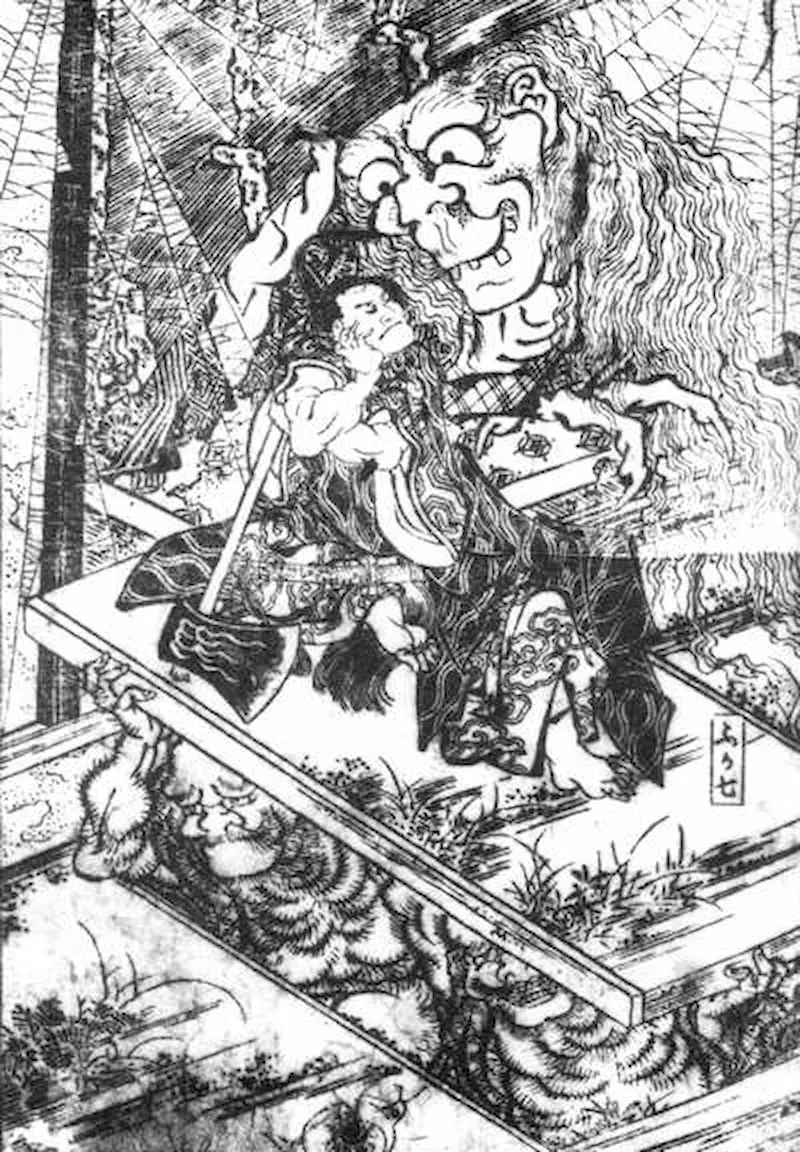
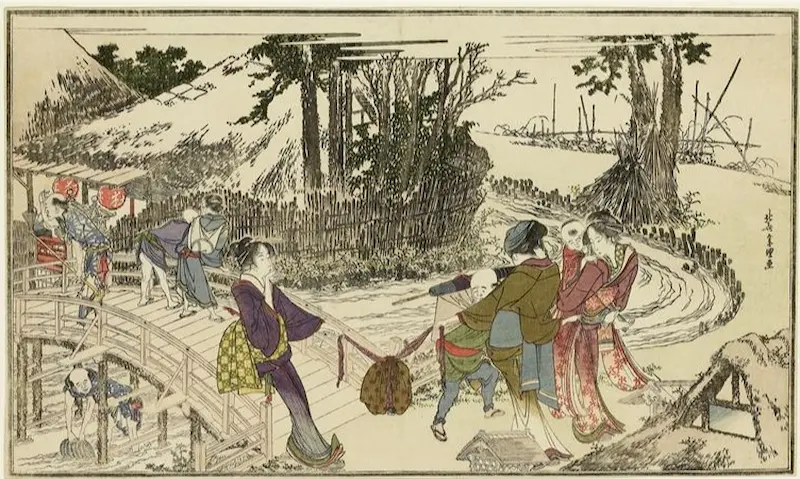
Katsushika Hokusai’s expert technique in "Onmyo Imoseyama" is evident through the meticulous detail and vibrant emotion expressed in oil on canvas. The Ukiyo-e master’s careful brushwork brings to life the narrative and characters, setting a high standard for traditional Japanese fine art. Collectors often pair this masterpiece with other classics like "Ningyo" and "Primer Book of Treasury loyal vassals," appreciating the harmony and craftsmanship that define Hokusai’s legacy.
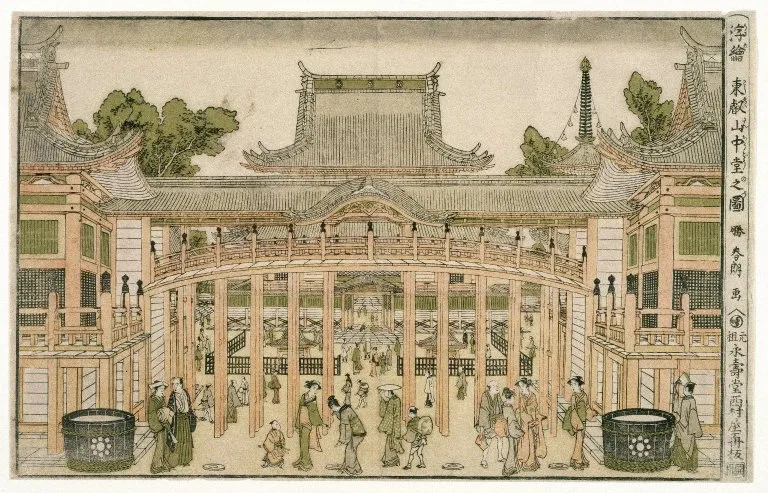
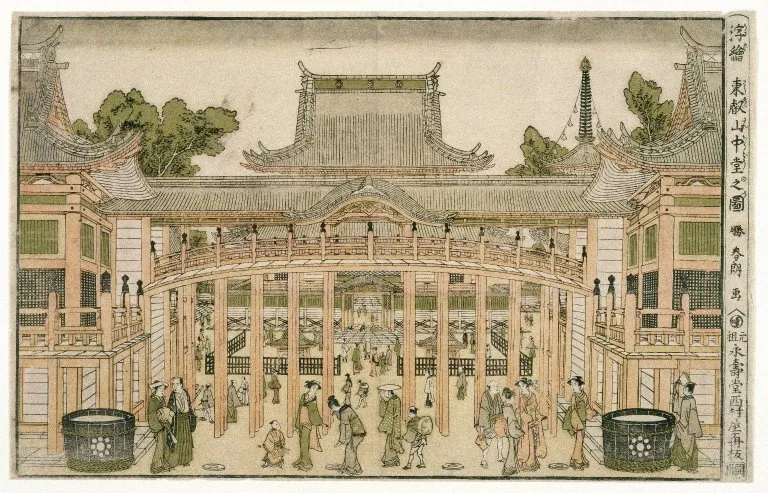
"Onmyo Imoseyama" is more than a fine art painting for sale; it is a window into the rich tapestry of Japanese folklore and symbolism. Hokusai weaves cultural motifs and legendary tales into every detail, inviting viewers to explore deeper meanings. This revered Ukiyo-e painting is often displayed alongside works such as "Inside the Courtyard of the Toeizan Temple at Ueno," showcasing the narrative depth and symbolic resonance unique to Hokusai’s artistry.
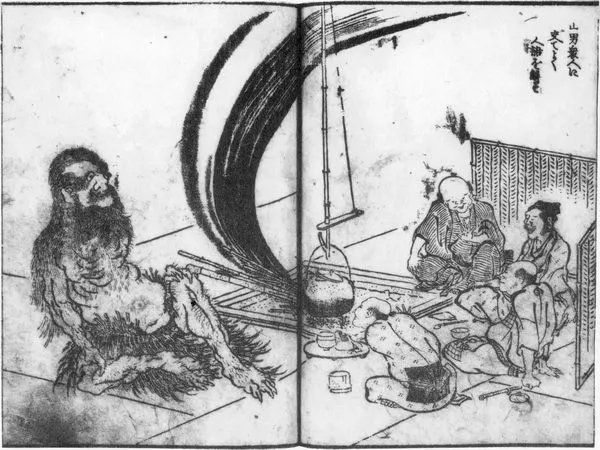
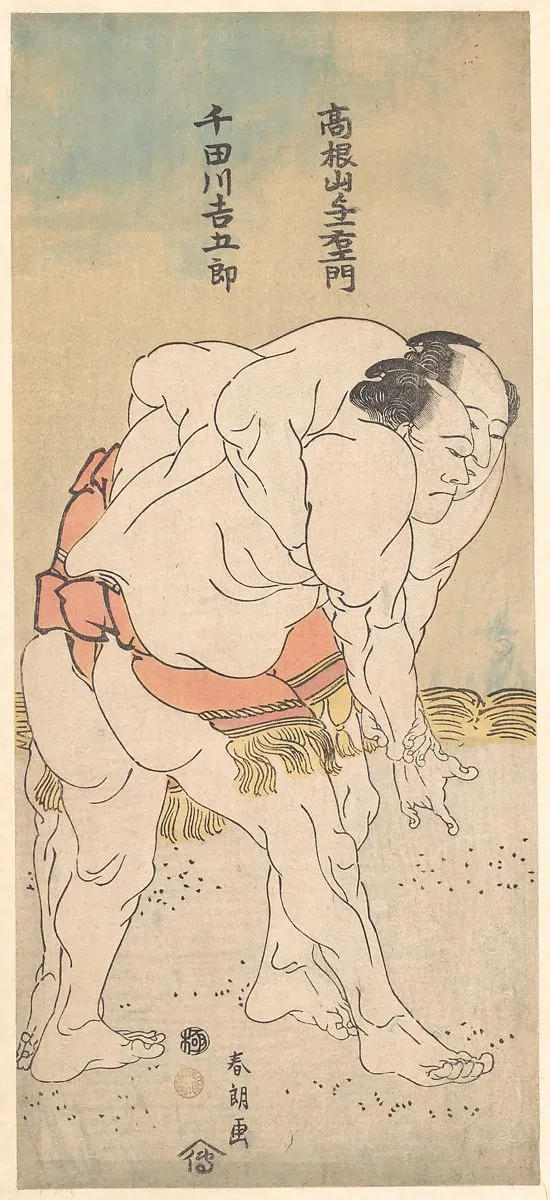
For art aficionados, owning "Onmyo Imoseyama" by Katsushika Hokusai is a true privilege, especially when seeking a hand-painted oil painting from the Ukiyo-e era. Its rarity and historical significance make it a sought-after collector’s item, often featured with masterpieces like "The Sumo Wrestlers Takaneyama Yoichiemon and Sendagawa Kichigoro." This iconic piece is not only a visual delight but also a valuable asset in any distinguished art collection.
When Art Meets History
"Onmyo Imoseyama" by Katsushika Hokusai is a remarkable example of the Ukiyo-e movement, blending historical narrative with striking visual storytelling. This fine art painting for sale captures a moment steeped in Japanese folklore and tradition, echoing the era's fascination with myth and legend. Hokusai’s work, alongside other masterpieces from the Ukiyo-e style, serves as a window into Edo-period culture, making each piece a unique intersection of art and history.
Techniques That Speak
Katsushika Hokusai's "Onmyo Imoseyama" demonstrates his mastery through intricate linework and vivid coloration, hallmarks of the Ukiyo-e movement. While the original is a woodblock print, modern interpretations often appear as hand-painted oil paintings, allowing for new textures and depth. This approach emphasizes the delicate balance between traditional Japanese artistry and Western oil on canvas techniques, highlighting Hokusai’s lasting influence on both Eastern and Western art forms.
Emotions on Display
The emotional intensity in "Onmyo Imoseyama" is palpable, with Hokusai’s dynamic composition drawing viewers into the dramatic scene. Every detail, from expressive faces to fluid movement, imbues the artwork with life and passion. As a fine art painting for sale, it stands as a testament to Hokusai’s ability to evoke complex emotions, a trait shared with other Ukiyo-e masterpieces. The painting invites contemplation, resonating with collectors and art lovers alike.
Coveted by Collectors
"Onmyo Imoseyama" by Katsushika Hokusai remains highly sought after, especially among those who appreciate the Ukiyo-e movement’s legacy. Collectors value oil on canvas reproductions for their durability and visual impact, making them prized additions to any art collection. This painting, alongside Hokusai’s other iconic works, continues to captivate audiences, ensuring that the tradition of fine Japanese art endures and thrives in the contemporary marketplace.
Frequently Asked Questions About Onmyo Imoseyama
What is the historical significance of "Onmyo Imoseyama"?
"Onmyo Imoseyama" is significant as it reflects the cultural and artistic trends of the Edo period in Japan, showcasing the fusion of traditional Japanese aesthetics with the influences of Chinese art and philosophy.
Who was Katsushika Hokusai and what is his relevance to this painting?
Katsushika Hokusai was a prominent Japanese ukiyo-e painter and printmaker, known for his innovative techniques and compositions. His work "Onmyo Imoseyama" exemplifies his mastery in depicting landscapes and his ability to convey deep emotional resonance through nature.
What themes are explored in "Onmyo Imoseyama"?
The painting explores themes of nature, spirituality, and the relationship between humanity and the environment, reflecting the Shinto and Buddhist influences prevalent in Japanese culture during Hokusai's time.
What artistic techniques did Hokusai employ in this work?
Hokusai employed techniques such as dynamic composition, vibrant color palettes, and intricate detailing to create depth and movement, which are hallmarks of his unique style in ukiyo-e art.
How does "Onmyo Imoseyama" reflect the Edo period's artistic trends?
The painting reflects the Edo period's artistic trends by incorporating elements of landscape art, a focus on nature, and the use of color woodblock printing, which was popular among the urban populace of that era.
What symbols are present in "Onmyo Imoseyama" and what do they represent?
Symbols such as mountains and water in "Onmyo Imoseyama" represent stability and fluidity, respectively, while the presence of figures may symbolize the harmony between humans and nature, a key aspect of Japanese philosophy.
In what ways did "Onmyo Imoseyama" influence later artists?
"Onmyo Imoseyama" influenced later artists by setting a precedent for the integration of natural landscapes with human figures, inspiring subsequent generations to explore similar themes in their own works.
What is the significance of the title "Onmyo Imoseyama"?
The title "Onmyo Imoseyama" can be interpreted as a reference to the duality of existence, with "Onmyo" relating to the concept of yin and yang, suggesting a balance between opposing forces, which is a recurring theme in Japanese art.
How does "Onmyo Imoseyama" compare to Hokusai's other works?
Compared to Hokusai's other works, "Onmyo Imoseyama" stands out for its serene depiction of nature and the subtle interplay of light and shadow, showcasing his versatility as an artist who could convey both drama and tranquility.
What role did nature play in Hokusai's artistic philosophy?
Nature played a central role in Hokusai's artistic philosophy, as he believed that the beauty of the natural world was a reflection of the divine, and he sought to capture its essence in his paintings, including "Onmyo Imoseyama."























_GFM_Painting_(1).webp)


 100% Hand-Painted: Finished in 3-6 Weeks

.png)















_(1).webp)