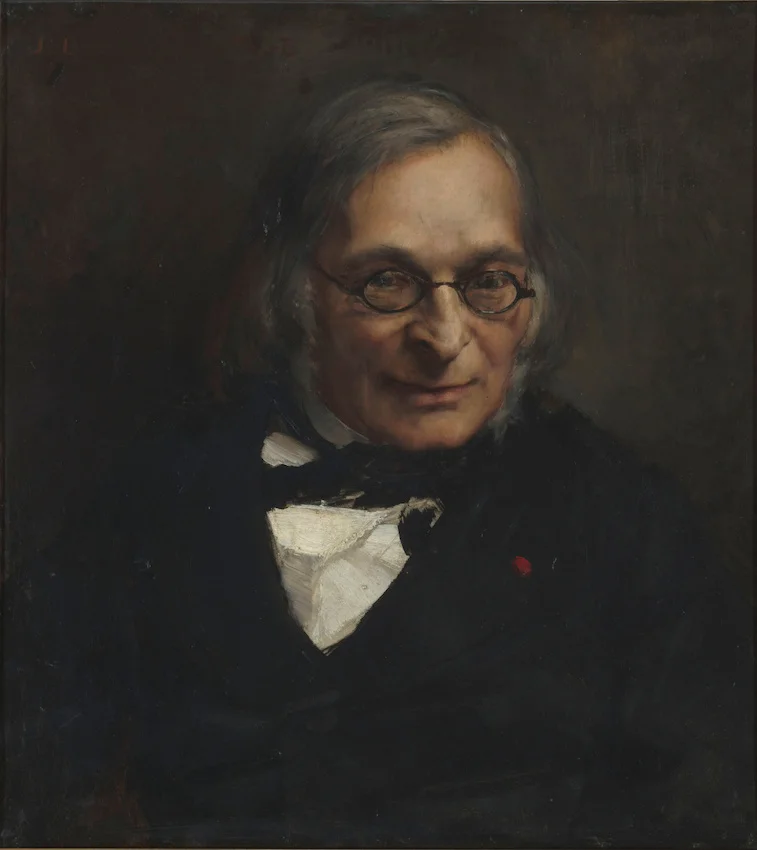
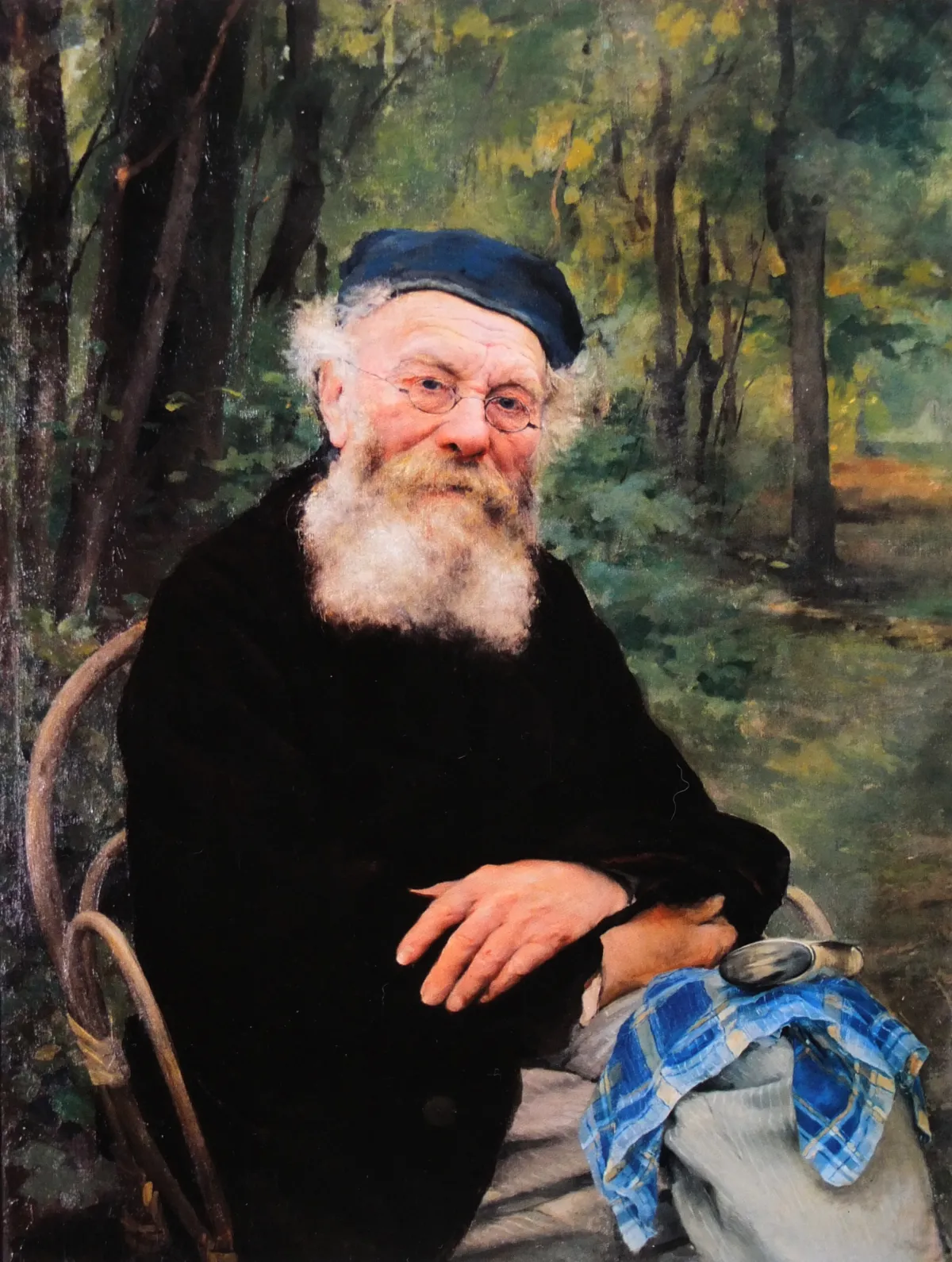
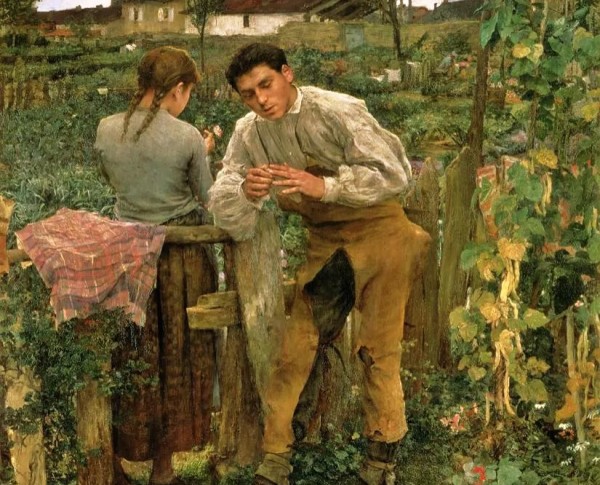
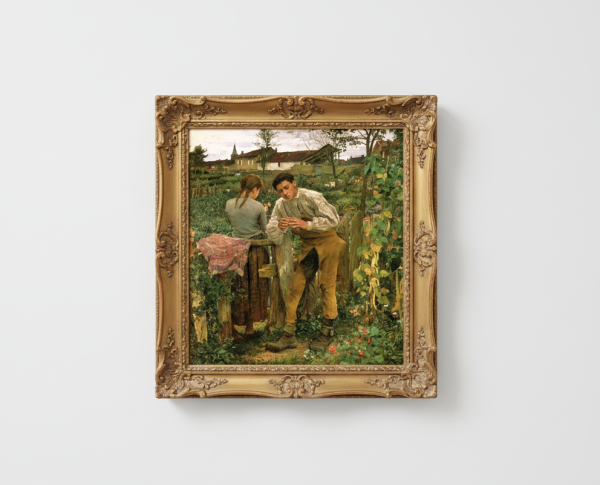
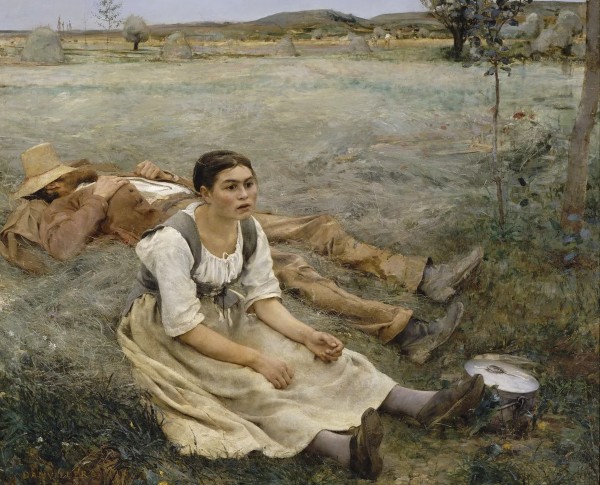
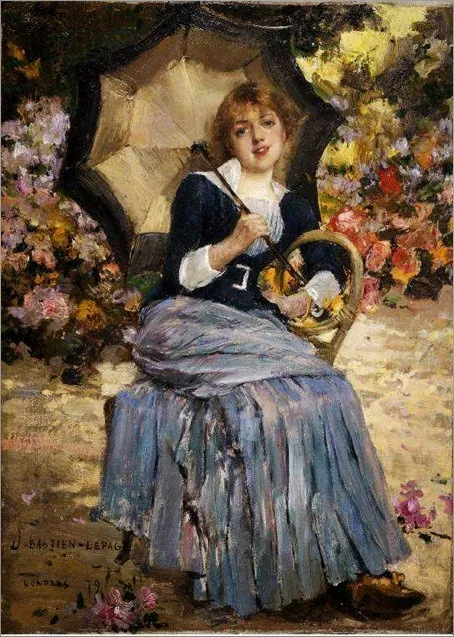
Jules Bastien Lepage’s "Parasol" demonstrates his extraordinary skill with oil on canvas, a medium that allows for rich textures and nuanced shading. The artist’s meticulous attention to detail, seen in works like "Andre Theuriet" and "Snow Effect, Damvillers," is clearly evident here. Each brushstroke contributes to the vibrant yet tranquil atmosphere, making this oil on canvas an exceptional example of Naturalist technique and a testament to Bastien Lepage’s enduring influence in fine art.
Within "Parasol," Bastien Lepage weaves subtle stories and symbols, much like those in "The artist's father" and "All Souls' Day." The hand-painted oil painting invites viewers to explore themes of nature, shelter, and contemplation, which are central to the Naturalism movement. By integrating relatable elements, the artist crafts a narrative that resonates across generations, making this fine art painting for sale a meaningful addition to any collection seeking depth and historical context.
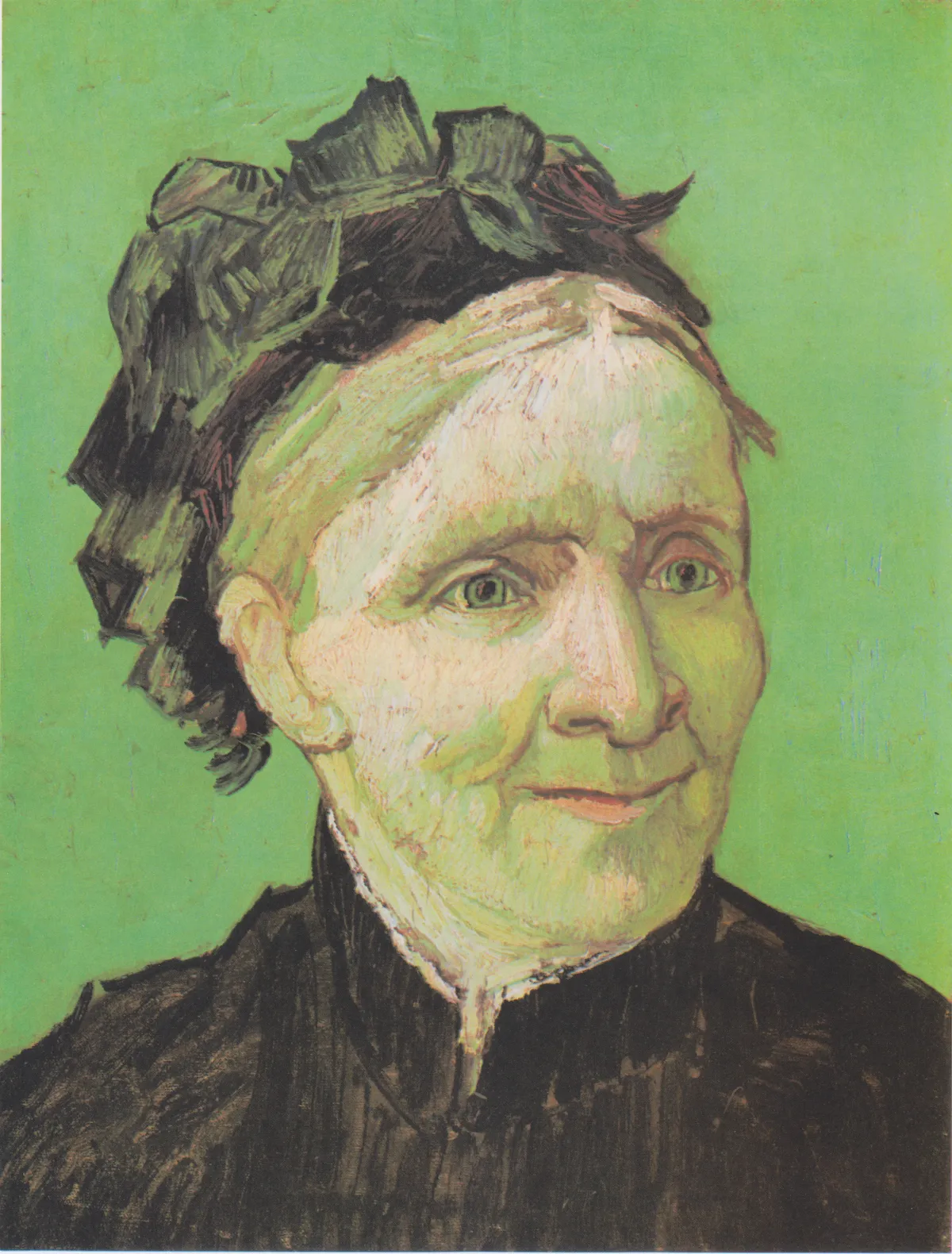
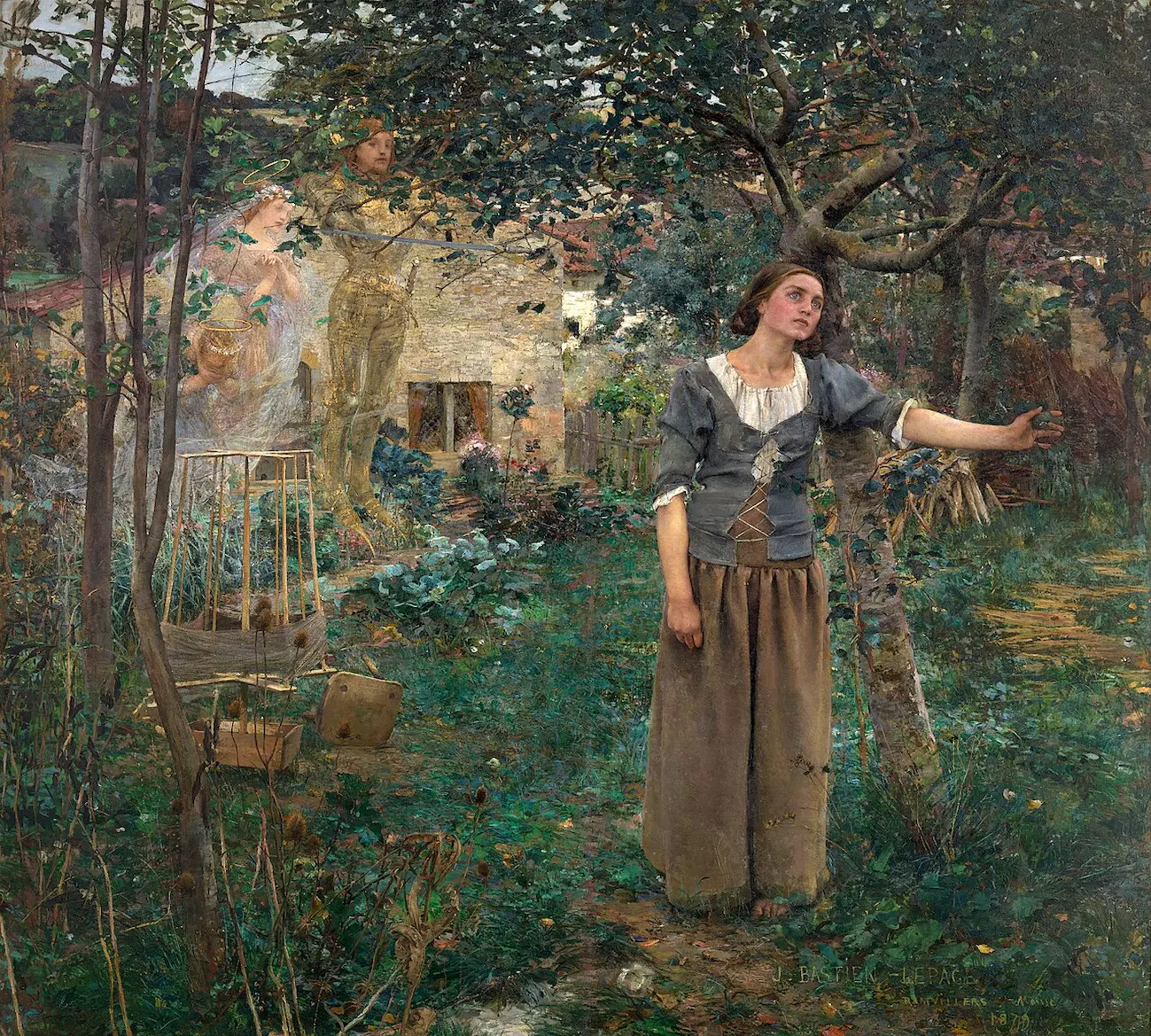
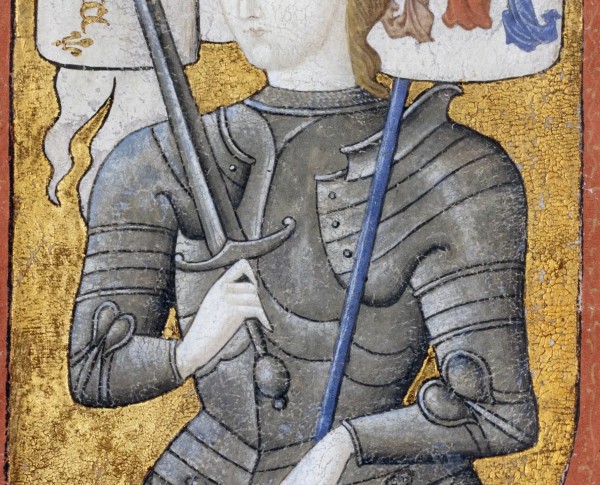
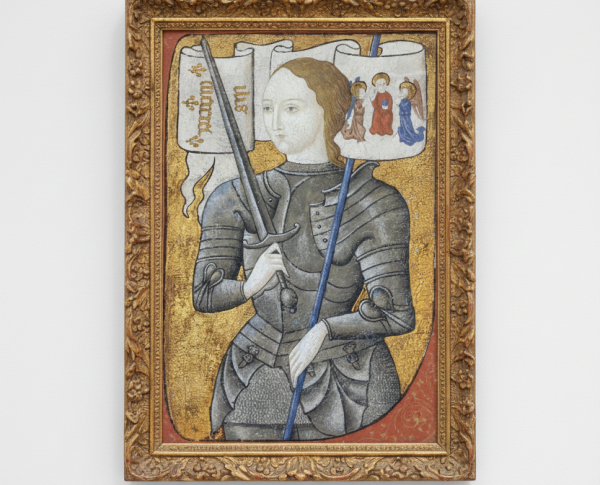
For collectors seeking a standout piece, "Parasol" by Jules Bastien Lepage offers a unique opportunity to own a genuine example of Naturalist excellence. As with his celebrated works like "Joan Of Arc" and "Portrait of the artist's mother," this oil on canvas stands as a testament to the era’s artistic innovation. With its timeless appeal and connection to related products, this fine art painting for sale is a prized acquisition for those passionate about art history and enduring beauty.
When Art Meets History
"Parasol" by Jules Bastien Lepage stands as a remarkable example of the Naturalism movement, capturing the essence of rural life in late 19th-century France. Lepage’s dedication to realism and detail is evident in this hand-painted oil painting, which transports viewers to a serene countryside moment. Like his related works, such as "Magpies" and "Red Grouse On The Moor," "Parasol" offers a window into a world where everyday scenes become timeless art.
Techniques That Speak
Jules Bastien Lepage’s mastery of oil on canvas shines through in "Parasol," where meticulous brushwork and nuanced color palettes bring the scene to life. The artist’s technique, characteristic of the Naturalism movement, emphasizes authentic light and texture. Similar to his paintings "Peacock and Peacock Butterfly" and "Red Partridges," Lepage’s attention to detail in "Parasol" elevates the ordinary, making each element resonate with realism and depth.
Emotions on Display
In "Parasol," Jules Bastien Lepage skillfully captures subtle emotions, inviting viewers to feel the quiet contemplation of the subject. This fine art painting for sale exudes a sense of tranquility and introspection, hallmarks of the Naturalism movement. Like "A Covey of Grey Partridge in Flight," "Parasol" communicates the beauty found in simple moments, making it a poignant addition to any art collection seeking emotional resonance.
Coveted by Collectors
"Parasol" remains highly sought after by collectors who value the authenticity and historical significance of Naturalism. As with Lepage’s other masterpieces, such as "Magpies" and "Red Partridges," this hand-painted oil painting is celebrated for its lifelike representation and timeless appeal. Collectors eager to own an exceptional piece of art history often seek out works like "Parasol," appreciating their enduring beauty and connection to the Naturalist tradition.
Related Naturalism Hand-Painted Oil Paintings by Other Artists
Other Famous Naturalism Artists:
Frequently Asked Questions About Parasol
What is the historical context of "Parasol"?
"Parasol" was painted by Jules Bastien Lepage in the late 19th century, a period marked by the transition from academic art to more naturalistic and impressionistic styles. This painting reflects the social changes of the time, including the rise of leisure activities among the bourgeoisie.
What artistic techniques did Jules Bastien Lepage employ in "Parasol"?
Bastien Lepage utilized a combination of realism and impressionism in "Parasol." His use of light and shadow, along with a focus on naturalistic detail, exemplifies his commitment to capturing the essence of his subjects in a lifelike manner.
What themes are explored in "Parasol"?
The painting explores themes of leisure, femininity, and the beauty of nature. The figure of the woman with the parasol symbolizes both protection from the sun and a sense of elegance, reflecting the societal norms of femininity during the period.
How does "Parasol" reflect the influence of the Barbizon School?
"Parasol" showcases the influence of the Barbizon School through its emphasis on natural landscapes and the depiction of everyday life. Bastien Lepage’s approach to capturing the rural setting mirrors the Barbizon artists' focus on the beauty of nature and the working class.
What is the significance of the parasol in the painting?
The parasol serves as a symbol of protection and femininity. It highlights the social status of the woman depicted, suggesting both leisure and the cultural norms surrounding women's roles in society during the late 19th century.
In what ways does "Parasol" demonstrate the characteristics of Naturalism?
"Parasol" exemplifies Naturalism through its meticulous attention to detail and realistic portrayal of the subject. The painting captures the nuances of light, texture, and the environment, reflecting a deep observation of the natural world.
What impact did "Parasol" have on the art community of its time?
The painting was well-received and contributed to Bastien Lepage's reputation as a leading figure in the transition to modern art. Its innovative approach influenced contemporaries and helped pave the way for future movements, including Impressionism.
How does the composition of "Parasol" enhance its thematic elements?
The composition of "Parasol" draws the viewer's eye towards the central figure, emphasizing her interaction with the environment. The balance of light and shadow, along with the placement of the parasol, enhances the themes of leisure and the beauty of nature.
What role did Jules Bastien Lepage play in the development of modern art?
Bastien Lepage is considered a precursor to modern art due to his innovative techniques and focus on realism. His works, including "Parasol," challenged traditional academic standards and inspired future artists to explore new forms of expression.
How does "Parasol" reflect the social dynamics of the late 19th century?
The painting reflects the social dynamics of the late 19th century by portraying a woman engaged in a leisurely activity, indicative of the changing roles and increasing independence of women during this era. It captures the essence of a society in transition.























_GFM_Painting_(1).webp)


 100% Hand-Painted: Finished in 3-6 Weeks

.png)















_(1).webp)