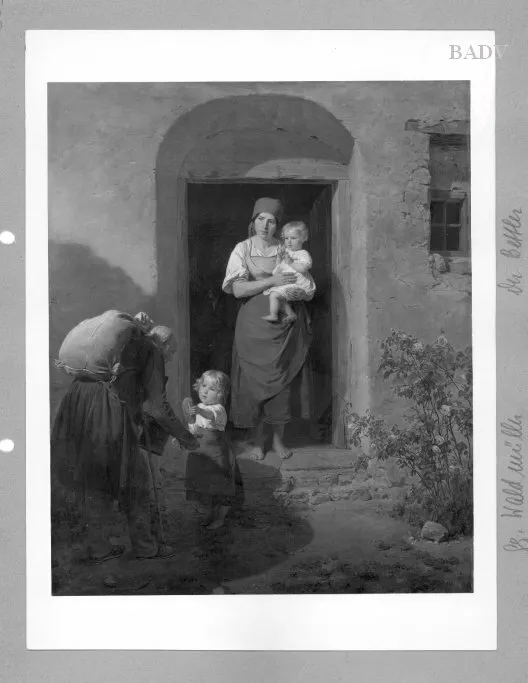
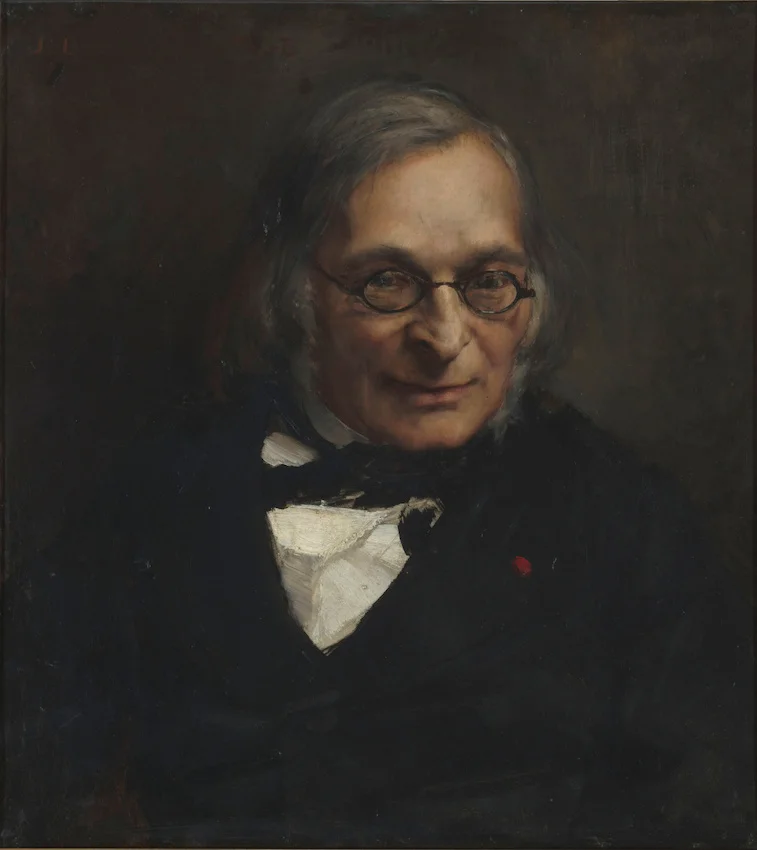
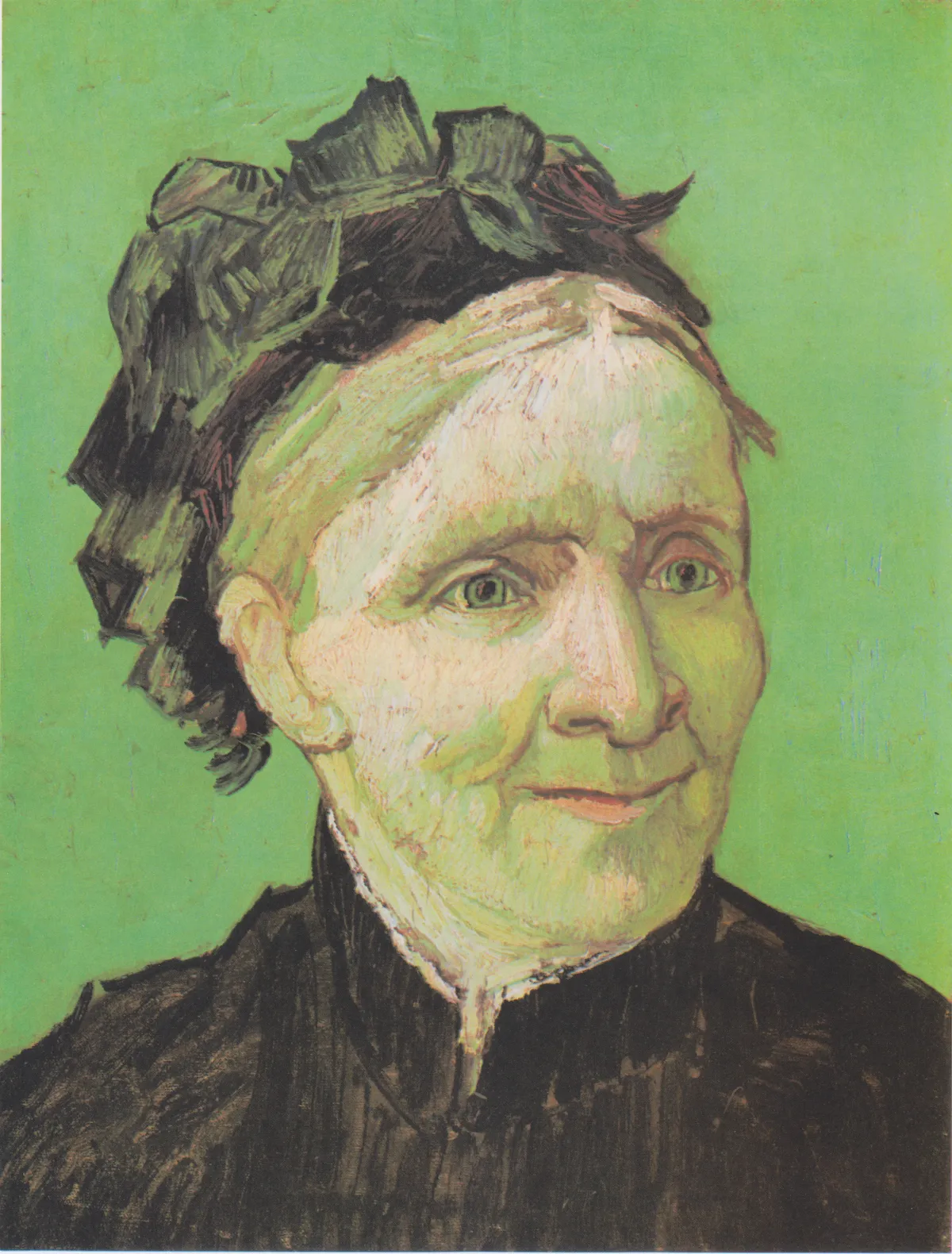
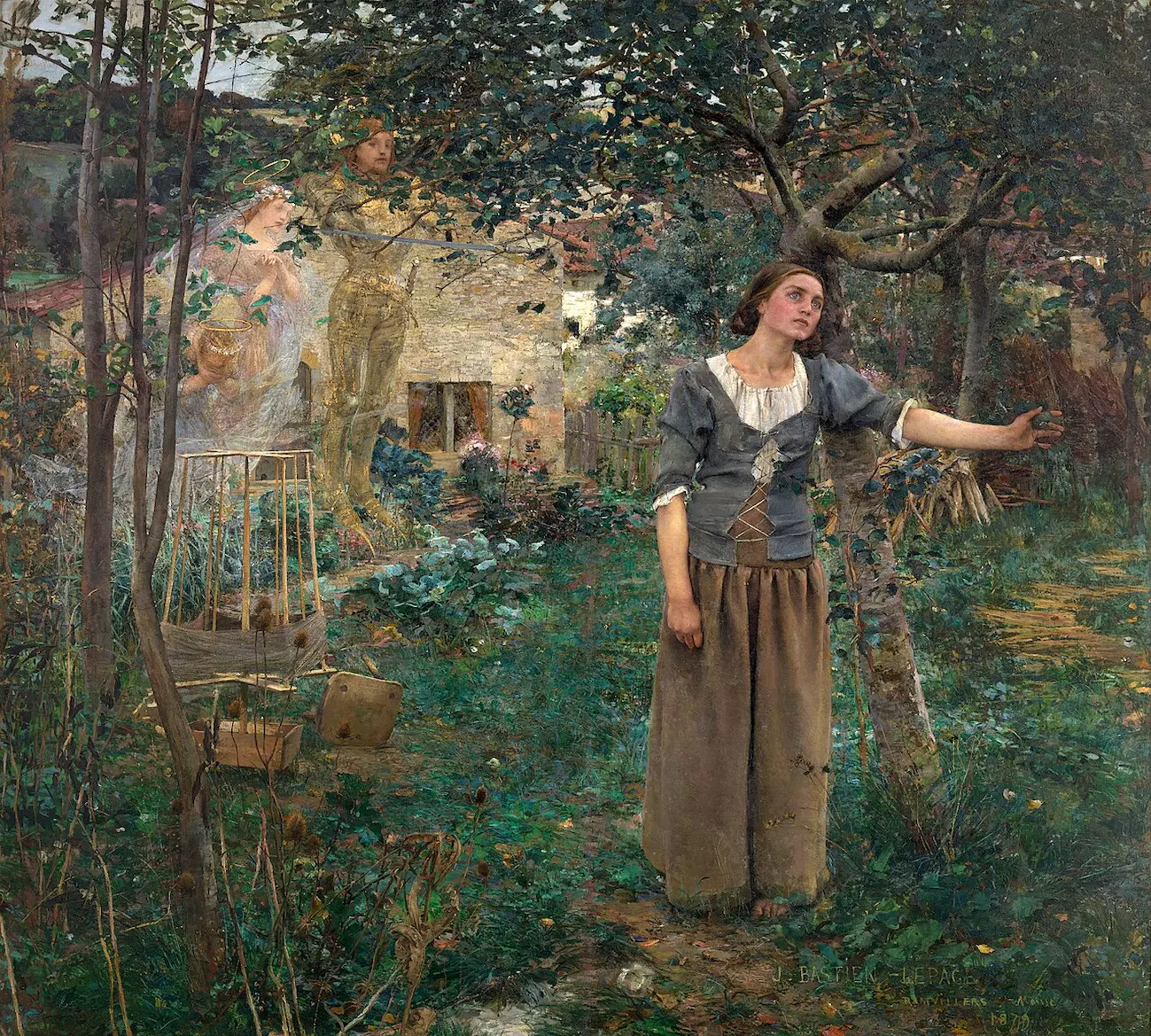
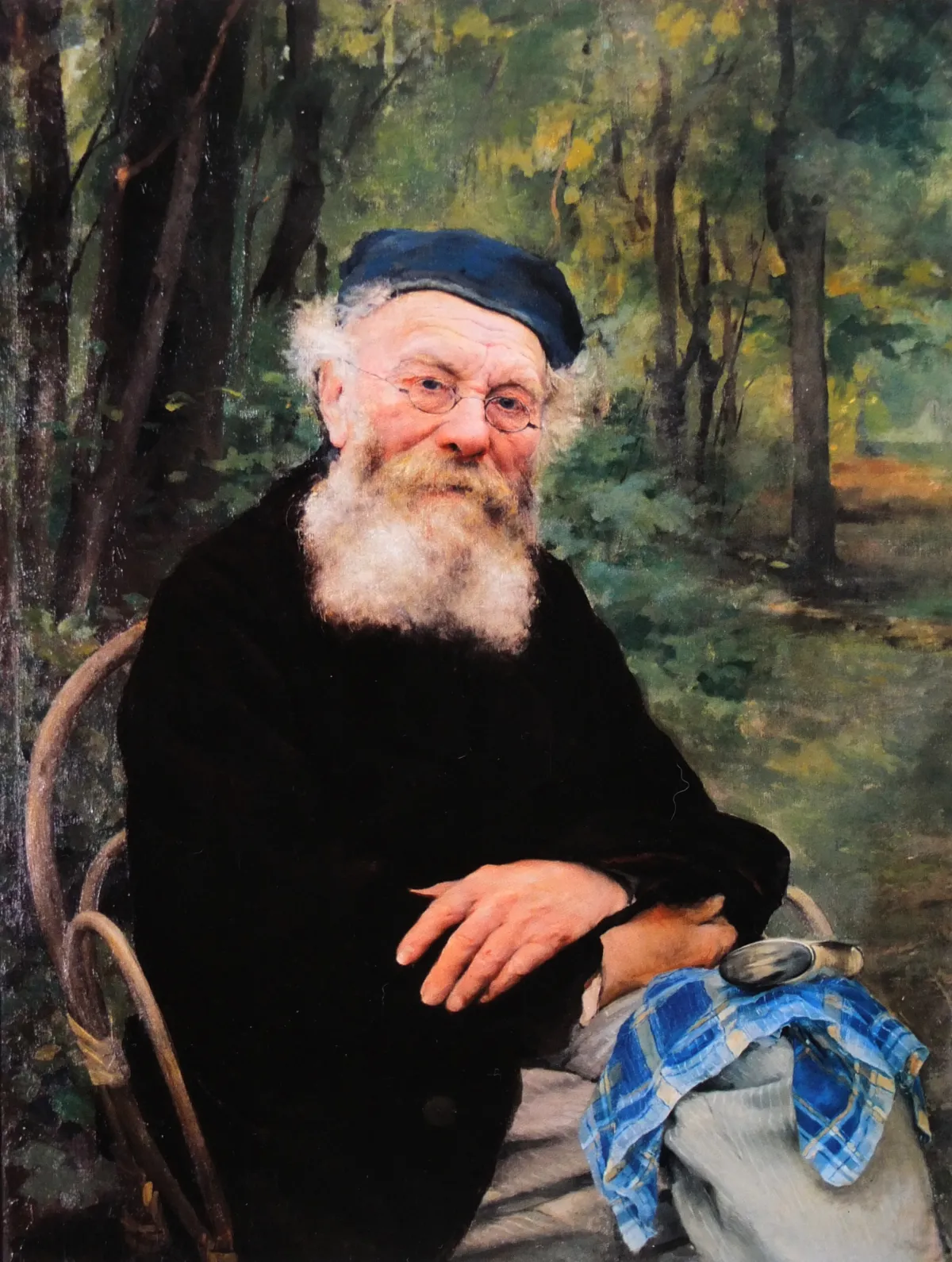
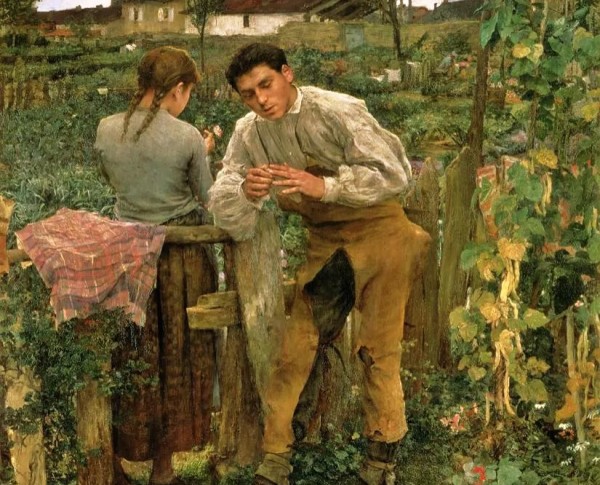
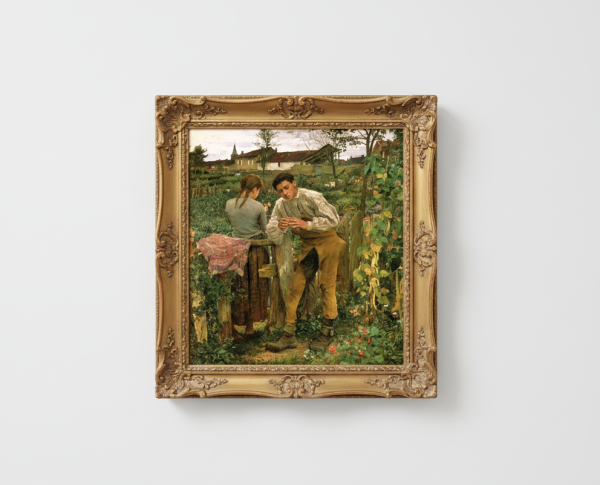
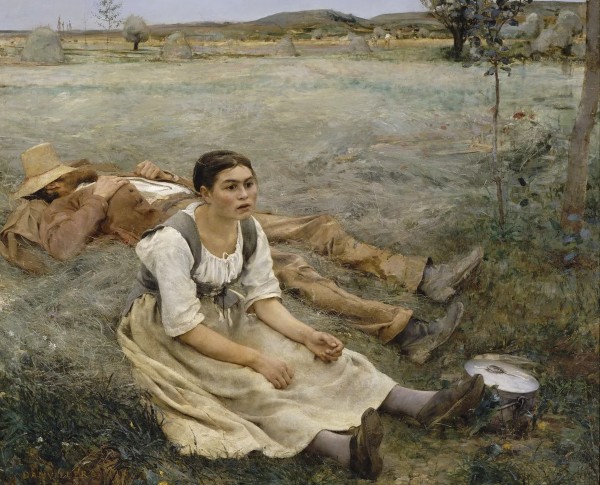
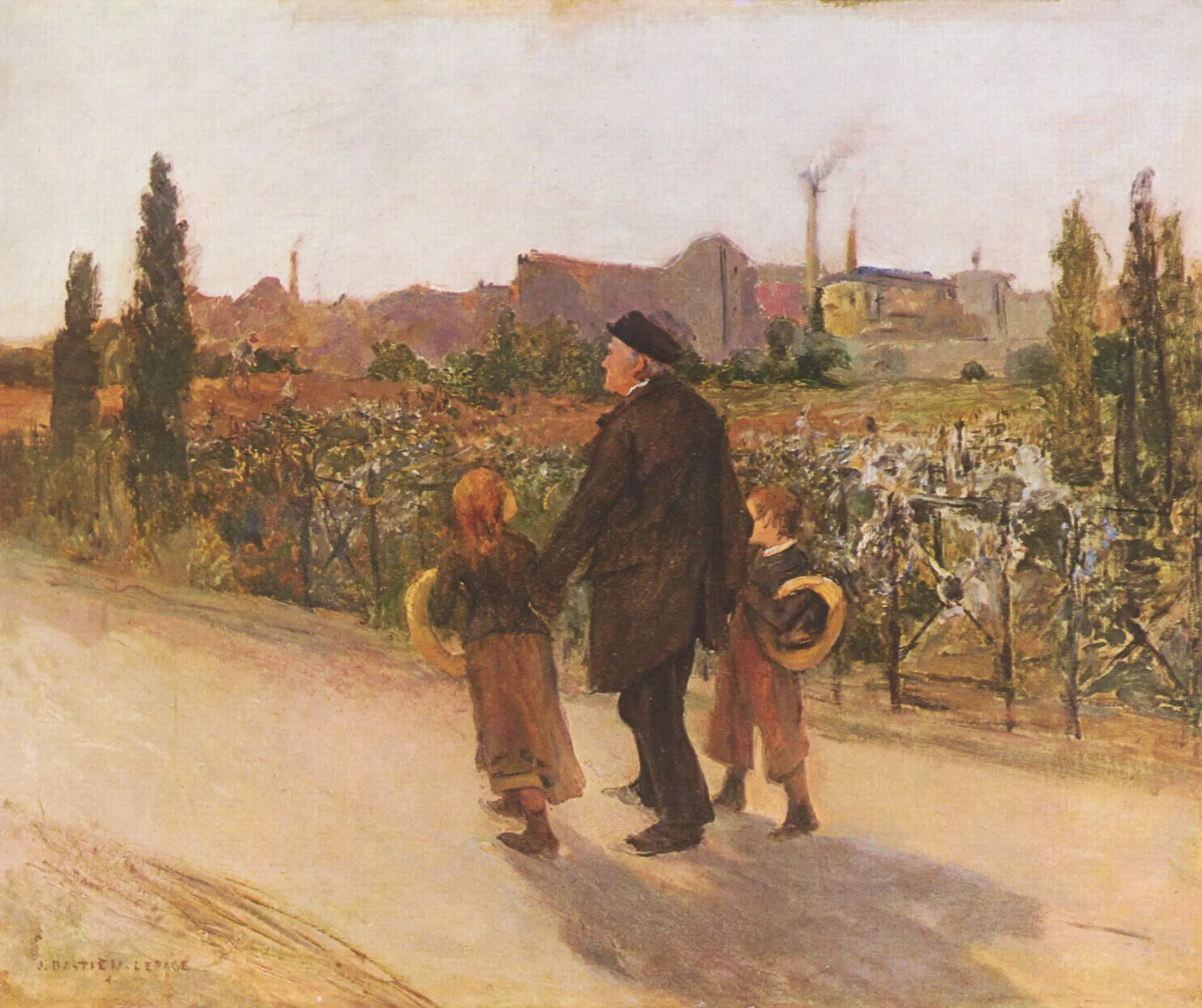
"All Souls' Day" stands as a testament to Lepage’s technical prowess, with each brushstroke in this fine art painting for sale capturing the solemn atmosphere of remembrance. The artist’s skillful use of color and light, characteristic of the Naturalism movement, brings depth and realism to the scene. For admirers of Lepage’s style, works like "Madame Godillot" and "The artist's father" offer further insight into his mastery of oil on canvas techniques.
In this hand-painted oil painting, Lepage weaves subtle narratives through the somber expressions and rural setting of "All Souls' Day." The Naturalism movement sought to depict real life, and this piece is rich with symbolism—honoring tradition and memory. Collectors exploring similar themes may be interested in related products such as "Portrait of Sarah Bernhardt" and "Priam at Achilles feet," which also embody storytelling through fine art.
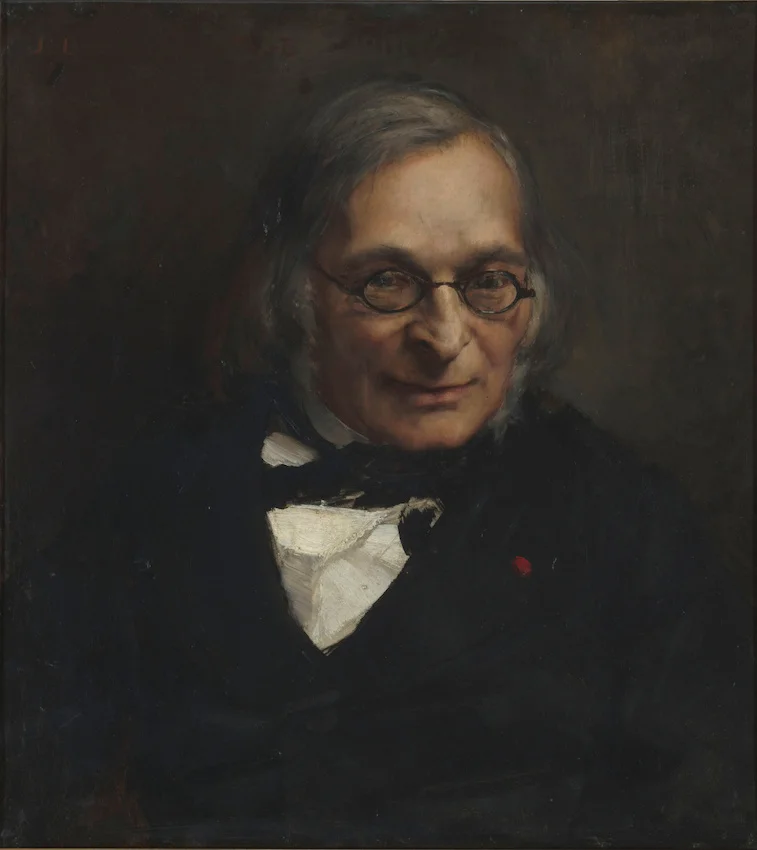
For those seeking a distinguished oil on canvas, "All Souls' Day" by Jules Bastien Lepage is an exceptional fine art painting for sale that embodies the essence of the Naturalism movement. Its emotional depth and historical significance make it a prized addition to any collection. Pairing this masterpiece with related works, including "Andre Theuriet" and "Madame Godillot," enhances the appreciation of Lepage’s unique artistic vision and legacy.
When Art Meets History
"All Souls' Day" by Jules Bastien Lepage stands as a profound testament to the Naturalism movement, capturing rural life with authenticity and empathy. Created in the late 19th century, this hand-painted oil painting reflects the era’s fascination with everyday realities. Lepage, renowned for works like "Red Grouse On The Moor" and "On The Seashore," masterfully documents tradition and emotion, making "All Souls' Day" a significant piece within both the artist’s oeuvre and the broader context of Naturalist art.
Techniques That Speak
Lepage’s "All Souls' Day" employs oil on canvas to achieve remarkable realism and subtlety. His meticulous brushwork, combined with a muted palette, brings out the textures and atmosphere of rural France. As seen in related paintings such as "Great bustards" and "Teal And Wigeon," Lepage’s technique is rooted in observation and detail. This approach allows viewers to connect deeply with the subject, showcasing the technical prowess that defines the Naturalism movement.
Emotions on Display
In "All Souls' Day," Jules Bastien Lepage conveys a poignant sense of reverence and quiet reflection, hallmarks of the Naturalism movement. The figures in the painting evoke empathy, much like those in "Red Partridges" and "The Covey at Daybreak." This fine art painting for sale invites viewers to contemplate themes of memory and tradition, demonstrating Lepage’s ability to capture the emotional essence of his subjects through subtle expressions and evocative settings.
Coveted by Collectors
Collectors highly prize "All Souls' Day" for its authenticity and historical significance. Jules Bastien Lepage’s reputation, established by masterpieces such as "On The Seashore" and "Teal And Wigeon," ensures that his oil on canvas works remain sought after. As a quintessential example of Naturalism, this painting appeals to enthusiasts in search of genuine fine art painting for sale, blending artistic mastery with a compelling narrative reflective of its era.
Related Naturalism Hand-Painted Oil Paintings by Other Artists
Other Famous Naturalism Artists:
Frequently Asked Questions About All Souls' Day
What is the historical context of "All Souls' Day"?
"All Souls' Day," painted by Jules Bastien Lepage in 1889, reflects the late 19th-century French society's engagement with themes of mortality and remembrance, particularly in the context of the Catholic tradition of honoring deceased loved ones.
What artistic techniques did Jules Bastien Lepage use in this painting?
Bastien Lepage employed naturalism, characterized by meticulous attention to detail and a focus on light and shadow, to create a lifelike representation of the figures and the somber atmosphere of the scene.
What are the main themes depicted in "All Souls' Day"?
The painting explores themes of grief, remembrance, and the connection between the living and the dead, encapsulating the emotional weight of loss and the cultural practices surrounding death.
How does the composition of "All Souls' Day" contribute to its meaning?
The composition features a central figure surrounded by mourners, creating a sense of intimacy and shared sorrow, which enhances the emotional impact and invites the viewer to reflect on their own experiences with loss.
What symbolism is present in "All Souls' Day"?
The use of dark clothing by the figures symbolizes mourning, while the presence of flowers and candles signifies remembrance and the hope of spiritual connection with the deceased.
In what ways does "All Souls' Day" reflect the influence of Impressionism?
Although primarily a naturalist work, "All Souls' Day" incorporates aspects of Impressionism through its focus on light effects and the fleeting nature of human emotion, capturing a moment in time that resonates with viewers.
How does "All Souls' Day" compare to other works by Jules Bastien Lepage?
Compared to his other works, "All Souls' Day" stands out for its somber tone and emotional depth, showcasing Bastien Lepage's ability to convey complex human experiences through his art.
What impact did "All Souls' Day" have on contemporary artists?
The painting influenced contemporary artists by emphasizing the importance of emotional expression and realism, encouraging a deeper exploration of personal and societal themes in their work.
What role does color play in "All Souls' Day"?
The muted color palette enhances the somber mood of the painting, with earthy tones creating a sense of gravity and reflection, while subtle highlights draw attention to the figures and their expressions.
How has "All Souls' Day" been received by art critics over time?
Art critics have praised "All Souls' Day" for its emotional resonance and technical skill, often highlighting its ability to evoke empathy and contemplation regarding themes of life and death.























_GFM_Painting_(1).webp)


 100% Hand-Painted: Finished in 3-6 Weeks

.png)















_(1).webp)