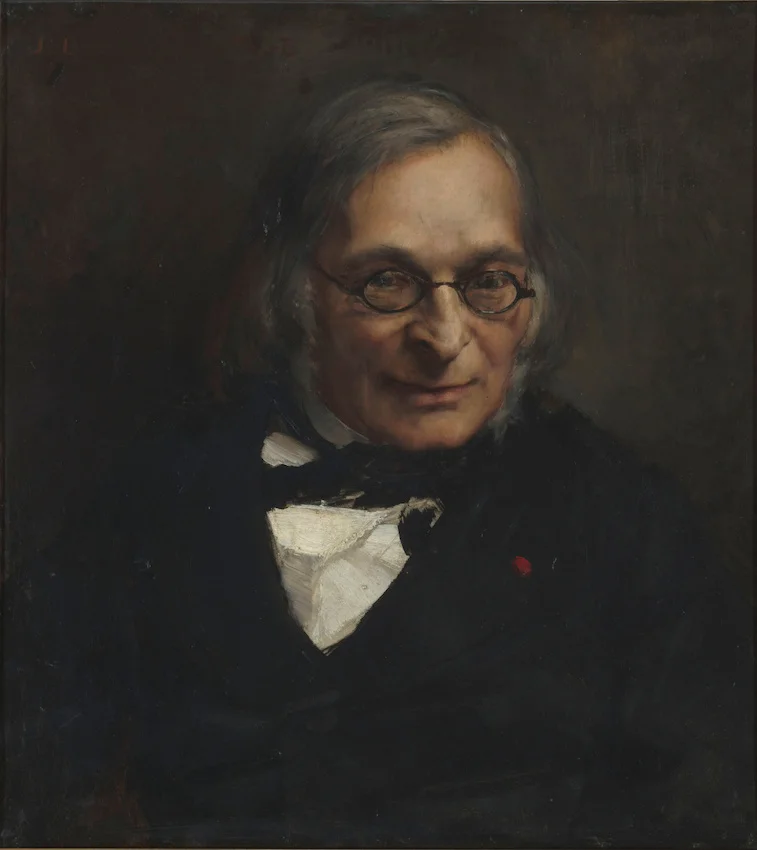
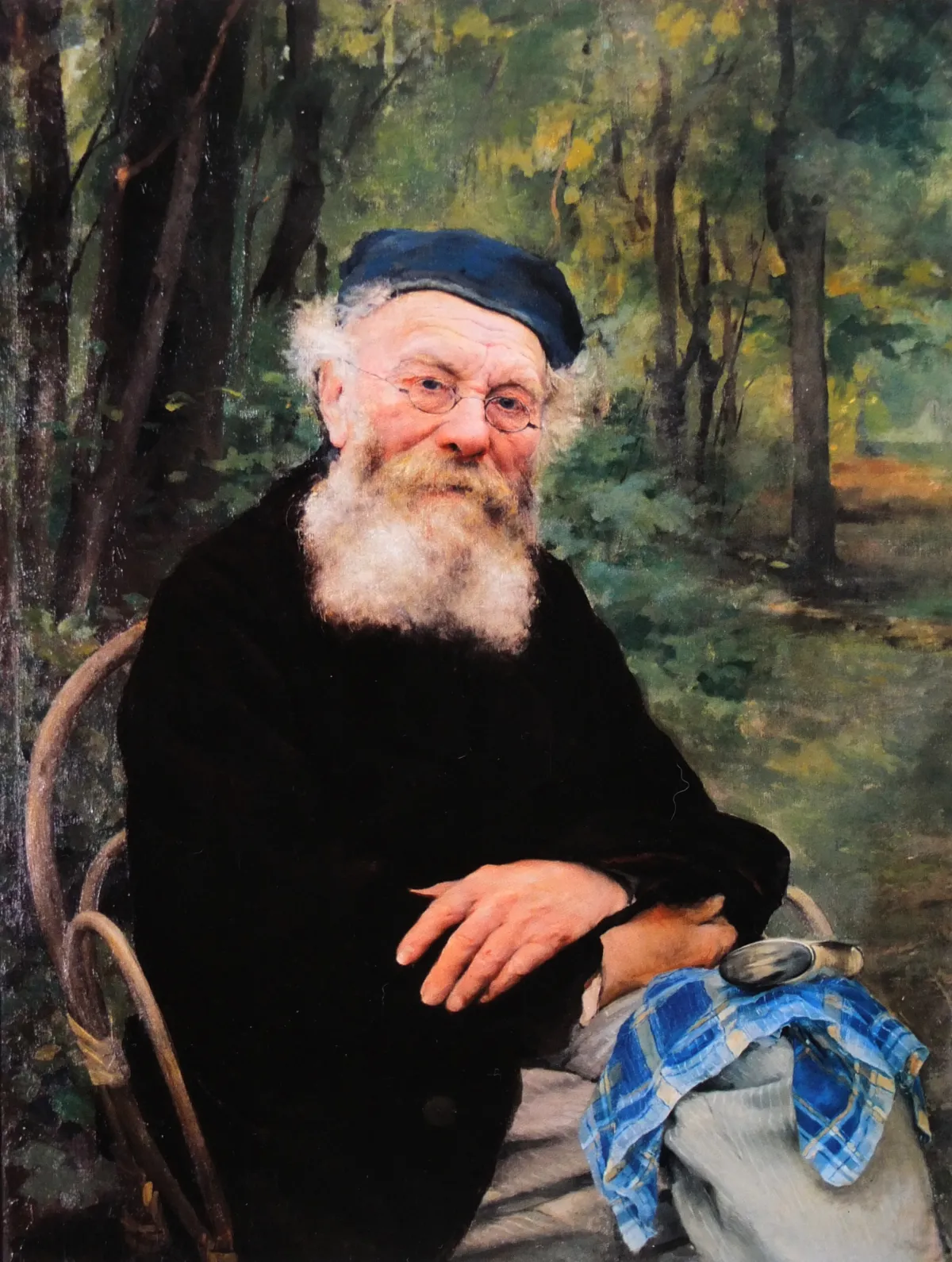
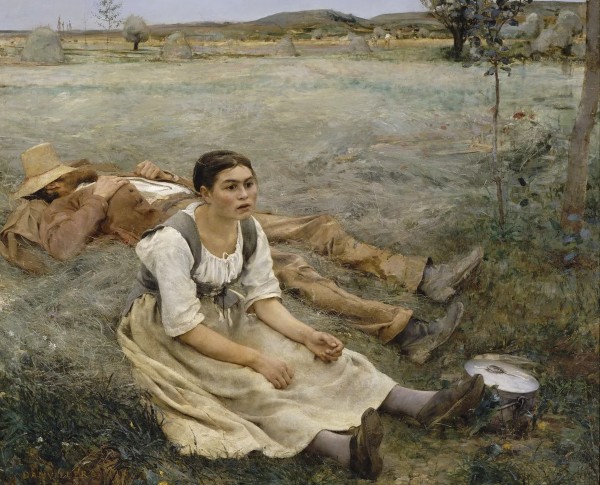
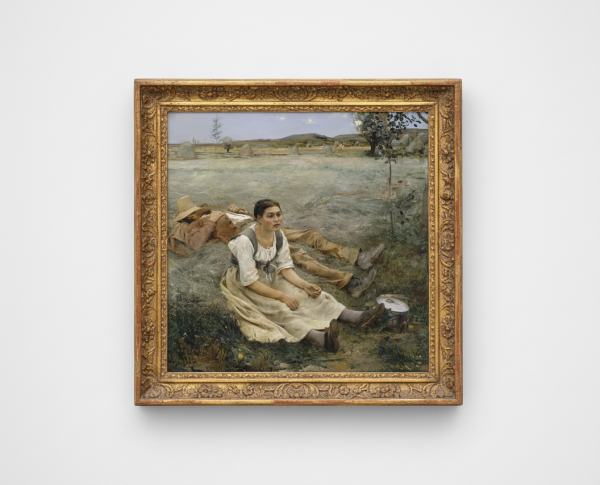
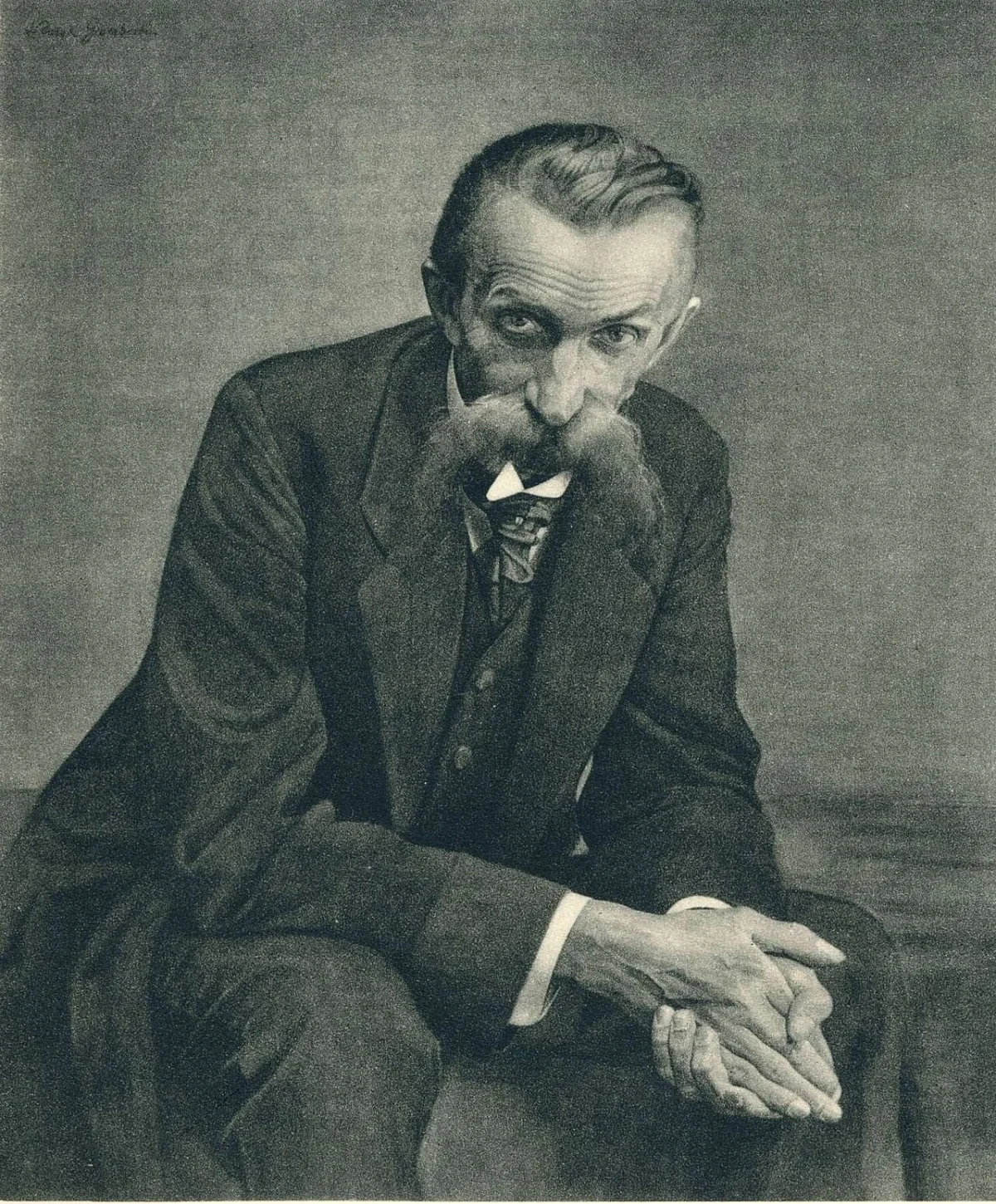
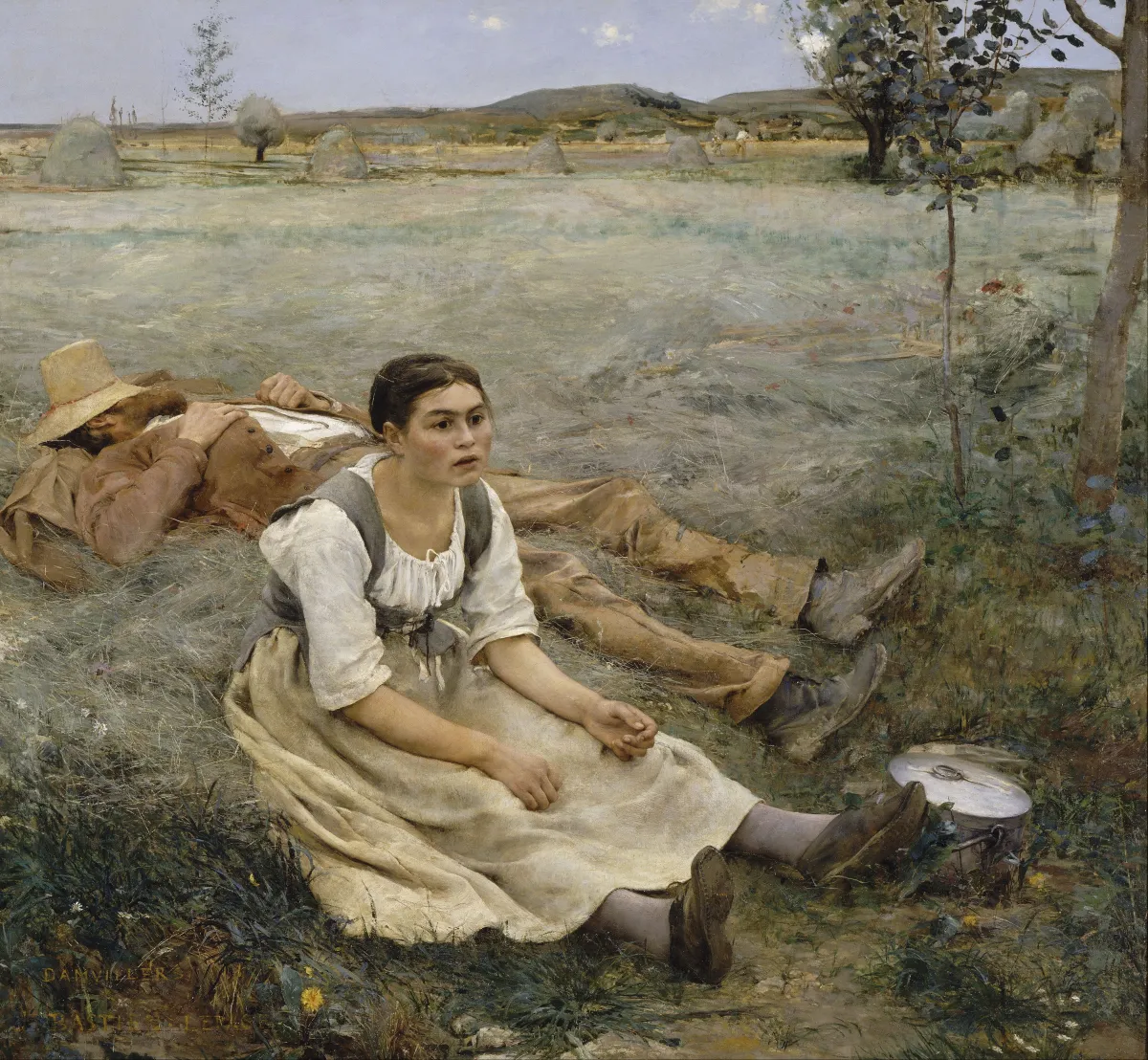
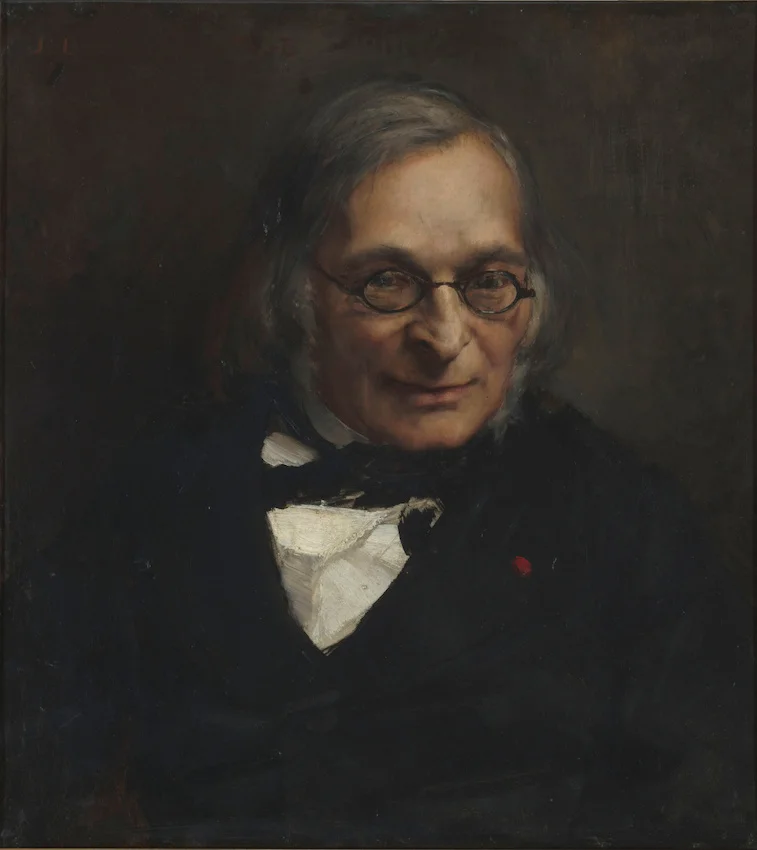
Jules Bastien-Lepage’s "The Artist's Father" is a remarkable hand-painted oil painting that captures the intimate bond between artist and subject. As a leading figure in the Naturalism movement, Bastien-Lepage infused his works with authenticity and emotional depth. This masterpiece, like his other celebrated works such as "Hay Making" and "Madame Godillot," stands as a testament to his dedication to realism and personal storytelling, making it a prized piece for collectors and admirers of fine art.
Rendered in exquisite oil on canvas, "The Artist's Father" showcases Bastien-Lepage’s technical brilliance and his commitment to Naturalist principles. Each brushstroke meticulously conveys texture, light, and character, reminiscent of his contemporaries like Émile Bastien-Lepage and Simon Hayem. The painting’s lifelike detail and subtle tonal variations exemplify the artist’s mastery, positioning this work alongside other Naturalist treasures and making it a standout example for those seeking exceptional oil on canvas art.
In "The Artist's Father," Bastien-Lepage imbues the scene with nuanced symbolism, capturing not just a portrait but a story of familial respect and everyday life. This fine art painting for sale resonates with themes also found in the works of Alexandre Wallon and Adolphe Franck, who explored human experience through their respective disciplines. The painting’s quiet dignity reflects the Naturalism movement’s focus on ordinary people, making it a meaningful addition to any collection.
For collectors, "The Artist's Father" by Bastien-Lepage represents more than just a hand-painted oil painting; it is a piece of art history. Its authenticity and artistry link it to a prestigious lineage, alongside works like "Hay Making" and portraits of Madame Godillot. Whether displayed alongside other Naturalist masterpieces or as a focal point, this painting is a fine art painting for sale that promises to enrich any gallery or personal collection with its legacy and emotional resonance.
When Art Meets History
Painted by Bastien Lepage, "The artist's father" stands as a remarkable example of the Naturalism movement. This hand-painted oil painting captures the essence of 19th-century rural life, a subject frequently explored by Lepage and his contemporaries. Alongside related paintings like "Dormice .", "Pair of Golden Eagles," and "Cock and hen pheasant in the undergrowth," this work offers insight into the era’s cultural and artistic values, making it a significant piece in art history.
Techniques That Speak
Bastien Lepage’s mastery is evident through his meticulous use of oil on canvas, a medium that allows for rich texture and subtle gradations of light. In "The artist's father," the brushwork and attention to natural detail exemplify the hallmarks of Naturalism. Similar technical prowess is seen in related works such as "Little Owl and Scops Owl." Through these techniques, Lepage breathes life into his subjects, making each fine detail a testament to his skill.
Emotions on Display
"The artist's father" is more than just a fine art painting for sale; it is a window into the emotional depth of Bastien Lepage’s world. The poignant expression and natural setting evoke a sense of quiet dignity, typical of the Naturalism movement. Related paintings like "Dormice ." and "Pair of Golden Eagles" also capture raw emotion, highlighting Lepage’s ability to convey the human experience through his evocative compositions and lifelike portrayals.
Coveted by Collectors
Collectors and art enthusiasts are drawn to "The artist's father" not only for its historical significance but also for its exquisite artistry. As a hand-painted oil painting, it represents the pinnacle of Naturalism, much like Lepage's other works including "Cock and hen pheasant in the undergrowth." Today, these masterpieces remain highly sought after, with each fine art painting for sale offering a unique glimpse into Bastien Lepage’s enduring legacy and the beauty of his artistic vision.
Related Naturalism Hand-Painted Oil Paintings by Other Artists
Other Famous Naturalism Artists:
Frequently Asked Questions About "The artist's father"
What is the historical context of "The artist's father"?
"The artist's father," painted by Bastien-Lepage in 1879, reflects the socio-economic conditions of rural France during the late 19th century, a period marked by industrialization and the decline of agrarian lifestyles.
What artistic techniques did Bastien-Lepage employ in this painting?
Bastien-Lepage utilized naturalism, emphasizing realistic detail and the effects of light. His technique involved layering paint to create depth and texture, which is evident in the depiction of his father's weathered features and the surrounding environment.
What symbolism is present in "The artist's father"?
The painting symbolizes the connection between the artist and his heritage. The figure of the father represents the traditional values of hard work and perseverance, embodying the struggles of rural life.
How does "The artist's father" reflect the influence of Realism?
This work exemplifies Realism by portraying everyday subjects with honesty and without idealization. Bastien-Lepage's focus on the laborer’s life highlights the dignity found in ordinary existence, a core tenet of the Realist movement.
What role does light play in "The artist's father"?
Light in "The artist's father" is used to enhance the emotional weight of the scene. The soft, natural light illuminates the father's face, drawing attention to his expression and the textures of his clothing, which convey a sense of warmth and intimacy.
How does this painting compare to other works by Bastien-Lepage?
Compared to other works by Bastien-Lepage, "The artist's father" is more personal and intimate. While he often depicted broader social themes, this painting focuses on familial bonds, making it a poignant representation of his own life experiences.
What emotions does "The artist's father" evoke?
The painting evokes feelings of nostalgia and reverence. Viewers may feel a deep connection to the themes of family, sacrifice, and the passage of time, as the father's gaze seems to reflect both pride and weariness.
In what ways does "The artist's father" reflect Bastien-Lepage's personal life?
This painting is deeply autobiographical, as it portrays Bastien-Lepage's own father, highlighting the artist's respect for his lineage and the influence of his upbringing on his artistic vision and identity.
What impact did "The artist's father" have on the art community at the time?
The painting was well-received and contributed to the recognition of Bastien-Lepage as a leading figure in the Naturalist movement. It challenged traditional academic standards and encouraged other artists to explore personal and emotional themes in their work.
How has "The artist's father" influenced contemporary art?
"The artist's father" has influenced contemporary artists by encouraging a focus on personal narrative and authenticity in art. Its emotional depth and realistic portrayal of everyday life continue to resonate with modern audiences and artists alike.






















_GFM_Painting_(1).webp)


 100% Hand-Painted: Finished in 3-6 Weeks

.png)















_(1).webp)