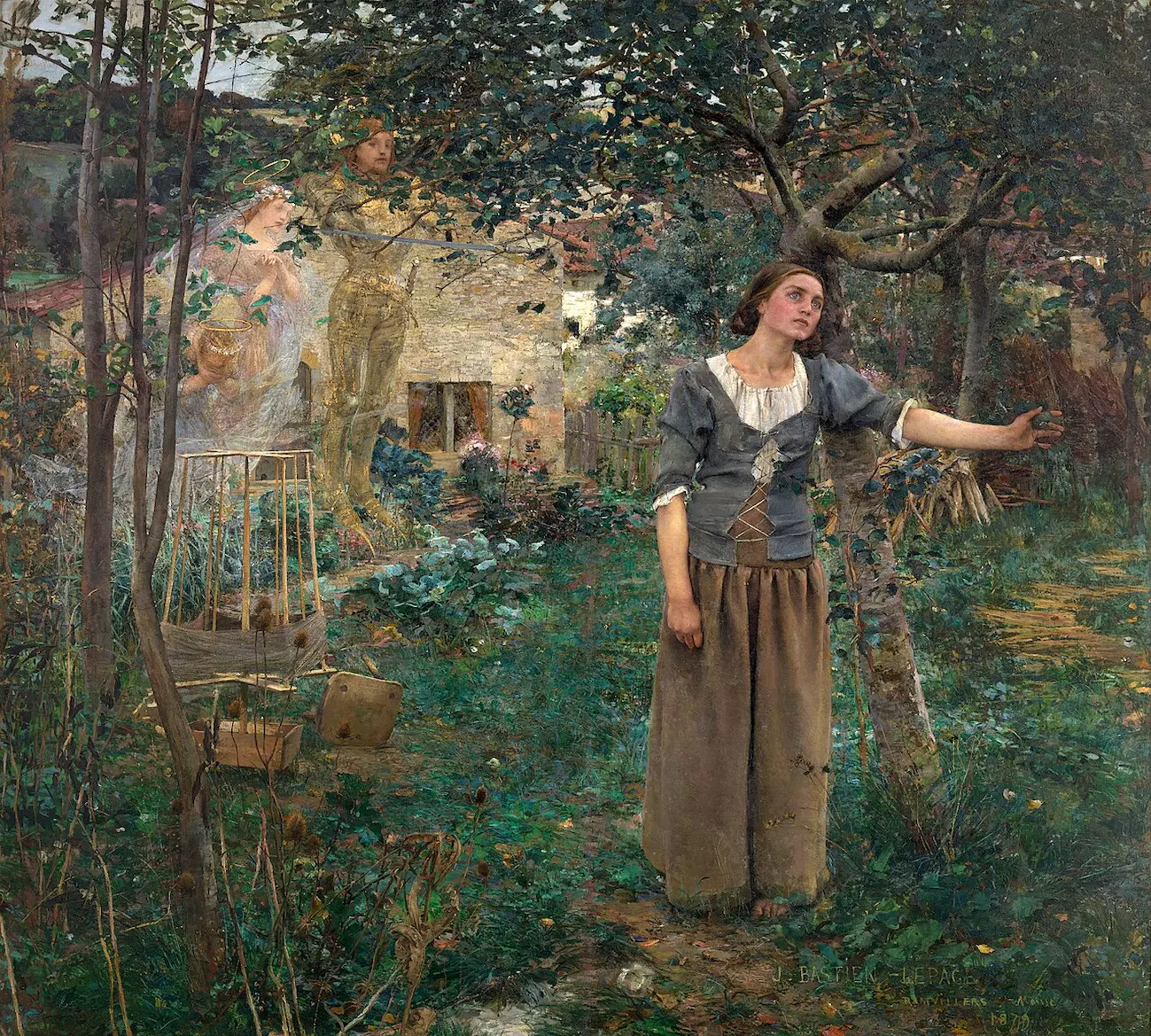
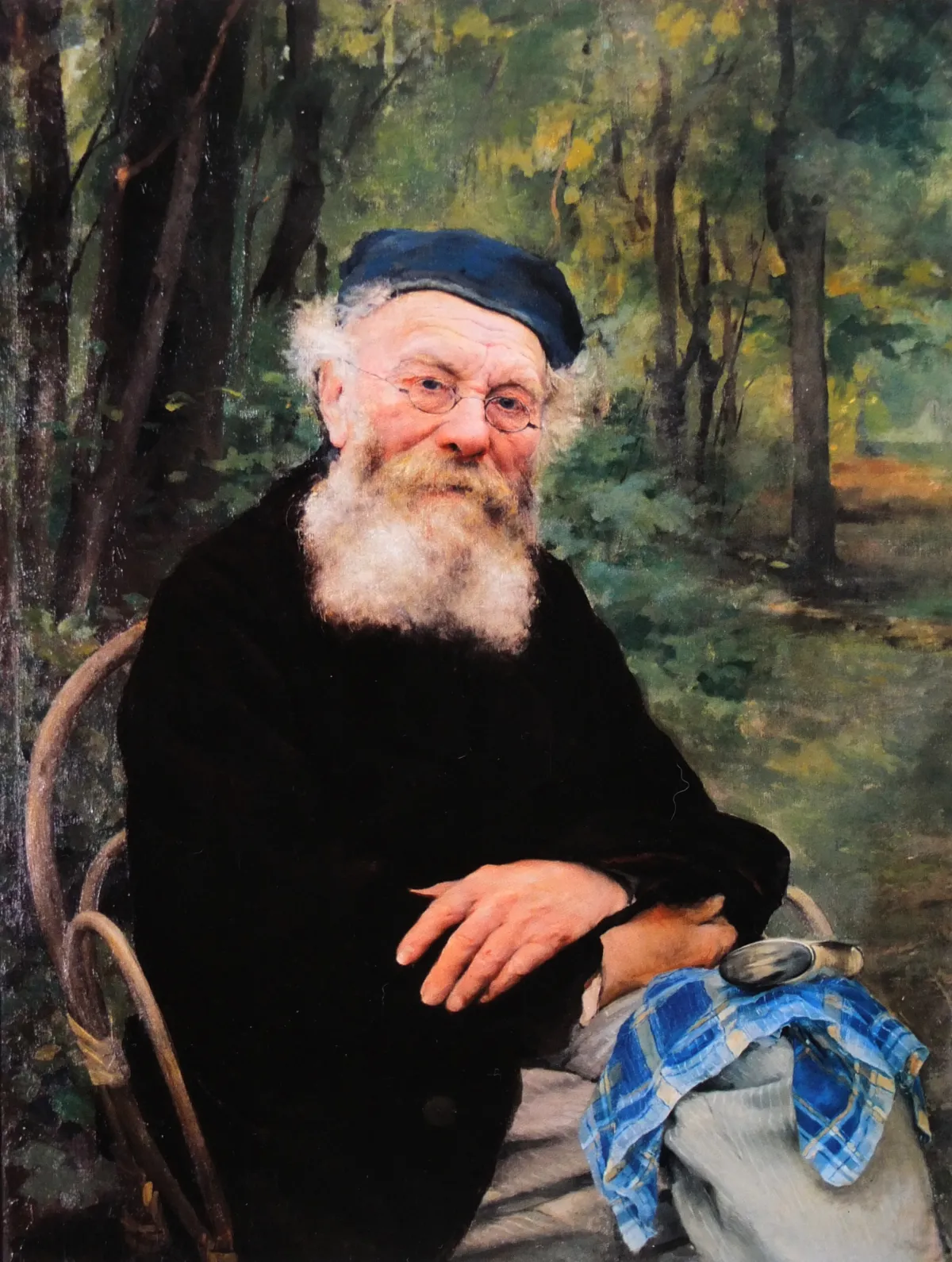
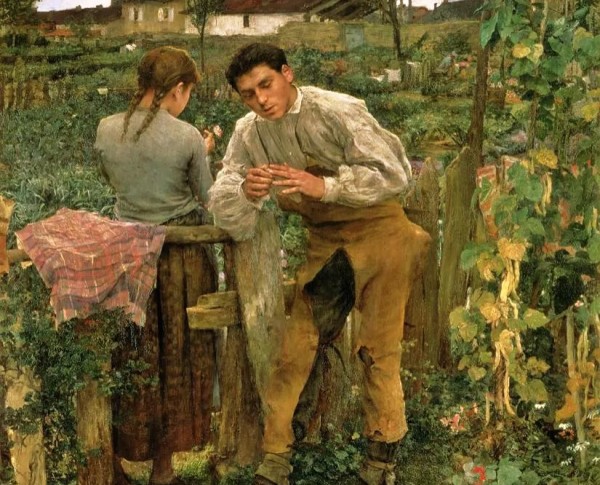
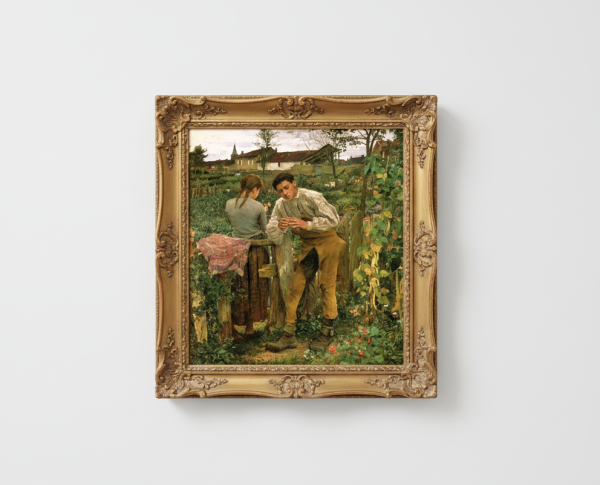
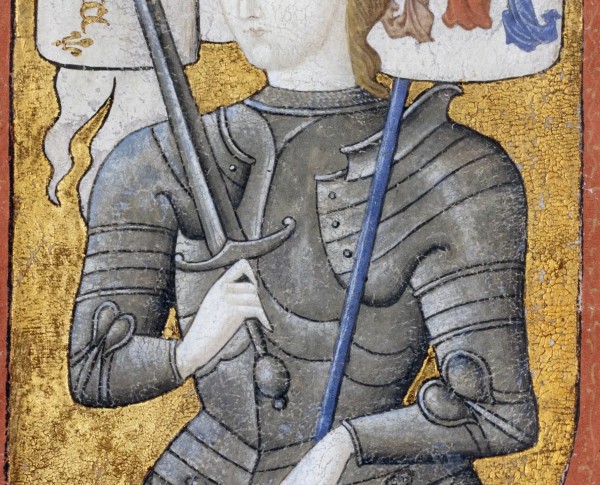
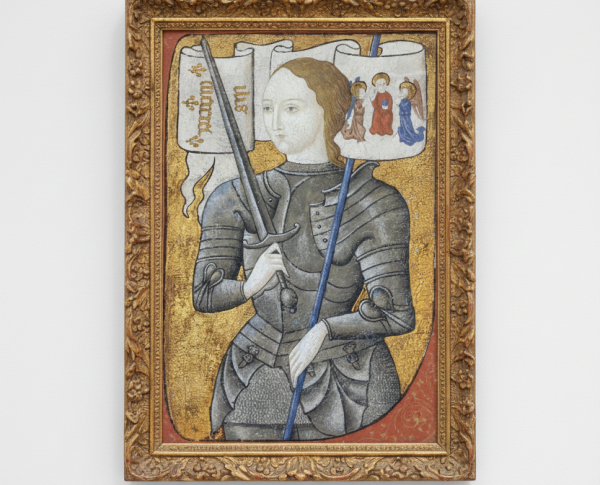
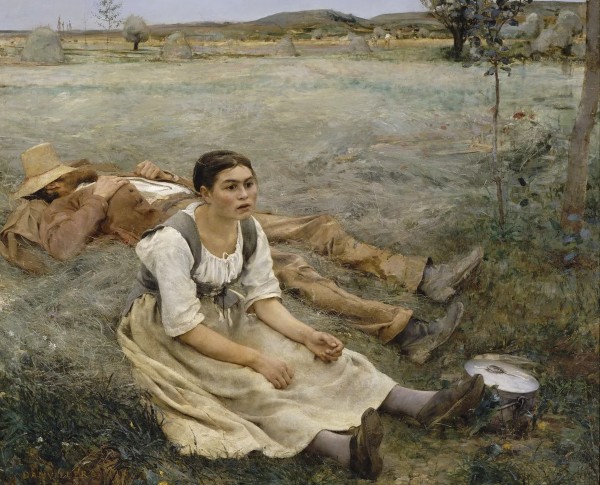
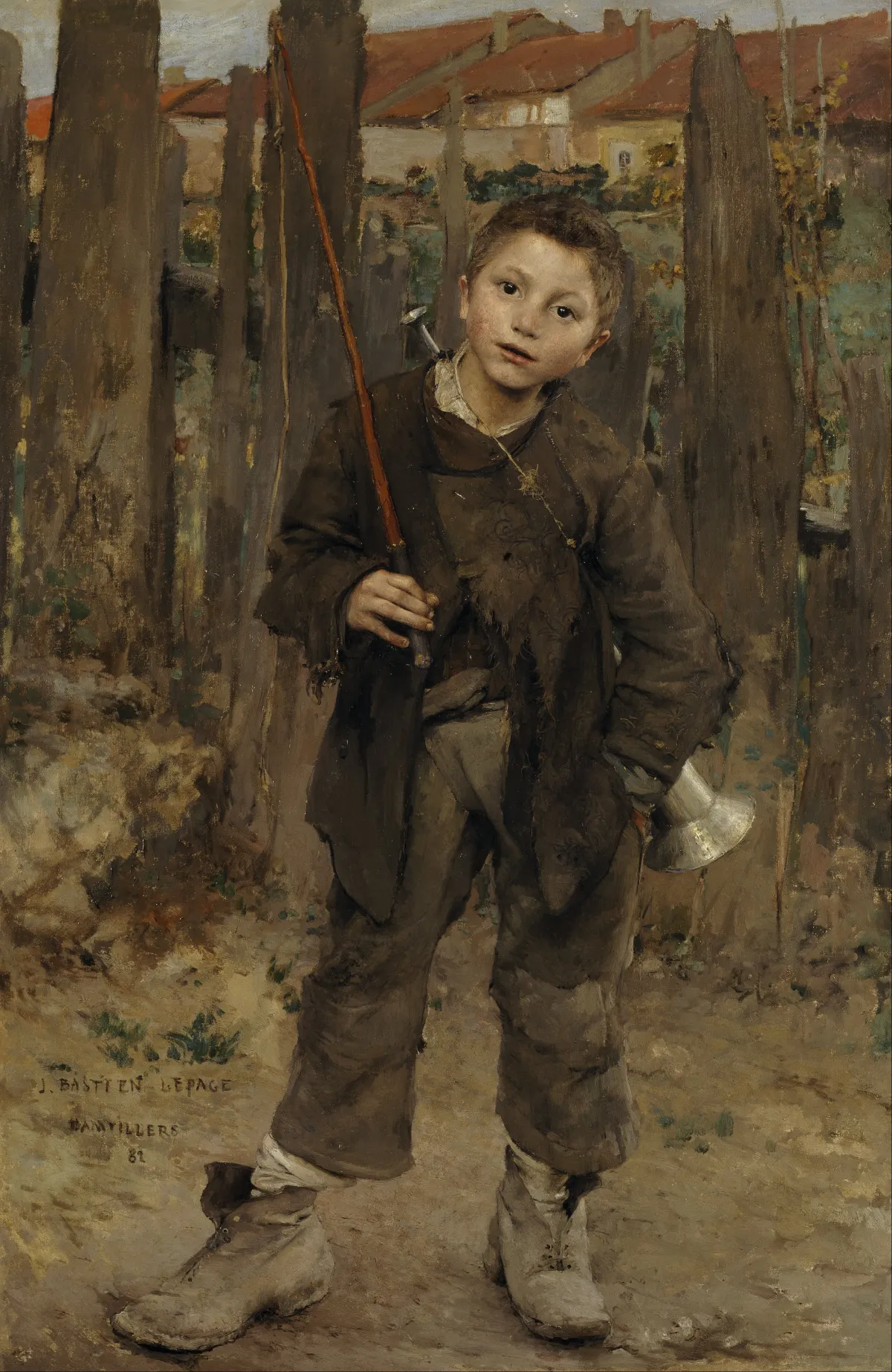
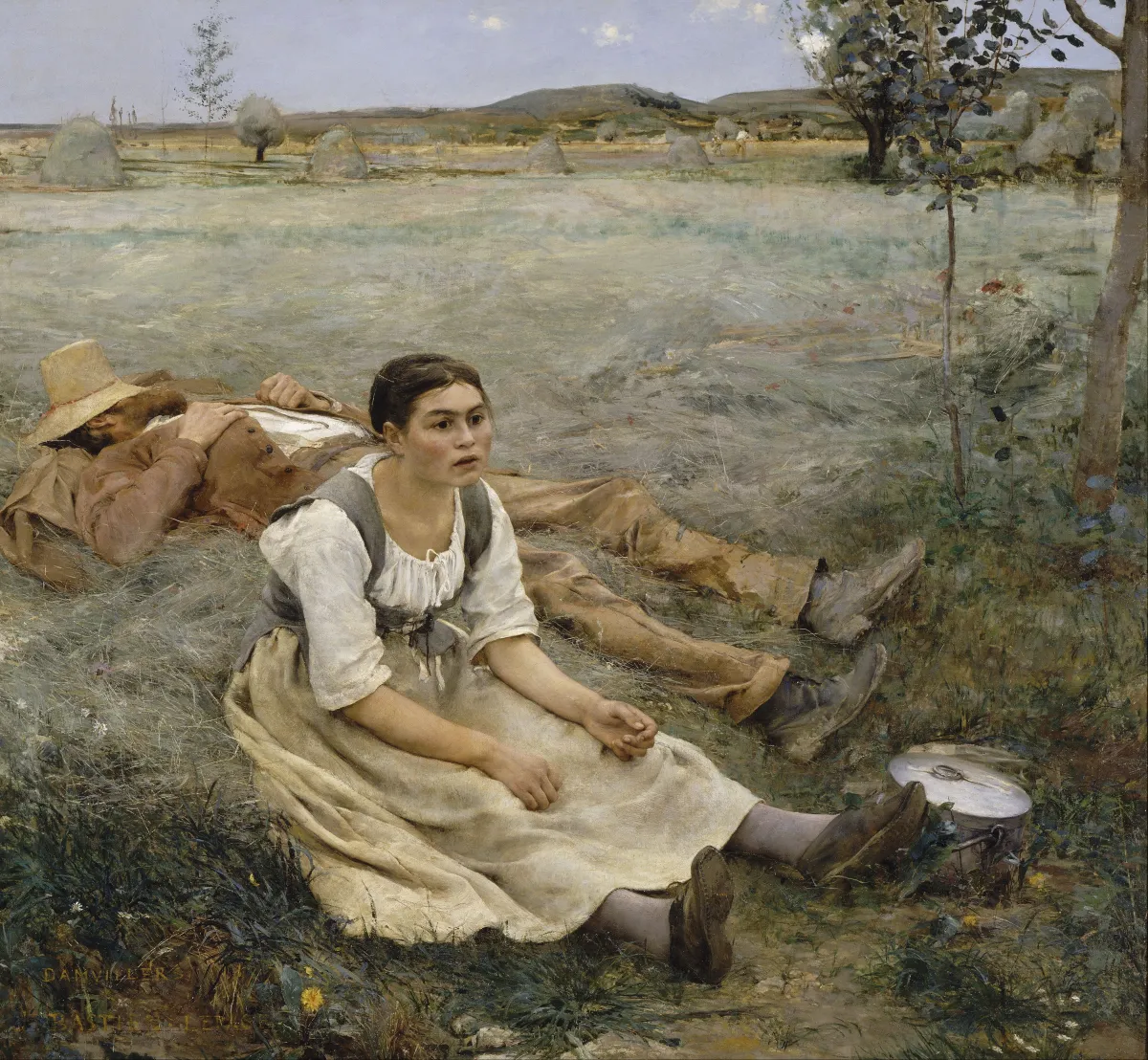
Bastien Lepage’s technique in "Pas Mèche" demonstrates exceptional mastery of oil on canvas. The subtle interplay of light and shadow highlights his dedication to realism, a hallmark of the Naturalism movement. His meticulous attention to detail brings the subject’s youthful spirit to life. Those who appreciate this style may also be drawn to related works like "Joan of Arc" or pieces inspired by the artist’s grandfather, enriching any collection with authentic French artistry.
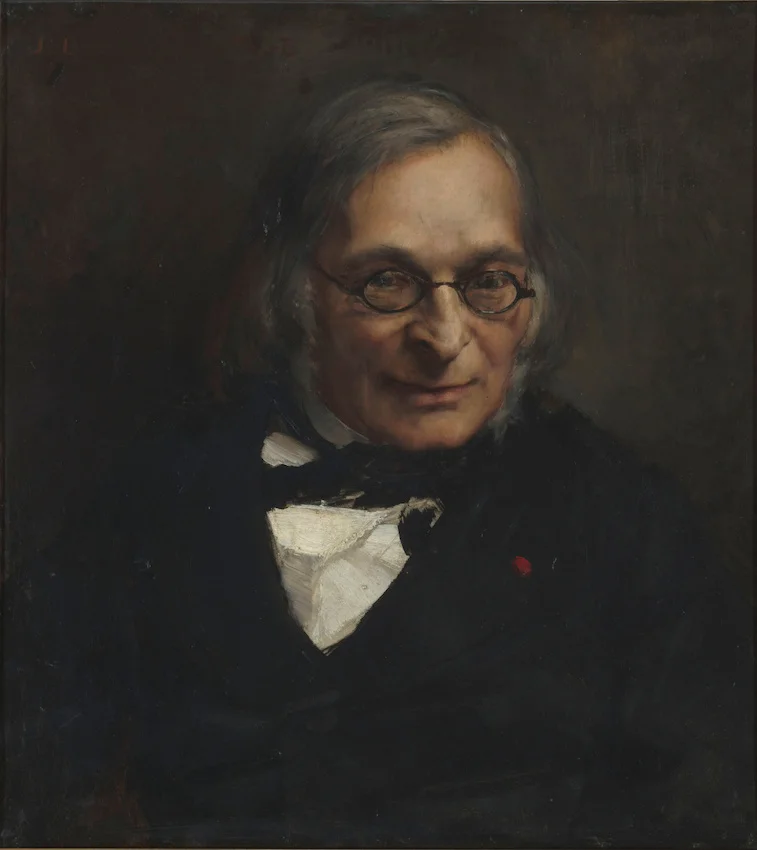
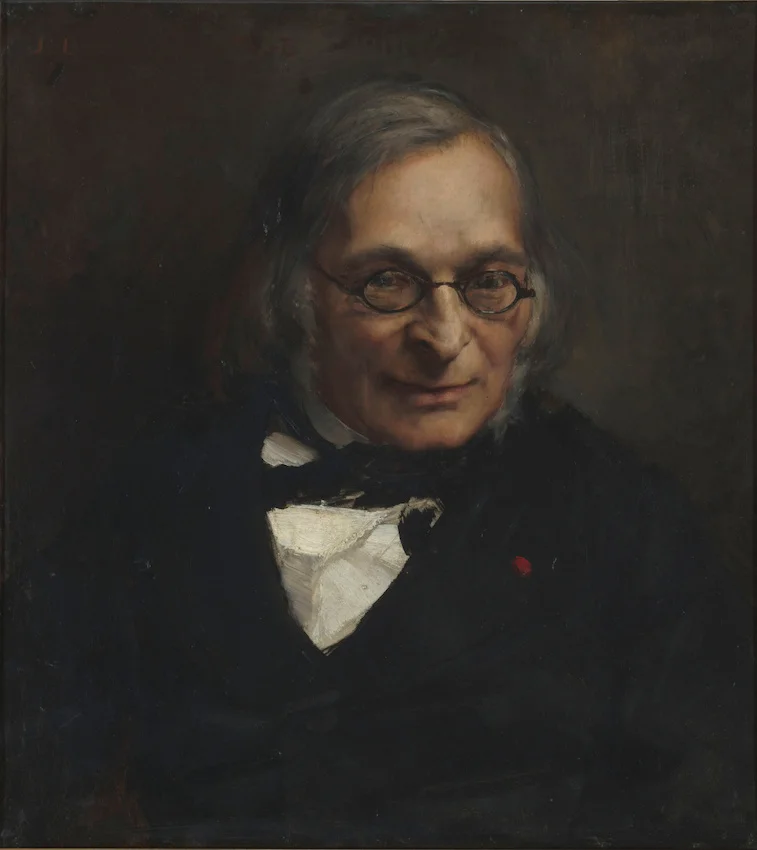
"Pas Mèche" reveals deeper narratives beneath its realistic surface, inviting viewers to explore the social and cultural context of Bastien Lepage’s era. The painting’s subject, a young boy, symbolizes innocence and the simplicity of rural life, aligning with Naturalism’s core values. Collectors looking for a hand-painted oil painting that tells a story may also enjoy pieces like "Simon Hayem" or "Adolphe Franck, French philosopher," which offer rich symbolism and historical significance.
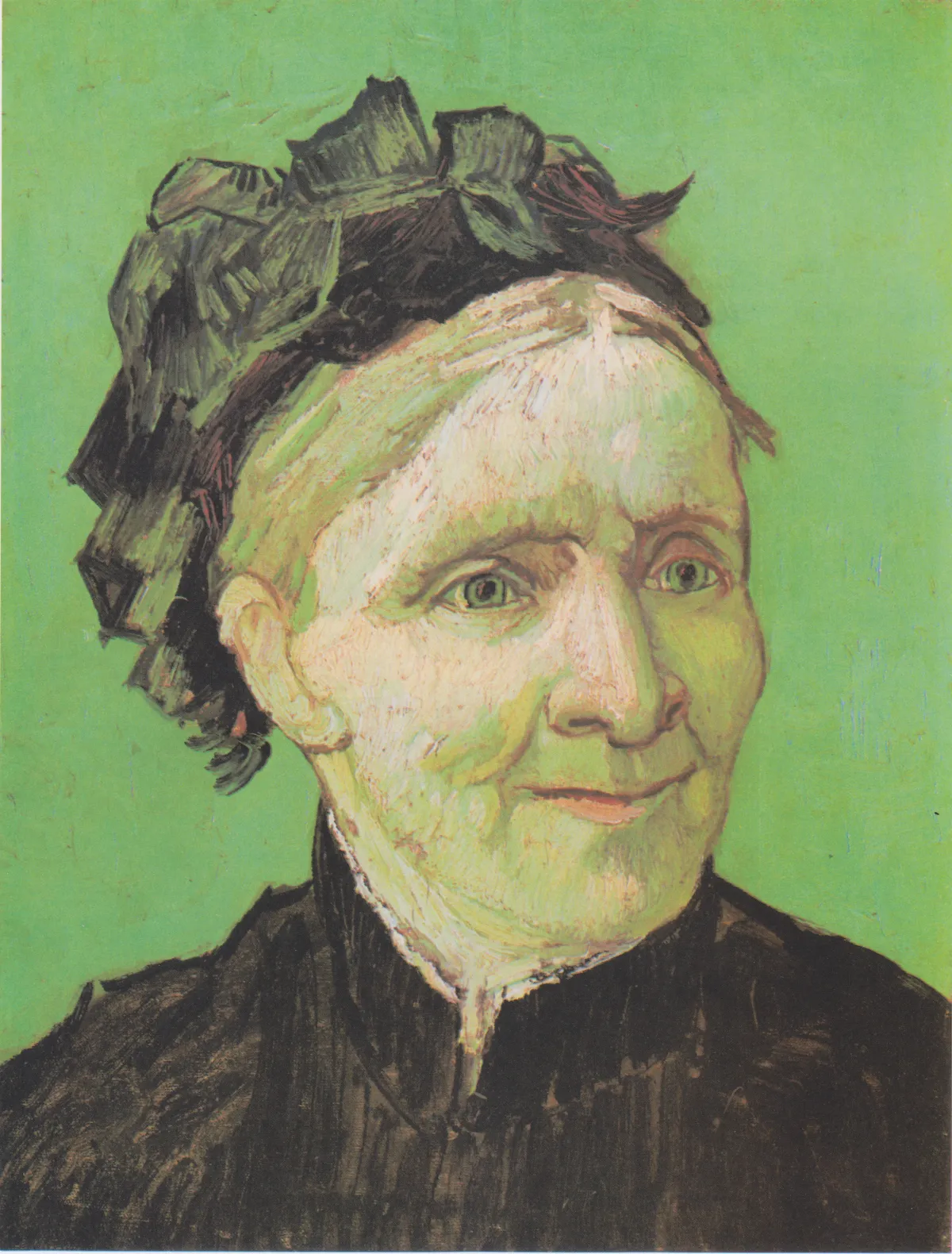
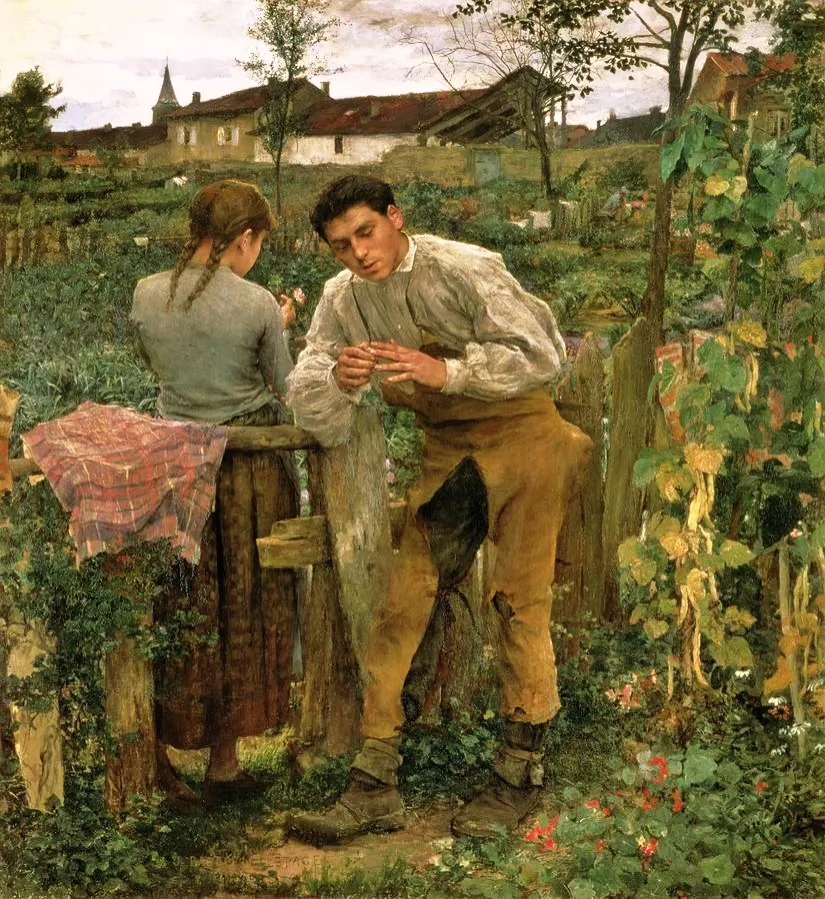
Owning "Pas Mèche" by Bastien Lepage is more than acquiring a beautiful oil on canvas; it is embracing a piece of Naturalism’s legacy. This fine art painting for sale appeals to discerning collectors who value both artistry and history. Complement your collection with related works such as "Village Love" or "Portrait of the artist's mother," each offering unique insights into the lives and stories that shaped the world of French art.
When Art Meets History
"Pas Mèche" by Bastien Lepage stands as a remarkable example of the Naturalism movement, capturing an authentic slice of rural French life in the late 19th century. This hand-painted oil painting reflects Lepage's dedication to depicting everyday people with honesty and empathy. Like his other works—such as "Winter landscape with mallard." and "Blackcocks at the Lek."—Lepage's art bridges the gap between history and daily existence, creating timeless scenes that remain relevant to collectors and art lovers today.
Techniques That Speak
Bastien Lepage’s mastery of oil on canvas shines through in "Pas Mèche," where he skillfully blends soft brushwork with meticulous detail. The painting’s luminous textures and subtle color palette exemplify the Naturalism movement’s focus on lifelike representation. Similar to his works like "King of the roost" and "Bewick's swan.," Lepage’s technical prowess brings each subject to life, making his paintings highly sought after by those who appreciate the enduring beauty of expertly rendered scenes.
Emotions on Display
"Pas Mèche" captures the quiet dignity of rural youth, evoking a powerful emotional response through its authentic portrayal. Bastien Lepage’s sensitivity to his subjects is evident, aligning with the Naturalism movement’s emphasis on genuine emotion. This fine art painting for sale resonates with viewers, much like "Woodcock in a sandy hollow." and his other celebrated pieces, by inviting empathy and reflection on the universal experiences of childhood and simplicity.
Coveted by Collectors
Collectors prize "Pas Mèche" for its evocative realism and historical significance within the Naturalism movement. Bastien Lepage’s oil on canvas masterpieces, including related paintings like "King of the roost" and "Winter landscape with mallard.," are highly valued in the art market. As a fine art painting for sale, "Pas Mèche" not only enriches private collections but also offers a tangible connection to the past, making it an enduring treasure for art enthusiasts worldwide.
Related Naturalism Hand-Painted Oil Paintings by Other Artists
Other Famous Naturalism Artists:
Frequently Asked Questions About Pas Mèche
What is the historical context of "Pas Mèche"?
"Pas Mèche" was created during the late 19th century, a period marked by significant changes in the art world, including the rise of realism and impressionism. Bastien-Lepage, the artist, was influenced by the socio-political landscape of France during this time, which is reflected in his focus on everyday subjects and the lives of ordinary people.
What artistic techniques did Bastien-Lepage employ in "Pas Mèche"?
Bastien-Lepage utilized a combination of naturalism and realism in "Pas Mèche." His technique involved meticulous attention to detail, vibrant color palettes, and a focus on light and shadow, which helped to create a lifelike representation of his subjects.
What themes are explored in "Pas Mèche"?
The painting explores themes of rural life, labor, and the connection between humans and nature. It captures a moment of stillness and contemplation, reflecting the simplicity and beauty of everyday existence.
Who are the figures depicted in "Pas Mèche"?
The figures in "Pas Mèche" are typically representative of the working class, embodying the artist's interest in portraying the dignity and authenticity of rural life. Their expressions and postures convey a sense of introspection and resilience.
What is the significance of the title "Pas Mèche"?
The title "Pas Mèche," which translates to "No Wick," may symbolize a lack of artificiality or pretense in the lives of the subjects depicted. It suggests a return to simplicity and authenticity, aligning with the artist's desire to portray genuine human experiences.
How does "Pas Mèche" reflect the influence of the Realism movement?
"Pas Mèche" exemplifies the Realism movement through its focus on ordinary subjects and everyday life. Bastien-Lepage sought to depict reality without idealization, capturing the true essence of his subjects and their environment.
What role does light play in "Pas Mèche"?
Light is a crucial element in "Pas Mèche," as it enhances the three-dimensionality of the figures and creates a sense of atmosphere. Bastien-Lepage's skillful manipulation of light contributes to the emotional depth of the painting, drawing viewers into the scene.
How does "Pas Mèche" compare to other works by Bastien-Lepage?
What impact did "Pas Mèche" have on contemporary artists?
"Pas Mèche" influenced contemporary artists by demonstrating the value of realism and the importance of depicting everyday life. It encouraged a generation of artists to explore similar themes and techniques, contributing to the evolution of modern art.
What can viewers learn from "Pas Mèche" today?
Viewers can learn about the beauty of simplicity and the importance of authentic representation in art. "Pas Mèche" invites reflection on the lives of ordinary people and the significance of their experiences, reminding us of the enduring value of human connection.






















_GFM_Painting_(1).webp)


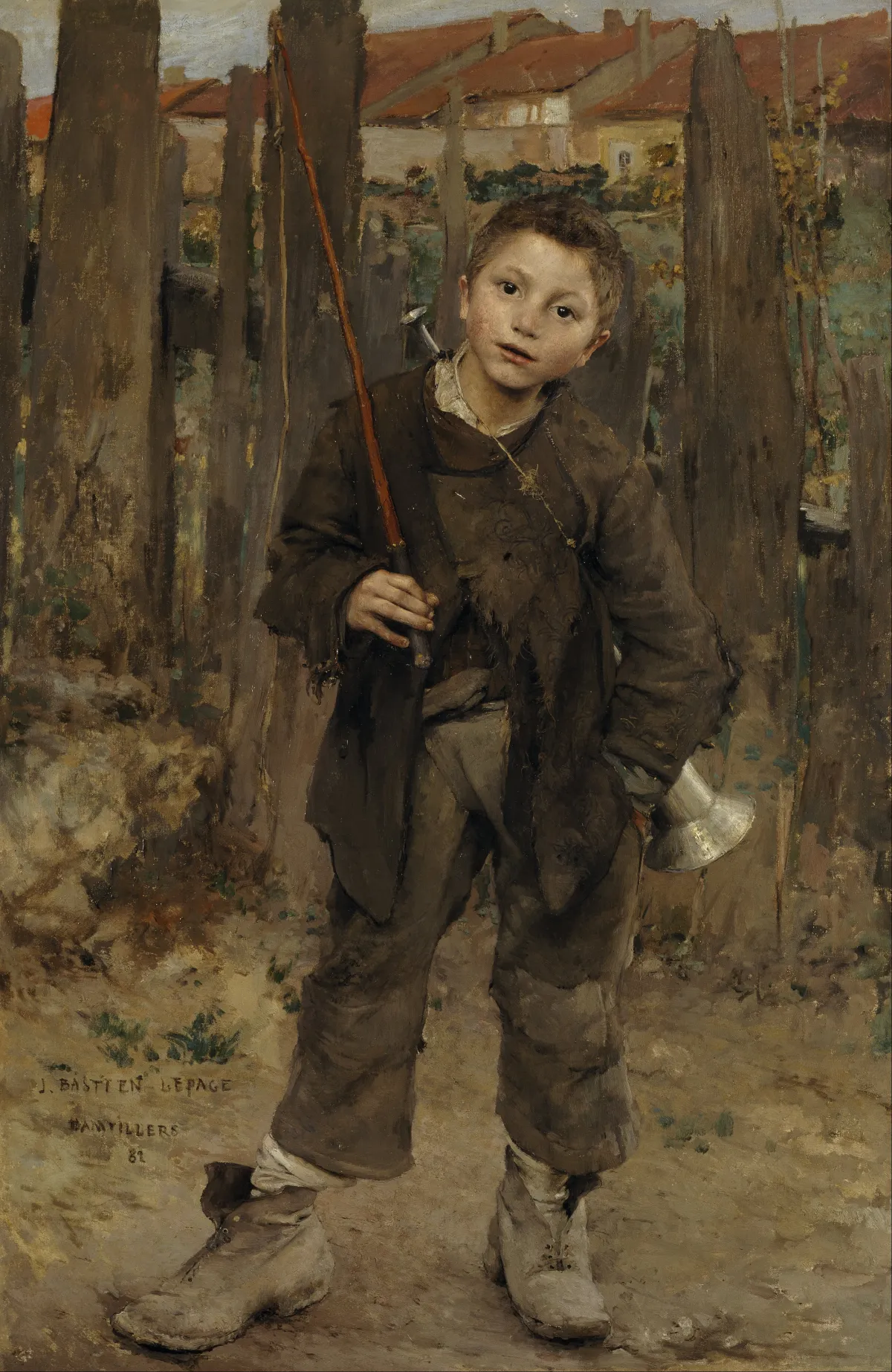
 100% Hand-Painted: Finished in 3-6 Weeks

.png)















_(1).webp)