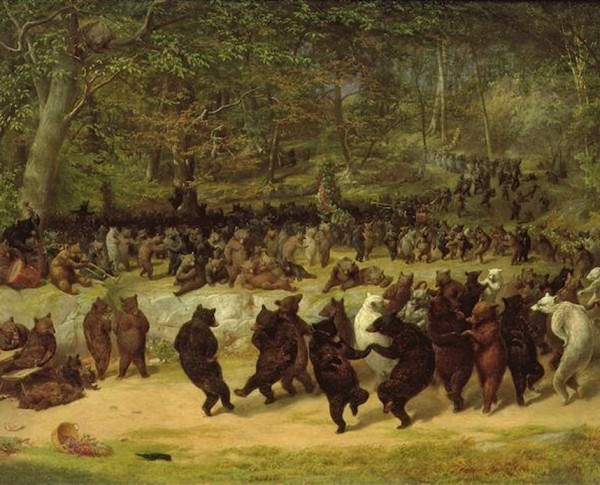
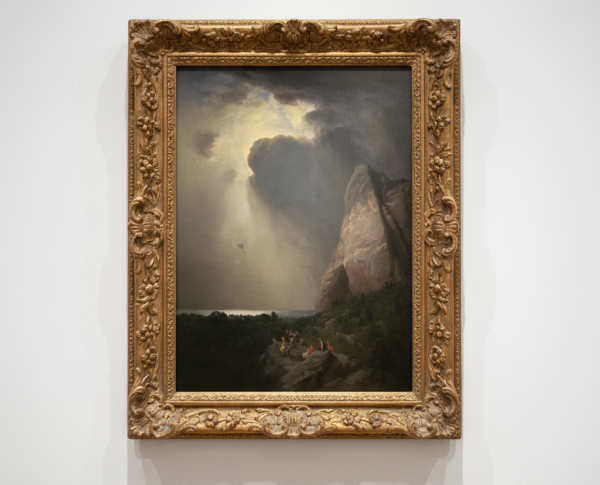
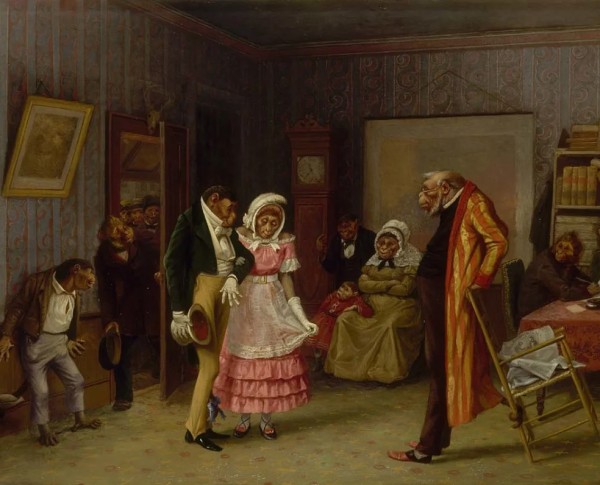
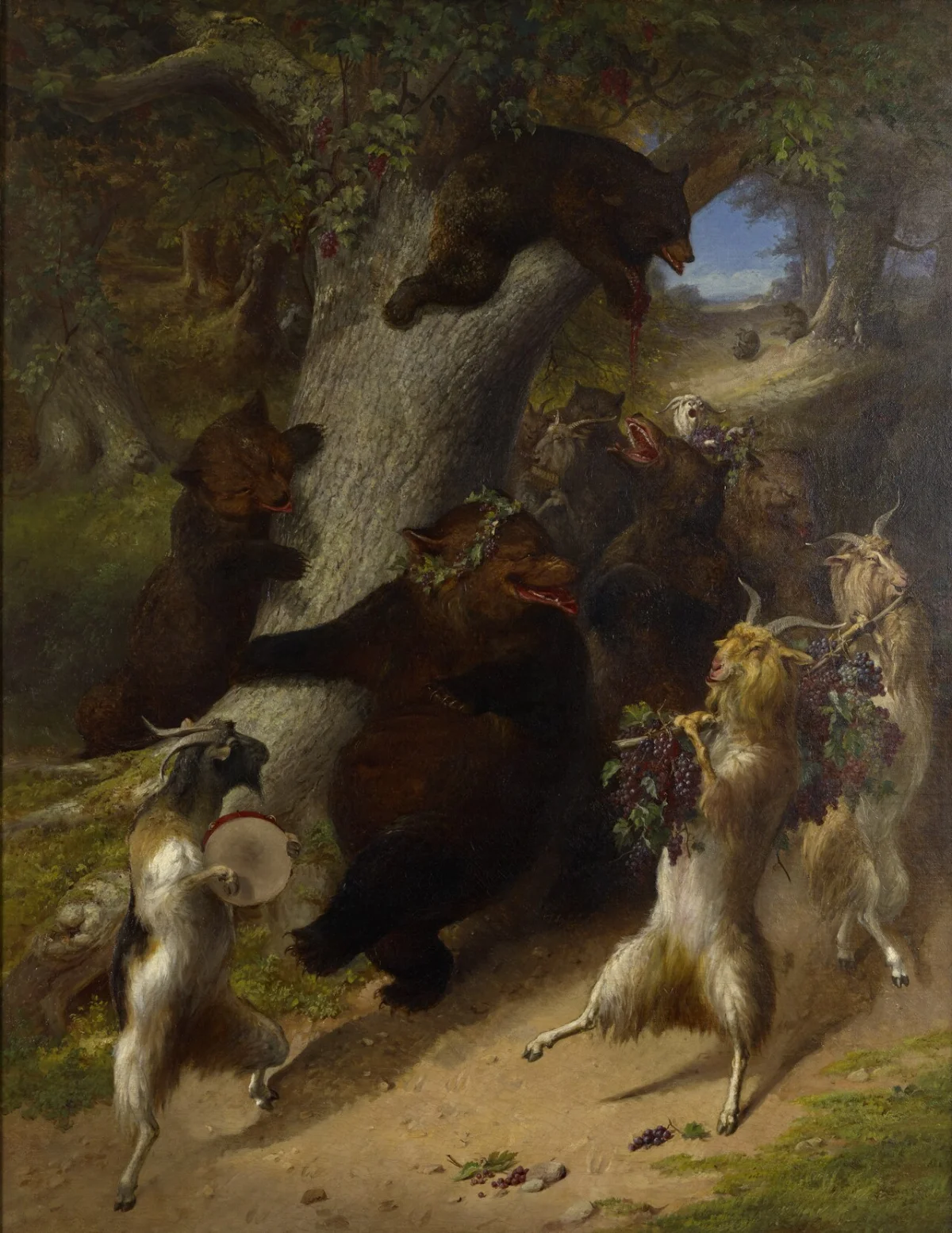
William Holbrook Beard’s technique in "The March of Silenus" demonstrates extraordinary mastery with oil on canvas. Every brushstroke brings to life the expressive figures and lush landscapes that define Romanticism. Beard’s attention to detail and dynamic composition elevate the painting, positioning it alongside masterpieces like "The Runaway Match" and "Santa Claus." The artist’s skill ensures that each oil on canvas work remains a cherished treasure for fine art connoisseurs.
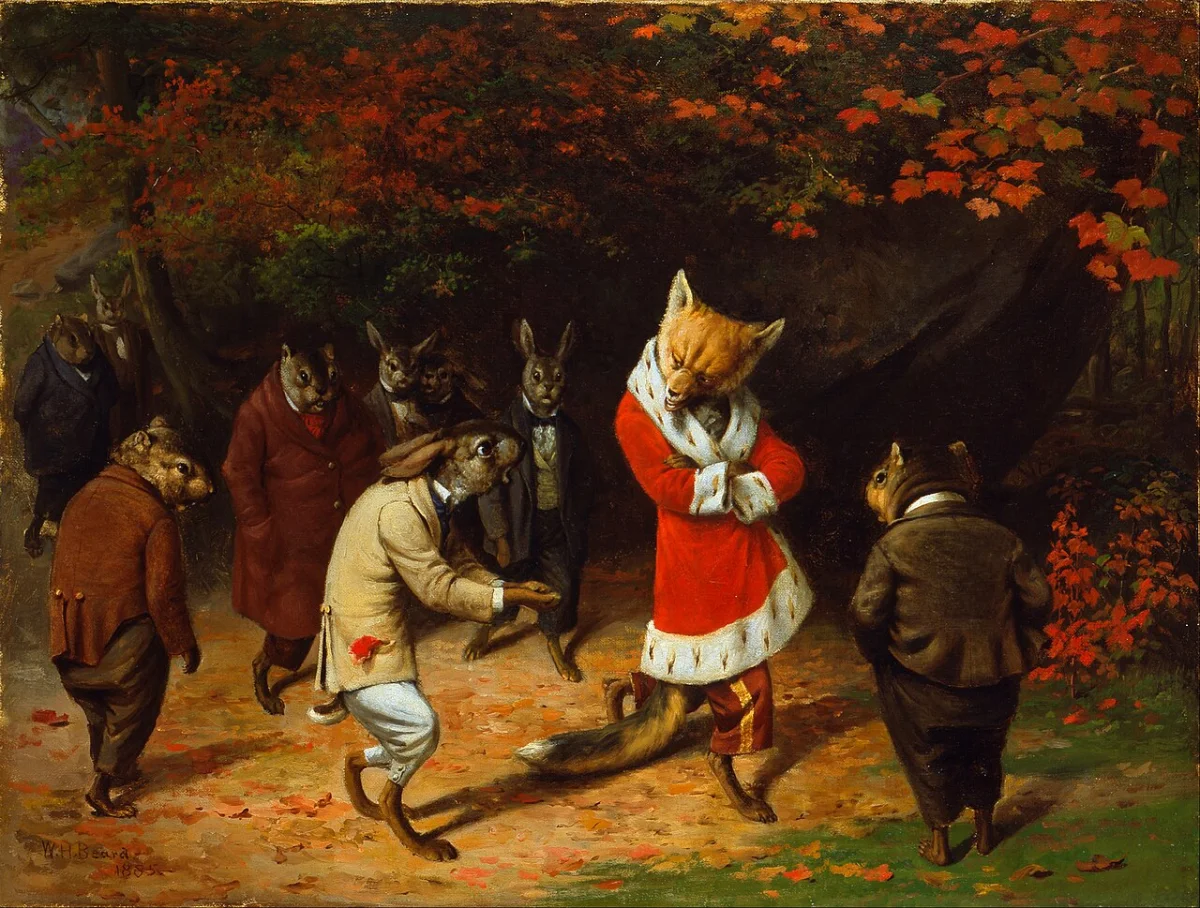
"The March of Silenus" is more than just a fine art painting for sale; it is a rich tapestry of mythological storytelling and symbolism. William Holbrook Beard infuses the scene with allegorical meaning, depicting Silenus and his entourage with playful yet profound imagery. Similar to "His Majesty Receives" and "And The Sky Was Full of Forms," this painting weaves together narrative depth and visual intrigue, making it a compelling addition to any art collection.
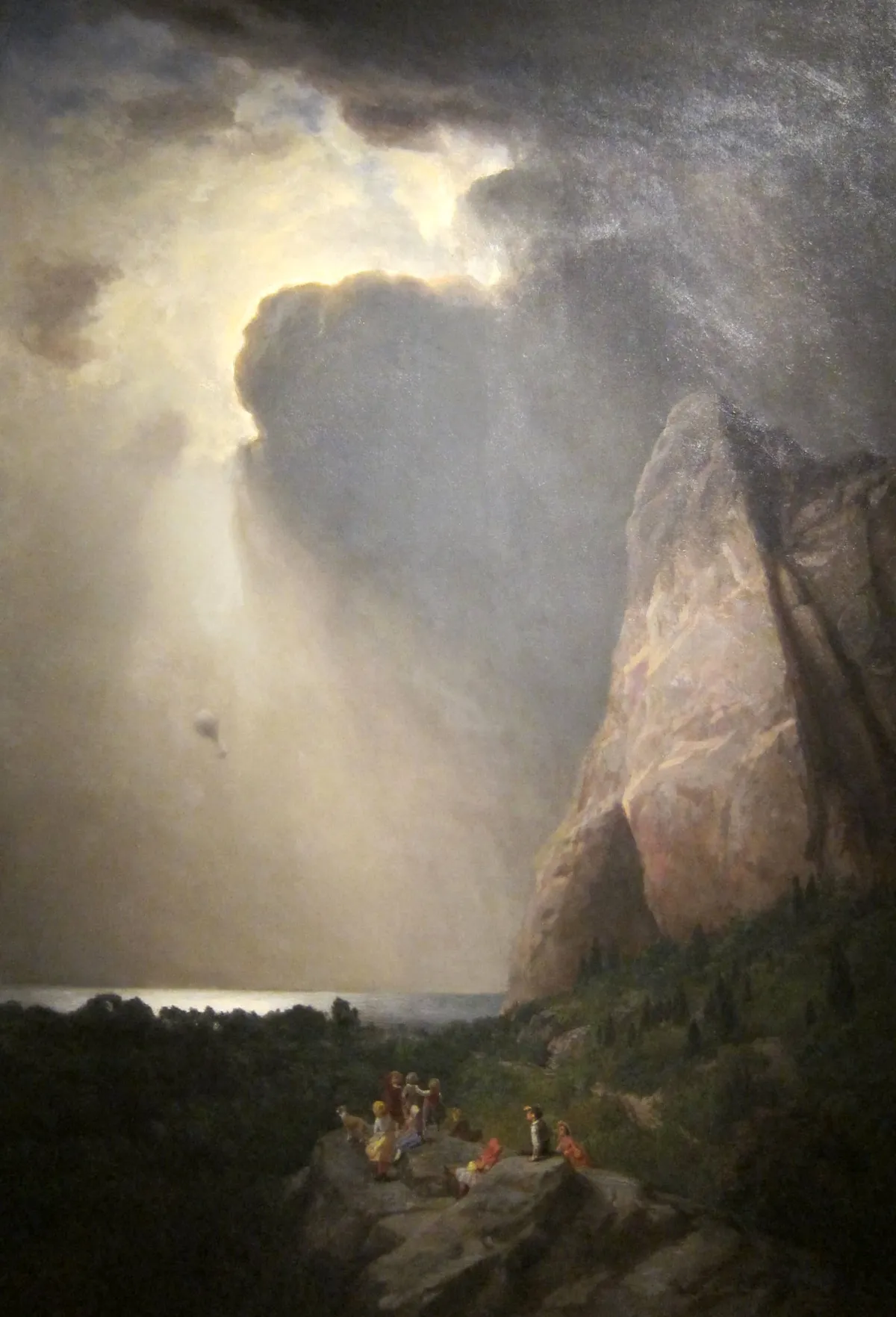
Owning "The March of Silenus" by William Holbrook Beard means acquiring a hand-painted oil painting that exemplifies the Romanticism movement. This exquisite work, along with related products like "The Lost Balloon" and "Santa Claus," is highly sought after by collectors who appreciate historical significance and artistic excellence. Its presence elevates any gallery or home, making it a true collector’s treasure and an enduring testament to Beard’s creative legacy.
When Art Meets History
"The March of Silenus" by William Holbrook Beard is a standout piece from the Romanticism movement, capturing the imagination of art enthusiasts worldwide. This hand-painted oil painting reflects Beard’s fascination with mythological themes, much like other notable works such as "The Burning of the Houses of Lords and Commons" and "Crossing the Brook." Through this masterpiece, Beard invites viewers to explore a historical narrative steeped in legend, making it a truly memorable addition to any collection.
Techniques That Speak
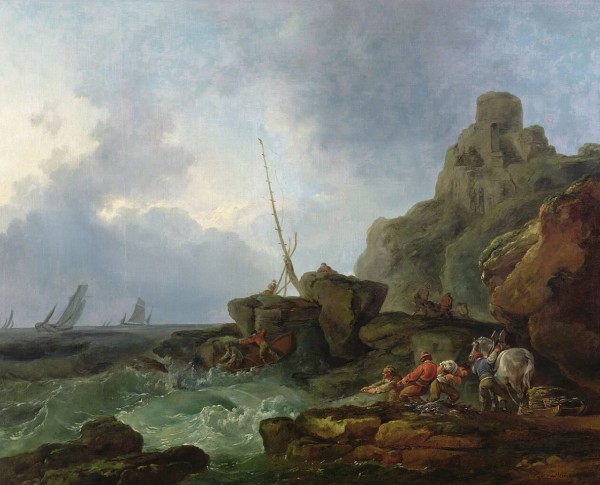
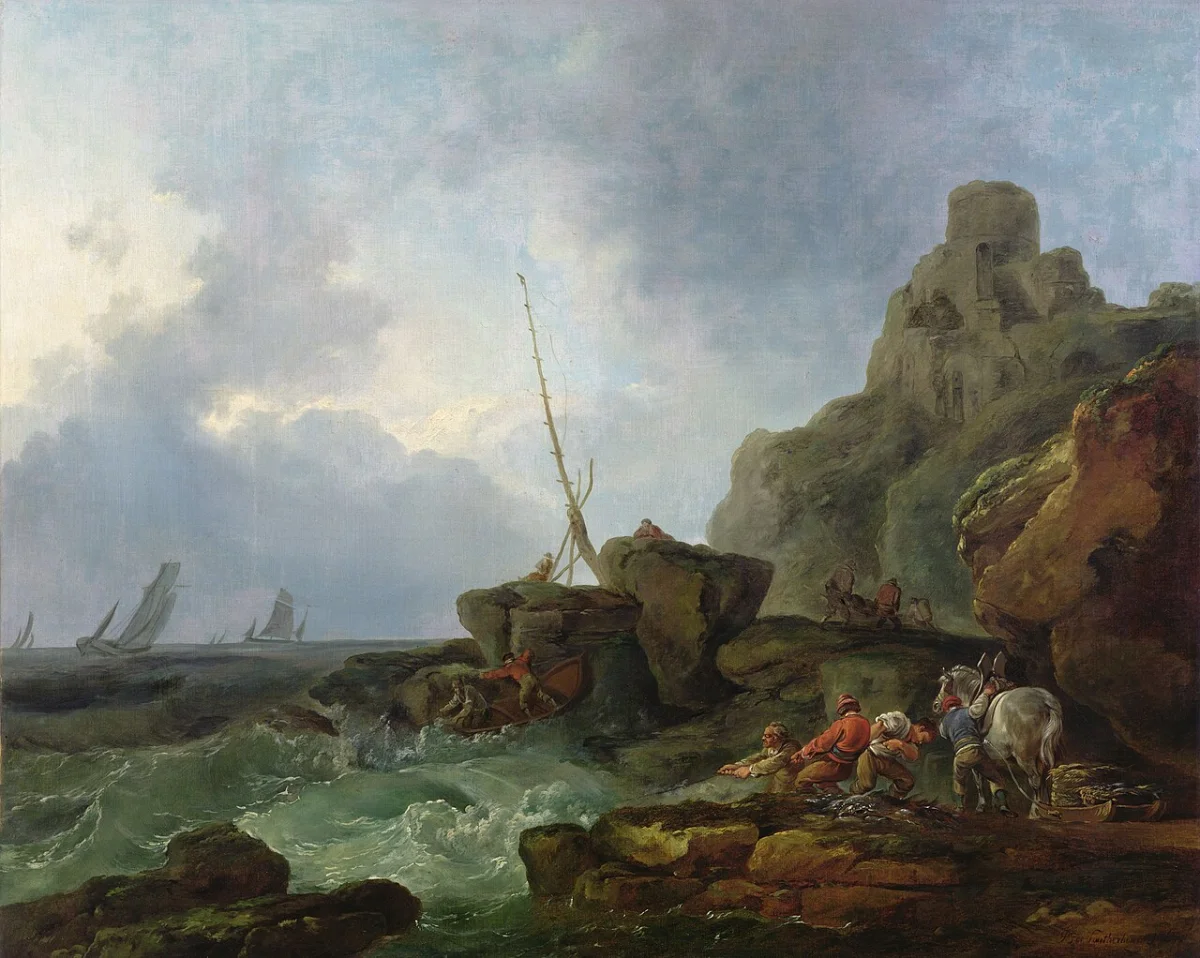
William Holbrook Beard’s "The March of Silenus" exemplifies mastery in oil on canvas, a technique that allows for rich textures and vibrant colors. The artist’s brushwork and attention to detail are reminiscent of other Romanticism-era pieces like "Riding out a Gale" and "Marine." The subtle blending and layering of paints bring depth and life to the figures, showcasing Beard’s skill in creating dynamic compositions that captivate the viewer’s gaze.
Emotions on Display
This fine art painting for sale captures the emotional intensity typical of Romanticism, with "The March of Silenus" expressing both exuberance and mystery. Beard’s depiction of mythological characters resonates with the same passion found in works like "Ship at Sea" and "Sunset." The painting’s dramatic contrasts and evocative imagery invite viewers to experience a whirlwind of feelings, making it a compelling choice for those who appreciate emotionally charged artwork.
Coveted by Collectors
"The March of Silenus" by William Holbrook Beard is highly sought after by art collectors who value exceptional hand-painted oil paintings from the Romanticism movement. Its connection to other celebrated works such as "Crossing the Brook" and "Marine" further enhances its desirability. Owning this piece means possessing a remarkable example of nineteenth-century artistry, sure to be a focal point in any fine art collection and a conversation starter for years to come.
Related Romanticism Hand-Painted Oil Paintings by Other Artists
Other Famous Romanticism Artists:
Frequently Asked Questions About The March of Silenus
What is the historical context of "The March of Silenus"?
"The March of Silenus" was painted in the late 19th century, a time when American art was increasingly influenced by European styles and themes. The painting reflects the Romantic movement's fascination with nature, mythology, and the human condition.
Who is Silenus, and what does he represent in the painting?
Silenus is a figure from Greek mythology, often depicted as a companion of Dionysus, the god of wine and revelry. In this painting, he symbolizes the duality of human nature, embodying both the joys and excesses of life.
What artistic techniques did William Holbrook Beard use in this painting?
Beard employed a combination of realism and romanticism, utilizing vibrant colors and dynamic compositions to convey movement and emotion. His attention to detail in the figures and landscape enhances the narrative quality of the work.
How does "The March of Silenus" reflect the themes of nature and humanity?
The painting juxtaposes the natural world with human folly, illustrating the relationship between mankind and nature. The revelers' interaction with the lush surroundings emphasizes the theme of harmony and discord inherent in human existence.
What is the significance of the figures accompanying Silenus in the painting?
The figures surrounding Silenus represent various aspects of human behavior, from joy and celebration to chaos and excess. Their expressions and postures convey a sense of abandon, highlighting the consequences of indulgence.
How does Beard's portrayal of Silenus differ from traditional depictions?
Unlike traditional portrayals that often depict Silenus as a wise, albeit drunken, figure, Beard's Silenus is more playful and chaotic, reflecting the artist's interpretation of the character as a symbol of uninhibited revelry and the darker sides of human nature.
What role does color play in "The March of Silenus"?
Color in this painting is used to evoke emotion and atmosphere. The rich, warm tones create a sense of vibrancy and life, while cooler shades in the background suggest depth and contrast, enhancing the overall narrative of the scene.
In what ways does "The March of Silenus" reflect Beard's artistic philosophy?
Beard's artistic philosophy often centered on the exploration of human nature through the lens of humor and satire. This painting encapsulates that philosophy by presenting a playful yet critical view of humanity's relationship with pleasure and excess.
What impact did "The March of Silenus" have on American art in its time?
The painting contributed to the dialogue around American identity and the role of mythology in art. It encouraged other artists to explore themes of nature and human behavior, influencing the development of American realism and romanticism.
How is "The March of Silenus" received by contemporary audiences?
Contemporary audiences appreciate "The March of Silenus" for its rich narrative and vibrant execution. It invites viewers to reflect on the complexities of human nature and the timeless themes of indulgence and consequence, making it relevant even today.






















_GFM_Painting_(1).webp)


 100% Hand-Painted: Finished in 3-6 Weeks

.png)















_(1).webp)