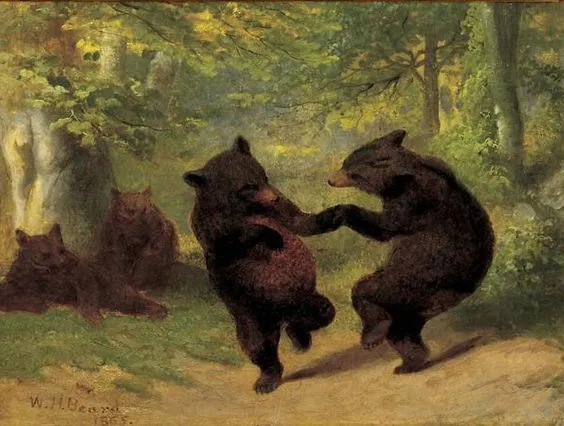
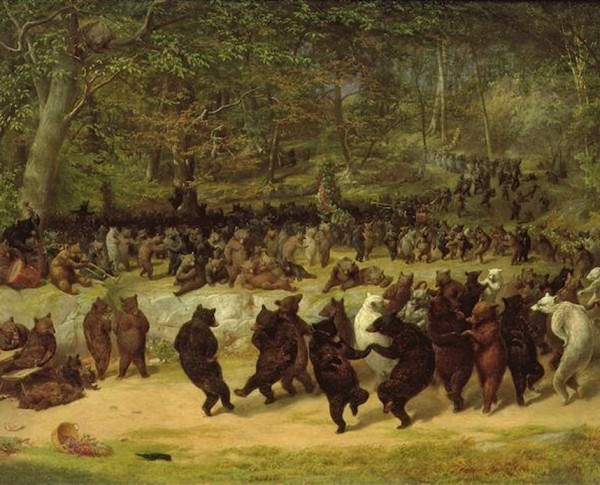
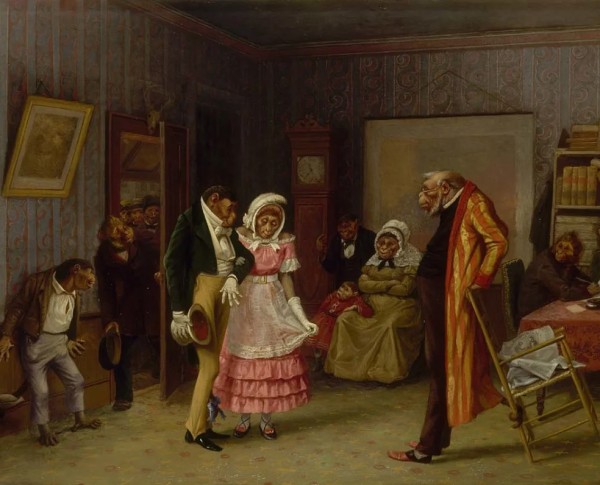
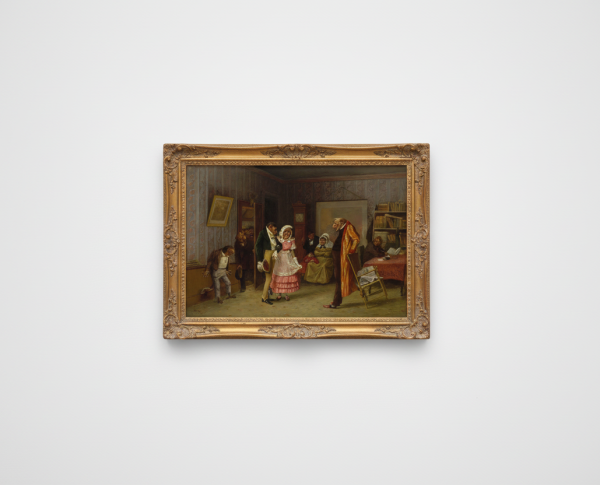
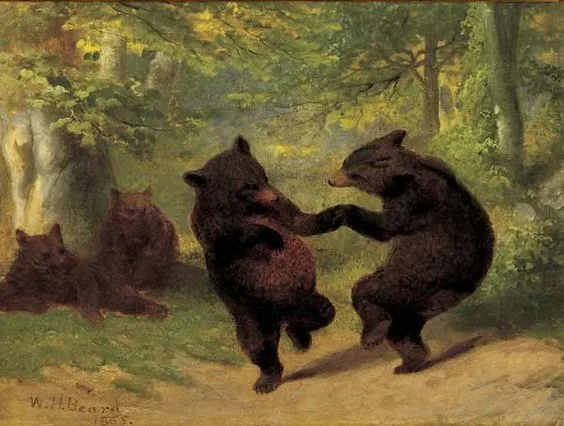
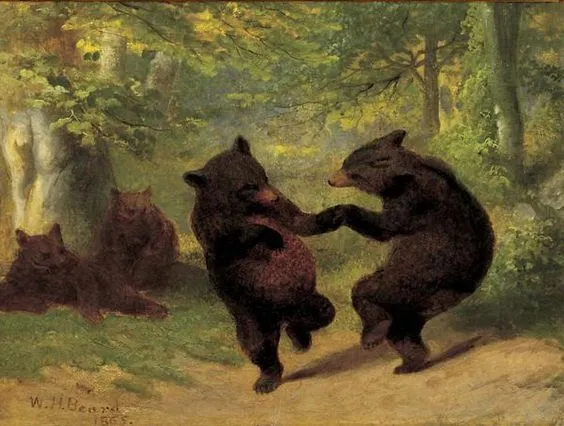
William Holbrook Beard’s "Dancing Bears" is an exquisite oil on canvas, showcasing the artist’s technical brilliance and expressive brushwork. The lively bears, painted in delightful motion, are rendered with careful attention to detail and texture. This piece, like "Power of Death" and "The Discovery of Adam," demonstrates how Romanticism artists used oil on canvas to evoke emotion and tell stories through their fine art painting for sale.
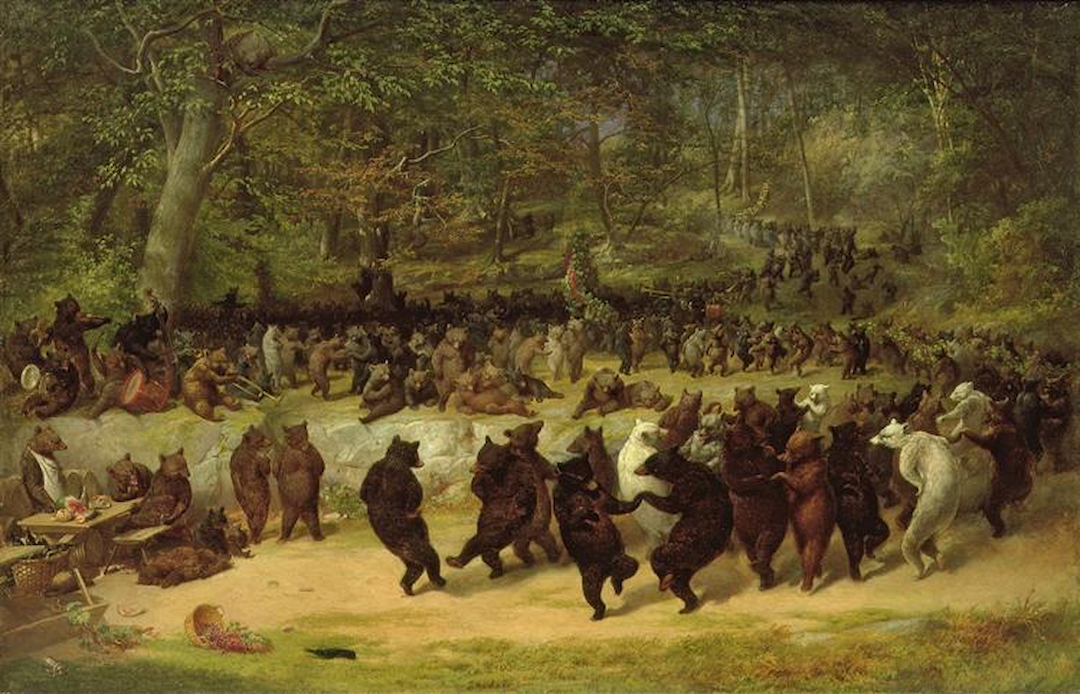
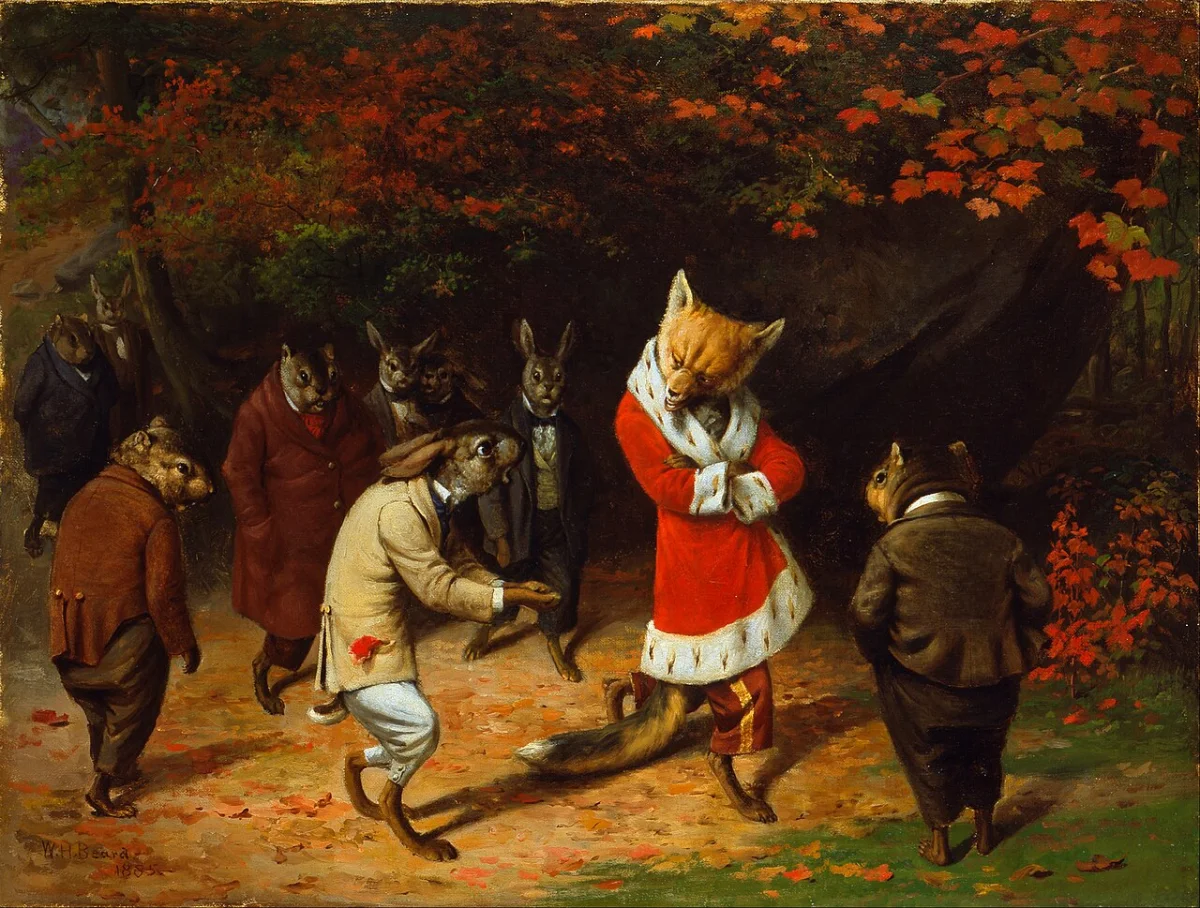
In "Dancing Bears," Beard weaves a narrative full of playful symbolism, a hallmark of the Romanticism movement. The hand-painted oil painting invites viewers to interpret the bears’ dance as a commentary on society and nature’s interconnectedness. Beard’s imaginative approach can also be seen in related works like "His Majesty Receives" and "Teddy's Christmas Greeting," each fine art painting for sale continuing his legacy of storytelling through art.
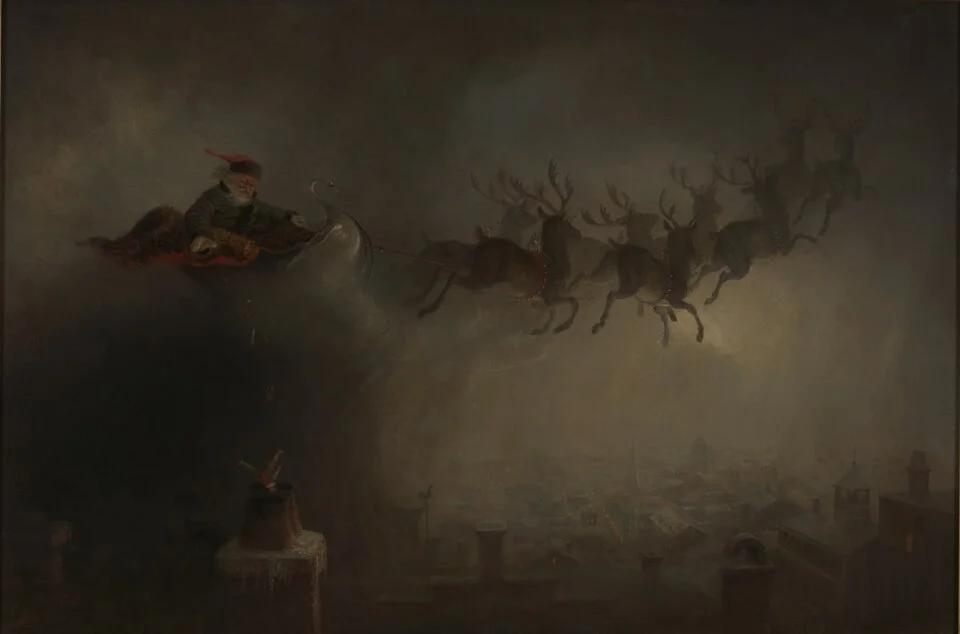
Owning "Dancing Bears" by William Holbrook Beard means possessing a piece of Romanticism history. This oil on canvas masterpiece is highly coveted among collectors seeking a unique fine art painting for sale. Beard’s reputation, bolstered by iconic works such as "Santa Claus" and "The Trapper," ensures that his art remains a valuable and cherished addition to any collection, reflecting both artistic mastery and historical significance.
When Art Meets History
"Dancing Bears" by William Holbrook Beard is a remarkable hand-painted oil painting that brings the Romanticism movement to life. Created during a time when artists delved into emotion and nature, Beard’s work stands out among fine art of the era. Much like related paintings such as "The Slave Ship" and "The Fighting Temeraire," "Dancing Bears" captures a unique historical narrative, reflecting the social and cultural context that shaped Romanticism and Beard’s artistic vision.
Techniques That Speak
William Holbrook Beard’s masterful use of oil on canvas in "Dancing Bears" demonstrates his incredible attention to detail and texture. The painting’s rich brushwork and vibrant colors evoke the spirit of Romanticism, a movement known for its dramatic and expressive techniques. Similar to "Fishermans Home" and "Dawn at the Alamo," Beard’s approach in this work showcases his ability to animate scenes with lifelike depth, making "Dancing Bears" a standout example of technical prowess.
Emotions on Display
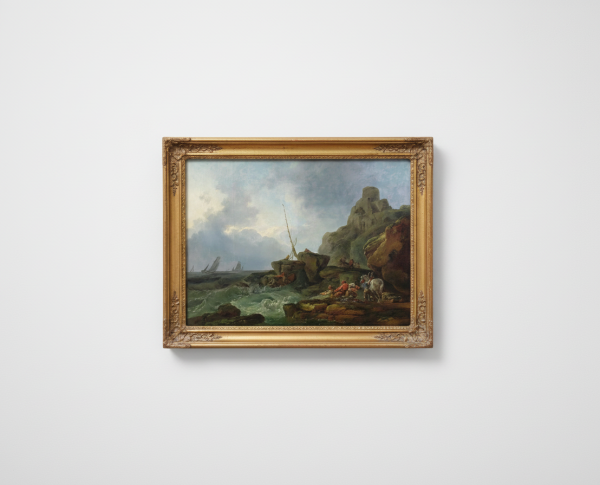
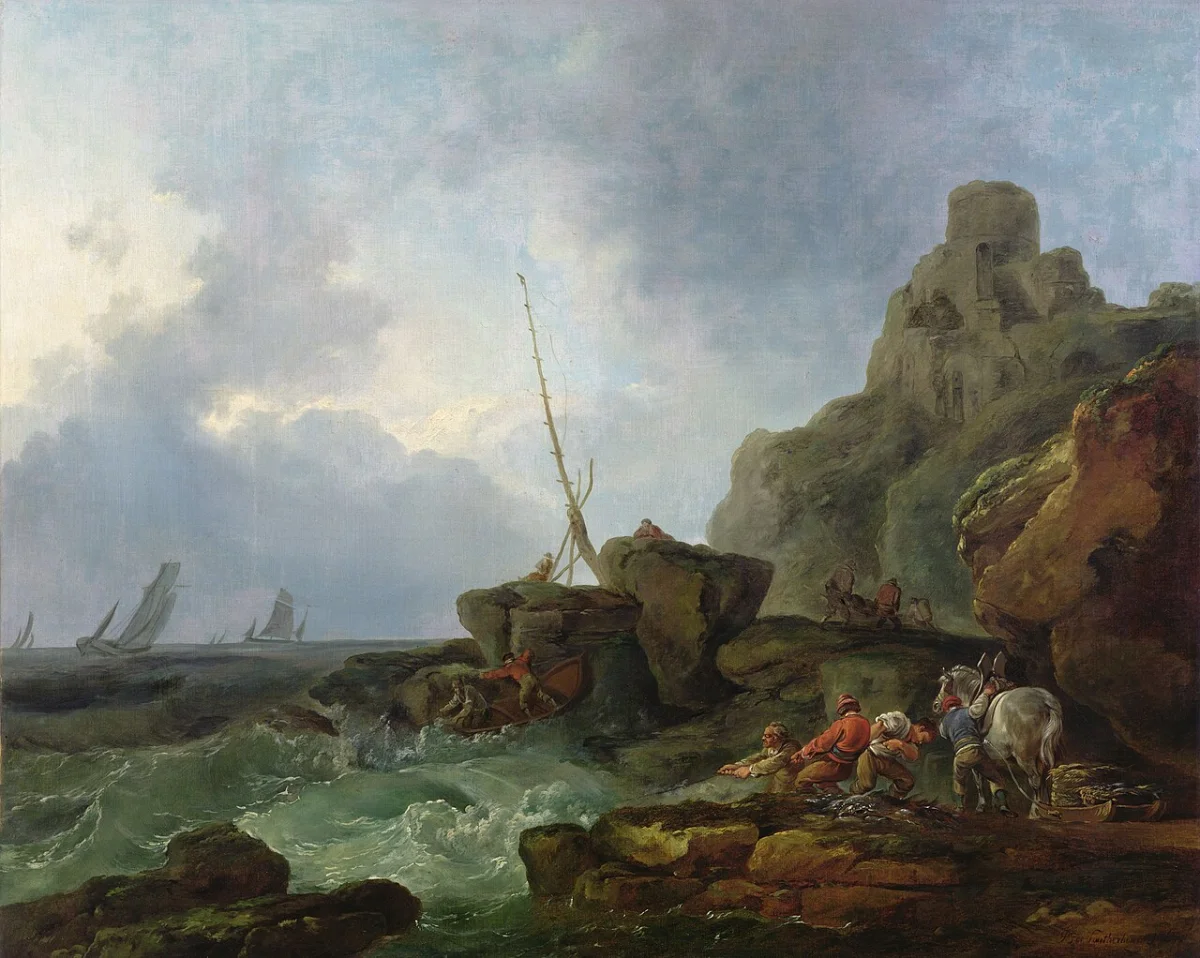
In "Dancing Bears," Beard channels the emotional intensity that defines the Romanticism movement, inviting viewers to connect with the playful yet poignant scene. Like "Fishing Boats Beating up to Windward," this fine art painting for sale exudes a sense of movement and feeling that touches the heart. The expressive faces and dynamic poses of the bears highlight Beard’s skill in conveying complex emotions, making this piece captivating for art enthusiasts and collectors alike.
Coveted by Collectors
"Dancing Bears" remains a sought-after piece among collectors who appreciate the unique blend of whimsy and depth found in Romanticism. As a hand-painted oil painting by William Holbrook Beard, it holds significant value, much like related works such as "The Slave Ship" and "The Fighting Temeraire." The enduring appeal of this artwork lies in its masterful execution and rich storytelling, making it a prized addition to any fine art collection.
Related Romanticism Hand-Painted Oil Paintings by Other Artists
Other Famous Romanticism Artists:
Frequently Asked Questions About Dancing Bears
What is the historical context of "Dancing Bears"?
"Dancing Bears," created by William Holbrook Beard in the late 19th century, reflects the era's fascination with wildlife and the human-animal relationship, particularly in the context of entertainment and circuses that were popular during that time.
What artistic techniques did William Holbrook Beard employ in "Dancing Bears"?
Beard utilized a combination of realism and whimsy in "Dancing Bears," employing detailed brushwork to depict the bears and a vibrant color palette to enhance the playful atmosphere of the scene.
What symbolic meanings can be derived from the bears in the painting?
The bears in "Dancing Bears" symbolize the tension between nature and civilization, representing how wild animals were often tamed and exploited for entertainment, thus raising questions about ethics and humanity's relationship with nature.
How does "Dancing Bears" reflect the themes of the American Romantic movement?
The painting embodies the American Romantic movement's themes by celebrating nature and the emotional connection between humans and animals, while also critiquing the commodification of wildlife for amusement.
What role does humor play in "Dancing Bears"?
Humor is a significant aspect of "Dancing Bears," as Beard's portrayal of the bears engaging in a playful dance invites viewers to laugh while simultaneously prompting reflection on the absurdity of the situation.
In what ways does "Dancing Bears" reflect societal attitudes towards animals in the 19th century?
The painting illustrates the 19th-century societal attitudes that viewed animals as sources of entertainment, often disregarding their natural behaviors and welfare, which was a common practice in circuses and exhibitions of that era.
What influences can be seen in Beard's style in "Dancing Bears"?
Beard's style in "Dancing Bears" shows influences from both the Hudson River School and the genre painting traditions, blending naturalistic landscapes with narrative elements that engage the viewer's imagination.
How does the composition of "Dancing Bears" contribute to its overall impact?
The composition of "Dancing Bears" draws the viewer's eye towards the central action of the bears dancing, while the surrounding environment enhances the playful mood, creating a dynamic interaction between the figures and their setting.
What is the significance of the title "Dancing Bears"?
The title "Dancing Bears" encapsulates the essence of the painting, highlighting the central theme of animal performance and the juxtaposition of the natural world with human entertainment practices.
How has "Dancing Bears" been received by art critics and historians over the years?
Over the years, "Dancing Bears" has been recognized for its unique blend of humor and critique, with art critics and historians noting Beard's ability to provoke thought about the ethical implications of animal entertainment while showcasing his artistic skill.






















_GFM_Painting_(1).webp)


 100% Hand-Painted: Finished in 3-6 Weeks

.png)















_(1).webp)