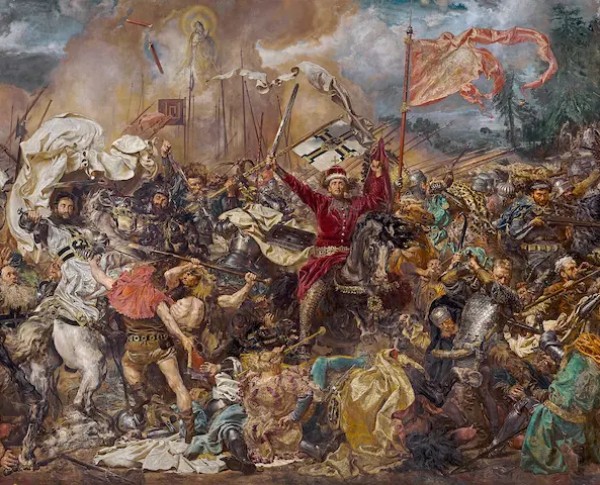
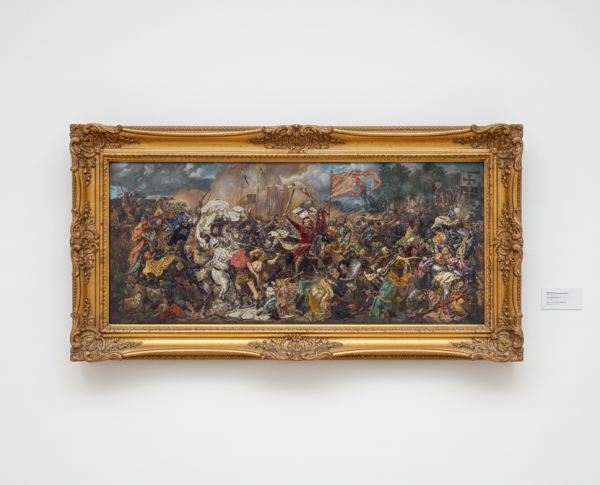
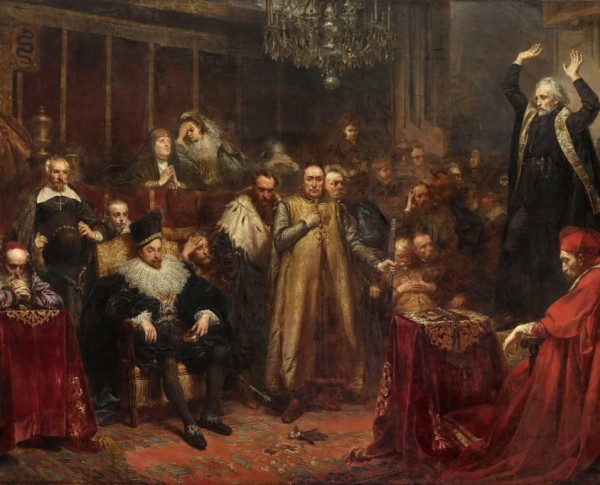
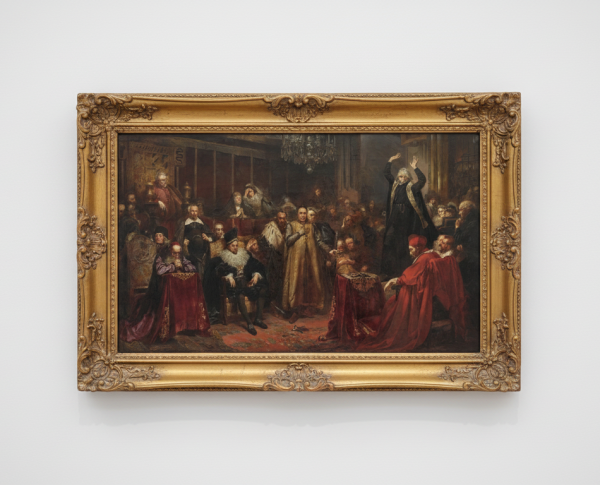
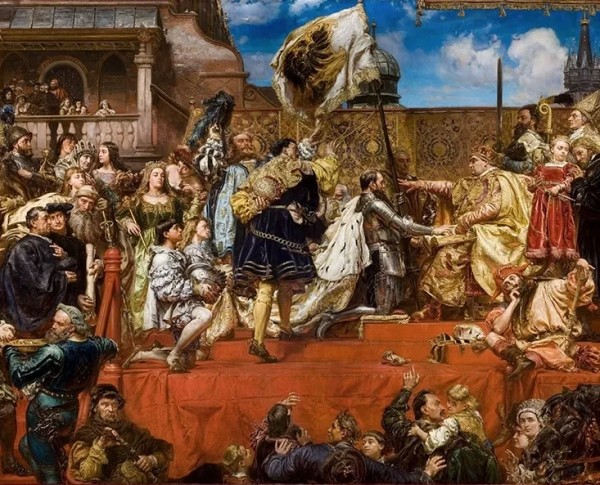
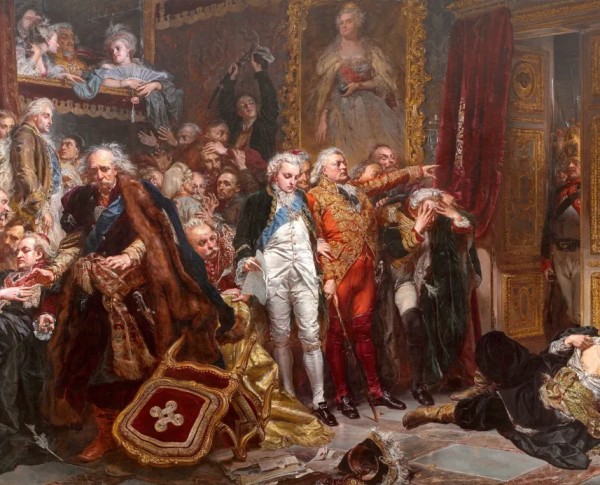
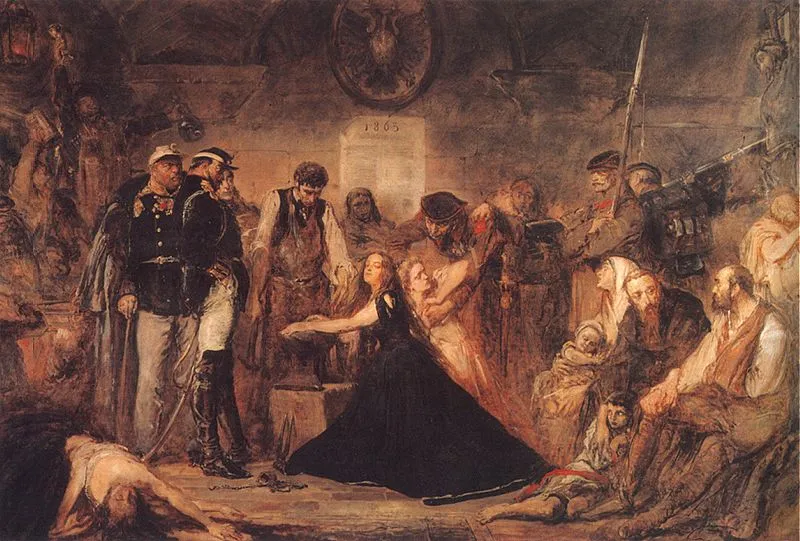
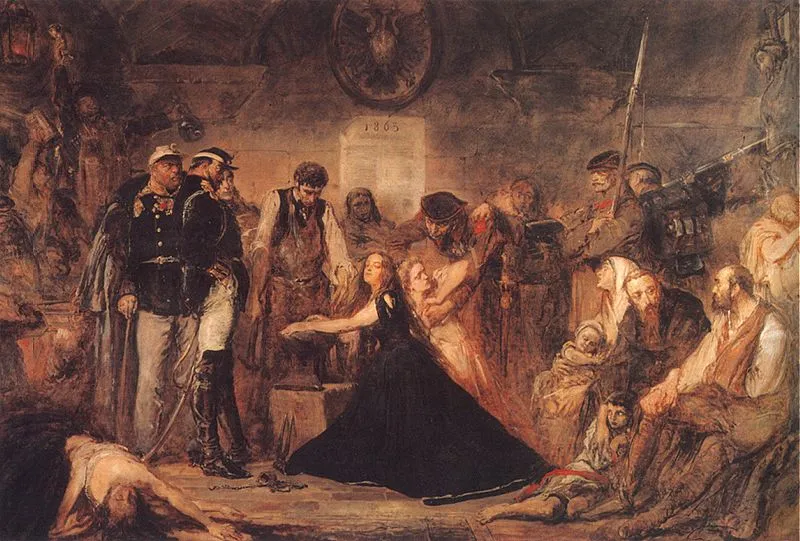
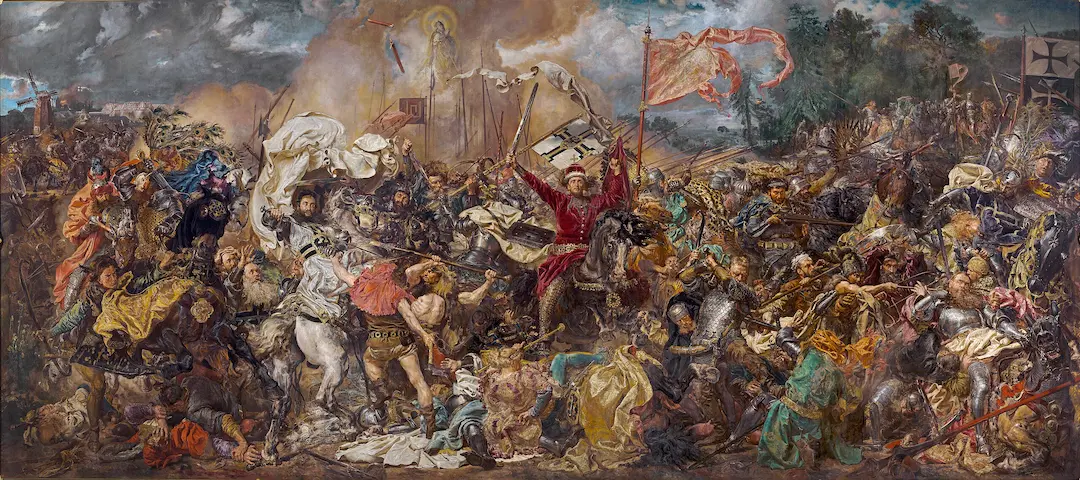
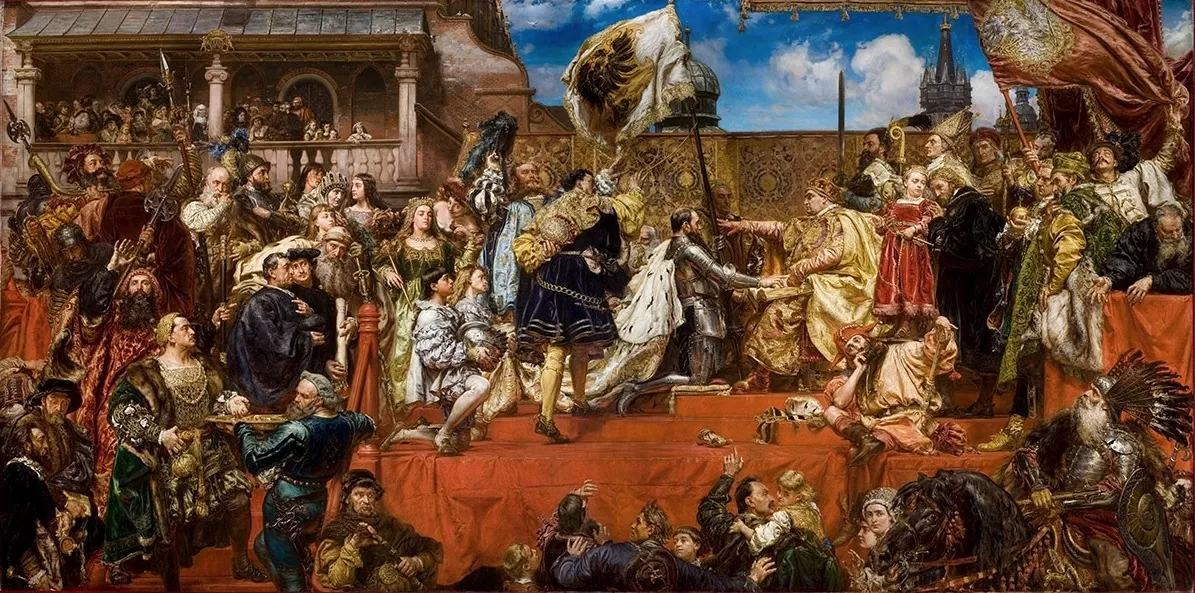
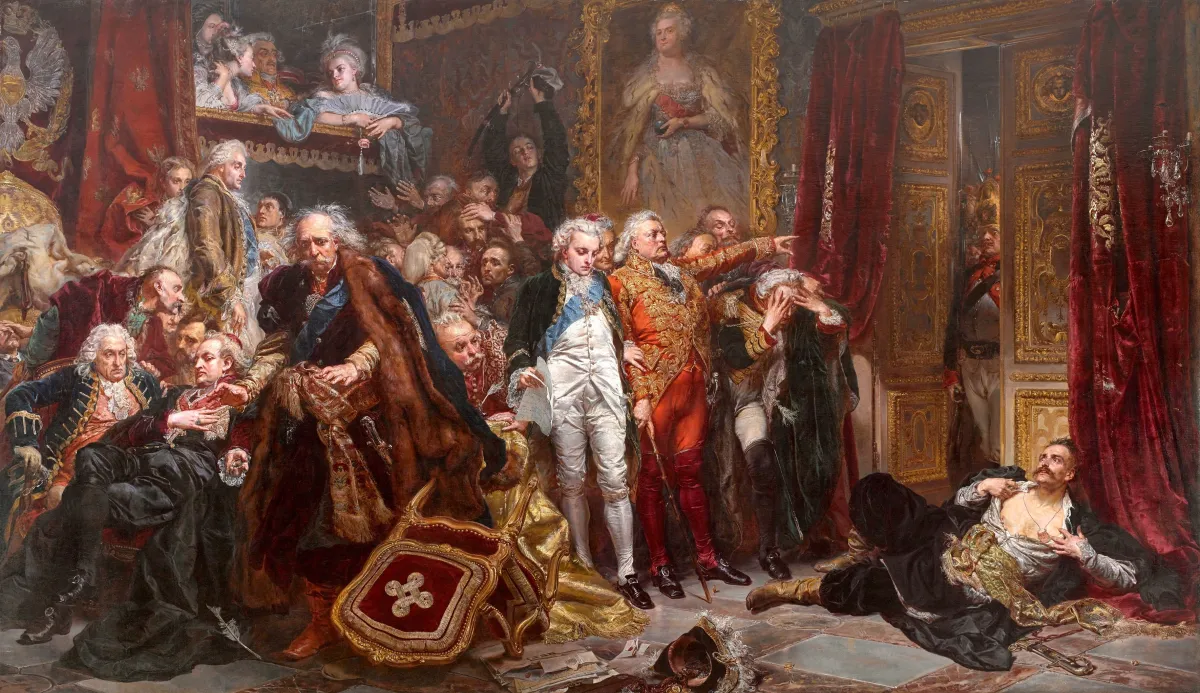
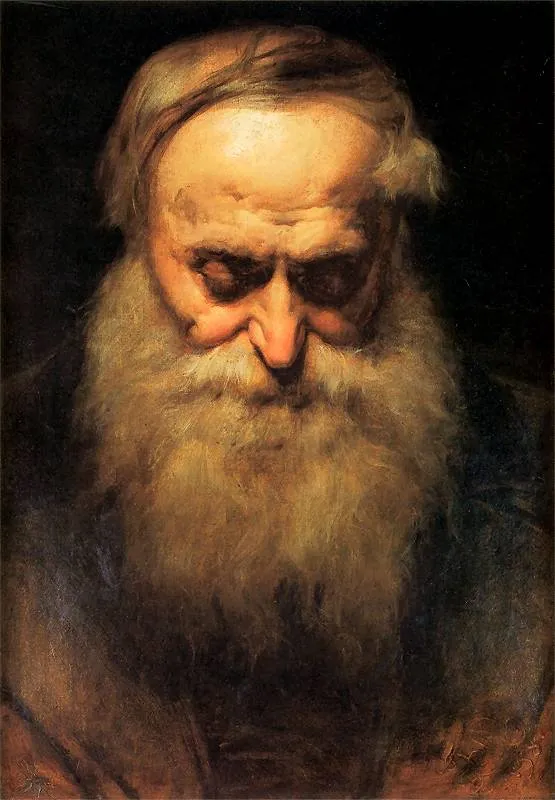
Jan Matejko’s technical prowess shines in "Polonia," where oil on canvas brings to life intricate costumes, expressive faces, and dramatic lighting. The painting is a prime example of Historicism, a movement that celebrates the past through detailed representation. Art lovers who appreciate "Polonia" may also be drawn to related works such as "Rejtan" or "Old man's head," each demonstrating Matejko’s exceptional skill with oil on canvas and his deep understanding of historical context.
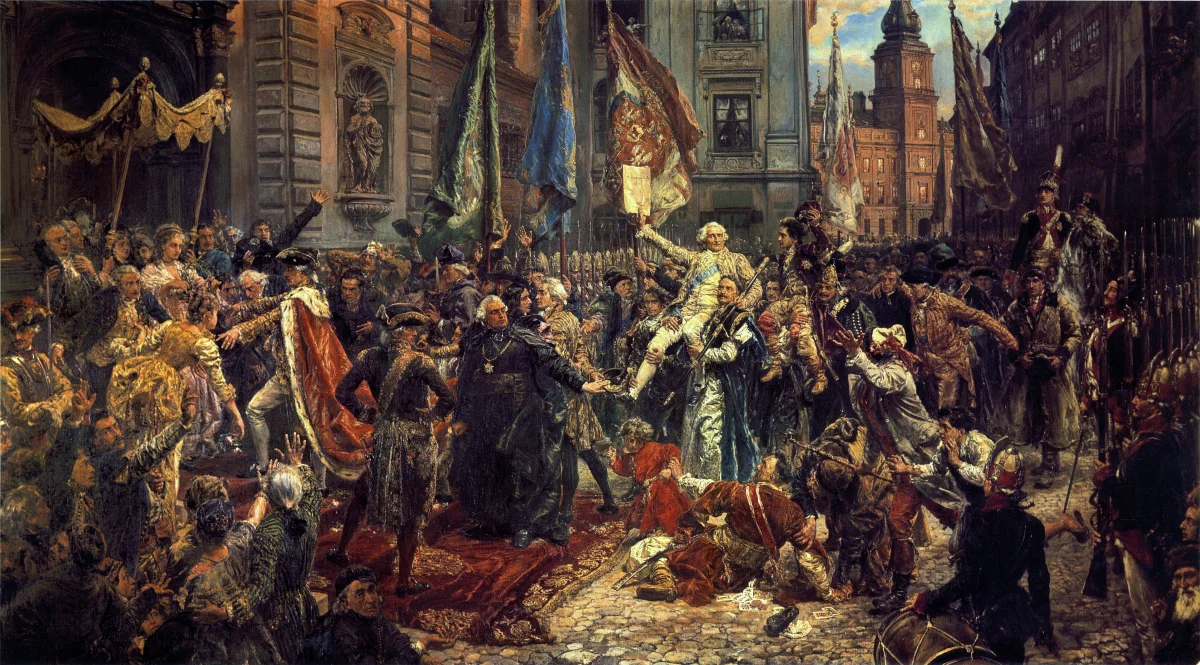
Every element in "Polonia" is rich with symbolism, capturing the complexities of Poland’s history and identity. Jan Matejko weaves subtle references into this fine art painting for sale, encouraging viewers to explore its deeper meanings. The painting’s themes are echoed in his other works, including "Jan Kochanowski over the dead body of his daughter" and "Hanging of the Sigismund bell at the cathedral tower in 1521 in Kraków," all pivotal to the Historicism movement.
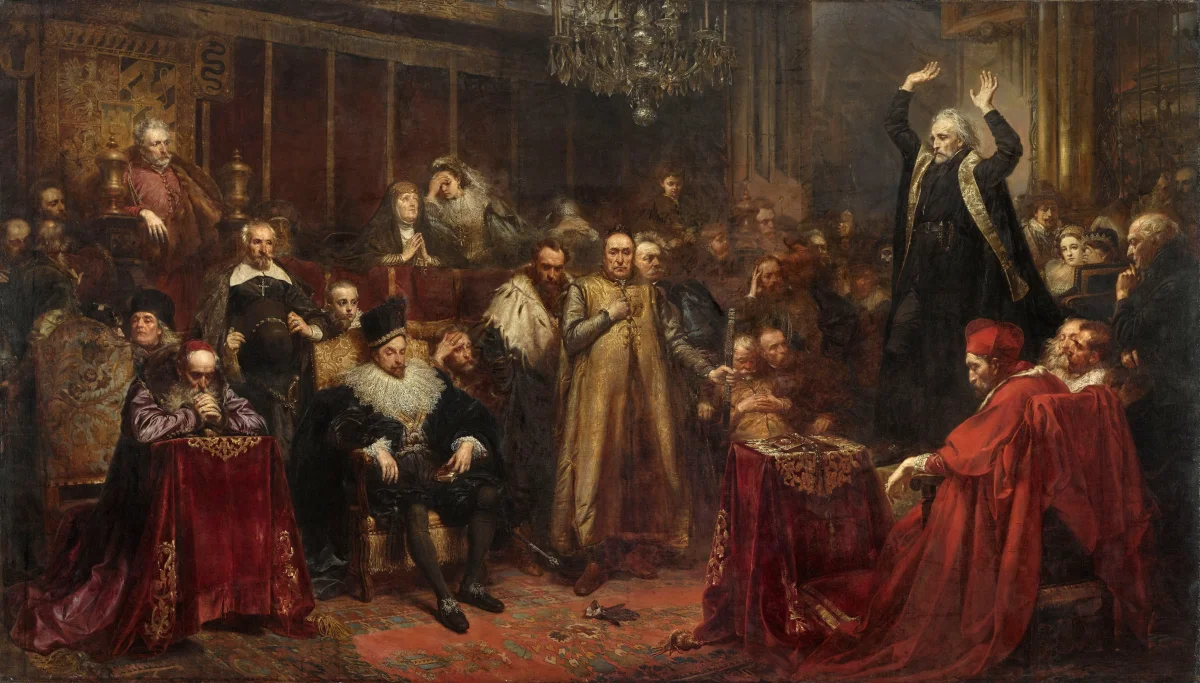
For collectors seeking a piece that embodies both historical significance and artistic excellence, "Polonia" by Jan Matejko is a coveted choice. This hand-painted oil painting not only enriches any collection but also connects to a lineage of masterpieces in the Historicism movement. Consider complementing "Polonia" with other works like "Skarga's Sermon" or "Stanczyk during a Ball at the Court of Queen" for a truly remarkable display of fine art painting for sale.
When Art Meets History
"Polonia" by Jan Matejko stands as a compelling testament to the intertwining of history and art within the Historicism movement. This hand-painted oil painting captures the spirit of the Polish nation during turbulent times, reflecting Matejko’s deep engagement with his country’s past. The artist, renowned for his historical canvases, uses this work to narrate Poland’s struggles and resilience, much like his other masterpieces. For collectors, "Polonia" remains a significant piece within the realm of historic fine art.
Techniques That Speak
Employing masterful oil on canvas techniques, Jan Matejko brings "Polonia" to life with rich textures and vivid colors. The artist’s brushwork, characteristic of the Historicism movement, meticulously details expressions and attire, immersing viewers in the era depicted. This painting exemplifies Matejko’s skill in layering glazes and capturing light, setting it apart from other works of the period. Such technical prowess makes "Polonia" a standout example for admirers of traditional European oil paintings.
Emotions on Display
In "Polonia," Matejko’s fine art painting for sale channels a profound sense of national pride and sorrow. The figures’ faces reveal a spectrum of emotions, from anguish to hope, embodying the collective memory of a nation in distress. Through this emotional depth, the artist invites viewers to empathize with Poland’s plight, making "Polonia" a powerful narrative piece within the Historicism movement. Matejko’s ability to convey feeling rivals that of his most celebrated historical scenes.
Coveted by Collectors
Collectors seeking a hand-painted oil painting with historical significance often turn to Jan Matejko’s "Polonia." As a cornerstone of the Historicism movement, this artwork is highly valued for its narrative depth and technical mastery. Its rarity and cultural importance make it a sought-after addition to any serious collection. Like Matejko’s other famous works, "Polonia" holds a special place among fine art painting for sale, admired by art historians and collectors alike.
Frequently Asked Questions About Polonia
What is the historical context of Jan Matejko's painting "Polonia"?
"Polonia" was created during a time when Poland was partitioned and its sovereignty was under threat. The painting reflects the national identity and the struggles faced by the Polish people in the 19th century.
What artistic techniques did Jan Matejko employ in "Polonia"?
Matejko utilized a combination of realism and symbolism, employing meticulous detail and vibrant colors to convey the emotional depth of the subject matter, while also incorporating allegorical elements to represent the spirit of Poland.
What does the figure of Polonia symbolize in the painting?
The figure of Polonia symbolizes the nation of Poland itself, embodying the resilience and strength of the Polish people in the face of adversity, as well as their longing for independence and national pride.
How does "Polonia" reflect the Romantic movement in art?
"Polonia" is emblematic of the Romantic movement, emphasizing emotion, individualism, and the glorification of the past. The painting evokes a sense of nostalgia and patriotism, which were central themes in Romantic art.
What role does color play in the composition of "Polonia"?
The use of color in "Polonia" is significant; Matejko employs a rich palette to evoke emotional responses, with red and white hues symbolizing the Polish flag, thus reinforcing themes of national identity and pride.
How does the composition of "Polonia" contribute to its thematic message?
The composition of "Polonia" is carefully structured to draw the viewer's eye towards the central figure, creating a focal point that emphasizes the importance of national identity and the collective spirit of the Polish people.
What historical events influenced Jan Matejko's creation of "Polonia"?
Matejko was influenced by the partitions of Poland and the subsequent uprisings, particularly the January Uprising of 1863, which inspired him to depict themes of struggle and resilience in his works, including "Polonia."
In what ways does "Polonia" serve as a form of political commentary?
"Polonia" serves as a poignant political commentary by illustrating the plight of a nation under oppression, calling for unity and resistance among the Polish people, and highlighting the importance of cultural heritage in the face of foreign domination.
What elements of symbolism are present in "Polonia"?
The painting contains various symbols, such as the crown and the eagle, which represent sovereignty and national pride, while the surrounding figures and objects reflect the historical and cultural richness of Poland.
How has "Polonia" been received by audiences and critics over time?
"Polonia" has been widely acclaimed for its emotional depth and historical significance, often regarded as a masterpiece of Polish art that resonates with audiences for its powerful representation of national identity and struggle.























_GFM_Painting_(1).webp)


 100% Hand-Painted: Finished in 3-6 Weeks

.png)















_(1).webp)