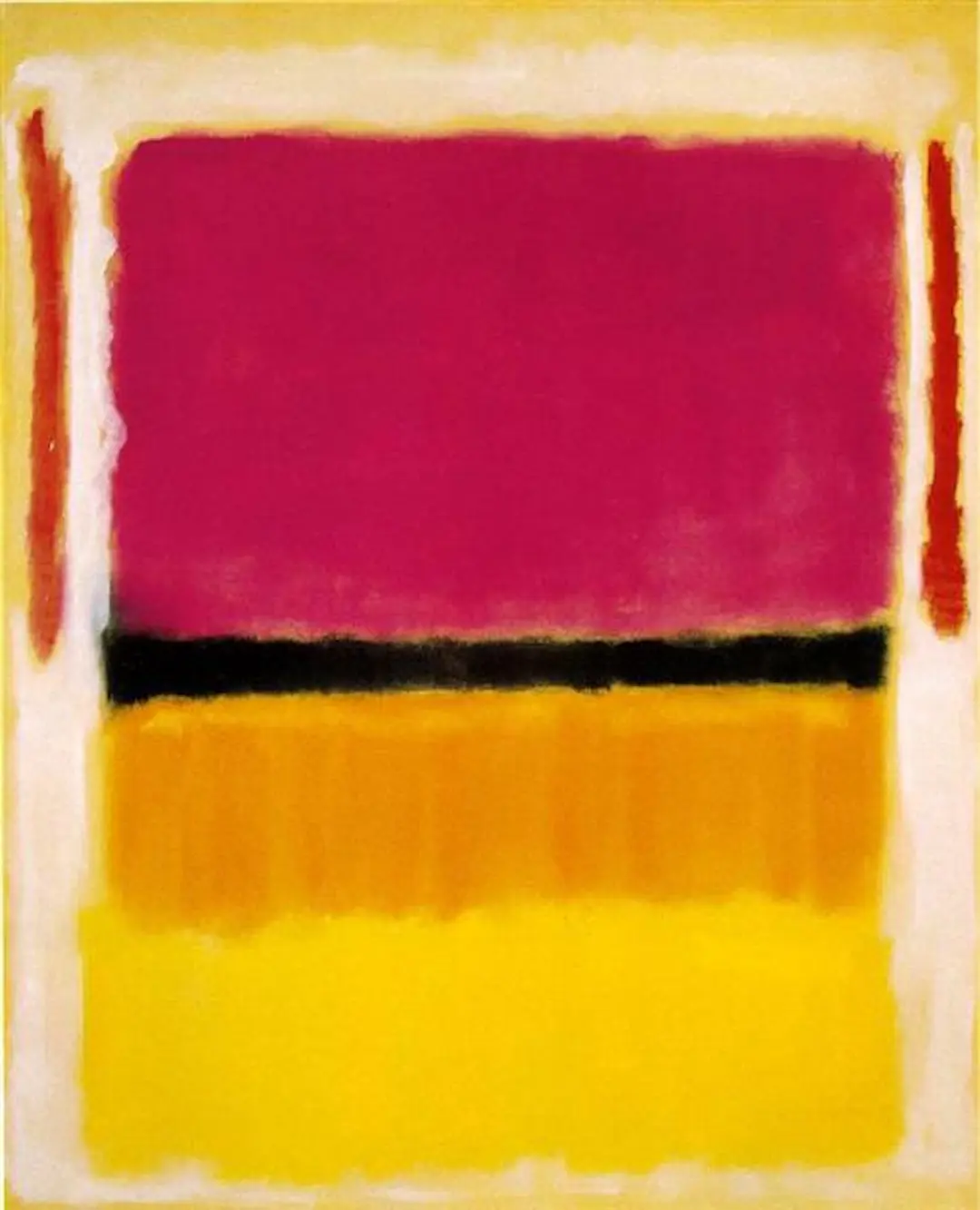
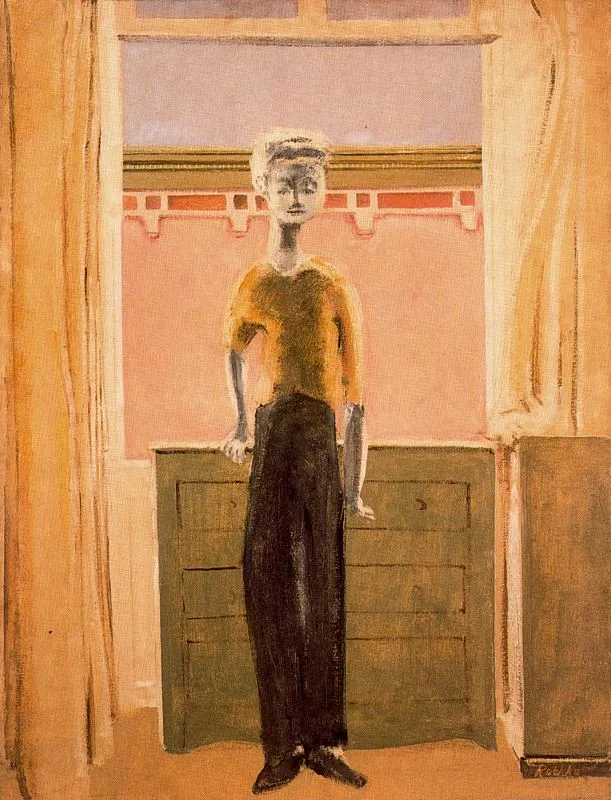
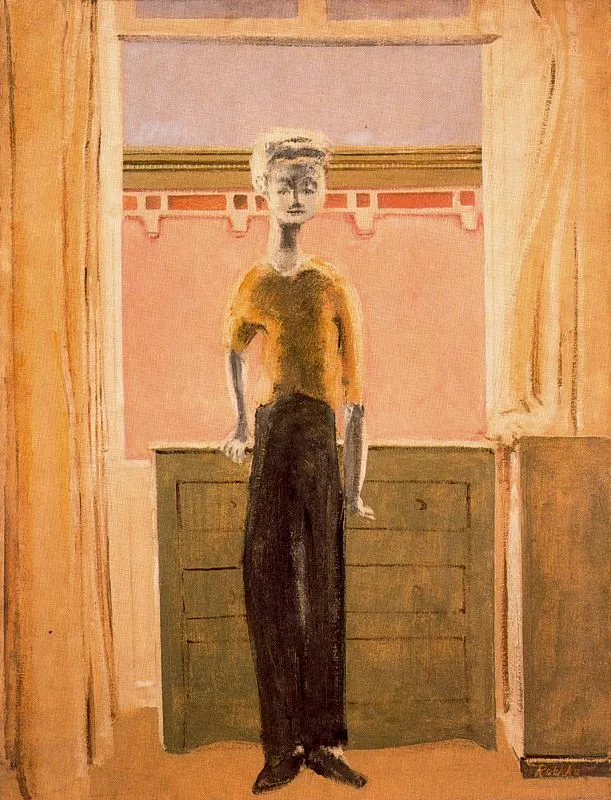
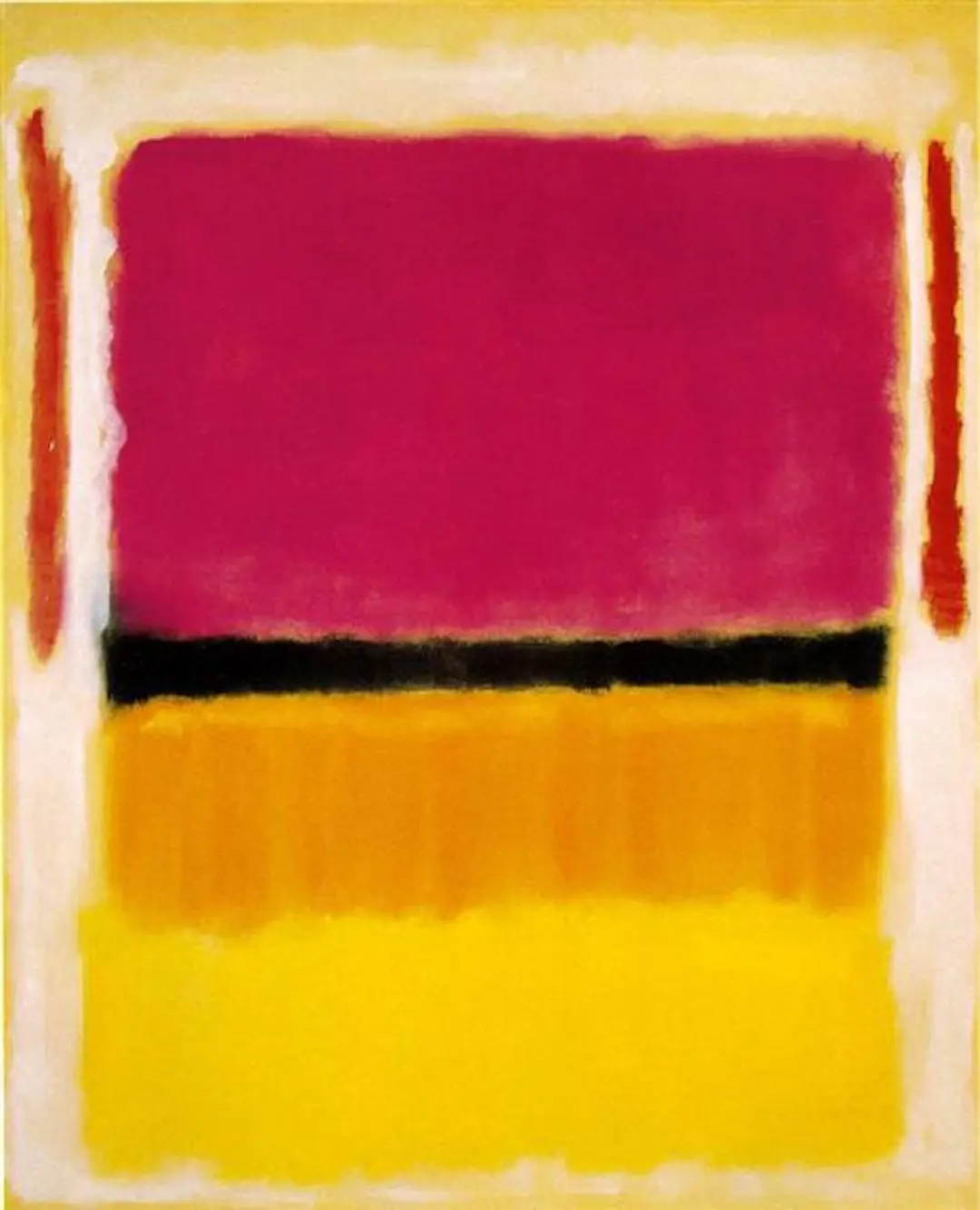
Mark Rothko’s "Portrait" exemplifies his mastery with oil on canvas, a medium that allowed him to evoke profound emotion through color and form. The painting’s fluid transitions and bold contrasts mirror the techniques found in related works such as "Untitled (Violet, Black, Orange, Yellow on White and Red), 1949." Collectors of Abstract Expressionism appreciate Rothko’s ability to create depth and intensity, making every oil on canvas piece a unique and immersive experience.
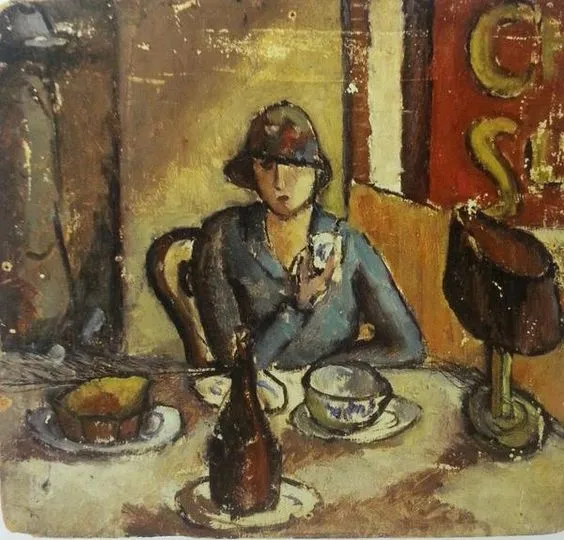
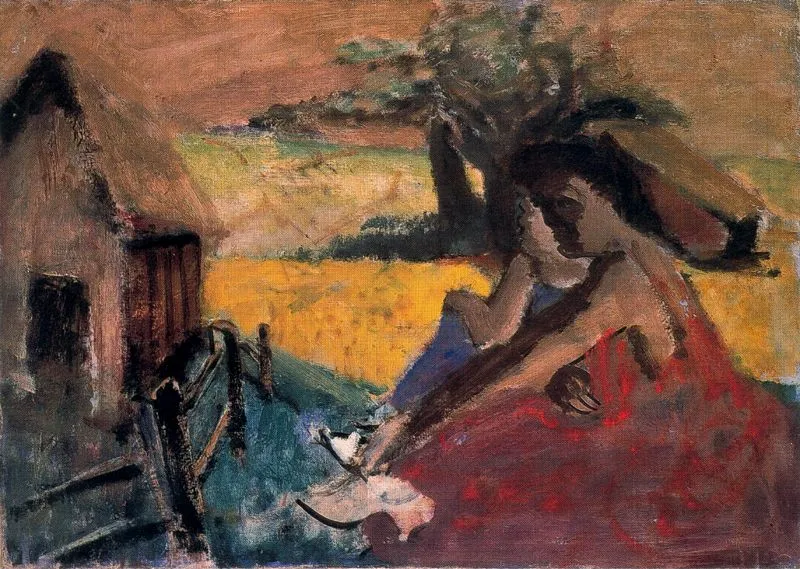
Rothko’s "Portrait" weaves stories and symbols into its layered composition, inviting viewers to interpret its abstract forms. This hand-painted oil painting resonates with the emotional complexity found in other Rothko pieces like "Rural Scene" and "Composition I." As a prominent figure in Abstract Expressionism, Rothko used minimal shapes and vibrant hues to communicate universal human feelings, making "Portrait" a compelling narrative within the world of fine art.
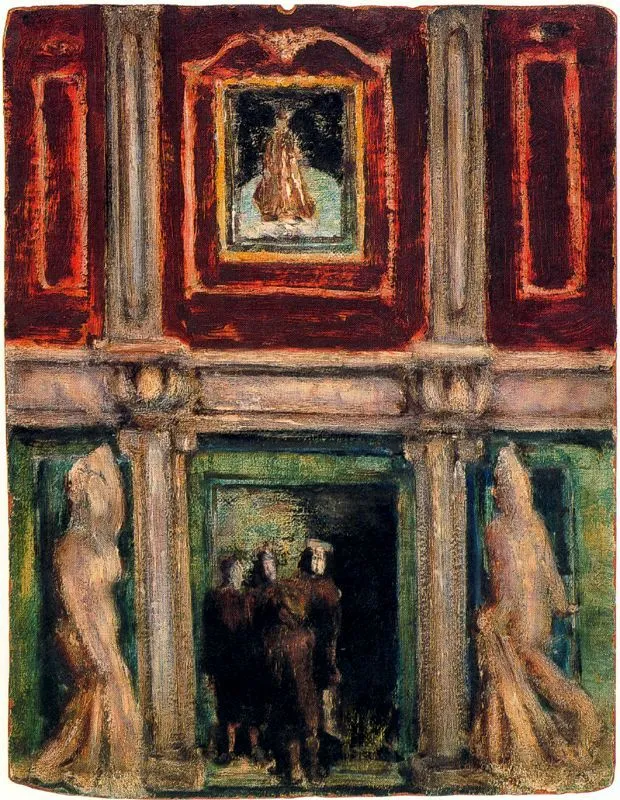
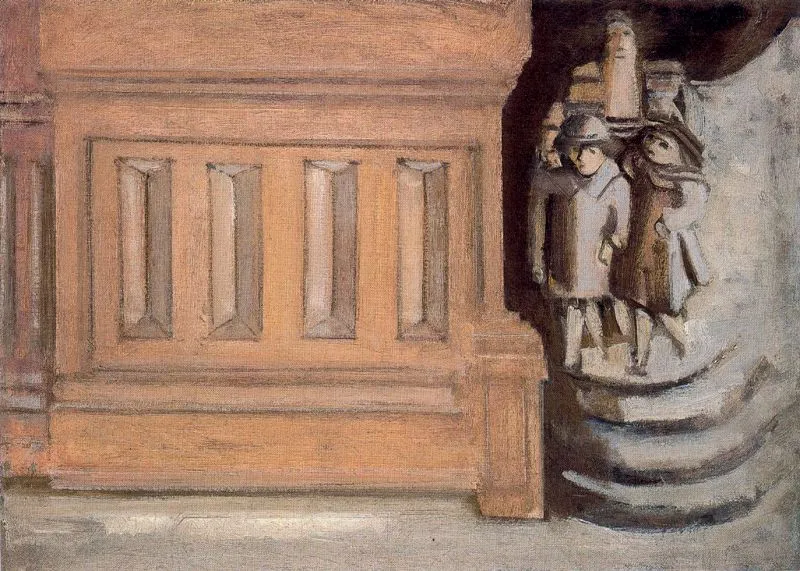
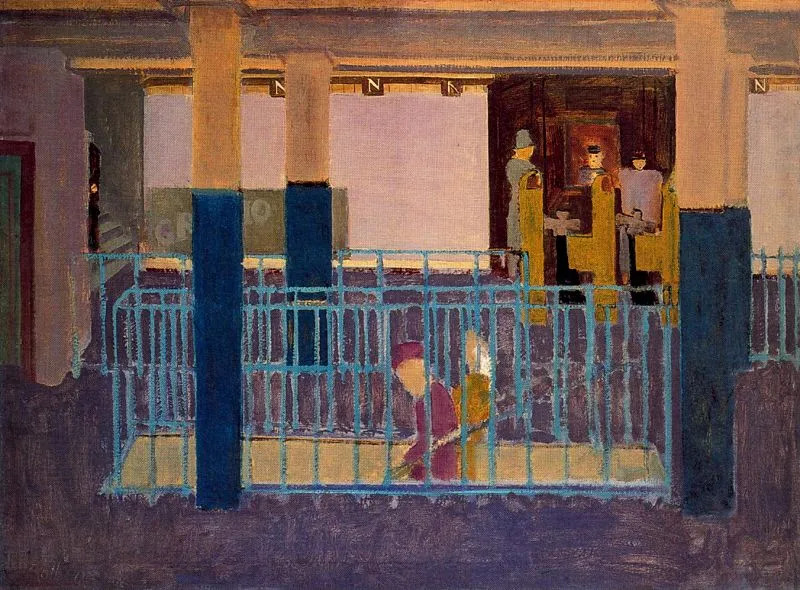
For art collectors and enthusiasts, "Portrait" by Mark Rothko is a fine art painting for sale that embodies the essence of Abstract Expressionism. Its captivating color fields and thoughtful composition align with Rothko’s other celebrated works, including "Street Scene" and "Interior." Acquiring such a piece offers not only aesthetic pleasure but also a valuable connection to the influential movement and the artist’s enduring legacy in the contemporary art market.
When Art Meets History
"Portrait" by Mark Rothko stands as a testament to the transformative power of the Abstract Expressionism movement. Painted during a pivotal era, this hand-painted oil painting reveals Rothko's innovative approach to color and form. As with related works like "Improvisation 21" and "Improvisation 11," "Portrait" captures the spirit of a generation seeking new artistic languages. Rothko’s legacy within Abstract Expressionism endures, inspiring viewers and artists alike to reimagine the boundaries of modern art.
Techniques That Speak
Mark Rothko’s "Portrait" demonstrates a masterful use of oil on canvas, a hallmark of his artistic process. Through layered brushstrokes and subtle color transitions, Rothko evokes profound depth and emotion. His technique mirrors that seen in "Poster for the Abrikosov Company" and "Comet," where the interplay of hues becomes a visual dialogue. The painting’s textured surface and dynamic composition exemplify the core principles of Abstract Expressionism, making it a standout in Rothko’s oeuvre.
Emotions on Display
"Portrait" channels the emotional intensity characteristic of Mark Rothko’s fine art painting for sale. The abstract forms and vibrant palette invite viewers into a contemplative state, echoing the expressive ethos of Abstract Expressionism. Similar to "Sketch for 'Composition II'," Rothko’s work transcends literal representation, focusing instead on evoking feeling. Each brushstroke in "Portrait" is a testament to the artist’s ability to convey mood and meaning, creating a unique emotional resonance for every observer.
Coveted by Collectors
Collectors are drawn to Mark Rothko’s "Portrait" for its profound connection to the Abstract Expressionism movement and its rarity as a hand-painted oil painting. Works like "Improvisation 21" and "Comet" have garnered international acclaim, making Rothko’s paintings highly sought after. The enduring appeal of "Portrait" lies in its ability to captivate audiences and enhance any collection, solidifying its status as a fine art painting for sale that continues to appreciate in both cultural and monetary value.
Related Abstract Expressionism Hand-Painted Oil Paintings by Other Artists
Other Famous Abstract Expressionism Artists:
Frequently Asked Questions About Portrait
What is the historical context of Mark Rothko's "Portrait"?
"Portrait" was created during the mid-20th century, a time when abstract expressionism was gaining prominence. Rothko was part of a movement that sought to express emotional depth through color and form, moving away from traditional representational art.
What artistic techniques did Rothko employ in "Portrait"?
Rothko utilized color field painting techniques, layering colors to create a sense of depth and luminosity. His use of soft edges and large blocks of color invites viewers to engage with the emotional resonance of the piece.
What themes are explored in "Portrait"?
The painting explores themes of identity and existence, reflecting Rothko's interest in the human condition. The abstract nature of the work allows for personal interpretation, inviting viewers to project their own experiences onto the canvas.
How does "Portrait" fit within Rothko's body of work?
"Portrait" is representative of Rothko's later works, where he increasingly focused on the emotional impact of color and form rather than specific subjects. It exemplifies his shift towards a more introspective and meditative approach to art.
What symbolism can be found in "Portrait"?
The colors and shapes in "Portrait" may symbolize various emotional states or experiences. Rothko believed that color could evoke deep feelings, and the abstract nature of the work allows for a multitude of interpretations, from joy to melancholy.
What influence did Rothko have on modern art?
Rothko's innovative approach to color and abstraction has had a lasting impact on contemporary art. His emphasis on emotional expression paved the way for future artists to explore similar themes, influencing movements such as minimalism and color field painting.
How does "Portrait" compare to traditional portraiture?
Unlike traditional portraiture that focuses on representational likeness, Rothko's "Portrait" abstracts the concept of identity, emphasizing emotional and psychological depth over physical representation. This shift challenges viewers to reconsider the essence of what a portrait can convey.
What was Rothko's intention with "Portrait"?
Rothko aimed to create a visual experience that transcends the ordinary. He sought to evoke profound emotional responses from viewers, encouraging them to engage with the painting on a personal and introspective level.
How has "Portrait" been received by critics and audiences?
"Portrait" has been well-received, with critics praising Rothko's ability to convey complex emotions through simplicity. Audiences often report feelings of contemplation and introspection when viewing the work, highlighting its effectiveness in engaging viewers.
What role does color play in "Portrait"?
Color is the central element in "Portrait," serving as a vehicle for emotional expression. Rothko believed that color could communicate feelings more powerfully than representational forms, making it a crucial aspect of the viewer's experience of the painting.























_GFM_Painting_(1).webp)


 100% Hand-Painted: Finished in 3-6 Weeks

.png)















_(1).webp)