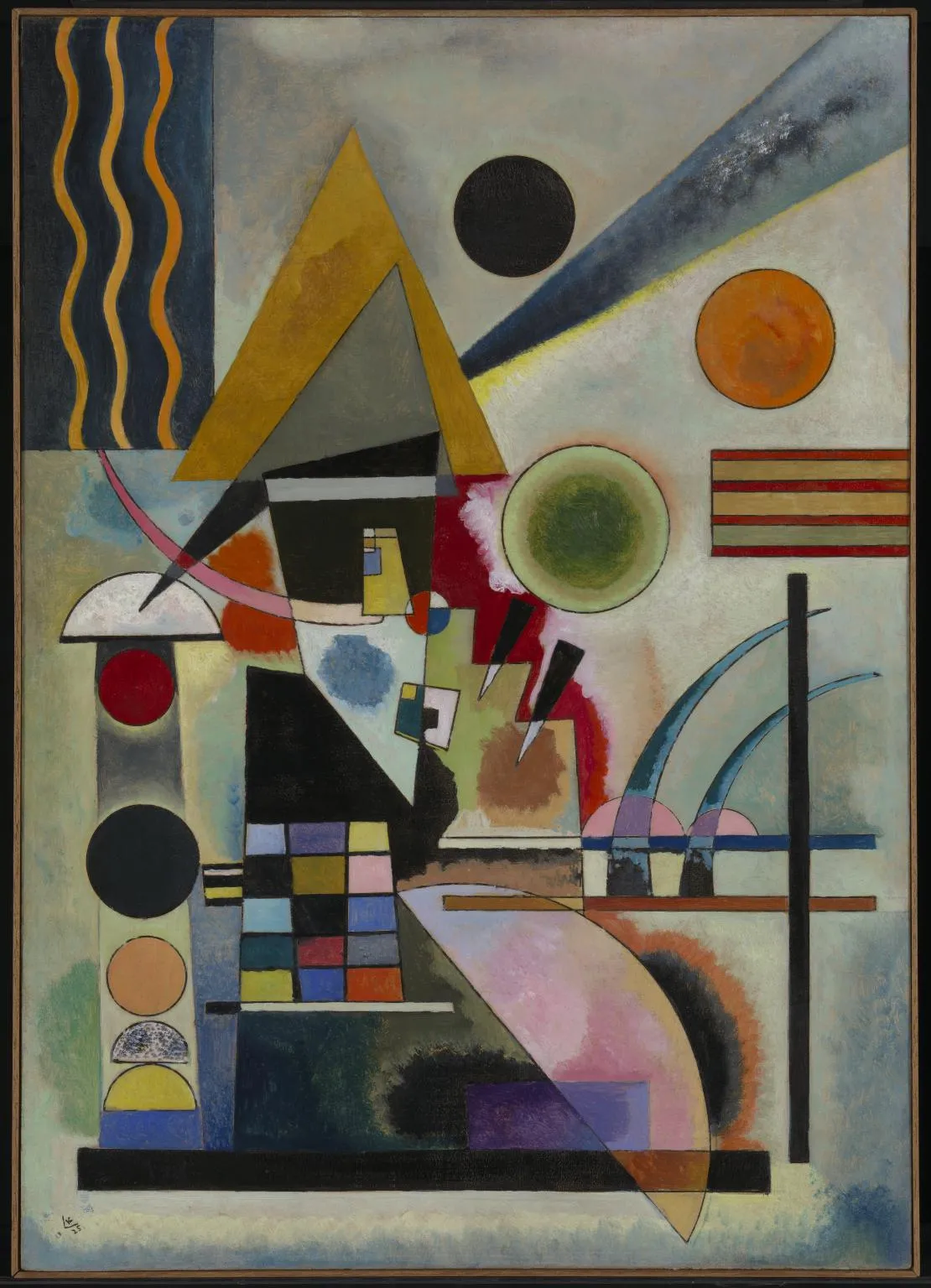
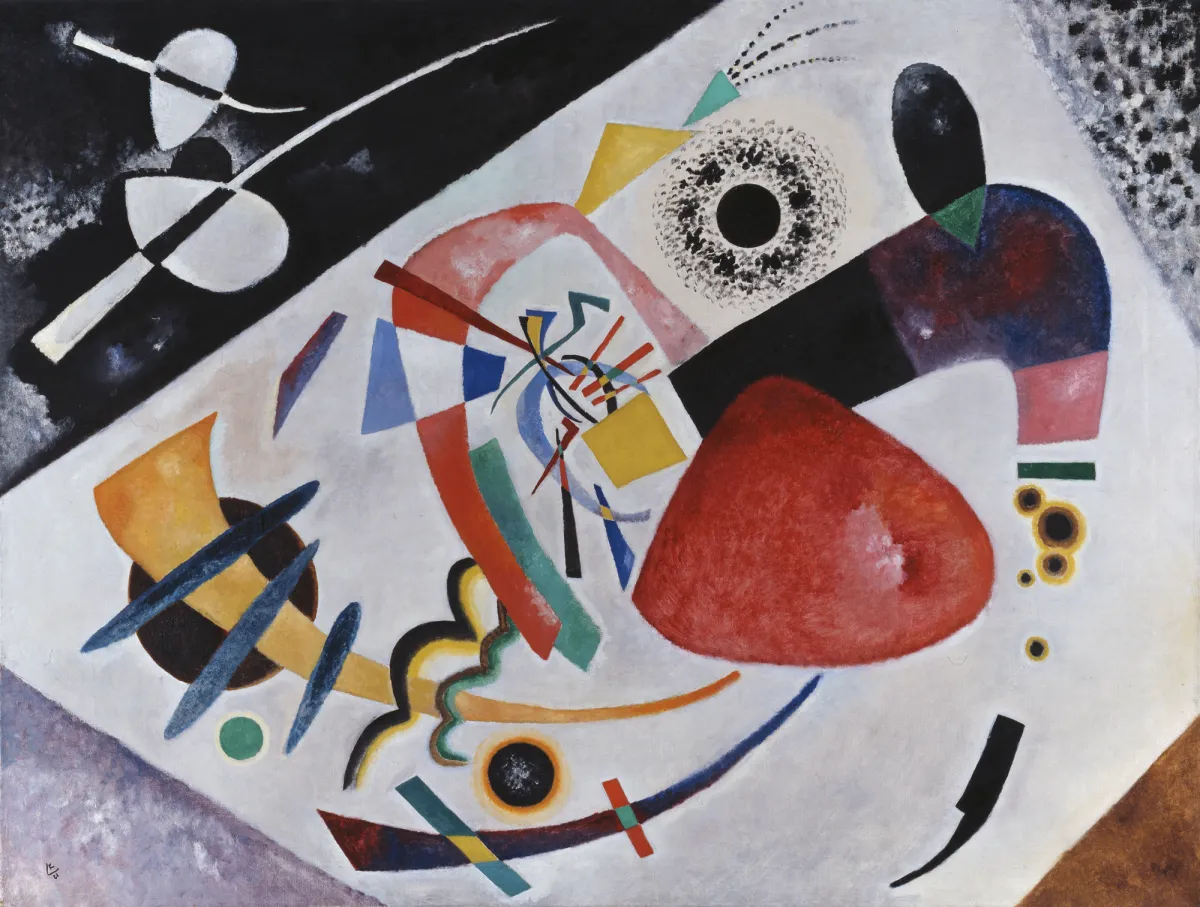
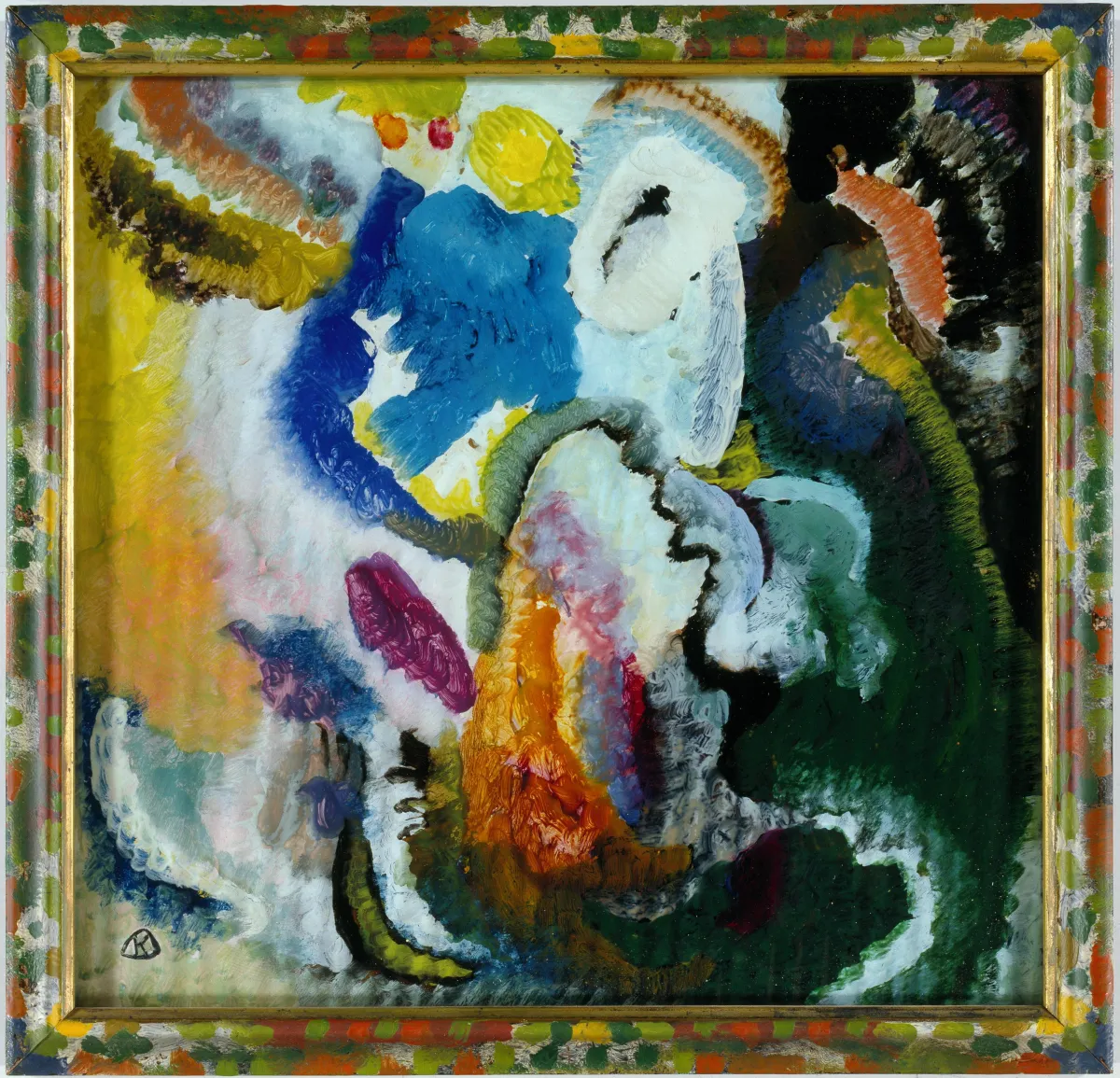
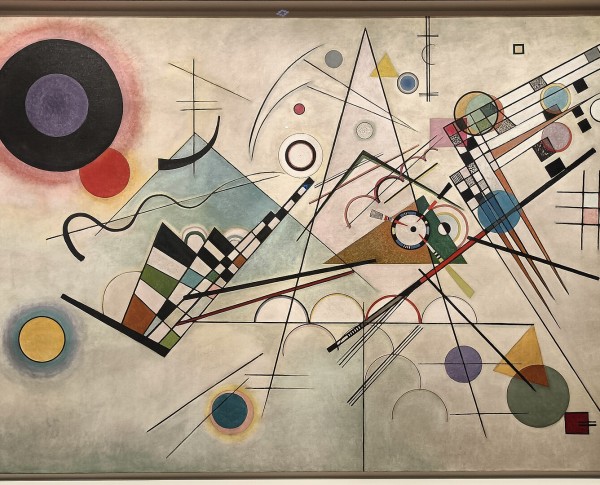
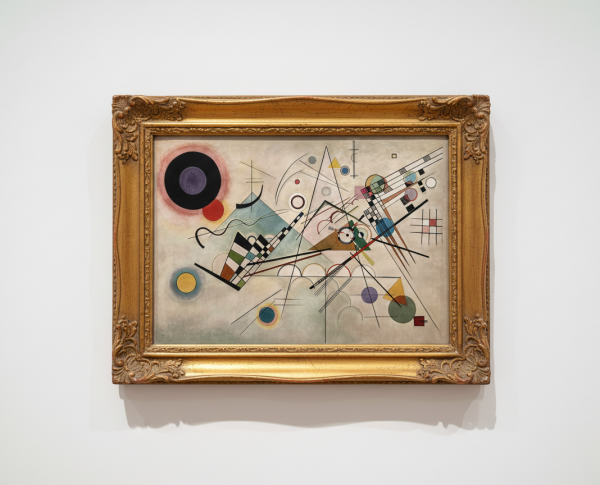
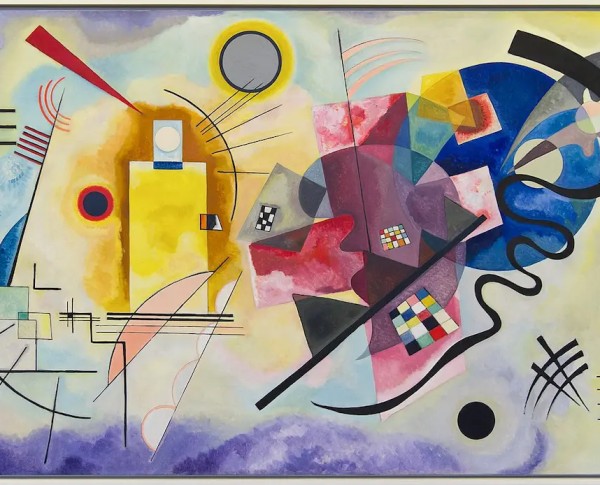
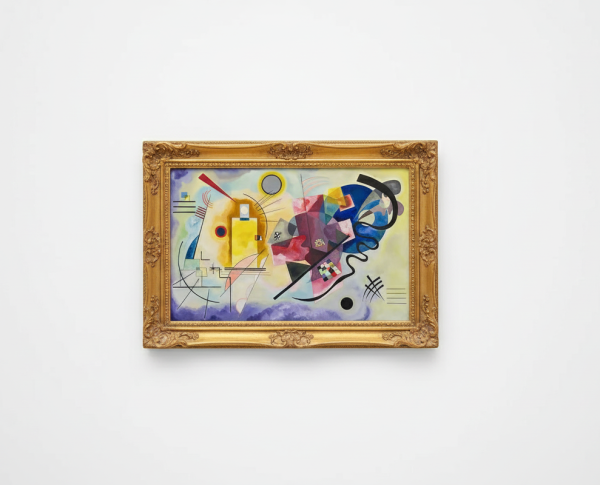
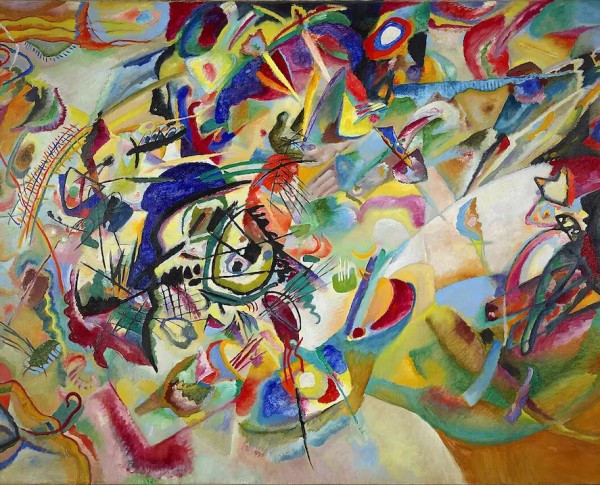
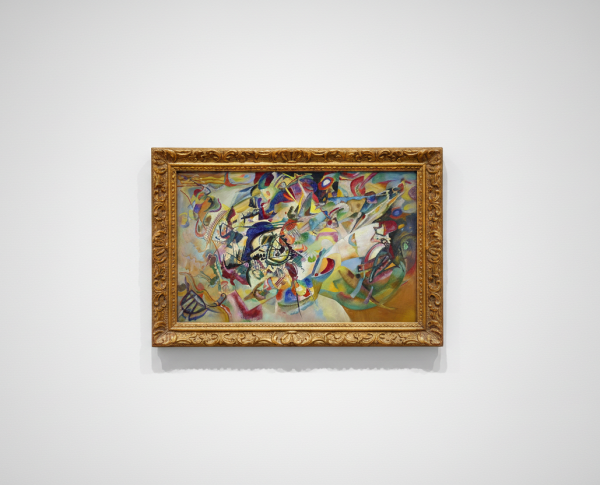
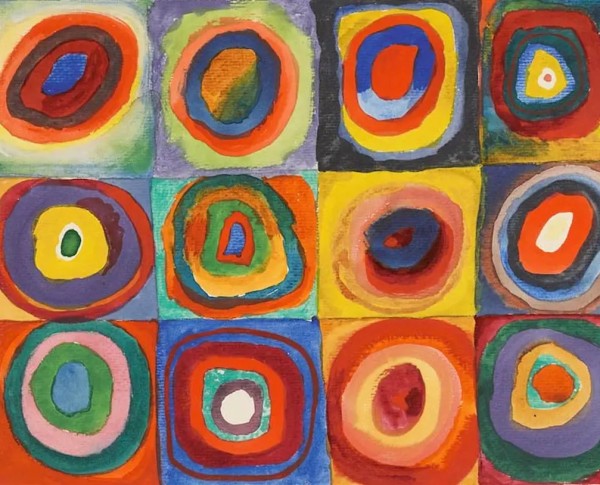
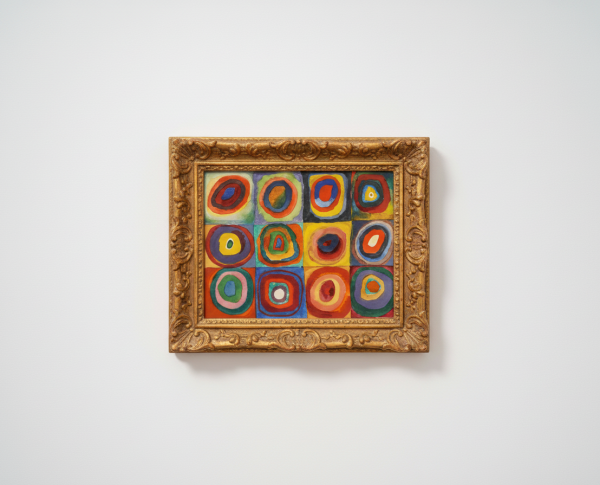
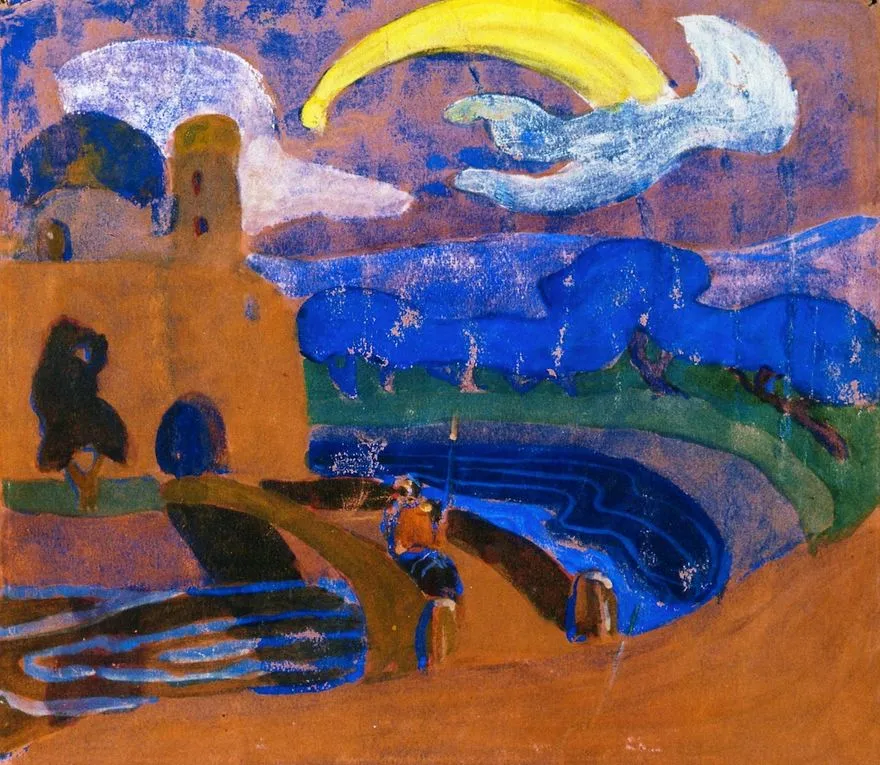
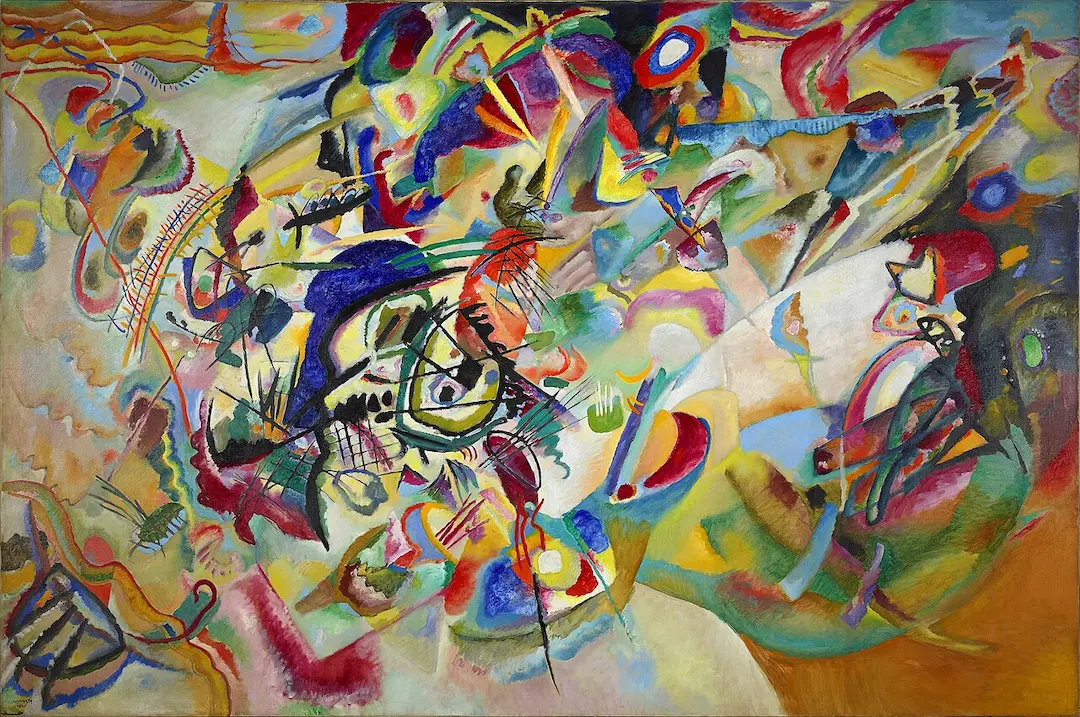
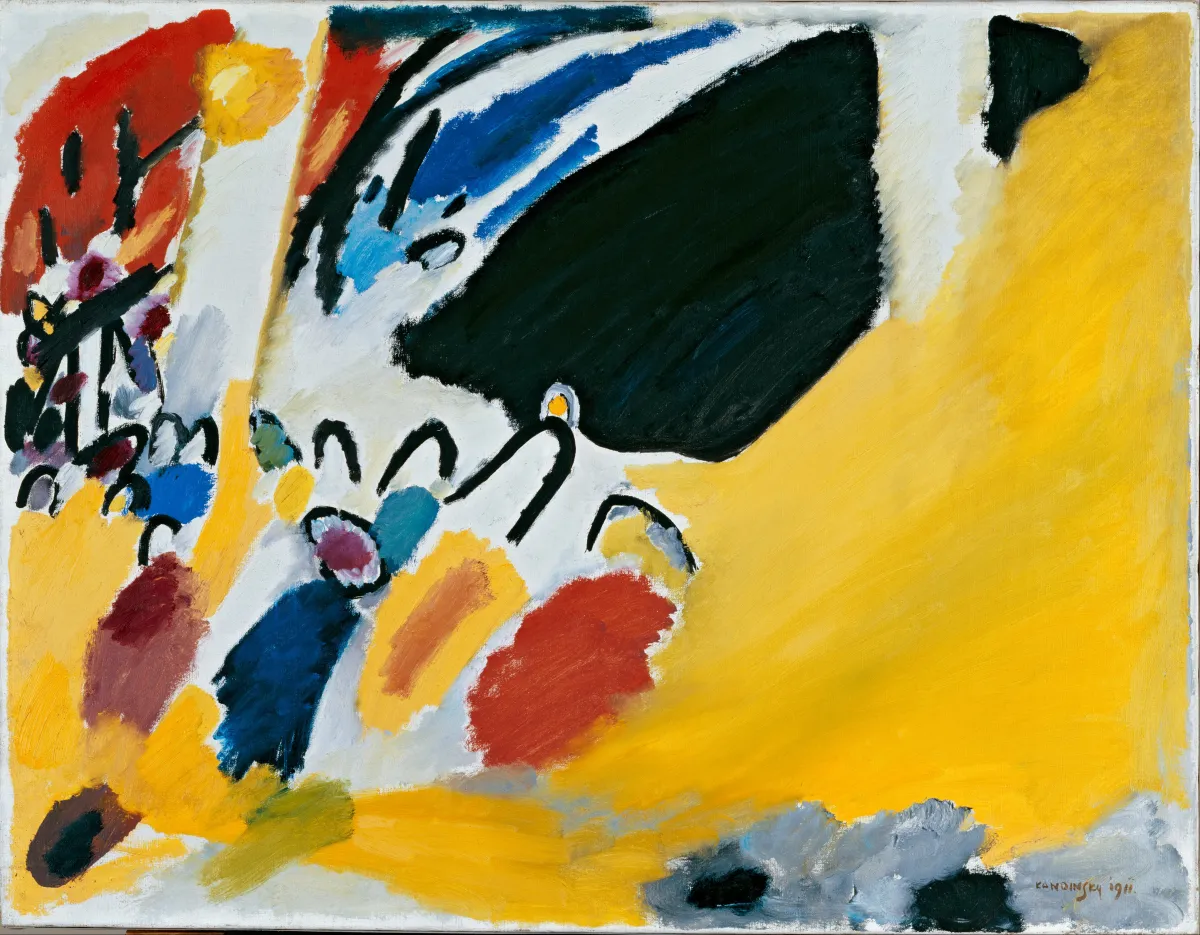
Kandinsky’s technique in "Comet" exemplifies his mastery of oil on canvas, utilizing sweeping strokes and a vivid palette to evoke movement and depth. The interplay of color and form is central to the Abstract Expressionism movement, making each element pulse with life. Collectors who appreciate this technical brilliance may also be interested in related pieces like "Red Spot II" and "Squares with Concentric Rings," both of which showcase Kandinsky’s innovative approach to oil on canvas.
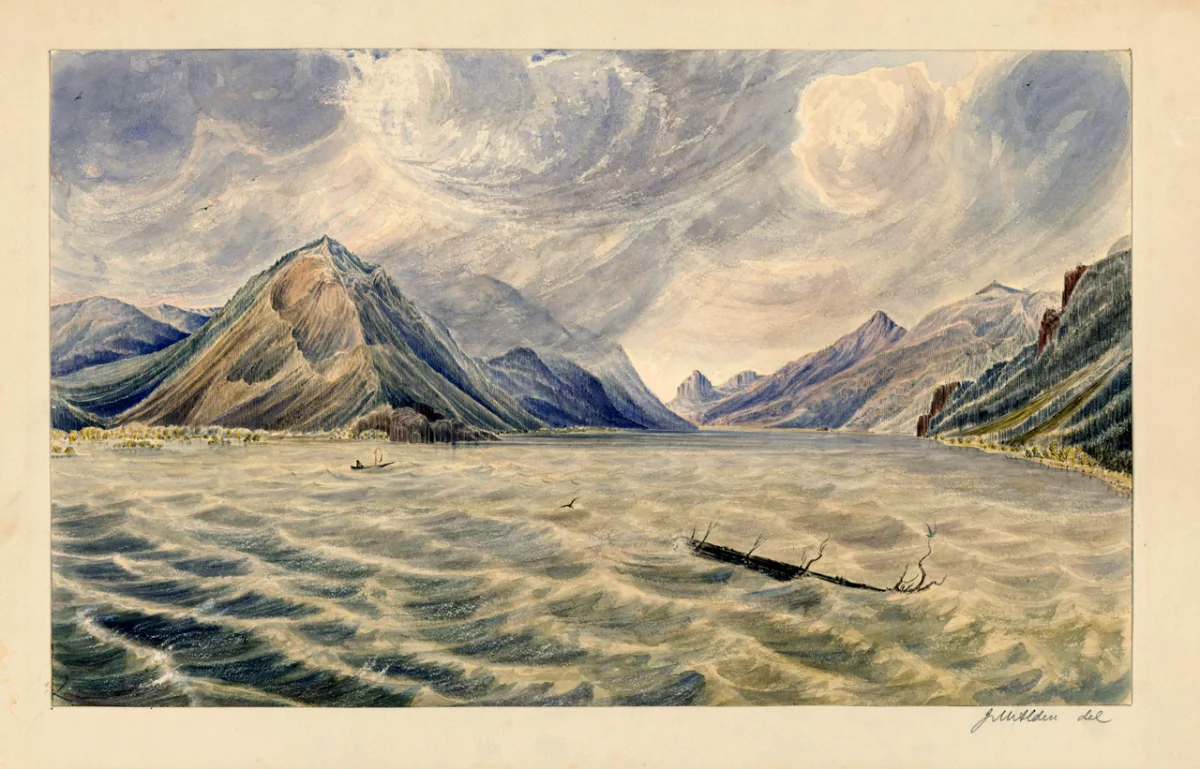
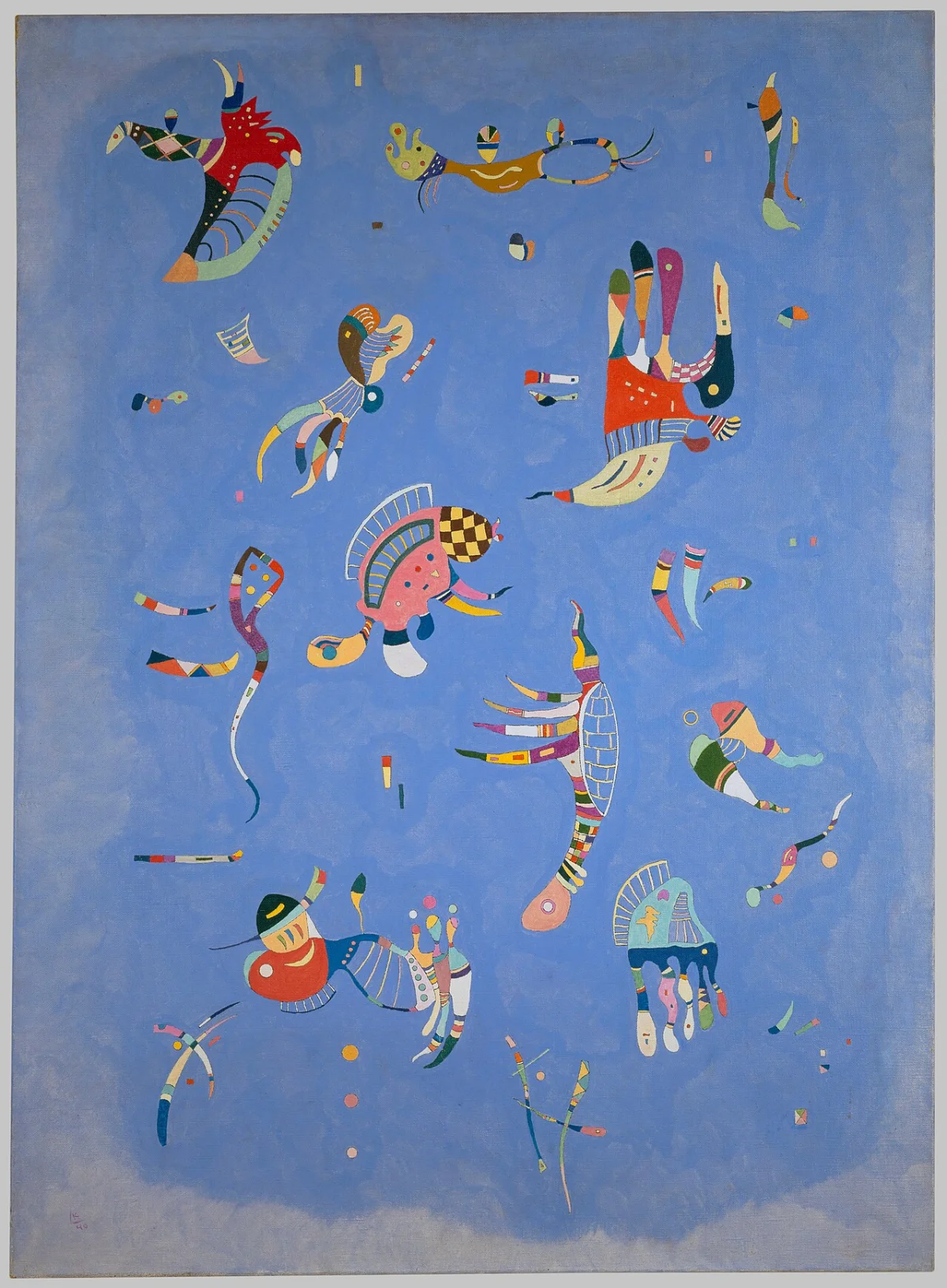
"Comet" by Wassily Kandinsky is more than a mere composition—it’s a visual narrative brimming with abstract symbolism. The painting’s celestial forms and dynamic lines invite viewers to interpret their own meanings, a hallmark of Abstract Expressionism. This hand-painted oil painting stands alongside related masterpieces such as "Landscape" and "Poster for the Abrikosov Company," each offering unique stories and hidden messages that captivate both new admirers and seasoned art enthusiasts.
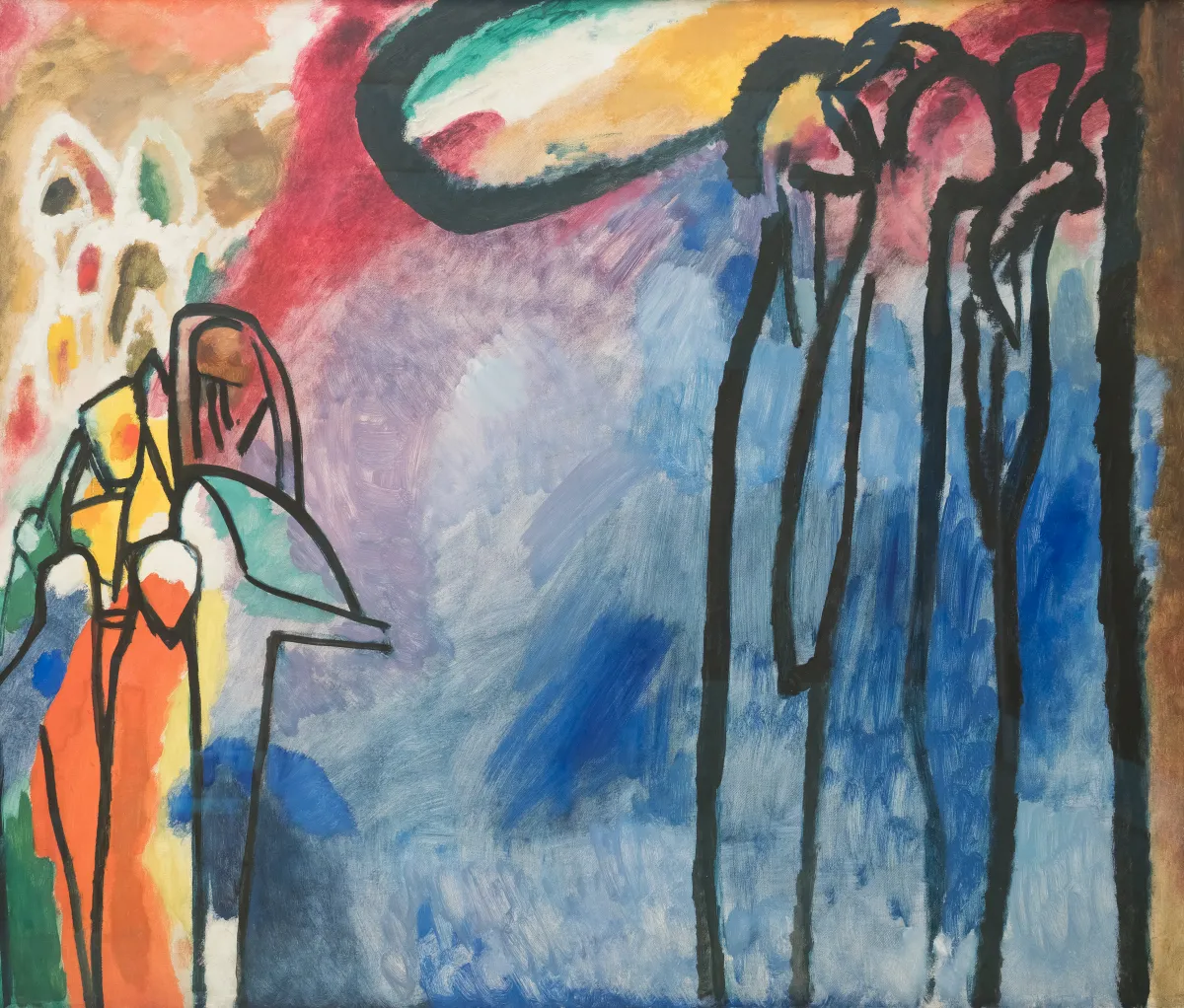
For those seeking a fine art painting for sale, Kandinsky’s "Comet" represents a prized addition to any collection. Its rich history and pivotal role in the Abstract Expressionism movement ensure lasting value and admiration. Collectors often pair "Comet" with other iconic works like "Improvisation 21" and "Red Spot II" to create a cohesive display of Kandinsky’s genius. Discover the allure and investment potential behind every brushstroke in this celebrated masterpiece.
When Art Meets History
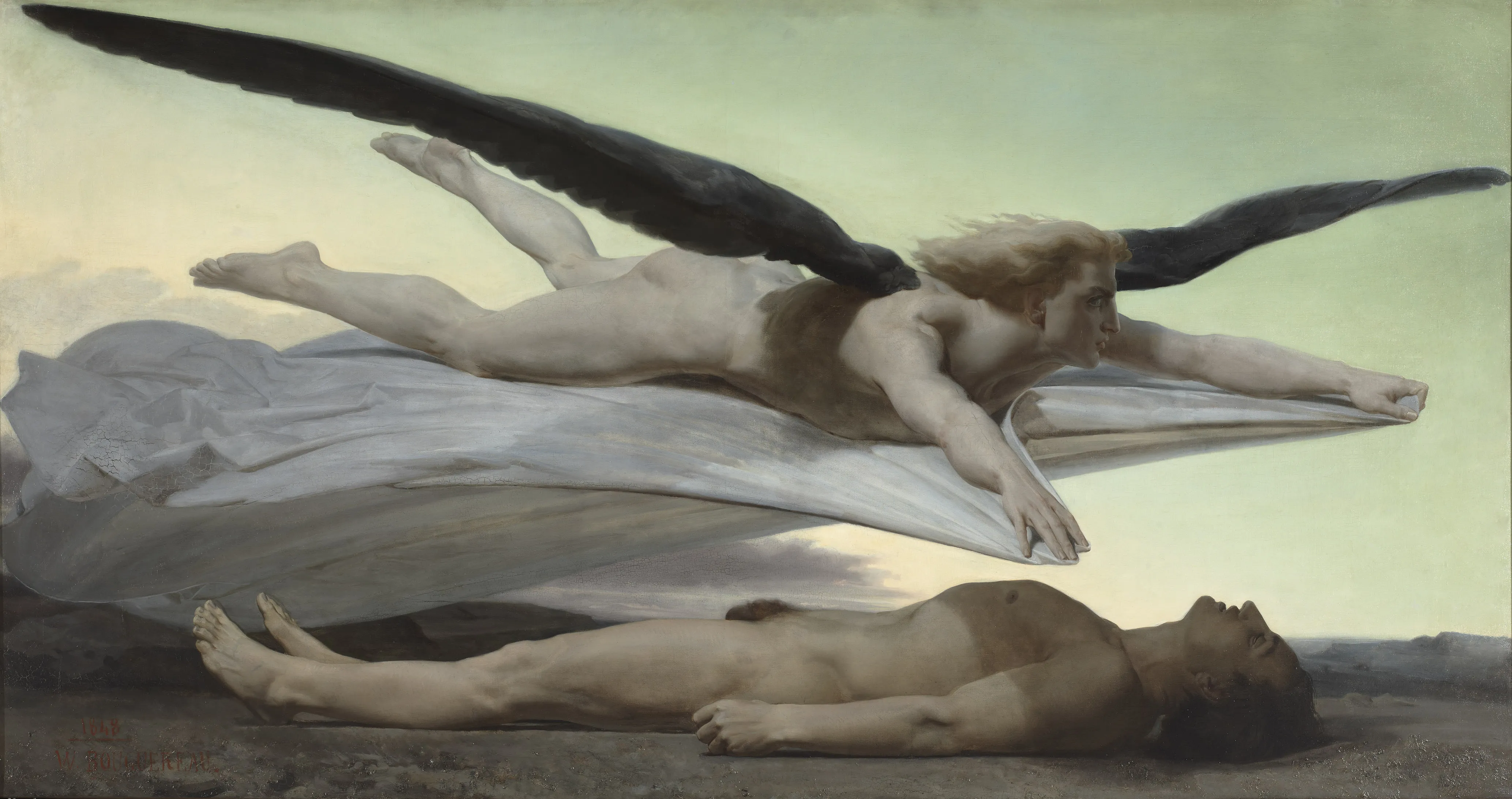
Wassily Kandinsky’s "Comet," a striking hand-painted oil painting, emerges from the vibrant era of Abstract Expressionism. Created during a transformative period in art, this masterpiece reflects the movement’s quest for emotional intensity and innovative forms. Kandinsky, a pioneer in abstraction, inspired contemporaries with works like "Untitled (Violet, Black, Orange, Yellow on White and Red), 1949." "Comet" stands as a testament to the historical shift from representational art to expressive, non-objective creations.
Techniques That Speak
Kandinsky’s "Comet" showcases his masterful command of oil on canvas, employing dynamic brushstrokes and bold color contrasts to evoke a sense of cosmic motion. The artist’s innovative layering techniques and spontaneous gestures are hallmarks of Abstract Expressionism, influencing countless fine art painting for sale today. Similar to "Untitled (Violet, Black, Orange, Yellow on White and Red), 1949," Kandinsky’s technique emphasizes the physical act of painting, making each stroke an integral part of the composition’s energy.
Emotions on Display
In "Comet," Kandinsky channels a whirlwind of emotions, inviting viewers to interpret the swirling forms and vibrant hues unique to this hand-painted oil painting. The Abstract Expressionism movement, which also includes works like "Untitled (Violet, Black, Orange, Yellow on White and Red), 1949," aimed to convey the artist’s inner feelings directly onto the canvas. Kandinsky’s use of color and movement in "Comet" creates an emotional resonance that continues to captivate audiences worldwide.
Coveted by Collectors
As a fine art painting for sale, Wassily Kandinsky’s "Comet" holds immense appeal for collectors seeking iconic works from the Abstract Expressionism movement. Its historical significance and innovative oil on canvas technique make it a prized acquisition, much like related masterpieces such as "Untitled (Violet, Black, Orange, Yellow on White and Red), 1949." The enduring allure of Kandinsky’s visionary approach ensures that "Comet" remains a coveted treasure in the world of modern art.
Related Abstract Expressionism Hand-Painted Oil Paintings by Other Artists
Other Famous Abstract Expressionism Artists:
Frequently Asked Questions About Comet
What is the historical context of Wassily Kandinsky's "Comet"?
"Comet" was created during a period of significant change in the early 20th century, marked by the aftermath of World War I and the rise of modernism. Kandinsky, influenced by the tumultuous events of his time, sought to express emotional and spiritual experiences through abstraction.
What artistic movements influenced "Comet"?
"Comet" is deeply rooted in the principles of Abstract Expressionism and the broader avant-garde movement. Kandinsky was a pioneer of abstract art, drawing inspiration from the ideas of color theory and the spiritual resonance of shapes.
What are the key visual elements in "Comet"?
The painting features dynamic lines, vibrant colors, and geometric shapes that converge to create a sense of movement and energy. These elements reflect Kandinsky's interest in the relationship between color and emotion.
What does the title "Comet" signify in the context of the painting?
The title "Comet" suggests themes of movement, transformation, and the transient nature of existence. It evokes the image of a celestial body, symbolizing the connection between the cosmos and human emotion.
How does "Comet" reflect Kandinsky's philosophical beliefs?
Kandinsky believed that art should transcend the physical world and evoke spiritual experiences. "Comet" embodies this philosophy by using abstraction to communicate deeper emotional truths rather than representational forms.
What role does color play in "Comet"?
Color is a fundamental aspect of "Comet," with each hue chosen for its emotional impact. Kandinsky theorized that colors could evoke specific feelings and associations, creating a visual language that speaks to the viewer's inner self.
What techniques did Kandinsky use in "Comet"?
Kandinsky employed a variety of techniques, including layering and the use of contrasting colors, to create depth and movement. His innovative approach to composition allows for a dynamic interplay between the elements within the painting.
How does "Comet" compare to Kandinsky's other works?
What impact did "Comet" have on the art world?
"Comet" is considered a significant contribution to the development of abstract art, influencing subsequent generations of artists. Its innovative approach to color and form helped to redefine the boundaries of artistic expression in the 20th century.






















_GFM_Painting_(1).webp)


 100% Hand-Painted: Finished in 3-6 Weeks

.png)















_(1).webp)