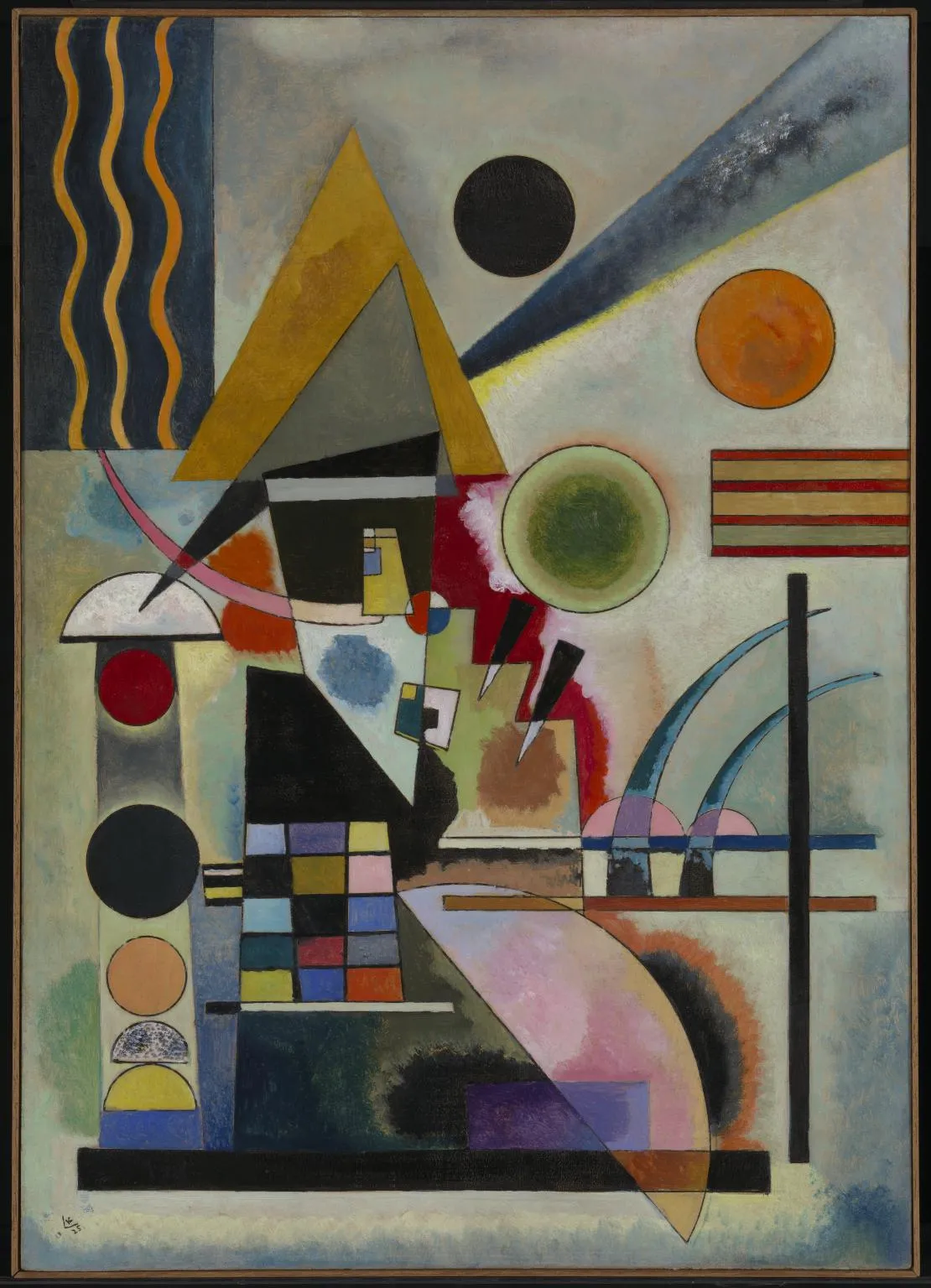
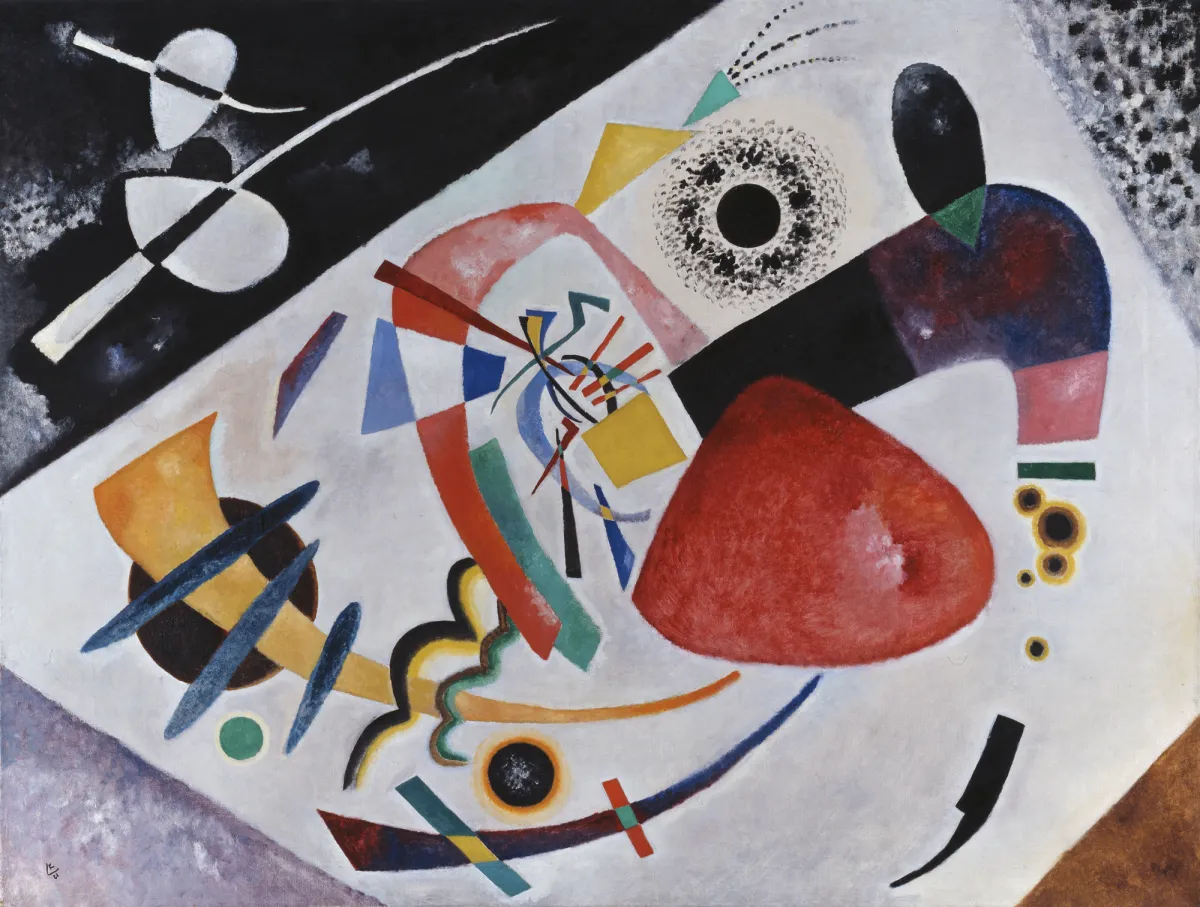
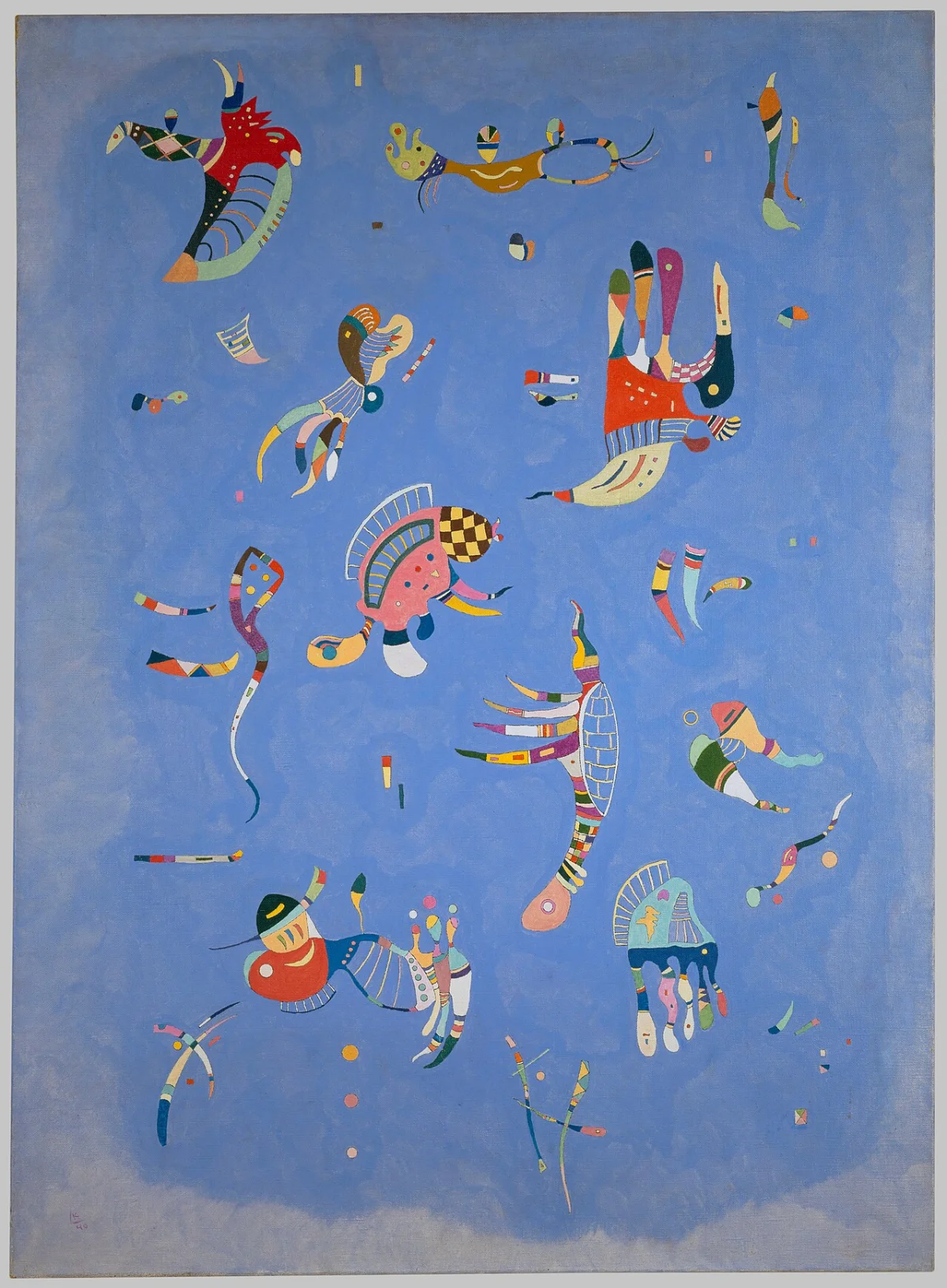
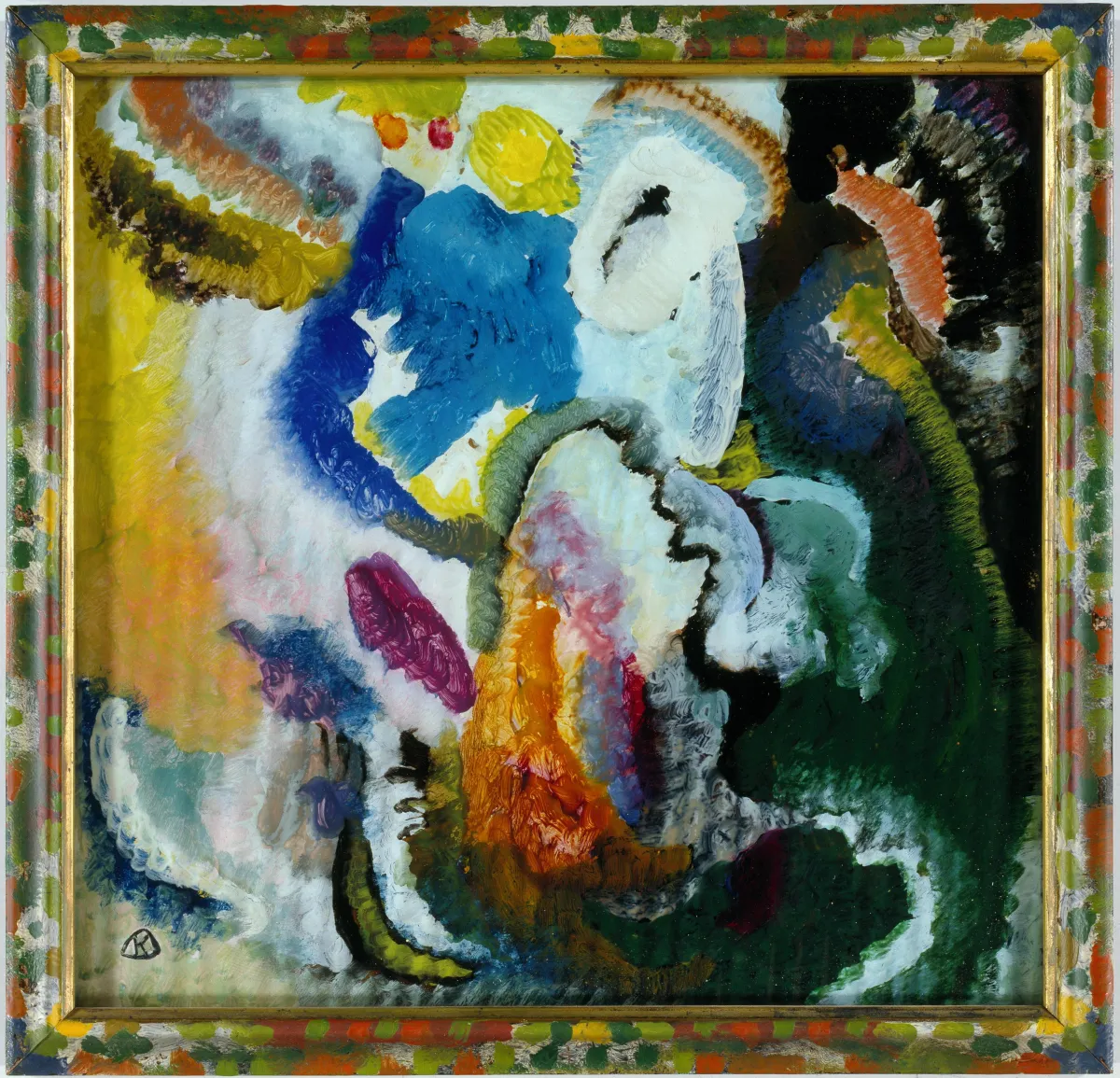
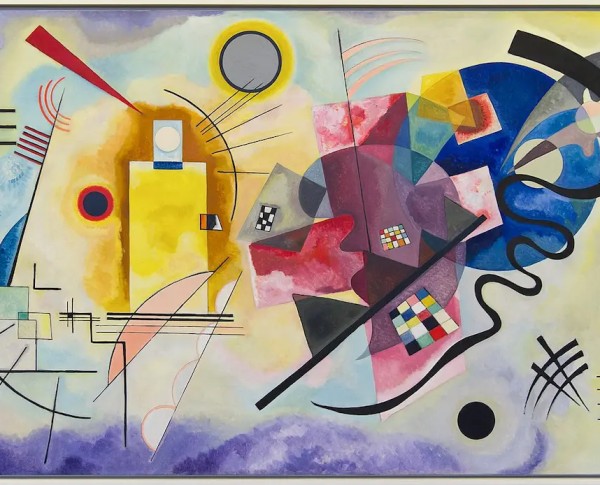
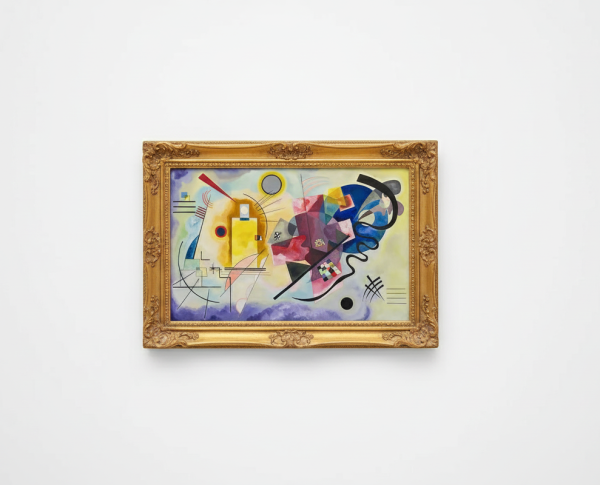
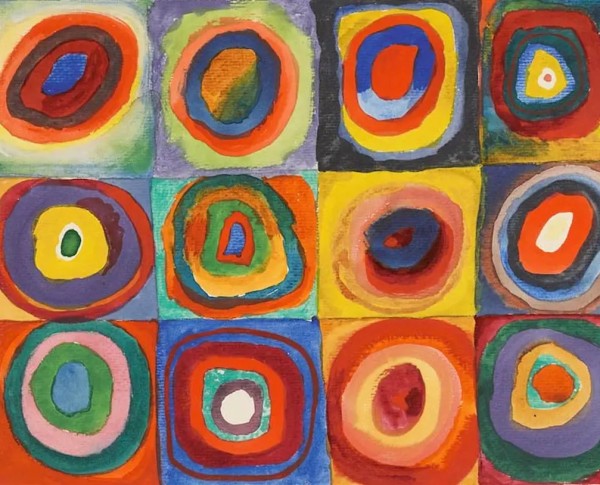
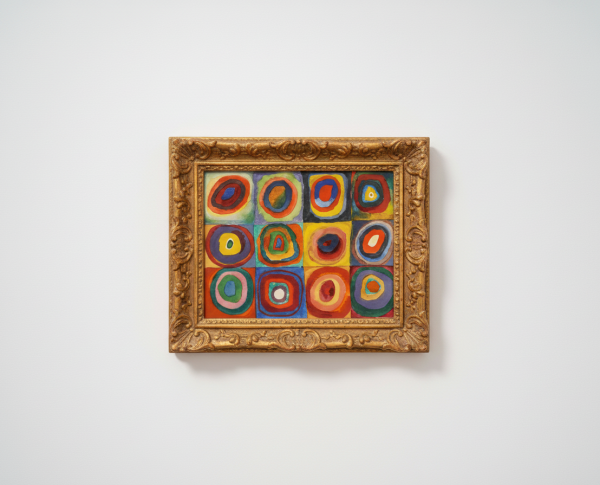
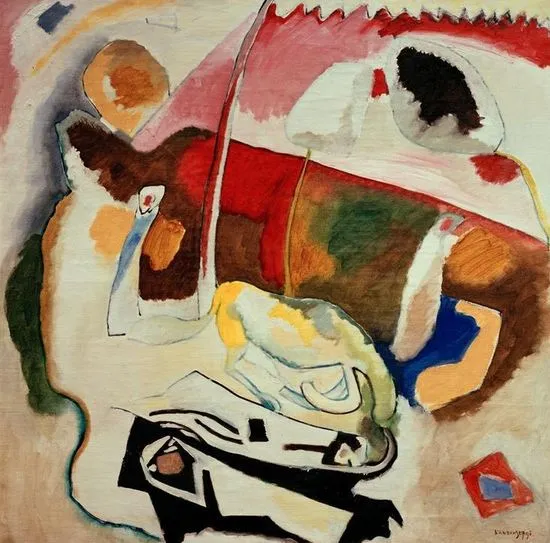
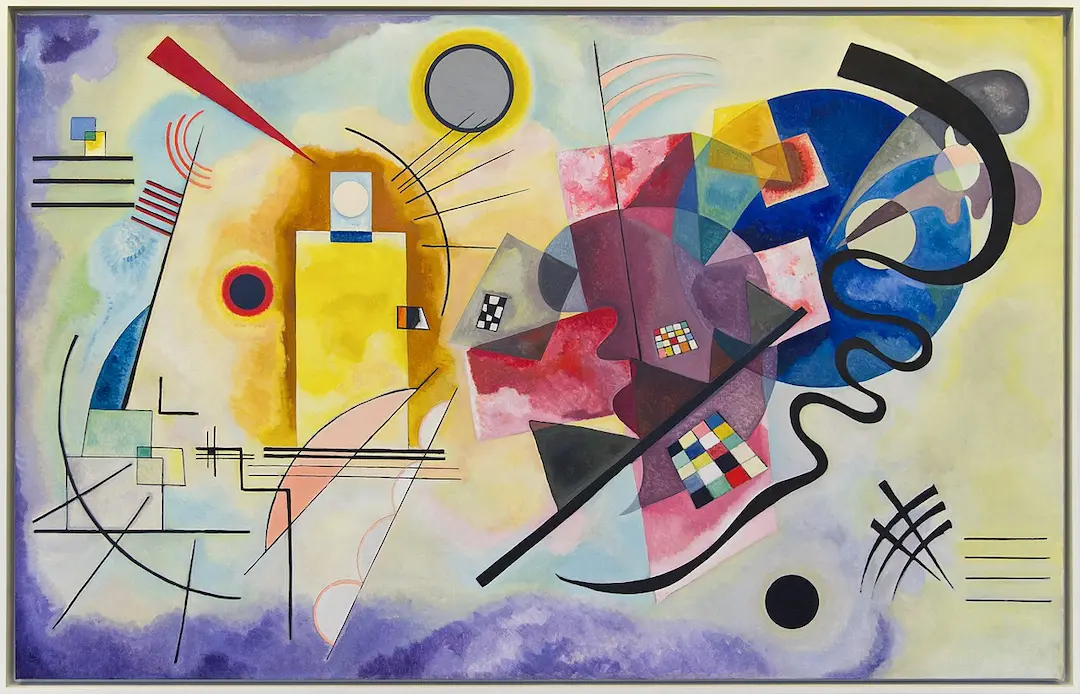
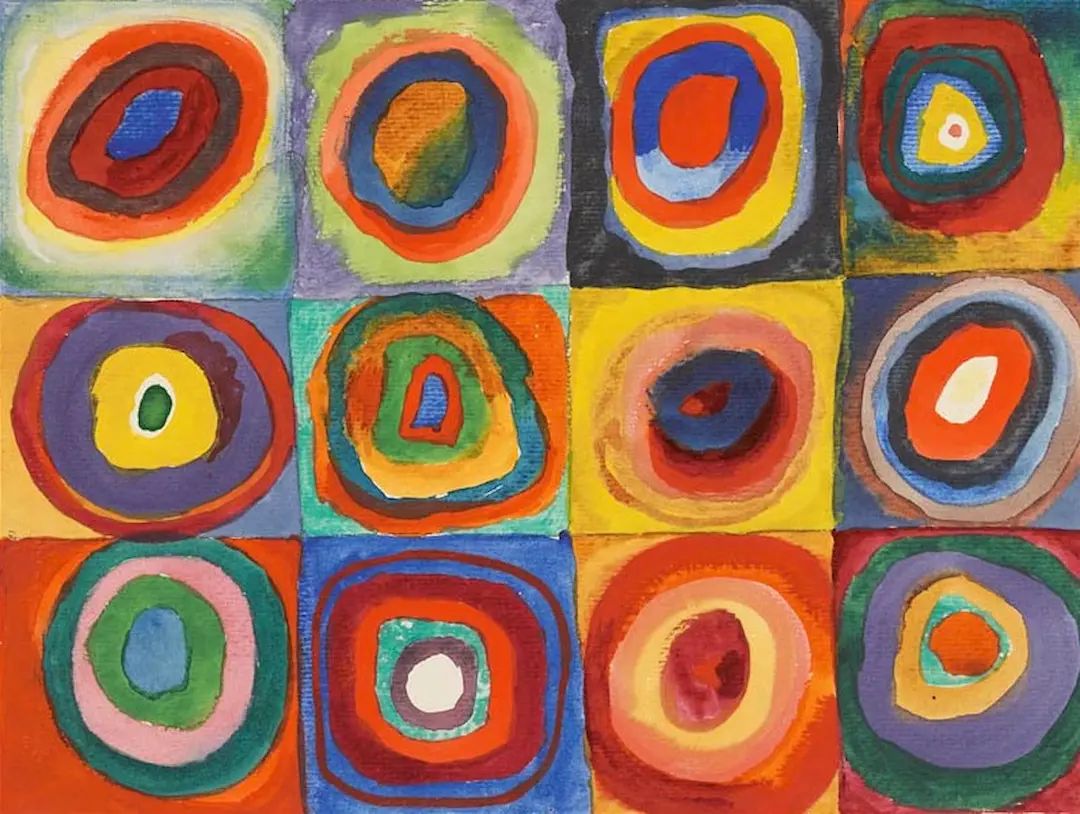
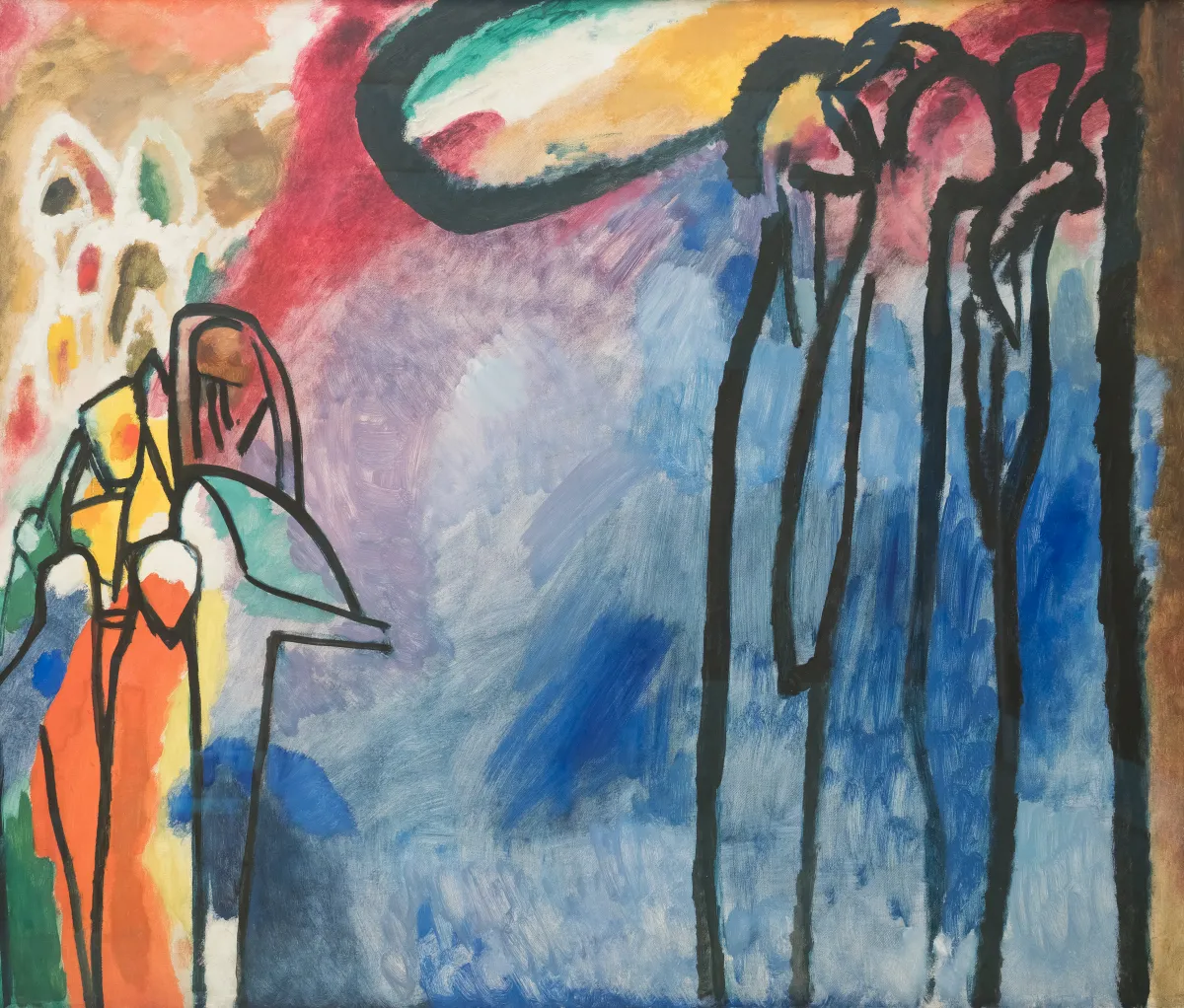
Every inch of "Improvisation 21" demonstrates Kandinsky’s remarkable skill with oil on canvas. The painting’s vibrant hues and fluid lines echo the energy found in works like "Squares with Concentric Rings" and "Yellow Red Blue." Through his technique, Kandinsky invites viewers to experience the emotional intensity that defines Abstract Expressionism. This oil on canvas remains a prime example of the artist’s mastery and an inspiration for anyone who appreciates modern artistic innovation.
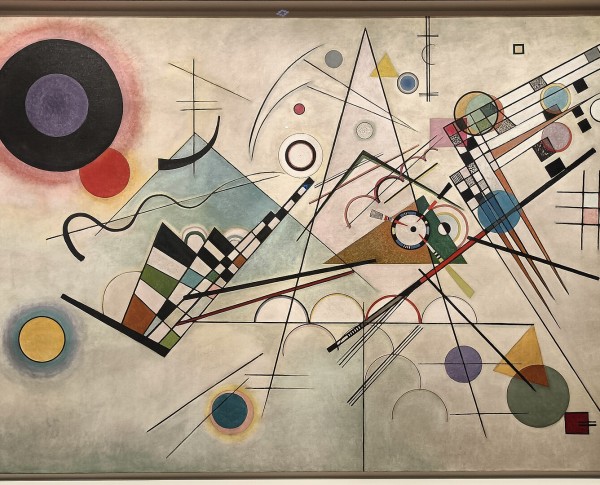
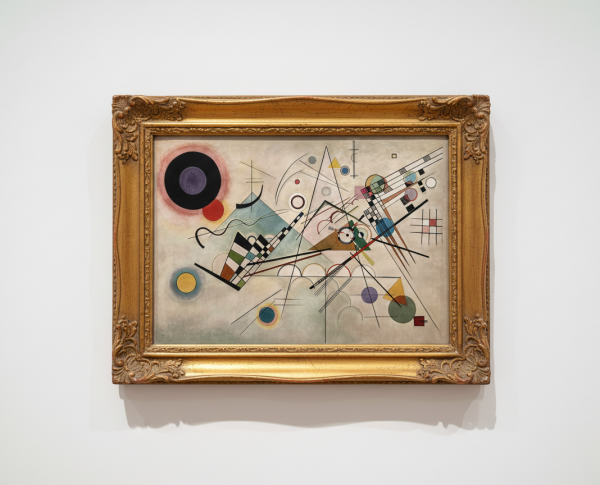
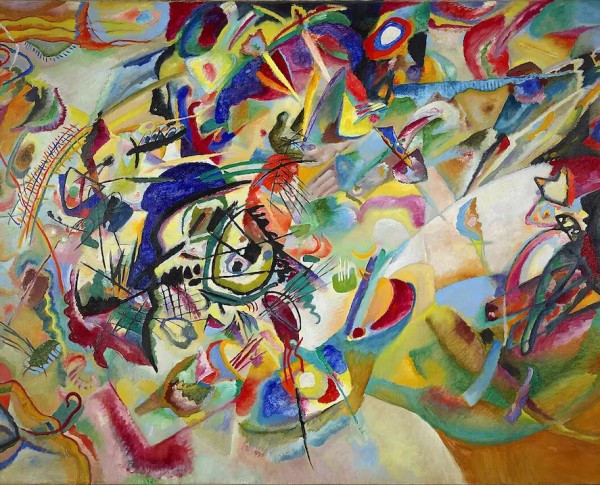
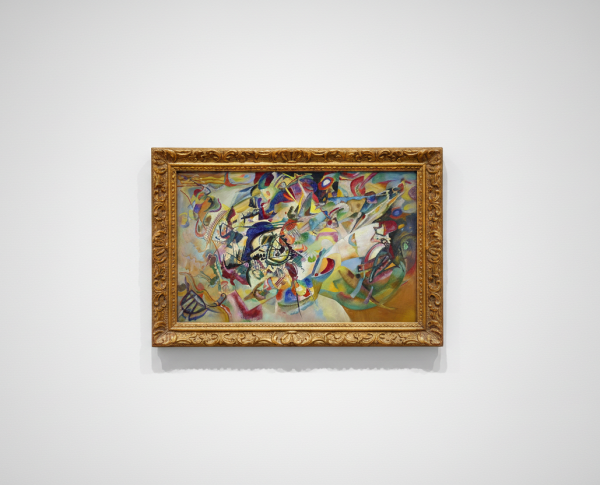
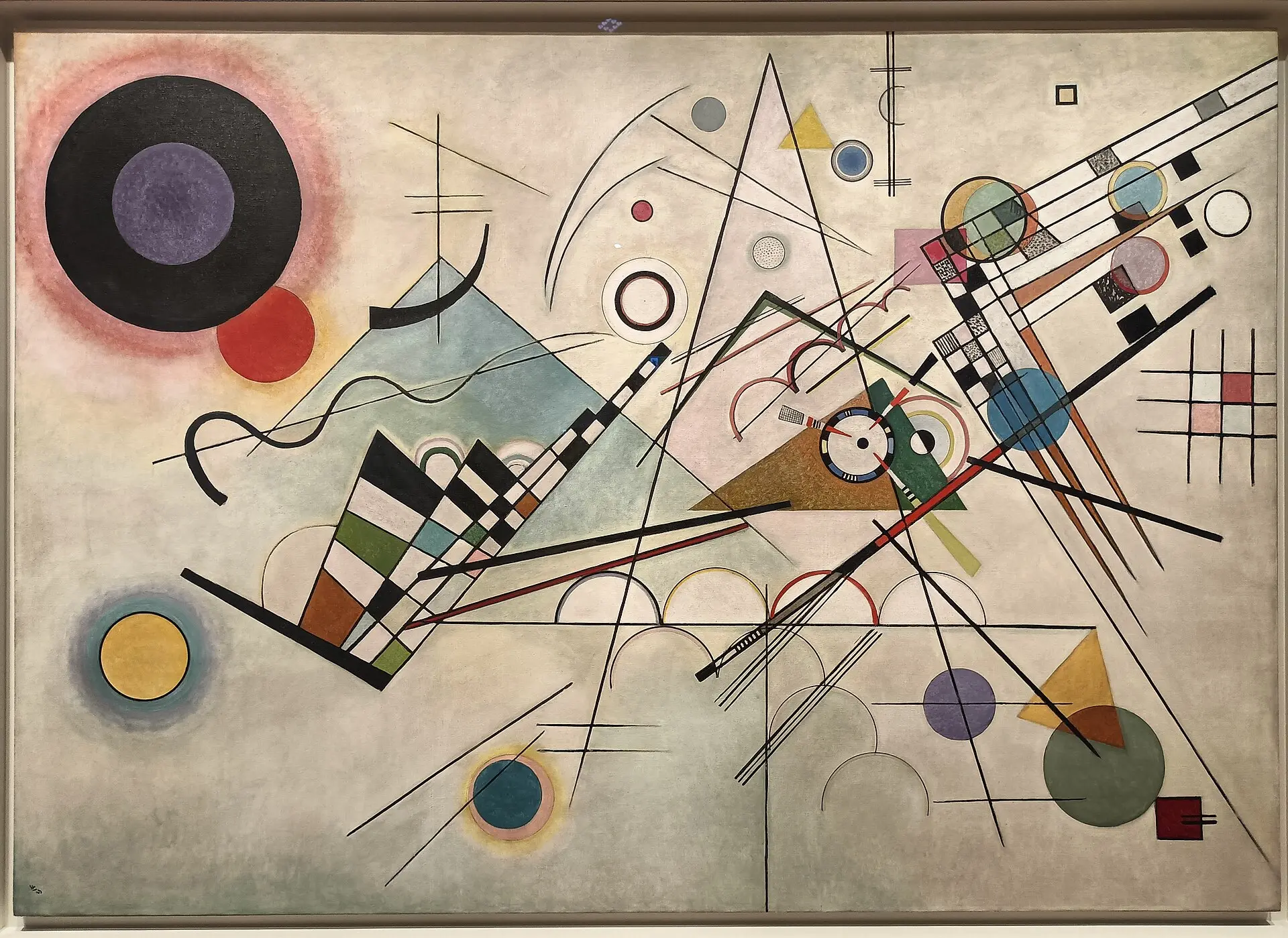
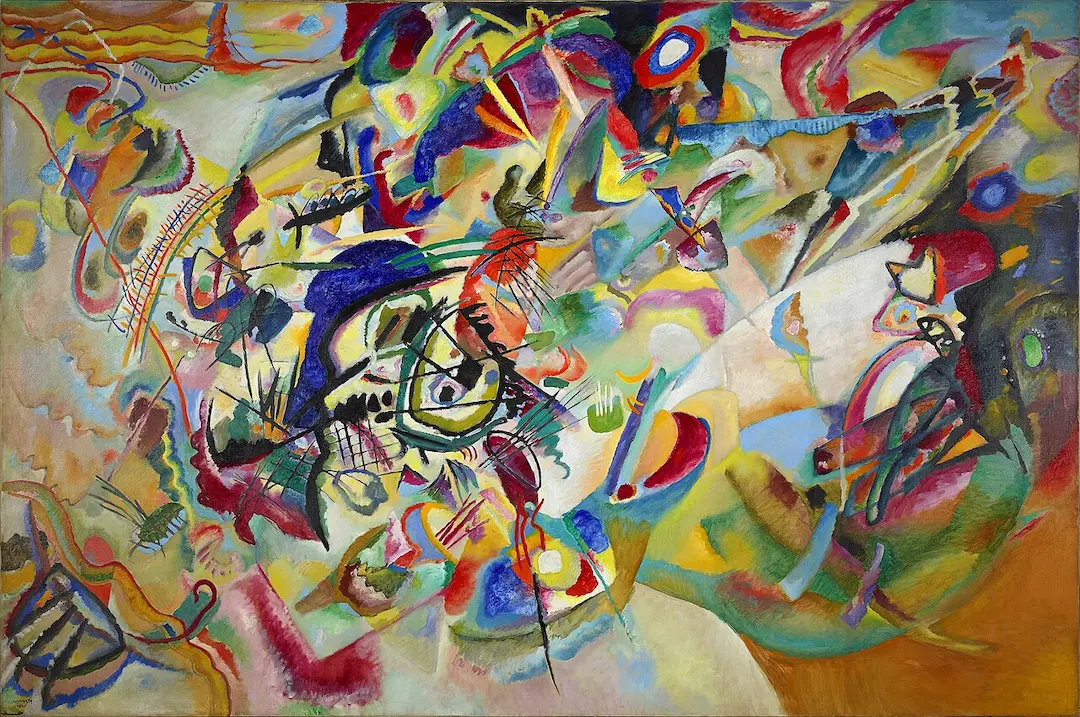
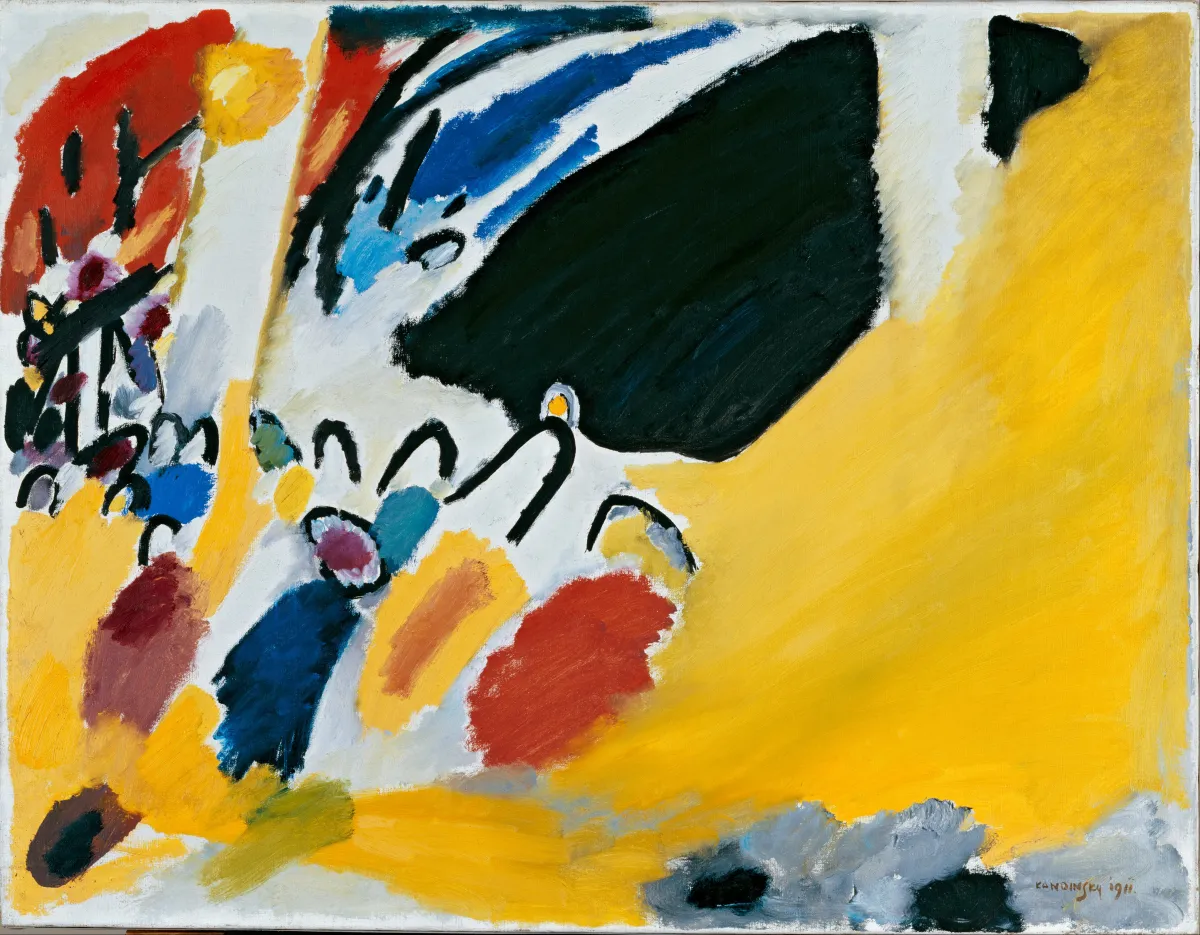
"Improvisation 21" overflows with abstract symbols and hidden meanings, a hallmark of Kandinsky’s creative genius. The swirling forms evoke a sense of movement and emotion, much like those in "Composition VII" and "Impression lll (Concert)." Each element in this hand-painted oil painting invites interpretation, making it a conversation piece for art enthusiasts. Collectors and admirers of Abstract Expressionism find endless fascination in the stories woven throughout Kandinsky’s bold compositions.
Owning "Improvisation 21" is an opportunity to possess a true fine art painting for sale by a master of Abstract Expressionism. Kandinsky’s innovative style, also seen in "Improvisation 11" and "Improvisation 19," ensures this work’s lasting value. Whether displayed alongside "Squares with Concentric Rings" or as a standalone centerpiece, this painting enriches any collection. Art lovers and investors alike recognize the enduring appeal of Kandinsky’s oil on canvas masterpieces.
When Art Meets History
Wassily Kandinsky’s "Improvisation 21" stands as a striking example of the Abstract Expressionism movement, capturing the spirit of early twentieth-century innovation. This hand-painted oil painting reflects Kandinsky’s desire to break free from traditional forms, much like his contemporaries. "Improvisation 21" shares a historical context with related works such as "Untitled (Violet, Black, Orange, Yellow on White and Red), 1949," illustrating a pivotal era where artists redefined visual language.
Techniques That Speak
Kandinsky’s mastery of oil on canvas is evident in "Improvisation 21," where dynamic brushstrokes and bold colors evoke a sense of spontaneous creativity. The artist’s technique, characterized by layering and vivid contrasts, mirrors the core values of Abstract Expressionism. This approach is also seen in related paintings like "Untitled (Violet, Black, Orange, Yellow on White and Red), 1949," emphasizing the expressive potential of oil on canvas in modern art.
Emotions on Display
With "Improvisation 21," Kandinsky channels emotion and energy through abstract forms, inviting viewers to interpret personal meanings. The fine art painting for sale is renowned for its ability to stir deep feelings, a hallmark of Abstract Expressionism. Like "Untitled (Violet, Black, Orange, Yellow on White and Red), 1949," this painting transcends literal representation, offering an emotional journey that resonates with art lovers and collectors alike.
Coveted by Collectors
"Improvisation 21" by Wassily Kandinsky has become a highly sought-after piece among collectors, celebrated for its historical significance and artistic innovation. As a hand-painted oil painting from the Abstract Expressionism movement, its value continues to rise. Collectors often seek out works related to "Untitled (Violet, Black, Orange, Yellow on White and Red), 1949," recognizing the enduring appeal of Kandinsky’s vision and the unique place these paintings hold in modern art history.
Related Abstract Expressionism Hand-Painted Oil Paintings by Other Artists
Other Famous Abstract Expressionism Artists:
Frequently Asked Questions About Improvisation 21
What is the historical context of "Improvisation 21"?
"Improvisation 21," created in 1910, emerged during a period of significant artistic experimentation and innovation in Europe, particularly in the context of the Expressionist movement, which sought to convey emotional experience rather than physical reality.
What artistic movement does "Improvisation 21" belong to?
The painting is a key work of Abstract Expressionism, a movement that emphasizes the use of color and form to express emotions and ideas, breaking away from traditional representational art.
What techniques did Kandinsky use in "Improvisation 21"?
Kandinsky employed a technique of spontaneous brushwork and vibrant color contrasts, allowing forms to emerge organically rather than through pre-defined shapes, which reflects his belief in the power of abstraction to convey deep emotional truths.
How does "Improvisation 21" reflect Kandinsky's philosophy of art?
Kandinsky believed that art should evoke an emotional response and transcend the material world. "Improvisation 21" exemplifies this philosophy by using abstract forms and colors to create a visual symphony that resonates with the viewer's inner feelings.
What is the significance of color in "Improvisation 21"?
Color plays a crucial role in "Improvisation 21," as Kandinsky believed that colors have inherent emotional qualities. The vibrant palette used in the painting is intended to evoke specific feelings and moods, enhancing the viewer's emotional experience.
What does the title "Improvisation 21" signify?
The title "Improvisation 21" suggests a spontaneous and instinctive creation process, reflecting Kandinsky's desire to capture the essence of music and emotion in visual form, much like a musician improvises a melody.
How does "Improvisation 21" relate to music?
Kandinsky often drew parallels between visual art and music. In "Improvisation 21," he aimed to create a visual composition that resonates with the same emotional depth and rhythm found in musical improvisation, reflecting his belief in the synesthetic connection between the two art forms.
What influences can be seen in "Improvisation 21"?
The painting reflects influences from various sources, including the spiritual and philosophical ideas of the time, as well as the burgeoning abstract art movements. Kandinsky was particularly inspired by the works of fellow artists and the broader cultural shifts occurring in early 20th-century Europe.
In what ways did "Improvisation 21" challenge traditional art conventions?
"Improvisation 21" challenged traditional art conventions by abandoning representational forms and instead focusing on abstraction, allowing for a more personal and subjective interpretation of reality, which was revolutionary at the time.
What legacy has "Improvisation 21" left in the art world?
The legacy of "Improvisation 21" is significant, as it paved the way for future abstract artists and movements, influencing generations of artists to explore abstraction as a means of expressing complex emotional and spiritual experiences.























_GFM_Painting_(1).webp)


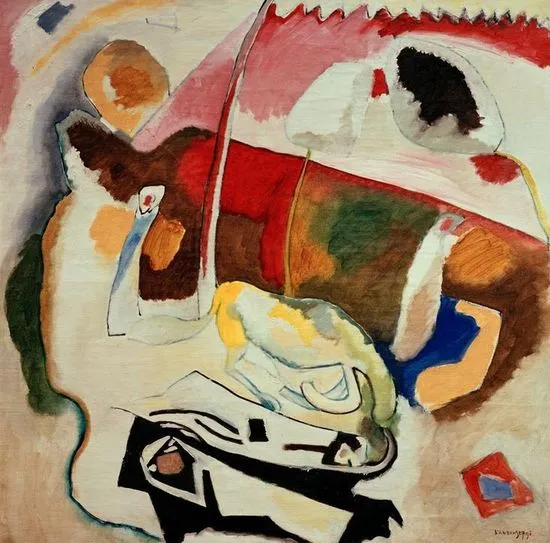
 100% Hand-Painted: Finished in 3-6 Weeks

.png)















_(1).webp)