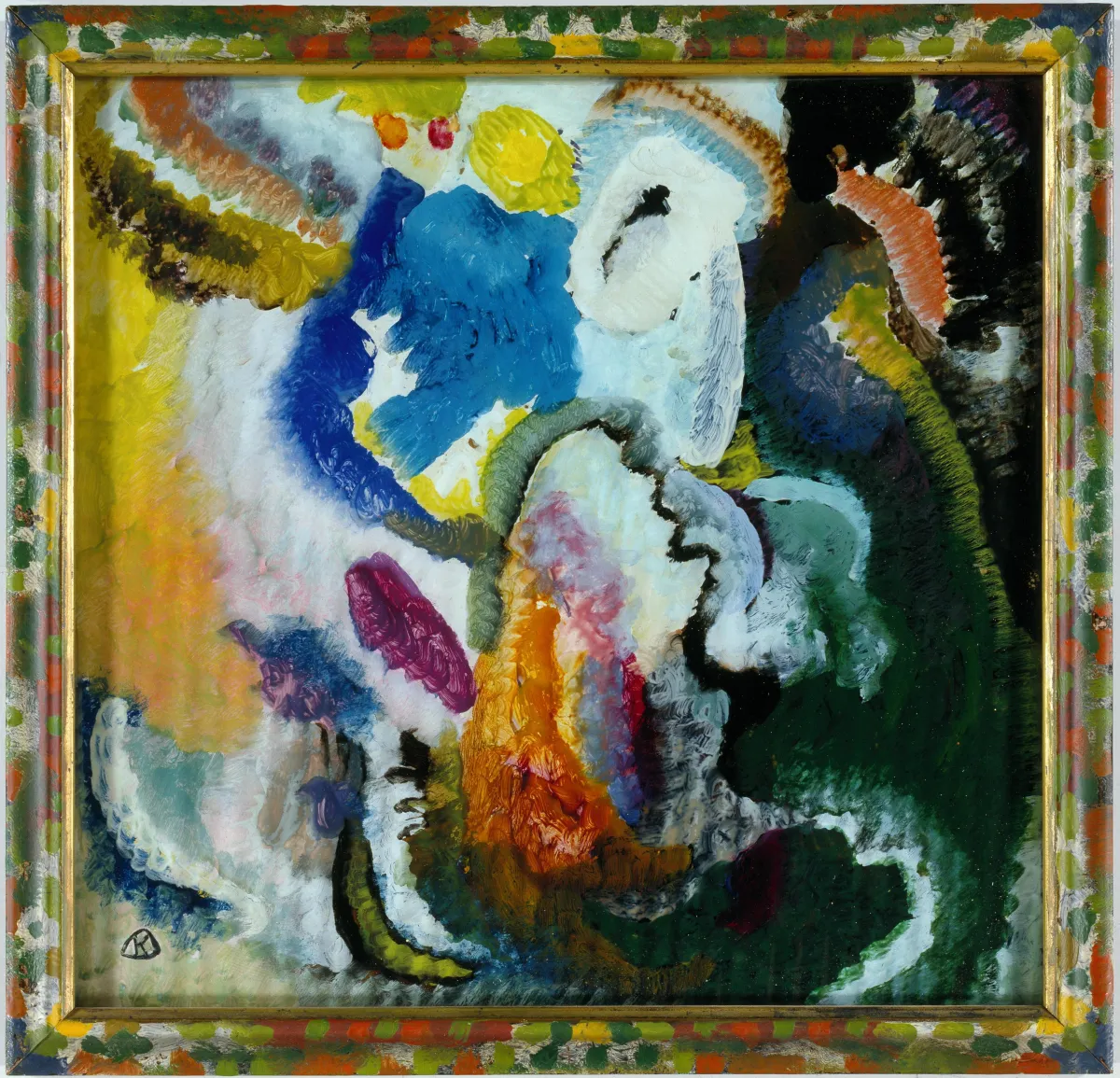
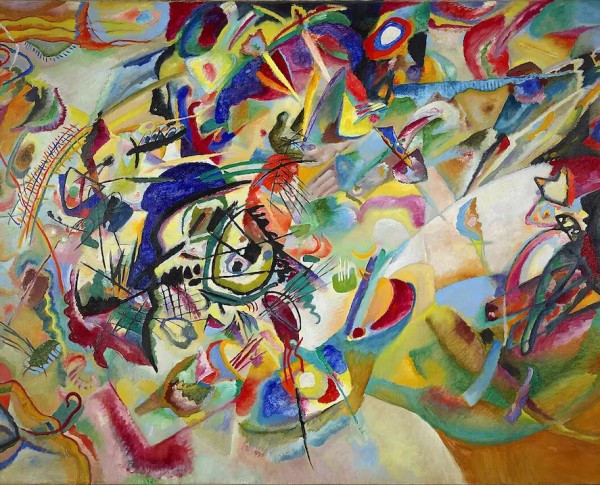
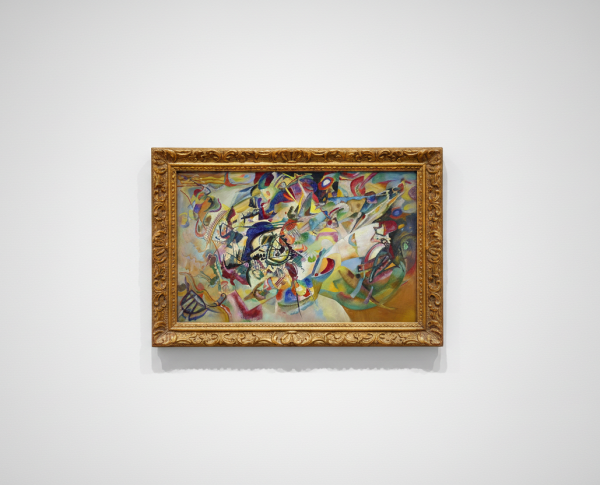
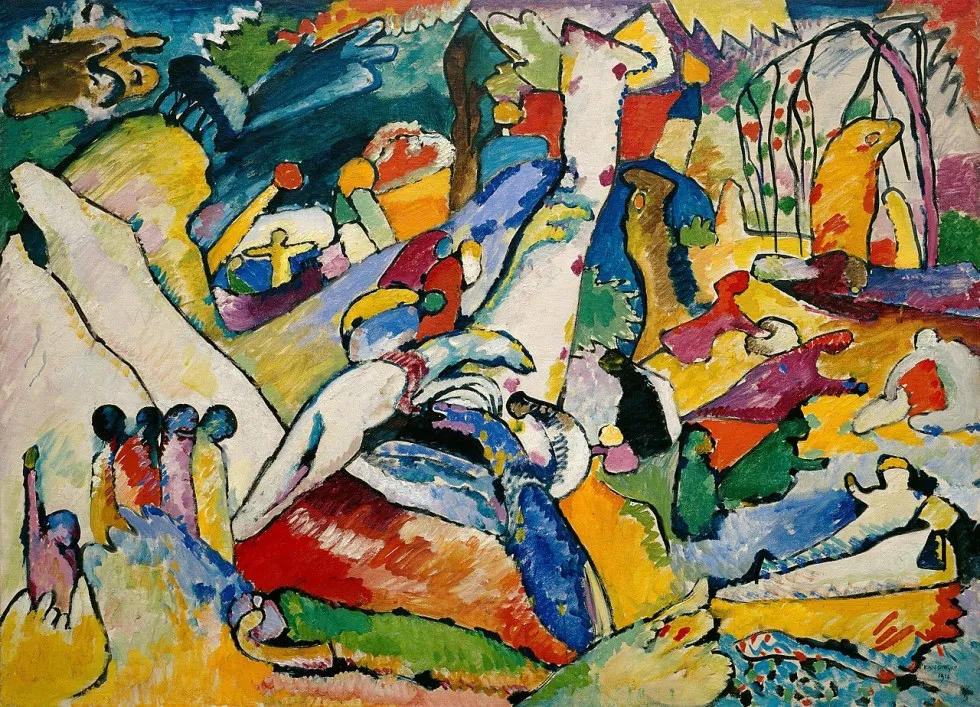
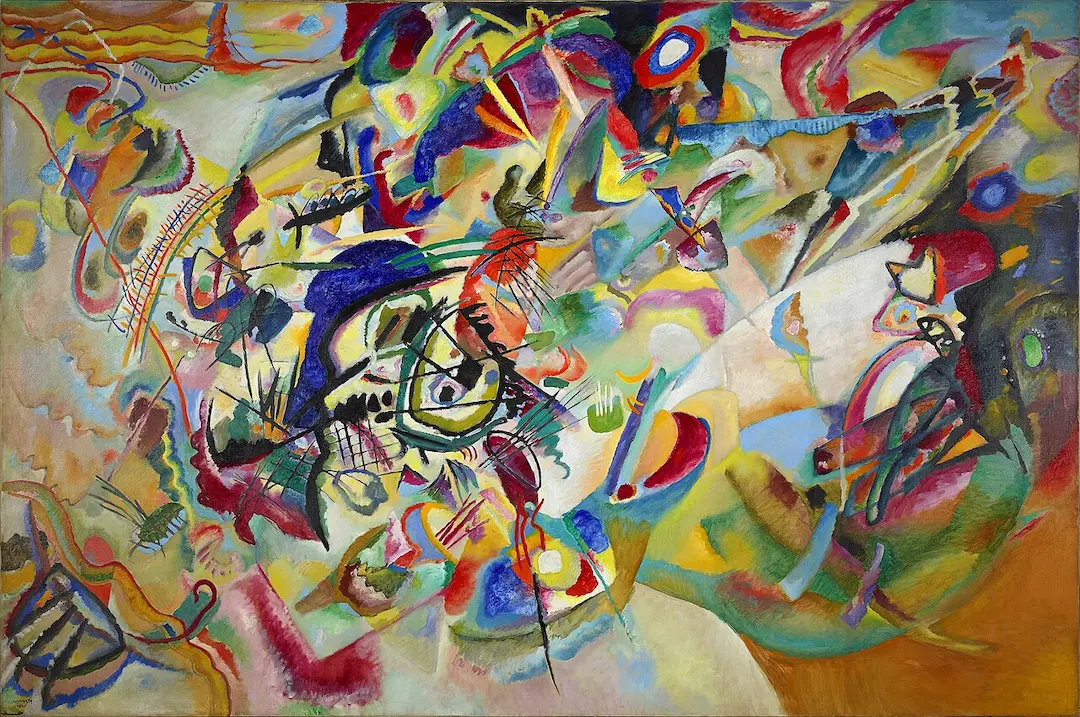
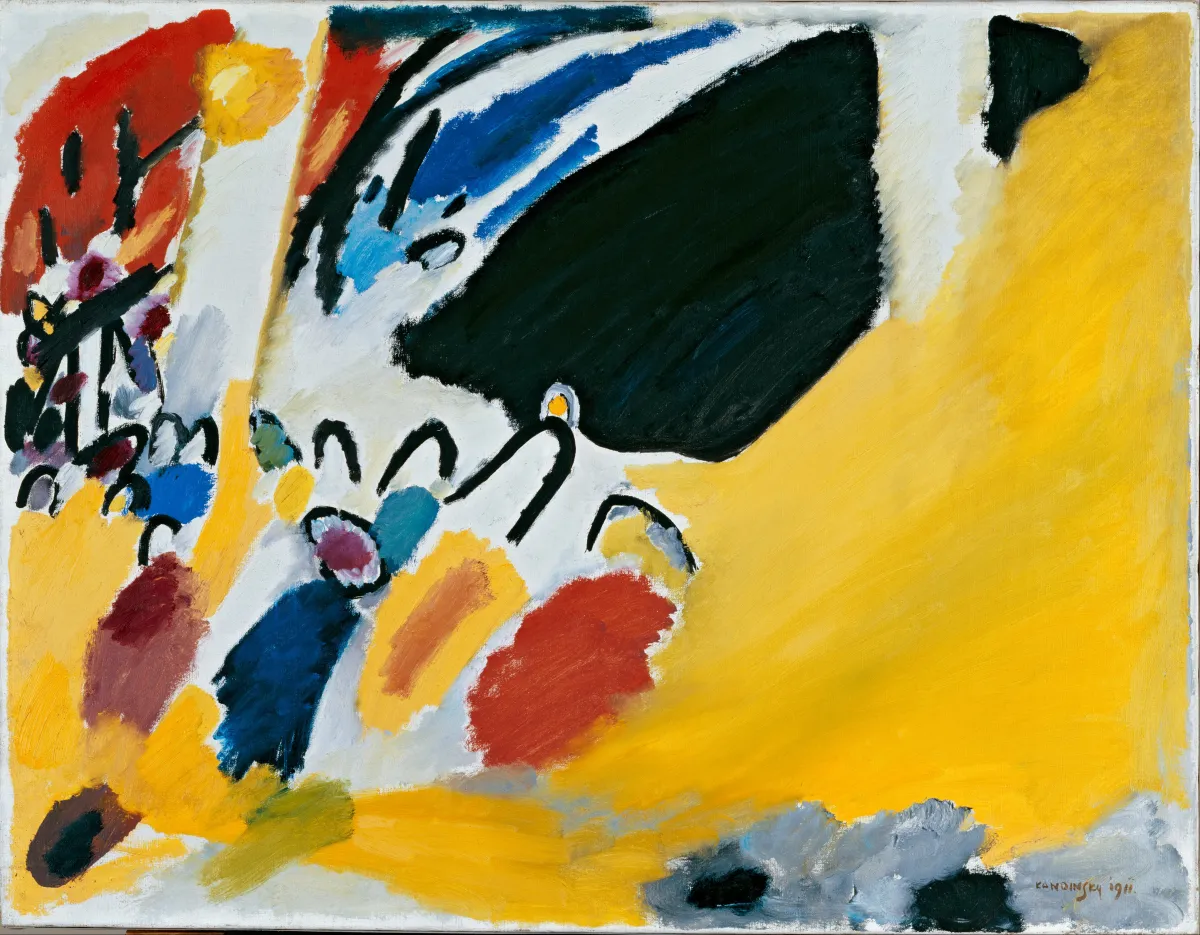
"Sketch for 'Composition II'" is a vivid example of Kandinsky’s mastery with oil on canvas, where every brushstroke pulses with intention and emotion. His approach to Abstract Expressionism is evident in the dynamic forms and harmonious color palette. The energy within the composition is echoed in other works such as "Impression III (Concert)" and "Akhtyrka." This fine art painting for sale demonstrates Kandinsky’s technical prowess and his ability to evoke deep responses through abstract forms.
Kandinsky’s "Sketch for 'Composition II'" weaves stories and symbols throughout its vibrant surface, inviting viewers to interpret hidden meanings. The hand-painted oil painting offers a glimpse into the artist’s fascination with spirituality and music, themes that recur in his oeuvre. Similar motifs can be found in "Framework for a Pile of Hay and Farm" and "Colorful Life," making these works highly sought-after as fine art painting for sale for collectors who appreciate symbolic depth.
Owning "Sketch for 'Composition II'" is a unique privilege for any art lover, as this oil on canvas stands as a testament to Kandinsky’s revolutionary vision within Abstract Expressionism. Collectors often pair it with related masterpieces such as "Woman in Moscow" to enrich their collections. The painting’s vibrant energy and historical importance make it a coveted fine art painting for sale, appealing to those who value both artistic innovation and cultural significance.
When Art Meets History
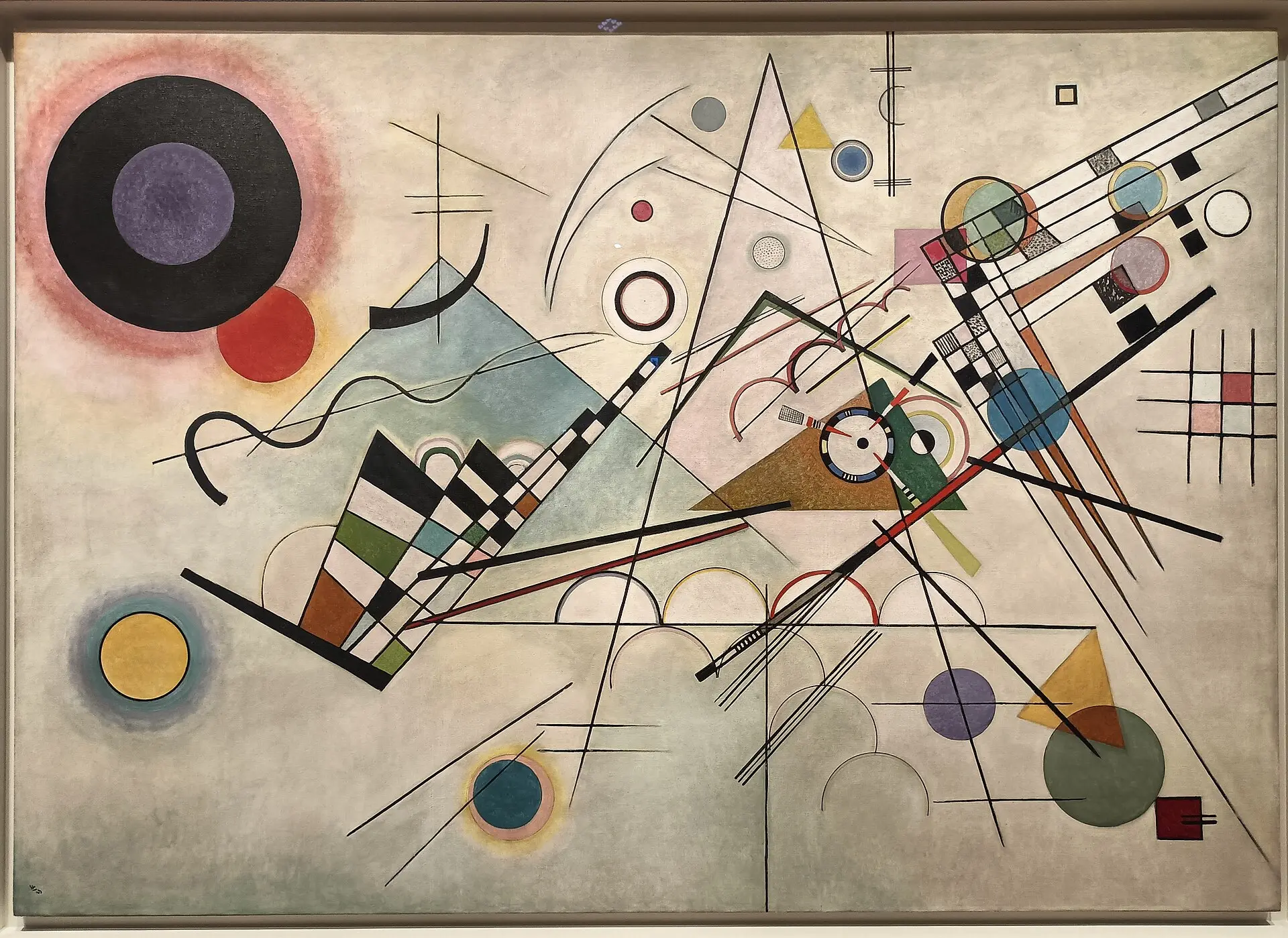
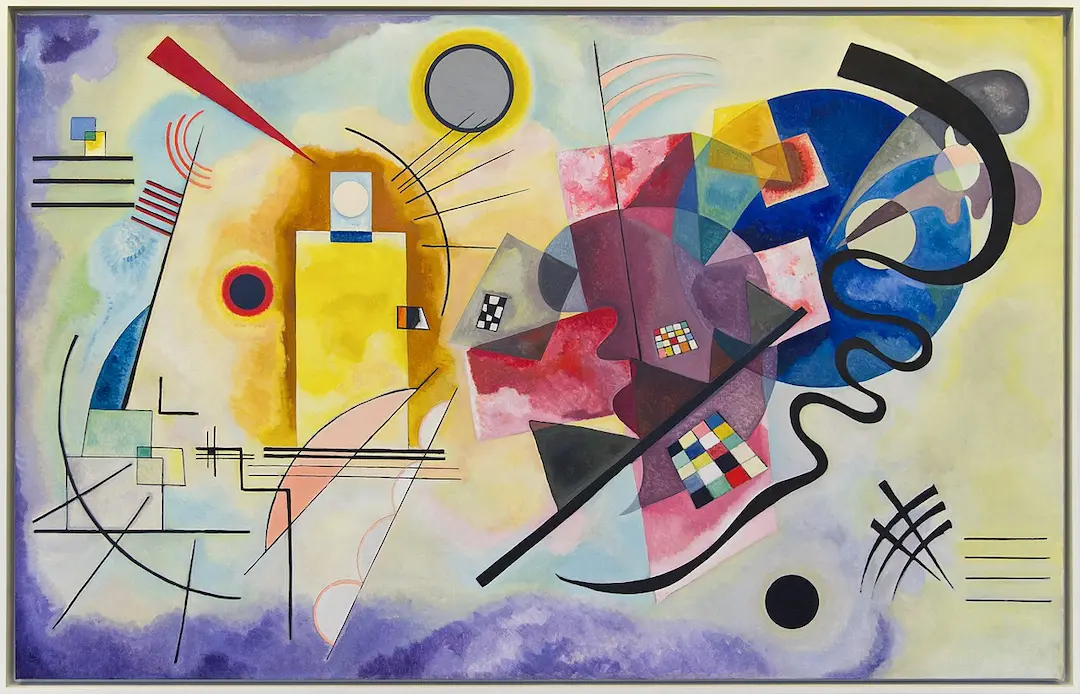
"Sketch for 'Composition II'" by Wassily Kandinsky stands as a remarkable example of Abstract Expressionism, a movement that revolutionized early 20th-century art. This hand-painted oil painting captures the era's shift towards emotional and spiritual expression, much like Kandinsky’s other celebrated works. The painting’s historical significance is heightened by its connection to innovative pieces like "Untitled (Violet, Black, Orange, Yellow on White and Red), 1949," reflecting a pivotal moment in modern art history.
Techniques That Speak
Wassily Kandinsky's mastery is evident in "Sketch for 'Composition II'," where he skillfully employs oil on canvas to create dynamic forms and vibrant colors. Through bold brushstrokes and layered textures, Kandinsky breathes life into Abstract Expressionism, setting the stage for future artists. His techniques parallel those seen in related works such as "Untitled (Violet, Black, Orange, Yellow on White and Red), 1949," emphasizing the transformative power of oil on canvas in fine art.
Emotions on Display
The expressive energy of "Sketch for 'Composition II'" reveals Kandinsky’s ability to channel emotions onto the canvas, a hallmark of Abstract Expressionism. The swirling shapes and vivid palette evoke a sense of movement and inner turmoil, inviting viewers to interpret their own feelings. This approach is reminiscent of the emotional intensity found in works like "Untitled (Violet, Black, Orange, Yellow on White and Red), 1949," making this fine art painting for sale a testament to Kandinsky’s enduring legacy.
Coveted by Collectors
As a prime example of Abstract Expressionism, "Sketch for 'Composition II'" remains highly sought after by art collectors worldwide. The hand-painted oil painting’s provenance and connection to Wassily Kandinsky elevate its desirability, alongside other significant works such as "Untitled (Violet, Black, Orange, Yellow on White and Red), 1949." For anyone seeking a fine art painting for sale, this masterpiece represents both artistic innovation and a valuable investment in art history.
Related Abstract Expressionism Hand-Painted Oil Paintings by Other Artists
Other Famous Abstract Expressionism Artists:
Frequently Asked Questions About Sketch for "Composition II"
What is the historical significance of "Sketch for 'Composition II'"?
"Sketch for 'Composition II'" is significant as it showcases Wassily Kandinsky's pioneering role in abstract art during the early 20th century. Created in 1910, this work reflects the artist's exploration of color, form, and the emotional resonance of abstraction, marking a departure from representational art.
How does "Sketch for 'Composition II'" relate to Kandinsky's artistic philosophy?
Kandinsky believed that art should transcend the physical world and evoke emotions through color and form. This sketch embodies his philosophy, as it prioritizes emotional expression over realistic representation, aligning with his theories outlined in his seminal work, "Concerning the Spiritual in Art."
What artistic techniques are evident in "Sketch for 'Composition II'"?
The artwork employs dynamic lines, geometric shapes, and a vibrant color palette, which are characteristic of Kandinsky's style. The use of contrasting colors and abstract forms creates a sense of movement and energy, inviting viewers to engage with the piece on an emotional level.
What influences can be seen in "Sketch for 'Composition II'"?
Kandinsky was influenced by various artistic movements, including Impressionism and Fauvism, as well as the spiritual philosophies of Theosophy. These influences are evident in the bold use of color and the emphasis on emotional experience over visual accuracy in this sketch.
What is the symbolism behind the colors used in "Sketch for 'Composition II'"?
The colors in "Sketch for 'Composition II'" are not merely aesthetic choices; they are imbued with symbolic meaning. For Kandinsky, colors could evoke specific emotions and spiritual responses, with warm colors often associated with passion and cool colors with tranquility, creating a dialogue between the viewer and the artwork.
How does "Sketch for 'Composition II'" fit into the broader context of abstract art?
This sketch is a crucial piece in the evolution of abstract art, representing a transition from traditional forms to a new visual language. It paved the way for future abstract movements by demonstrating that art could exist independently of the physical world, influencing generations of artists to explore abstraction.
What role did "Sketch for 'Composition II'" play in Kandinsky's later works?
The sketch served as a foundational study for Kandinsky's later compositions, allowing him to refine his ideas about abstraction and color theory. It reflects his ongoing experimentation with form and composition, which would continue to evolve throughout his career, influencing his subsequent masterpieces.
What was the reaction to "Sketch for 'Composition II'" when it was first created?
At the time of its creation, "Sketch for 'Composition II'" was met with mixed reactions. While some contemporaries recognized Kandinsky's innovative approach, others were skeptical of abstract art. Over time, however, the work has come to be celebrated as a landmark in the history of modern art.
How does "Sketch for 'Composition II'" reflect the cultural context of its time?
The early 20th century was a period of significant social and political change, and Kandinsky's work reflects the tumultuous spirit of the era. The move towards abstraction in art can be seen as a response to the chaos of modern life, with artists like Kandinsky seeking new ways to express the complexities of human experience.
What impact did "Sketch for 'Composition II'" have on future generations of artists?
The impact of "Sketch for 'Composition II'" on future generations of artists is profound. It challenged traditional notions of representation and opened new avenues for artistic expression, inspiring movements such as Abstract Expressionism and influencing countless artists to explore abstraction in their own work.























_GFM_Painting_(1).webp)


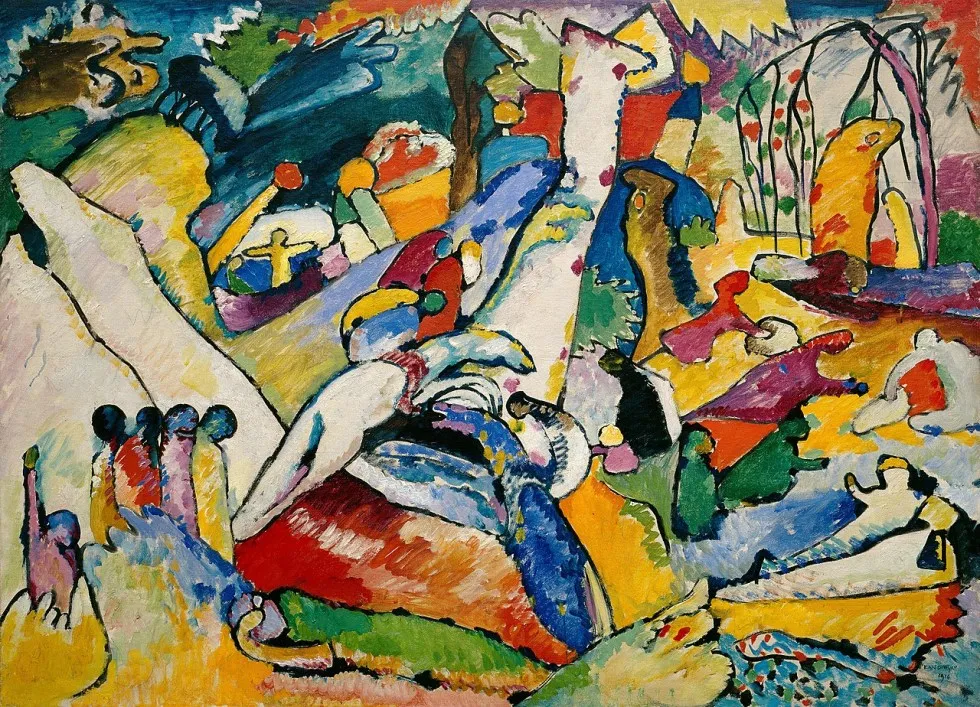
 100% Hand-Painted: Finished in 3-6 Weeks

.png)















_(1).webp)