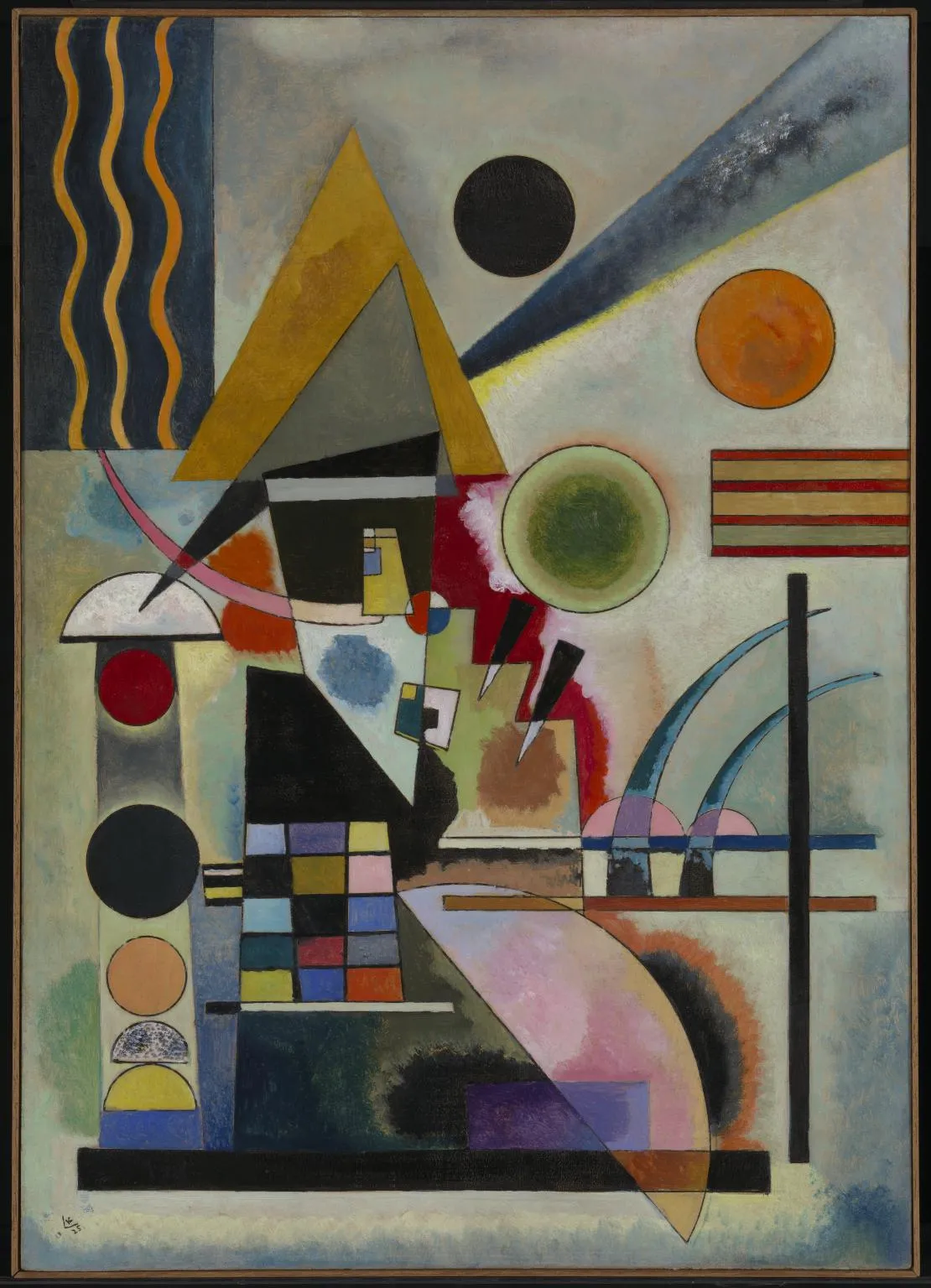
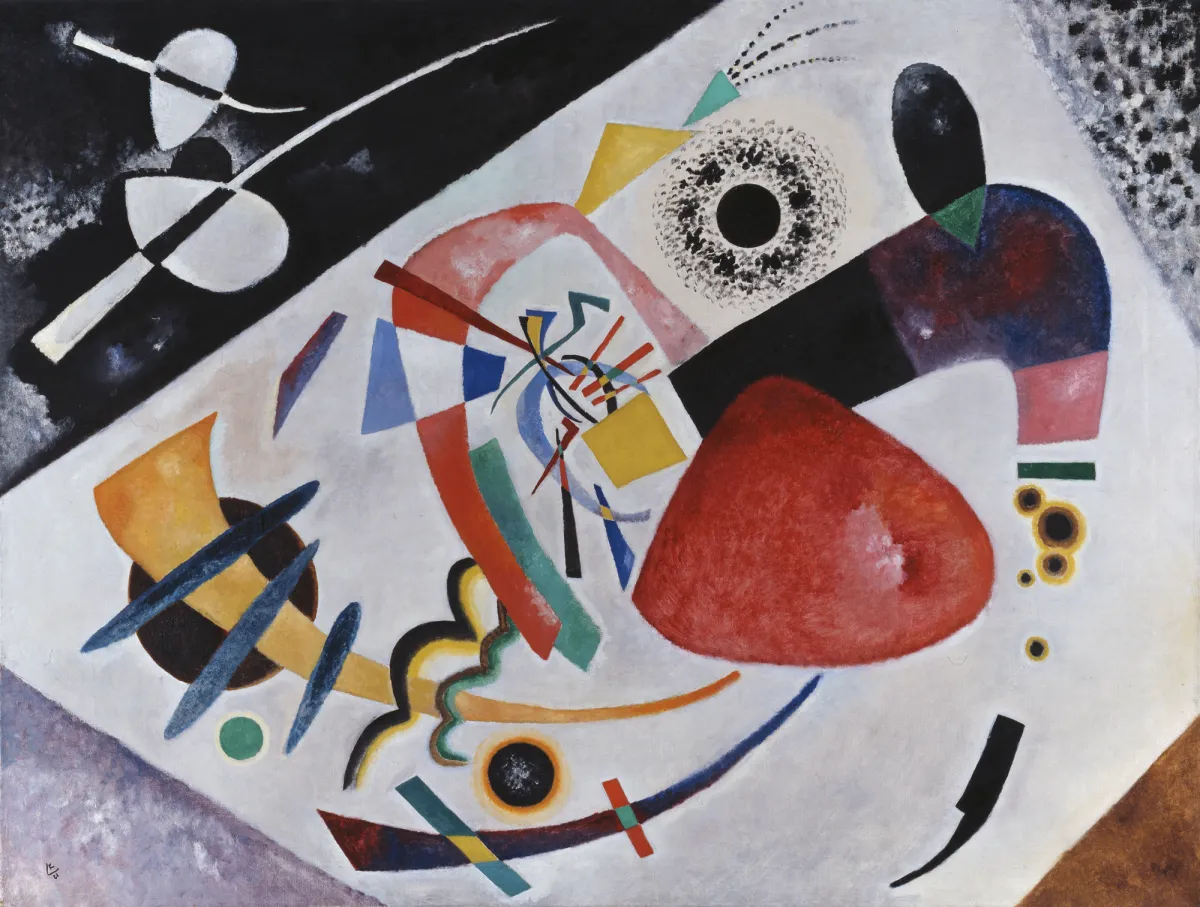
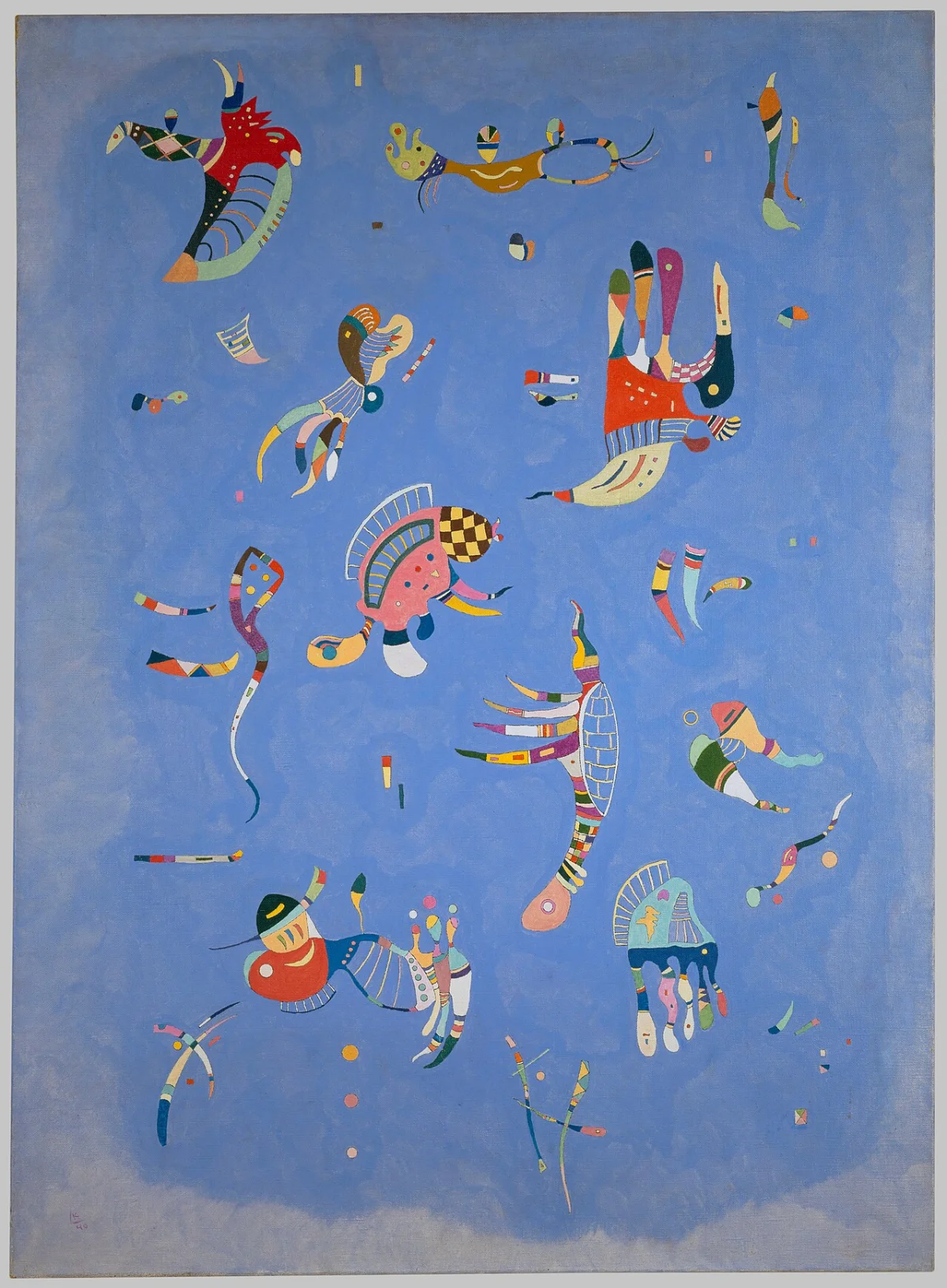
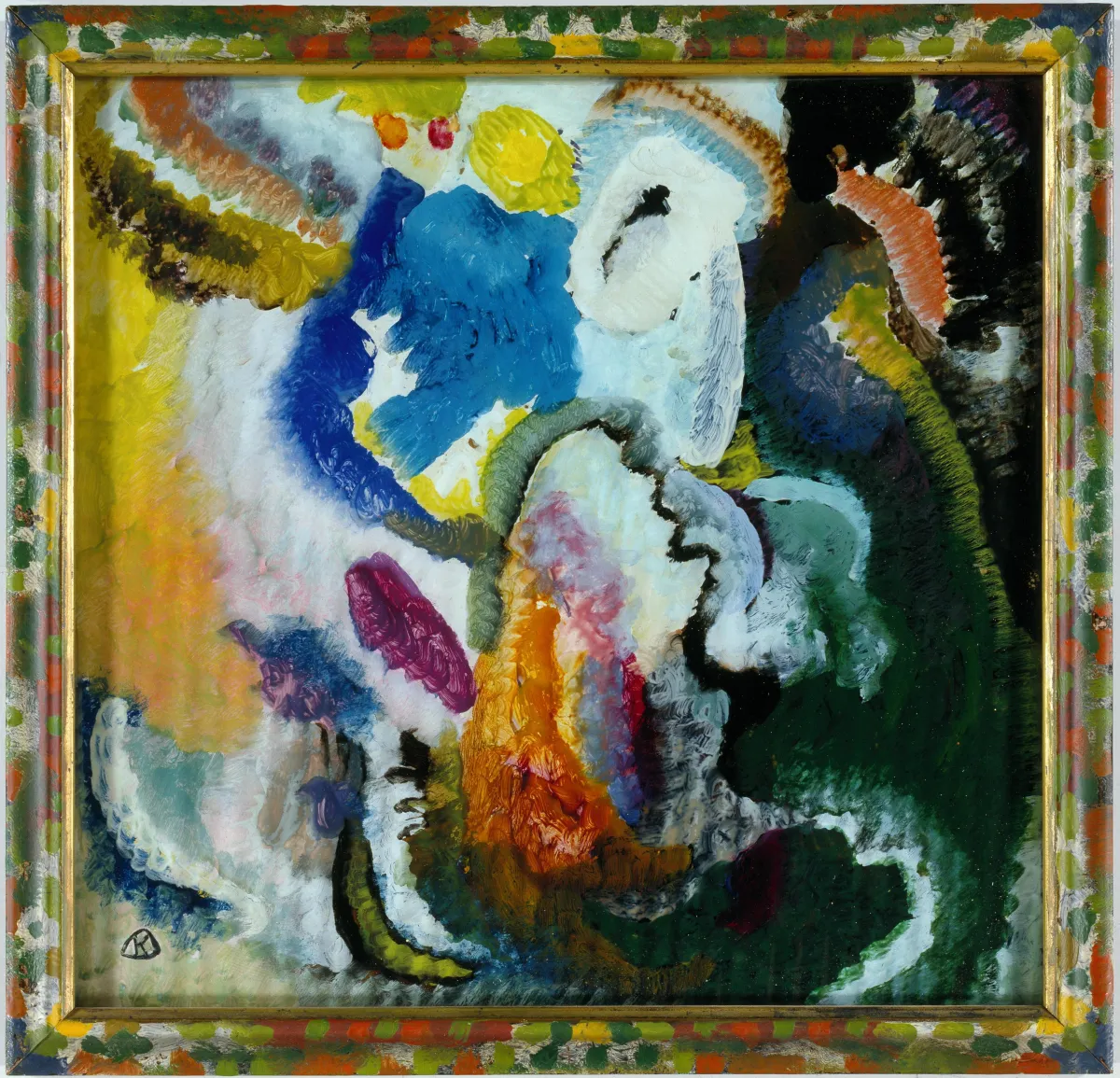
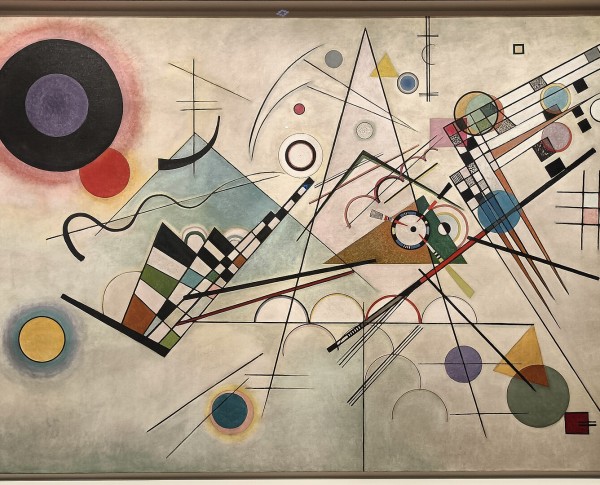
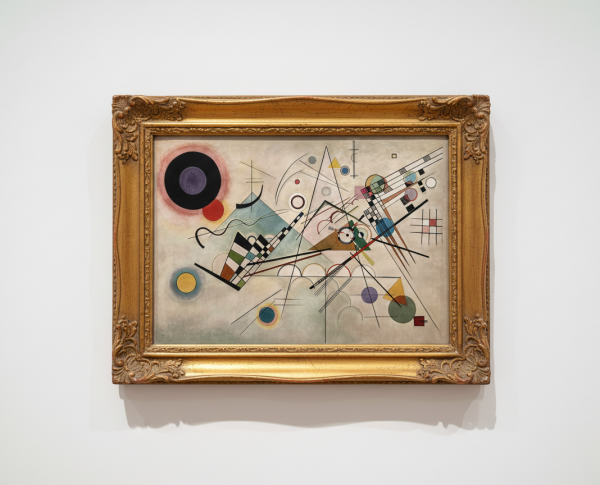
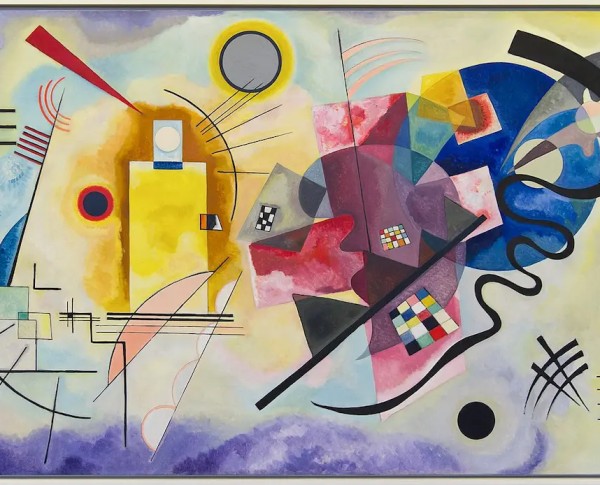
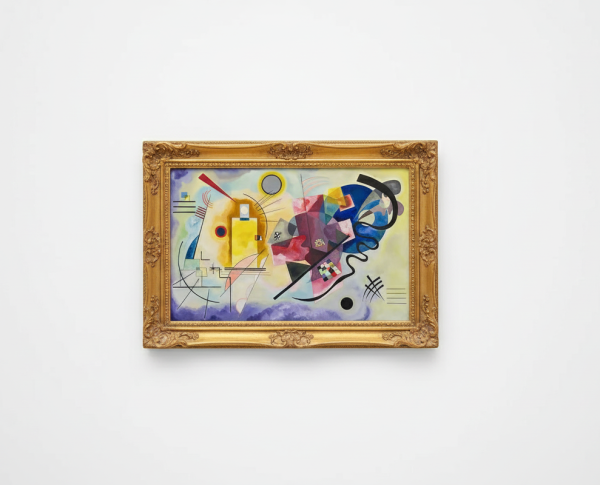
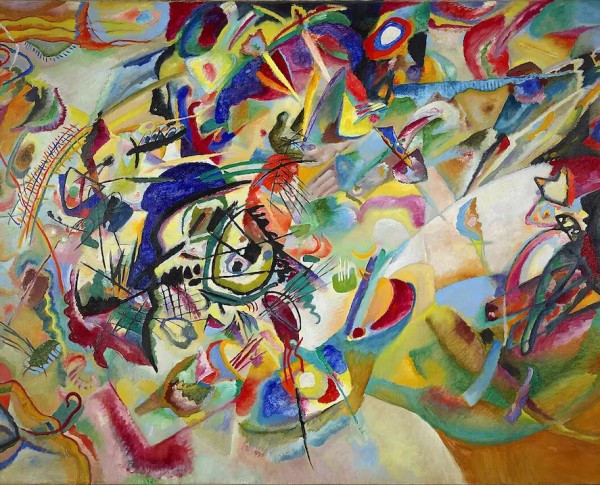
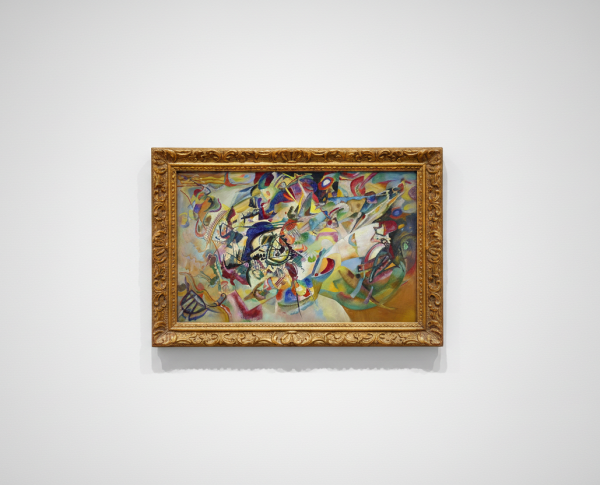
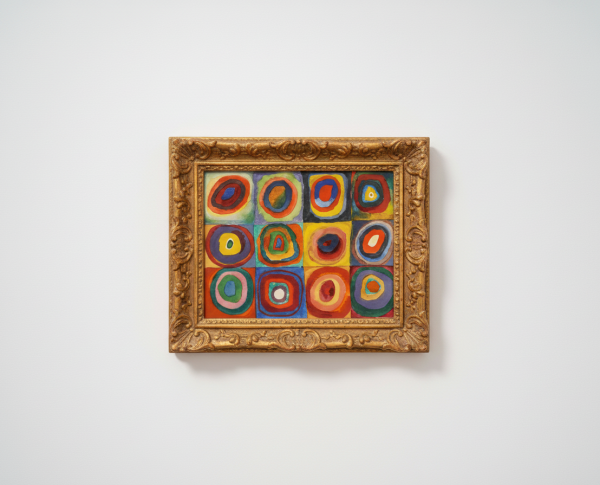
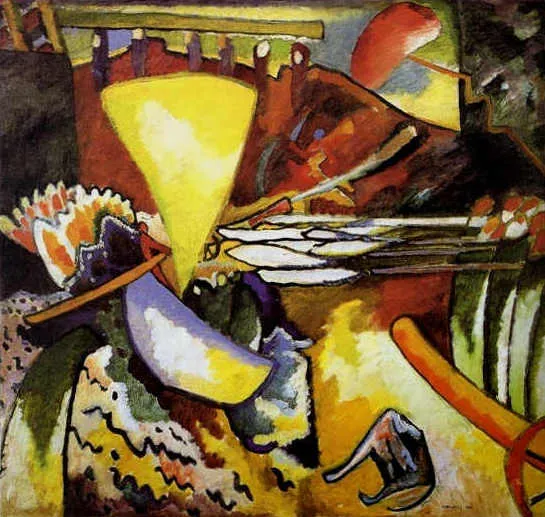
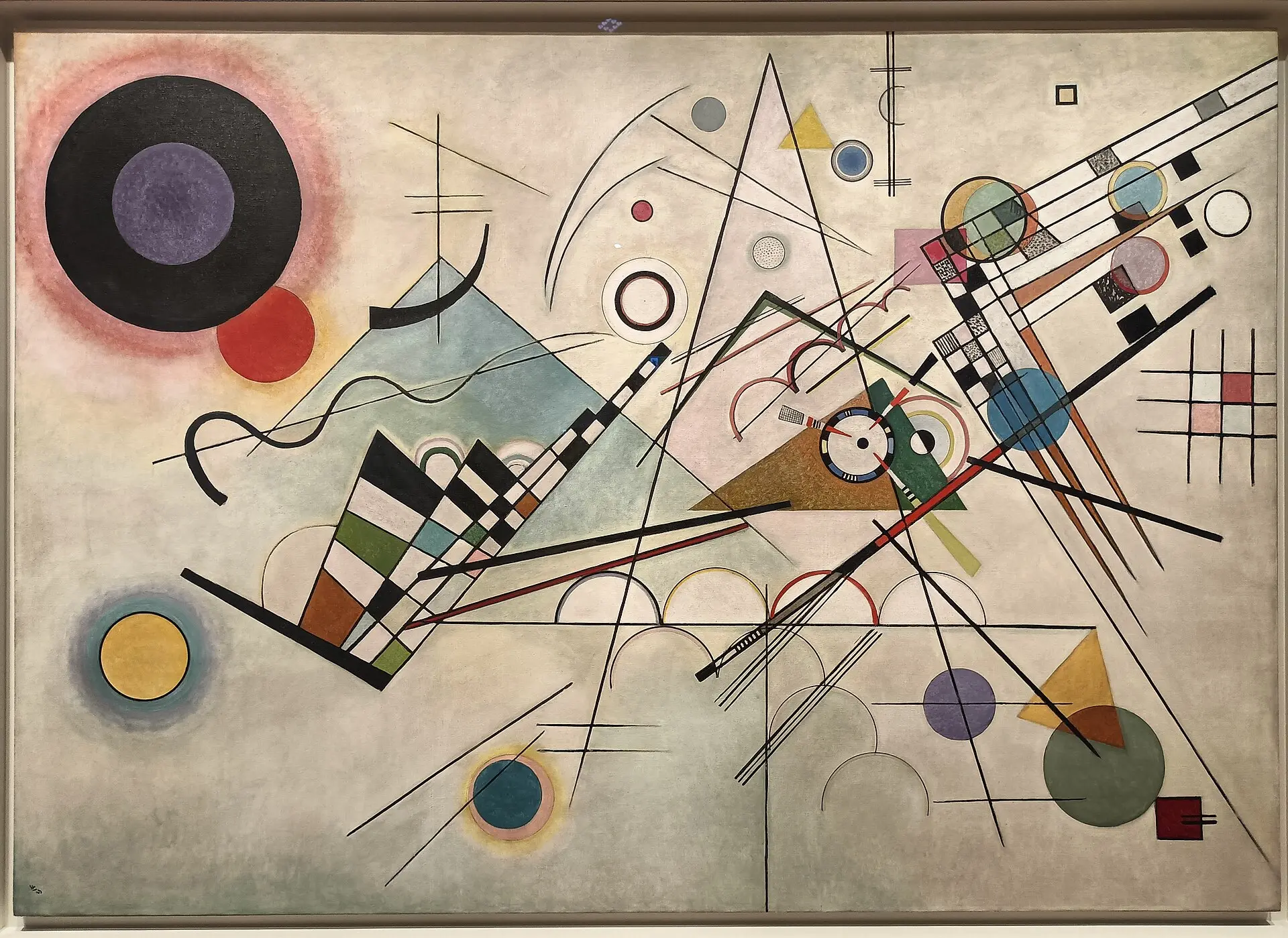
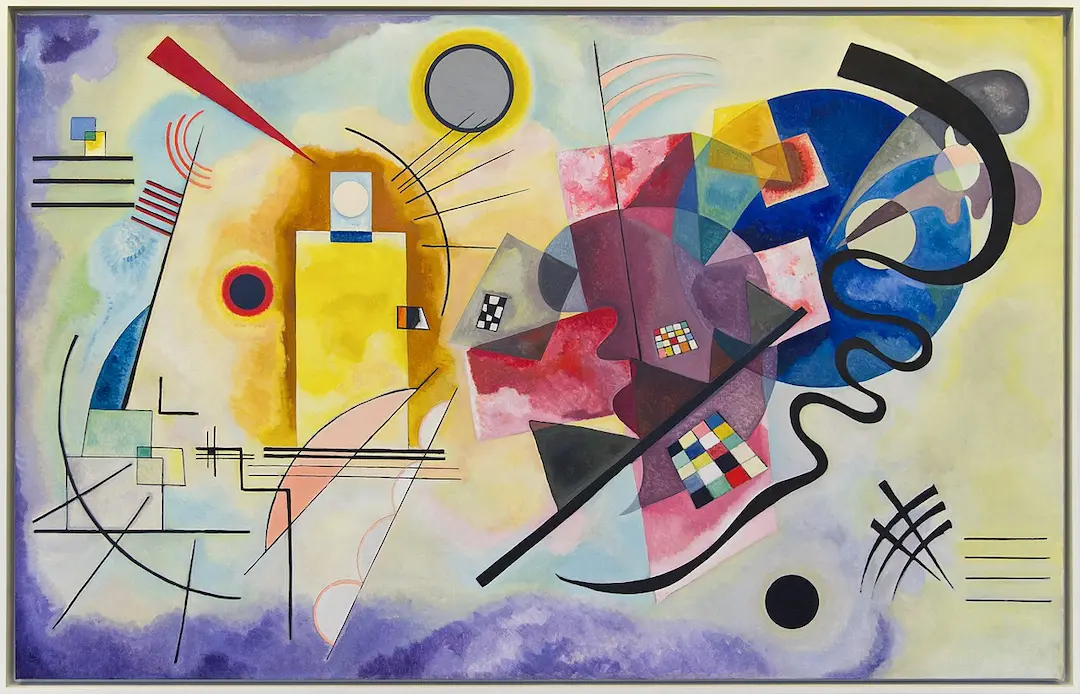
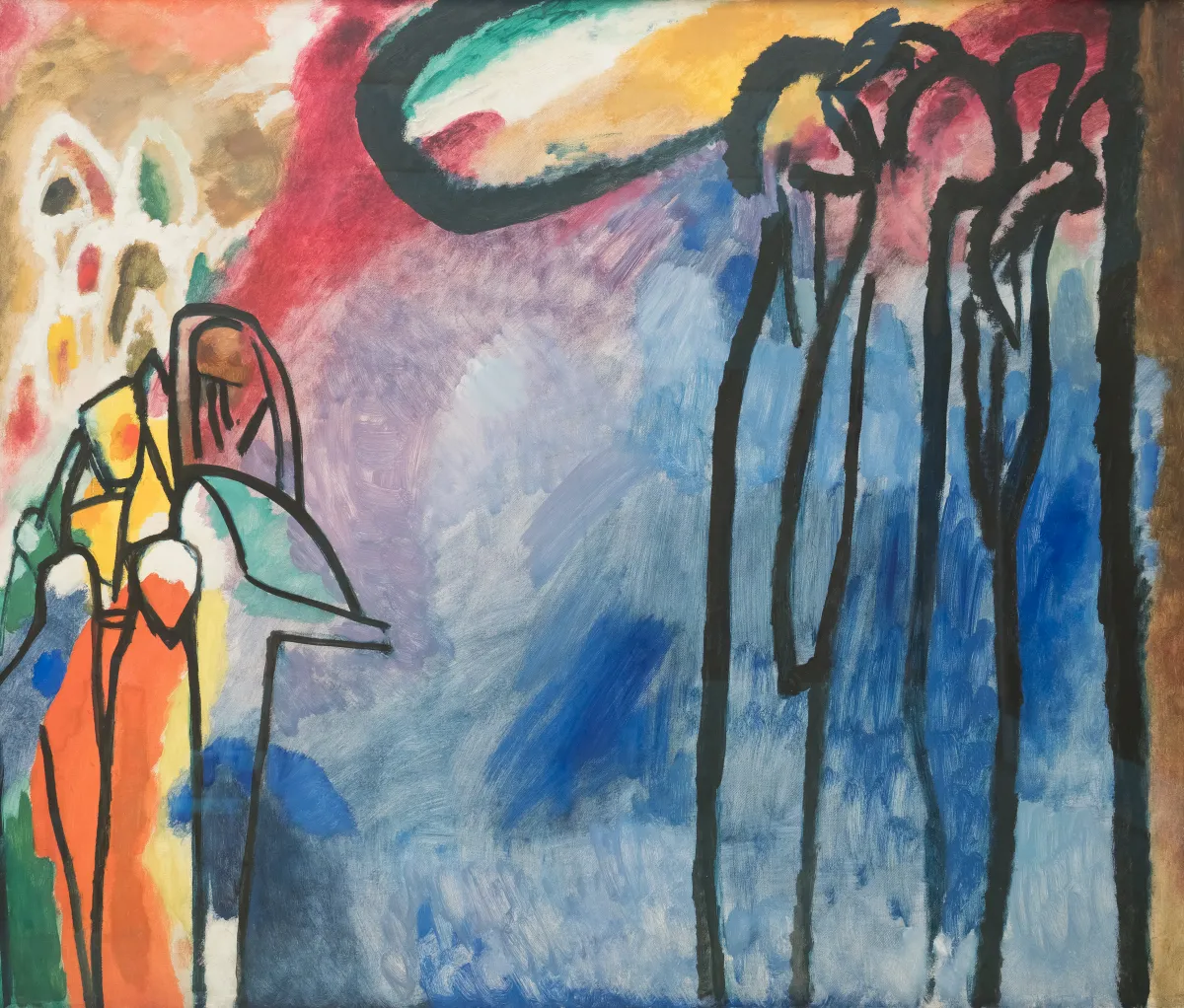
Kandinsky’s mastery is evident in every brushstroke of "Improvisation 11," showcasing a vibrant interplay of colors and forms unique to oil on canvas. The artist’s technique, also seen in works such as "The Composition V111" and "Yellow Red Blue," demonstrates a deep understanding of color theory and dynamic composition. Each element in this piece contributes to the overall emotional impact, making it a true gem within the Abstract Expressionism movement and a testament to Kandinsky’s genius.
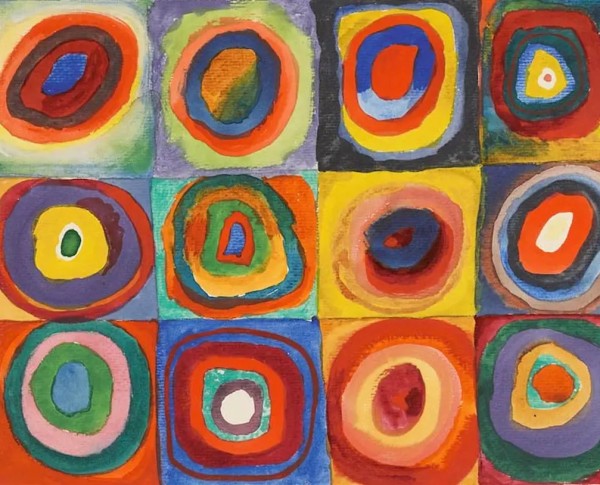
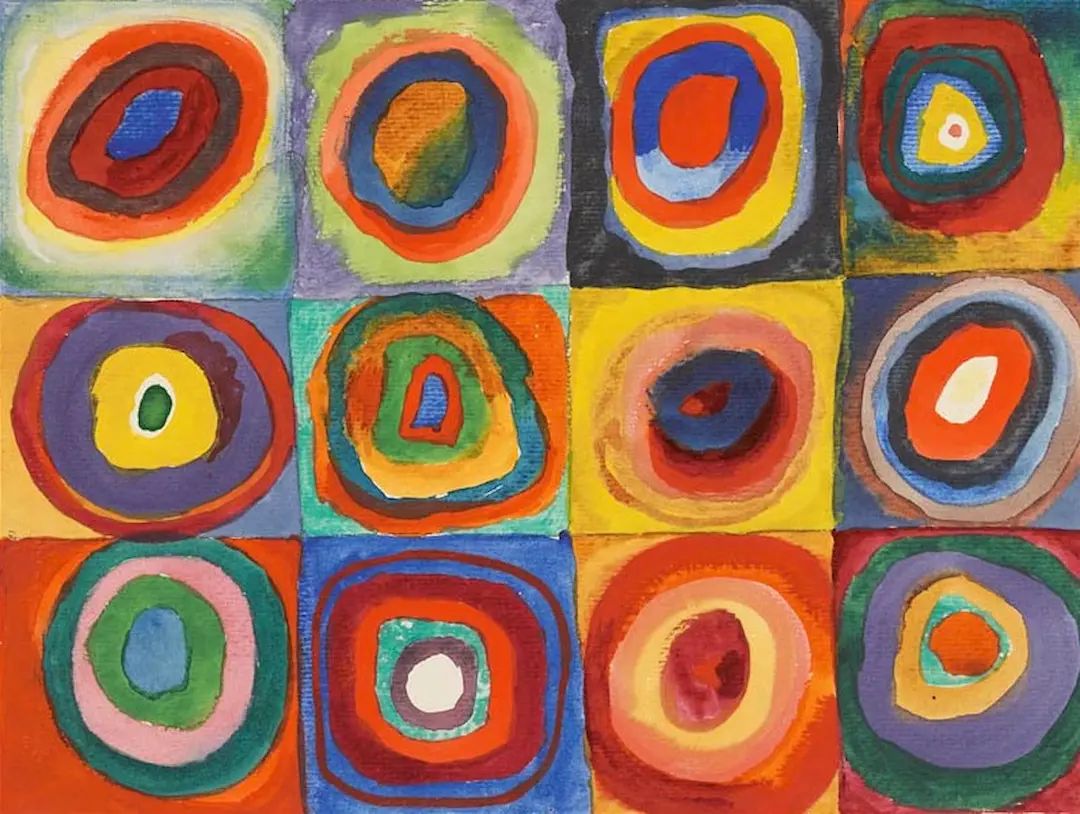
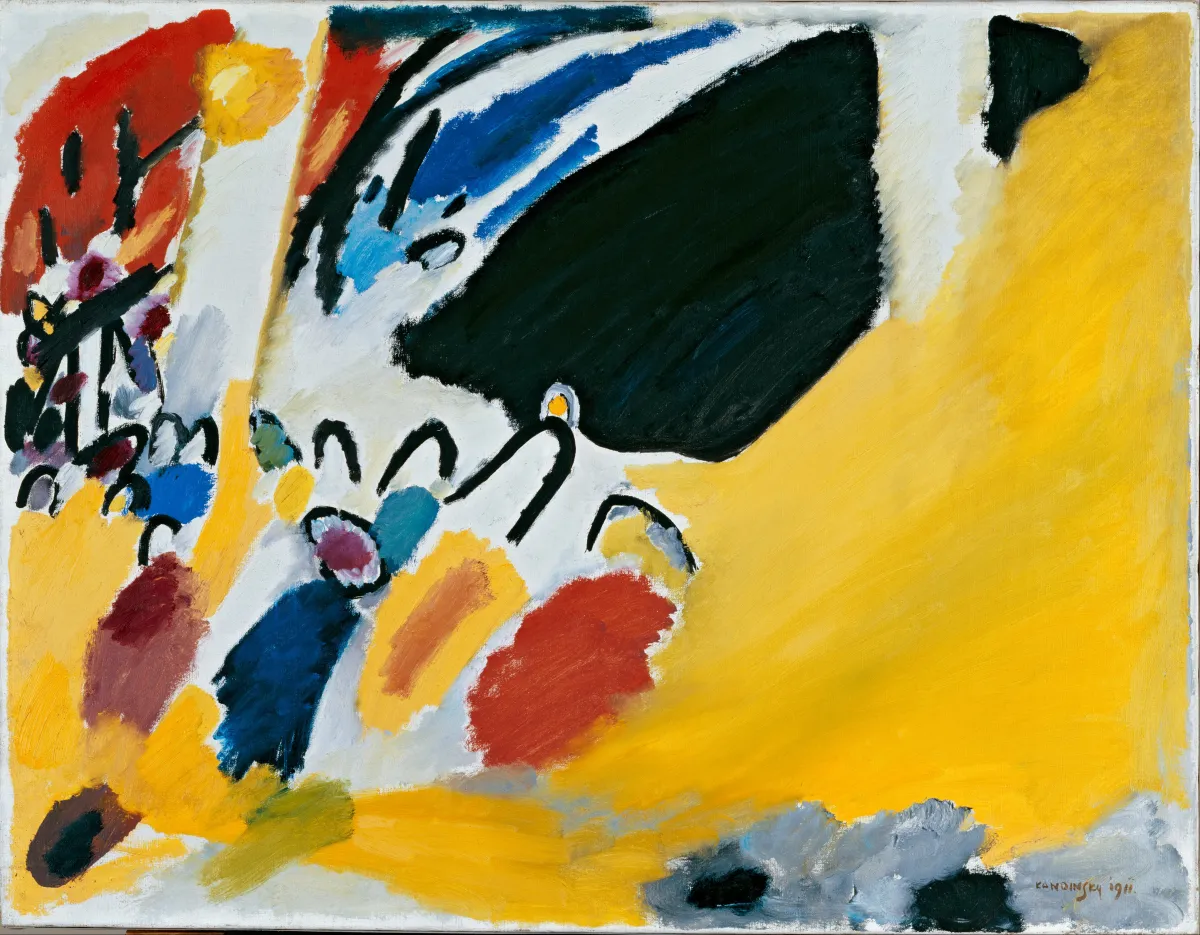
Within "Improvisation 11," viewers encounter a tapestry of stories and symbols, characteristic of Kandinsky’s approach to abstract art. This fine art painting for sale invites interpretation, with each shape and hue suggesting new narratives. Similar to "Impression lll (Concert)" and "Squares with Concentric Rings," Kandinsky’s work transcends literal representation, enabling collectors to find personal meaning in every detail. The painting’s symbolic richness is a defining feature of both the artist and the movement.
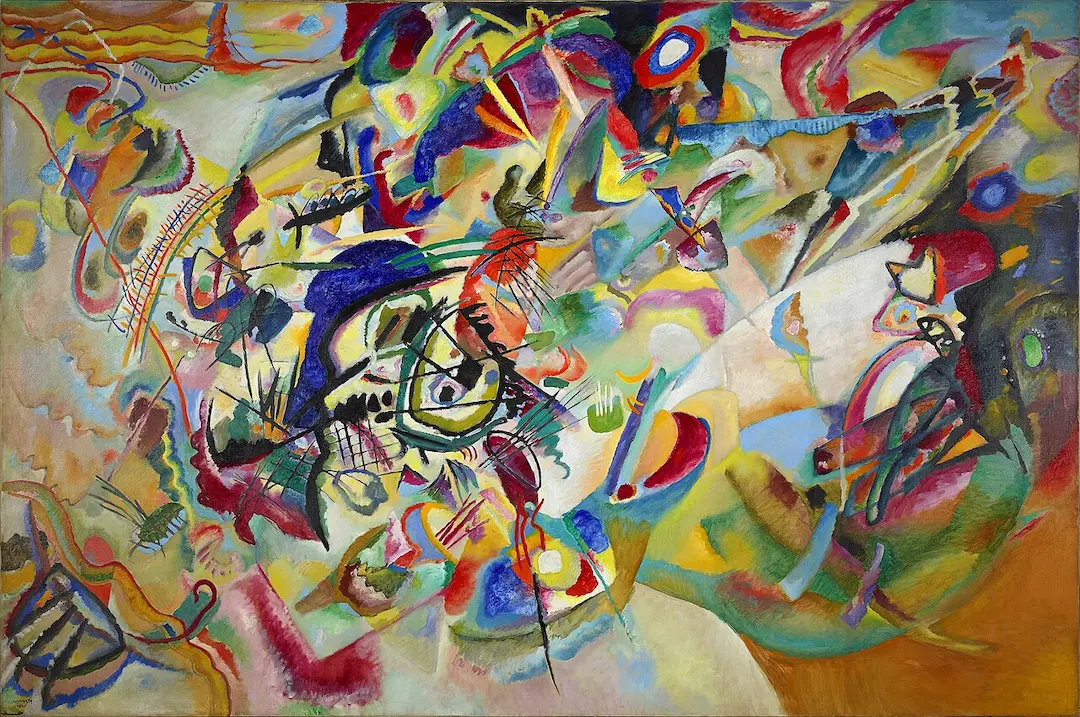
Owning "Improvisation 11" means acquiring a remarkable hand-painted oil painting that embodies the essence of Abstract Expressionism. Collectors prize this work alongside related pieces like "Composition VII" and "Improvisation 19" for their historical significance and visual impact. As a fine art painting for sale, it offers a unique opportunity to bring the creativity and vision of Wassily Kandinsky into any collection, ensuring its value and allure for years to come.
When Art Meets History
Wassily Kandinsky's "Improvisation 11" stands as a testament to the Abstract Expressionism movement, capturing a pivotal era in art history. This hand-painted oil painting was created during a time when artists sought to break away from traditional representation, instead focusing on emotive abstraction. Kandinsky, a pioneer of the movement, influenced contemporaries and successors alike, with works such as "Untitled (Violet, Black, Orange, Yellow on White and Red), 1949" further exploring these revolutionary ideas.
Techniques That Speak
"Improvisation 11" exemplifies Kandinsky's mastery of oil on canvas, utilizing bold brushwork and vivid color contrasts to evoke a sense of spontaneous creativity. The artist’s layering techniques and dynamic forms invite viewers to interpret the composition in their own way. This method became a hallmark of Abstract Expressionism, influencing later painters who admired Kandinsky’s expressive use of oil on canvas in both his and related paintings from the movement.
Emotions on Display
In "Improvisation 11," Kandinsky channels his emotions directly onto the canvas, creating a fine art painting for sale that resonates with viewers on a deeply personal level. The swirling shapes and energetic lines evoke a sense of movement and passion, hallmarks of Abstract Expressionism. Like "Untitled (Violet, Black, Orange, Yellow on White and Red), 1949," this work invites contemplation, encouraging each observer to connect with the emotional undertones present in Kandinsky’s art.
Coveted by Collectors
As interest in Abstract Expressionism continues to grow, "Improvisation 11" by Wassily Kandinsky has become a prized hand-painted oil painting among art collectors. Its historical significance and innovative technique make it a standout piece, much like related paintings from the era. Collectors seeking fine art painting for sale are drawn to Kandinsky’s unique ability to convey emotion and abstraction, ensuring that works like "Improvisation 11" remain highly sought after in the art world.
Related Abstract Expressionism Hand-Painted Oil Paintings by Other Artists
Other Famous Abstract Expressionism Artists:
Frequently Asked Questions About Improvisation 11
What is the historical context of "Improvisation 11"?
"Improvisation 11" was created in 1910, during a period of significant artistic experimentation in Europe. This was the time when abstract art began to emerge, challenging traditional forms and perspectives in painting.
What artistic movement does "Improvisation 11" belong to?
The painting is a key work of the Expressionist movement, particularly associated with the Blaue Reiter group, which Kandinsky co-founded. This movement emphasized emotional experience over physical reality.
How does "Improvisation 11" reflect Kandinsky's artistic philosophy?
Kandinsky believed that art should evoke emotions and spiritual experiences. "Improvisation 11" exemplifies this philosophy through its vibrant colors and dynamic forms, which aim to transcend the material world.
What techniques did Kandinsky use in "Improvisation 11"?
Kandinsky employed a technique of spontaneous brushwork and vivid color contrasts in "Improvisation 11." This approach allows for a sense of movement and energy, reflecting the improvisational nature of the work.
What symbols can be found in "Improvisation 11"?
The painting features various abstract forms and shapes that can be interpreted as symbols of emotional states or spiritual concepts. The lack of representational imagery invites viewers to find their own meanings.
How did "Improvisation 11" influence future art movements?
"Improvisation 11" played a crucial role in the development of abstract art, influencing later movements such as Abstract Expressionism. Its emphasis on emotional expression paved the way for artists to explore non-representational forms.
What role did music play in Kandinsky's creation of "Improvisation 11"?
Kandinsky was deeply influenced by music, often likening his paintings to musical compositions. He sought to create a visual symphony in "Improvisation 11," where colors and forms resonate like musical notes.
What is the significance of color in "Improvisation 11"?
Color in "Improvisation 11" is used not only for aesthetic purposes but also to convey emotions and moods. Kandinsky believed that colors could evoke specific feelings, making them integral to the painting's impact.
How does "Improvisation 11" compare to Kandinsky's earlier works?
Compared to his earlier works, "Improvisation 11" marks a significant shift towards abstraction. It departs from representational elements, showcasing Kandinsky's evolution as an artist and his commitment to exploring pure form and color.
What impact did "Improvisation 11" have on the perception of modern art?
The painting challenged conventional notions of art and representation, contributing to the broader acceptance of abstract art in the 20th century. It encouraged viewers to engage with art on a more emotional and subjective level.























_GFM_Painting_(1).webp)


 100% Hand-Painted: Finished in 3-6 Weeks

.png)















_(1).webp)