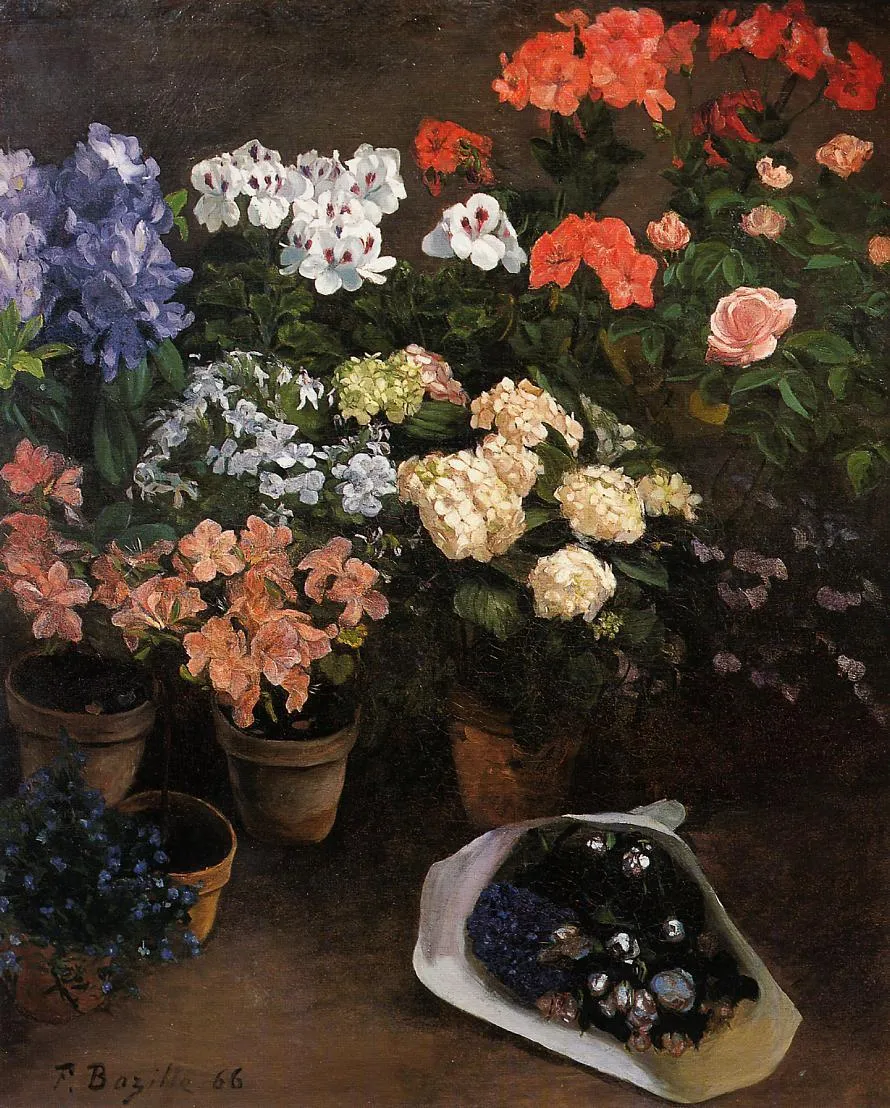
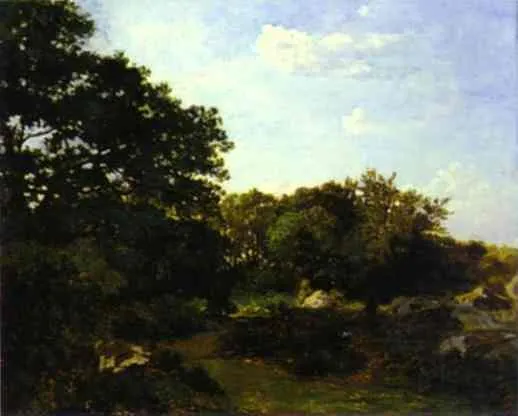
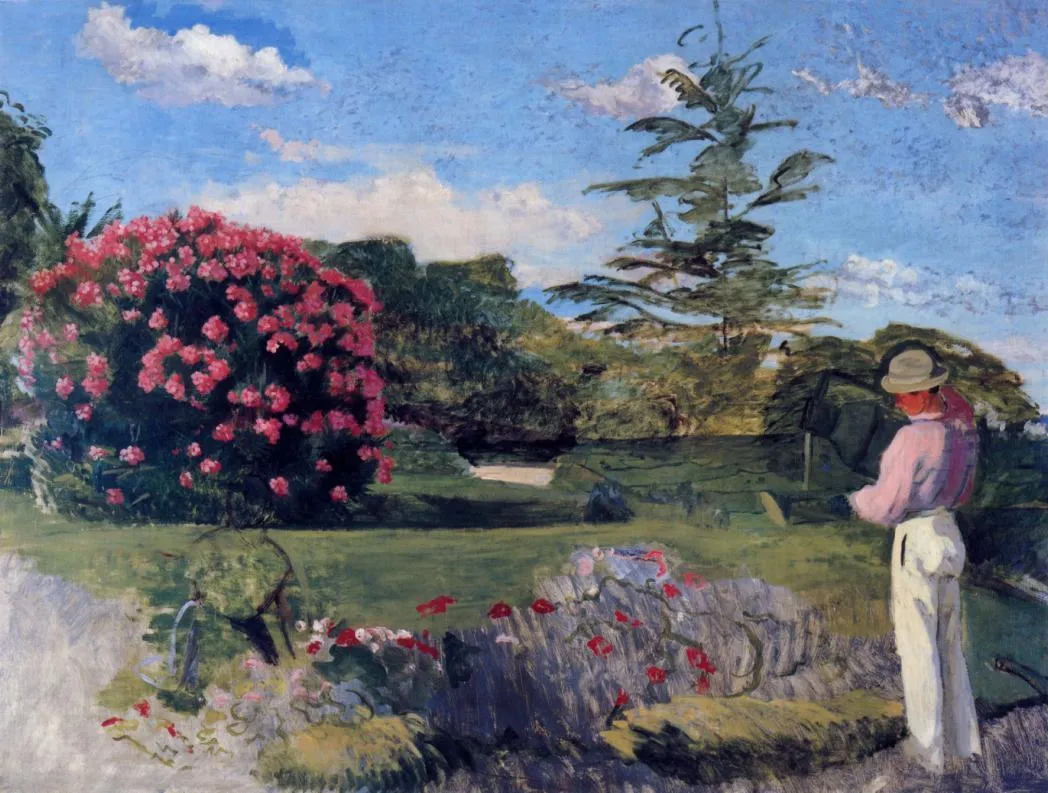
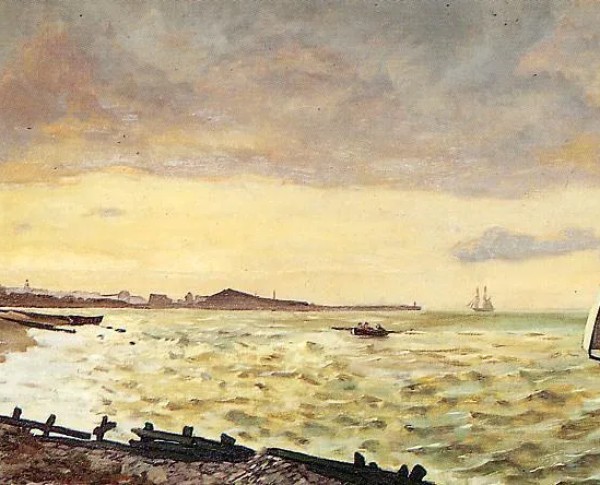
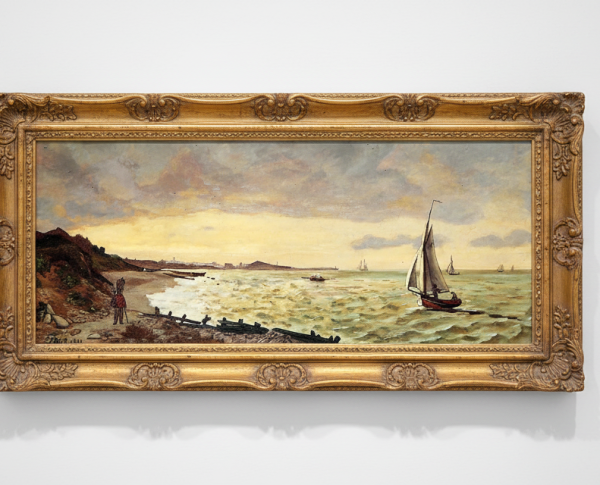
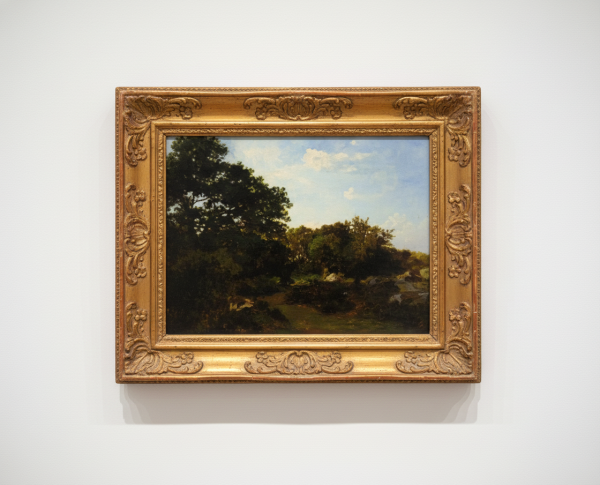
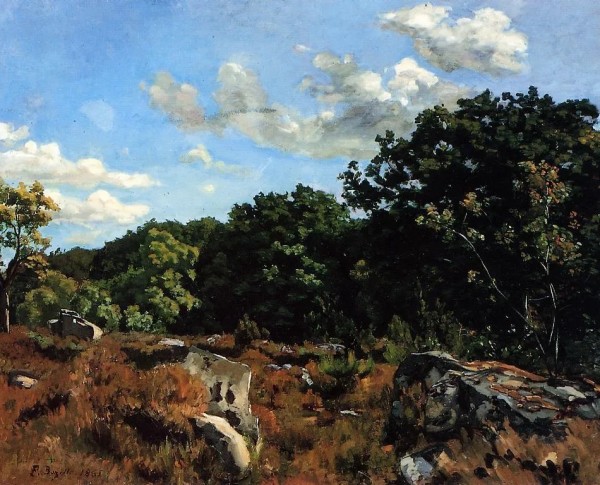
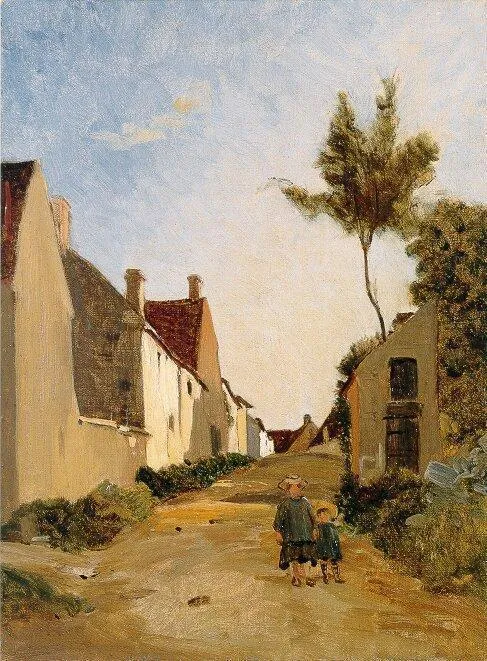
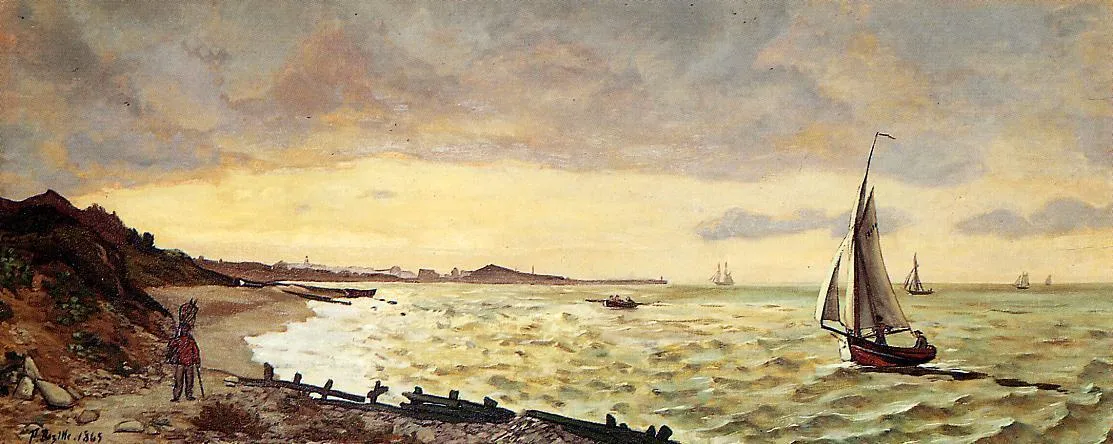
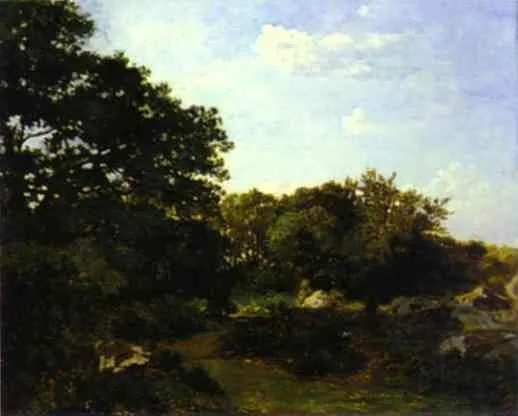
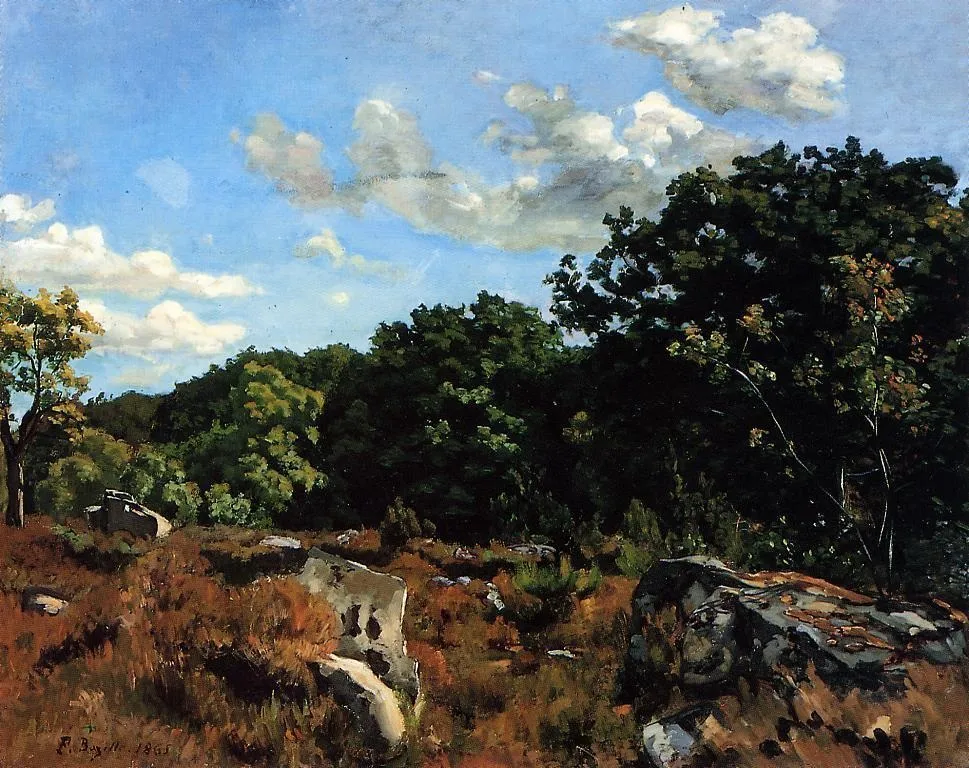
Bazille’s "Village Street" demonstrates his exceptional skill with oil on canvas, bringing to life the nuanced textures and natural light of a quiet village scene. Each brushstroke reveals the artist’s keen observation and technical prowess, hallmarks of the Realism movement. This painting, along with related pieces like "Beach at Sainte-Adresse" and "Landscape at Chailly," highlights Bazille’s mastery and attention to detail, making his works highly sought after by admirers of classic oil on canvas art.
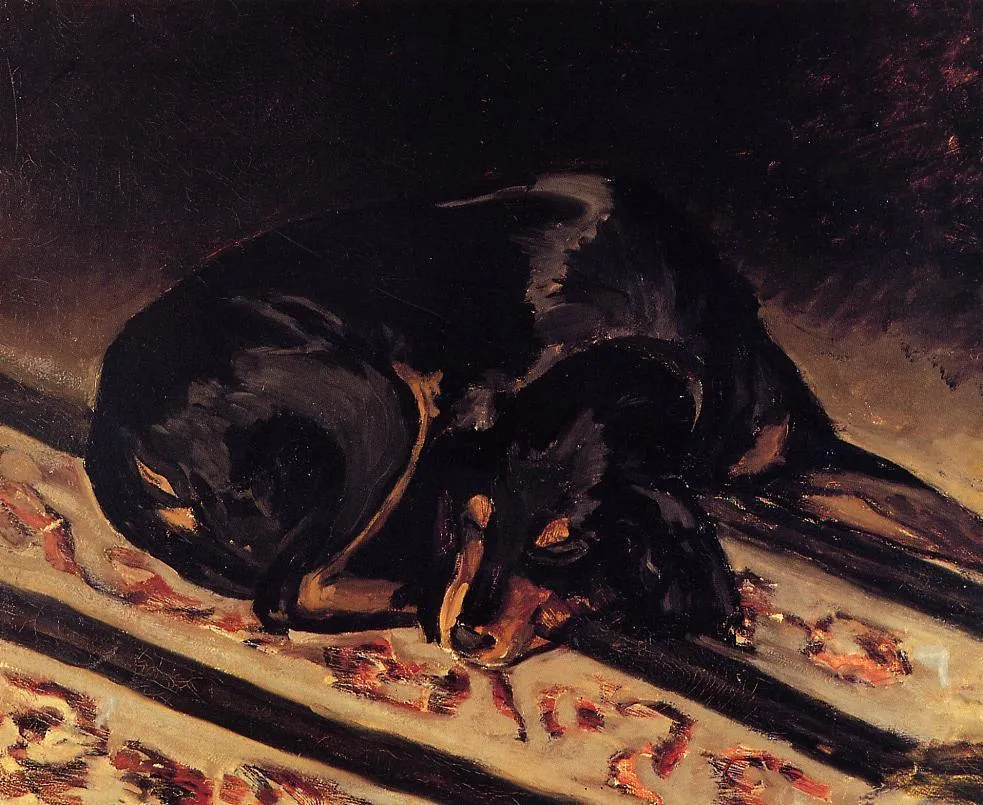
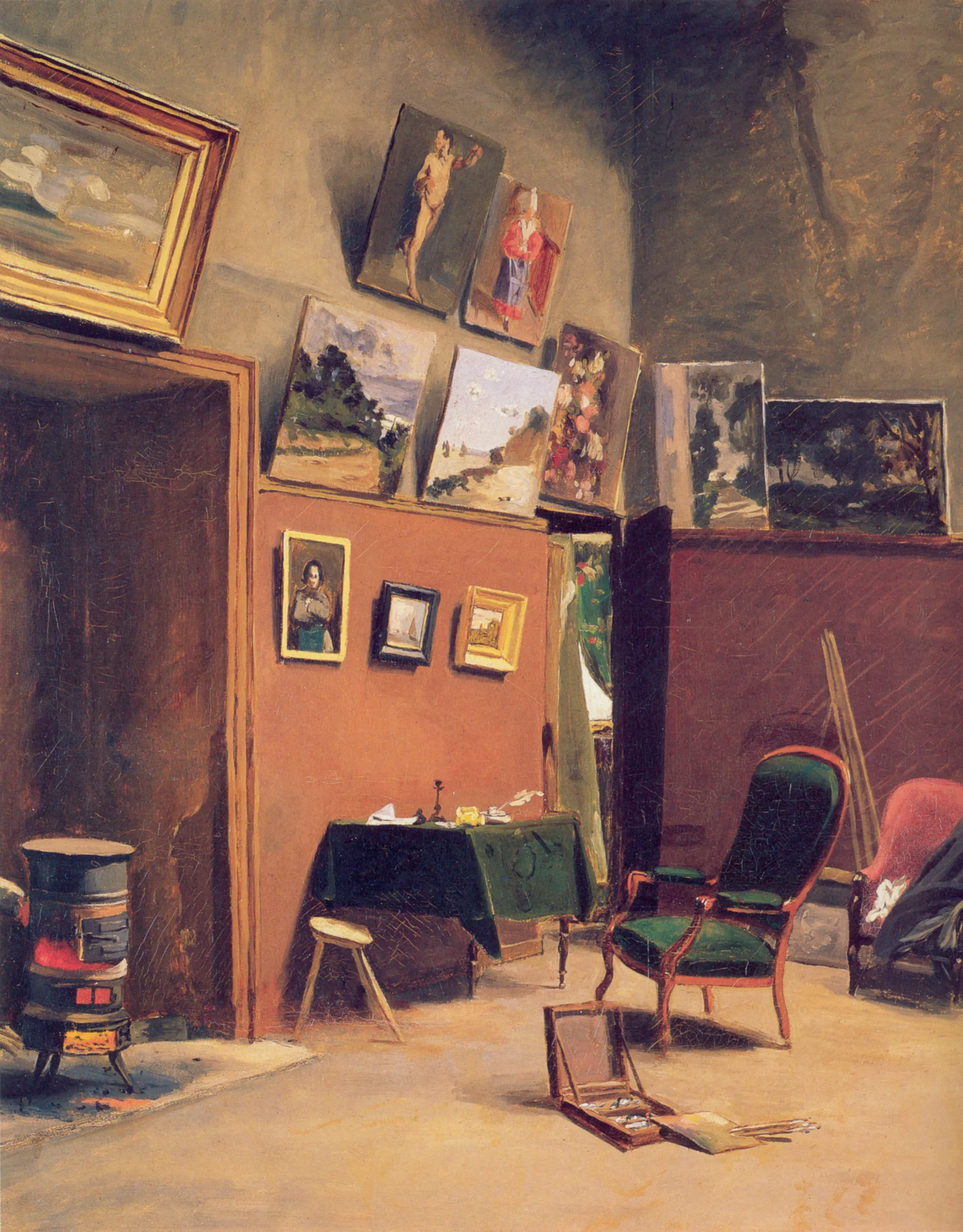
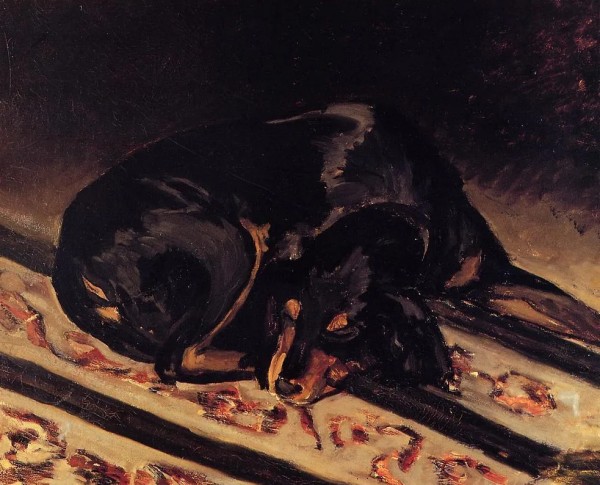
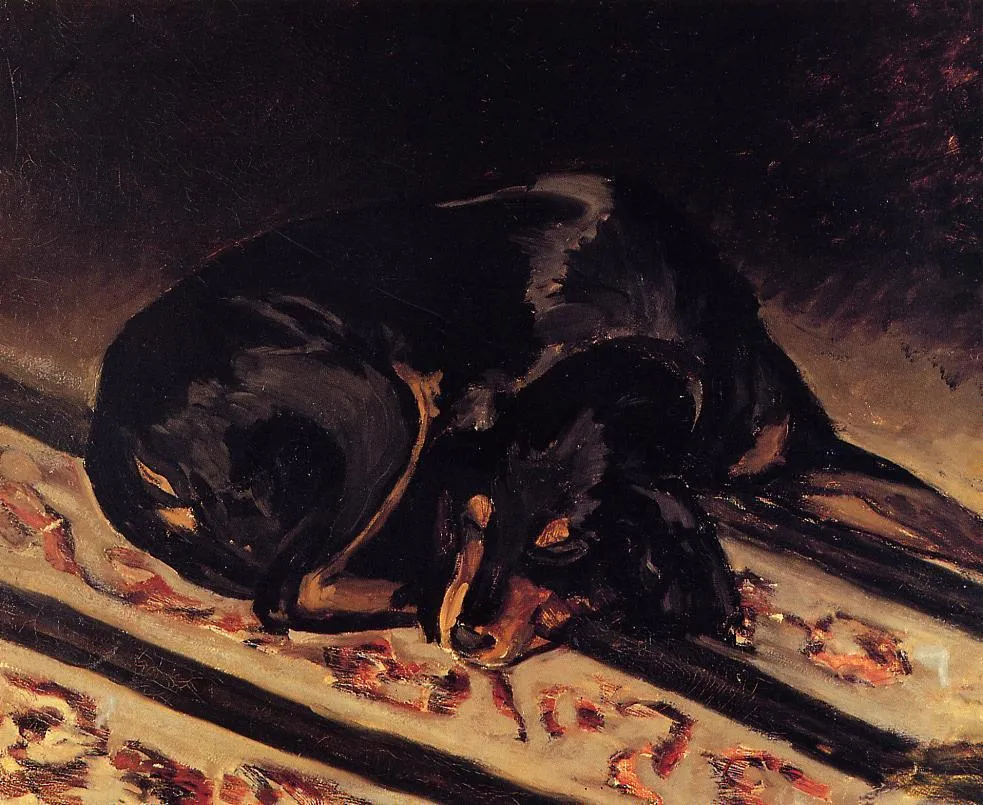
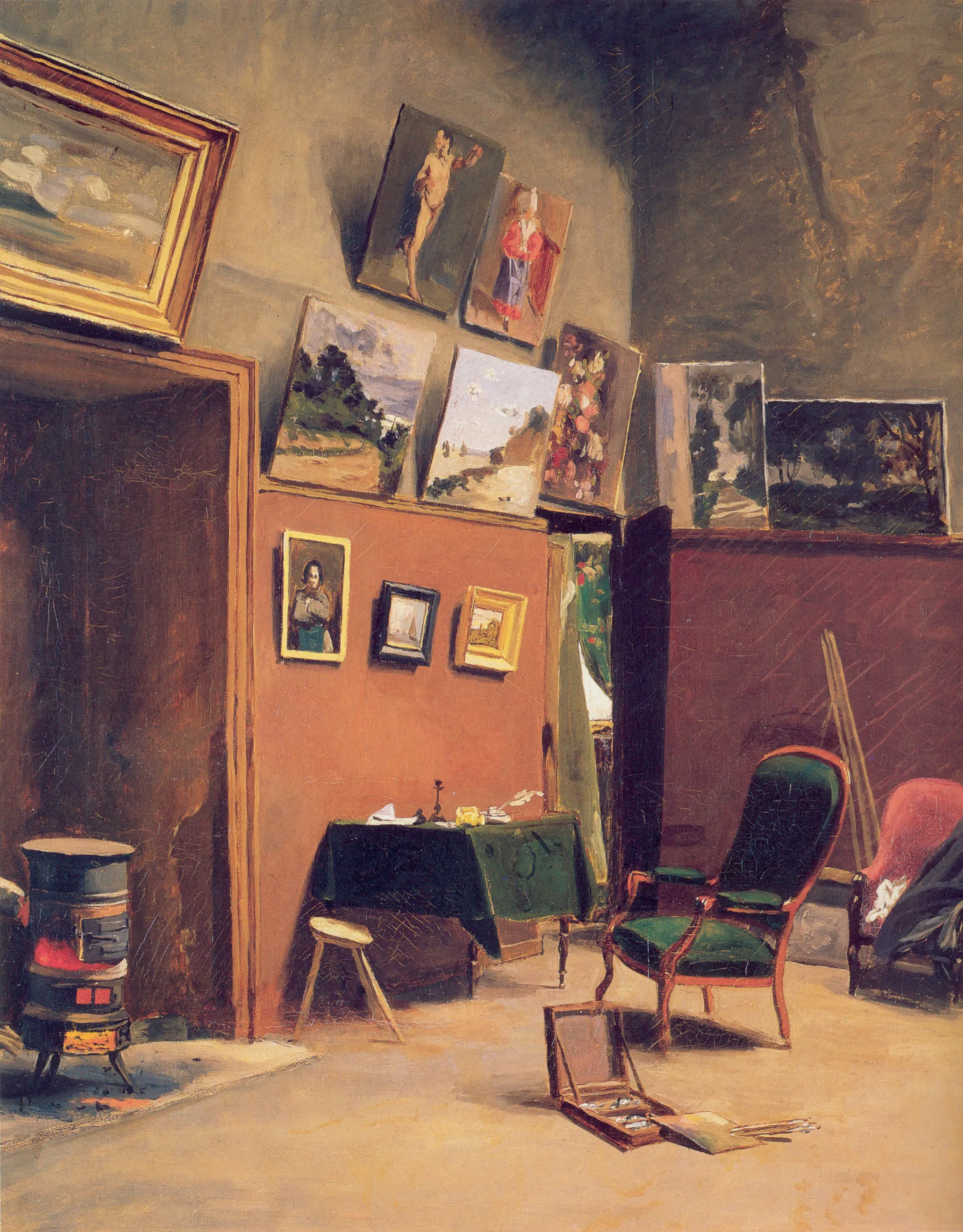
Within "Village Street," Frederic Bazille weaves subtle narratives using everyday imagery—a hallmark of Realism. The tranquil setting invites viewers to imagine the lives and stories unfolding along the humble road. This fine art painting for sale resonates with collectors who appreciate meaningful symbolism and the beauty of ordinary moments. Bazille’s approach is mirrored in works such as "The Dog Rita Asleep" and "Studio in the rue de Furstenberg," both offering rich storytelling through art.
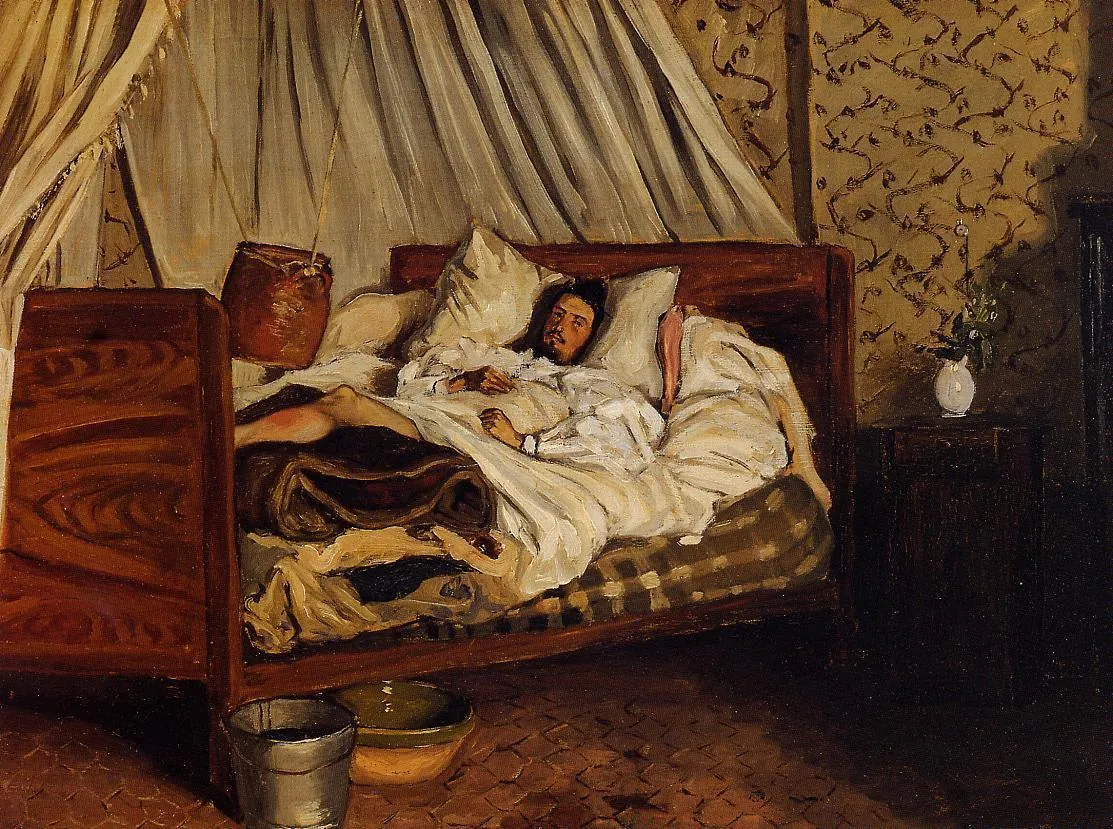
For collectors seeking a fine art painting for sale, Bazille’s "Village Street" is an exceptional choice. Its authentic depiction of French village life and connection to the Realism movement make it a standout piece. Owning this painting, or related works like "The Improvised Field-Hospital" and "Landscape at Chailly," is a testament to one’s appreciation for hand-painted oil paintings that capture the spirit of a bygone era, ensuring a treasured place in any fine art collection.
When Art Meets History
Frederic Bazille’s “Village Street” stands as a testament to the Realism movement’s focus on everyday life and natural scenery. Created in the 19th century, this hand-painted oil painting captures the essence of rural France with remarkable authenticity. Bazille, known for his empathetic portrayals, infused “Village Street” with the same observational skill seen in related works like “Little House in Dusseldorf” and “Rye Fields,” making it a significant piece within the Realism genre.
Techniques That Speak
Bazille’s mastery is evident in the brushwork and color palette of “Village Street,” where he employs oil on canvas to render textures and light with stunning fidelity. The artist’s technique aligns with the Realism movement’s principles, emphasizing accurate depiction over stylization. Much like his contemporaries in “Portrait of Monsieur and Madame Auguste Manet” and “Las Meninas,” Bazille’s approach in this painting highlights his commitment to lifelike representation and technical excellence.
Emotions on Display
“Village Street” evokes a tranquil yet vibrant atmosphere, inviting viewers to immerse themselves in the quiet charm of village life. Bazille’s sensitive use of color and perspective in this fine art painting for sale conveys both the simplicity and depth of rural existence. The emotional resonance in “Village Street” connects it to related works such as “In the Wild North…” and “Rye Fields,” demonstrating Bazille’s ability to imbue ordinary scenes with profound feeling.
Coveted by Collectors
Collectors highly prize “Village Street” for its historical significance and exquisite execution as a hand-painted oil painting. Bazille’s unique interpretation within the Realism movement, combined with its connection to masterpieces like “Las Meninas,” enhances its desirability on the art market. The painting’s enduring appeal ensures it remains a sought-after fine art painting for sale, cherished by enthusiasts who value Bazille’s artistic legacy and the authenticity of oil on canvas technique.
Related Realism Hand-Painted Oil Paintings by Other Artists
Other Famous Realism Artists:
Frequently Asked Questions About Village Street
What is the historical significance of "Village Street"?
"Village Street" is significant as it reflects the transition in 19th-century French art towards Impressionism, showcasing the everyday life and landscapes that became central themes for artists of that era.
Who was Frederic Bazille and what was his contribution to art?
Frederic Bazille was a French painter associated with the Impressionist movement. His work, including "Village Street," contributed to the development of a new artistic style that emphasized light, color, and the depiction of modern life.
What artistic techniques are evident in "Village Street"?
The painting showcases Bazille's use of loose brushwork, vibrant colors, and a focus on natural light, which are characteristic of Impressionist techniques. These elements create a sense of immediacy and movement within the scene.
What themes are explored in "Village Street"?
The themes of everyday life, community, and the beauty of rural landscapes are central to "Village Street." The painting captures a moment of tranquility and connection to nature, reflecting the artist's appreciation for his surroundings.
How does "Village Street" reflect the social context of its time?
The painting reflects the social context of 19th-century France, where urbanization was beginning to change rural life. Bazille's focus on village scenes highlights a nostalgia for simpler times amidst rapid societal changes.
What symbolic elements can be found in "Village Street"?
Symbolically, "Village Street" represents harmony between humanity and nature. The depiction of villagers engaging in daily activities suggests a sense of community and continuity, emphasizing the importance of rural life in a changing world.
In what ways does "Village Street" differ from traditional landscape paintings?
Unlike traditional landscape paintings that often idealized nature or depicted grand vistas, "Village Street" focuses on a specific, intimate scene of daily life, emphasizing the human element and the interplay of light and color in a more spontaneous manner.
What influence did "Village Street" have on later artists?
"Village Street" influenced later artists by demonstrating the importance of capturing everyday moments and the effects of light and color, paving the way for future movements such as Post-Impressionism and Modernism.
How does the composition of "Village Street" contribute to its overall impact?
The composition of "Village Street" is dynamic, with a diagonal pathway leading the viewer's eye through the scene. This creates a sense of depth and invites viewers to explore the village, enhancing the painting's immersive quality.
What role does color play in "Village Street"?
Color plays a crucial role in "Village Street," as Bazille employs a vibrant palette to convey the warmth of the village atmosphere and the effects of sunlight. The use of color enhances the emotional resonance of the scene and captures the essence of the moment.























_GFM_Painting_(1).webp)


 100% Hand-Painted: Finished in 3-6 Weeks

.png)















_(1).webp)