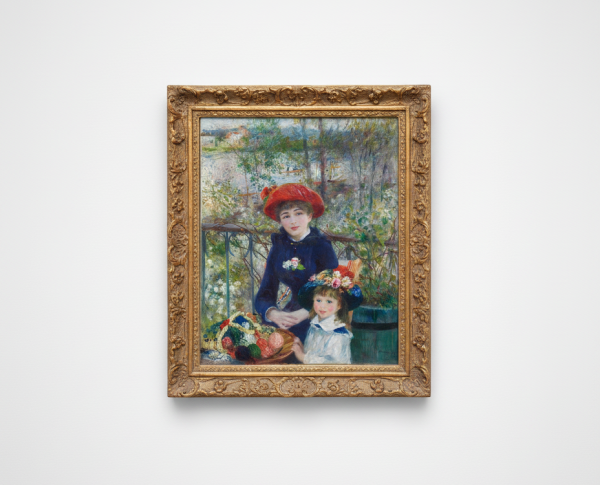
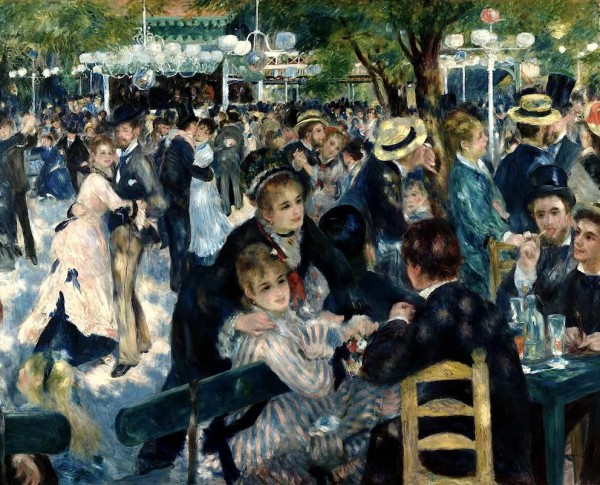
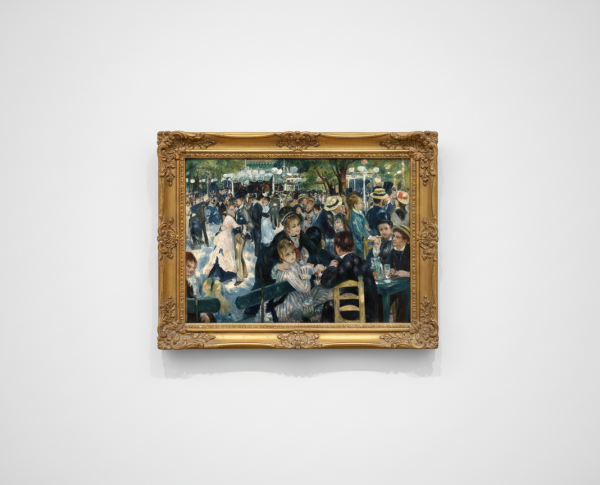
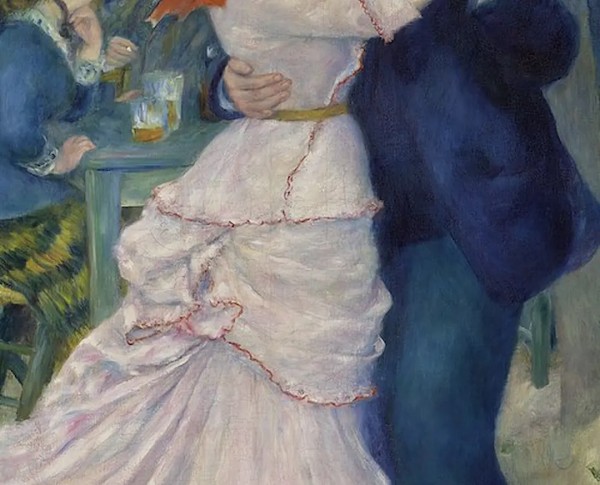
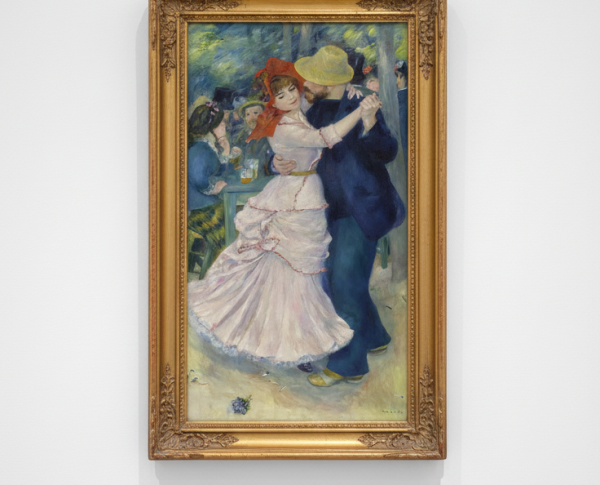
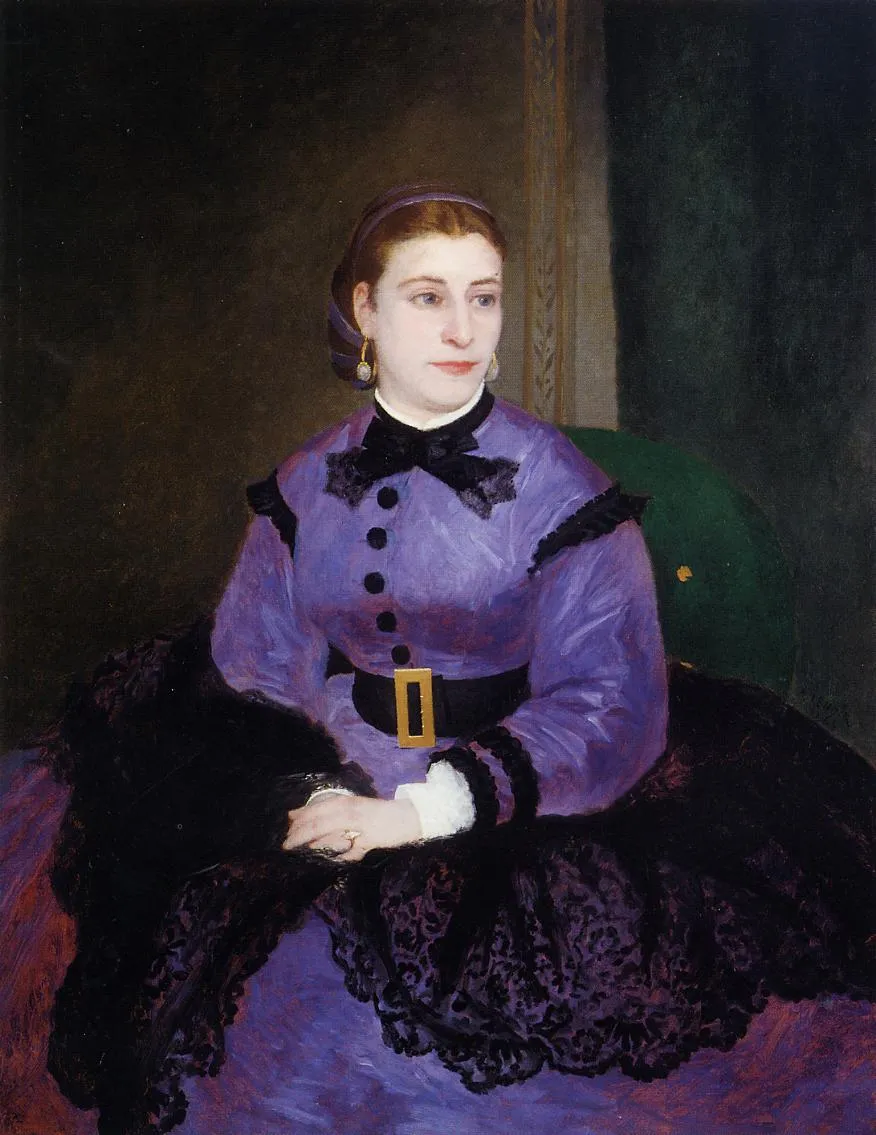
Renoir’s "Portrait of Mademoiselle Sicotg" exemplifies the artist’s expert technique with oil on canvas. His fluid brushwork and delicate color palette bring the subject to life, echoing the style seen in "Reclining Nude" and "Dance At The Moulin De La Galette." The subtle interplay of light and shadow illustrates Renoir’s mastery, making this painting a true representation of Impressionism and a testament to the timeless appeal of oil on canvas works.
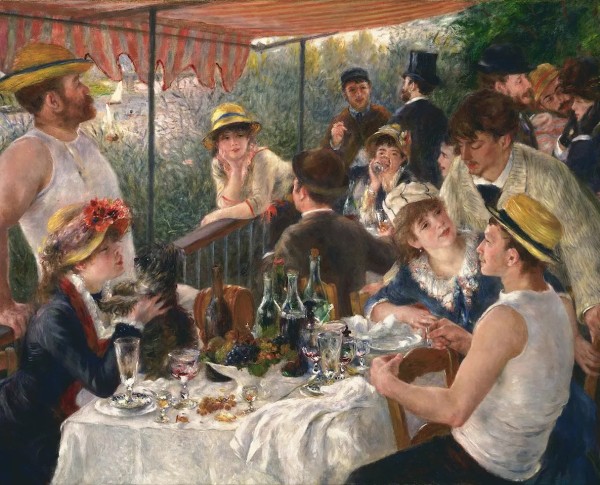
Within the "Portrait of Mademoiselle Sicotg," Renoir weaves subtle stories and symbols that evoke curiosity and admiration. The sitter’s poise and expression reveal layers of personality, much like the nuanced characters found in "The Return of the Boating Party" and "Woman in Black." This fine art painting for sale offers viewers a window into the social and cultural atmosphere of Renoir's time, enriching any collection with its narrative depth and symbolic resonance.
Owning "Portrait of Mademoiselle Sicotg" by Pierre Auguste Renoir means possessing a piece of Impressionist history—a fine art painting for sale that stands alongside masterpieces like "La loge" and "Dance At The Moulin De La Galette." This painting’s exquisite craftsmanship and historical value make it highly sought after by collectors. Its presence elevates any art collection, providing both aesthetic pleasure and a lasting connection to the Impressionism movement.
When Art Meets History
"Portrait of Mademoiselle Sicotg" by Pierre Auguste Renoir stands as a testament to the transformative era of the Impressionism movement. Painted during a period when artists were breaking away from traditional techniques, this hand-painted oil painting captures both the spirit of the age and Renoir’s personal touch. Alongside masterpieces like "The Bellelli Family" and "Terrace at the Seaside," this work offers a glimpse into the cultural and artistic shifts that defined 19th-century French art.
Techniques That Speak
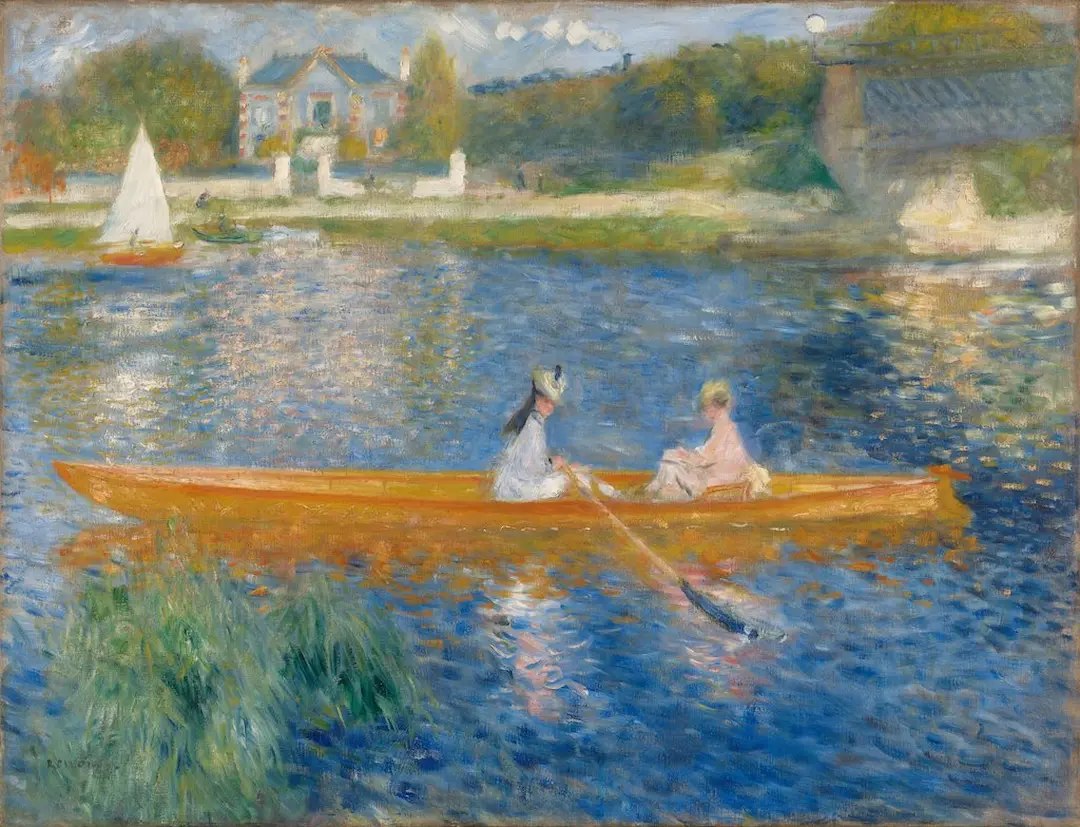
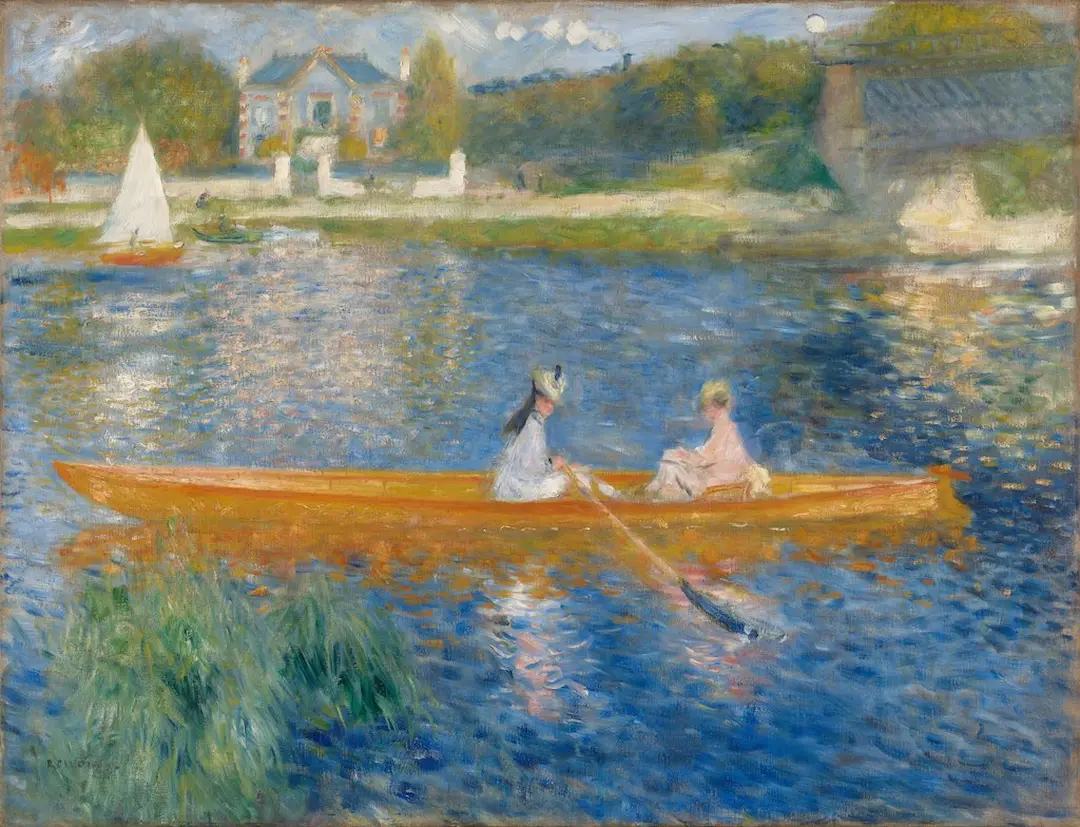
Renoir’s mastery of oil on canvas is evident in the delicate brushwork and vibrant colors of "Portrait of Mademoiselle Sicotg." The artist’s use of light and shadow, hallmarks of the Impressionism movement, brings a dynamic quality to the composition. Similar techniques can be seen in related paintings such as "Sainte-Adresse" and "Argenteuil Musée D'orsay." Through these methods, Renoir invites viewers to experience his subject in a uniquely intimate and immediate way.
Emotions on Display
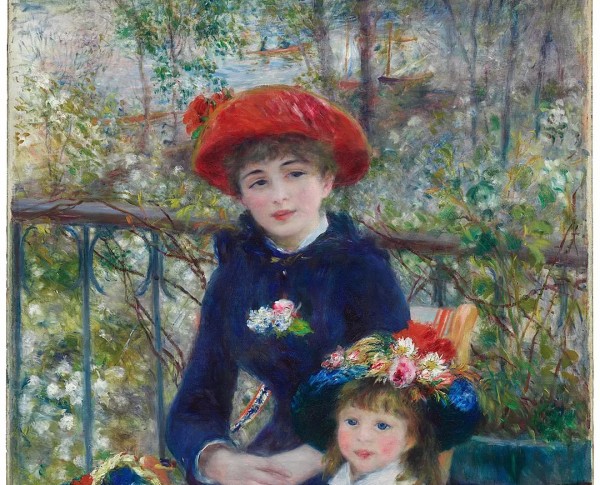
In "Portrait of Mademoiselle Sicotg," Pierre Auguste Renoir conveys a sense of youthful innocence and quiet contemplation, hallmarks of his fine art painting for sale. The sitter’s gentle gaze, rendered with characteristic Impressionist softness, evokes empathy from viewers. This emotional resonance is echoed in works like "Femme à l'ombrelle tournée vers la droite" and "Street of the Bavolle Honfleur," where Renoir’s subjects are brought to life through subtle expressions and luminous color palettes.
Coveted by Collectors
As a celebrated piece within the Impressionism movement, "Portrait of Mademoiselle Sicotg" remains highly sought after by collectors and art enthusiasts alike. The painting’s historical significance and Renoir’s signature style contribute to its enduring appeal. Like related masterpieces such as "Terrace at the Seaside" and "Sainte-Adresse," this hand-painted oil painting continues to attract attention at auctions and galleries, underscoring its status as a prized possession in the world of fine art.
Related Impressionism Hand-Painted Oil Paintings by Other Artists
Other Famous Impressionism Artists:
Frequently Asked Questions About Portrait of Mademoiselle Sicotg
What is the historical context of "Portrait of Mademoiselle Sicotg"?
"Portrait of Mademoiselle Sicotg" was painted in 1884, during a period when Pierre Auguste Renoir was establishing himself as a leading figure in the Impressionist movement. This era was marked by a shift towards capturing light and movement, as well as an increased focus on the portrayal of modern life.
Who is the subject of the painting?
The subject of the painting is Mademoiselle Sicotg, a young woman who is depicted with an air of elegance and poise. While not much is known about her personal history, her portrayal reflects the social dynamics and fashion of the late 19th century.
What artistic techniques did Renoir use in this portrait?
Renoir employed loose brushwork and vibrant colors to create a sense of immediacy and intimacy in "Portrait of Mademoiselle Sicotg." His technique of layering paint and using dappled light enhances the texture of the fabric and the softness of the subject's features.
How does this painting reflect the Impressionist movement?
This painting exemplifies the Impressionist movement through its emphasis on capturing a moment in time and the play of light. Renoir's focus on everyday subjects and his innovative use of color and brushwork align with the core principles of Impressionism.
What is the significance of the color palette used in the painting?
The color palette in "Portrait of Mademoiselle Sicotg" features soft pastels and warm tones, which evoke a sense of warmth and approachability. The use of complementary colors enhances the vibrancy of the subject and contributes to the overall harmony of the composition.
What themes are explored in this portrait?
The painting explores themes of femininity, beauty, and social status. Mademoiselle Sicotg is portrayed not just as a subject, but as an embodiment of the ideals of beauty and grace prevalent in 19th-century society.
How does Renoir's style evolve in this work compared to his earlier pieces?
In "Portrait of Mademoiselle Sicotg," Renoir's style shows a maturation in his approach to form and color. Compared to his earlier works, this painting reflects a greater confidence in his brushwork and a more sophisticated understanding of light and shadow.
What role does light play in the composition of this portrait?
Light plays a crucial role in "Portrait of Mademoiselle Sicotg," as it highlights the subject's features and creates a sense of depth. Renoir's treatment of light enhances the three-dimensionality of the figure and adds to the overall atmosphere of the painting.
In what ways does this painting reflect the social norms of the time?
The painting reflects the social norms of the late 19th century by portraying a woman in a fashionable dress, indicative of her social status. The emphasis on elegance and beauty aligns with the societal expectations placed on women during this period.
What impact did "Portrait of Mademoiselle Sicotg" have on Renoir's career?
"Portrait of Mademoiselle Sicotg" contributed to Renoir's reputation as a master portraitist. It showcased his ability to capture the essence of his subjects, which helped solidify his standing within the Impressionist movement and the broader art community.























_GFM_Painting_(1).webp)


 100% Hand-Painted: Finished in 3-6 Weeks

.png)

















_(1).webp)