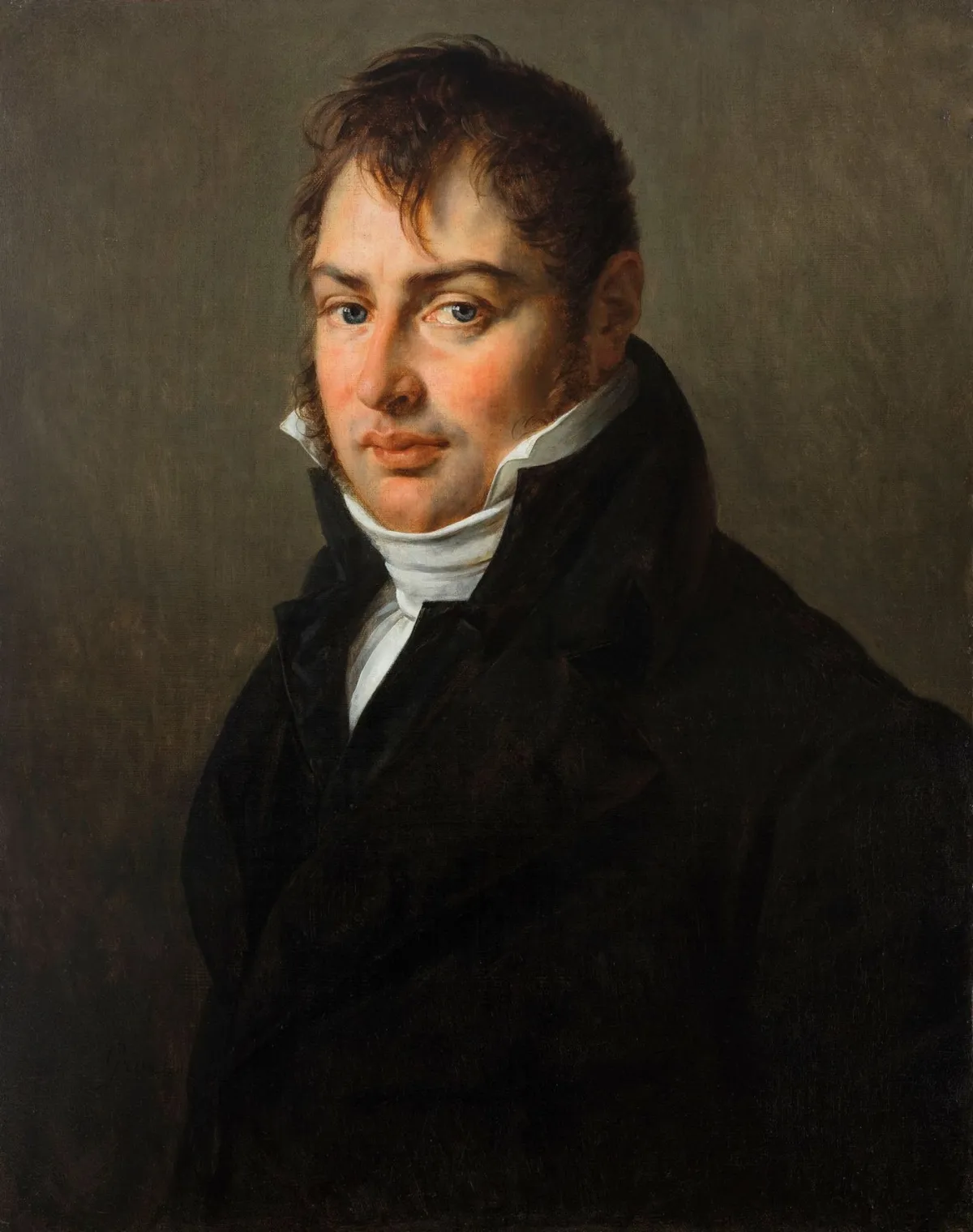
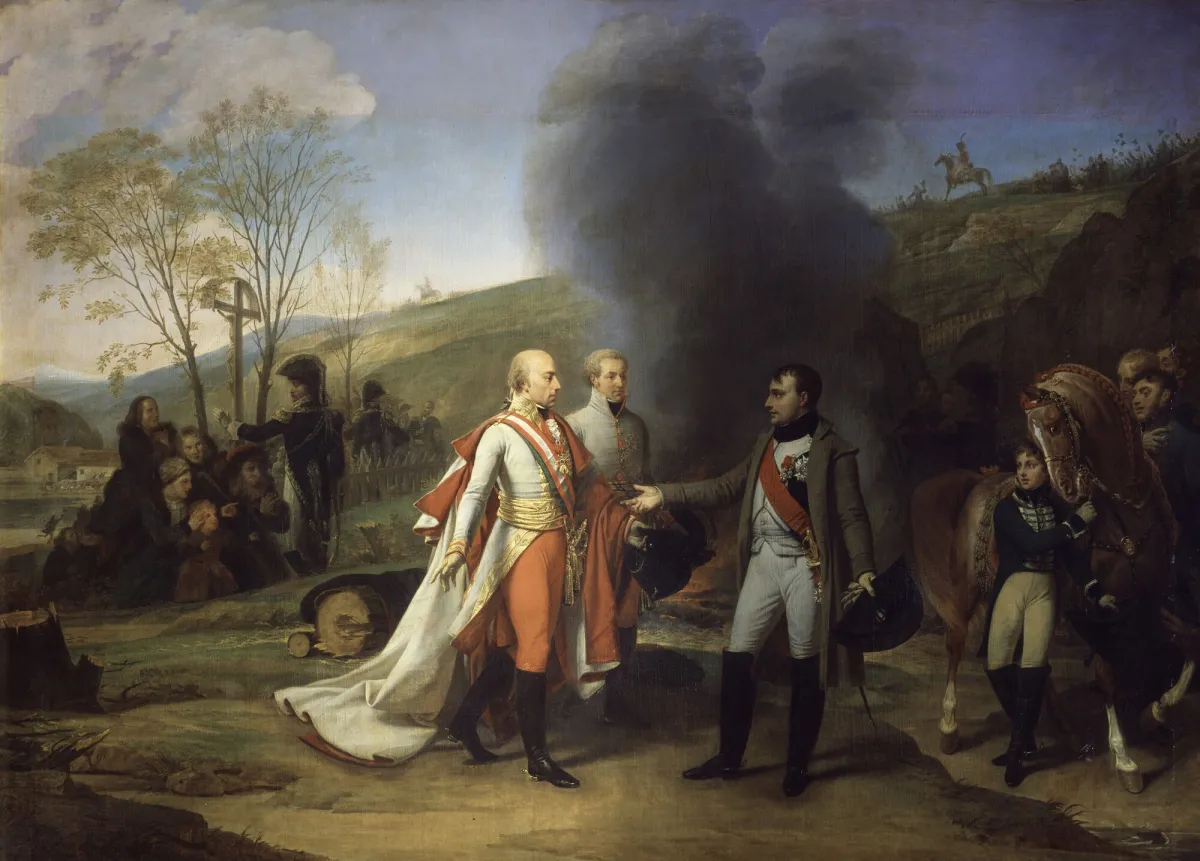
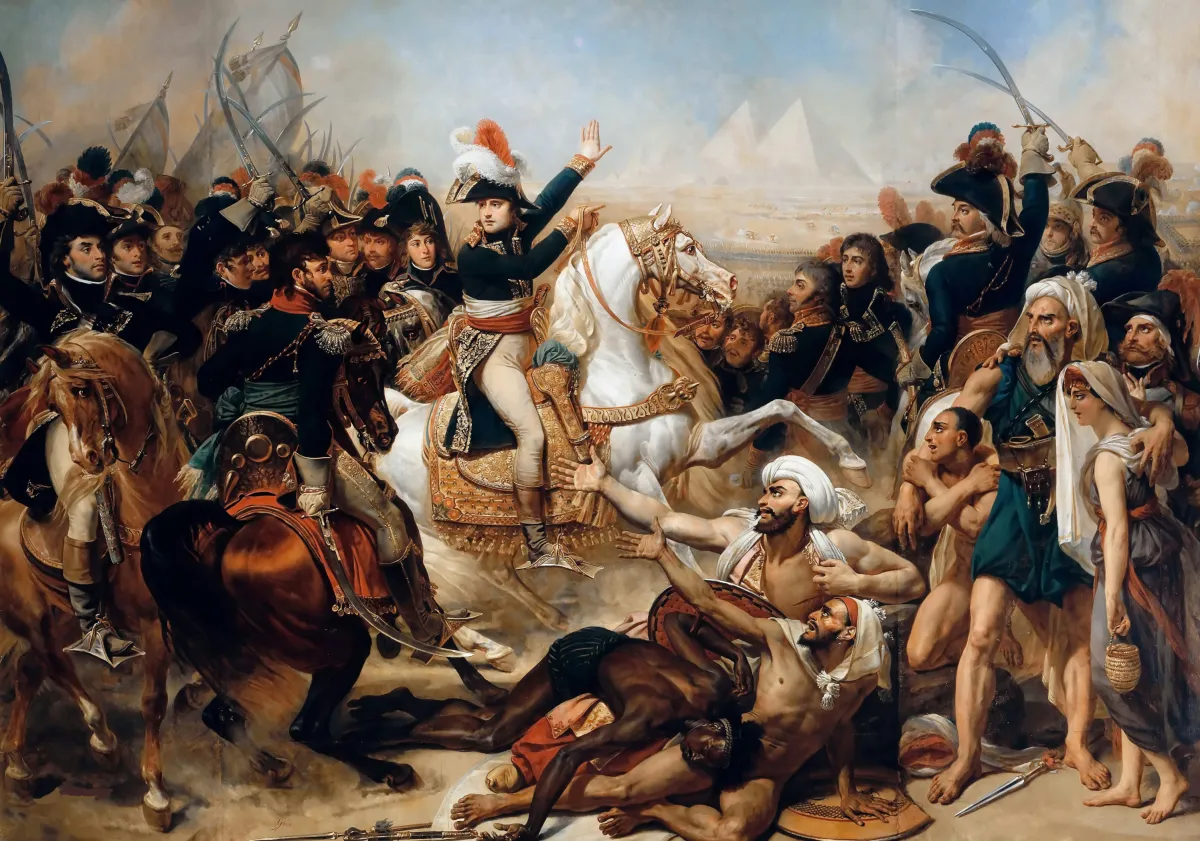
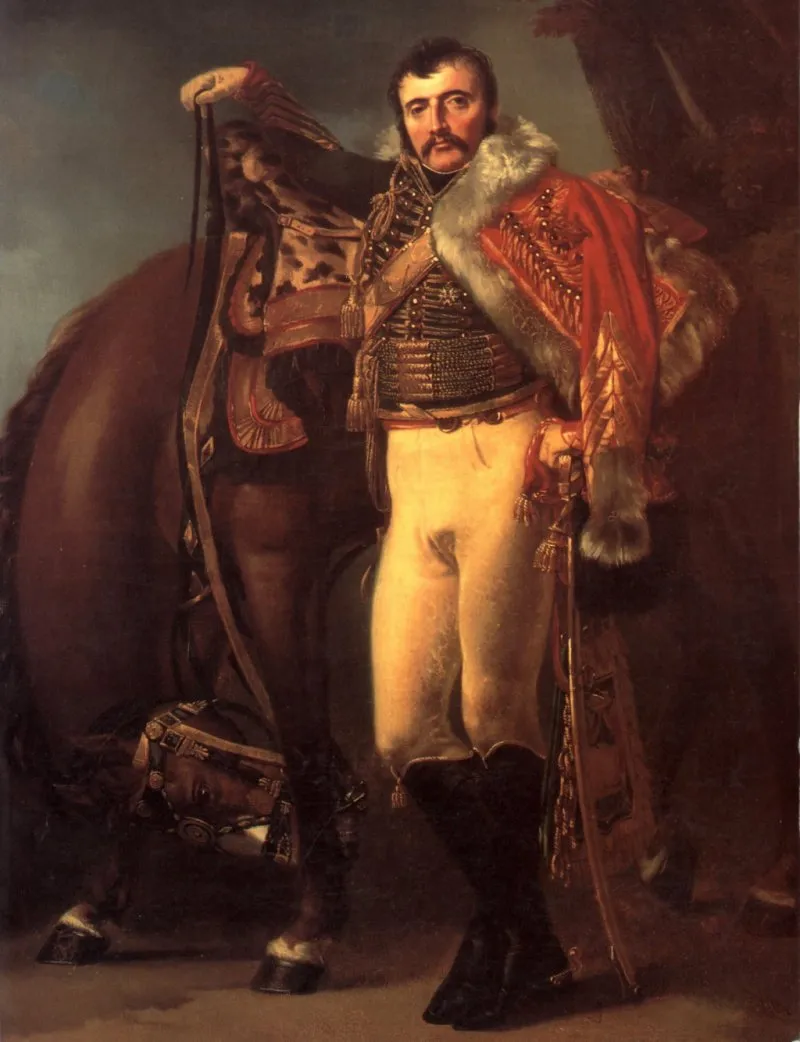
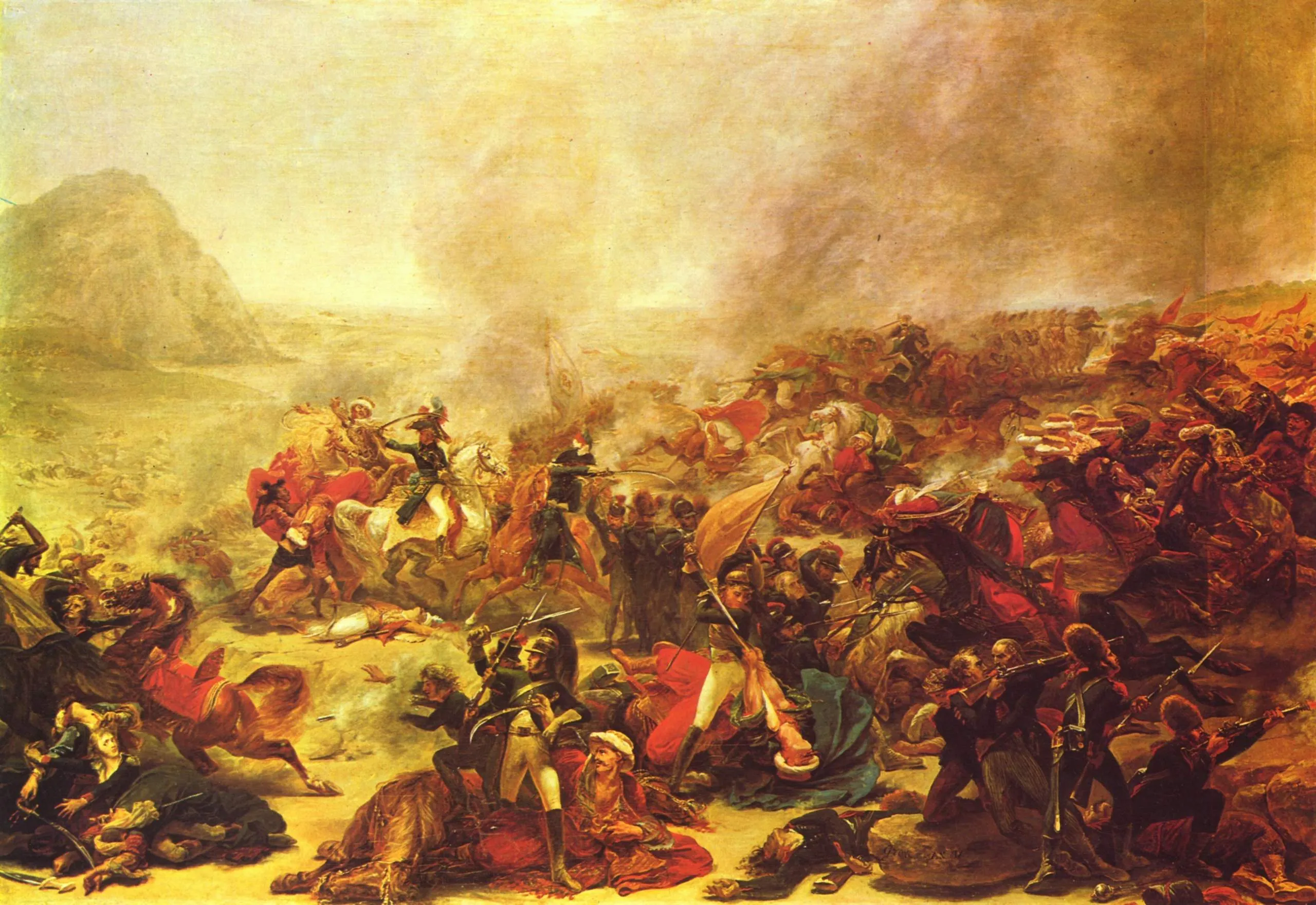
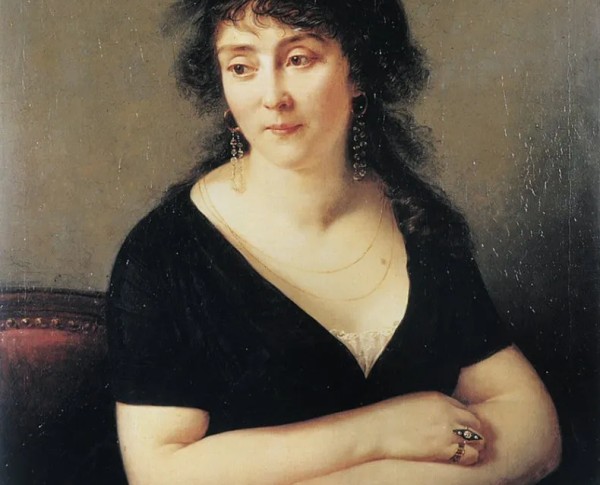
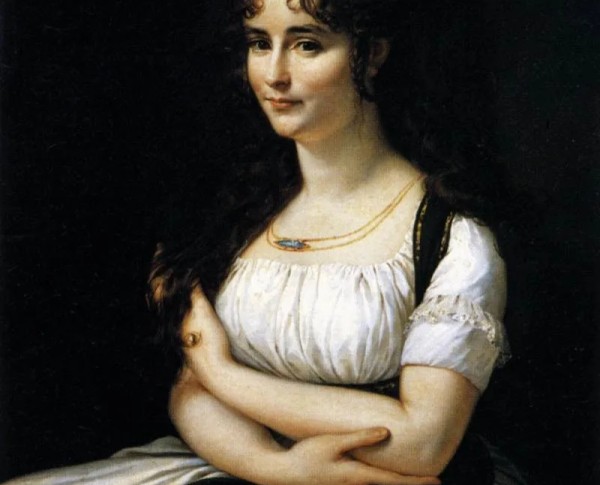
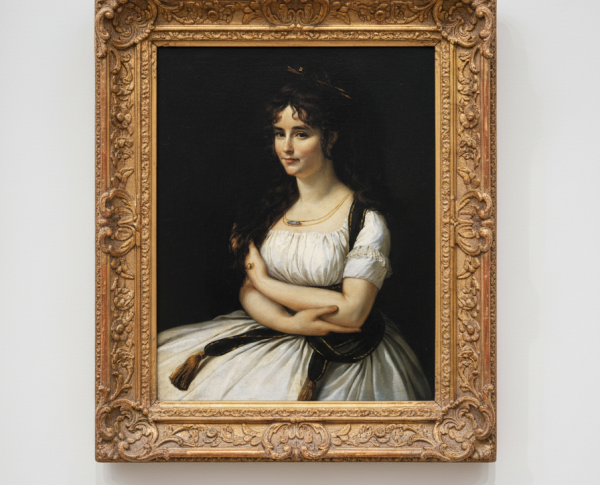
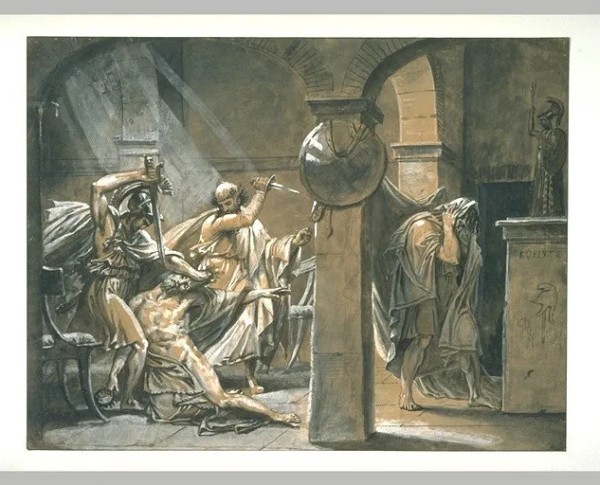
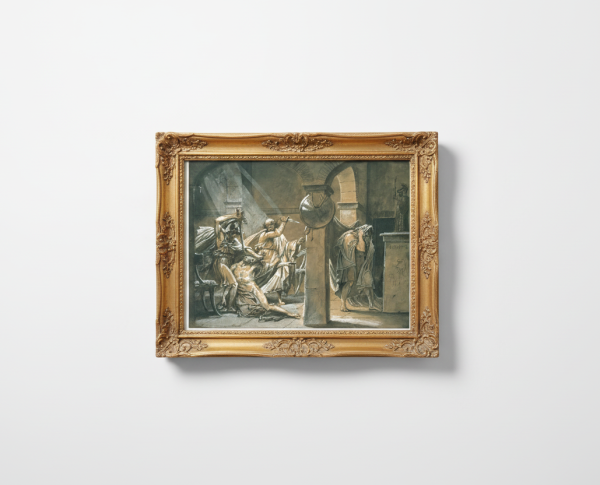
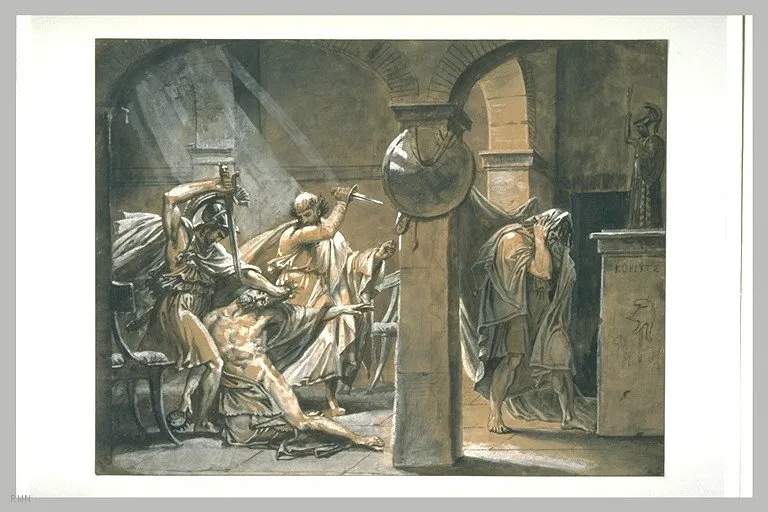
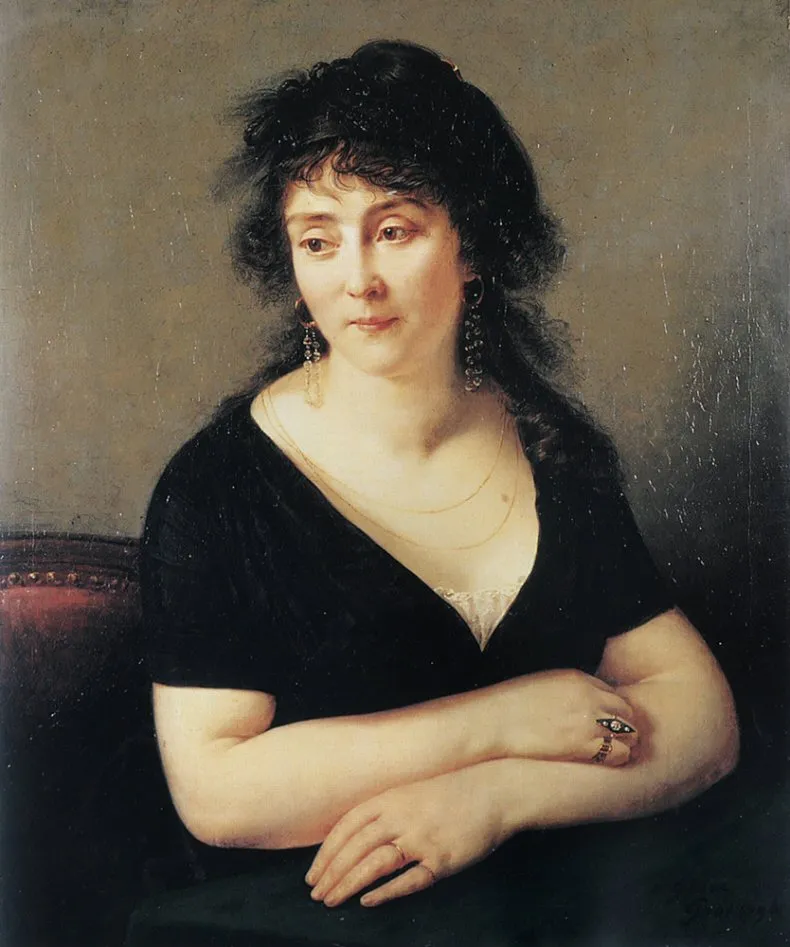
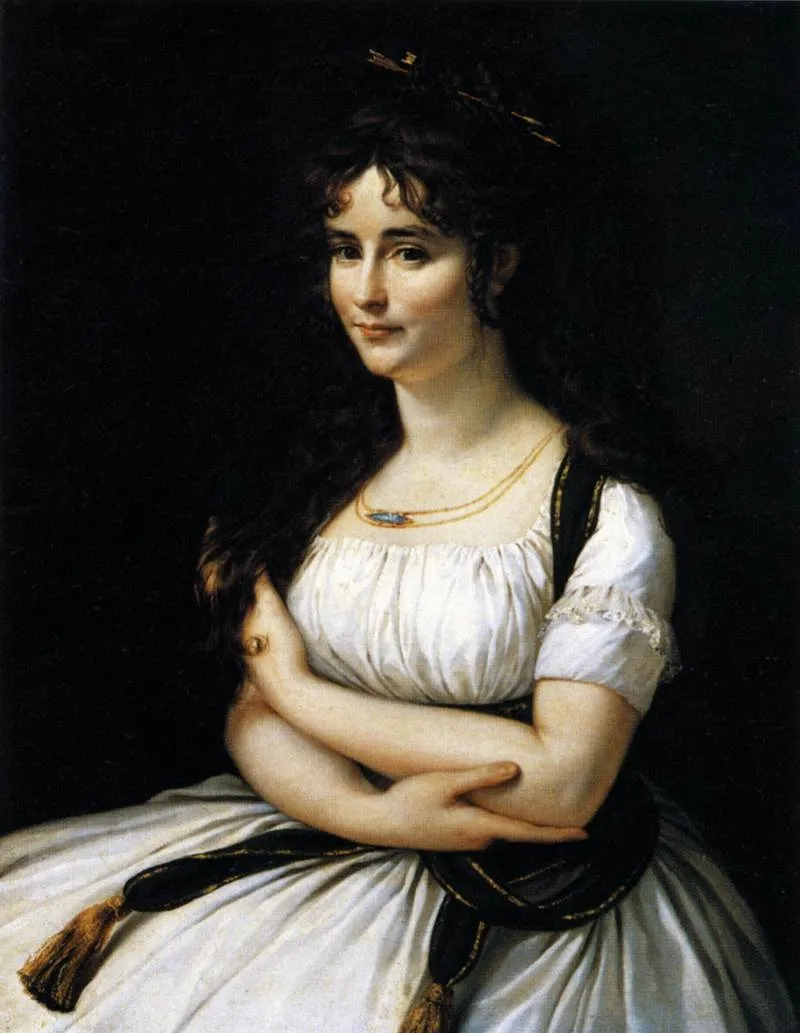
Antoine-Jean Gros’s "The Death of Timophanes" reveals his remarkable skill with oil on canvas, a hallmark of the Romantic era. The artist’s masterful brushwork brings to life the tension and passion of the scene, much like his celebrated painting "Madame Pasteur." Each stroke is deliberate, imbuing the composition with vivid colors and dramatic contrasts that define Gros’s signature style. The result is a powerful visual experience, coveted by admirers of classic oil paintings.
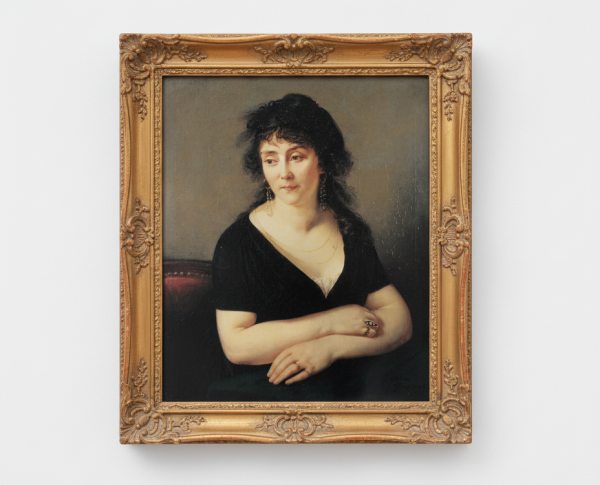
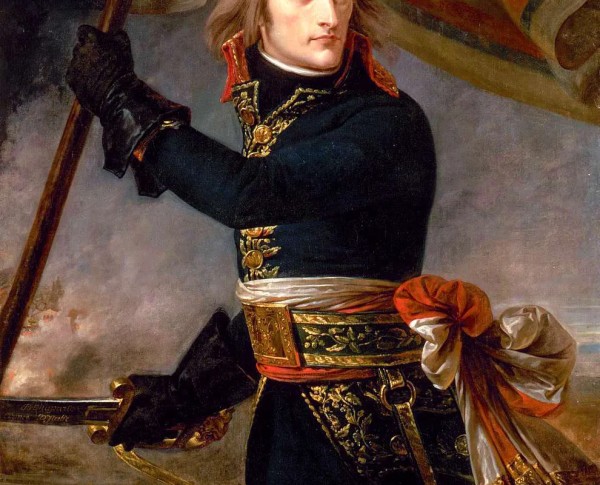
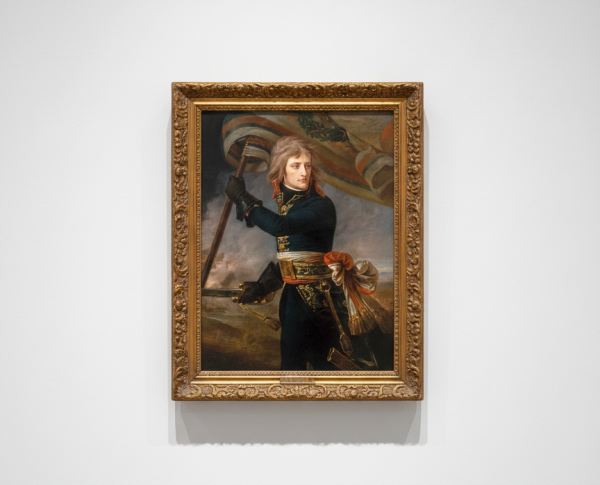
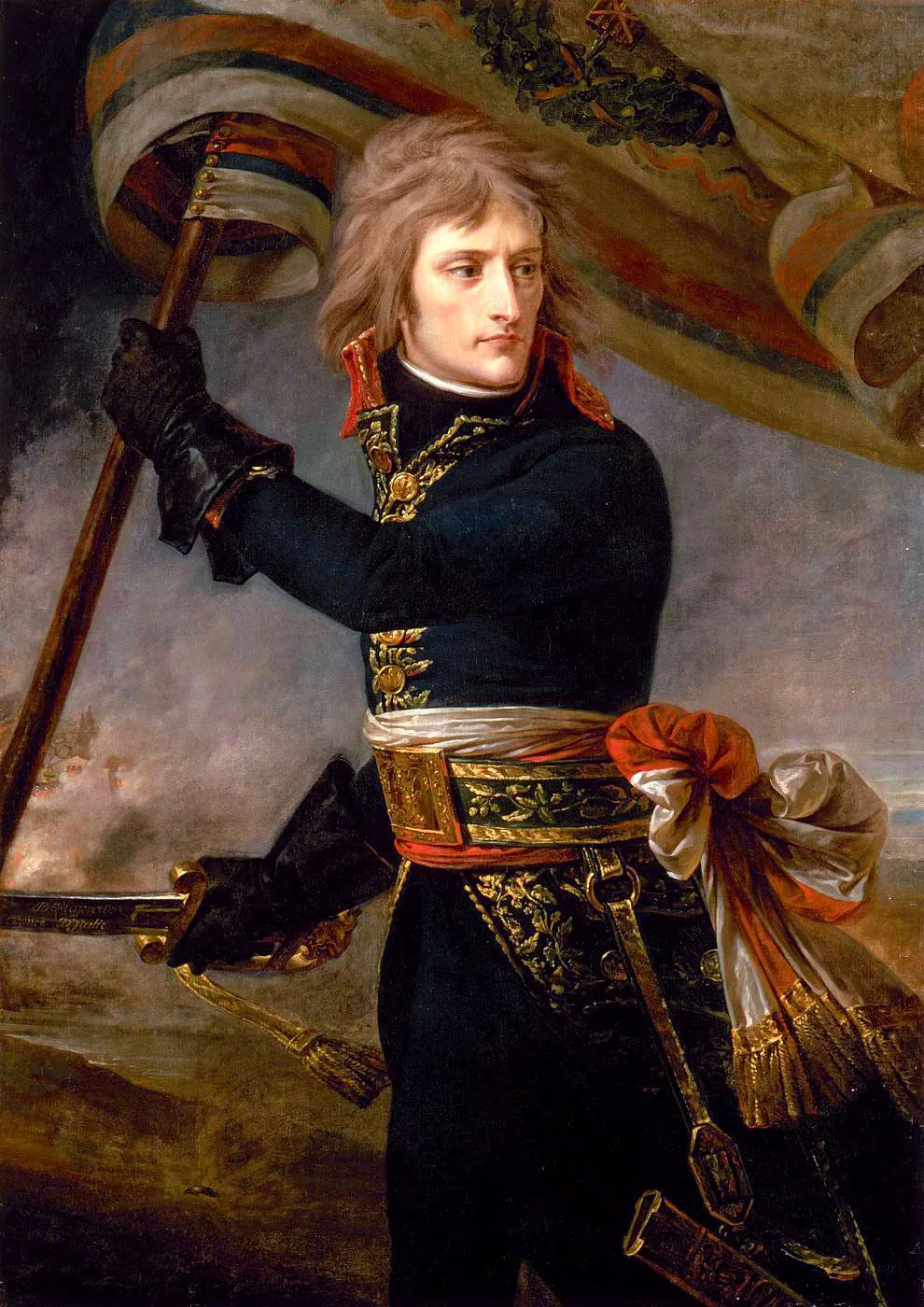
"The Death of Timophanes" is more than a fine art painting for sale; it is a narrative woven with symbolism and emotion. Antoine-Jean Gros uses the Romanticism movement’s emphasis on drama and individualism to depict this pivotal moment in history. The painting’s themes of sacrifice and justice resonate with viewers, similar to the stories explored in "Bonaparte at the Pont D'Arcole" and "Portrait of Madame Bruyere," making it a profound addition to any collection.
For art collectors, "The Death of Timophanes" by Antoine-Jean Gros is a prized acquisition, representing the pinnacle of Romanticism. This hand-painted oil painting not only offers visual beauty but also a connection to historic and emotional depth. Collectors often seek related works, including "Madame Pasteur" and "Portrait of Madame Bruyere," to complement their collections. Owning such a masterpiece ensures a legacy of artistic appreciation and timeless elegance.
When Art Meets History
Antoine-Jean Gros’s masterpiece, "The Death of Timophanes," stands as a powerful example of Romanticism’s ability to blend historical narrative with artistic expression. This hand-painted oil painting captures a pivotal moment from ancient history, echoing the dramatic storytelling found in related works like "Ship at Sea, Sunset" and "Light and Colour (Goethe's Theory)." Gros’s unique interpretation situates the viewer within the unfolding tragedy, making the painting a timeless addition to the world of fine art.
Techniques That Speak
Gros’s "The Death of Timophanes" is celebrated for its remarkable oil on canvas technique, characterized by dynamic brushwork and bold contrasts. The artist’s mastery of color and composition, reminiscent of pieces such as "The Morning after the Deluge – Moses Writing the Book of Genesis" and "Phantom Crane," brings depth and intensity to every detail. Through his skilled application, Gros elevates the narrative, making this painting a prime example of Romanticism’s technical brilliance.
Emotions on Display
In "The Death of Timophanes," Antoine-Jean Gros channels the emotional intensity central to the Romanticism movement. The figures, depicted with expressive gestures and vivid faces, pull viewers into the turmoil of the scene. Like in "Fishermans Home" and "George Washington Baines By," this fine art painting for sale highlights the artist’s ability to convey profound human experiences, inviting the audience to reflect on themes of power, loss, and moral conflict through masterful imagery.
Coveted by Collectors
As a hand-painted oil painting by Antoine-Jean Gros, "The Death of Timophanes" holds a prestigious place among art collectors and historians. Its connection to the Romanticism movement and resonance with related works ensures its desirability in the art market. Whether displayed alongside masterpieces like "Phantom Crane" or sought after as a standalone treasure, this oil on canvas remains a coveted piece for those seeking a significant fine art painting for sale with enduring historical and emotional impact.
Related Romanticism Hand-Painted Oil Paintings by Other Artists
Other Famous Romanticism Artists:
Frequently Asked Questions About The Death of Timophanes
What historical event does "The Death of Timophanes" depict?
The painting illustrates the execution of Timophanes, a figure from ancient Greek history, who was condemned to death for his tyrannical actions against the people of his city-state. This event is often associated with themes of justice and the consequences of tyranny.
Who was Antoine-Jean Gros, and what was his significance in art history?
Antoine-Jean Gros was a prominent French painter known for his historical and military subjects. He played a crucial role in the Romantic movement and is celebrated for his dramatic use of color and light, which can be observed in "The Death of Timophanes."
What artistic techniques did Gros employ in this painting?
Gros utilized a combination of chiaroscuro and dynamic composition to enhance the emotional intensity of the scene. The contrast between light and shadow emphasizes the gravity of the moment, while the arrangement of figures guides the viewer's eye through the narrative.
What symbolism is present in "The Death of Timophanes"?
The painting symbolizes the struggle between tyranny and freedom. Timophanes' death serves as a cautionary tale about the dangers of absolute power, while the expressions of the onlookers reflect the moral complexities surrounding justice and retribution.
How does "The Death of Timophanes" reflect the values of the Romantic movement?
This work embodies Romantic ideals by emphasizing individual emotion, dramatic storytelling, and the glorification of historical figures. Gros captures the intensity of human experience, aligning with the movement's focus on personal and emotional depth.
What role does color play in the depiction of this scene?
Color in "The Death of Timophanes" is used to evoke emotion and highlight key elements of the narrative. The warm tones of the figures contrast with the cooler background, drawing attention to the central action and enhancing the overall dramatic effect.
In what ways does the composition of the painting contribute to its impact?
The composition is carefully structured, with a triangular arrangement of figures that creates a sense of stability amidst the chaos. This arrangement not only guides the viewer's gaze but also reinforces the tension and emotional weight of the scene.
What historical context influenced Gros when creating this painting?
Gros was influenced by the political climate of his time, particularly the rise of nationalism and the consequences of the Napoleonic Wars. The themes of sacrifice and heroism in "The Death of Timophanes" resonate with contemporary ideals of patriotism and moral duty.
How does this painting compare to other works by Gros?
Compared to other works by Gros, "The Death of Timophanes" showcases a heightened emotional intensity and a more dramatic narrative style. While Gros often focused on military subjects, this piece emphasizes the moral implications of leadership and power.
What legacy has "The Death of Timophanes" left in the art world?
The painting has influenced subsequent generations of artists by exemplifying the power of historical narrative in art. Its exploration of themes such as justice, tyranny, and the human condition continues to resonate, making it a significant work in the study of Romanticism and historical painting.






















_GFM_Painting_(1).webp)


 100% Hand-Painted: Finished in 3-6 Weeks

.png)















_(1).webp)