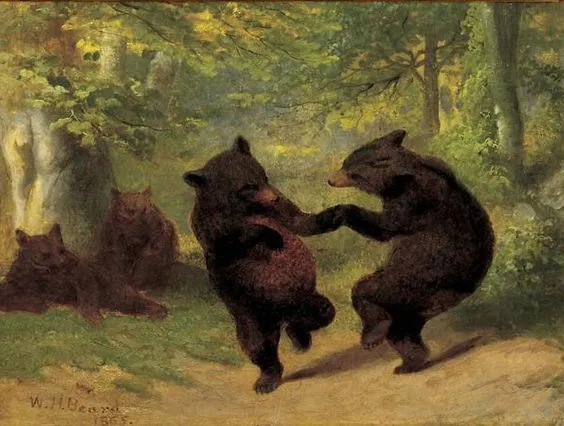
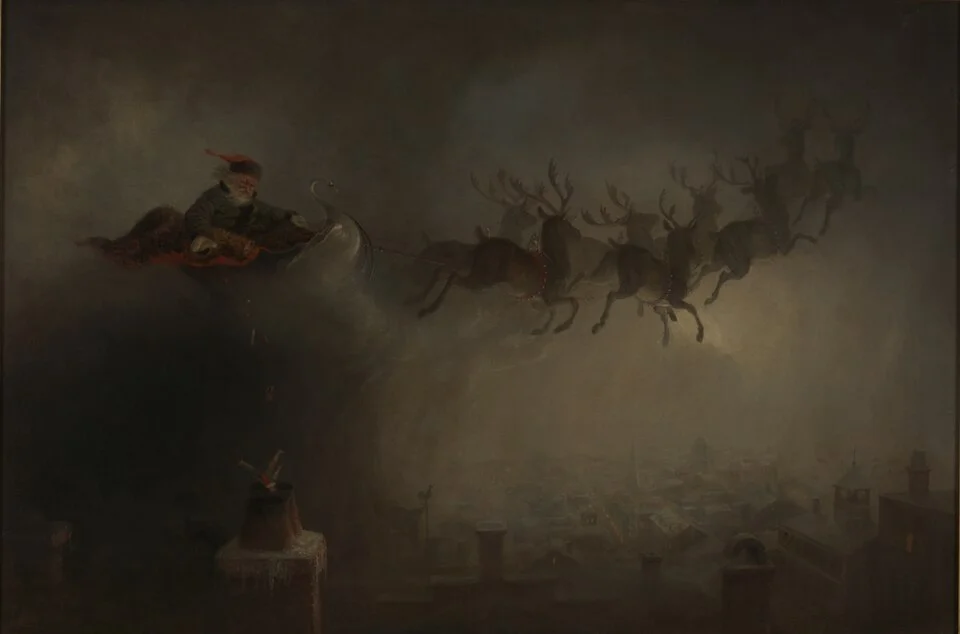
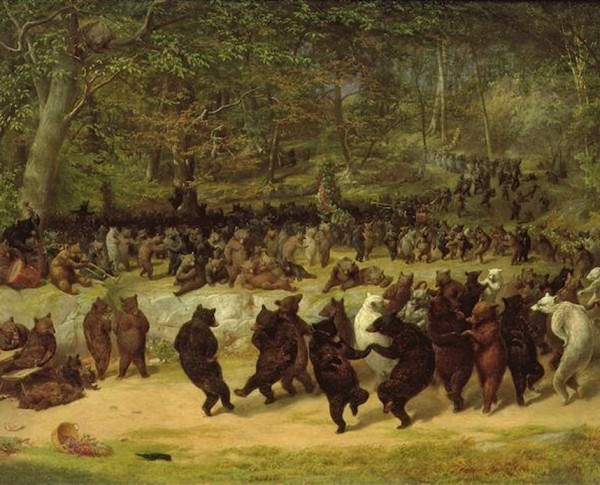
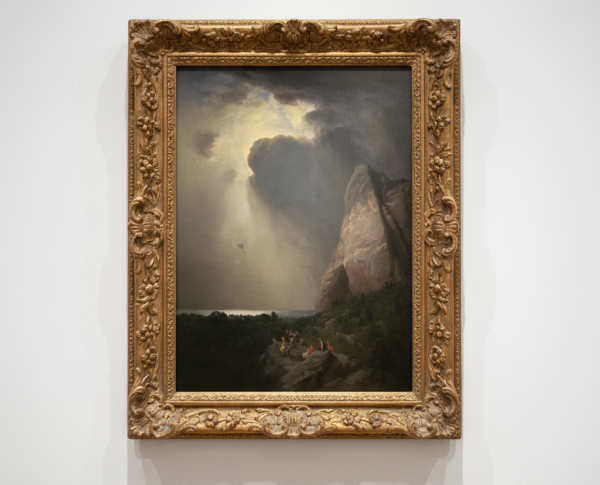
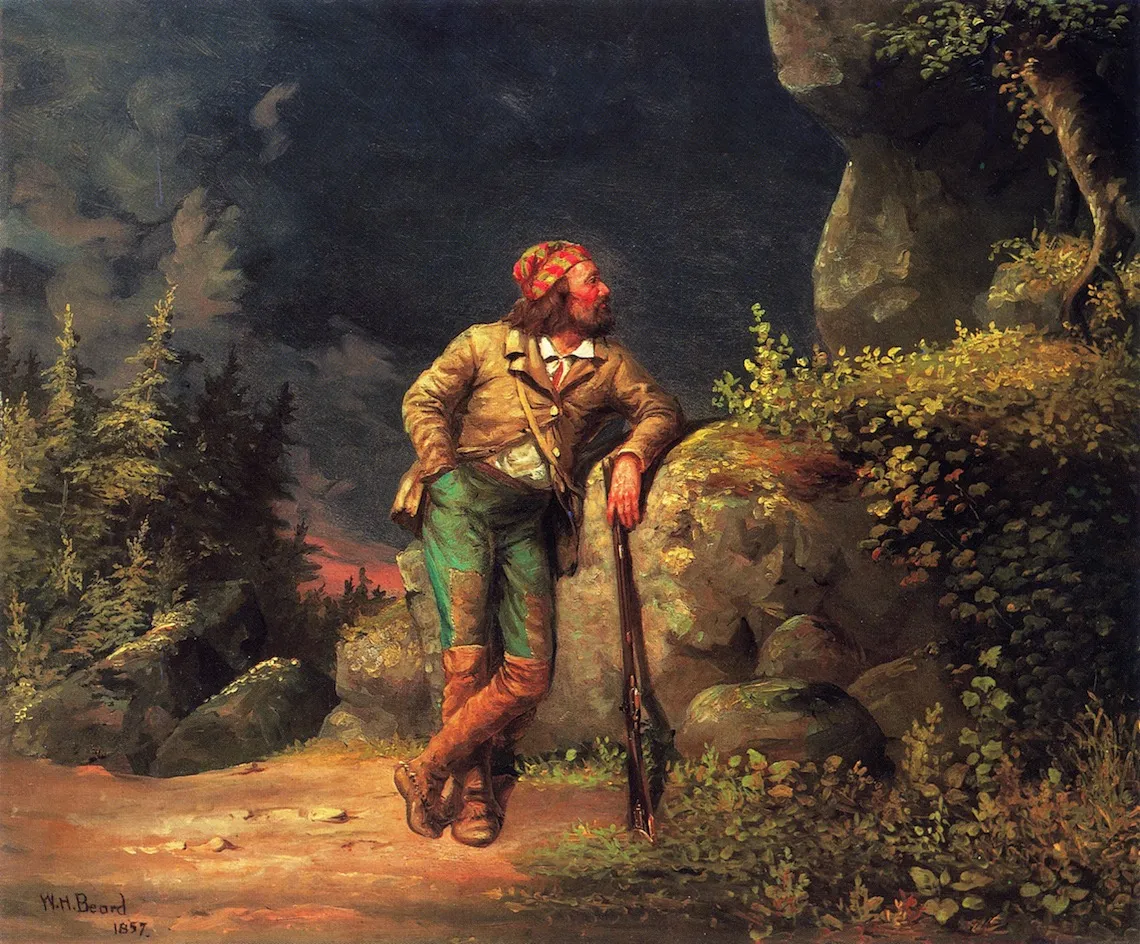
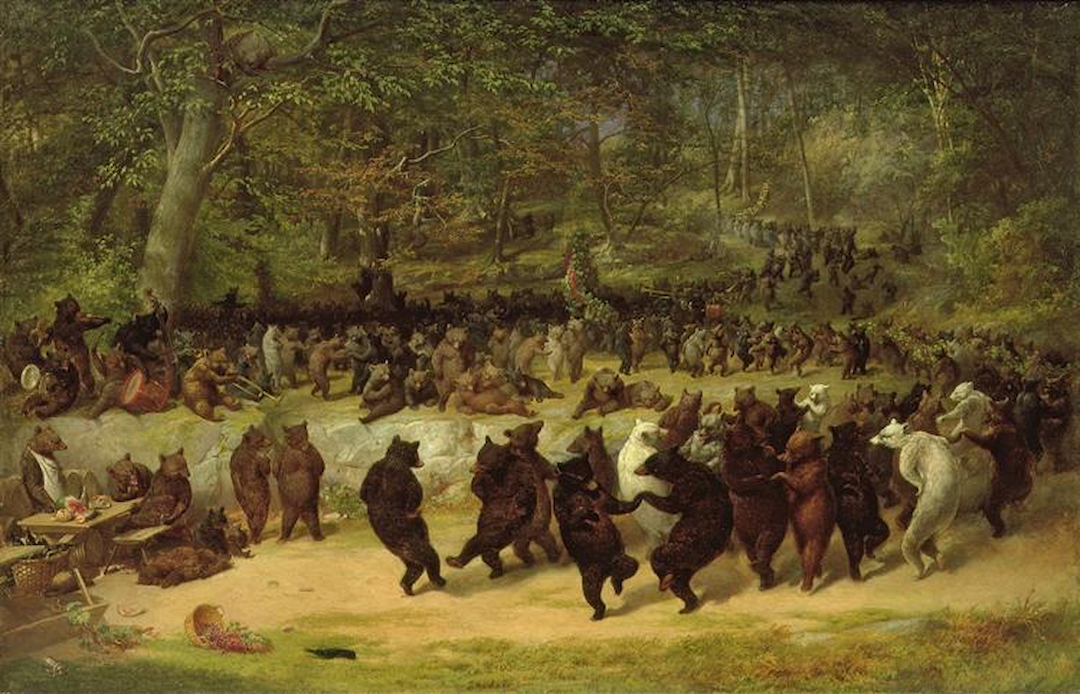
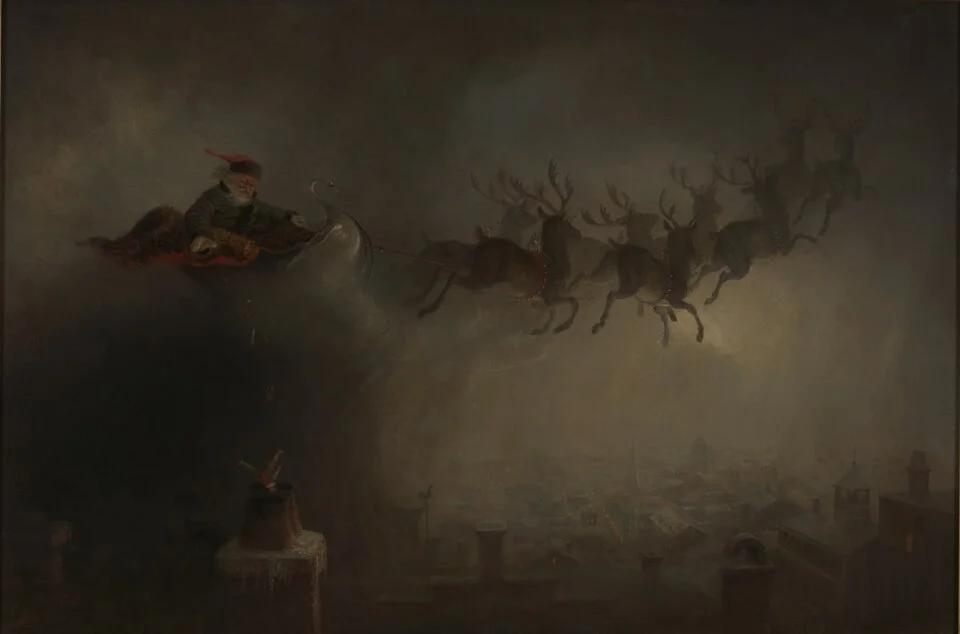
William Holbrook Beard’s meticulous technique is evident in "The Trapper," where each brushstroke brings the wilderness to life. This stunning oil on canvas demonstrates his command over light, texture, and detail, characteristic of the Romanticism movement. Collectors and enthusiasts of fine art painting for sale often admire Beard’s ability to evoke emotion and drama, a talent also displayed in related works such as "Dancing Bears" and "Lightning Struck a Flock of Witches."
"The Trapper" by William Holbrook Beard weaves a narrative rich with symbolism, characteristic of Romanticism. The painting’s hand-painted oil painting technique emphasizes the rugged solitude of its subject, inviting viewers to ponder humanity’s relationship with nature. Like Beard’s "Phantom Crane" and "Pre Adamite By," this piece is more than decoration—it’s a story told in color and form, making it a compelling addition for those seeking a meaningful fine art painting for sale.
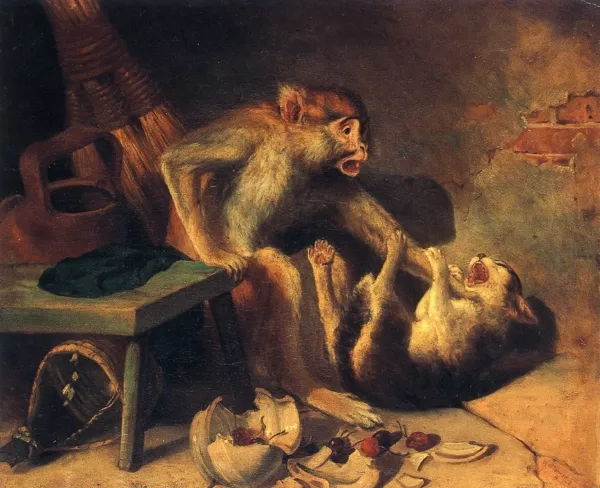
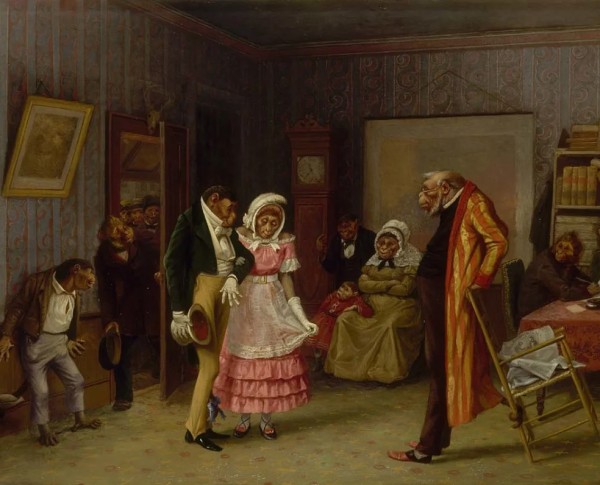
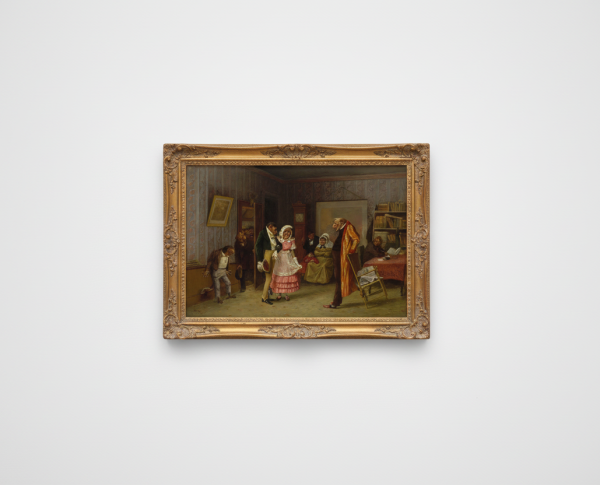
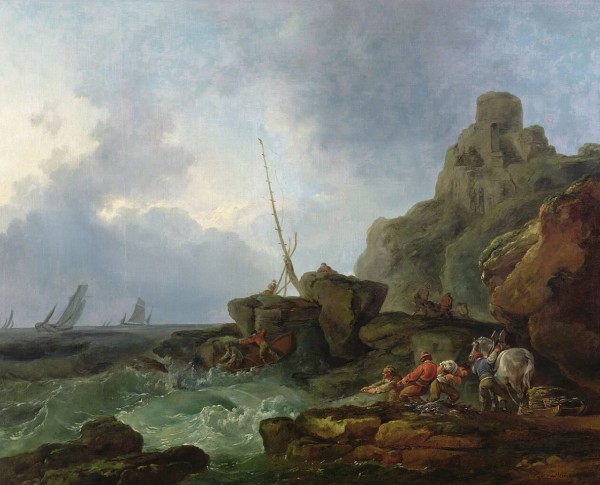
Owning "The Trapper" by William Holbrook Beard means possessing a true representation of Romanticism. This oil on canvas not only showcases the artist’s skill but also complements collections featuring related works like "Domestic Squabble" and "The Wreckers." For those searching for a fine art painting for sale, Beard’s creations offer timeless appeal and investment value, ensuring that each piece remains a cherished collector’s treasure for generations to come.
When Art Meets History
"The Trapper" by William Holbrook Beard stands as a remarkable example of Romanticism, merging historical narrative with artistic flair. Painted during the height of the movement, this hand-painted oil painting reflects the era’s fascination with nature and human adventure. Beard, renowned for his ability to capture dramatic moments, also created works like "Battle of Aboukir, July 25, 1799" and "The Battle of the Pyramids," each echoing a similar passion for storytelling through art.
Techniques That Speak
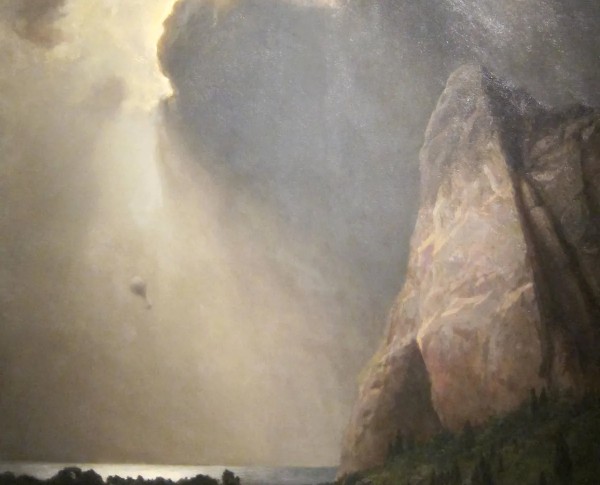
William Holbrook Beard’s mastery shines in "The Trapper," where his use of oil on canvas brings depth and texture to every detail. Rich, vibrant brushwork and careful layering highlight the Romanticism movement’s emphasis on emotion and nature. Beard’s technique can also be observed in "Mountain Landscape with Rainbow," where his handling of light and color enhances the mood, making each fine art painting for sale a testament to his enduring skill.
Emotions on Display
"The Trapper" invites viewers into a world of intense emotion, a hallmark of Romanticism. Beard’s depiction of the solitary trapper, set against a wild landscape, evokes feelings of isolation, courage, and perseverance. This fine art painting for sale captures the raw spirit of humanity’s relationship with nature, much like his other pieces such as "Christopher Columbus Before the Council of Salamanca," which similarly explores the depths of human experience through art.
Coveted by Collectors
As a hand-painted oil painting from the Romanticism era, "The Trapper" holds significant value among art collectors. William Holbrook Beard’s works, including "Portrait of Louis-Marie-Joseph, comte de Brigode-Kemlandt," are highly sought after for their historical relevance and artistic excellence. Collectors prize these pieces not only for their beauty but also for the unique perspective they offer on 19th-century life and the evolution of oil on canvas techniques.
Related Romanticism Hand-Painted Oil Paintings by Other Artists
Other Famous Romanticism Artists:
Frequently Asked Questions About The Trapper
Who is the artist of The Trapper?
The Trapper was created by American artist William Holbrook Beard, known for his depictions of wildlife and the American frontier.
What is the historical context of The Trapper?
The Trapper was painted during the late 19th century, a period marked by westward expansion and the romanticization of the American wilderness.
What themes are explored in The Trapper?
The painting explores themes of survival, the relationship between humans and nature, and the rugged individualism associated with frontier life.
What artistic techniques did William Holbrook Beard use in The Trapper?
Beard employed a realistic style with detailed brushwork and a rich color palette to capture the essence of the natural environment and the character of the trapper.
What symbolism can be found in The Trapper?
The figure of the trapper symbolizes the spirit of adventure and the pioneering ethos of the American frontier, representing both the challenges and the allure of wilderness life.
How does The Trapper reflect the attitudes towards nature during its time?
The painting reflects a romanticized view of nature, showcasing it as both beautiful and untamed, while also highlighting the human struggle to coexist with it.
What role did wildlife play in The Trapper?
Wildlife is integral to The Trapper, serving as both a backdrop and a subject that emphasizes the connection between the trapper and the natural world he inhabits.
In what ways does The Trapper exemplify Beard's artistic style?
The Trapper exemplifies Beard's style through its focus on detailed animal representations, dramatic landscapes, and an emphasis on narrative within the painting.
What is the significance of the trapper's attire in the painting?
The trapper's attire signifies his role as a frontiersman and his adaptation to the harsh conditions of the wilderness, highlighting themes of resilience and survival.
How has The Trapper influenced modern perceptions of American art?
The Trapper has influenced modern perceptions of American art by contributing to the narrative of the American wilderness and the exploration of identity in relation to nature.






















_GFM_Painting_(1).webp)


 100% Hand-Painted: Finished in 3-6 Weeks

.png)















_(1).webp)